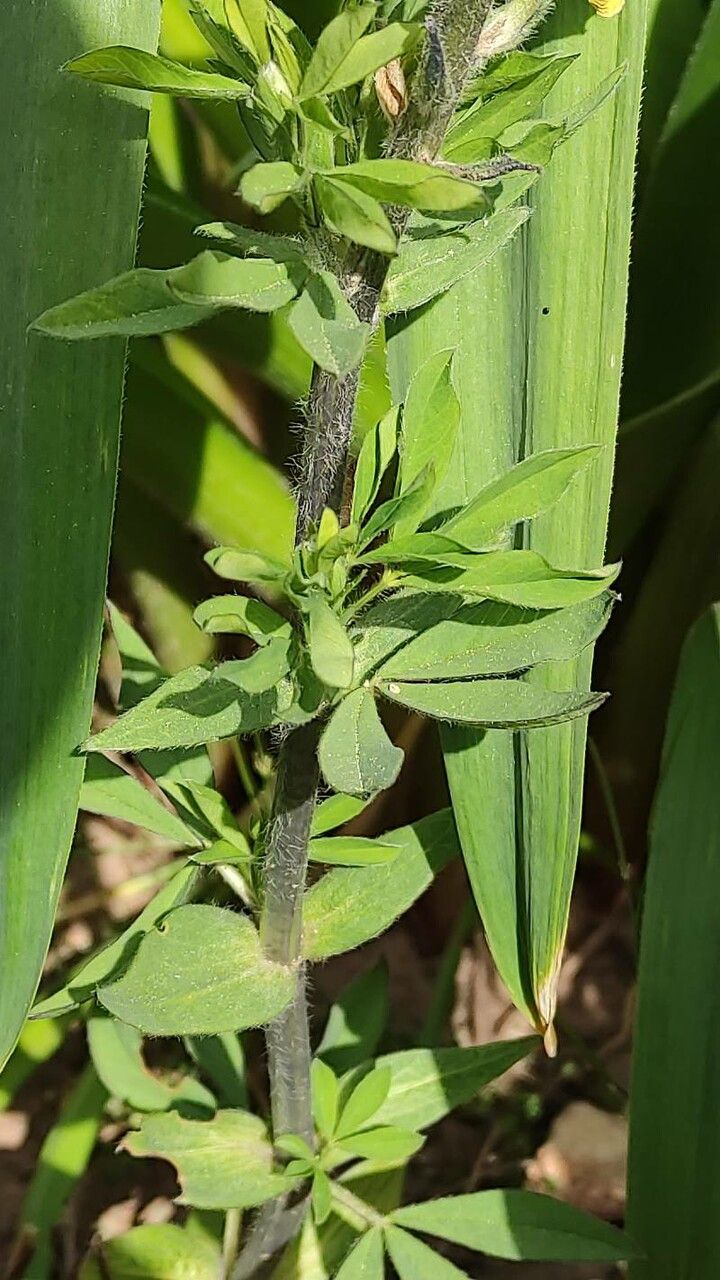
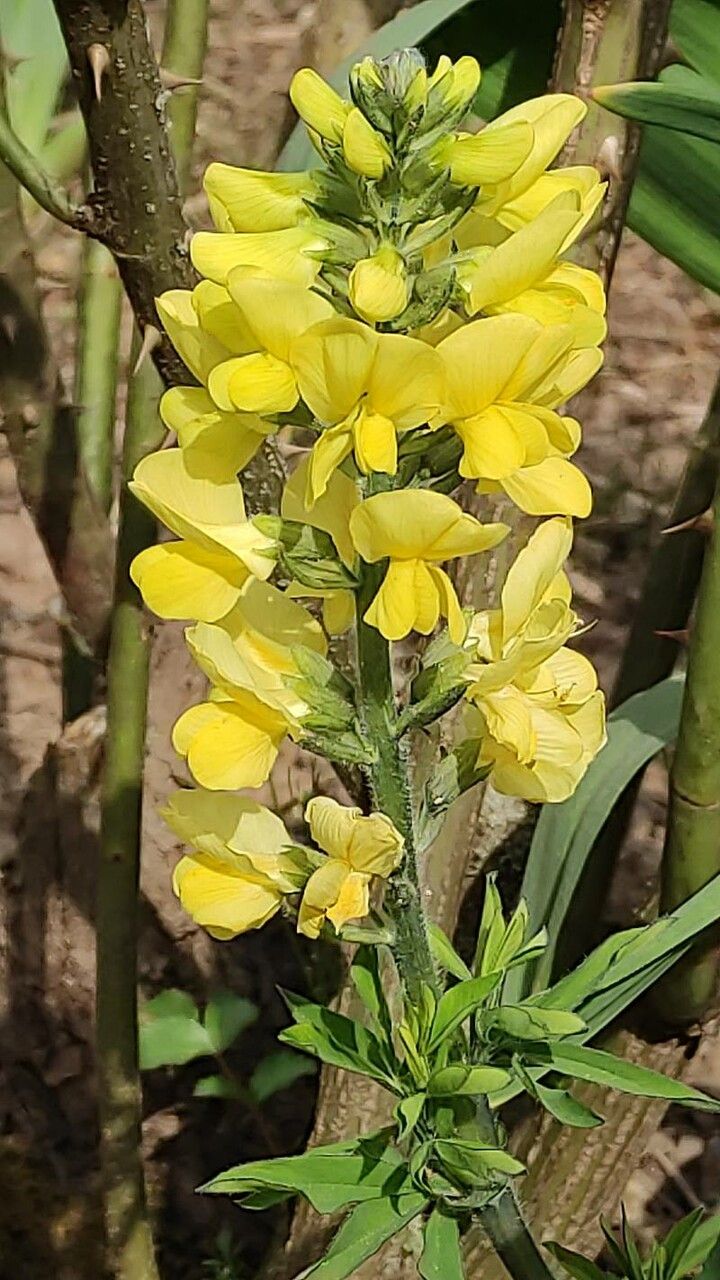
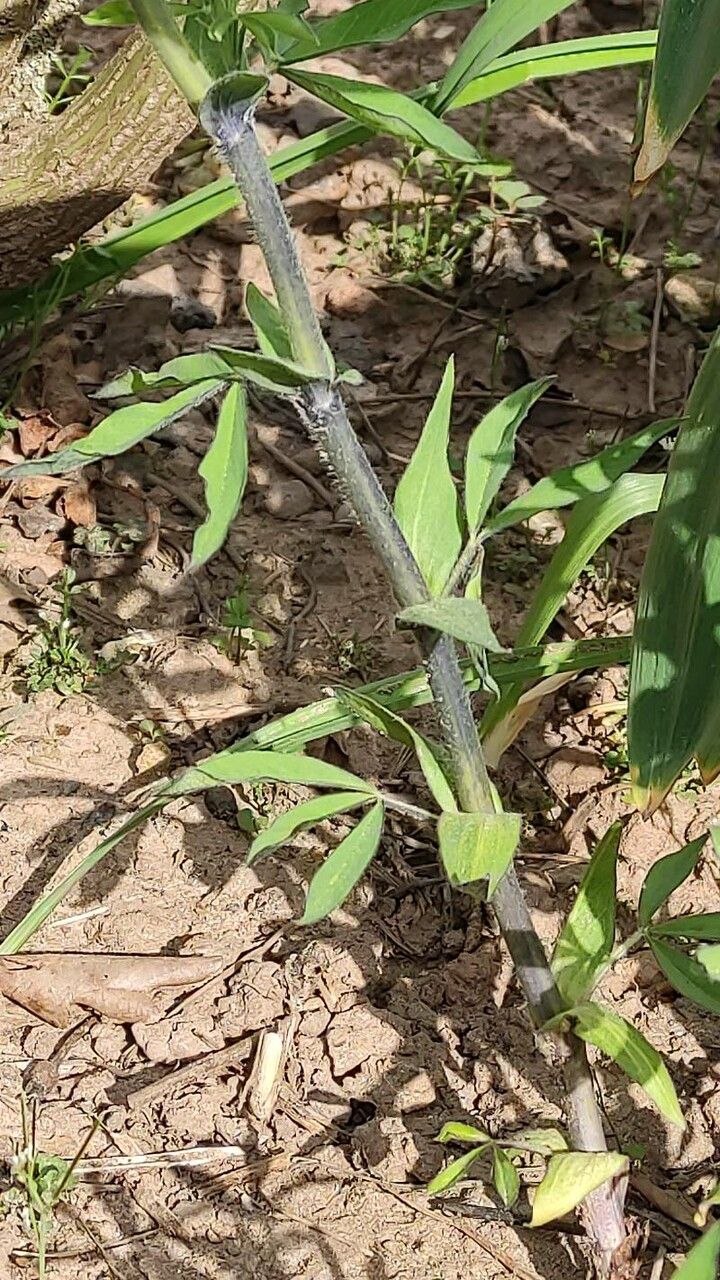
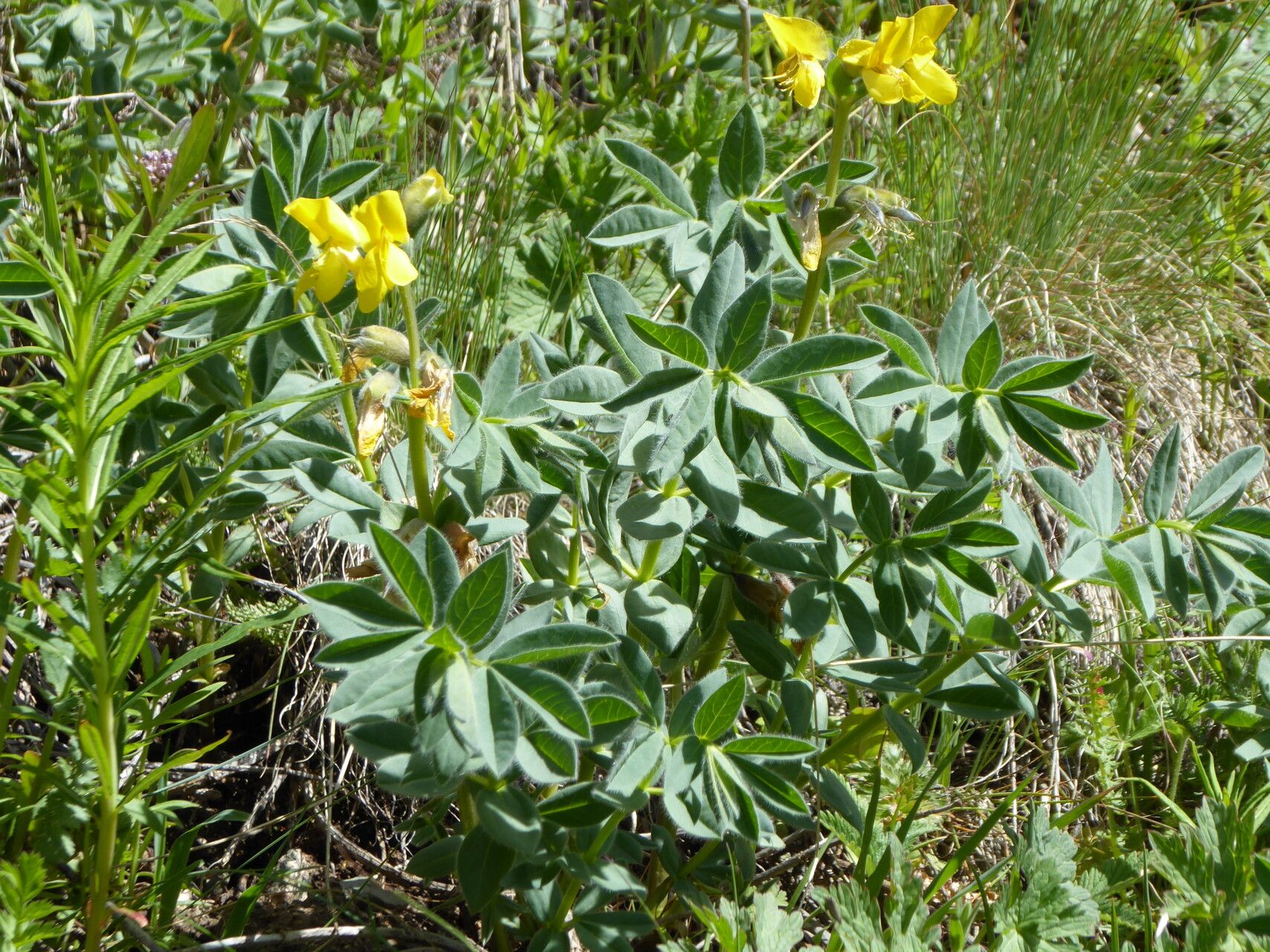
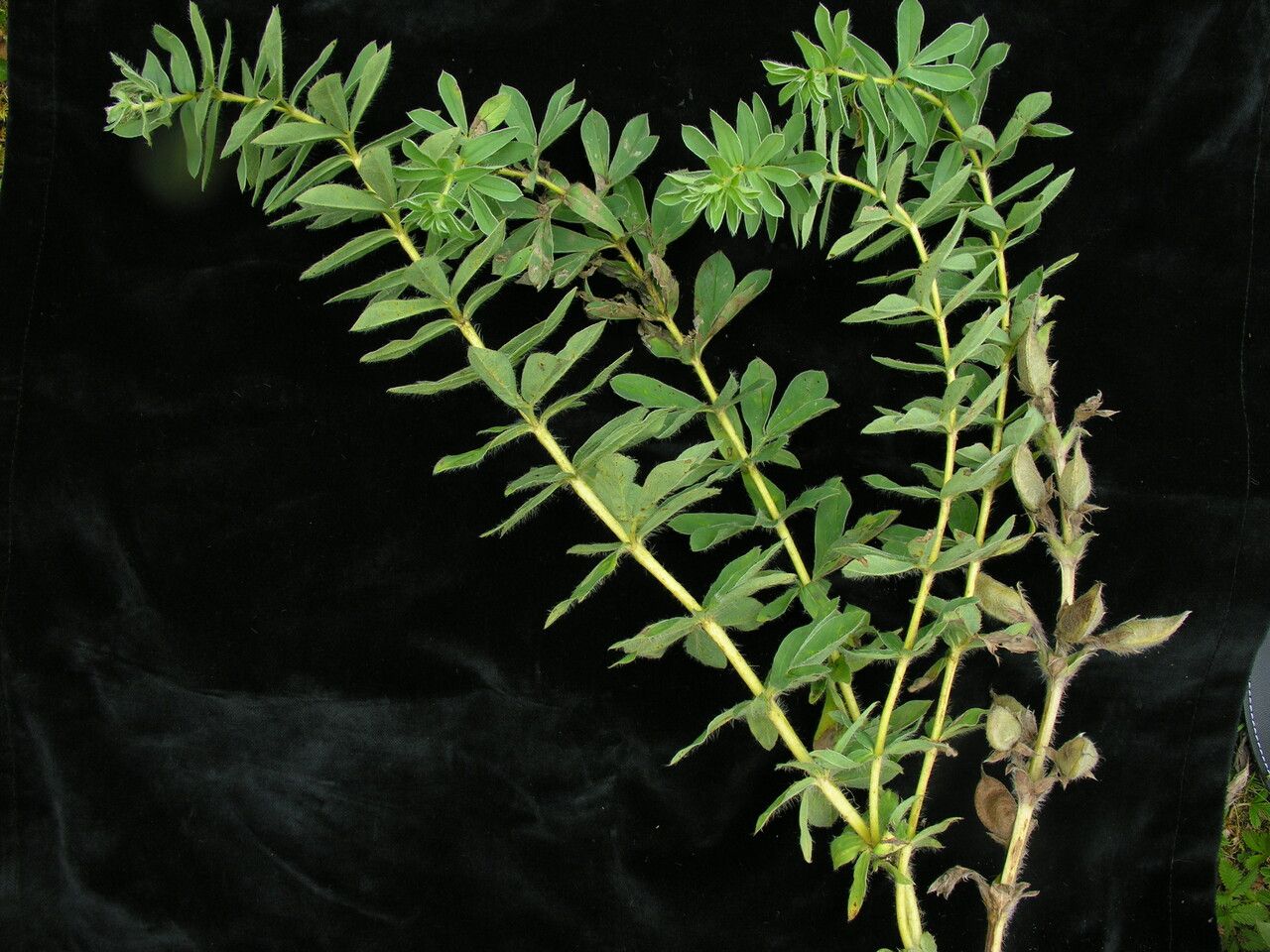
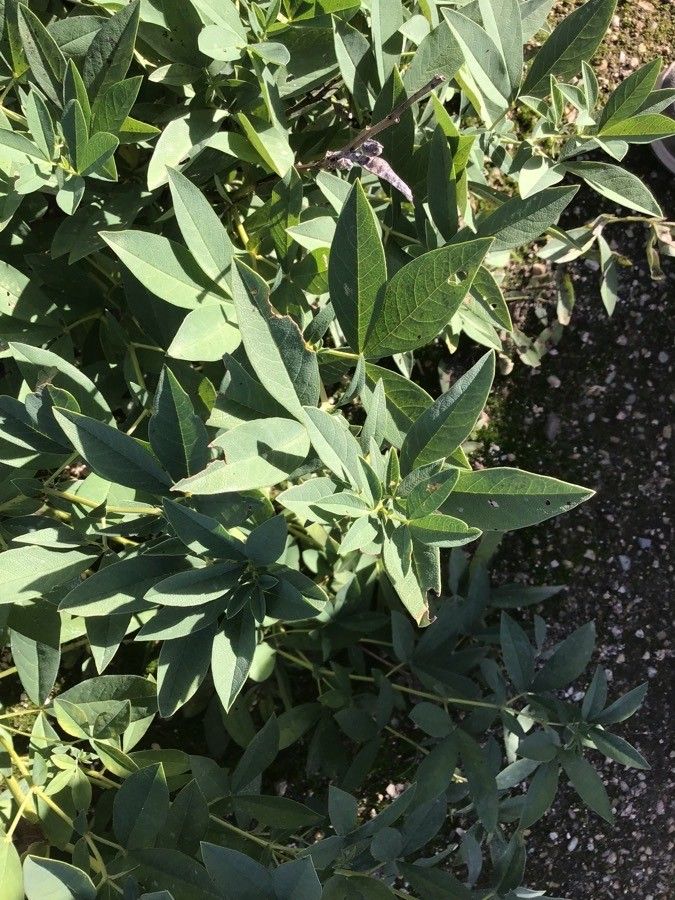
Thermopsis lanceolata, the tapered false lupin (or lupine), is a species of flowering plant in the legume family Fabaceae, native to Russia (Siberia), Kazakhstan, Mongolia, Nepal and China (Hebei Sheng, Gansu Sheng, Shanxi Sheng, Shaanxi Sheng, Qinghai Sheng, Nei Mongol Zizhiqu (s.)). Growing to 1 m (3.3 ft) tall and broad, this herbaceous perennial has grey-green leaves and erect tapering panicles of pale yellow, pea-like flowers in spring. It is closely related to the familiar lupins of gardens, but with a more bushy appearance.The plant is tough and resilient, tolerating a wide range of growing conditions, but resents disturbance. The Latin specific epithet lanceolata means 'spear-shaped', in reference to the leaves.
Lanceleaf thermopsis shows strong resistance to disease and is generally not susceptible to illnesses. Still, it can be affected by pests and diseases present in its environment, though these problems are typically mild. Regarding care, the plant needs moderate maintenance. It should be pruned regularly to preserve a neat appearance and encourage healthy growth. Applying fertilizer can also help stimulate flowering. Lanceleaf thermopsis is appropriate for anyone with an outdoor area, like a garden or patio, and does not demand extensive care experience. It may need extra attention if cultivated indoors.
How to keep Thermopsis Lanceolata.
Light
Lanceleaf thermopsis does best in locations that get abundant sunlight throughout the day, as in its native habitat. It can, however, tolerate moderate sun without significant harm to its growth. Both excessive shade and overexposure to sunlight can negatively affect its overall growth.
Water
Lanceleaf thermopsis thrives in moderate moisture conditions and requires consistent soil hydration without becoming waterlogged. For optimal health, it should be watered weekly. This plant is often grown outdoors to take advantage of natural rainfall, as steady water availability is essential for its vigorous growth.
Temperature
Lanceleaf thermopsis naturally occurs in regions where temperatures range from 32 to 95 °F (0 to 35 ℃). Present in temperate zones, it can tolerate a variety of temperatures but grows best within that range. Seasonal adjustments to temperature may be necessary to promote healthy growth.
Fertilizer
The primary time to fertilize Lanceleaf thermopsis is in early spring as the flowers are developing. Using the appropriate fertilizer promotes stronger blooms and helps Lanceleaf thermopsis produce attractive flowers. Applying fertilizer in early spring ensures good flowering throughout the season and supplies energy for dormant growth phases.
Pruning
Lanceleaf thermopsis boasts vibrant yellow flowers and distinctive lance-shaped leaves. To keep it healthy, prune it from early to late spring. Begin by removing dead stems and spent blooms, which will encourage new growth. However, be careful to avoid heavy pruning. This approach improves air circulation, reduces the risk of disease, and enhances the plant's shape. Always use clean, sharp tools for the best results.
Botanical profile.
- Plant Type
- Herb
- Life Cycle
- Perennial
- Genus
- Thermopsis
- Family
- Fabaceae
- Hardiness Zone
- 3-9
- Mature Height
- 46 cm
- Mature Spread
- 30 cm
- Leaf Color
- Green, Gray
- Leaf Type
- Deciduous
- Flower Color
- Yellow
- Flower Size
- 0.51 cm to 1.78 cm
- Bloom Time
- Mid spring, Late spring
- Planting Time
- Spring, Summer, Autumn, Winter
- Harvest Time
- Summer
- Native Area
- Uzbekistan, Russia, Nepal, Tajikistan, Kazakhstan, Mongolia, China
Reader questions.
What are the sunlight requirements for plants?
Plants require varying amounts of sunlight to thrive. Full sun conditions mean a plant should receive above 6 hours of sunlight daily, while partial sun refers to about 3-6 hours of sunlight. It's essential to observe your garden's light and shade patterns to find the perfect spot for each plant, making sure they get the right balance for optimal growth.
What is the native temperature range for Lanceleaf thermopsis?
Lanceleaf thermopsis is native to regions that experience temperatures between 32 to 95 °F (0 to 35 °C). It originates from temperate areas where it can adapt to a wide range of temperatures but shows optimal growth within this specific temperature range. To maintain its health, seasonal temperature adjustments might be needed to ensure the plant continues to thrive.
What are the essential growth conditions for Lanceleaf thermopsis?
Lanceleaf thermopsis flourishes in areas with ample sunlight, mimicking its natural habitat conditions. It can tolerate moderate sun exposure but does poorly under too much shade or excessive sunlight. For indoor plants, artificial lighting can supplement natural light, especially in winter or dim areas. LED lights are beneficial for indoor planting, with varying wattage requirements based on the plant's need for full sun, partial sun, or full shade compatibility.
Does Lanceleaf thermopsis require frost protection measures during winter?
Lanceleaf thermopsis possesses strong cold resistance, which usually negates the need for special frost protection measures during the winter months. However, in cases where winter temperatures are anticipated to plummet below -35°C, it is crucial to provide cold protection. This can be done by covering the plant with insulating materials like soil or straw. Additionally, watering the plant abundantly before the first freeze in autumn to keep the soil moist is recommended. This process helps prevent drought stress and water shortage for the plant during winter and early spring.
What symptoms indicate insufficient or excessive sunlight in plants?
Symptoms of light deficiency in Lanceleaf thermopsis include smaller new leaves, leggy growth, faster leaf drop, slower or stopped new growth, paler new leaves, and potential chlorosis. Excessive sunlight can cause sunscald, leaf curling, wilting, leaf scorching, and overall health decline. These symptoms help in diagnosing whether a plant is receiving too little or too much light.
How does Lanceleaf thermopsis respond to low temperatures?
Lanceleaf thermopsis exhibits a high level of tolerance to cold temperatures, flourishing best when temperatures remain above 0°C. Nonetheless, during winter, the plant should be maintained above -30°C. When temperatures drop below -35°C, there may not be observable changes immediately, but come spring, there could be a noticeable decrease in sprouting or, in some instances, a complete lack of sprouting. The recommended solution for spring is to remove any parts of the plant that have failed to sprout, allowing for the possibility of new growth.
What solutions can help plants with insufficient or excessive sunlight exposure?
For plants with insufficient sunlight, gradually moving them to sunnier spots or using artificial light can help. A south-facing window or artificial grow lights can provide necessary light for indoor plants. Outdoors, it's vital to acclimatize plants to brighter conditions to prevent sunburn. Pruning obstructive branches or transplanting can improve sunlight access. Note that damaged parts may not recover, but new growth will be healthy with improved light conditions.
What are the effects of high temperatures on Lanceleaf thermopsis and how can they be mitigated?
During the summer months, it's essential to ensure that the temperature around Lanceleaf thermopsis does not exceed 35°C. When temperatures rise above 38°C, the plant's leaves may start to lighten in color, curl, become prone to sunburn, and in severe cases, the entire plant may exhibit signs of wilting and drying out. To mitigate these effects, sunburned and dried parts of the plant should be trimmed. Moving the plant to a shaded area during the midday and afternoon sun or utilizing a shade cloth can provide necessary protection. Additionally, watering the plant in the morning and evening will help keep the soil adequately moist.