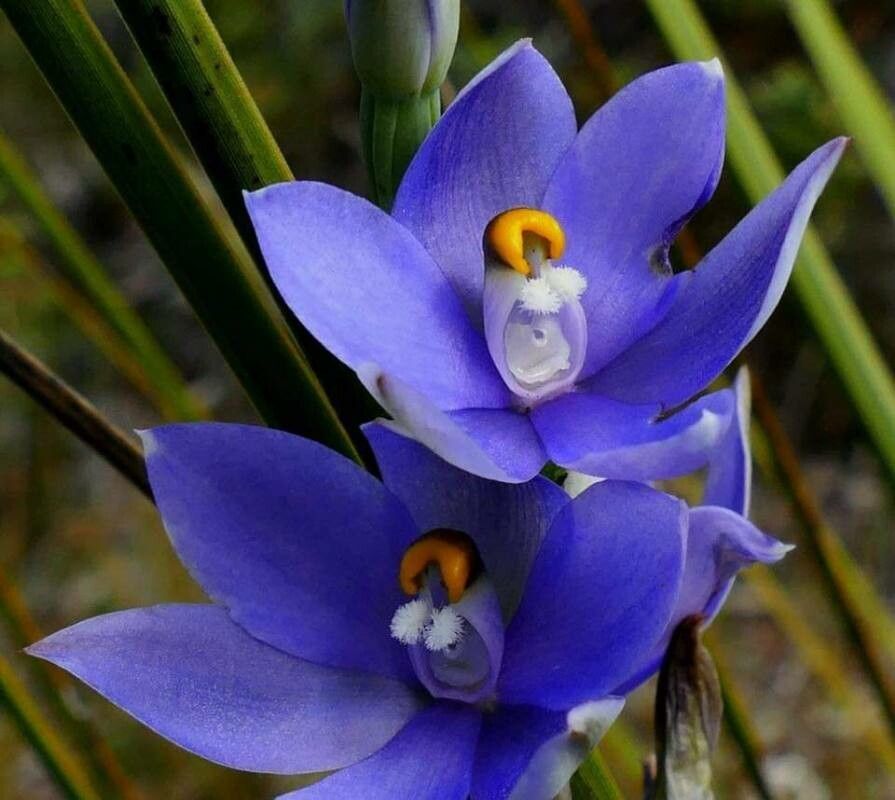
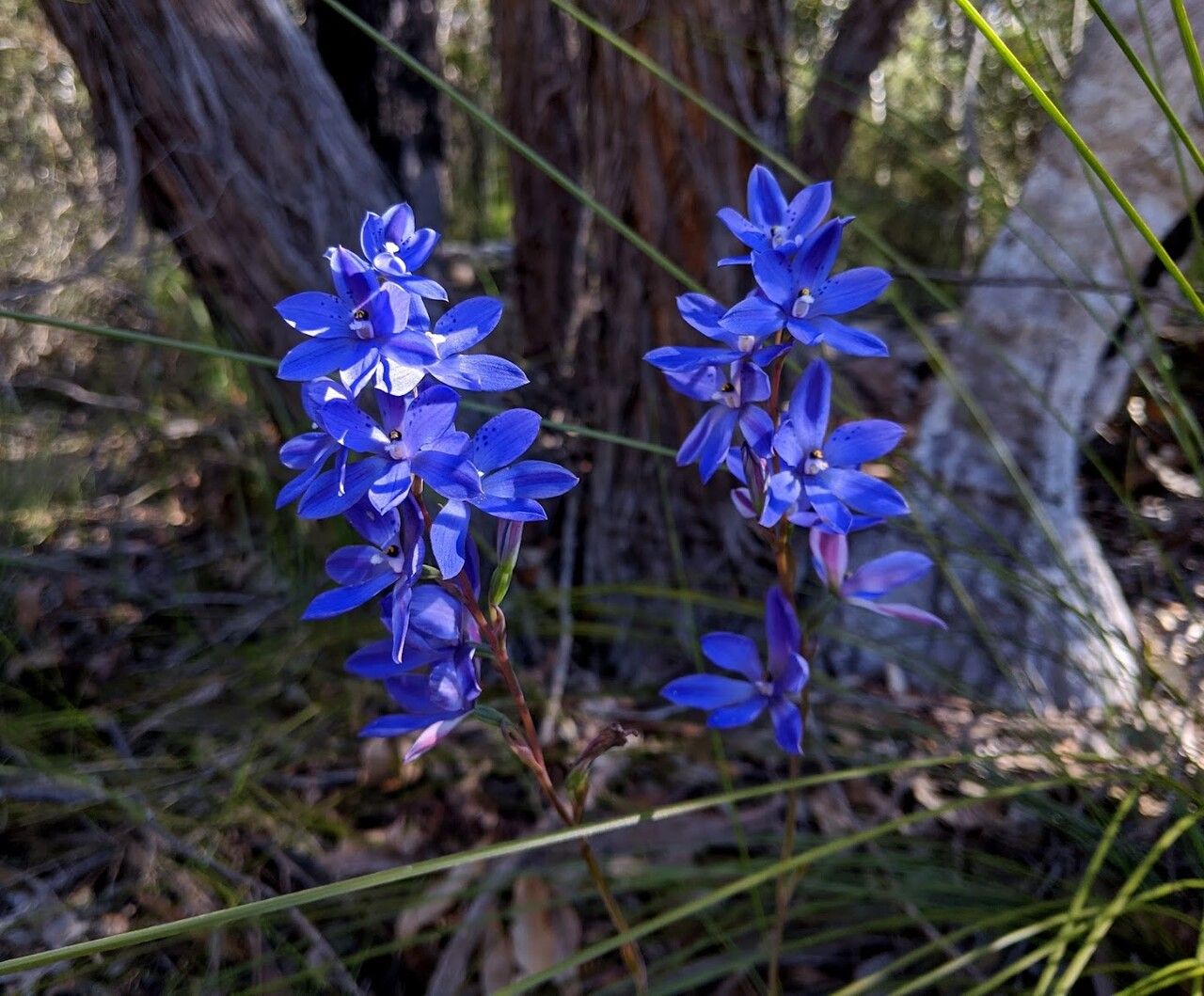
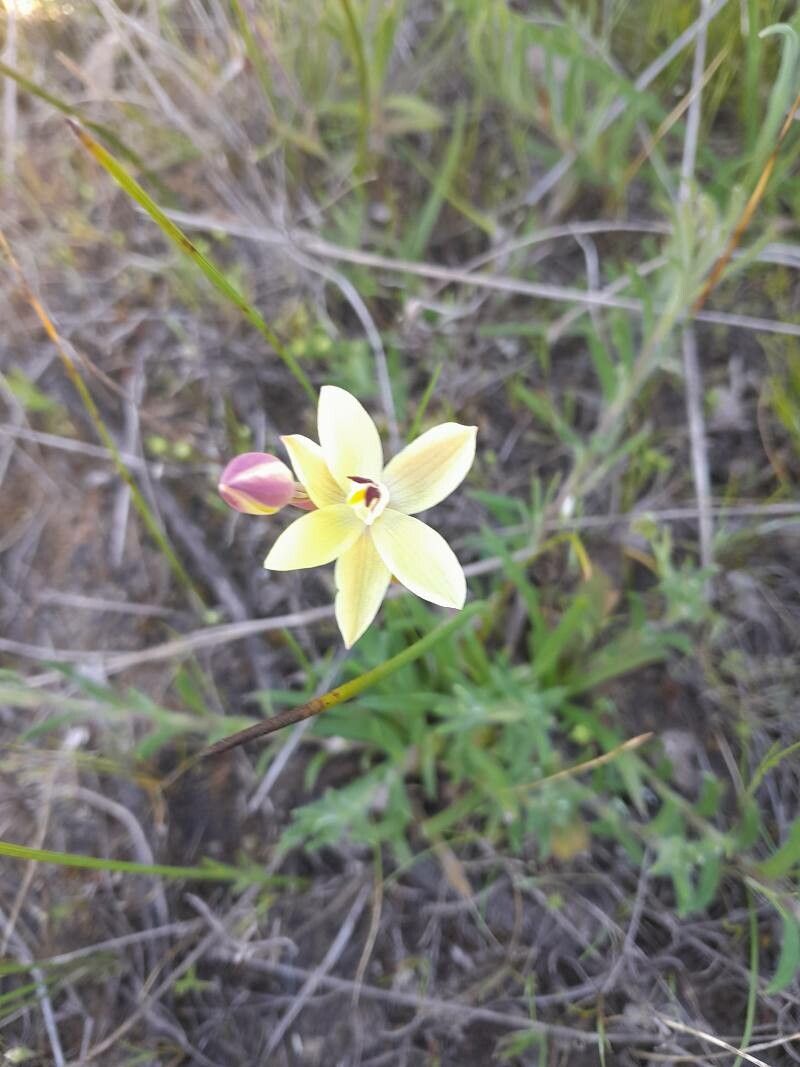
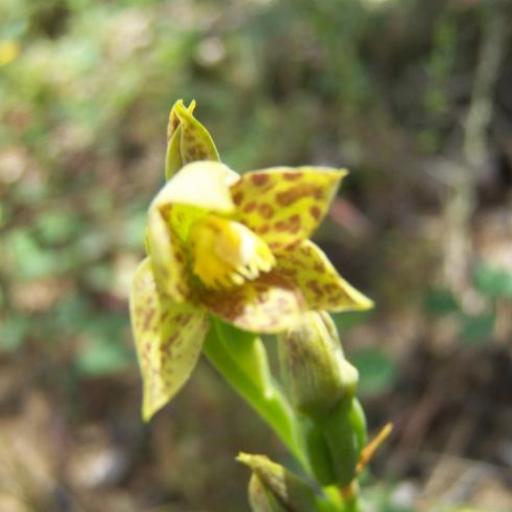
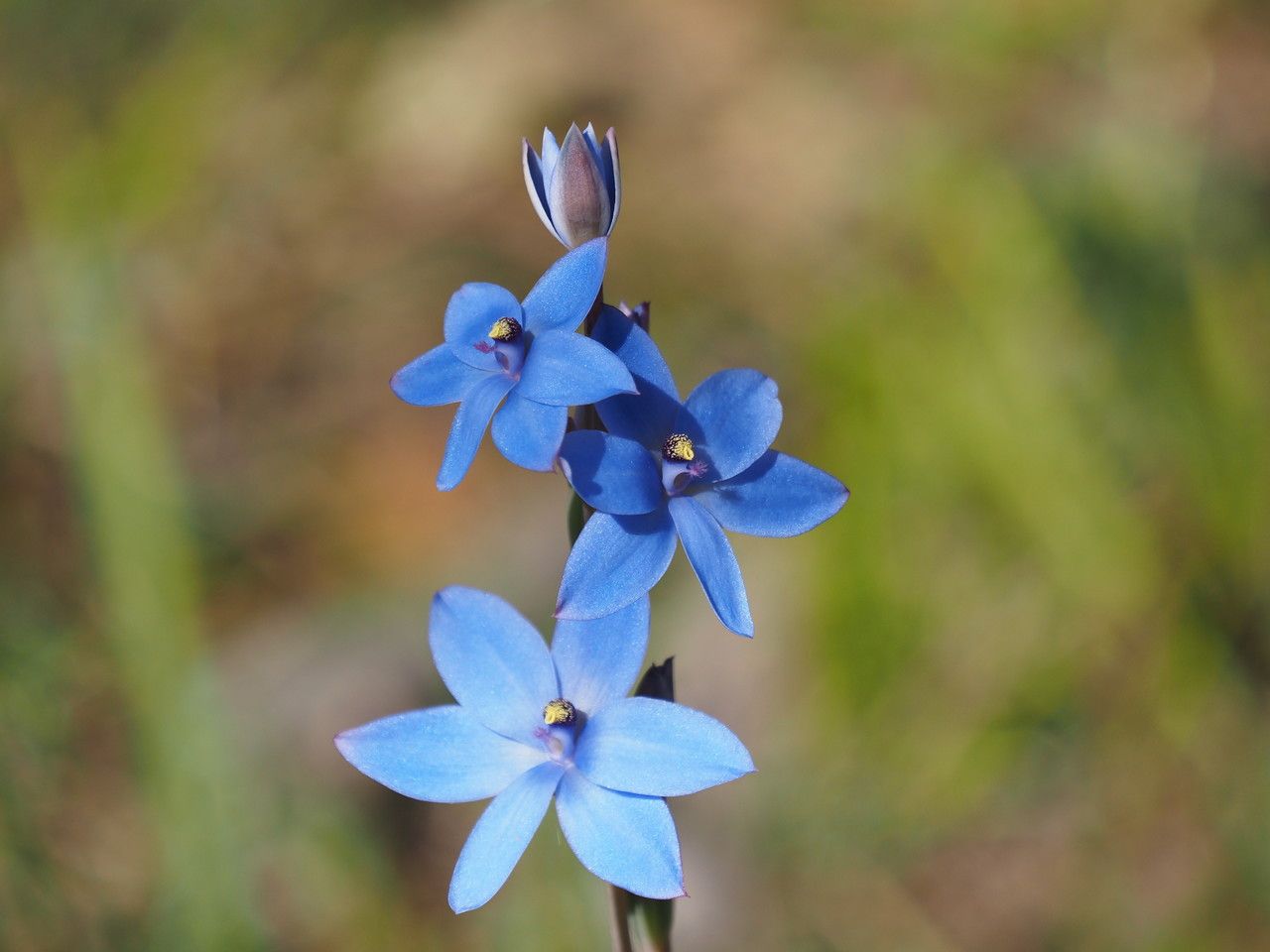
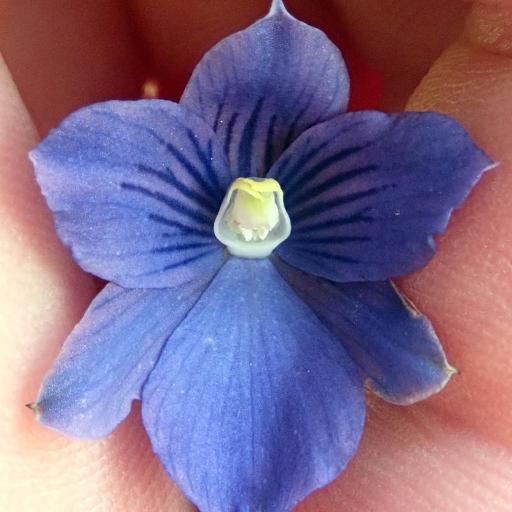
Thelymitra ixioides, known as the spotted sun orchid or dotted sun orchid, is a species of orchid that is native to southern and eastern Australia and to New Zealand. It has a single long, thin, dark green leaf and up to ten flowers which occur in a range of colours, most commonly blue to purple but usually with small, dark blue spots. It is a variable species, similar to T. juncifolia which has smaller flowers.
Spotted sun orchid generally resists disease and is affected by relatively few insect pests. Its care is considered difficult because it needs high humidity together with good ventilation and a low presence of harmful pathogens. Too much watering can cause root rot. Although anyone can grow the Spotted sun orchid, keeping it healthy and getting it to bloom again requires more growing experience.
How to keep Thelymitra Ixioides.
Light
Spotted sun orchid is a sun-loving perennial herbaceous plant that comes from open habitats and often thrives in meadows and grasslands. It prefers full sun but can also tolerate partial sun.
Water
The spotted sun orchid originally comes from moisture-rich grasslands, where it thrives in consistent humidity but can also tolerate drought. To keep the soil lightly moist, it should be watered weekly. Although the orchid benefits from rainfall, additional watering may be required during dry spells, particularly to support its vibrant blooms, which depend on sufficient hydration.
Temperature
Spotted sun orchid can tolerate a wide range of temperatures, but its distribution may still be restricted by different combinations of moisture and heat. It performs best in warm summer conditions with adequate rainfall or watering. Long periods of cloudy, rainy weather, as well as extended high temperatures, can increase the chance of the Spotted sun orchid dying. In winter, protecting it from the cold can improve the plant's survival rate.
Fertilizer
For Spotted sun orchid, the primary time to fertilize is in early spring when the flowers are developing. Using the proper fertilizer promotes stronger blooms and helps the Spotted sun orchid produce attractive flowers. Fertilizing in early spring ensures excellent flowering through the season and supplies energy for dormant growth phases.
Pruning
To maintain the health and appearance of the spotted sun orchid, it requires careful pruning during its active growth period, which lasts from early to late spring. Remove any dead foliage to encourage strong growth and flowering, improve airflow, and lower the risk of disease. Always use clean, sharp tools to ensure precise cuts.
Botanical profile.
- Plant Type
- Herb
- Life Cycle
- Perennial
- Genus
- Thelymitra
- Family
- Orchidaceae
- Hardiness Zone
- 9-11
- Mature Height
- 30 cm to 61 cm
- Mature Spread
- 10 cm to 20 cm
- Leaf Color
- Green
- Leaf Type
- Deciduous
- Flower Color
- Blue, Purple
- Flower Size
- 2.03 cm to 3.05 cm
- Bloom Time
- Mid spring, Late spring
- Planting Time
- Spring, Summer
- Harvest Time
- Early summer, Mid summer
- Native Area
- New Zealand
Other names.
Reader questions.
What are the sun requirements for a Spotted sun orchid?
The Spotted sun orchid (Thelymitra ixioides) flourishes under specific sunlight conditions, requiring full sun, which means it needs above 6 hours of sunlight per day. It can also tolerate partial sun, which entails about 3-6 hours of sunlight. It's important to observe how sunlight moves through your garden throughout the day to find spots that offer the perfect mix of light and shade to ensure the well-being of your plants.
What is the Spotted Sun Orchid?
The Spotted Sun Orchid, known scientifically as Thelymitra ixioides, is a species of plant that does not have detailed information in the provided data regarding its essentials or symptoms. Further research might be required to understand its characteristics, care, and potential issues.