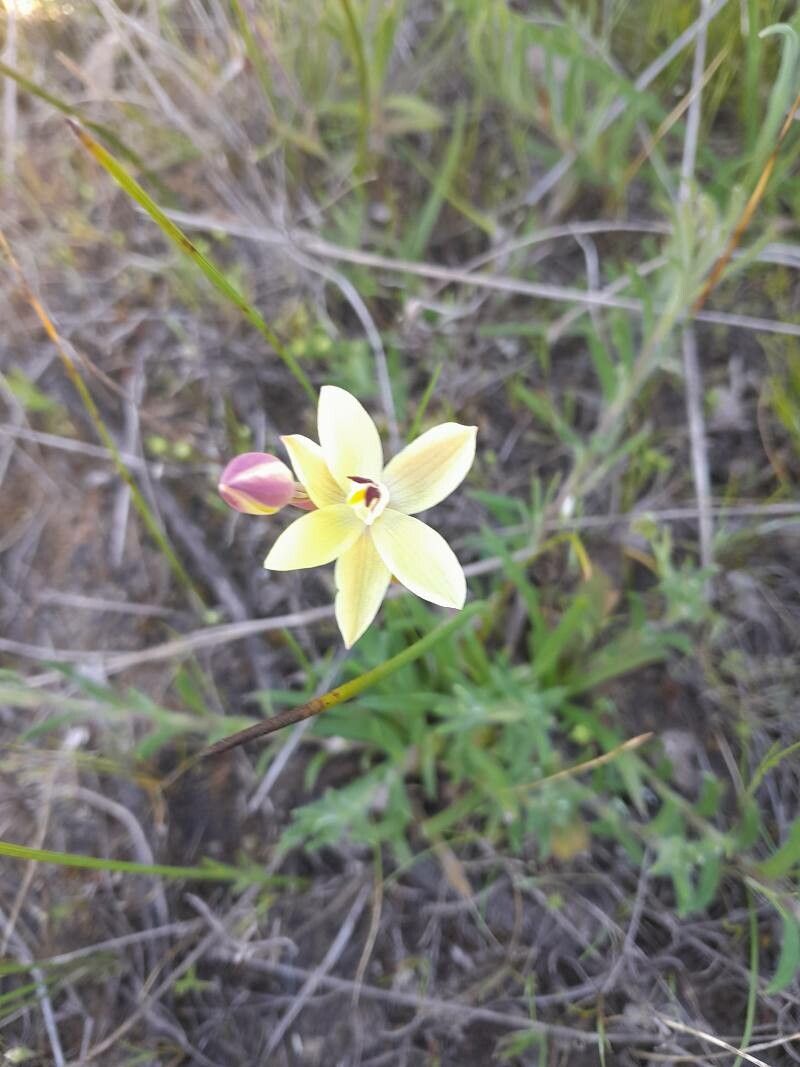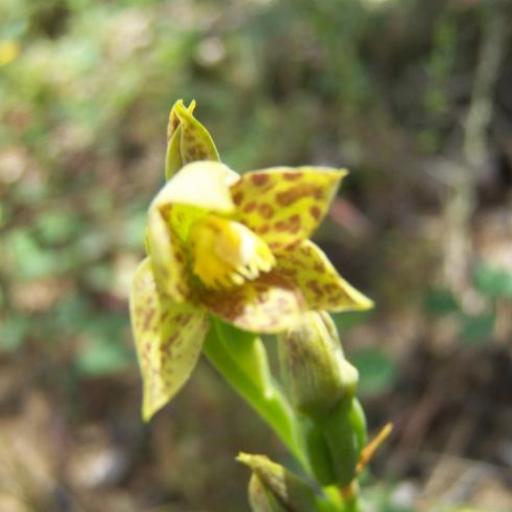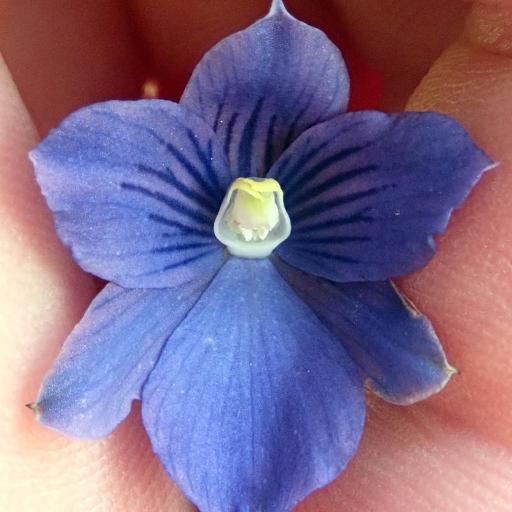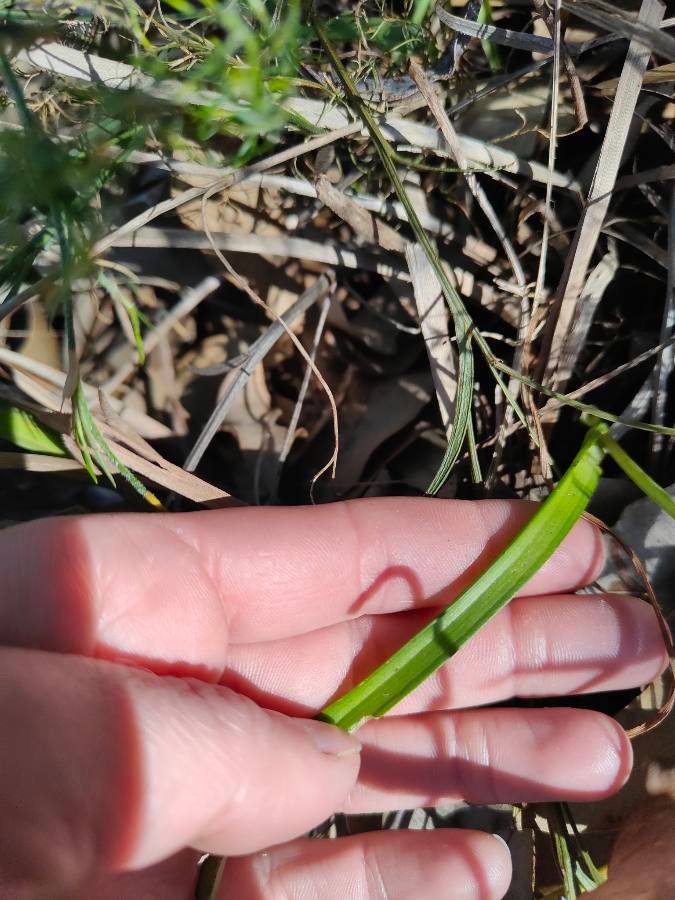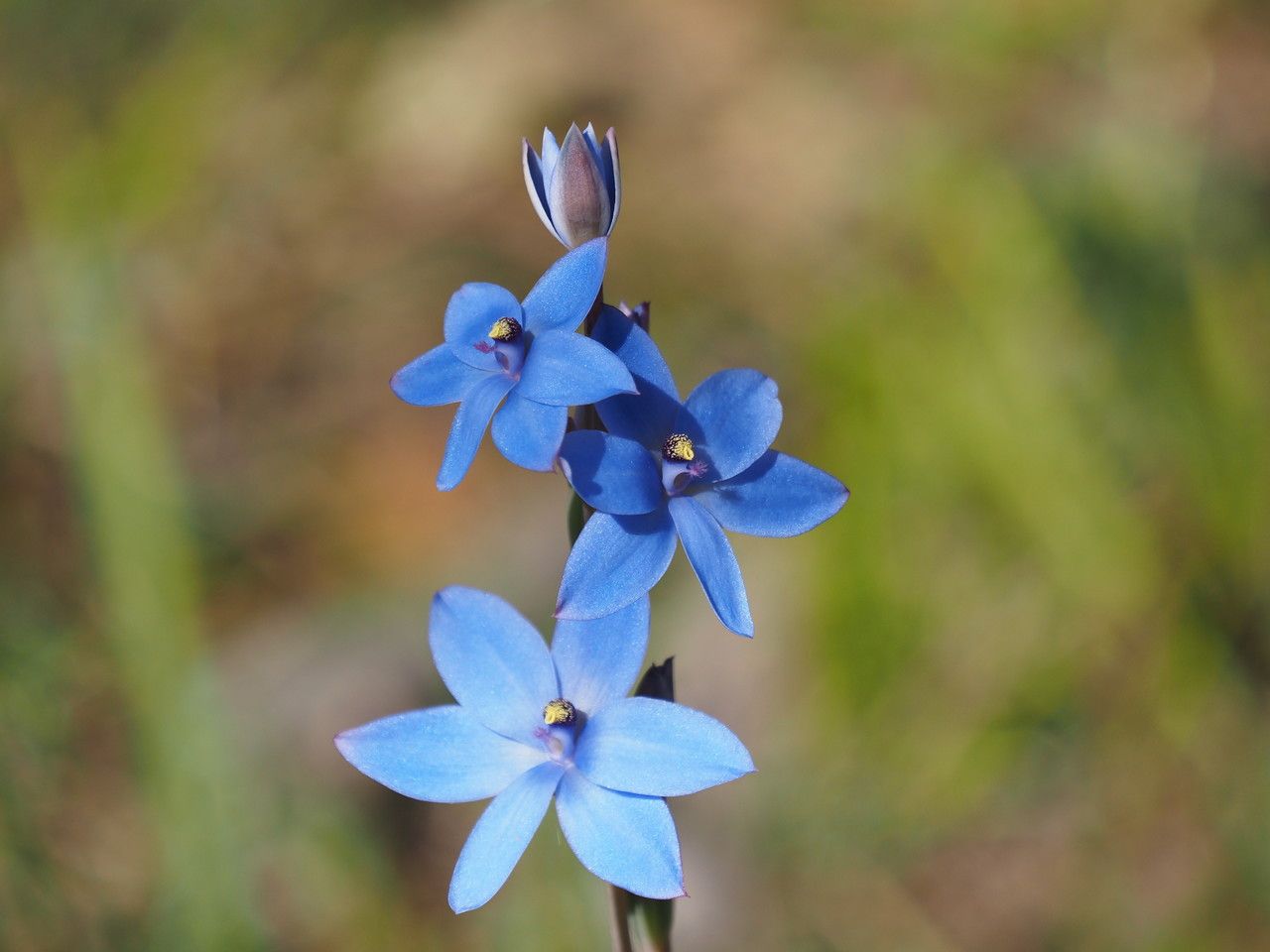
Thelymitra crinita, commonly known as the blue lady orchid, queen orchid or lily orchid, is a species of orchid which is endemic to the south-west of Western Australia. It has a single broad, oval leaf and up to fifteen brilliant blue flowers with a blue column with the lobe on top of the anther covered with short, finger-like calli.
The Blue lady orchid is generally resistant to disease and is affected by relatively few insect pests. Its care is considered difficult because it needs high humidity while also having good ventilation and minimal harmful pathogens. Overwatering can cause root rot. While anyone can cultivate the Blue lady orchid, keeping it healthy and getting it to flower again requires more cultivation experience.
How to keep Thelymitra Crinita.
Light
The Blue lady orchid is indigenous to habitats like forest understories or rocky terrains, in which it is subjected to natural shading. It favors conditions of partial sunlight, yet it shows its resilience and adaptability by thriving in full sun or complete shade.
Temperature
The Blue lady orchid possesses the capability to adjust to a broad spectrum of temperature circumstances, however, various combinations of heat and water conditions may still restrict its dispersal. It flourishes optimally in warm weather during the summer period, provided there is sufficient rainfall or watering. Extensive durations of overcast and rainy conditions, along with sustained high temperatures, can raise the probability of the Blue lady orchid perishing. During winter, the provision of suitable cold protection can enhance the plant's likelihood of survival.
Fertilizer
The best period to feed a Blue lady orchid is at the start of spring, as it transitions from dormancy to active growth. Fertilizing offers essential nutrients for its growth. While the Blue lady orchid's fertilization requirement is fairly low, yearly fertilization can augment its longevity and encourage the production of healthier, more durable blooms.
Pruning
The blue lady orchid is known for its striking blue flowers and slender stems. To enhance its growth and vitality, prune the plant in early spring. This involves trimming the spent flower spikes and removing any dead foliage. Make sure to cut just above healthy nodes to encourage blooming and maintain the plant’s overall health. This careful pruning will result in a more attractive and vigorous orchid.
Botanical profile.
- Plant Type
- Herb
- Life Cycle
- Perennial
- Genus
- Thelymitra
- Family
- Orchidaceae
- Hardiness Zone
- 9-11
- Mature Height
- 30 cm to 61 cm
- Mature Spread
- 10 cm to 20 cm
- Leaf Color
- Green
- Leaf Type
- Deciduous
- Flower Color
- Blue
- Flower Size
- 2.03 cm to 4.06 cm
- Bloom Time
- Late fall, Early winter
- Planting Time
- Spring, Summer
- Harvest Time
- Early winter, Mid winter
Other names.
Reader questions.
What is the botanical name of the Blue lady orchid?
The botanical name of the Blue lady orchid is Thelymitra crinita.