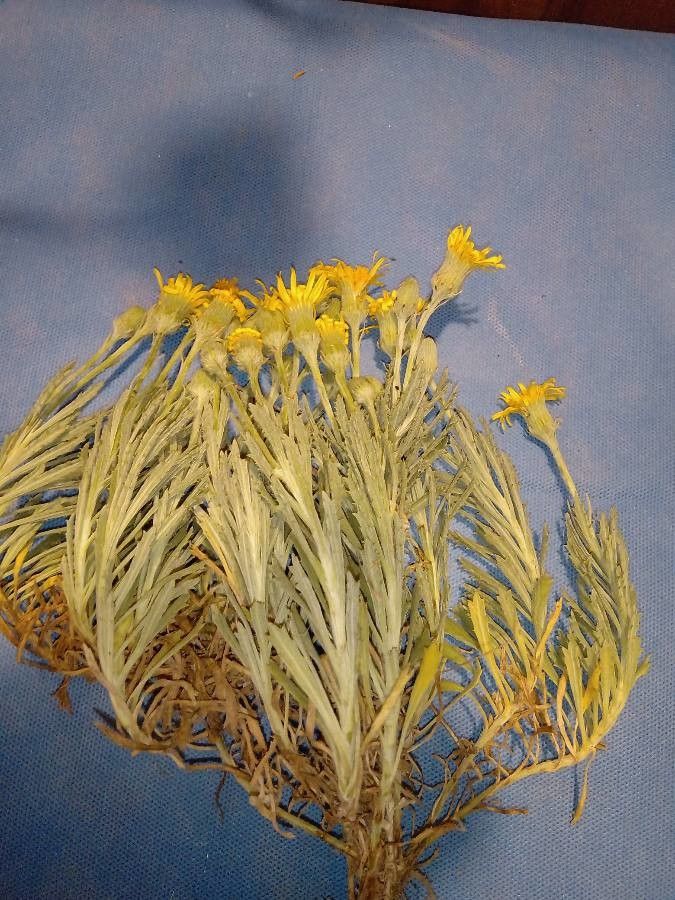
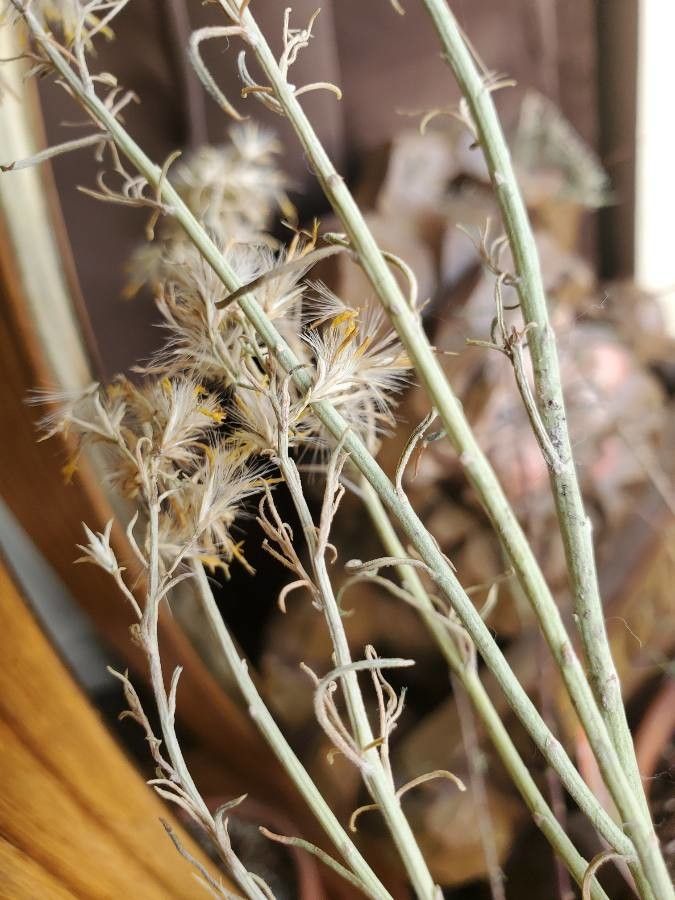
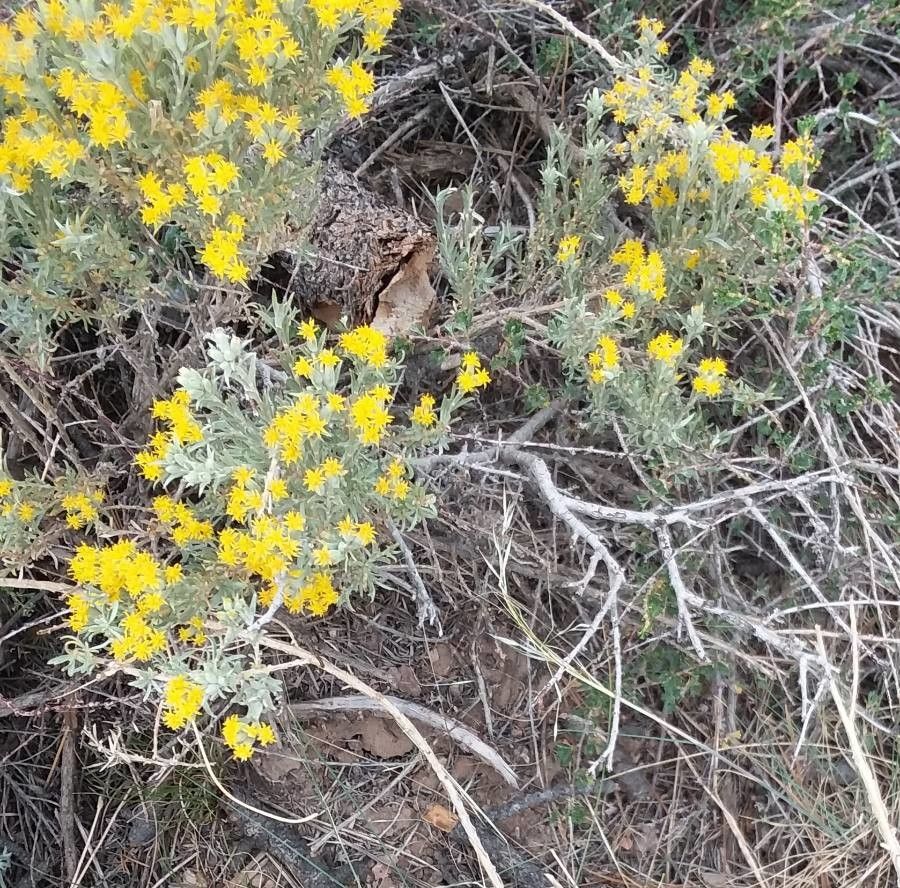
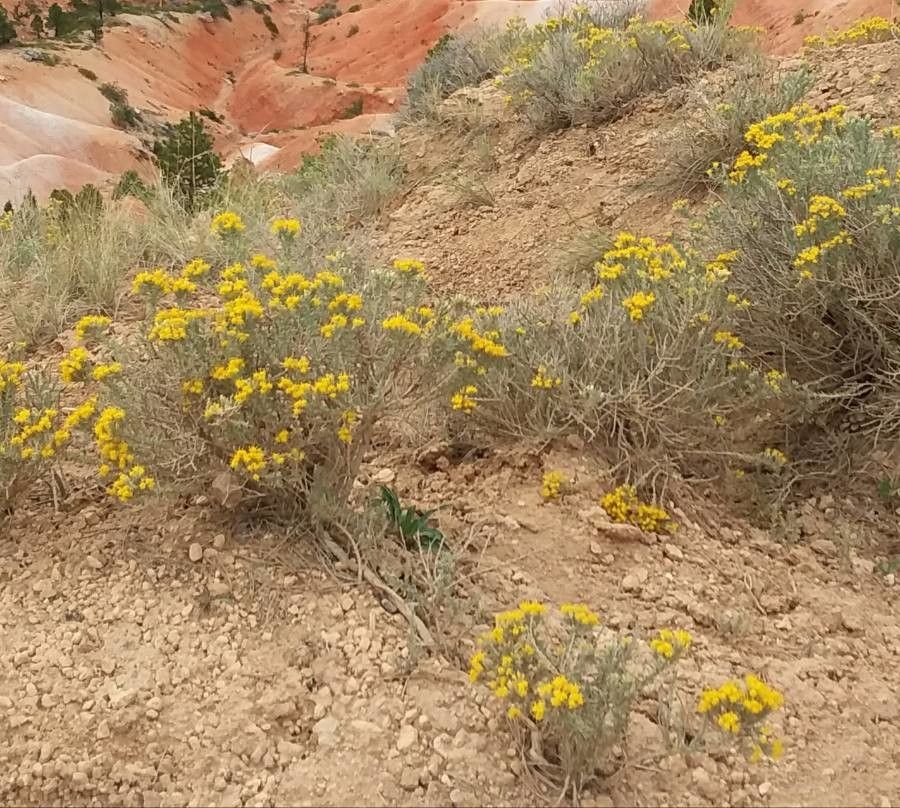
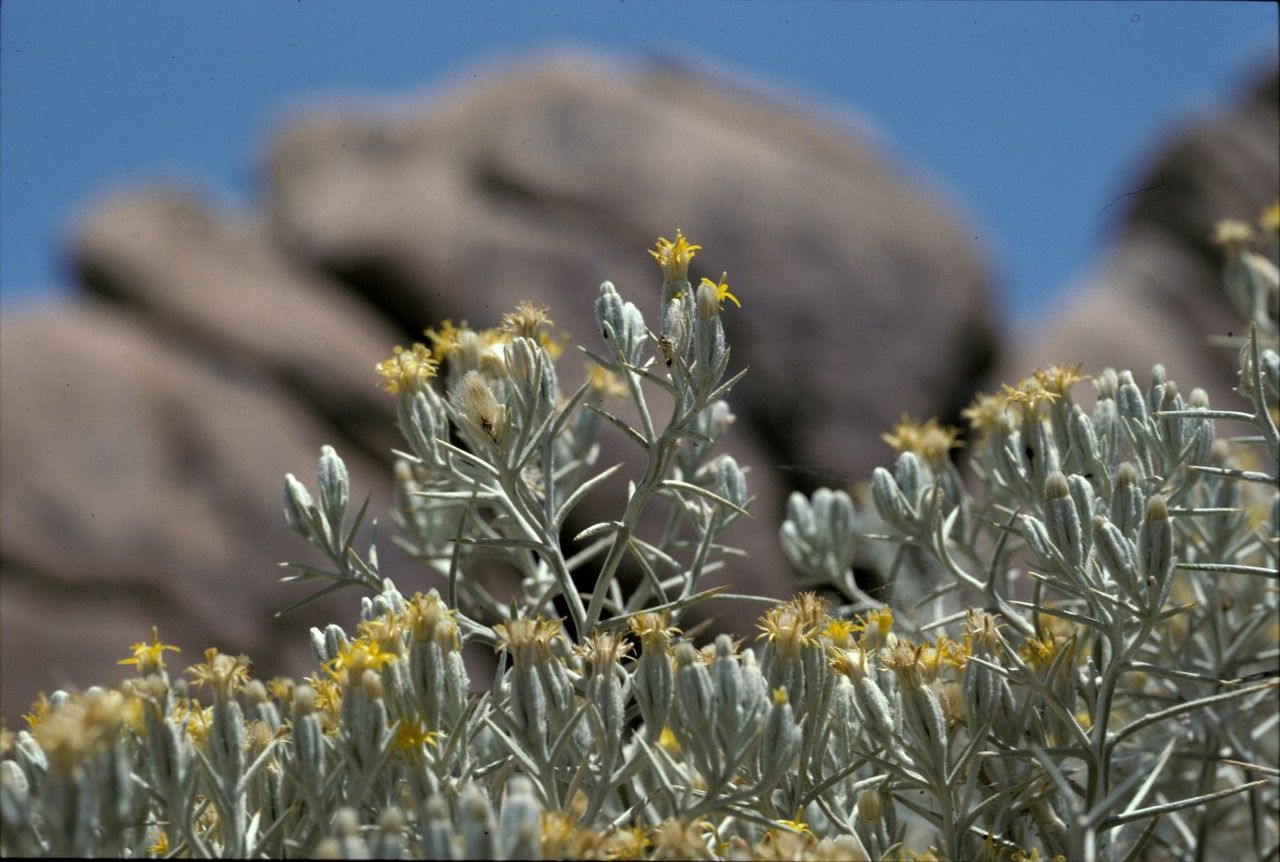
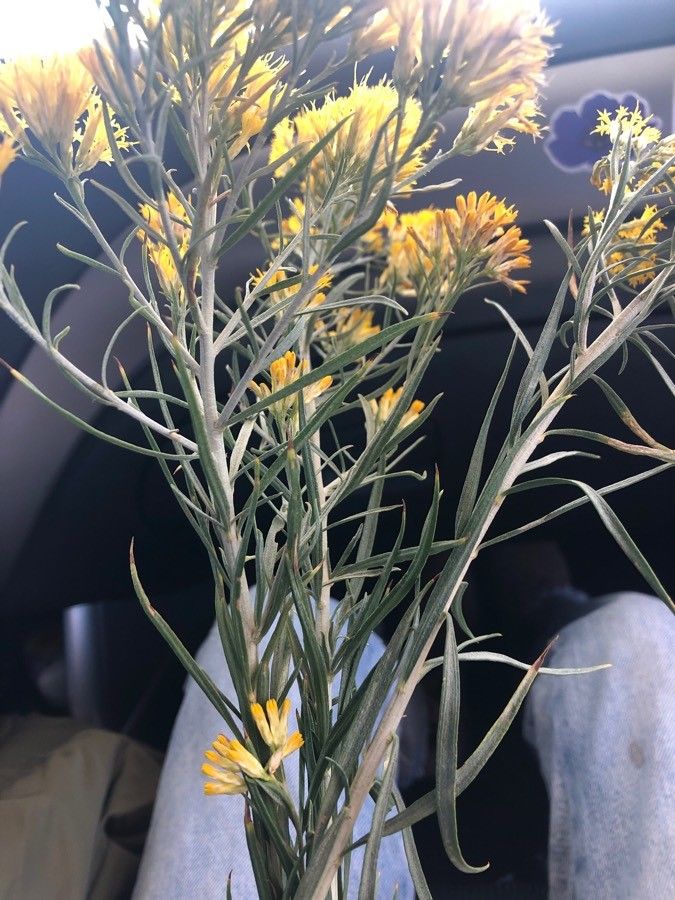
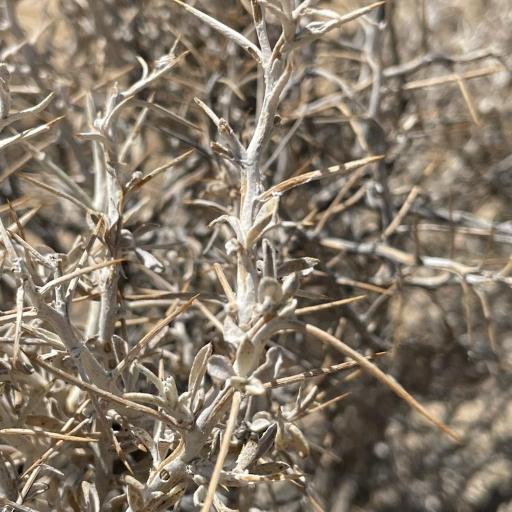
Tetradymia argyraea is a species of flowering plant in the aster family known by the common names spineless horsebrush and gray horsebrush. It is native to western North America.
Spineless horsebrush is resistant to disease and is generally not susceptible to illnesses. In terms of care, this plant is fairly low-maintenance. When grown outdoors it needs little watering, and larger plants usually do not require pruning. Smaller plants, however, should be pruned after they have finished blooming. Spineless horsebrush is suitable for anyone with outdoor space, such as a garden or deck, and does not require extensive care experience.
How to keep Tetradymia Canescens.
Light
Spineless horsebrush does best when it gets plenty of sunlight each day. From germination through maturity, sunlight is essential for its healthy development. Coming from regions with mostly sunny days, it is well suited to withstand a high level of sun exposure. Too little sunlight limits its growth, while too much rarely causes damage.
Water
Spineless horsebrush flourishes in arid environments due to its high drought tolerance. It only needs watering every 2-3 weeks. Its growth cycle is well adapted to areas with limited rainfall, demonstrating its resilience in desert climates where moisture is scarce.
Temperature
Spineless horsebrush is native to habitats with temperatures ranging from 50 to 95 °F (10 to 35 ℃). It prefers moderate to warm conditions, so adjust the environment accordingly for seasonal fluctuations.
Fertilizer
To encourage healthy growth, fertilize your Spineless horsebrush in early spring. Regular feeding boosts overall health, leading to vigorous growth, greater tolerance of challenging conditions, and improved resistance to pests and diseases. Maintain a specific fertilization schedule for your Spineless horsebrush to ensure foliage that is vibrant, deeply colored, and lush in appearance.
Pruning
The spineless horsebrush is a bushy shrub with silver-gray foliage. To maintain its health and appearance, it's best to prune it in early spring before new growth begins. Remove any dead branches to improve air circulation and enhance the plant's structure. Make sure to use clean tools to prevent the spread of disease. Regular pruning not only improves the shrub's vigor and aesthetic appeal but also helps keep your garden neat and well-maintained.
Botanical profile.
- Plant Type
- Shrub
- Life Cycle
- Perennial
- Genus
- Tetradymia
- Family
- Asteraceae
- Hardiness Zone
- 6-9
- Mature Height
- 61 cm to 91 cm
- Mature Spread
- 61 cm to 91 cm
- Leaf Color
- Gray, Silver
- Leaf Type
- Deciduous
- Flower Color
- Yellow
- Flower Size
- 2.54 cm
- Bloom Time
- Early summer, Mid summer
- Planting Time
- Spring, Summer, Autumn
- Harvest Time
- Late summer, Early fall
Other names.
Reader questions.
How should I water my Spineless horsebrush plant in the most effective way?
To ensure excellent root development for your plants, you can take a few steps. Place a garden hose at the base of the plant, avoiding direct spraying of the leaves. If the plants are exposed to direct sunlight outdoors, the leaves will require more watering. You can moisten the roots by using bubblers or soaker hoses, depending on the size of your garden. When adding or removing plants, use soaker hoses that cover the entire garden or bed to allow the roots to go deeper. Make sure to drain any excess water and wait for the soil to dry before watering again. To prevent diseases, water at ground level rather than spraying the leaves. On sunny days, it may be beneficial to spray the entire bush with water. Whether your plants are in pots or in the ground, deep watering is preferred over light sprinkling for Spineless horsebrush.
What are the sunlight requirements for Spineless horsebrush?
Spineless horsebrush, or Tetradymia canescens, thrives in full sun, needing over 6 hours of sunlight daily for optimal growth. It originated in sunny environments, making it well-adapted to handling an abundance of sunlight. Insufficient sunlight can hinder its development, although it rarely suffers from too much sun. To ensure your plants grow healthy, observe the movement of sunlight through your garden, selecting locations that provide a good mix of light and shade.
What is the native temperature range for Spineless horsebrush?
Spineless horsebrush, or Tetradymia canescens, thrives in environments with temperatures ranging from 50 to 95 °F (10 to 35 °C). It prefers moderate to warm climates. Given its preference for these conditions, adjustments may be necessary to accommodate seasonal temperature fluctuations. The plant exhibits strong cold resistance, which typically negates the need for special frost protection measures during the winter months. However, in cases where winter temperatures are anticipated to drop below -25°C, protective measures should be taken, such as wrapping the trunk and branches with non-woven fabric or cloth. It is also advisable to water the plant abundantly before the first freeze of autumn to ensure the soil remains moist and enters a state of freeze, thus helping to prevent drought and water scarcity for the plant during the winter and early spring periods.
If I give too much or too little water to the Spineless horsebrush plant, what should I do?
If a Spineless horsebrush is overwatered, its leaves may turn yellow, drop off, and wilt. The plant may appear dull and unhealthy with mushy stems. Adjusting your watering schedule is recommended when these signs appear. Wilting can also indicate under watering, with leaves becoming crispy and dry. In this case, check the soil and give it a thorough watering if needed. However, even with sufficient water, the plant may still exhibit dryness and yellow leaves due to root damage. Once the plant returns to normal, the yellowing leaves will stop. Indoors, always check the moisture levels in the pot and avoid overwatering. Look for signs of black spots, and if present, let the soil dry by withholding water for a few days. Overwatering can cause root rot, so if you observe discolored and slimy roots, consider transferring the plant to a different pot and prevent excessive soil saturation. When planting the Spineless horsebrush outdoors, ensure the soil is adequately moist and adjust watering as needed for plant recovery.
How important is sunlight for the growth of Spineless horsebrush?
Sunlight is essential for the growth of Spineless horsebrush from the sprouting stage right through to maturation. The plant flourishes best with ample daily sunlight, which is crucial for its healthy growth. If the Spineless horsebrush doesn't receive enough sunlight, its growth can be stunted. Despite this, it is unlikely to be harmed by too much sun, thanks to its natural habitat, which is typically full of sunlight.
How does Spineless horsebrush react to low temperatures?
Spineless horsebrush shows a notable tolerance for cold temperatures, performing optimally when the temperature remains above 10°C. During the winter, it's important to ensure that temperatures stay above -15°C. Even though the plant may not exhibit immediate changes when temperatures plunge below -25°C, such conditions can lead to branches becoming brittle and dry by spring, with no new shoots emerging. To mitigate this, it is recommended to prune away any dead branches that failed to produce new leaves in the spring, which helps maintain the health and aesthetic of the plant.
How frequently should I water my Spineless horsebrush?
To ensure the proper watering of Spineless horsebrush plants, there are a few guidelines to follow. When watering potted plants, it is important to provide a deep and infrequent soaking, using approximately a gallon of water each time. Potted plants have limited water storage, so the soil tends to dry out faster. In colder regions, watering is needed every 3 to 5 days. It is best to water in the early morning when the soil is dry, both indoors and outdoors. Checking the moisture level of the soil is crucial, and if the top 2-3 inches are dry, it is time for a full watering. On hot days, especially in pots, it may be necessary to check for moisture daily as the heat can quickly dry out the soil. For garden plants, irrigation is also required. In hot climates, watering once a week is usually sufficient, but again, observe the top few inches of soil and water when it becomes too dry. It is important not to overwater and to consider any rainfall that may have occurred. Spineless horsebrush plants typically thrive in spring and fall. When outdoors, adding a layer of mulch about 3 to 4 inches deep helps conserve water. Sandy soil tends to drain faster and requires more frequent watering, while clay soil holds moisture better and necessitates less frequent watering to avoid root rot. Keeping a record of watering dates and observing drooping leaves can help determine the appropriate watering schedule.
Can artificial lighting be used for Spineless horsebrush? If so, how?
Yes, artificial lighting can be an effective solution for growing Spineless horsebrush indoors, especially in places with insufficient natural sunlight. LED lights are preferred for their ability to provide specific light wavelengths needed by plants. For plants requiring full sun, 30-50 watts per square foot is recommended; 20-30 watts for partial sun plants, and 10-20 watts for full shade plants. The light source should be placed 12-36 inches above the plant, mimicking natural sunlight. Furthermore, most plants will need 8-12 hours of light per day to thrive.
What should be done if Spineless horsebrush experiences high temperatures?
During the summer months, it is crucial to ensure that the temperature surrounding a Spineless horsebrush does not exceed 35°C. Higher temperatures, particularly above 38°C, can cause the leaves to lighten in color, tips to become dry and withered, and increase the risk of sunburn. To counteract these effects, it is advised to trim away the sunburned and dried portions of the plant. Relocating the plant to an area with shade during the midday and afternoon sun, or using a shade cloth, can provide necessary protection. Additionally, maintaining soil moisture by watering the plant in the morning and evening can be beneficial in preventing heat stress.
How much water should I give my Spineless horsebrush?
The Spineless horsebrush generally needs one gallon of water on a regular schedule. For potted plants, water them deeply until you see water dripping from the bottom of the pot. Then, wait for the soil to dry before watering them again. To determine how much water you've given your plant in a week, you can use a water calculator or a moisture meter. During the flowering period, provide plenty of water, but allow the moisture to evaporate afterwards to prevent root rot. If the Spineless horsebrush is planted outdoors and receives enough rainfall, it may not need additional watering. When it is young or newly planted, make sure it receives 1-2 inches of rain per week. As it continues to grow, it can survive solely on rainfall. However, if the weather is hot or there is no rainfall for 2-3 weeks, consider giving the Spineless horsebrush a full watering during the cooler parts of the day to prevent heat damage. Additional watering will be necessary during extended dry periods.
What are the symptoms of inadequate sunlight in Spineless horsebrush?
When Spineless horsebrush does not receive enough sunlight, it may show several symptoms indicating light deficiency. These include smaller new leaves compared to mature ones, leggy or sparse growth with longer spaces between leaves or stems, faster leaf drop due to conservation of resources, slower or halted growth, lighter-colored new leaves indicating a lack of chlorophyll, chlorosis where leaves turn yellow from the breakdown of chlorophyll, sunscald causing damaged leaves or stems, leaf curling as a defense against water loss, wilting from excessive water loss, and leaf scorching characterized by brown, dry, and crispy leaf edges.
Do I need to change how often I water my Spineless horsebrush depending on the time of year or the weather?
The Spineless horsebrush thrives outdoors in rainy conditions but can withstand dry weather. During spring and fall, keep the soil moist but not soggy for optimal growth. Alternating between dry and moist soil conditions will also benefit the plant. In summer, hot weather and limited rainfall may cause the water to evaporate quickly, so you'll need to water more frequently to keep the plant moist. During winter, the Spineless horsebrush requires less water as it becomes dormant. Using well-draining but moisture-retentive soil, like terracotta, will help the water evaporate more easily. Once the plant starts to leaf out and go dormant, you can skip watering altogether and rely on fall and winter rains. When the temperature increases, you can cultivate and encourage growth and blooming. Adequate drainage is crucial, especially to avoid ponding or drought during flowering. When grown in pots, ensure they have sufficient water, particularly during summer. Avoid cold and wet roots by providing good drainage, especially when the plant is still growing. Water the Spineless horsebrush deeply once or twice a week, depending on the weather, rather than shallow sprinkling that may encourage fungi growth and not reach deep into the roots. Even during dormancy in the fall or winter, don't allow the plant to completely dry out. Avoid overwatering, as sitting in water for too long can be detrimental, especially during winter. Applying mulch helps reduce stress, conserve water, and promote healthy blooms.