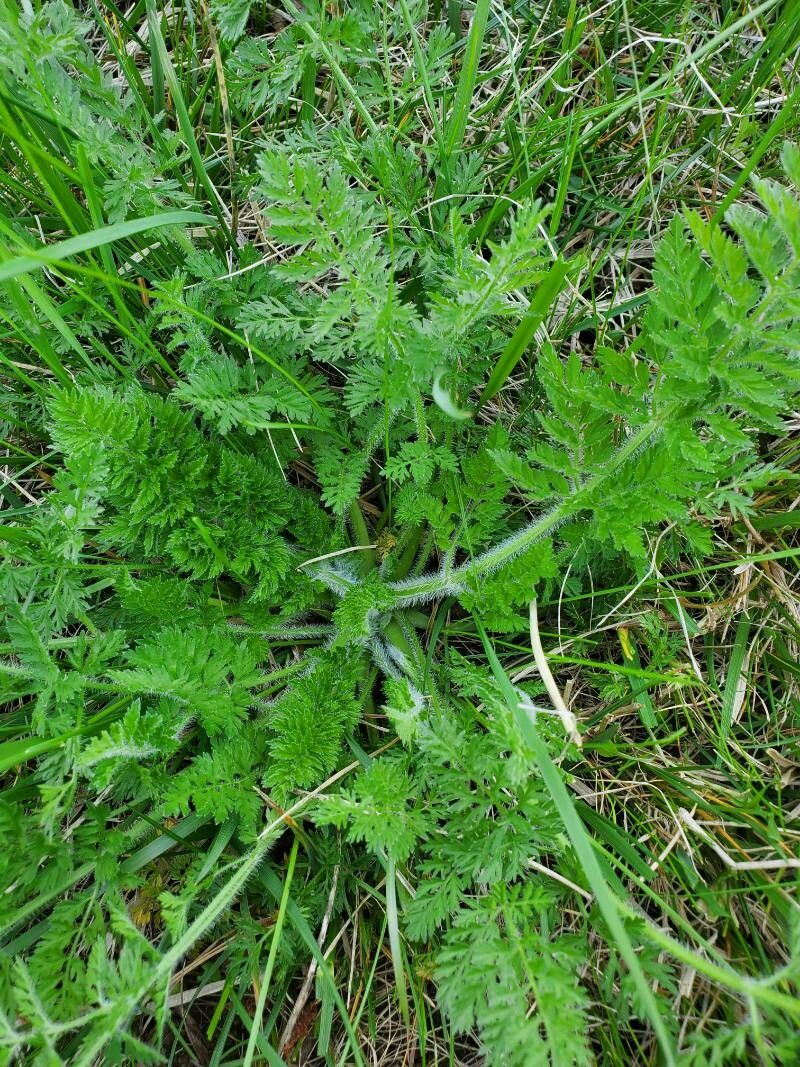
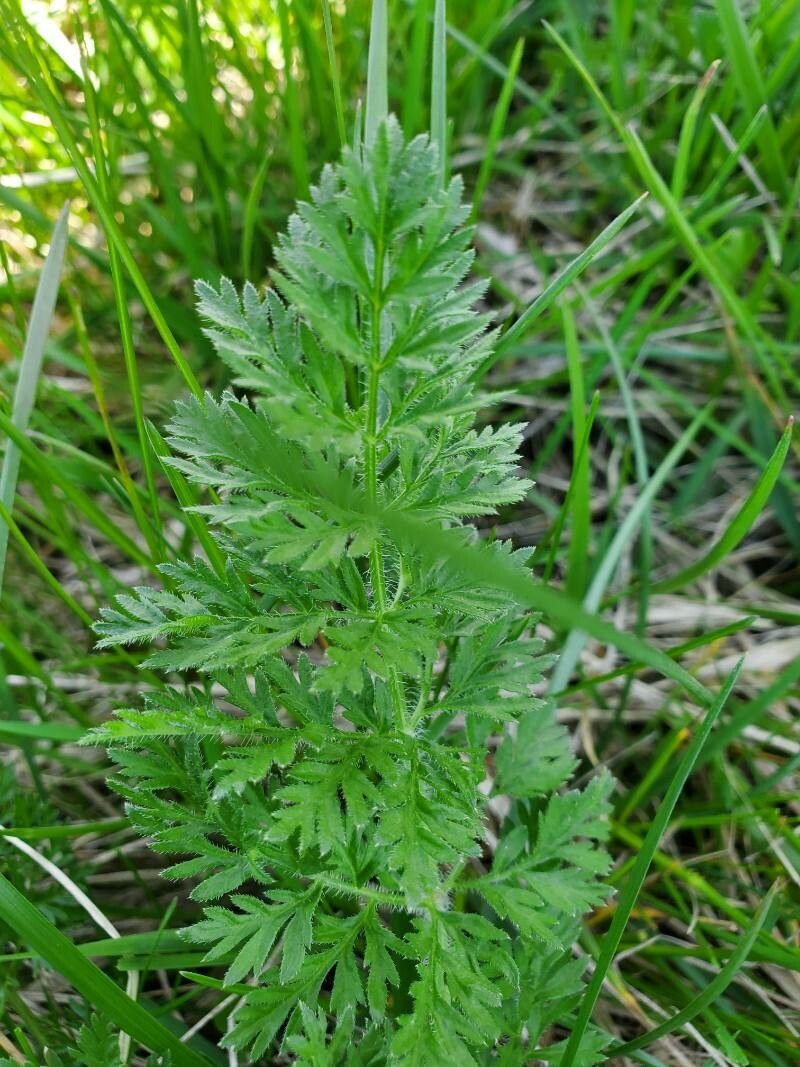
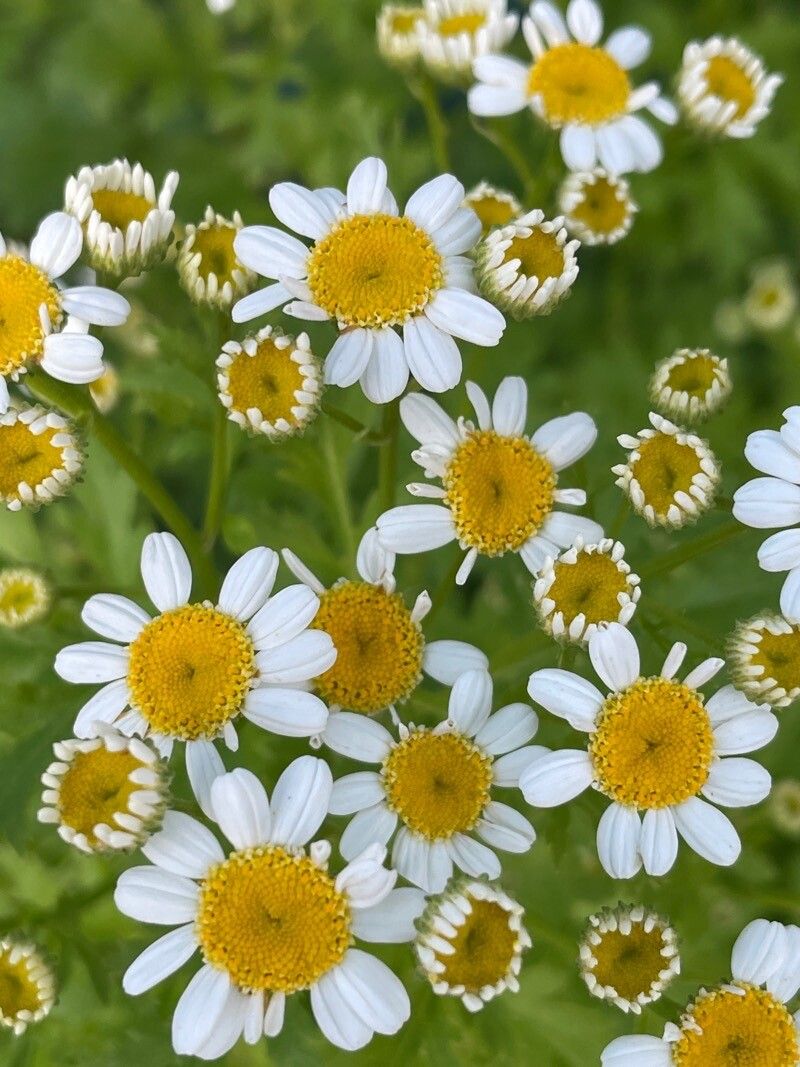
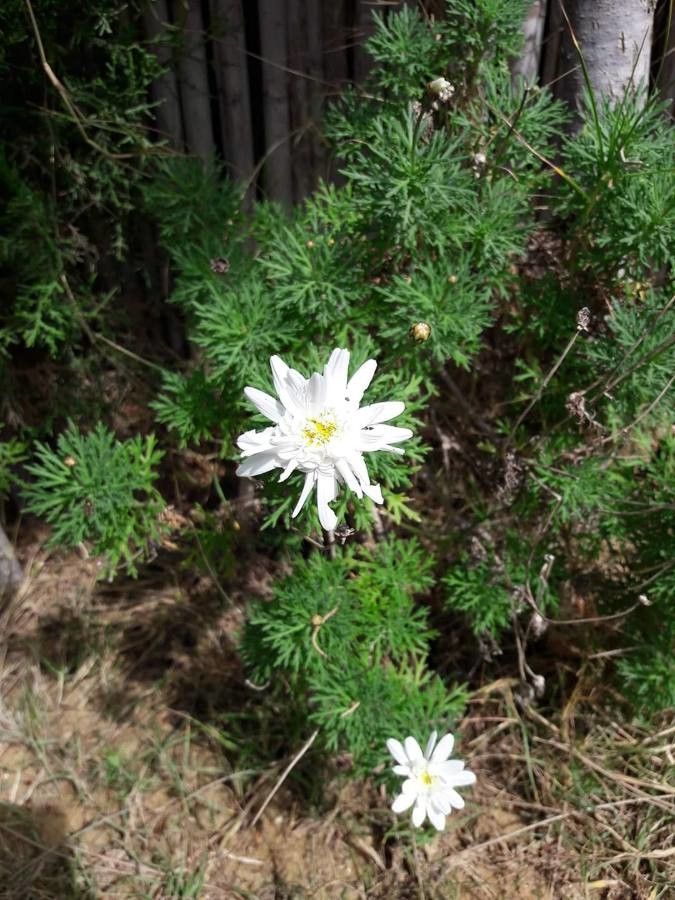
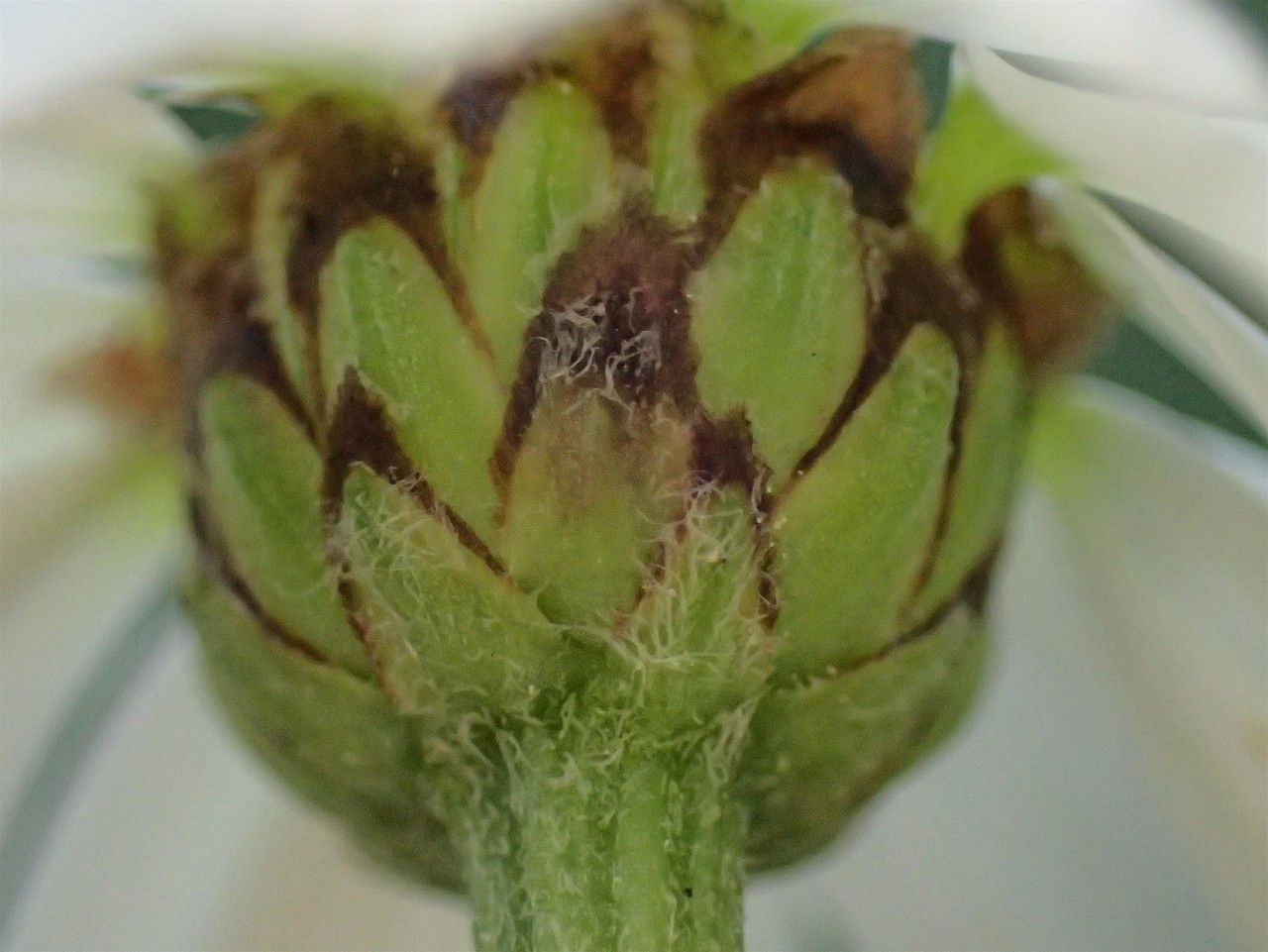
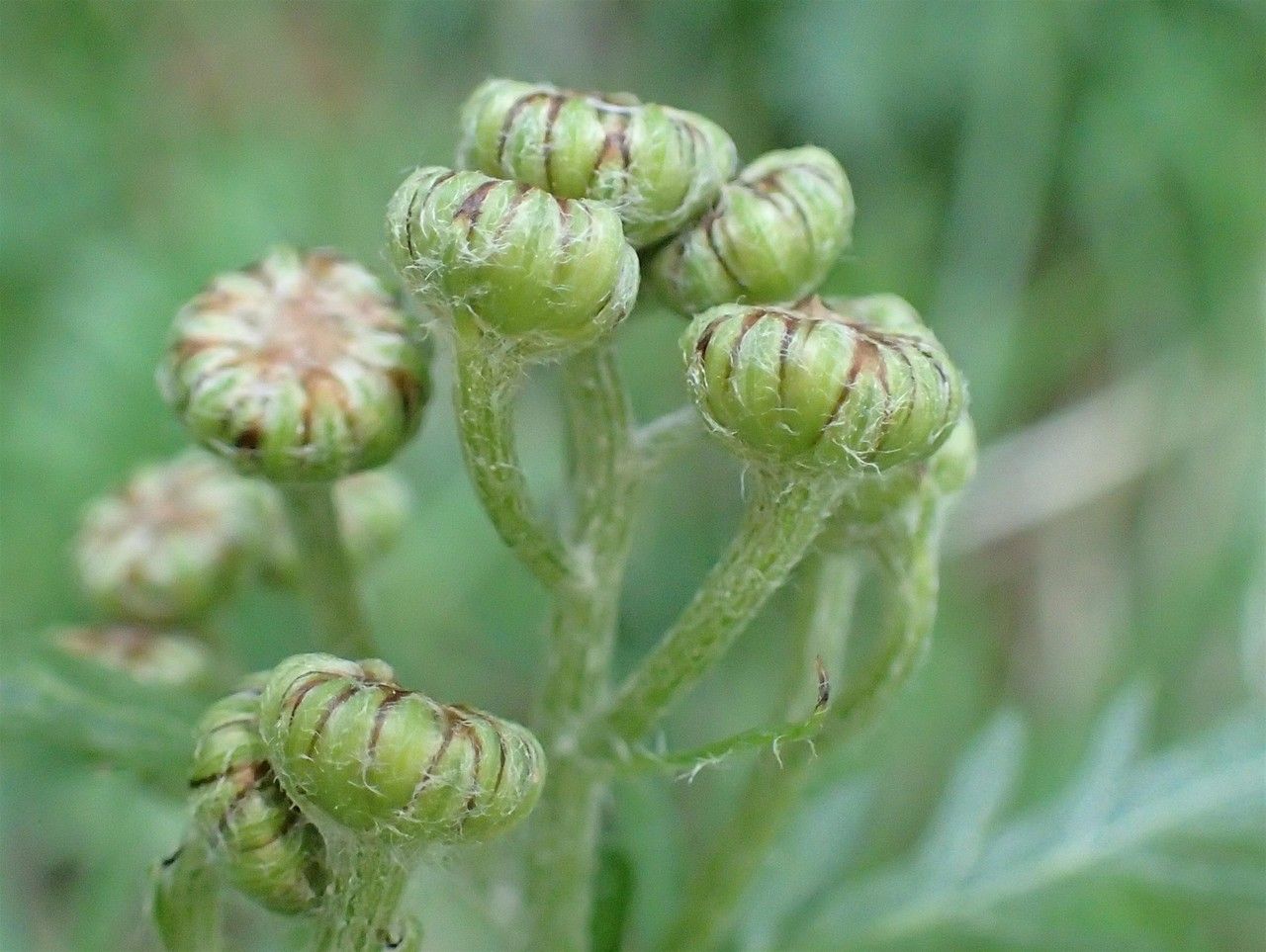
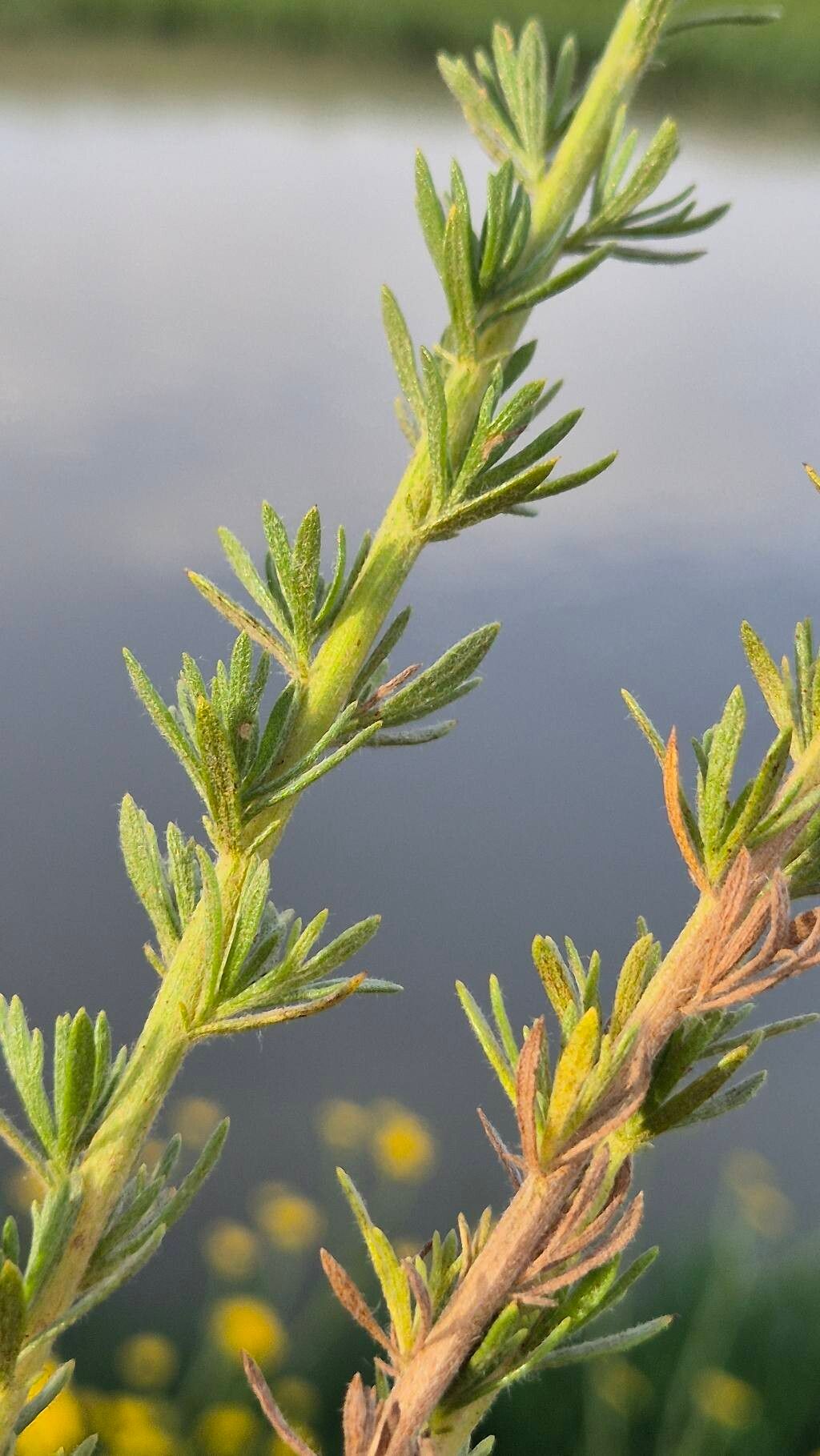
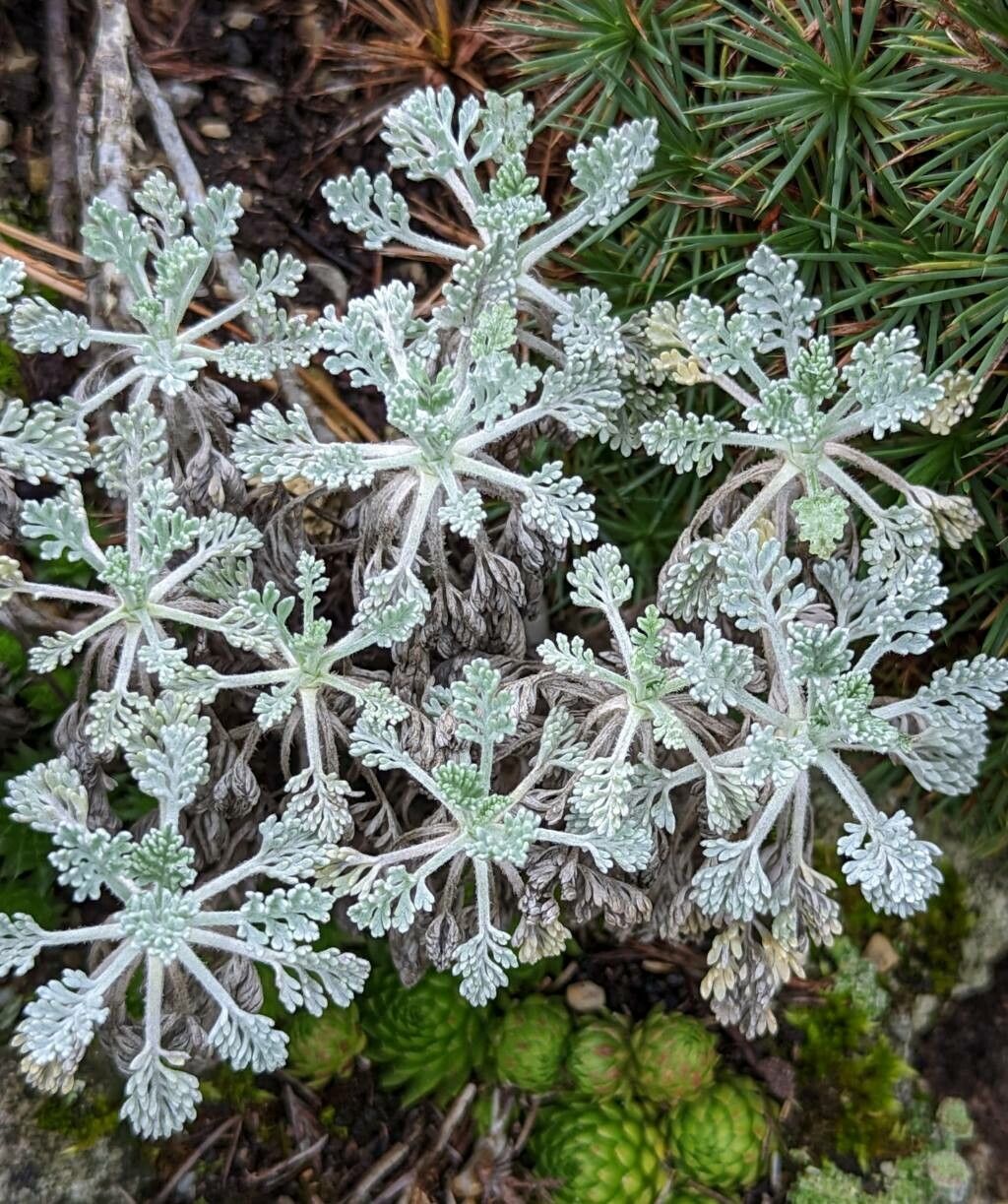
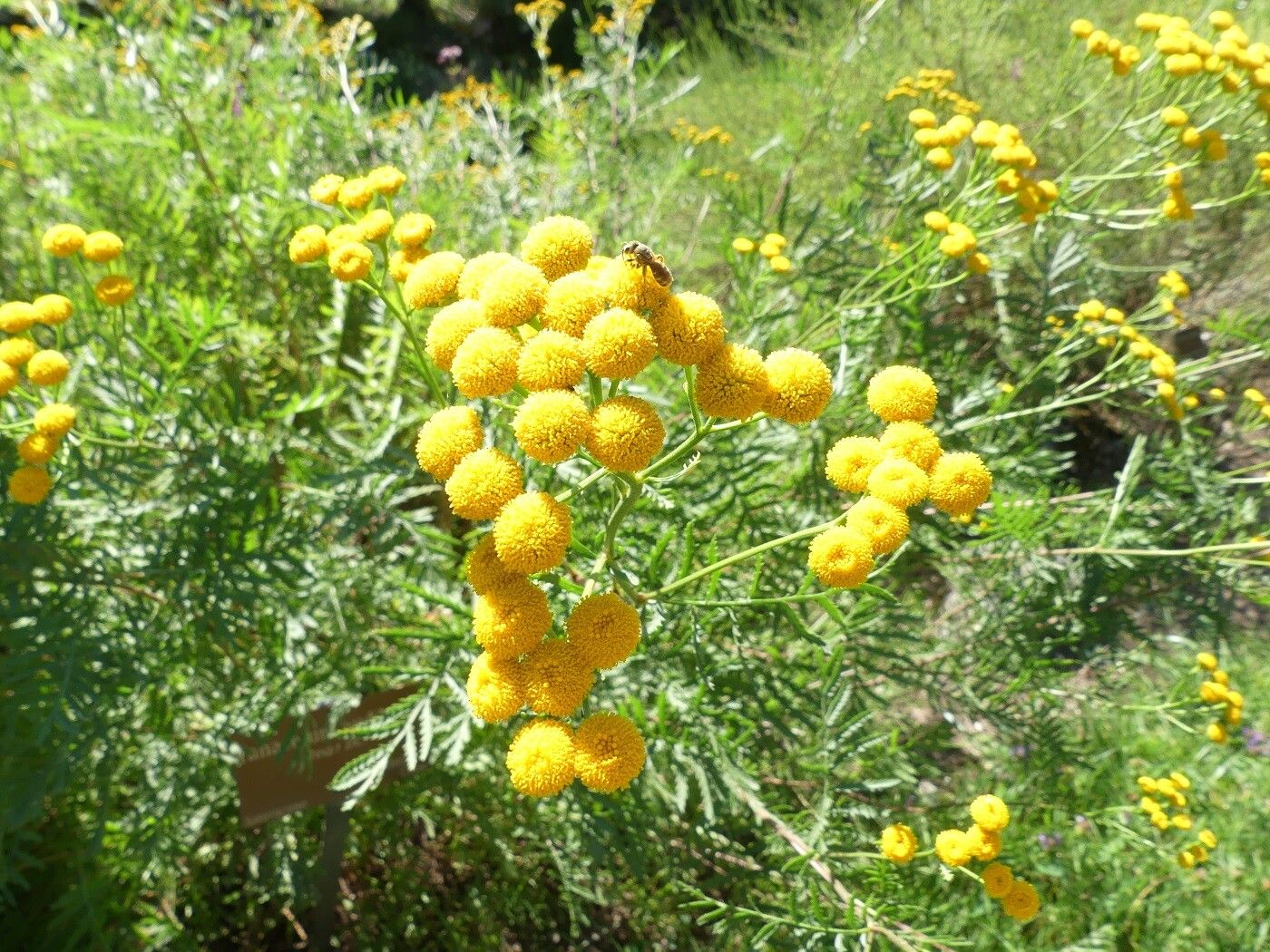
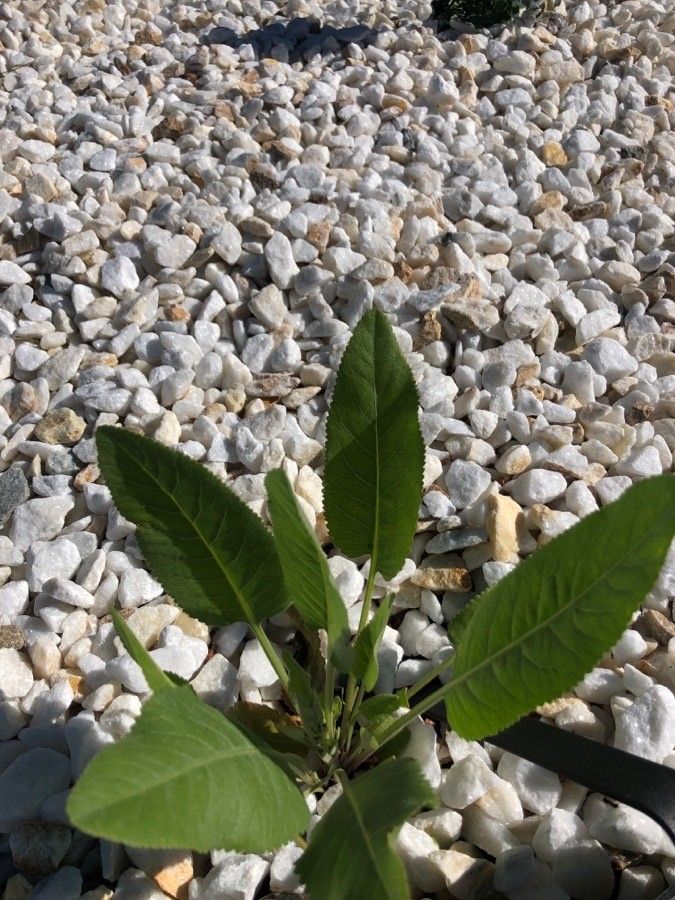
Tanacetum corymbosum is a species of flowering plant belonging to the family Asteraceae.Its native range is Europe to Western Siberia and Turkey.
Corymb-flower tansy has strong disease resistance and is typically not vulnerable to illnesses. Still, it can be affected by pests and diseases present in its surroundings. Such infections are generally mild. Regarding care, this plant needs moderate maintenance. It should be pruned on a regular basis to preserve a neat appearance and healthy growth. Applying fertilizer can also help encourage flowering. Corymb-flower tansy is appropriate for anyone with outdoor space, like a garden or patio, and does not demand extensive gardening experience. It may need more attention when kept indoors.
How to keep Tanacetum Corymbosum.
Light
Corymb-flower tansy prefers abundant sunlight and performs well in sunny sites. It can also grow with partial sun exposure. Its native habitat provides this kind of light, which supports healthy growth. However, excessive sun may damage the plant, while too little light can inhibit its development.
Water
Corymb-flowered tansy thrives with moderate moisture and requires weekly watering to stay healthy. Although it can tolerate short periods of dryness, it benefits from consistent hydration and natural rainfall when grown outdoors. To ensure optimal growth, regularly monitor the soil's moisture level, particularly during dry spells.
Temperature
Corymb-flower tansy grows best when temperatures remain between 41 and 95 °F (5–35 °C). Avoid cooler seasonal conditions to prevent frost damage. For optimal growth, keep temperatures steady within this range.
Fertilizer
The best time to fertilize a Corymb-flower tansy is in early spring, as it comes out of dormancy and begins active growth. Fertilizing supplies essential nutrients for healthy development. Although Corymb-flower tansy has relatively low fertilizer requirements, applying fertilizer once a year can improve its survival and encourage better, longer-lasting blooms.
Pruning
Corymb-flower tansy showcases vibrant blooms and delicate leaves. To manage its growth and enhance airflow, prune the plant from early to late spring, but avoid heavy pruning after this period. Regular pruning not only boosts blooming and preserves the plant's ornamental beauty and vigor, but it also helps prevent disease by carefully removing damaged stems.
Botanical profile.
- Plant Type
- Herb
- Life Cycle
- Perennial
- Genus
- Tanacetum
- Family
- Asteraceae
- Hardiness Zone
- 4-9
- Mature Height
- 76 cm
- Mature Spread
- 46 cm
- Leaf Color
- Green, Dark Green
- Leaf Type
- Deciduous
- Flower Color
- White
- Flower Size
- 2.03 cm to 5.08 cm
- Bloom Time
- Summer
- Planting Time
- Spring, Summer
- Harvest Time
- Late summer, Early fall, Mid fall
Other names.
Reader questions.
How should I water my Corymb-flower tansy?
When caring for the Corymb-flower tansy plant, it is important to use filtered water at room temperature. Tap water may have particles that can harm the plant's health, so filters are recommended. The water should be at room temperature or slightly warmer, as this plant is accustomed to warm environments and cold water may shock its system. It is also best to avoid watering from above to prevent foliage issues. Instead, apply the filtered room temperature water directly to the soil until it is thoroughly soaked. This helps to moisten the roots and facilitate their spread through the soil, allowing them to gather the necessary nutrients.
Why should I use fertilizer on my Corymb-flower tansy?
Fertilization is important for the Corymb-flower tansy because it provides necessary nutrients for the plant's growth above and below ground. While this plant can survive without frequent fertilization, annual fertilization can greatly benefit its overall health and encourage the development of longer-lasting flowers. Therefore, those wishing to enhance their Corymb-flower tansy's appearance should prioritize regular fertilization.
What are the sunlight requirements for Corymb-flower tansy?
Corymb-flower tansy requires full sun to partial sun exposure for optimal growth. This means it should receive above 6 hours of sunlight for full sun conditions or about 3-6 hours of sunlight if in partial sun. This level of sunlight matches its original habitat, which promotes healthy growth. However, it's crucial to observe your garden's sunlight patterns to ensure your plants get the right balance, since too much sun can harm the plant while insufficient sun can inhibit its development.
What is the ideal temperature range for Corymb-flower tansy?
Corymb-flower tansy thrives best when the temperature is kept between 41 and 95°F (5-35°C). It is important to maintain a consistent temperature within this range to ensure ideal growth. Despite its strong cold resistance, exposure to cooler environments that can cause frost should be avoided to prevent damage to the plant.
If I give my Corymb-flower tansy too much or too little water, what should I do?
Overwatering and underwatering can harm your Corymb-flower tansy. Overwatering is the more common problem, causing wilting and yellowing of the stems and leaves. It can also lead to root rot, mold, and mildew, which can be deadly. Underwatering is less likely, as this plant can handle drought, but it can still happen and result in brittle, brown leaves. It's important to notice signs of overwatering early and reduce watering. If the soil doesn't drain well, replace it with a loose, well-draining mix. If the plant isn't getting enough water, increase watering until the signs improve.
When should I fertilize my Corymb-flower tansy plant?
The best time to fertilize a Corymb-flower tansy is in late winter to early spring when it is transitioning from dormancy to active growth. Fertilizing during this time promotes healthy growth and sets the plant up for a great season. Although early spring is generally the most favorable time, fertilizing in the fall is also acceptable. However, it is not recommended to fertilize in summer or winter.
How can artificial lighting benefit indoor plants, and what are the guidelines for using it?
Indoor plants, including those requiring full sun to partial sun, benefit significantly from artificial lighting, especially when natural sunlight is insufficient. LED lights are a popular choice because they can be customized to provide specific wavelengths needed for plant growth. Full sun plants need 30-50W per square foot of space, partial sun plants need 20-30W, and full shade plants need 10-20W. The light source should be placed 12-36 inches above the plant to mimic natural sunlight, and most plants need 8-12 hours of light per day to thrive.
How should Corymb-flower tansy be protected against extreme winter conditions?
Although Corymb-flower tansy possesses strong cold resistance and usually does not require special frost protection measures, it is important to protect it if winter temperatures are expected to drop below -30°C. Protection can be provided by covering the plant with soil or straw. Additionally, watering the plant abundantly before the first freeze in autumn to keep the soil moist is recommended. This helps prevent drought and water scarcity for the plant during the winter and early spring.
How often do I need to water my Corymb-flower tansy?
If your Corymb-flower tansy is in a pot, the best way to determine if it needs water is to check the soil by sticking your finger into it. If the top two to three inches of soil feels dry, then it's time to water it. The same method can be used if you have the plant planted outdoors in the ground. Once again, if the top few inches of soil are dry, it's time to give it some water. During spring and early fall, watering once a week is usually sufficient. However, during extremely hot weather, you may need to water it twice or more per week. Nevertheless, mature and well-established Corymb-flower tansy plants have a remarkable ability to withstand drought.
When is the best time to not add fertilizer to my Corymb-flower tansy?
To properly nourish your Corymb-flower tansy, it is important to only fertilize it during late winter and early spring. This plant has minimal fertilization requirements, so a single yearly feeding is enough. Avoid fertilizing during spring, summer, and fall as it may result in overfertilization and related issues. However, if you missed fertilizing in spring, it is acceptable to feed the plant in fall. Additionally, refrain from fertilizing during winter when the plant is in a dormant phase and not actively growing.
What are the symptoms of inadequate lighting for Corymb-flower tansy?
Symptoms of light deficiency in Corymb-flower tansy include small, underdeveloped new leaves, leggy or sparse growth, premature leaf drop, delayed or ceased new growth, pale or irregularly colored new leaves indicating a lack of chlorophyll and nutrients, chlorosis, sunscald, leaf curling, wilting, and leaf scorching. These symptoms highlight the importance of providing adequate sunlight or artificial light to maintain plant health.
What are the symptoms and solutions for Corymb-flower tansy when exposed to low temperatures?
Corymb-flower tansy is cold-tolerant and thrives best when the temperature is above 5°C. However, during winter, it is advised to keep the temperature above -25°C. If the temperature falls below -30°C, while there may not be noticeable changes immediately, a decrease in sprouting or even no sprouting at all may occur during springtime. The solution for affected plants is to remove any parts that have failed to sprout in spring.