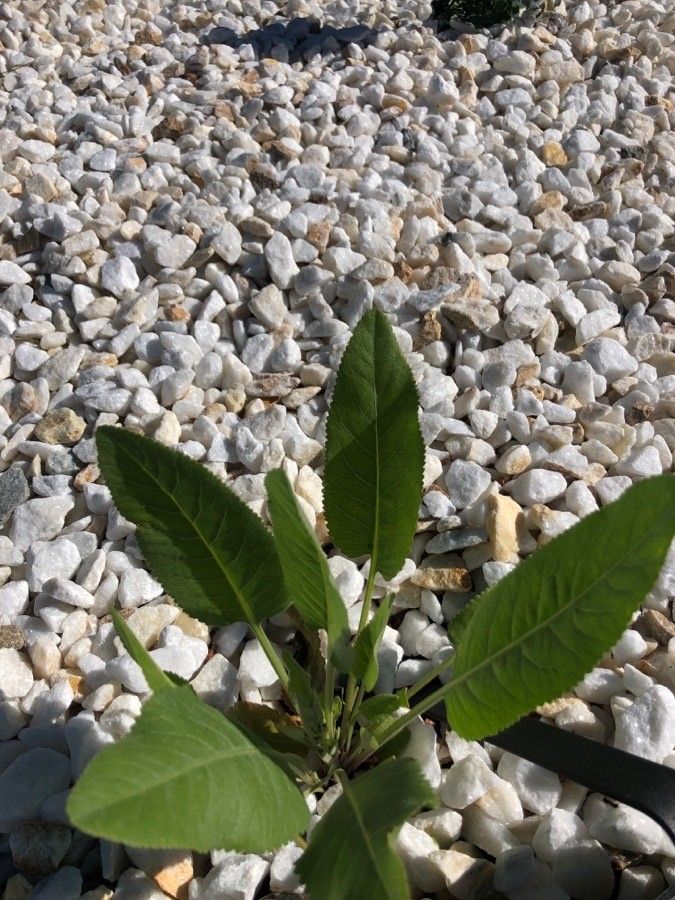
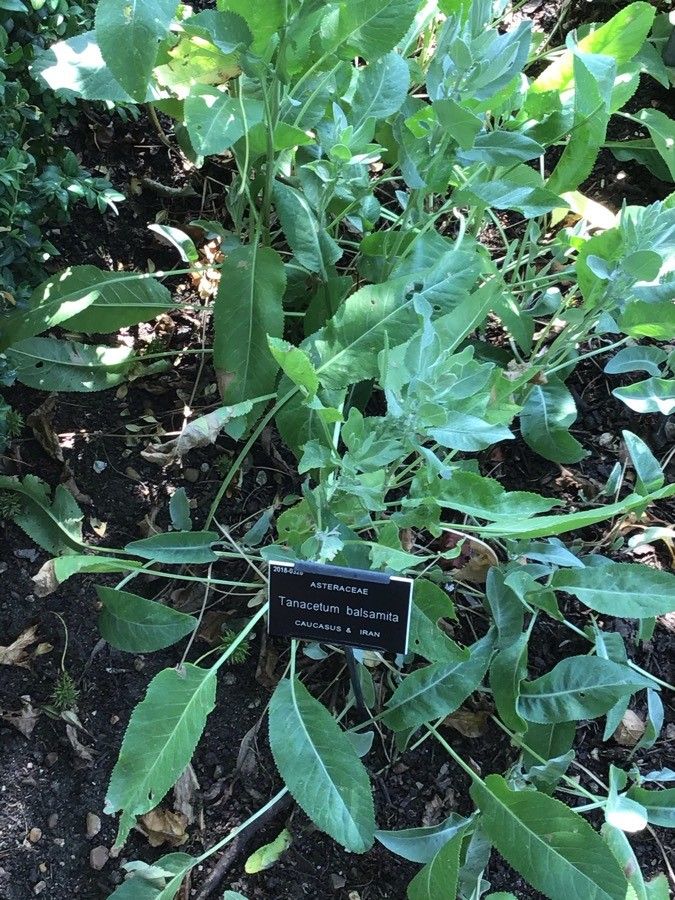
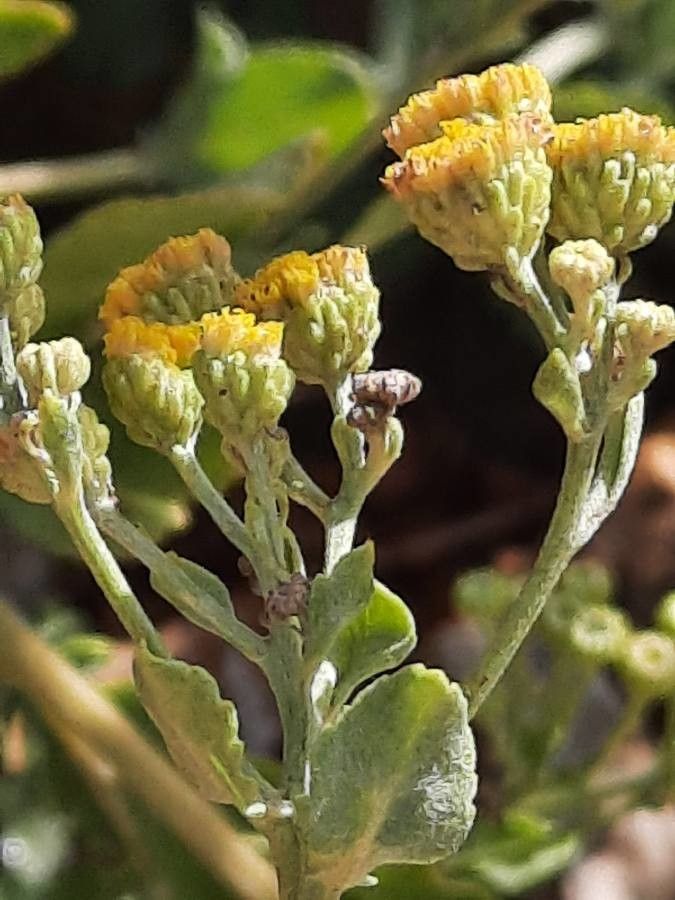
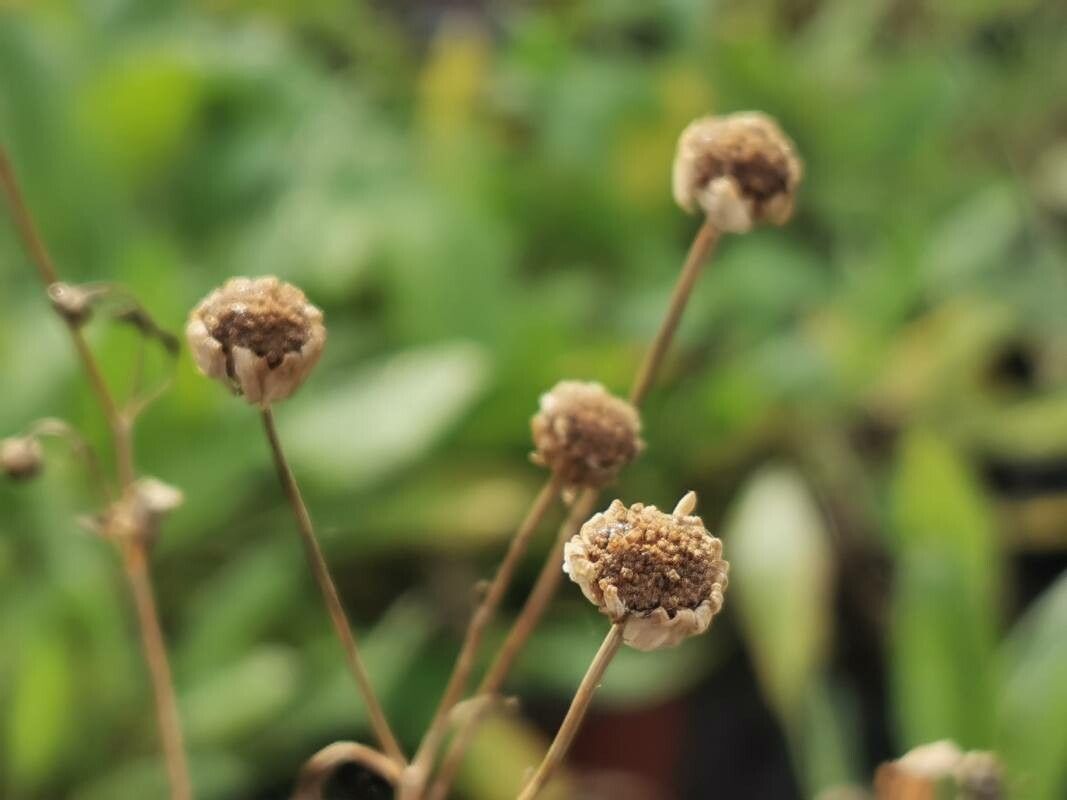
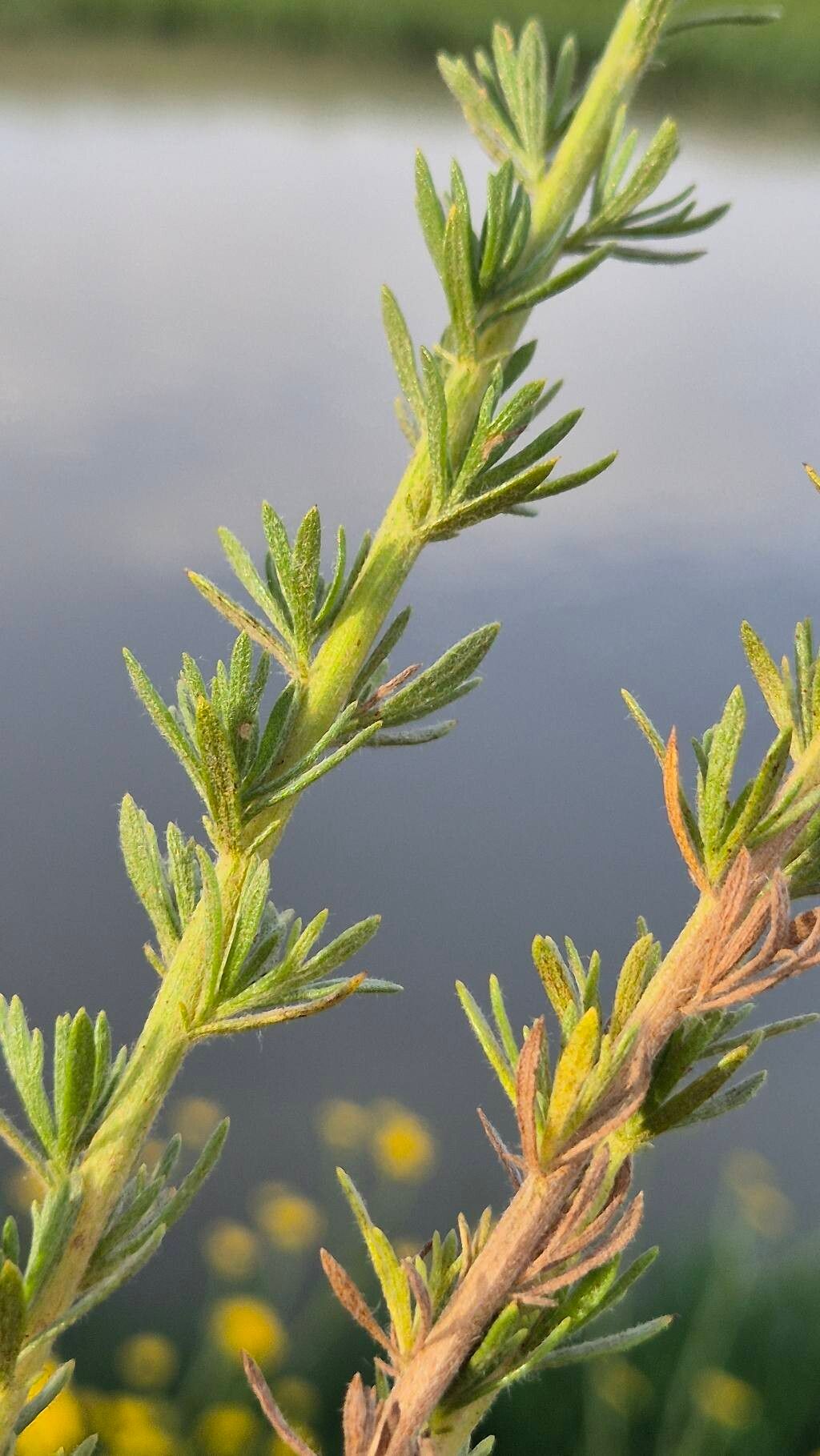
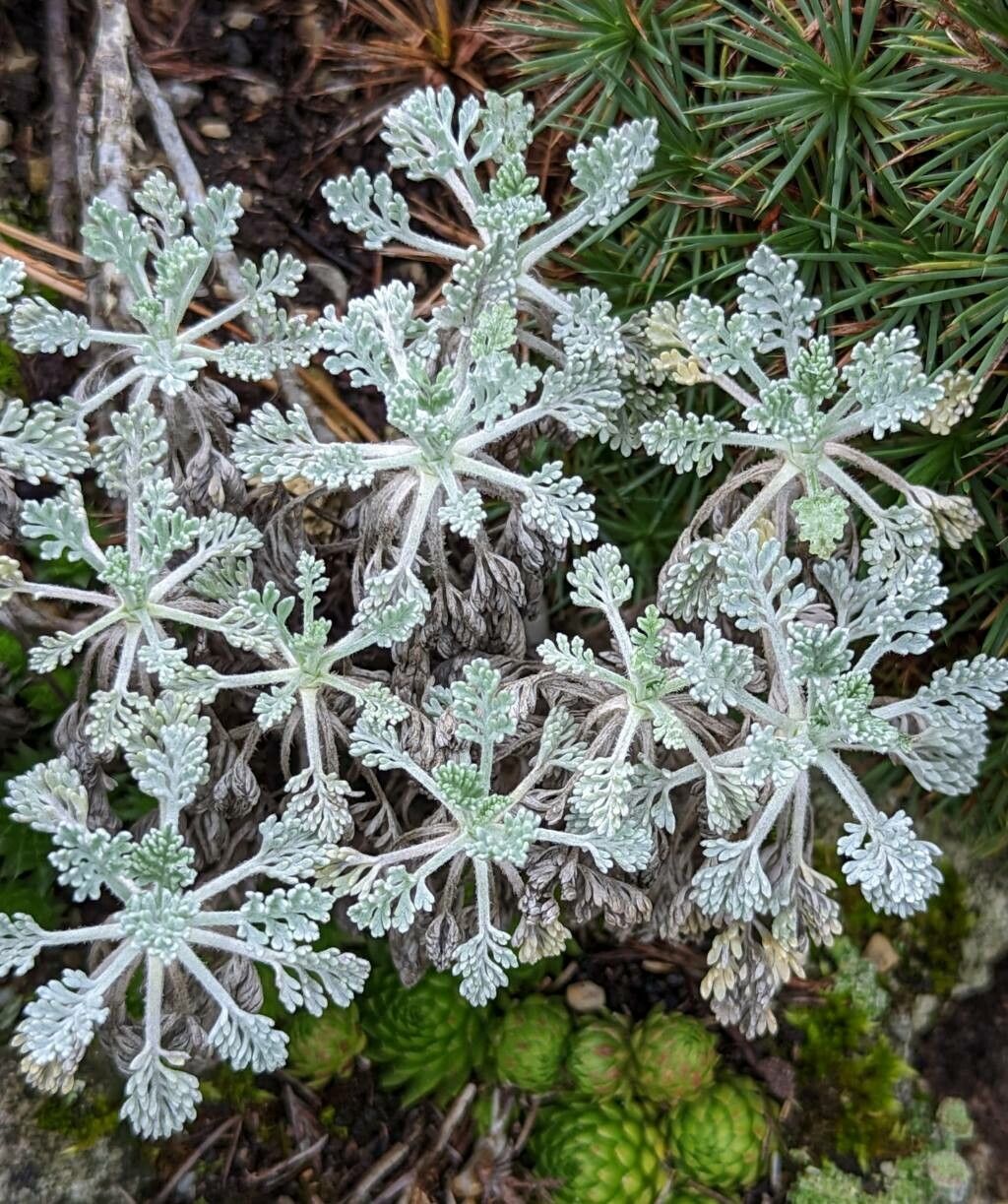
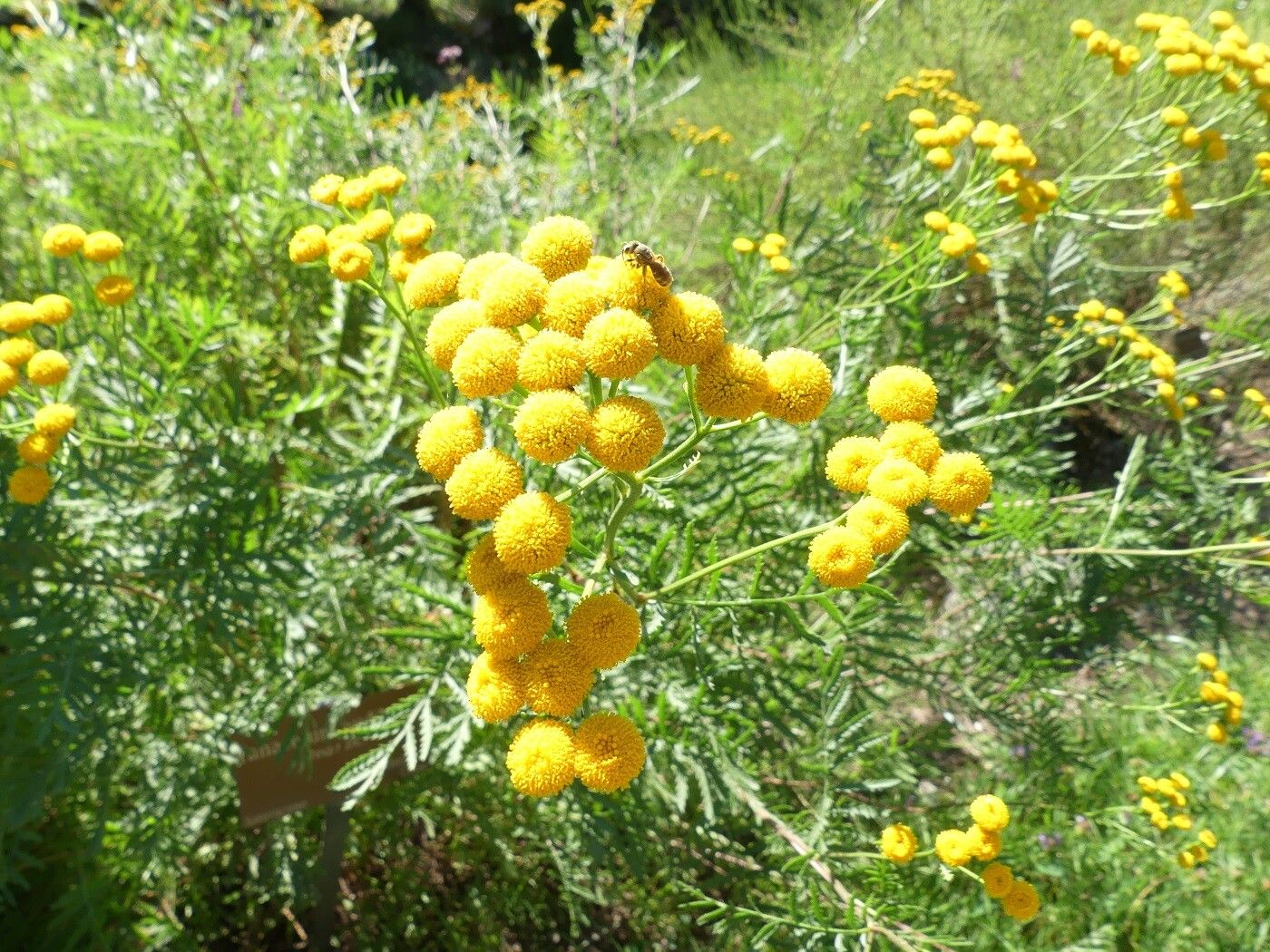
Tanacetum balsamita is a perennial temperate herb known as costmary, alecost, balsam herb, bible leaf, or mint geranium.
Costmary has moderate resistance to disease and can be susceptible to problems such as leaf spot. Its vulnerability to insect pests varies by variety, but most types are fairly poorly resistant to pests. For care, Costmary requires regular watering and fertilizing, along with frequent pruning or removal of yellow leaves. It is important to manage pests and diseases when they appear and to harvest the plant promptly. Costmary is suitable for people who have some time and energy to devote to regular care.
How to keep Tanacetum Balsamita.
Light
Costmary flourishes in locations that receive abundant sunlight throughout the day. It can also adjust to conditions with less intense light. In its native habitat it occurs in areas with plentiful sun exposure. Excessive sun can cause sunscald or leaf burn, while insufficient sunlight may lead to weak growth and pale leaves.
Water
Costmary flourishes in temperate regions where it enjoys moderate moisture levels and can withstand occasional droughts. To maintain its health, particularly during periods of active growth, it is best to water it every 1 to 2 weeks. Proper hydration is crucial for producing lush foliage, so establishing an appropriate watering routine is important for both indoor and outdoor cultivation.
Temperature
Costmary is naturally suited to moderate temperatures, flourishing in the range of 68 to 100 °F (20 to 38 ℃). It originates from regions with temperate climates, requiring caretakers to regulate and maintain these temperatures for optimal growing conditions.
Fertilizer
To maximize Costmary's yield and flavor, supply adequate nitrogen throughout the entire growing period, from before planting through harvest. Plants that are well watered and fertilized produce plentiful, healthy leaves and have reduced bitterness. Before planting, amend the soil with organic matter such as compost or manure, preferably 2 to 8 weeks ahead.
Pruning
Costmary is a plant with aromatic leaves and small yellow flowers. To promote growth and remove dead stems, it is best to prune it from early to late spring. After the flowers have bloomed, cut back the flowering stalks to encourage continuous foliage. This also helps increase air circulation, reduce disease, and maintain the plant's shape. By following these proper care practices, you can improve the health and appearance of your costmary.
Botanical profile.
- Plant Type
- Herb
- Life Cycle
- Perennial
- Genus
- Tanacetum
- Family
- Asteraceae
- Hardiness Zone
- 9-11
- Mature Height
- 20 cm to 61 cm
- Mature Spread
- 49 cm
- Leaf Color
- Green, Gray
- Leaf Type
- Deciduous
- Flower Color
- White
- Flower Size
- 2.54 cm to 5.08 cm
- Bloom Time
- Summer
- Planting Time
- Spring, Summer, Autumn
- Harvest Time
- Late summer, Early fall, Mid fall
- Native Area
- Russia, Iraq, Turkey, Cyprus, Iran, Azerbaijan, Armenia
Other names.
Reader questions.
How should I water my Costmary plant?
To properly care for the Costmary plant, it is best to use filtered water at room temperature. Tap water can be harmful due to potentially harmful particles it may contain. The plant is suited to warm environments, so it is important to avoid using cold water as it can be a shock to its system. It's also recommended to avoid overhead watering as it can cause problems with the foliage. Instead, simply water the plant by applying filtered room temperature water to the soil until it is fully soaked. This helps moisten the roots and facilitate the spread and absorption of nutrients in the soil.
Why do I have to put fertilizer on my Costmary plant?
All plants, including the Costmary, need soil nutrients to grow. However, the soil in which your plants grow may not always have all the required nutrients. Fertilization and soil amendments are important to supply the basic nutrients and specific ones needed by the plants in your garden. For Costmary, fertilizer is crucial for healthy root and stem development throughout the growing season. It also helps the plant produce attractive foliage, which is key to its ornamental appeal.
What are the sunlight requirements for Costmary?
Costmary thrives in full sun, requiring above 6 hours of sunlight a day, but it can also tolerate partial sun, which means about 3-6 hours of sunlight. It's essential to observe the movement of sunlight through your garden to find spots that provide the perfect balance for your plants, ensuring they receive the necessary light without overexposure which can lead to leaf burn or weak, pale growth if underexposed.
What is the optimal temperature range for growing Costmary?
Costmary thrives in moderate temperatures, ideally between 68 to 100 °F (20 to 38 °C). Originating from temperate regions, it requires such conditions for optimal growth. The plant is very heat-loving, and exposure to cold can be detrimental. During autumn, it is advisable to move Costmary plants grown outdoors inside to a location near a bright window, ensuring they are kept away from direct heat sources. To foster growth during winter, maintaining temperatures above 20°C is beneficial, as temperatures around 0°C can harm the plant.
What should I do if I give my Costmary plant too much water or too little water?
Overwatering is a more common issue than underwatering for the health of your Costmary plant. When it is overwatered, its stems and leaves may wilt and turn yellow. Over time, overwatering can lead to diseases like root rot, mold, and mildew, which can be fatal for the plant. Underwatering is less common, as the Costmary has good drought tolerance. However, it can still happen, and if it does, the leaves may become brittle and brown. It is important to notice signs of overwatering early to prevent irreversible damage, such as root rot. If you see these signs, reduce your watering schedule and check the soil drainage. If it drains poorly, replace it with a well-draining potting mix. On the other hand, if your Costmary shows signs of needing more water, increase your watering until the signs improve.
When should I add fertilizer to my Costmary plant?
Costmary requires the most fertilizer when it is actively growing, which generally occurs during the spring, summer, and early fall months. During this time, it is advisable to feed the plant every two to four weeks. As winter approaches, the fertilization rate should be reduced gradually until feedings are stopped completely, as the plant will experience less active growth during the winter.
How does Costmary adapt to different lighting conditions?
Costmary is a plant that does well in areas with abundant sunlight throughout the day but it can also adapt to conditions with less intense sunlight. It's native to areas with plentiful sunlight exposure. Be mindful, though, as too much direct sunlight can cause sunscald or leaf burn, and insufficient sunlight can lead to weaker growth and pale leaves. For indoor plants, using artificial lighting can help maintain optimal growth when natural sunlight is not sufficient, especially in winter or less sunny spaces. LED lights are often preferred for their ability to provide the specific wavelengths needed by plants.
How does Costmary react to low temperatures?
Costmary prefers warm conditions and does not tolerate low temperatures well. It is crucial to keep it in environments above 20°C, especially during winter, ensuring it doesn't drop below 0°C. Exposure to temperatures below -5°C can cause the leaves to lighten in color, and following frost damage, they may turn brown or black. Symptoms such as wilting and drooping can also occur. If frost damage happens, it's important to trim off the damaged parts and move the plant indoors to a warmer setting, preferably near a south-facing window for sufficient sunlight, while avoiding placing it near heaters or air conditioning vents to prevent air dryness.
How frequently should I water my Costmary?
If your Costmary is in a pot, the most accurate way to check if it needs water is by putting your finger in the soil. If the top two to three inches of soil are dry, it's time to water it. For Costmary grown outside in the ground, you can use the same method. Once the top few inches of soil have dried out, it's time to water. Usually, during spring and early fall, watering once a week is sufficient. However, in extremely hot weather, you may need to water twice a week or even more. Keep in mind that mature, well-established Costmary plants have a good ability to withstand drought.
When should I not put fertilizer on my Costmary plant?
Throughout most of the year, including spring, summer, and most of fall, it is important to regularly feed your Costmary. However, there are exceptions to this rule. If you notice that your Costmary has received too much fertilizer or if you have fertilized it incorrectly, causing fertilizer burn or other issues, you will need to remedy these problems before continuing with regular feeding. During winter, you should not fertilize your Costmary, especially if you grow it indoors in a cold area. During this time, the plant enters a dormant phase and feeding it is unnecessary and harmful to its growth, potentially causing fertilizer burn.
What are the symptoms of inadequate lighting for Costmary?
When Costmary does not receive enough light, several symptoms can appear, including smaller new leaves compared to older ones, leggy or sparse growth, faster leaf drop, slower or halted new growth, lighter-colored new leaves, chlorosis, sunscald, leaf curling, wilting, and leaf scorching. These symptoms indicate a range of issues from resource conservation strategies like leaf drop to protect against light deprivation to physical damage from overexposure to sunlight.
What should be done if Costmary is exposed to high temperatures?
In summer, it's key to ensure that Costmary is kept below 38°C to prevent overheating. When temperatures soar above 43°C, the plant's leaves may lighten and become more prone to sunburn. To remedy this, trim away the sunburned and dried portions of the plant and relocate it to a shadier spot to protect it from the intense midday and afternoon sun. Additionally, maintaining soil moisture through watering in the morning and evening is crucial during high temperature periods.