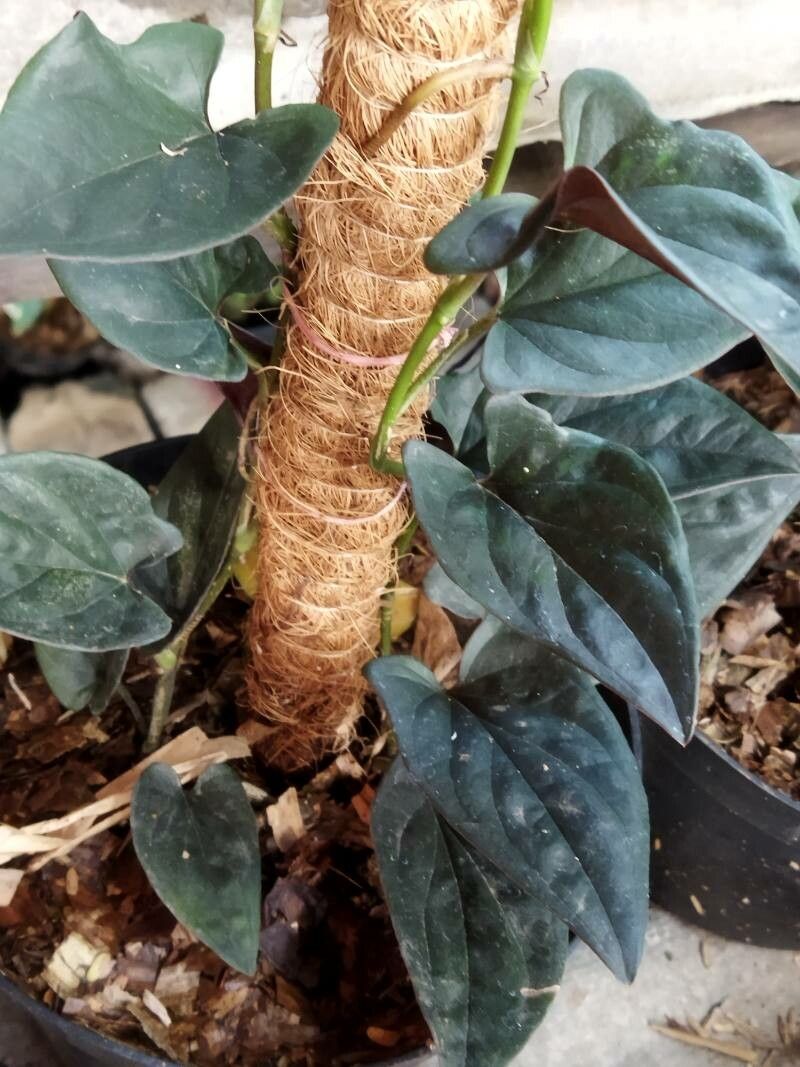
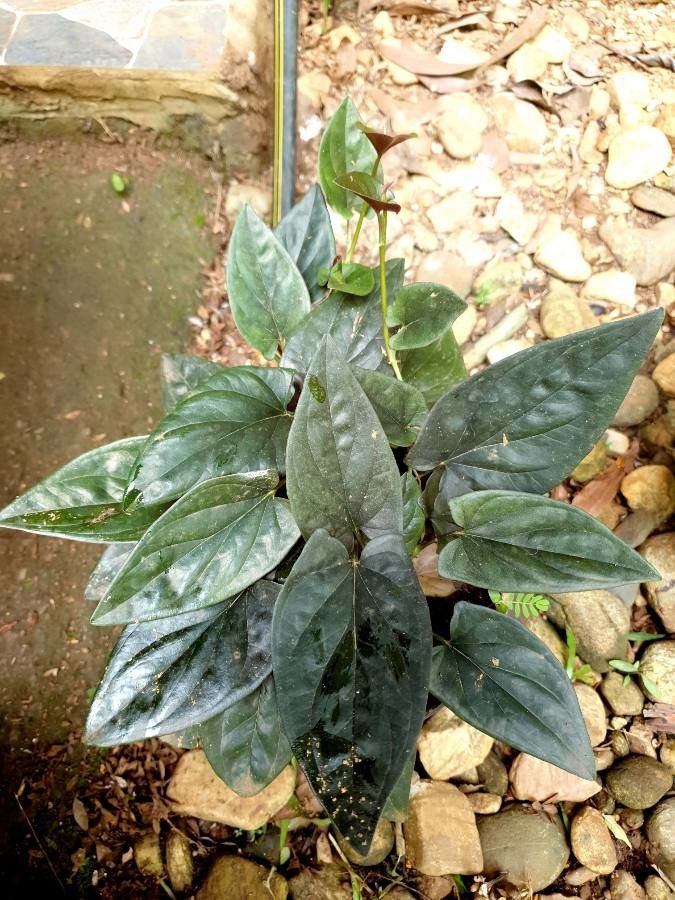
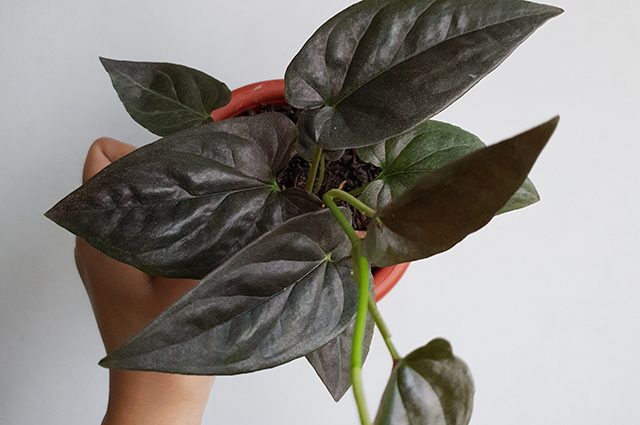
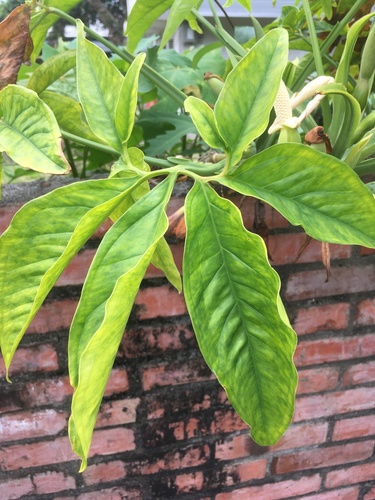
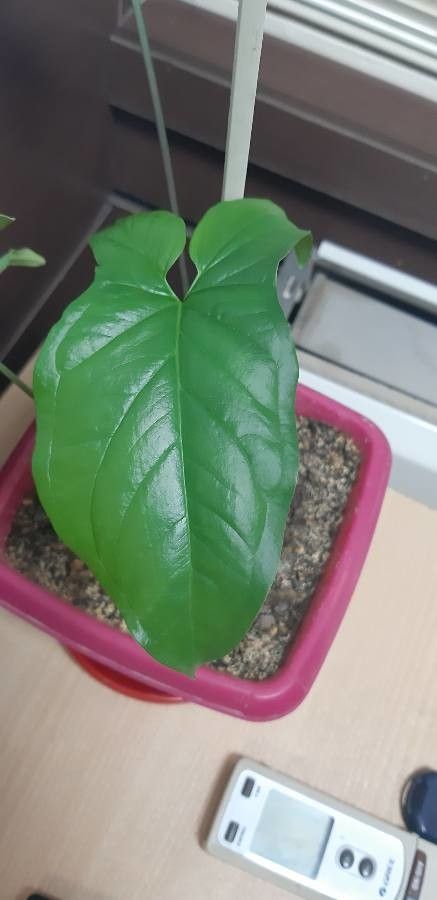
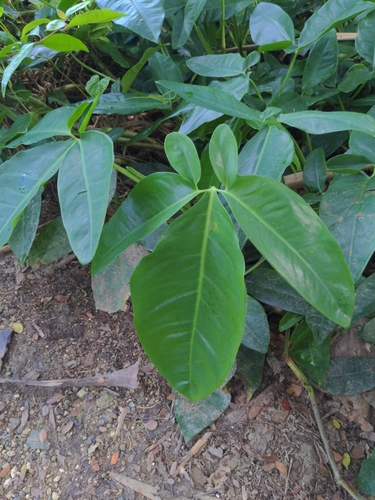
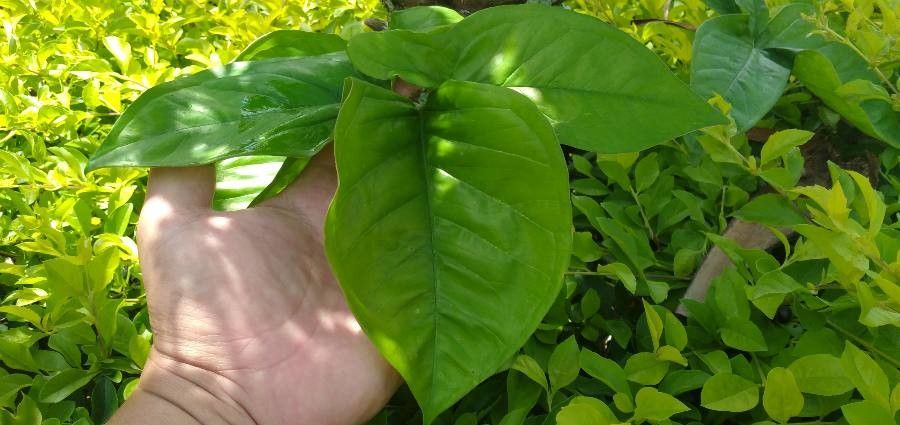
Evergreen climber that is sparsely branched. Leaves are heart-shaped and made up of elliptic leaflets that are light green when juvenile, maturing to dark green above, purplish beneath.
Arrowhead vine has strong disease resistance and is generally not prone to illnesses. However, if kept in a poor environment it can become more vulnerable to disease. It also has few insect pests. Care-wise, this plant has medium requirements. It needs plenty of sunlight, because with insufficient light it may become more disease-prone and exhibit thin growth. Since it is often grown indoors, it may need to be moved regularly to a well-lit spot. It does not require frequent watering. Overall, Arrowhead vine is suitable for most people, but it is best for those who can provide good light conditions.
How to keep Syngonium Erythrophyllum.
Light
The arrowhead vine occurs naturally in habitats such as forest understories or rocky areas, where it grows in natural shade. It prefers partial sun but can adapt to full sun or full shade, highlighting its versatile, hardy nature.
Water
The Arrowhead Vine originates from the humid tropical rainforests and thrives in environments with similar moisture levels. It prefers consistent humidity and is moderately tolerant to drought. To keep it healthy, it should be watered weekly and regularly misted. These care practices make the Arrowhead Vine a popular choice for an indoor ornamental plant.
Temperature
The Arrowhead vine comes from tropical areas, where the climate is generally warm and humid. Consequently, it is adapted to high temperatures and moisture. It is sensitive to abrupt temperature changes and prefers a steady temperature, so indoor temperature swings should be avoided. It typically does not tolerate cold and needs warmer conditions to grow. If the surrounding temperature falls too low, the plant may stop growing or even die.
Fertilizer
The best time to fertilize an Arrowhead vine is in early spring as it comes out of dormancy. This encourages overall growth and supports flower development. Fertilization improves the foliage, stems, and branches, while encouraging larger, more vibrant, and longer-lasting flowers. It also helps transfer nutrients from the roots to the flowers and enhances the plant's health and resistance to disease.
Pruning
Prune your arrowhead vine during its active growth periods in the spring and summer. Avoid pruning in the winter unless you need to remove unhealthy parts. To encourage dense growth, trim back the long or older climbing stems to promote the development of new sprouts.
Pot & Repot
Repot the Arrowhead vine in spring or summer once it’s warm enough, choosing a slightly larger pot with good drainage. Water thoroughly after repotting and place it in bright, indirect light. Consider adding a moss pole for support as the plant grows.
Botanical profile.
- Plant Type
- Vine
- Life Cycle
- Perennial
- Genus
- Syngonium
- Family
- Araceae
- Hardiness Zone
- 11
- Mature Height
- 2.44 m to 3.66 m
- Mature Spread
- 30 cm to 49 cm
- Leaf Color
- Green
- Leaf Type
- Evergreen
- Flower Color
- White
- Flower Size
- 5.08 cm to 7.62 cm
- Bloom Time
- Summer, Early fall
- Planting Time
- Spring, Summer
- Harvest Time
- Late summer, Fall
- Native Area
- Colombia, Panama
Other names.