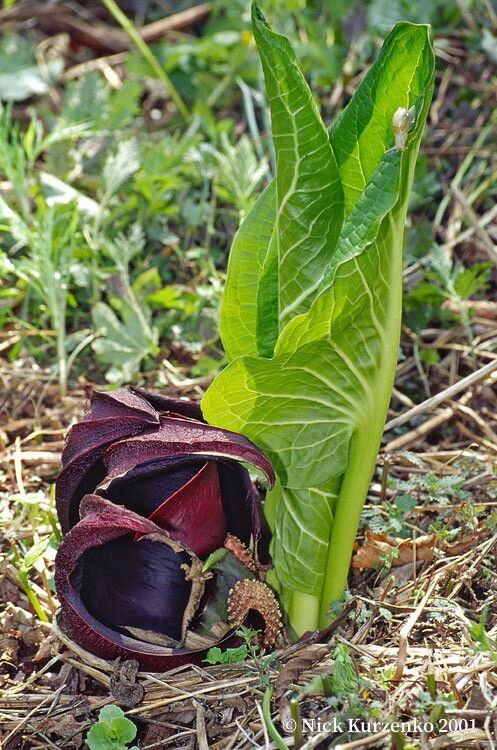
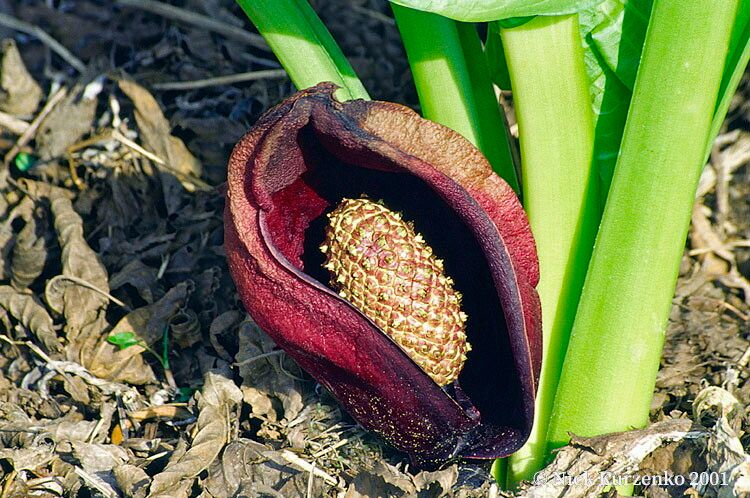
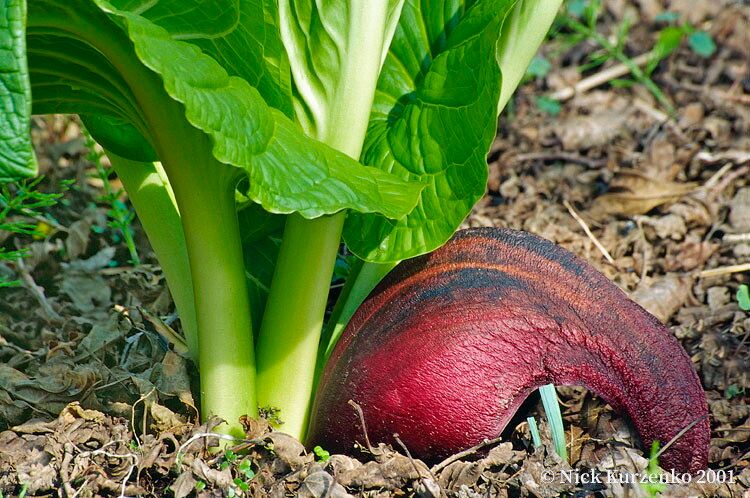
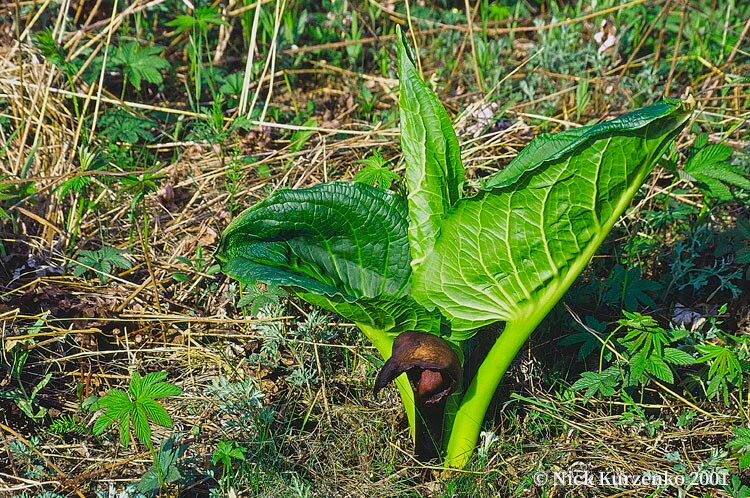
Oriental skunk cabbage has strong resistance to disease and is usually not prone to illnesses. However, it can be affected by pests and diseases present in its environment. These infections tend to be minor. For care, this plant needs a moderate amount of maintenance. It requires regular pruning to keep a tidy appearance and support healthy growth. Fertilizing can also help encourage flowering. Oriental skunk cabbage is suitable for anyone with outdoor space, like a garden or patio, and does not demand extensive care experience. It may need more attention when cultivated indoors.
How to keep Symplocarpus Renifolius.
Light
Oriental skunk cabbage grows well with abundant sunlight during all stages of its development, reflecting the brightly lit conditions of its native habitat. Insufficient light can reduce its vigor and health, while excessive exposure does not pose a problem.
Water
The Oriental skunk cabbage, native to damp, shaded regions, requires consistent moisture and cannot tolerate drought. It needs to be watered weekly to ensure it stays hydrated. Thriving in wetland environments, it greatly benefits from the surrounding humidity, which promotes lush growth during its active growing season.
Temperature
Oriental skunk cabbage can adapt to a broad range of temperatures, but its distribution may still be constrained by different combinations of moisture and heat. It does best in warm summer conditions with sufficient rainfall or watering. Extended periods of cloudy, rainy weather or prolonged high temperatures can raise the risk of the plant dying. In winter, adequate protection from cold can increase its survival rate.
Fertilizer
The best time to fertilize an Oriental skunk cabbage is in early spring, as it comes out of dormancy and starts active growth. Fertilizing supplies important nutrients needed for healthy development. Although Oriental skunk cabbage requires relatively little fertilization, applying fertilizer annually can improve its chances of survival and encourage stronger, longer-lasting flowers.
Pruning
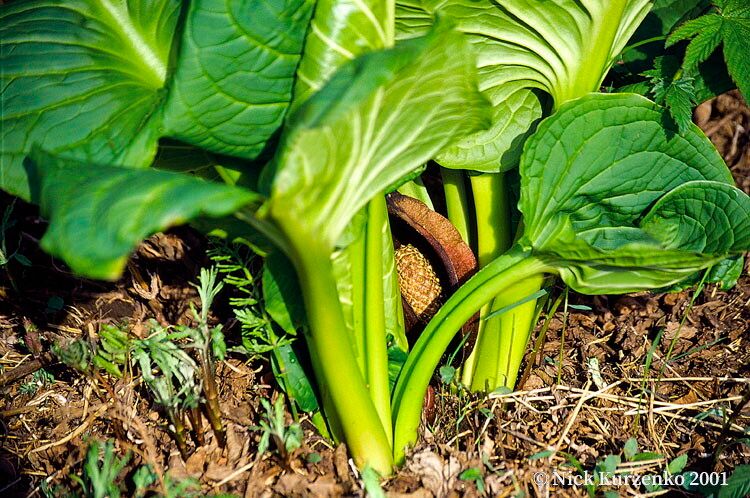
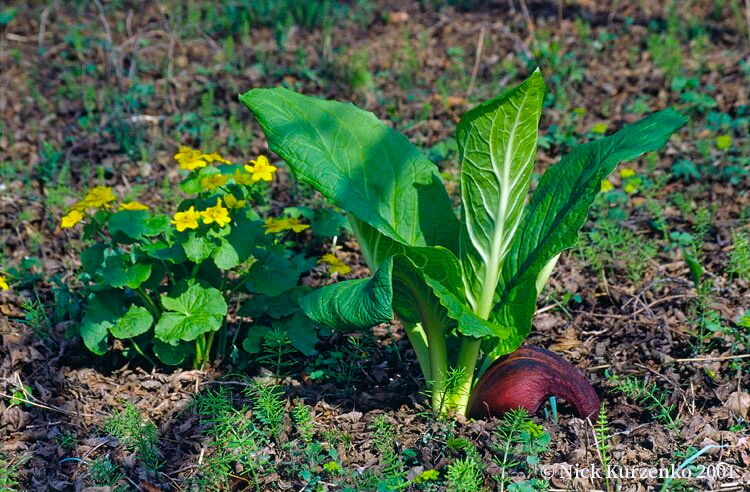
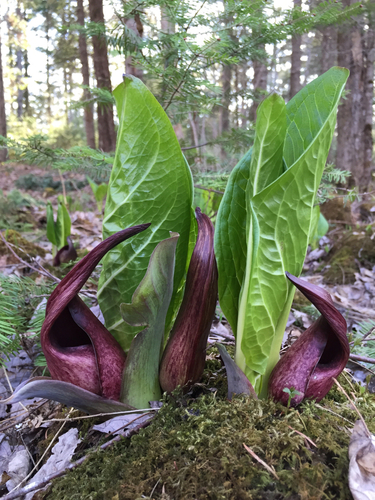
Oriental skunk cabbage is characterized by its broad, kidney-shaped leaves and distinct odor. To promote healthy growth, it should be pruned from early to late spring. Remove any dead leaves during this time to maintain its size and vigor. Proper pruning also ensures good air circulation, which helps prevent mold and enhances both the plant's health and its appearance in the garden.
Botanical profile.
- Plant Type
- Herb
- Life Cycle
- Perennial
- Genus
- Symplocarpus
- Family
- Araceae
- Hardiness Zone
- 3-7
- Mature Height
- 49 cm
- Mature Spread
- 40 cm to 76 cm
- Leaf Color
- Dark Green
- Leaf Type
- Semi-evergreen
- Flower Color
- Green, Purple, Red
- Flower Size
- 2.54 cm to 3.05 cm
- Bloom Time
- Late winter, Early spring
- Planting Time
- Spring, Summer
- Harvest Time
- Summer
- Native Area
- Russia, Japan, Koppen, South Korea, China
Other names.
Reader questions.
What are the sunlight requirements for Oriental skunk cabbage?
Oriental skunk cabbage requires full sun, which means it should receive above 6 hours of sunlight daily. It's essential to observe the movement of sunlight in your garden to find spots that offer a balance of light and shade, ensuring the plants thrive. In its native habitat, this plant flourishes under generous sunlight throughout its growth stages, and while it can tolerate significant sunlight, inadequate exposure may negatively affect its health and growth.
How important is artificial lighting for Oriental skunk cabbage grown indoors?
Artificial lighting is crucial for Oriental skunk cabbage when natural sunlight is insufficient, especially during winter or in less sunny spaces. Using artificial lights can promote faster and healthier growth. LED lights are popular for their ability to provide specific wavelengths needed by plants. The intensity of artificial light required varies; full sun plants need 30-50W/sq ft, partial sun plants need 20-30W/sq ft, and full shade plants need 10-20W/sq ft. The light source should be placed 12-36 inches above the plant to mimic natural sunlight, ensuring it receives 8-12 hours of light per day.
What symptoms indicate inadequate lighting for Oriental skunk cabbage?
Symptoms of inadequate lighting in Oriental skunk cabbage include smaller new leaves, leggy or sparse growth, faster leaf drop, slower or no new growth, and lighter-colored or chlorotic leaves. Other signs might be sunscald, leaf curling, wilting, and leaf scorching, reflecting either insufficient or excessive sunlight exposure. Monitoring for these symptoms helps diagnose and rectify lighting issues to support the plant's health.
What are the solutions for regulating sunlight exposure for Oriental skunk cabbage?
To regulate sunlight exposure for optimal growth of Oriental skunk cabbage, gradually transitioning the plant to receive at least 6 hours of direct sunlight daily is recommended. For indoor plants, utilize a south-facing window or artificial plant grow lights to ensure sufficient light exposure. Outdoor plants should be moved gradually to sunnier spots to accustom them gently to the new conditions and prevent sunburn. If sunlight obstruction is an issue, consider pruning or transplanting to areas with ample sunlight. Remember, damaged parts of the plant might not recover, but new growth should be healthy with improved light exposure.