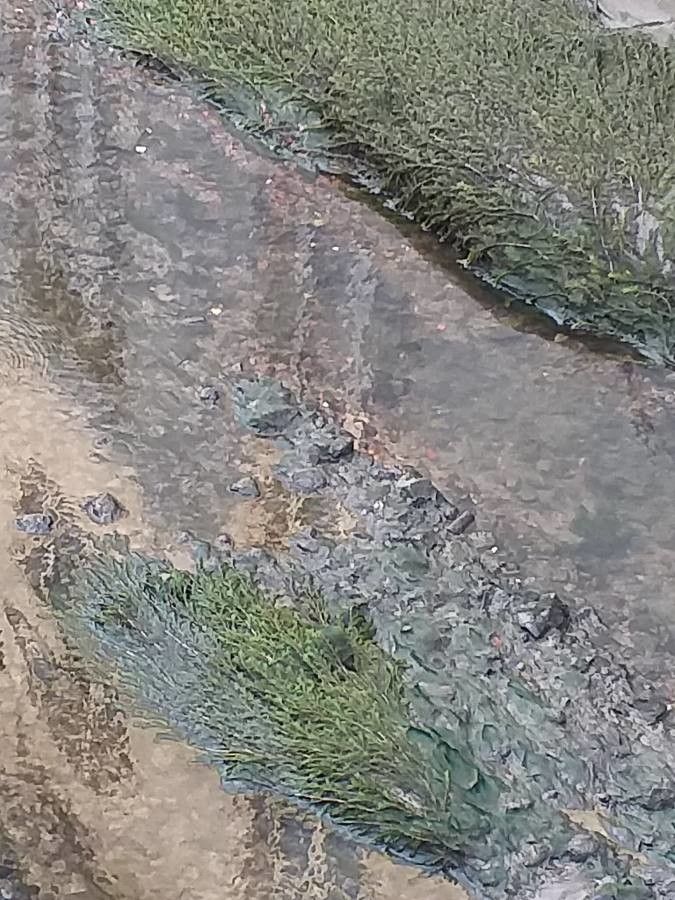
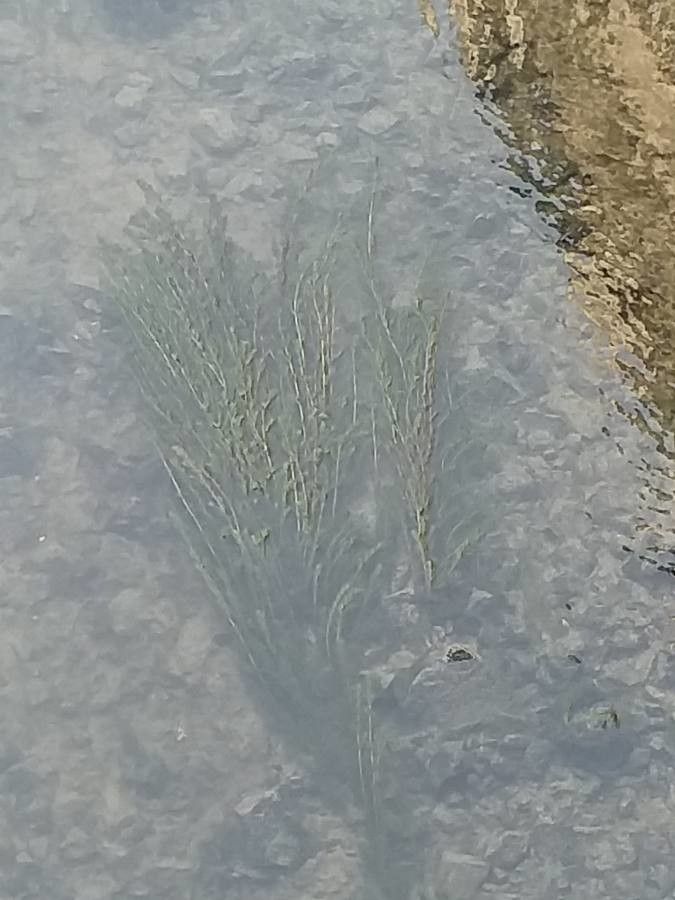
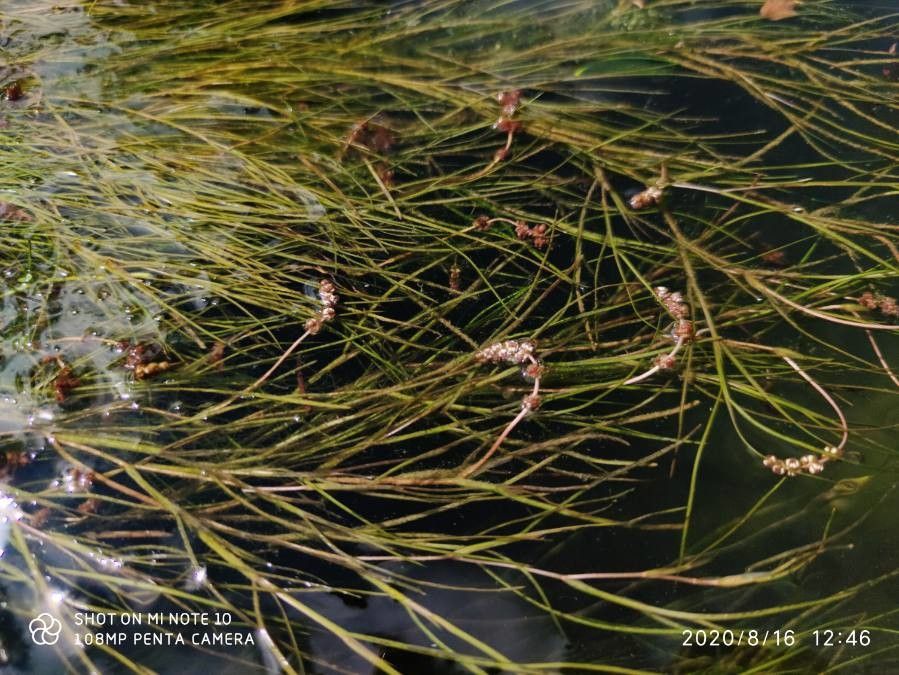
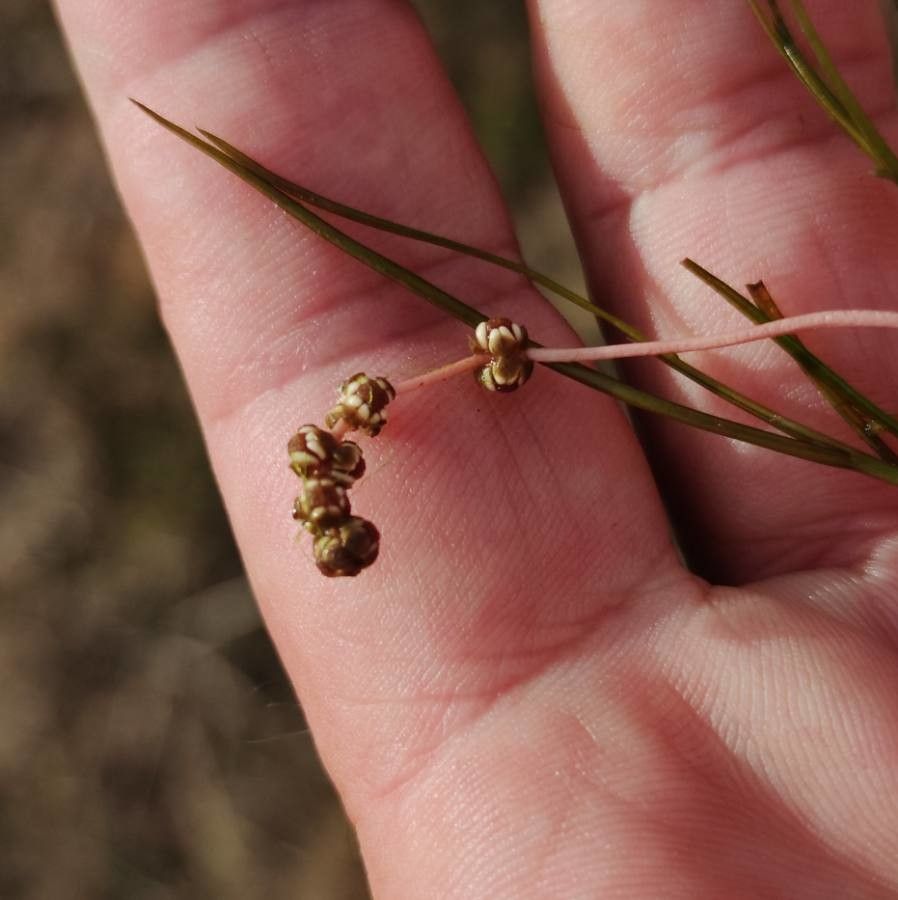
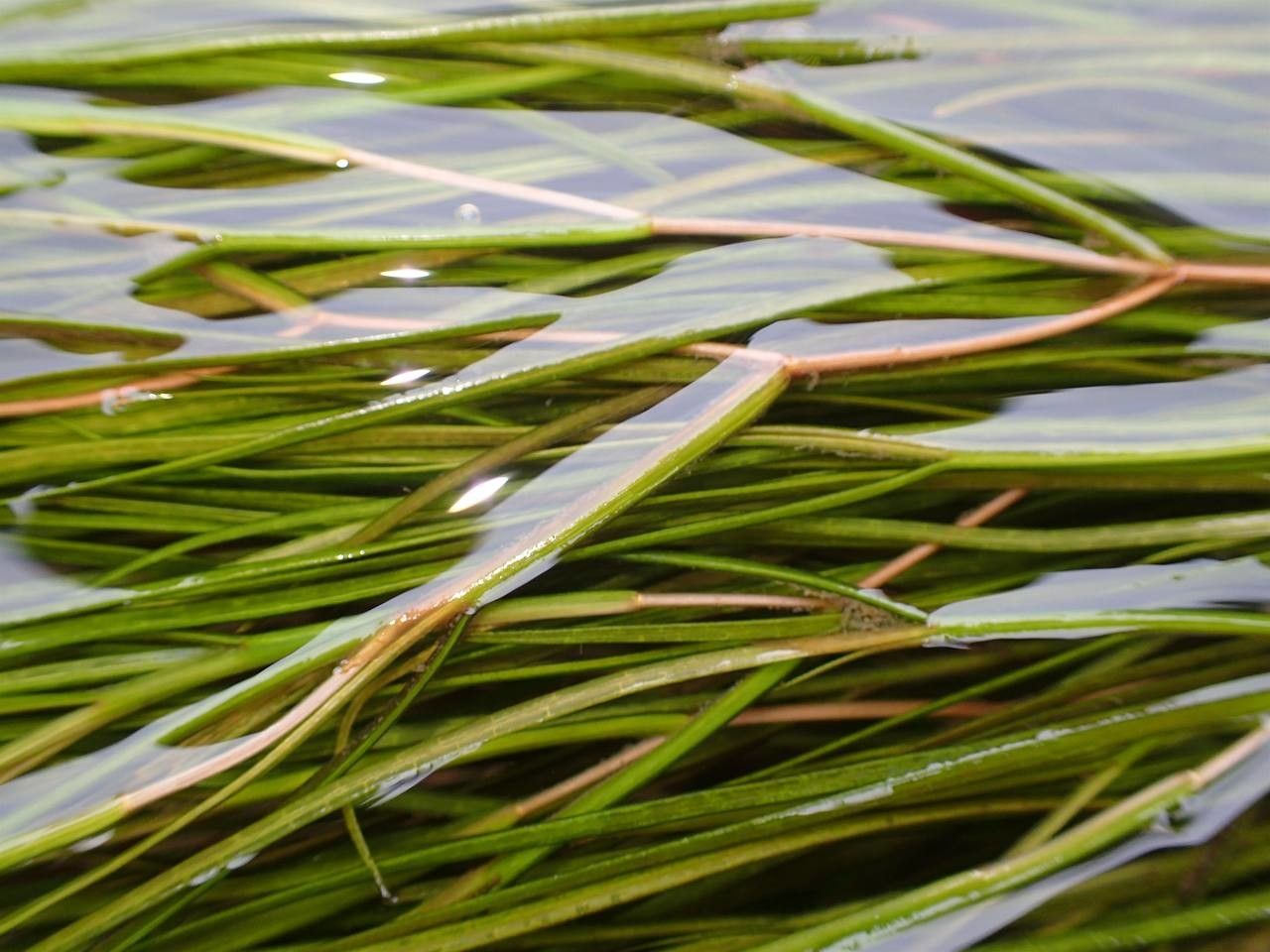
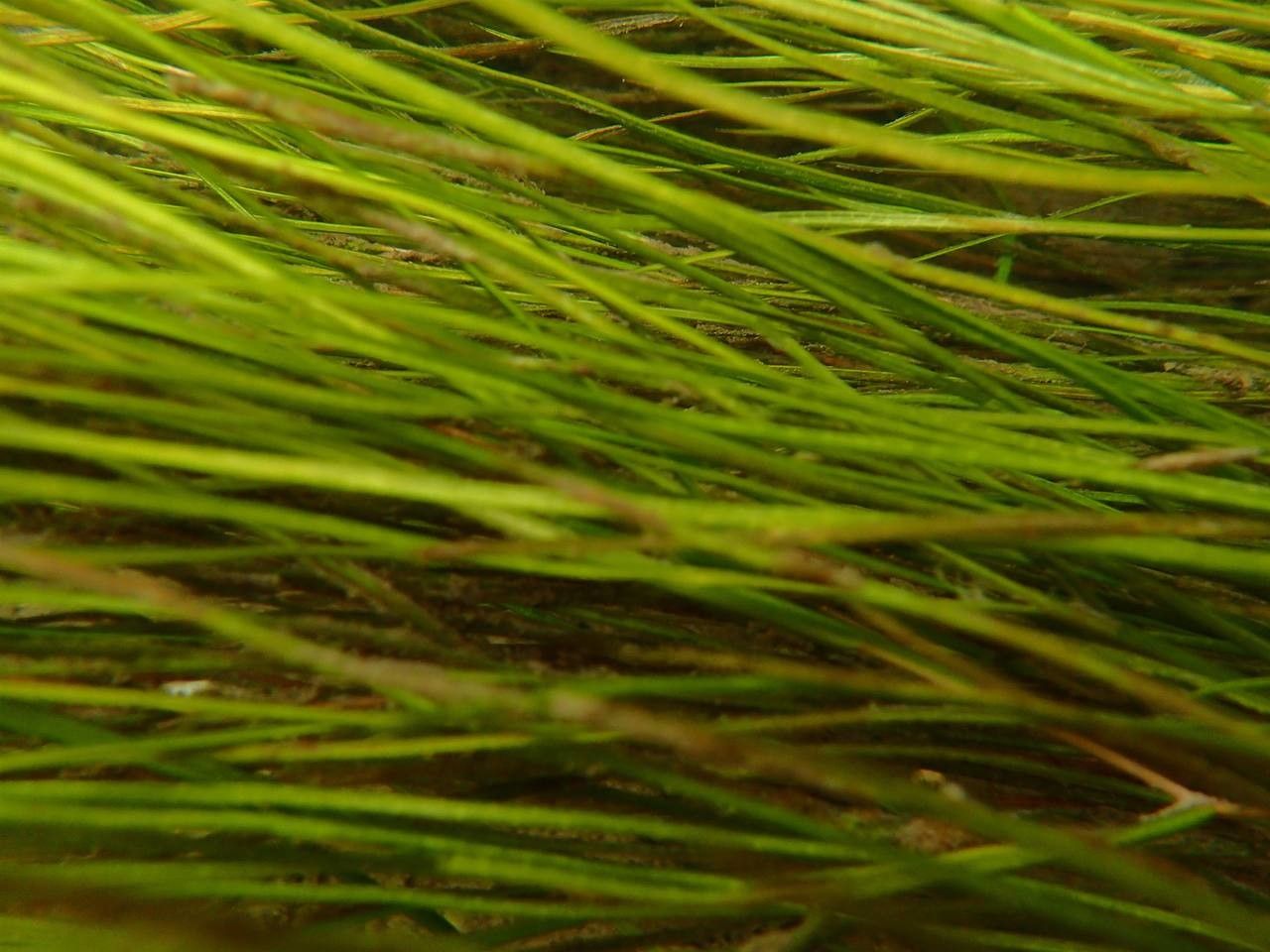
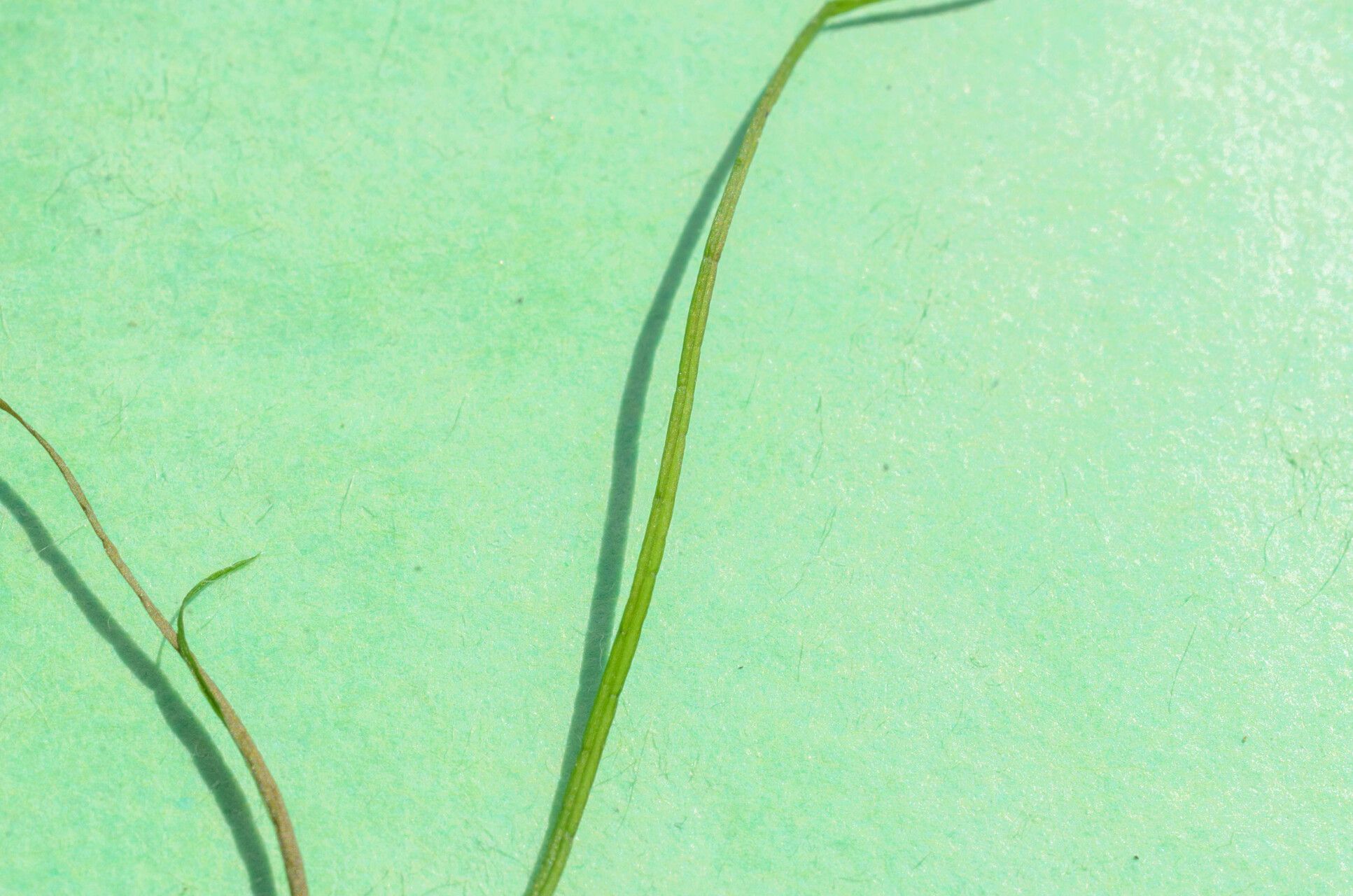
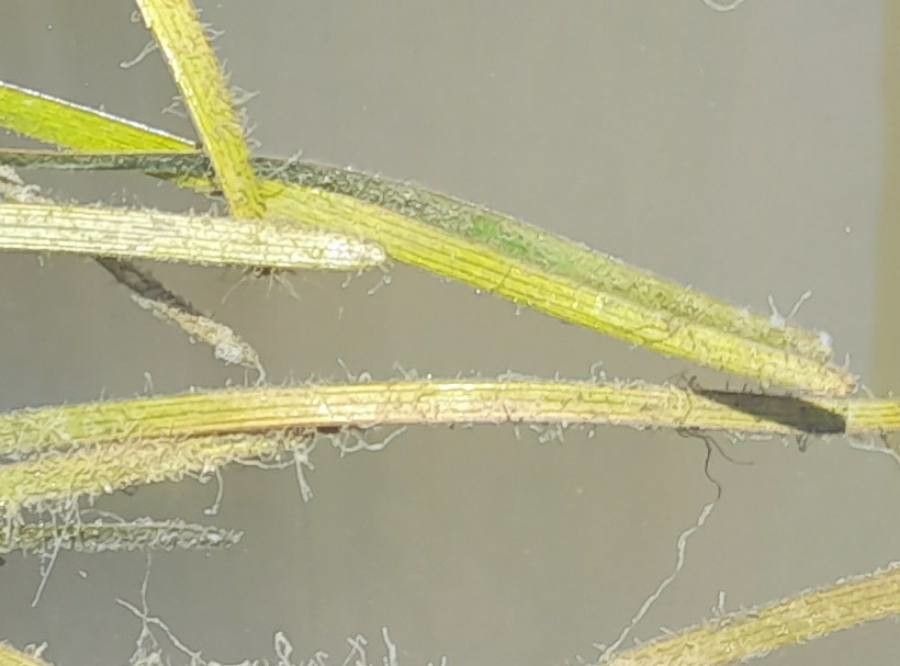
Stuckenia pectinata (syn. Potamogeton pectinatus), commonly called sago pondweed or fennel pondweed, and sometimes called ribbon weed, is a cosmopolitan water plant species that grows in fresh and brackish water on all continents except Antarctica.
Sago pondweed is fairly resistant to disease and is usually not prone to illnesses. Nevertheless, it can be affected by pests and diseases present in its surroundings. These infections tend to be mild. When it comes to care, this plant requires moderate maintenance. It should be trimmed regularly to keep a neat appearance and support healthy growth. Fertilizing can also help encourage flowering. Sago pondweed is suitable for anyone with an outdoor area, such as a garden or patio, and does not demand extensive plant-care experience. It may need more attention if grown indoors.
How to keep Stuckenia Pectinata.
Light
Sago pondweed is adapted to moderate sunlight—not overly strong nor too limited. Its health and growth largely depend on this medium level of light. It keeps this preference during all stages of growth. Its natural habitat provides moderate light, which matches the plant’s nature. Both too much and too little light can impede its optimal development.
Water
Sago pondweed is an aquatic plant that thrives in wet conditions and can tolerate being submerged. It needs consistent moisture and should be watered weekly. This plant is beneficial for freshwater ecosystems because it helps oxygenate the water, thereby promoting a healthy aquatic environment.
Humidity
This plant needs special care because it loves high humidity levels of 60-80% or more. The best way to achieve this is by placing a humidifier near the plant. Daily misting is also essential! Make sure the room has good ventilation.
Temperature
Sago pondweed naturally occurs in habitats that fall within its preferred temperature range of 50 to 95 °F (10 to 35 °C). It does well in temperate to warm regions. Usually, seasonal adjustments are not necessary unless it faces extreme temperatures.
Pruning
Sago pondweed, known for its fan-like leaves, thrives in water environments. To manage its growth, improve oxygen levels, and remove dead foliage, it is best to prune between early and late spring. For optimal results, use sharp, sterilized shears during pruning. Regular trimming helps prevent the plant from becoming invasive, ensuring a vibrant and thriving water garden.
Botanical profile.
- Plant Type
- Herb
- Life Cycle
- Perennial
- Genus
- Stuckenia
- Family
- Potamogetonaceae
- Hardiness Zone
- 6-10
- Mature Height
- 0.49 m to 3.05 m
- Mature Spread
- 49 cm to 91 cm
- Leaf Color
- Olive Drab, Dark Green
- Leaf Type
- Deciduous
- Flower Size
- 0.25 cm
- Bloom Time
- Summer, Early fall
- Planting Time
- Spring, Summer, Autumn, Winter
- Harvest Time
- Late summer, Fall
- Native Area
- Sri Lanka, Libya, Belize, India, Turkey, Sweden, Mexico, Guatemala, Slovakia, Madagascar, Montenegro, Pakistan, Slovenia, Croatia, Morocco, Belarus, Uganda, Tanzania, Germany, Indonesia, Haiti, Mozambique, Koppen, Ethiopia, Romania, Latvia, Belgium, Netherlands, Portugal, Saudi Arabia, Malawi, Tunisia, Peru, Philippines, Bulgaria, Bangladesh, Cyprus, Panama, Ukraine, New Zealand, China, Lebanon, Colombia, Afghanistan, Syria, Kyrgyzstan, Kazakhstan, Italy, Japan, Mongolia, Finland, El Salvador, Iran, Ecuador, Azerbaijan, Congo (DRC), Egypt, Angola, Austria, Namibia, Rwanda, Eritrea, Yemen, Kenya, Zimbabwe, Uzbekistan, Russia, Iraq, Cuba, Burundi, Venezuela, Estonia, Oman, South Korea, Botswana, France, Nepal, Chile, Tajikistan, Czech Republic, South Africa, Sudan, Mauritania, Armenia, Poland, Zambia, Greece, Serbia, Lithuania, Norway, Hungary, Spain, Switzerland, Bolivia, Denmark, Myanmar, Israel, Albania, Ireland, United Kingdom, Algeria, Turkmenistan
Other names.
Reader questions.
How should I water my Sago pondweed effectively?
To effectively water the Sago pondweed, use filtered water at room temperature or slightly warmer. Tap water contains harmful particles, which is why filtered water is preferred. The Sago pondweed is accustomed to a warm environment, so cold water can be stressful for it. Avoid overhead watering, as it can cause foliage issues. Instead, thoroughly soak the soil with filtered room temperature water. This helps moisturize the roots and aids in their spread and nutrient absorption.
What are the sunlight requirements for Sago pondweed (Stuckenia pectinata)?
Sago pondweed thrives in conditions where it receives a balanced amount of sun exposure, ideally between 3 to 6 hours of sunlight per day. It's important to observe how sunlight moves through your garden to find spots that offer a mix of light and shade, ensuring an environment where this pondweed can flourish. Both too much and too little sunlight can impede its growth, as it's adapted to moderate light levels found in its natural habitats.
What are the essential growing conditions for Sago Pondweed (Stuckenia pectinata)?
Sago pondweed, Stuckenia pectinata, is native to environments that match its preferred temperature range of 50 to 95 °F (10 to 35 °C). It favors moderate to warm climates and demonstrates strong resistance to cold, making seasonal adjustments typically unnecessary unless extreme temperatures are anticipated. It does not usually require special frost protection measures during the winter. However, if winter temperatures are expected to drop below -25°C, providing cold protection by covering the plant with soil or straw is important. Additionally, watering the plant abundantly before the first freeze in autumn helps keep the soil moist and prevents drought and water scarcity during the winter and early spring.
What do I do if I give my Sago pondweed too much or too little water?
When caring for your Sago pondweed, both overwatering and underwatering can harm its health. However, overwatering is a more common issue. If your Sago pondweed receives too much water, its stems and leaves may wilt and turn yellow. Overwatering for a long time can also cause diseases like root rot, mold, and mildew, which can be fatal for your plant. Underwatering is less likely since the plant can tolerate drought fairly well. But it is still possible, and if it happens, you will notice brittle, brown leaves on your Sago pondweed. It is crucial to recognize the signs of overwatering early when taking care of your Sago pondweed. Some diseases caused by overwatering, such as root rot, may be irreversible if you wait too long. If you notice early signs of overwatering, reduce watering immediately. You should also check the soil quality where your Sago pondweed is growing. If it drains poorly, replace it with loose, well-draining potting mix. On the other hand, if you see signs of underwatering, simply water more regularly until the signs disappear.
How does artificial lighting benefit indoor Sago pondweed plants?
Indoor Sago pondweed plants benefit significantly from artificial lighting, especially when natural sunlight is insufficient. Artificial lights, particularly LED lights, can be tuned to emit specific wavelengths needed for the plant's optimal growth. The recommendations for artificial lighting vary by plant type: full sun plants require 30-50W per square foot, partial sun plants need 20-30W per square foot, and full shade plants need 10-20W per square foot. It's also crucial to place the light source 12-36 inches above the plant and to keep it on for 8-12 hours a day to mimic natural daylight hours.
How does Sago Pondweed respond to low temperatures, and what are the solutions?
Sago pondweed is highly cold-tolerant and ideally thrives when temperatures are above 10°C. In the winter, it should be kept above -15°C. If temperatures fall below -25°C, there might not be noticeable changes during the winter, but it could lead to a decrease in sprouting or a complete lack of sprouting in the spring. To address this, any parts of the plant that have failed to sprout by spring should be removed.
How many times should I water my Sago pondweed?
If your Sago pondweed is in a pot, the best way to determine if it needs watering is by checking the soil. Simply stick your finger into the soil and if the top two to three inches are dry, it's time to water it. The same method can be used if you have planted your Sago pondweed outdoors in the ground. Once again, if the top few inches of soil have dried out, it's time to water. Typically, during the spring and early fall, watering once a week will suffice. However, in extremely hot weather, you may need to water it twice or even more per week. It's worth noting that mature, well-established Sago pondweed have an impressive ability to endure drought.
What are the symptoms of incorrect light exposure in Sago pondweed?
When Sago pondweed is grown under inappropriate light conditions, it may exhibit several symptoms. Insufficient light can lead to small leaves, leggy or sparse growth, faster leaf drop, slower or no new growth, and lighter-colored new leaves. Excessive sunlight can cause chlorosis—yellowing of the leaves, sunscald, leaf curling, wilting, and leaf scorching. These symptoms reflect the plant's struggle to adapt to its lighting environment, impacting its health and development.
How should Sago Pondweed be managed under high temperature conditions?
Throughout the summer months, it is crucial to ensure that the temperature around Sago pondweed does not exceed 35°C. Exposing the plant to temperatures beyond 41°C can cause the leaves to lighten in color, curl, become prone to sunburn, and, in severe cases, cause the plant to wilt and dry out. Management includes trimming away the sunburned and dried parts of the plant and relocating it to a spot that is protected from the midday and afternoon sun. Alternatively, using a shade cloth to provide some shade can be beneficial. It is also recommended to water the plant in the morning and evening to maintain a moist soil environment.
How much water does my Sago pondweed require?
When watering your Sago pondweed, it's important to be generous with the amount of water you give. Make sure the first two to three inches of soil are dry before watering, then provide a thorough watering that completely saturates the soil. You should add enough water to the pot to allow excess water to drain out through the holes at the bottom. If you don't see water draining out, you may not have added enough water. However, be careful not to let water accumulate in the soil, as this can be harmful to the plant. On the other hand, if water doesn't drain out of the pot, it could indicate that the soil doesn't drain well, which is bad for the plant's health. If the plant is outdoors, it generally needs about 1 inch of rain per week.
What solutions can be implemented for Sago pondweed facing incorrect light exposure?
To address incorrect light exposure for Sago pondweed, consider the following strategies: Indoors, gradually shift the plant to sunnier spots until it receives 3-6 hours of direct sunlight, or use artificial light sources for at least 8 hours daily. Outdoors, gradually move the plants to better-lit areas to prevent sunburn. If plants are grounded, remove obstructions like tree branches that block sunlight, or consider transplanting smaller plants to sunnier locations during their dormant period for better access to sunlight. While parts of the plant affected by incorrect light may not recover, new growth should be healthier following these adjustments.
How should I water my Sago pondweed as it grows?
The water needs of Sago pondweed can vary depending on its growth stages. When the plant is young or has recently been transplanted, it requires more water than usual. During these stages, the plant is focused on developing new roots, which need additional moisture to support future growth. As the plant matures over several seasons, it will require less water. Additionally, during the bloom period, the plant may require more water due to increased flower development.