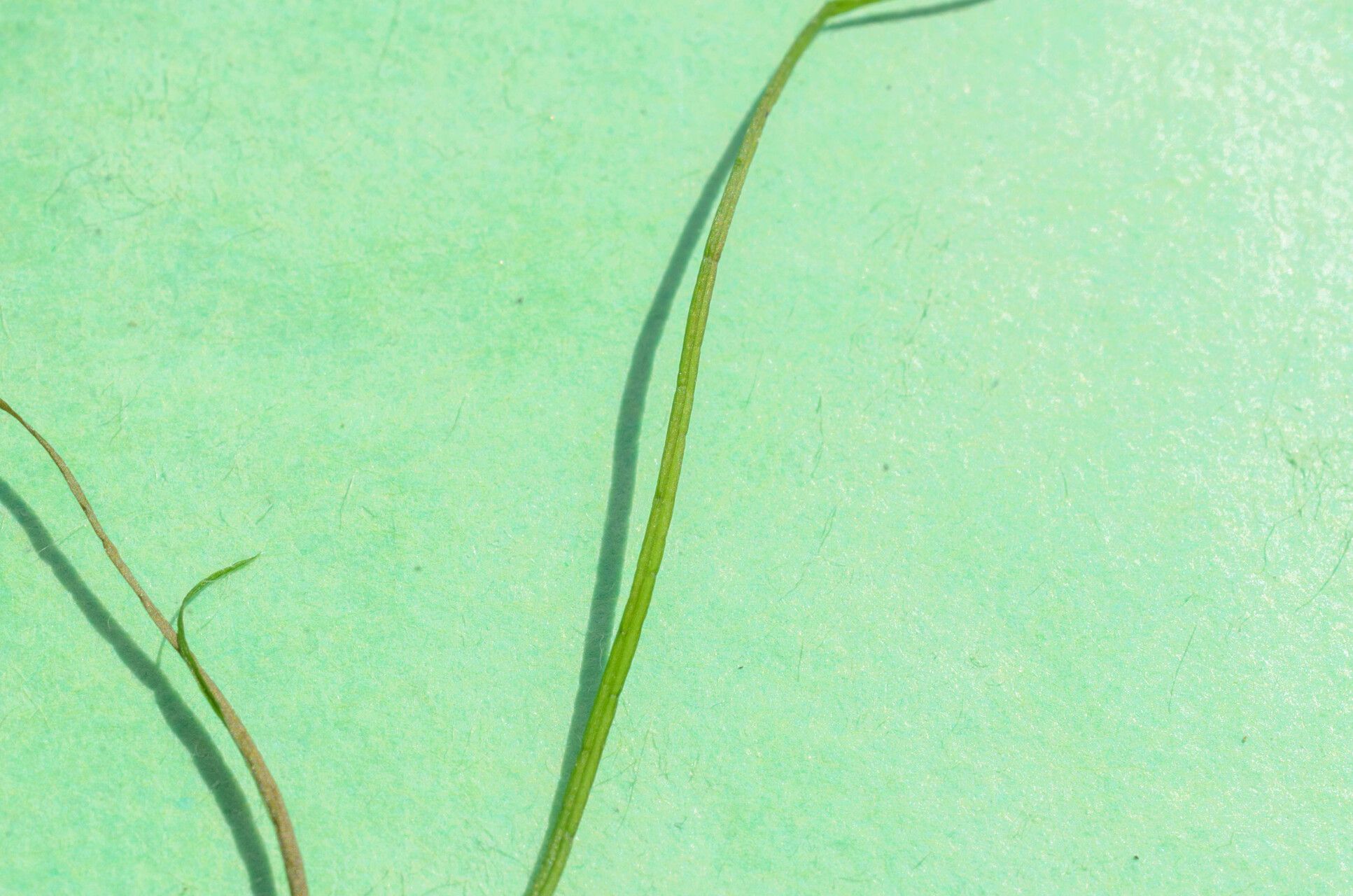
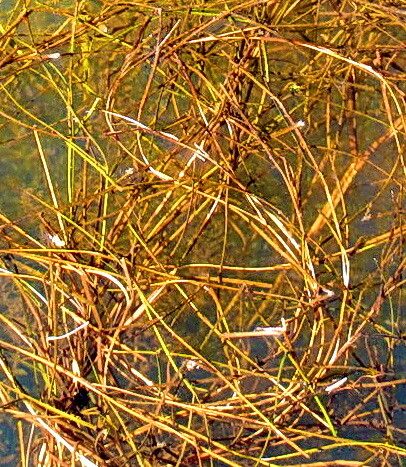
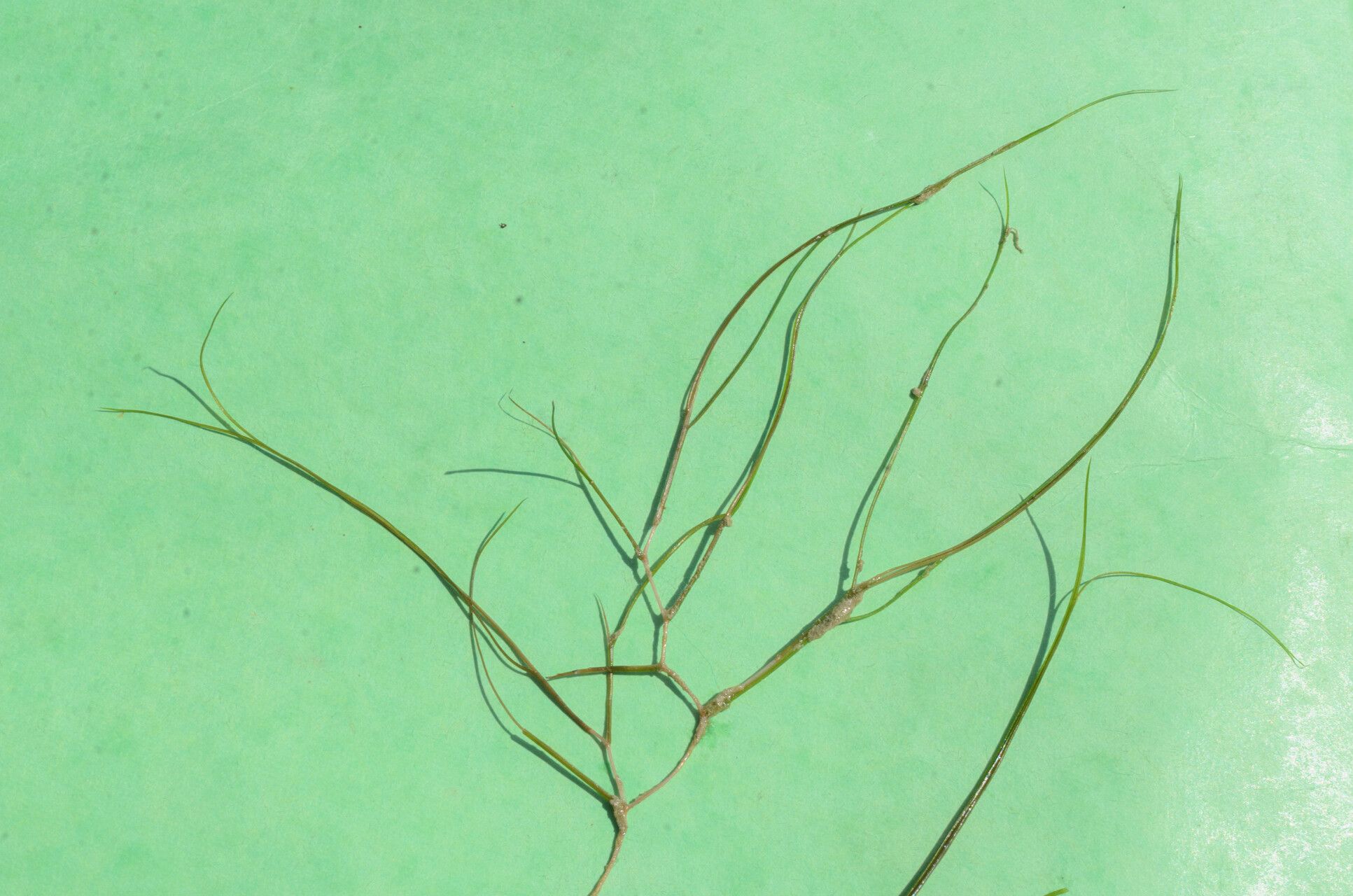
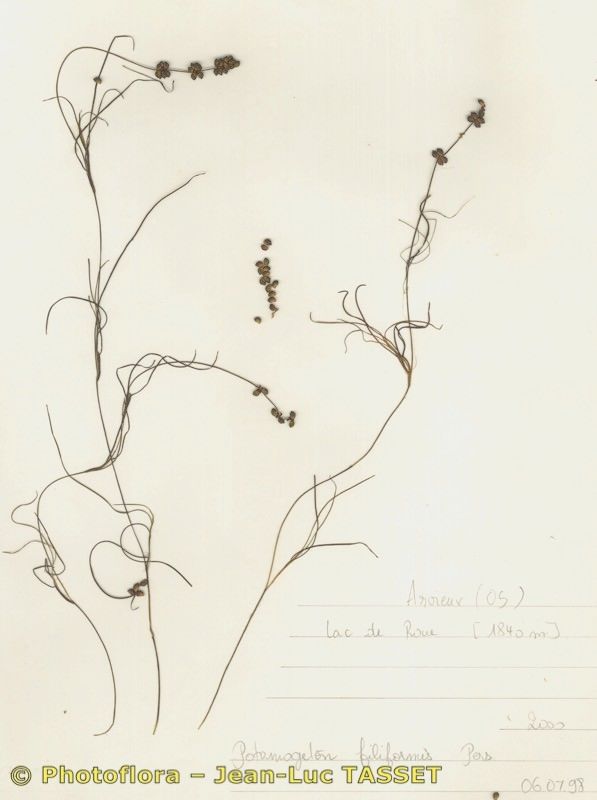
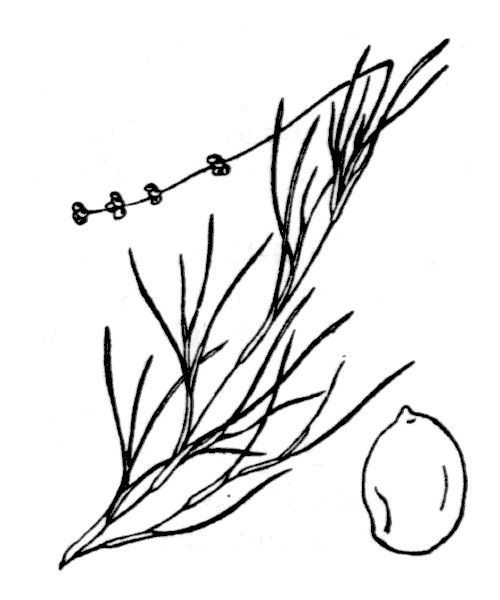
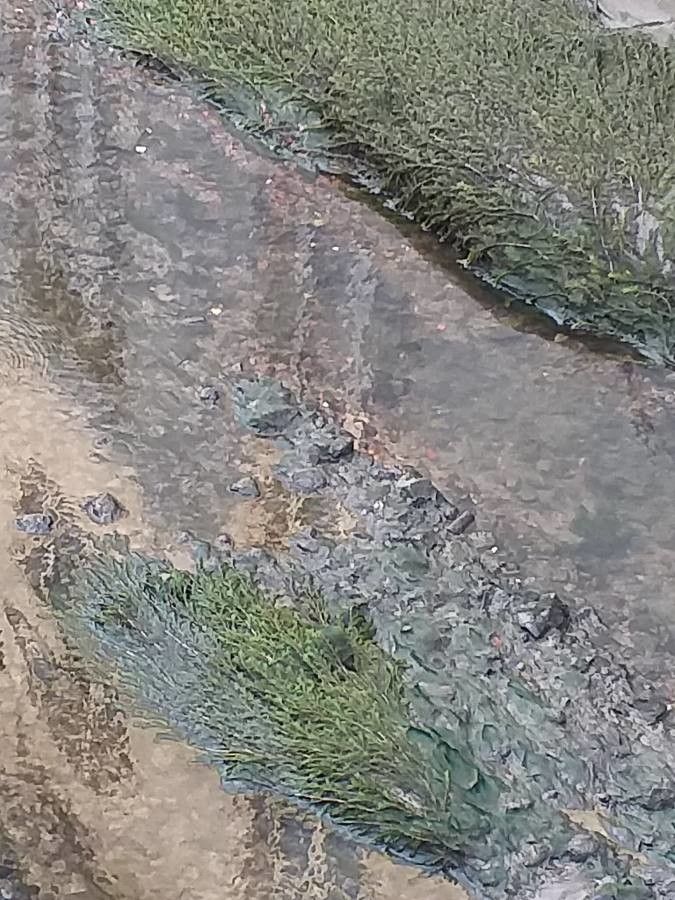
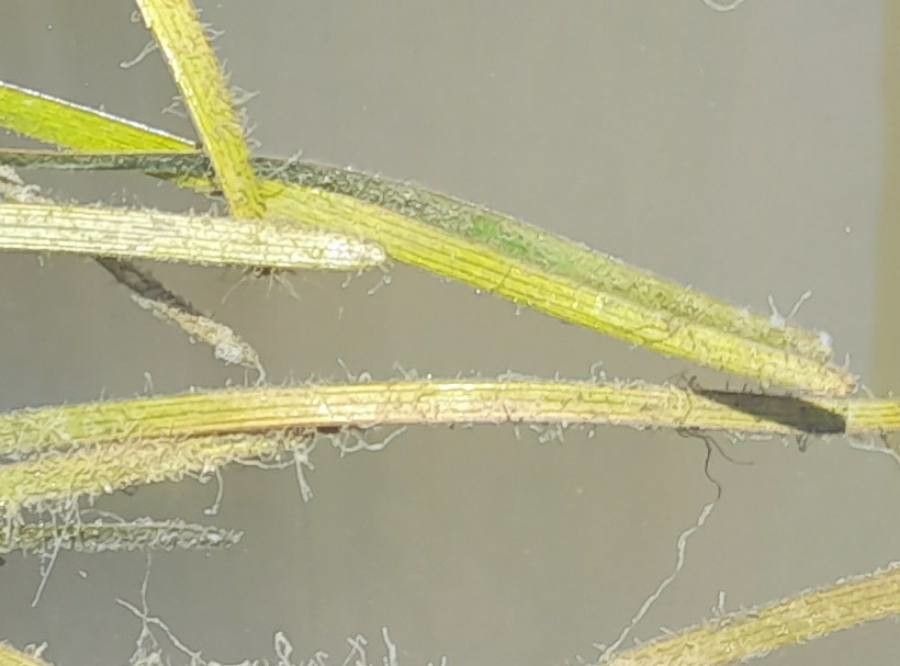
Stuckenia filiformis is a species of flowering plant belonging to the family Potamogetonaceae.Its native range is Temperate Northern Hemisphere, Hispaniola, Ecuador to South America.Synonym:
Potamogeton filiformis Pers.
Fine-leaf pondweed is fairly disease-resistant and generally not prone to illnesses. However, it can be affected by pests and diseases present in its surroundings. These infections are usually mild. In terms of care, the plant requires a moderate amount of maintenance. It should be pruned regularly to maintain a neat appearance and healthy growth. Fertilizing can also help encourage flowering. Fine-leaf pondweed is suitable for anyone with outdoor space, such as a garden or patio, and does not demand extensive care experience. It may need more attention when grown indoors.
How to keep Stuckenia Filiformis.
Light
Fine-leaf pondweed is native to habitats with abundant sunlight, such as the shallow margins of ponds and lakes. It prefers full sun, though it can tolerate partial sun as well.
Water
Fine-leaf pondweed flourishes in moist environments, thriving in conditions of high humidity and abundant water. To maintain its hydration needs, it should be watered weekly. This plant is typically grown outdoors, where it prefers wet soil, making it an excellent choice for pond margins or water gardens. These settings provide the light and moisture it requires for optimal growth.
Temperature
Fine-leaf pondweed can tolerate a wide range of temperatures, but its distribution may still be constrained by different combinations of water and heat conditions. It performs best in warm summer climates when there is sufficient rainfall or watering. Extended periods of cloudy, rainy weather or prolonged high temperatures can increase the chances of Fine-leaf pondweed dying. In winter, adequate protection from the cold can boost the plant’s survival rate.
Pruning
Fine-leaf pondweed thrives in aquatic environments with its flexible leaves. To care for these plants, begin pruning from early to late spring. This involves removing dead stems to encourage new growth and improve water circulation. Be careful not to over-prune, as this can stress the plant. Proper pruning promotes the plant's health and enhances the beauty of your water garden.
Botanical profile.
- Plant Type
- Herb
- Life Cycle
- Perennial
- Genus
- Stuckenia
- Family
- Potamogetonaceae
- Hardiness Zone
- 4-9
- Mature Height
- 30 cm to 91 cm
- Mature Spread
- 20 cm to 49 cm
- Leaf Color
- Olive Drab, Dark Green
- Leaf Type
- Semi-evergreen
- Flower Size
- 0.20 cm to 0.25 cm
- Bloom Time
- Summer
- Planting Time
- Spring, Autumn
- Harvest Time
- Late summer, Early fall, Mid fall
- Native Area
- Turkey, Sweden, Austria, Pakistan, Belarus, Russia, Germany, Argentina, Haiti, Iceland, Netherlands, Nepal, France, Chile, Peru, Poland, Ukraine, China, Norway, Afghanistan, Italy, Spain, Switzerland, Bolivia, Denmark, Mongolia, Israel, Finland, Iran, Ireland, United Kingdom, Hungary, Ecuador
Other names.