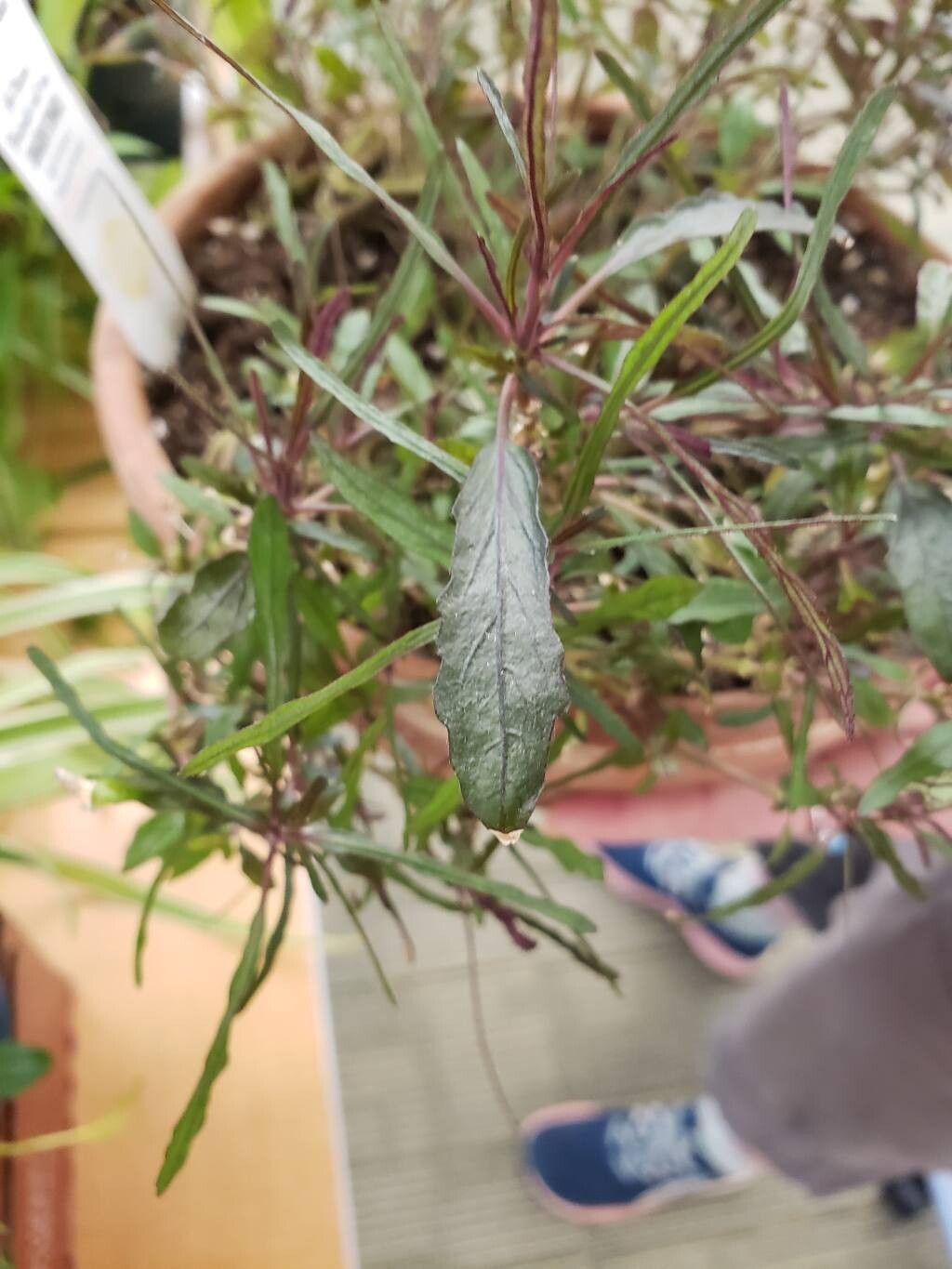
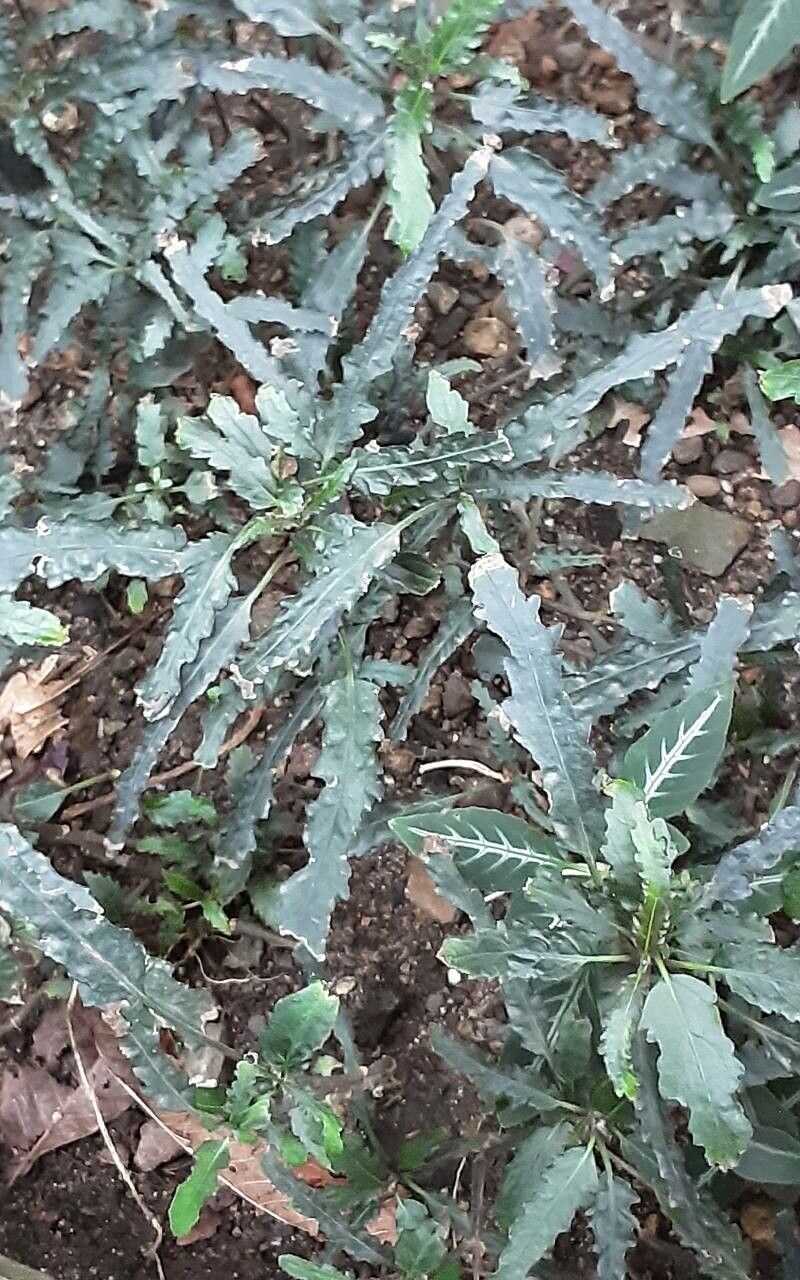
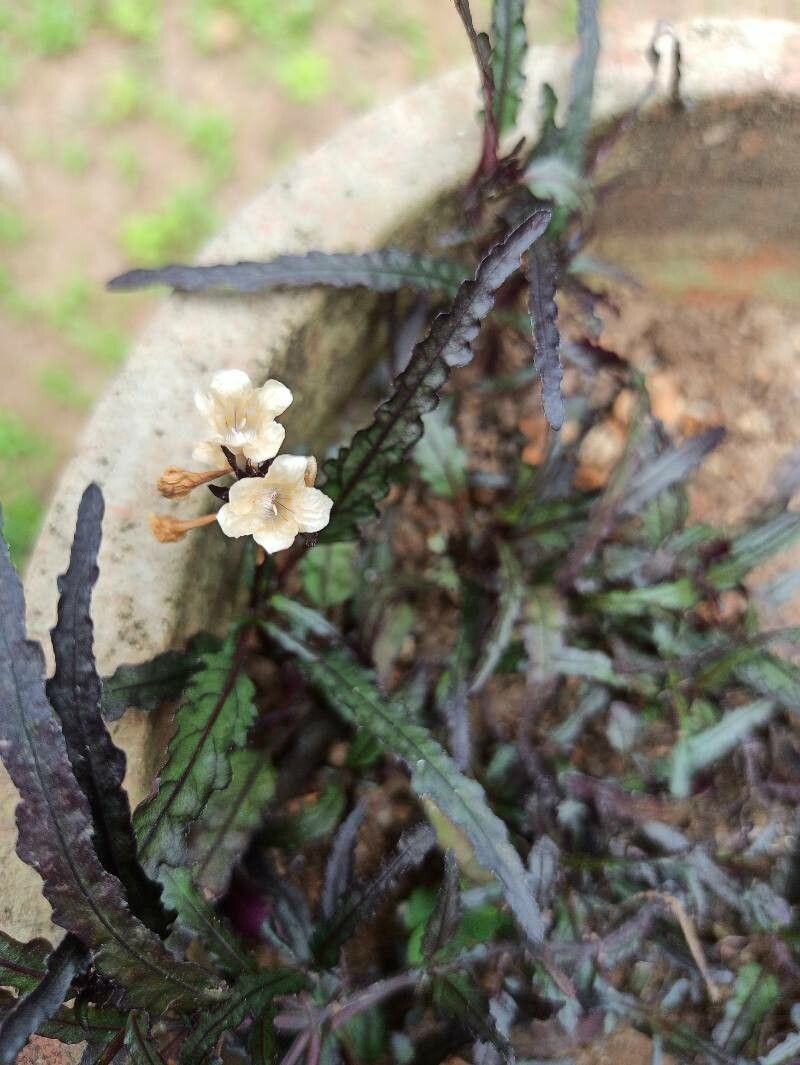
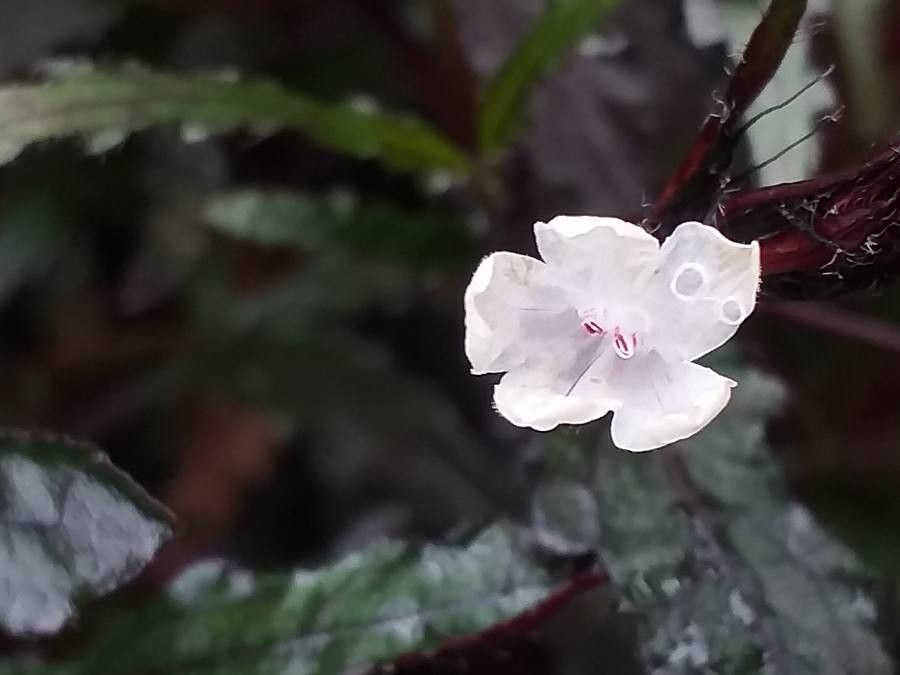
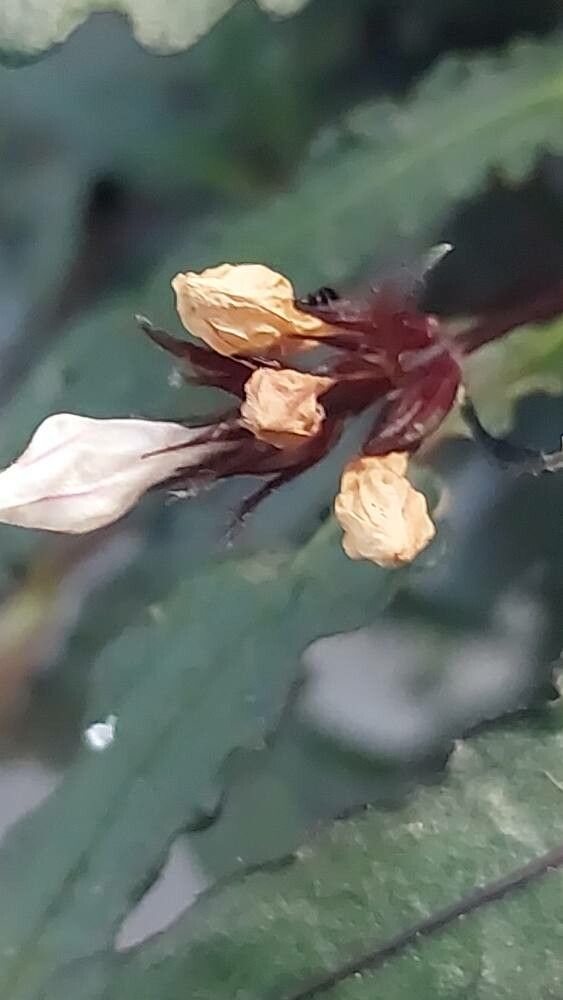
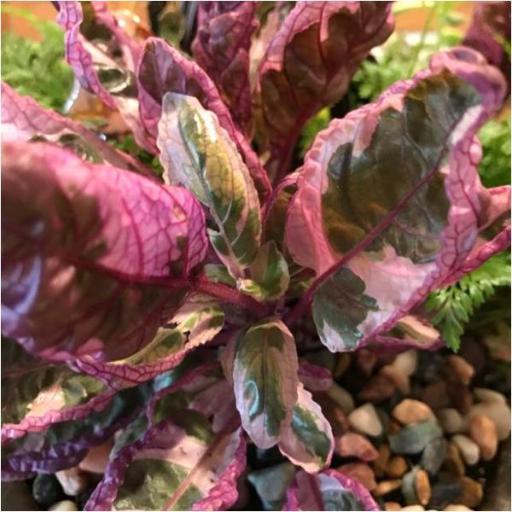
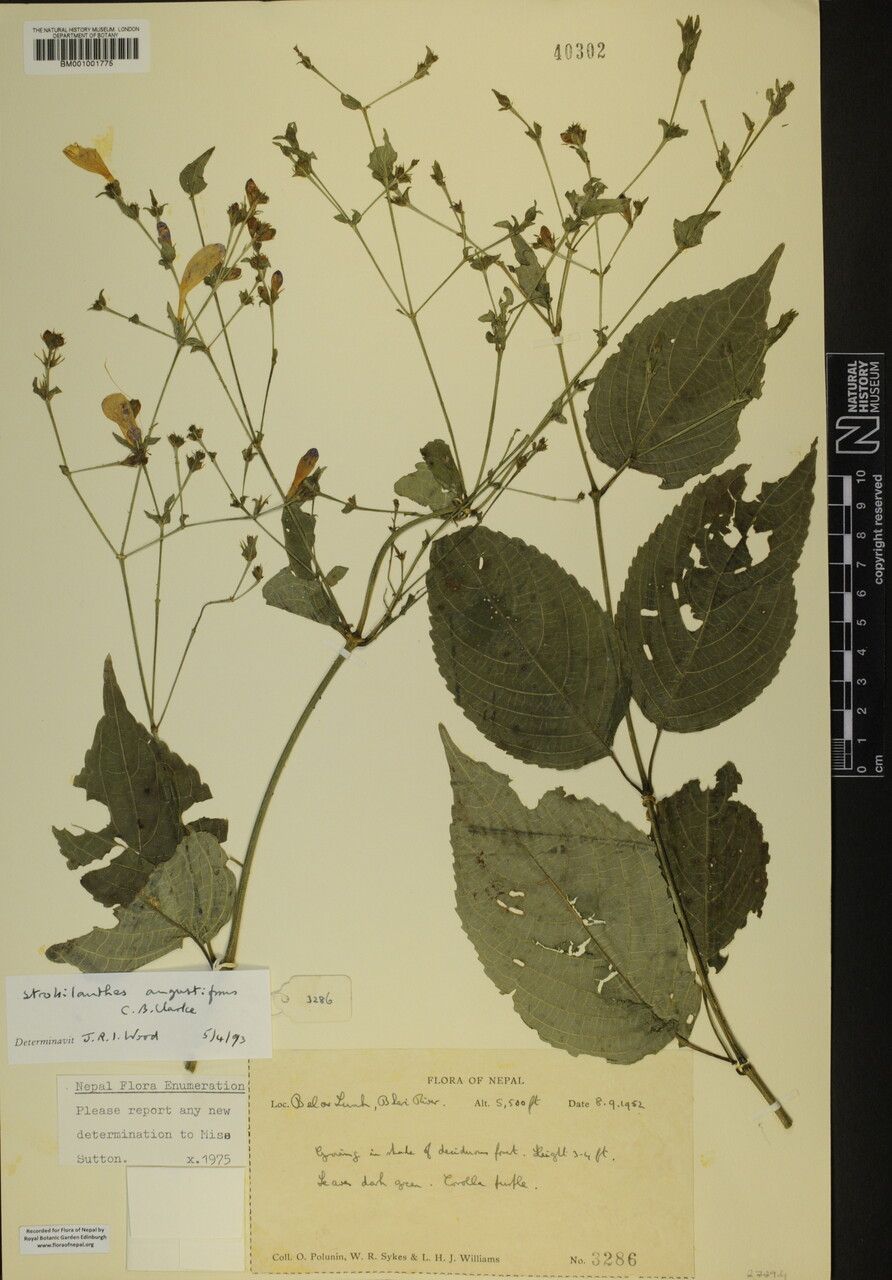
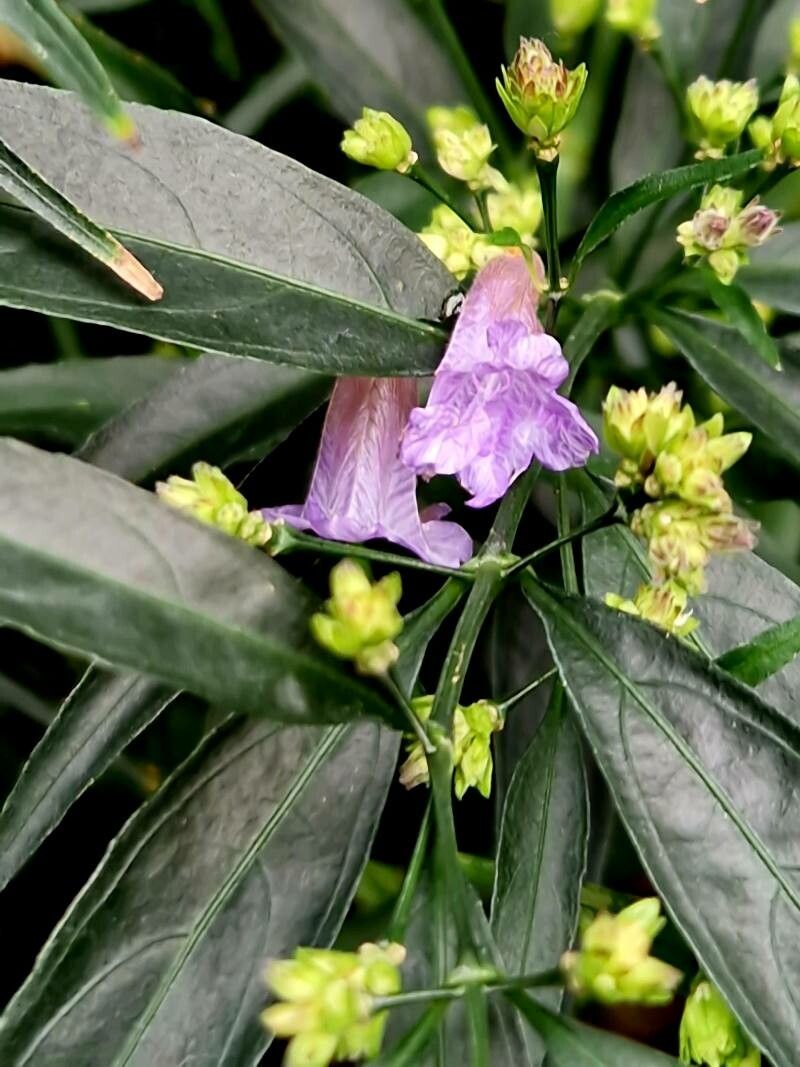
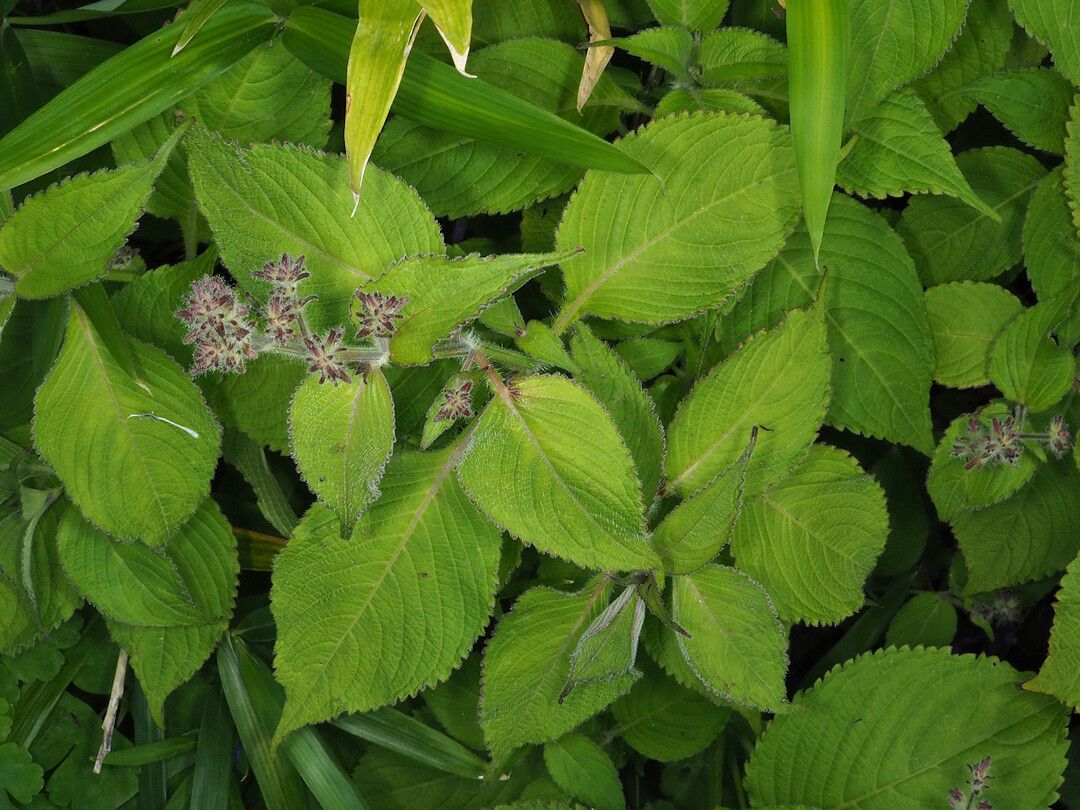
The Hemigraphis repanda is a slow-growing, flowering perennial commonly called the Dragon's Tongue. This plant is native to Malaysia and India. It features long, thin, and narrow leaves with a crinkled texture and wavy edges. The colorful foliage often boasts a dark purple to maroon tinge. In ideal conditions, Dragon's Tongue blooms with five-petaled pink or white flowers that contrast brightly against the deep foliage.
Dragon's tongue is fairly resistant to disease and typically does not suffer from illnesses. However, it can be vulnerable to pests and diseases present in its surroundings. These problems are usually minor. For care, the plant requires a moderate amount of maintenance. It should be pruned regularly to keep a good appearance and support healthy growth. Fertilizing can also help encourage flowering. Dragon's tongue is well suited to anyone with outdoor space, such as a garden or patio, and does not demand extensive care experience. It may need extra attention when kept indoors.
How to keep Strobilanthes Sinuata.
Light
Native to habitats like forest understories and rocky sites, Dragon's tongue typically grows in naturally shaded conditions. While it favors partial sun, it can also endure full sun or full shade, illustrating its hardiness and versatility.
Water
Dragon's tongue is adapted to changes in moisture levels and has a moderate tolerance to drought. To avoid overwatering, it's best to water it every 1-2 weeks. Although it is typically grown indoors, it thrives in well-draining soil that mimics the natural drainage patterns of its native habitat.
Temperature
Dragon's tongue is native to tropical areas, where the climate is generally warm and humid. Consequently, it is suited to high temperatures and moisture. It dislikes sudden shifts in temperature and prefers a steady thermal environment, so avoiding indoor temperature fluctuations is important. It usually cannot tolerate cold and requires warmer conditions for growth. If the surrounding temperature falls too low, the plant may stop growing or even die.
Fertilizer
Proper fertilization is vital for the health and appearance of the Dragon's tongue. Fertilize the Dragon's tongue in summer, repeating the application monthly throughout the season. Nutrients support growth and help maintain the plant's parts. Fertilizing enhances the Dragon's tongue's flower display, ensuring the best blooms.
Pruning
The Dragon's Tongue is slow-growing and low-spreading, so pruning it is generally not necessary. If you desire to prune your plant, you can simply cut it back at any time. You may also remove old or dead flowers and foliage to encourage healthy, new growth.
Toxicity
Although the Dragon's Tongue’s stunning foliage makes it a stunning versatile houseplant, it is considered toxic to dogs and cats. Keep this plant out of the reach of persistent pets, and even children, to minimize the risk of harm.
Further reading →
The toxicity and danger assessments provided are for reference only. We do not assure their accuracy, so it's crucial not to depend on them. Seek professional advice when necessary for accurate guidance.
Botanical profile.
- Plant Type
- Herb
- Life Cycle
- Perennial
- Genus
- Strobilanthes
- Family
- Acanthaceae
- Hardiness Zone
- 10-11
- Mature Height
- 10 cm
- Mature Spread
- 61 cm to 91 cm
- Leaf Color
- Green
- Leaf Type
- Evergreen
- Flower Color
- White
- Flower Size
- 3.05 cm to 4.06 cm
- Bloom Time
- Late summer, Early fall, Mid fall
- Planting Time
- Spring, Summer
- Harvest Time
- Late fall, Early winter, Mid winter
- Native Area
- Malaysia
Other names.