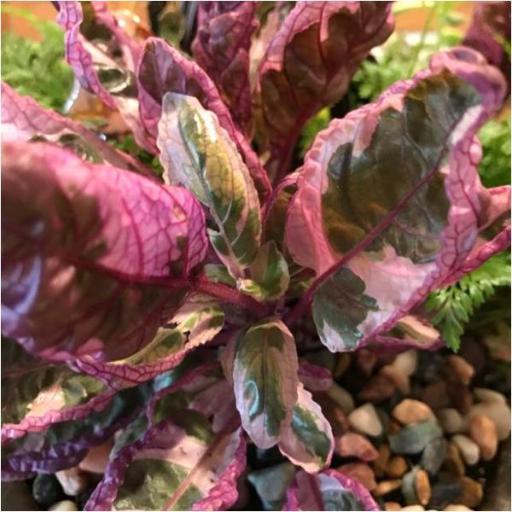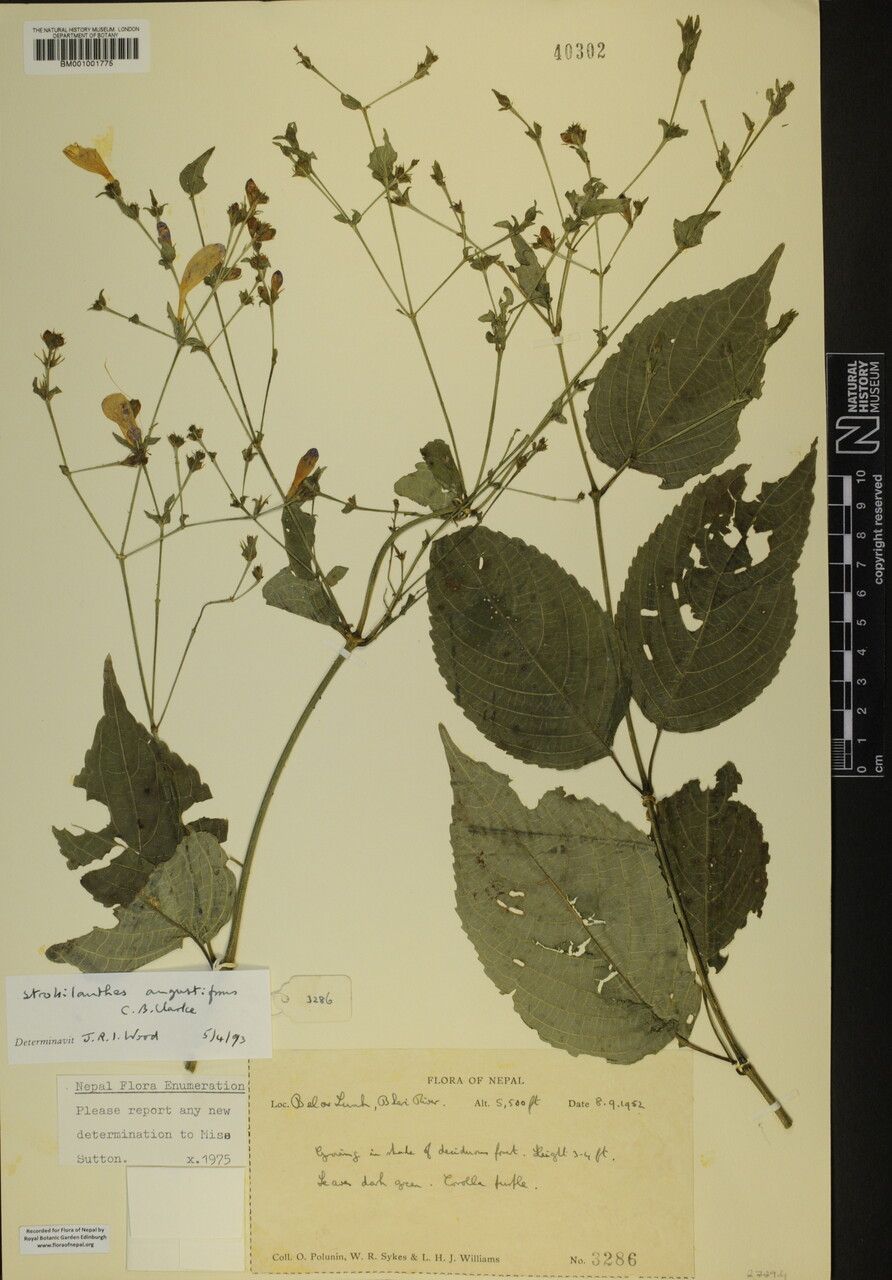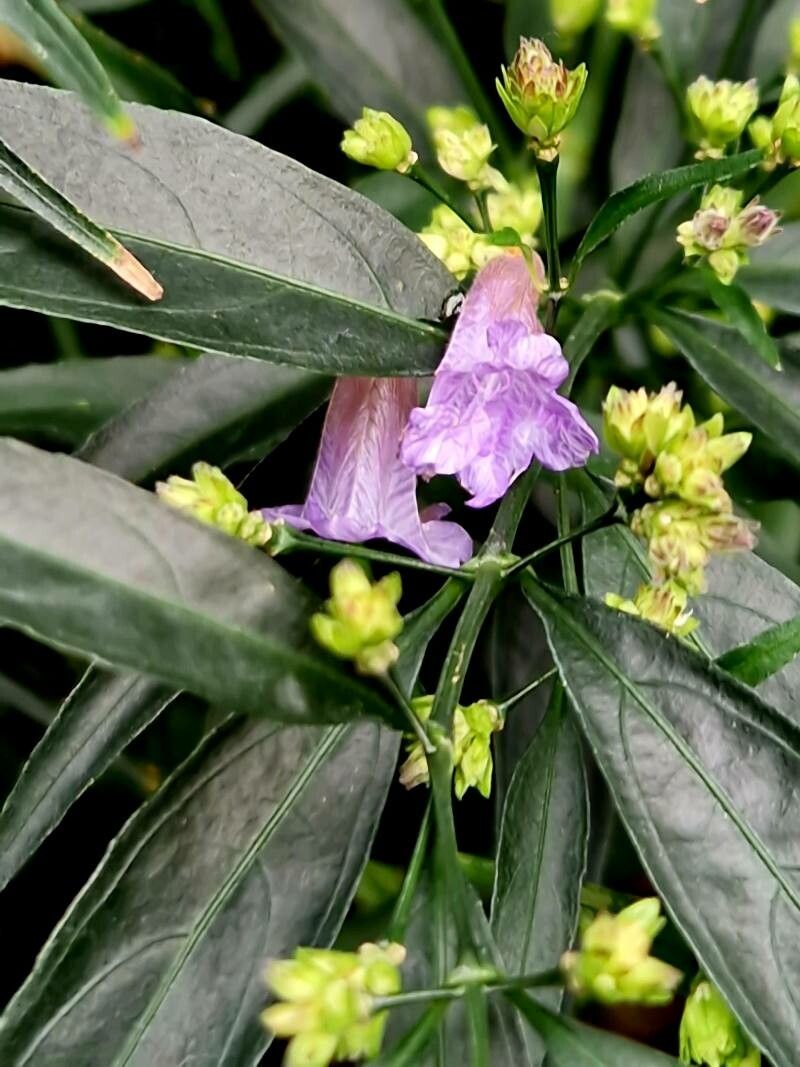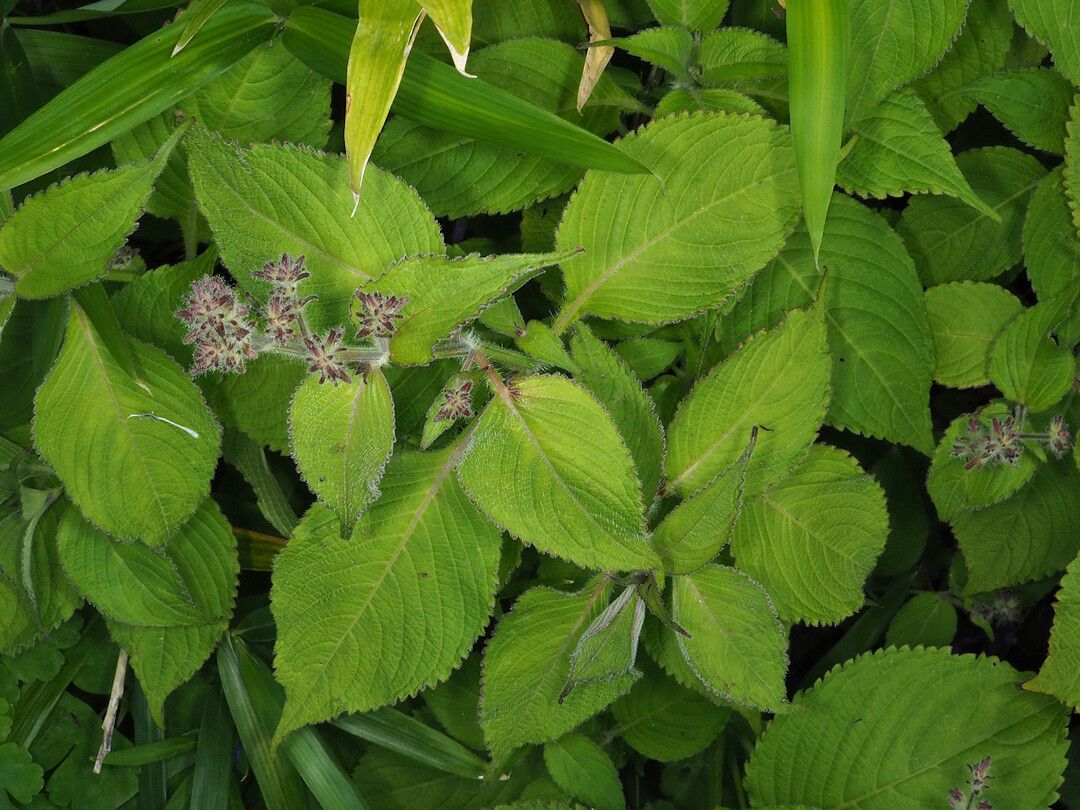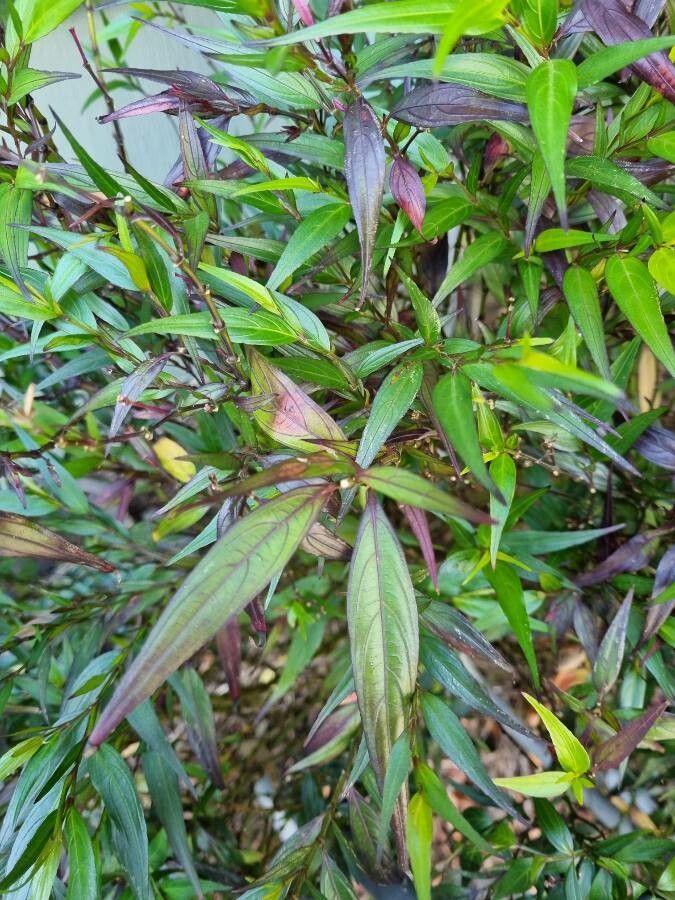
Bedding conehead shows strong resistance to disease and is typically not susceptible to illnesses. Regarding care, this plant is fairly low-maintenance. When grown outdoors it needs only light watering, and larger specimens usually do not require pruning. Smaller plants, however, should be trimmed after they finish blooming. Bedding coneheadt is suitable for anyone with an outdoor area, such as a garden or a deck, and does not demand much prior care experience.
How to keep Strobilanthes Persicifolia.
Light
Bedding conehead is native to habitats like forest understories and rocky sites, where it occurs in natural shade. It prefers partial sun but can tolerate full sun or full shade, showing its adaptable and hardy nature.
Water
The bedding conehead plant thrives in moderately moist conditions. It prefers steady moisture but can tolerate brief periods of dryness. It's best to water the plant every 1–2 weeks. Applying mulch can help retain moisture and stabilize temperature, which suits the plant's adaptation to areas with sporadic rainfall.
Temperature
Bedding conehead is fairly adaptable to temperature, tolerating high heat and wide temperature swings. In hot weather, attention should be paid to watering and suitable shade should be provided to prevent sunburn. However, Bedding conehead is relatively sensitive to low temperatures. It can endure some cold, but very low temperatures can cause frost damage.
Botanical profile.
- Plant Type
- Shrub
- Life Cycle
- Annual
- Genus
- Strobilanthes
- Family
- Acanthaceae
- Hardiness Zone
- 10-12
- Mature Height
- 0.61 m to 1.22 m
- Mature Spread
- 49 cm to 76 cm
- Leaf Color
- Forest Green, Dark Green
- Leaf Type
- Semi-evergreen
- Flower Color
- Lavender
- Flower Size
- 3.05 cm to 5.08 cm
- Bloom Time
- Late summer, Early fall, Mid fall
- Planting Time
- Spring, Summer, Autumn
- Harvest Time
- Late fall, Early winter, Mid winter
- Native Area
- Myanmar, Bhutan, Bangladesh, India