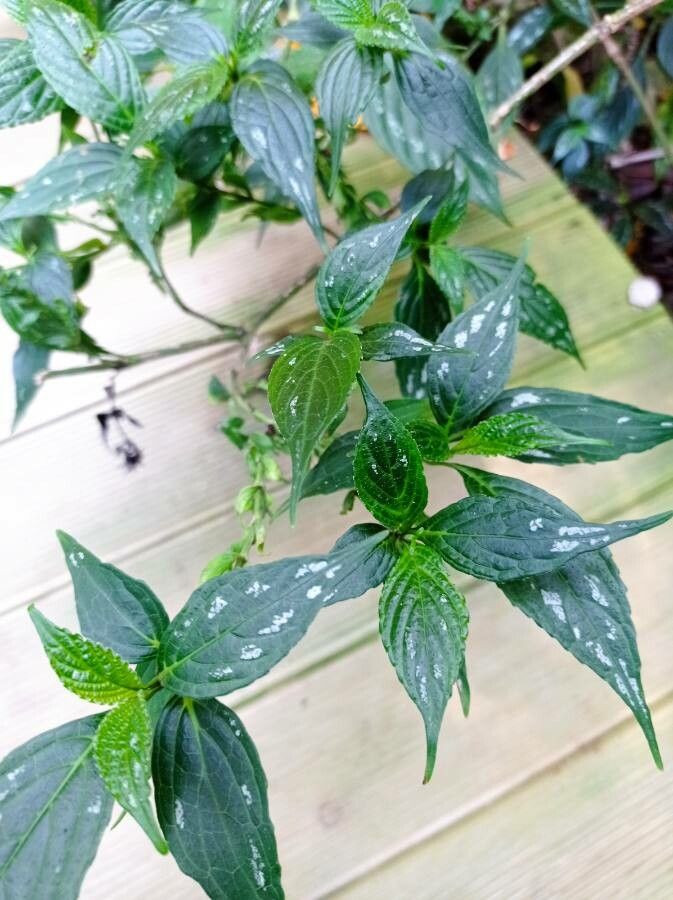
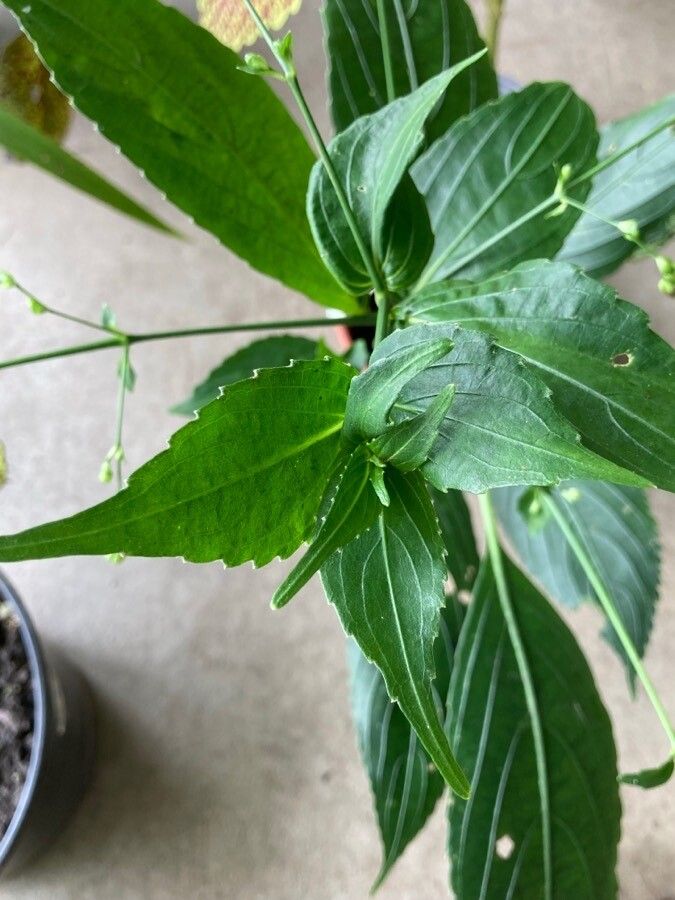
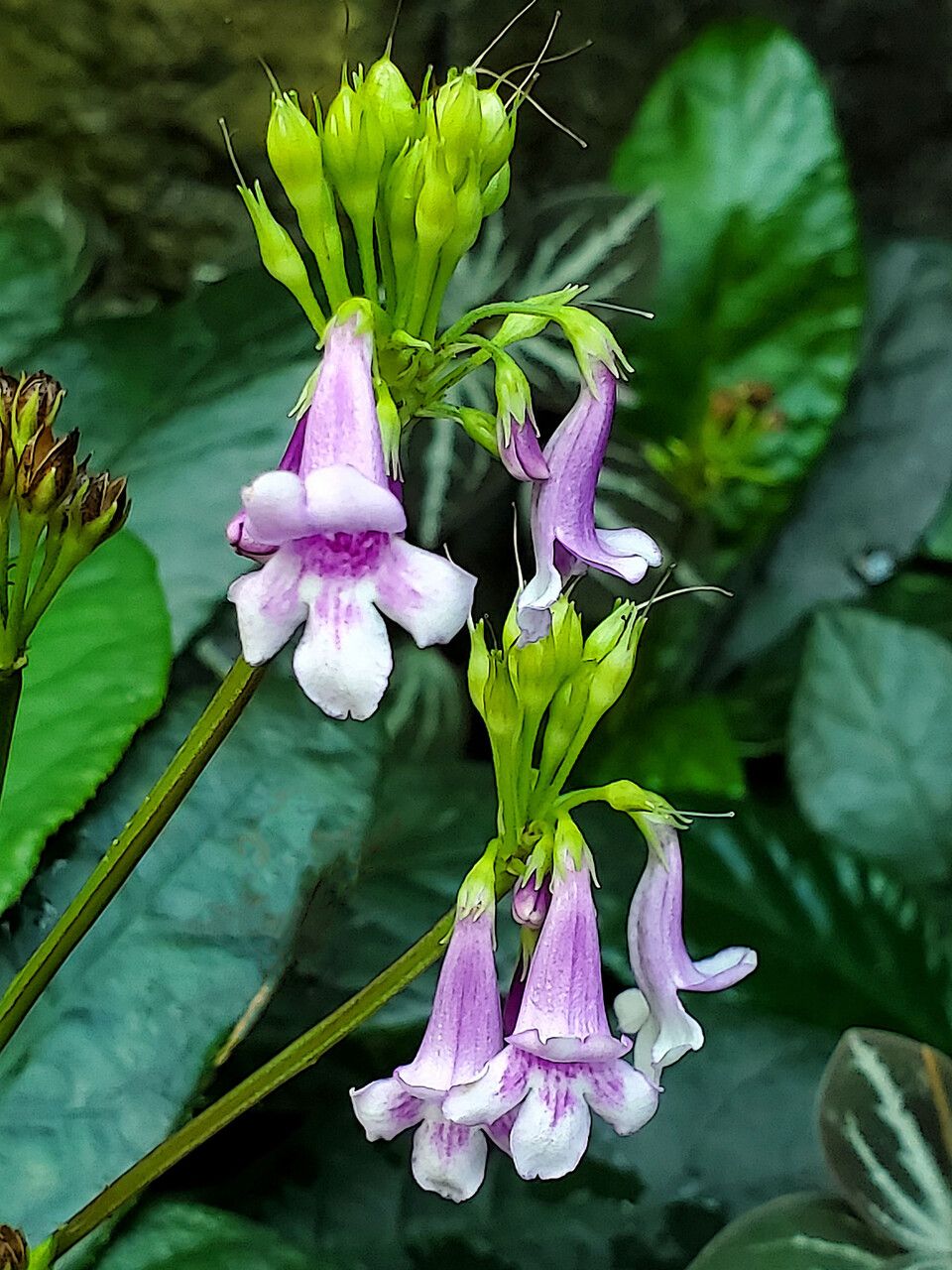
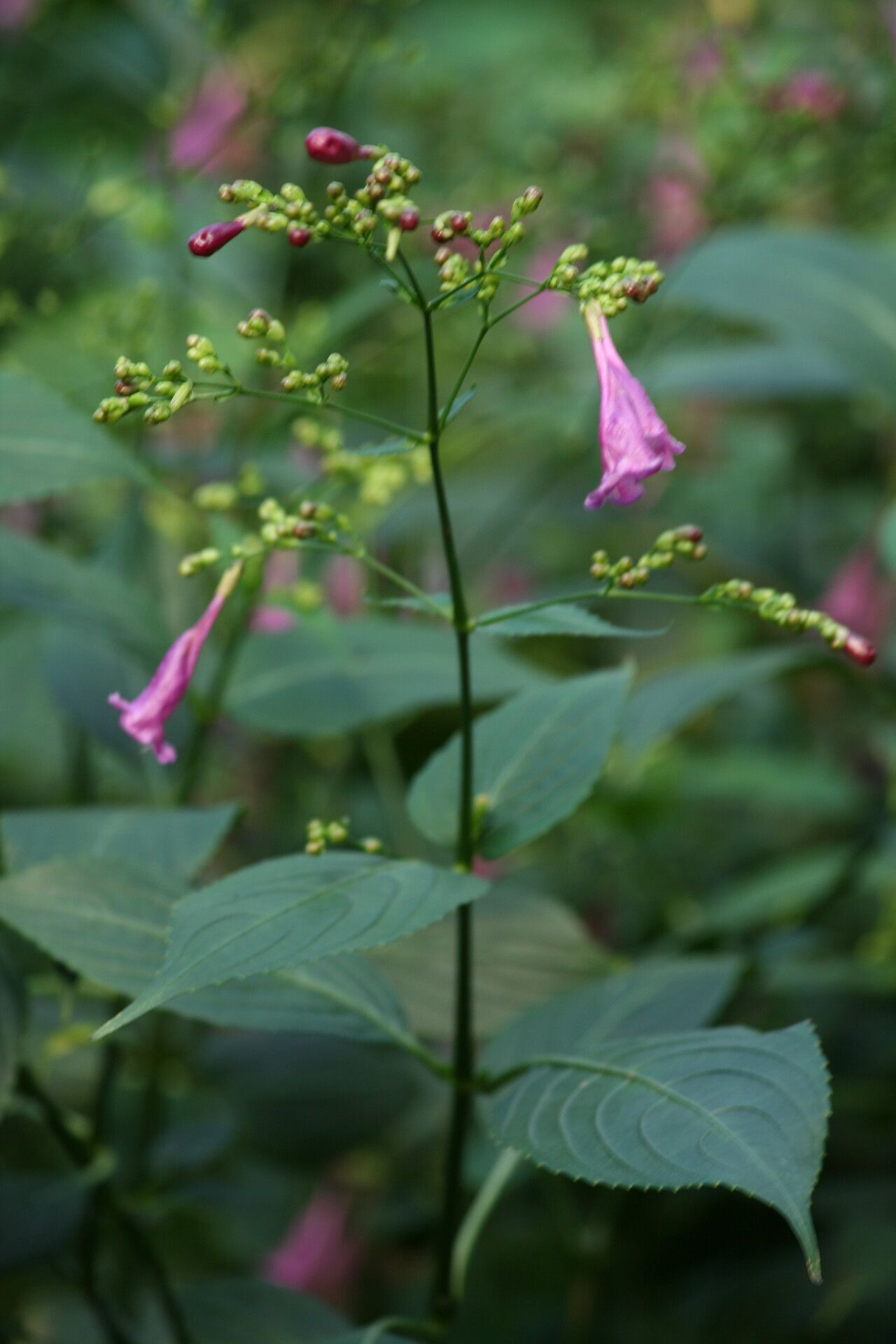
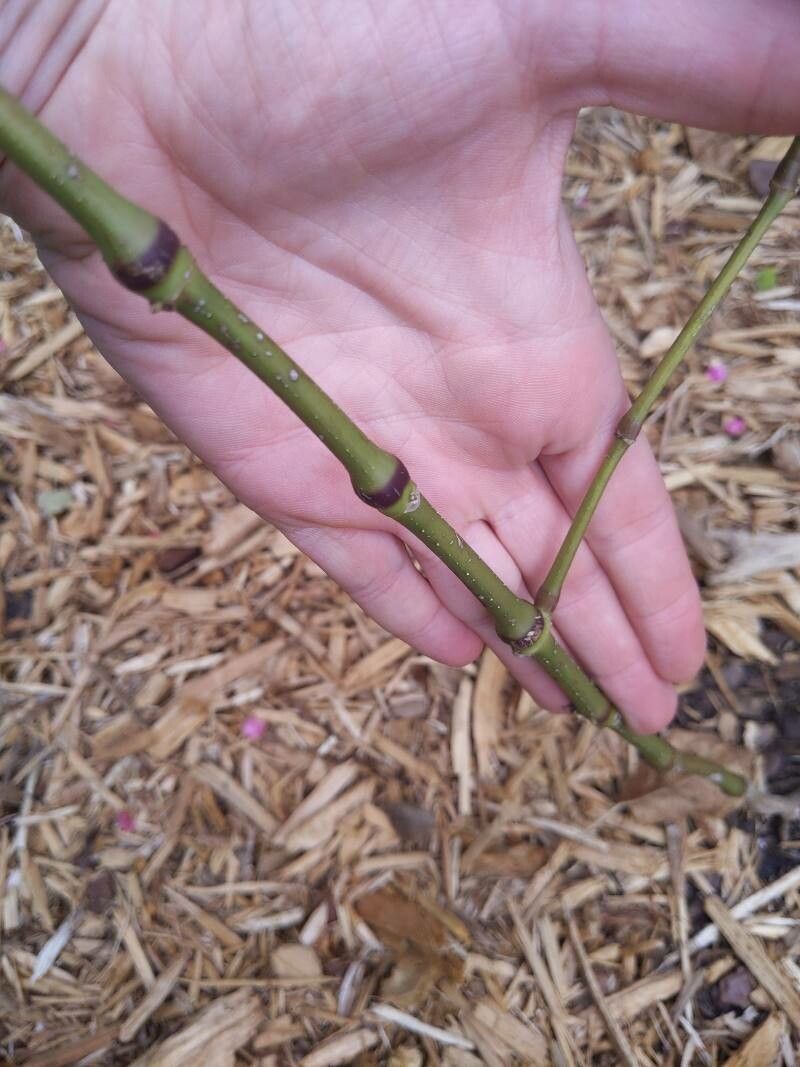
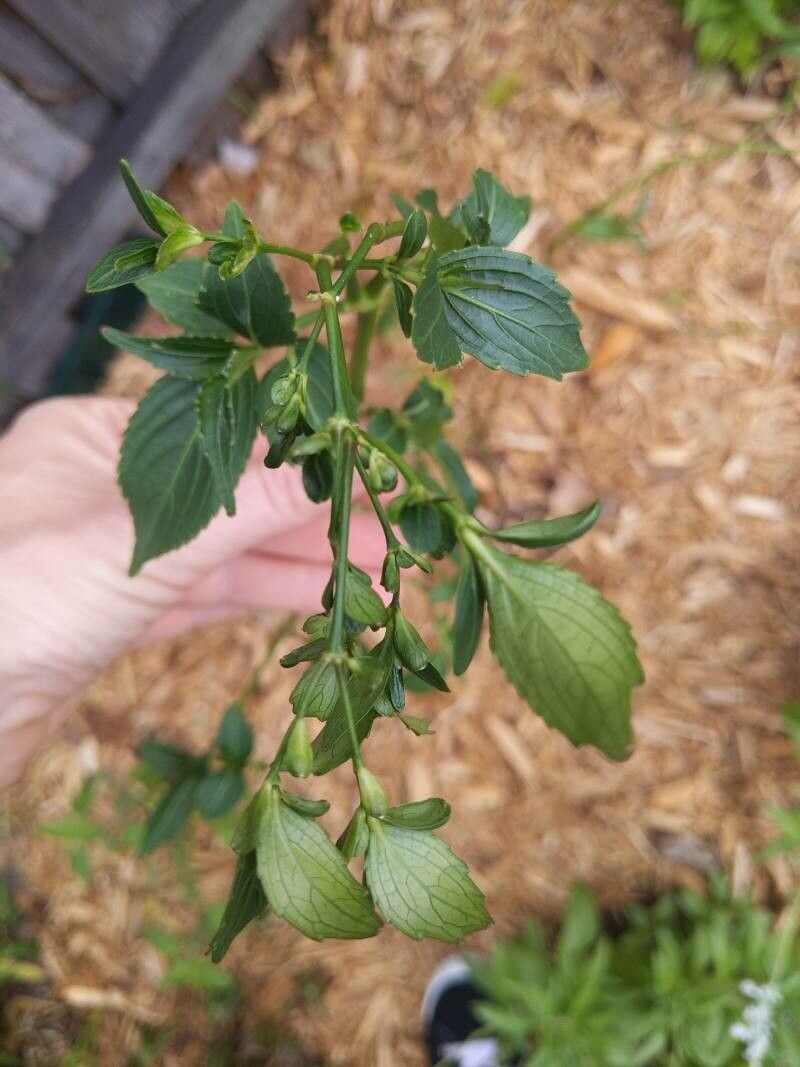
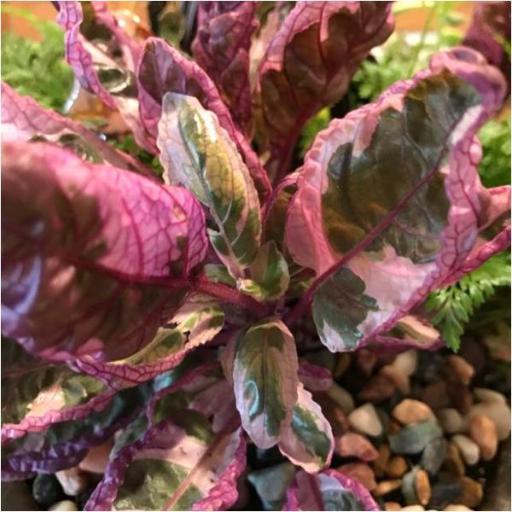
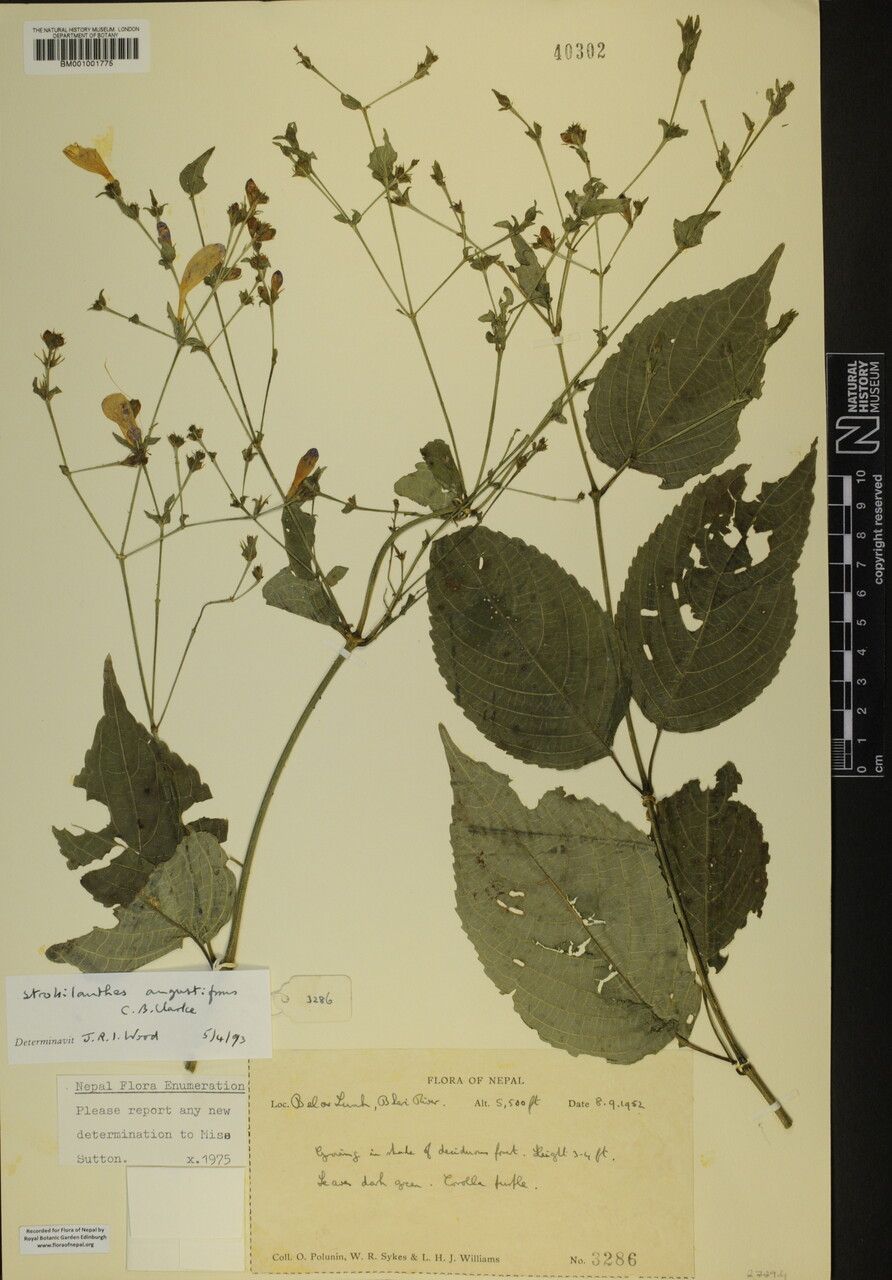
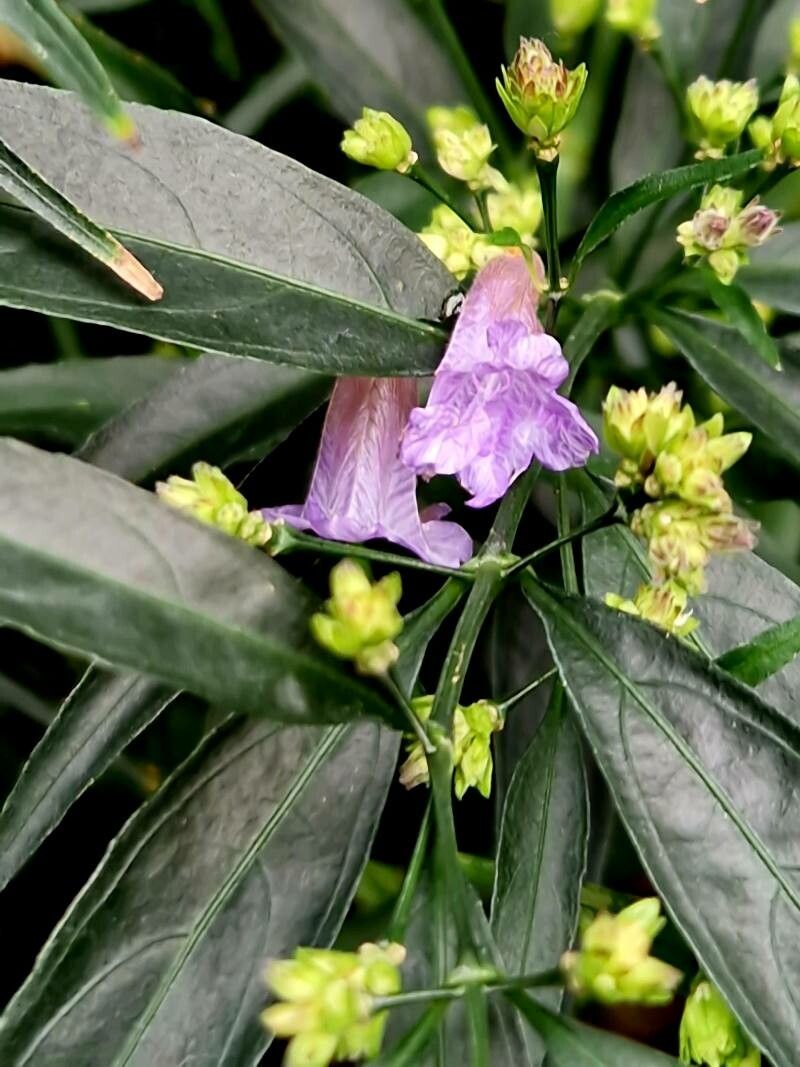
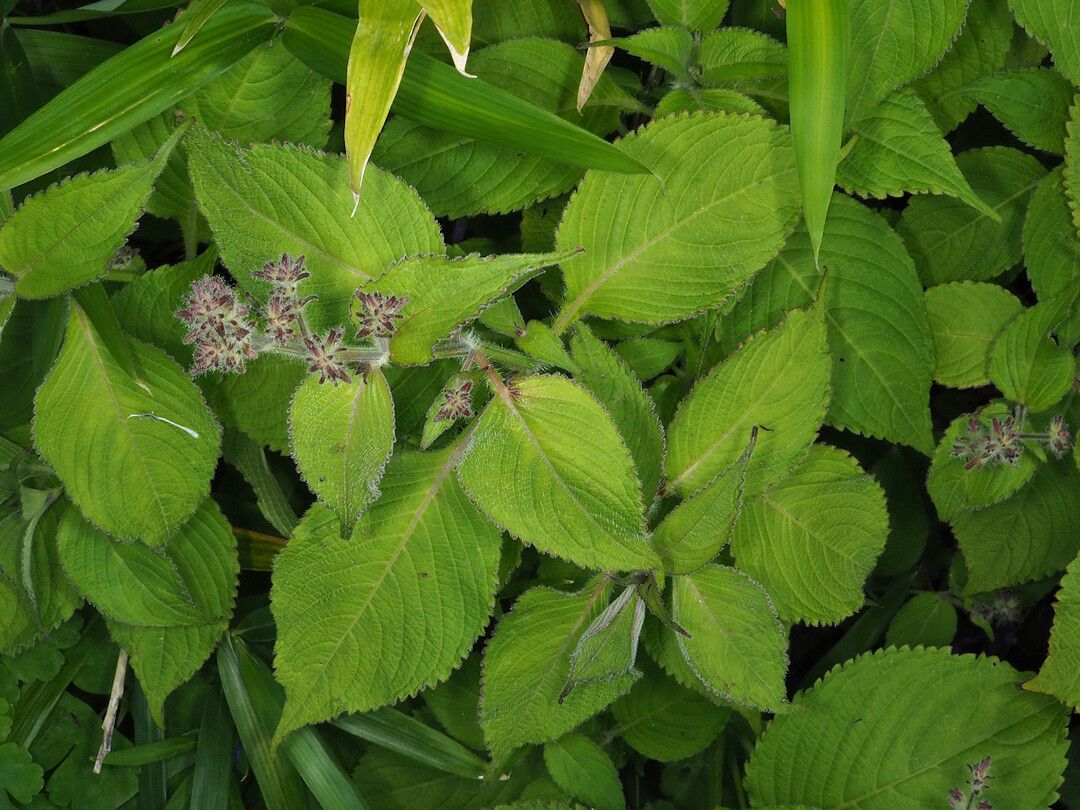
The Chinese rain bell is highly disease-resistant and is generally not susceptible to illnesses. In terms of care, this plant is fairly low-maintenance. When grown outdoors it needs only light watering, and larger plants typically do not require pruning. Smaller plants, however, should be pruned after they finish blooming. Chinese rain bellt is suitable for anyone with outdoor space, such as a garden or a deck, and does not demand much gardening experience.
How to keep Strobilanthes Hamiltoniana.
Light
Chinese rain bell is native to habitats like forest understories and rocky areas, where it grows in natural shade. It favors partial sun but can tolerate both full sun and full shade, illustrating its versatility and hardiness.
Water
The Chinese rain bell thrives in moist conditions, preferring consistent humidity and needing to be watered twice a week. While it can tolerate moderate drought, it benefits from well-draining soil to prevent waterlogging. Outdoors, rainfall during the growing season enhances its natural growth cycle.
Temperature
The Chinese rain bell adapts well to temperature, tolerating higher heat and wide temperature swings. In hot weather, care should be taken with watering and providing adequate shade to prevent sunburn. However, the Chinese rain bell is less tolerant of low temperatures. Although it can endure some cold, very low temperatures can cause frost damage.
Fertilizer
Timing is essential for fertilizing the Chinese rain bell. Begin applying fertilizer in early spring and continue once a month until early summer. Fertilizer encourages attractive blooms and supplies energy both during dormancy and in active growth periods.
Pruning
To encourage healthy growth and vibrant blossoms, prune your Chinese rain bell in early spring. This timing promotes good airflow and overall vitality. Begin by removing any dead branches, followed by thinning out older stems. This will result in bushier growth and improved blooming. Ensure your tools are clean to make precise cuts, and be careful not to over-trim so you preserve the plant’s natural shape.
Botanical profile.
- Plant Type
- Shrub
- Life Cycle
- Perennial
- Genus
- Strobilanthes
- Family
- Acanthaceae
- Hardiness Zone
- 9-11
- Mature Height
- 0.61 m to 1.22 m
- Mature Spread
- 49 cm to 76 cm
- Leaf Color
- Green, Dark Green
- Leaf Type
- Semi-evergreen
- Flower Color
- Purple, Violet
- Flower Size
- 2.03 cm to 3.05 cm
- Bloom Time
- Late summer, Early fall, Mid fall
- Planting Time
- Summer
- Harvest Time
- Late fall, Early winter, Mid winter
- Native Area
- Nepal, India, Myanmar, Bhutan, Bangladesh, Thailand, China
Other names.
Reader questions.
What are the sunlight requirements for growing Chinese rain bell (Strobilanthes hamiltoniana)?
Chinese rain bell (Strobilanthes hamiltoniana) thrives in conditions that meet its sunlight requirements. For a plant to be considered in full sun, it needs to receive above 6 hours of sunlight daily. Alternatively, partial sun is defined as about 3-6 hours of sunlight each day. It's important to observe how sunlight traverses your garden to select the ideal spots that offer a harmonious mix of light and shade, which is crucial for the wellbeing of your plants.
What is the Chinese rain bell?
The Chinese rain bell, scientifically known as Strobilanthes hamiltoniana, is a plant known for its distinctive characteristics and origin. However, the provided information does not include specifics about its essentials, care, or symptoms to watch for in case of poor health or adverse conditions.