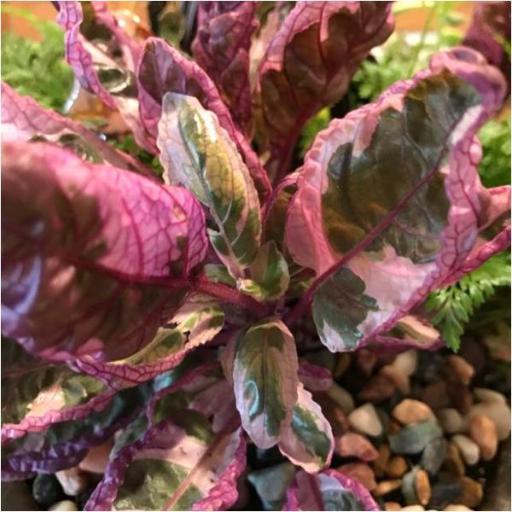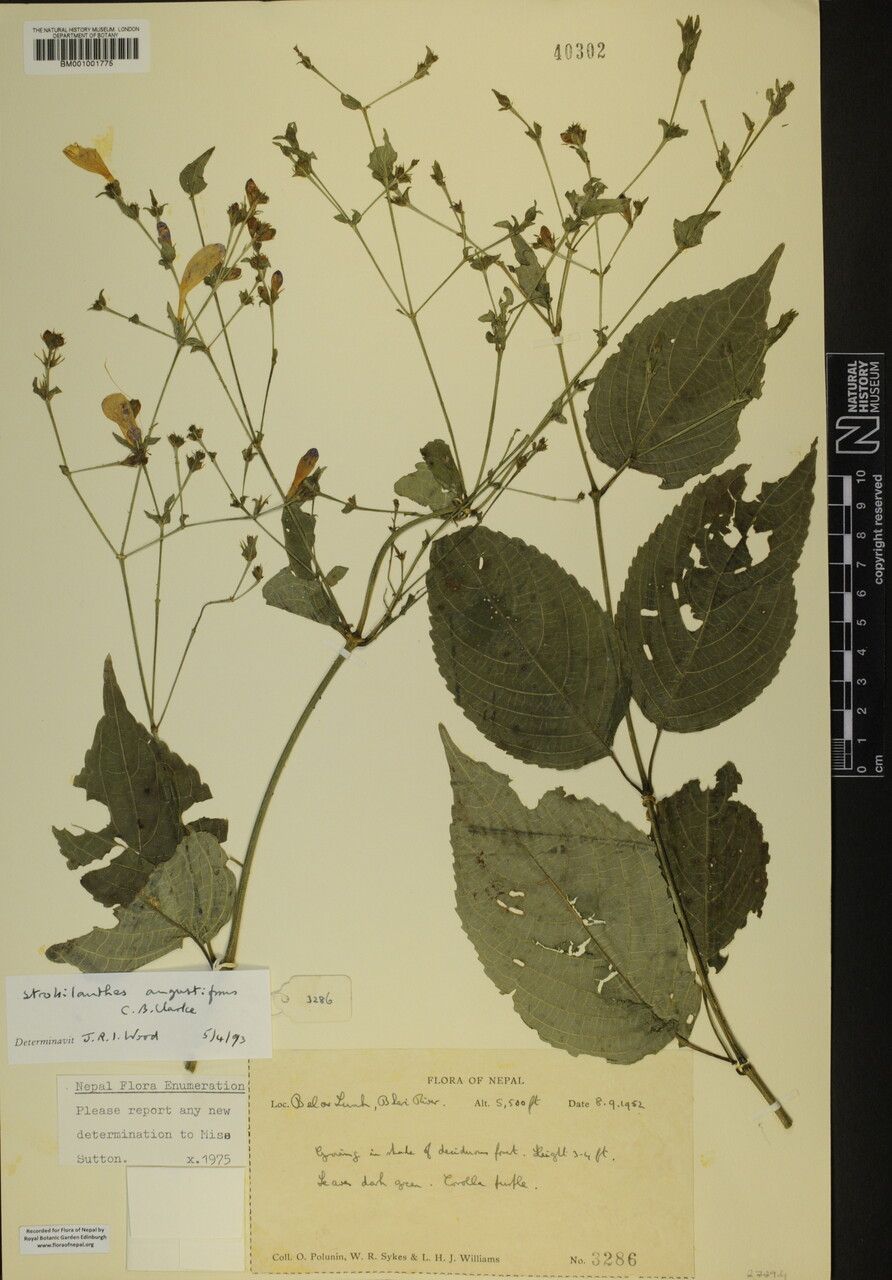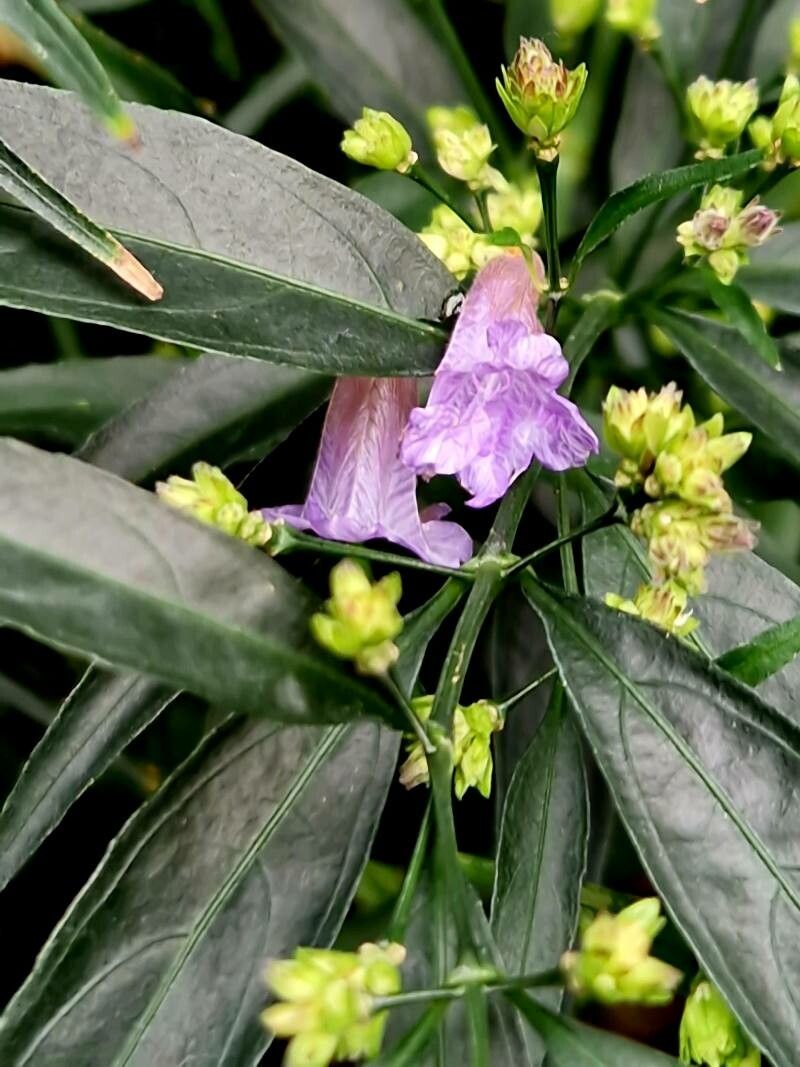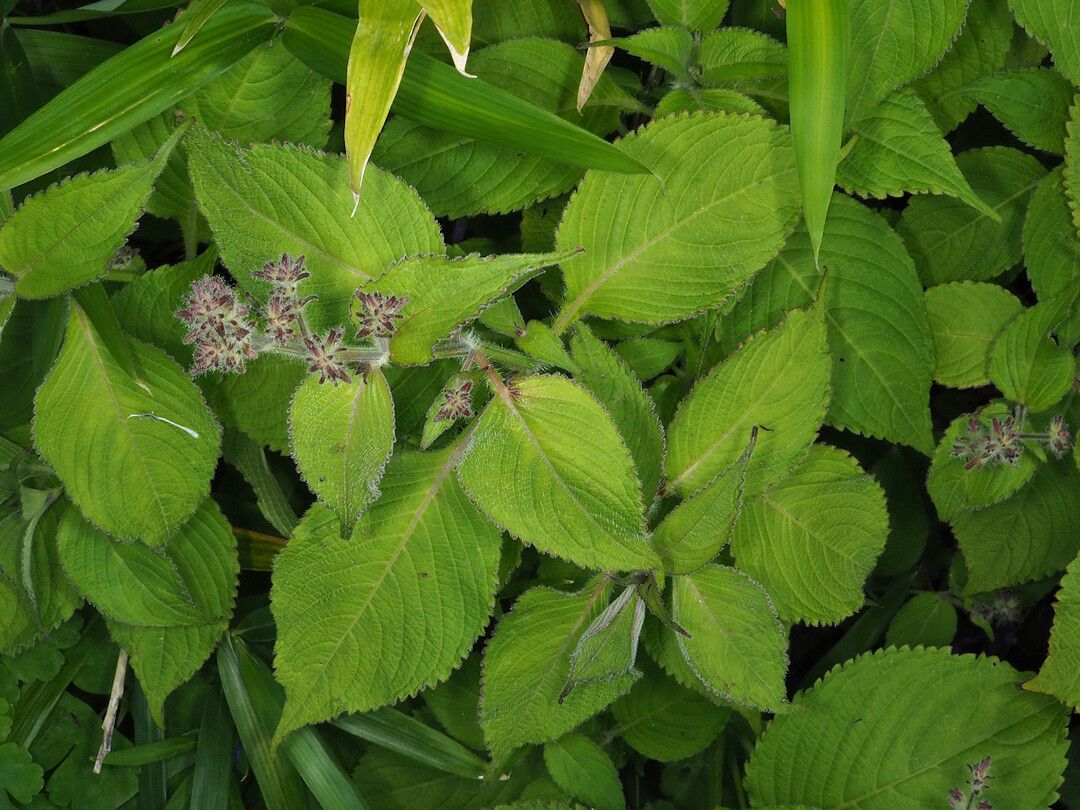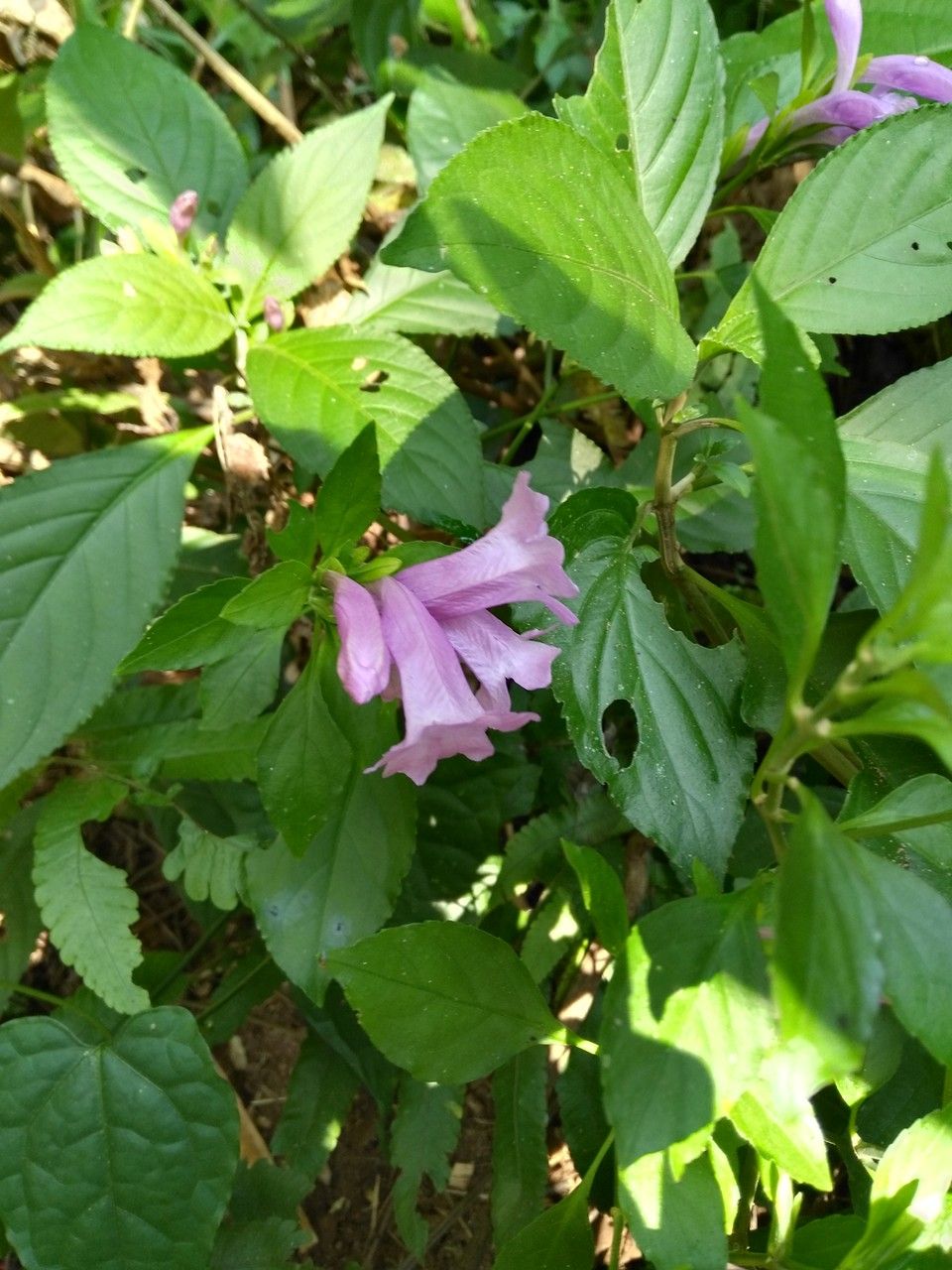
Strobilanthes cusia, also known as Assam indigo or Chinese rain bell, is a is a perennial flowering plant of the family Acanthaceae. Native to South Asia, China, and Indochina, it was historically cultivated on a large scale in India and China as a source of indigo dye, which is also known as Assam indigo. In addition to being used for dye, it is also used in the traditional Chinese herbal medicine "Qingdai". Other names for this dicot include Pink strobilanthes and Strobilanthes flaccidifolius, where flaccidifolius is Latin for "drooping leaves".
Chinese rain bell has strong resistance to diseases and is generally unlikely to develop them. Still, it can be vulnerable to pests and diseases present in its environment. Such infections are generally mild. Regarding care, this plant needs a moderate level of maintenance. It should be pruned on a regular basis to preserve a good appearance and healthy growth. Applying fertilizer can also encourage flowering. Chinese rain bell is well suited for anyone with outdoor space, such as a garden or patio, and does not demand extensive gardening experience. When kept indoors, it may need more attentive care.
How to keep Strobilanthes Cusia.
Light
Chinese rain bell is native to habitats like forest understories and rocky areas, where it grows in natural shade. It favors partial sun but can tolerate both full sun and full shade, illustrating its versatility and hardiness.
Water
The Chinese rain bell thrives in highly humid environments and is native to tropical rainforests in Asia. Remarkably drought-tolerant, it only requires watering once every 1-2 weeks. Although commonly grown outdoors, the Chinese rain bell can adapt well to various climate zones, showcasing its versatility across different environments.
Temperature
Chinese rain bell comes from tropical areas, where the climate is generally warm and humid. Therefore it is well suited to high temperatures and humidity. It does not tolerate abrupt temperature changes and prefers a stable temperature environment, so avoiding indoor temperature fluctuations is important. It typically cannot withstand cold and requires higher temperatures for growth. If the environmental temperature falls too low, the plant may stop growing or even die.
Fertilizer
Appropriate fertilization is vital for the Chinese rain bell’s health and appearance. Fertilize the Chinese rain bell during summer, repeating the application monthly throughout the season. Nutrients support growth and help maintain the plant’s structures. Fertilizing improves the Chinese rain bell’s flowering display, ensuring the best blooms.
Pruning
Pruning the Chinese rain bell in early to late spring encourages healthy growth. By removing dead branches, thinning dense areas, and improving air circulation, pruning aligns with the plant's growth cycle. This process stimulates vigorous regrowth and abundant flowering while enhancing the plant's overall health and ornamental appeal.
Botanical profile.
- Plant Type
- Herb
- Life Cycle
- Perennial
- Genus
- Strobilanthes
- Family
- Acanthaceae
- Hardiness Zone
- 11
- Mature Height
- 91 cm
- Mature Spread
- 61 cm to 91 cm
- Leaf Color
- Green
- Leaf Type
- Evergreen
- Flower Color
- Lavender, Violet
- Flower Size
- 2.54 cm
- Bloom Time
- Mid summer, Late summer, Early fall
- Planting Time
- Spring, Summer
- Harvest Time
- Fall
- Native Area
- India, Vietnam, Myanmar, Bhutan, Bangladesh, Laos, Thailand, China
Other names.
Reader questions.
What are the sunlight requirements for Chinese rain bell?
Chinese rain bell thrives in partial sun, requiring about 3-6 hours of sunlight daily. It is important to watch how sunlight moves through your garden to find the perfect balance of light and shade for these plants. Although they prefer partial sun, Chinese rain bell can also adapt to full shade conditions, making it a versatile choice for various garden spots.
What is the common name for Strobilanthes cusia?
The common name for Strobilanthes cusia is Chinese rain bell.
How should artificial lighting be used for indoor Chinese rain bell plants?
When natural sunlight is insufficient, artificial lighting can support the growth of indoor Chinese rain bell plants. LED lights are recommended because they can provide specific wavelengths needed for plant growth. Full sun plants need 30-50W/sq ft, partial sun plants require 20-30W/sq ft, and full shade plants need 10-20W/sq ft of artificial light. The light source should be placed 12-36 inches above the plant, mimicking natural sunlight exposure for 8-12 hours per day.
What are the botanical characteristics of Chinese rain bell?
Currently, there is no detailed information provided about the botanical characteristics of the Chinese rain bell (Strobilanthes cusia).
What symptoms indicate insufficient light for Chinese rain bell?
Symptoms of light deficiency in Chinese rain bell include smaller new leaves, leggy or sparse growth, accelerated leaf drop, slowed or halted growth, paler new leaves, and conditions like chlorosis, sunscald, leaf curling, wilting, and leaf scorching. These symptoms suggest that the plant is struggling with the light conditions it's placed in.
What are the symptoms of an issue with Chinese rain bell, and how can it be addressed?
There are no specific symptoms provided for issues related to the Chinese rain bell. Therefore, addressing problems without knowing the symptoms could be challenging and requires further research or expert consultation.
How can inadequate sunlight exposure be addressed for Chinese rain bell plants?
To address insufficient sunlight for Chinese rain bell, gradually increase sunlight exposure by shifting plants to sunnier spots each week until they receive the optimal 3-6 hours of direct sunlight. For indoor plants that are large or difficult to move, consider using artificial lighting, such as desk or ceiling lamps for at least 8 hours a day or invest in professional grow lights. Outdoors, ensure plants are gradually moved to sunnier locations to avoid sunburn. If obstructions like trees block sunlight, pruning might be necessary. For smaller plants, consider transplanting to sunnier areas during their dormant period, ensuring they have ample sunlight and good drainage.