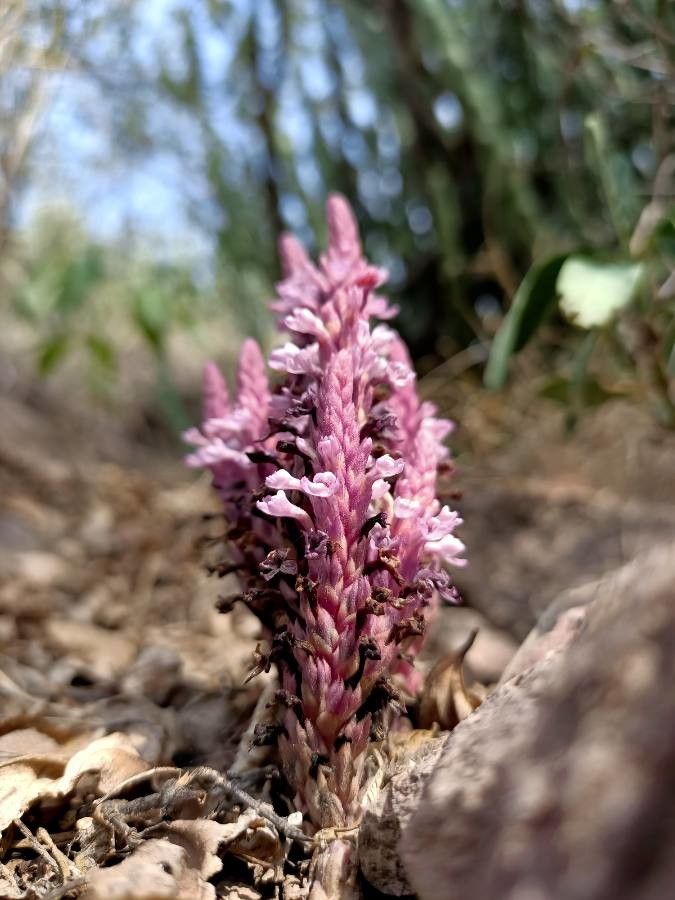
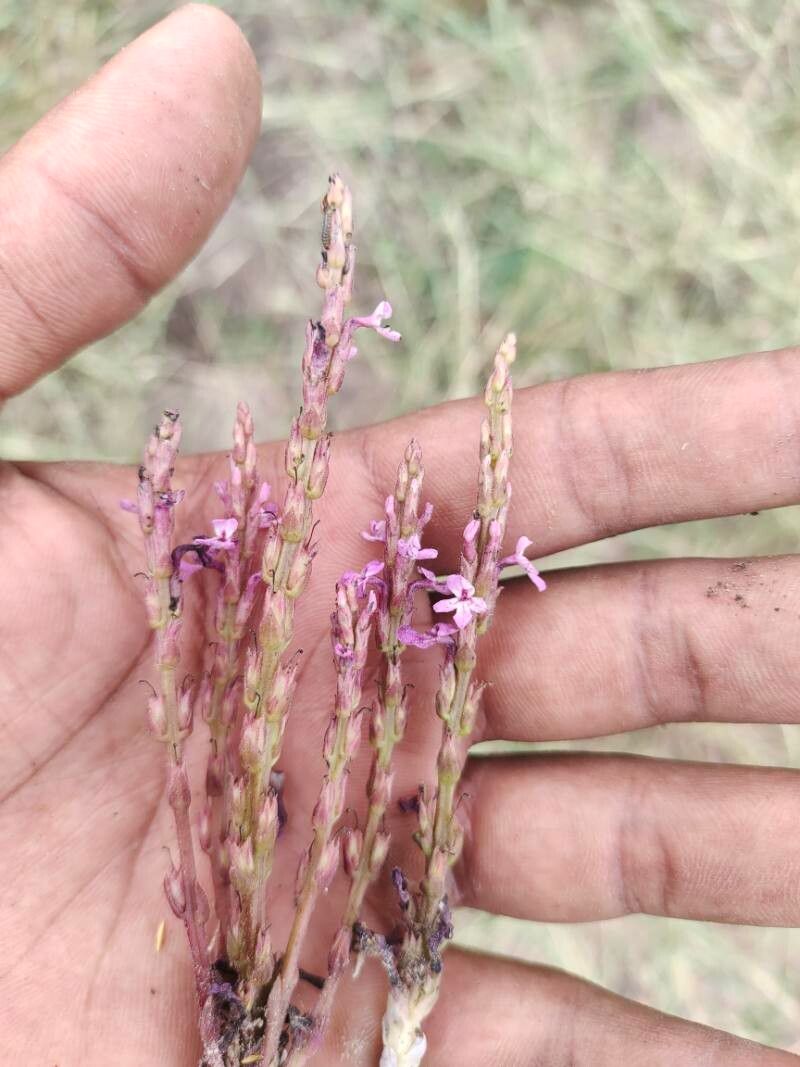
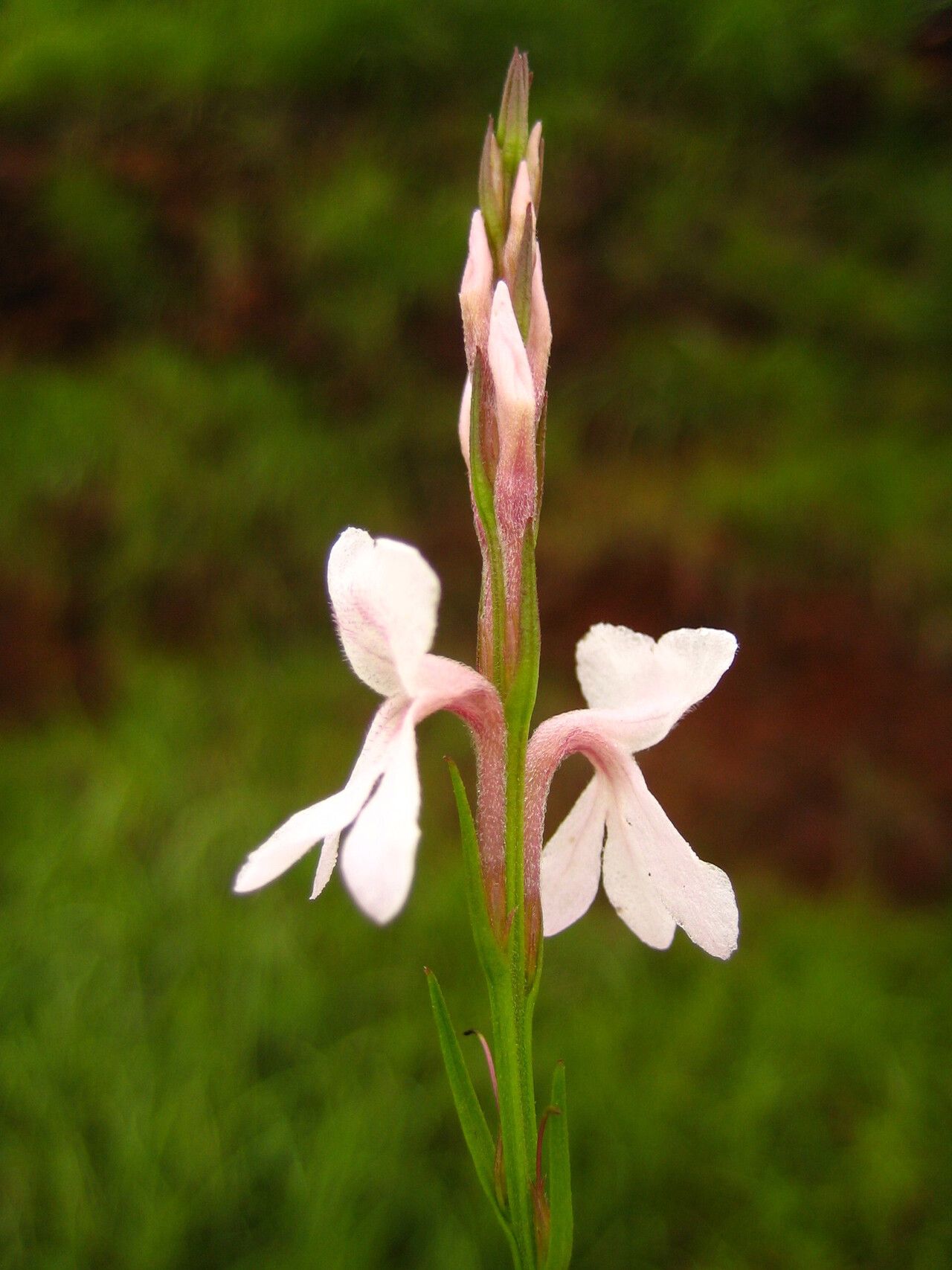
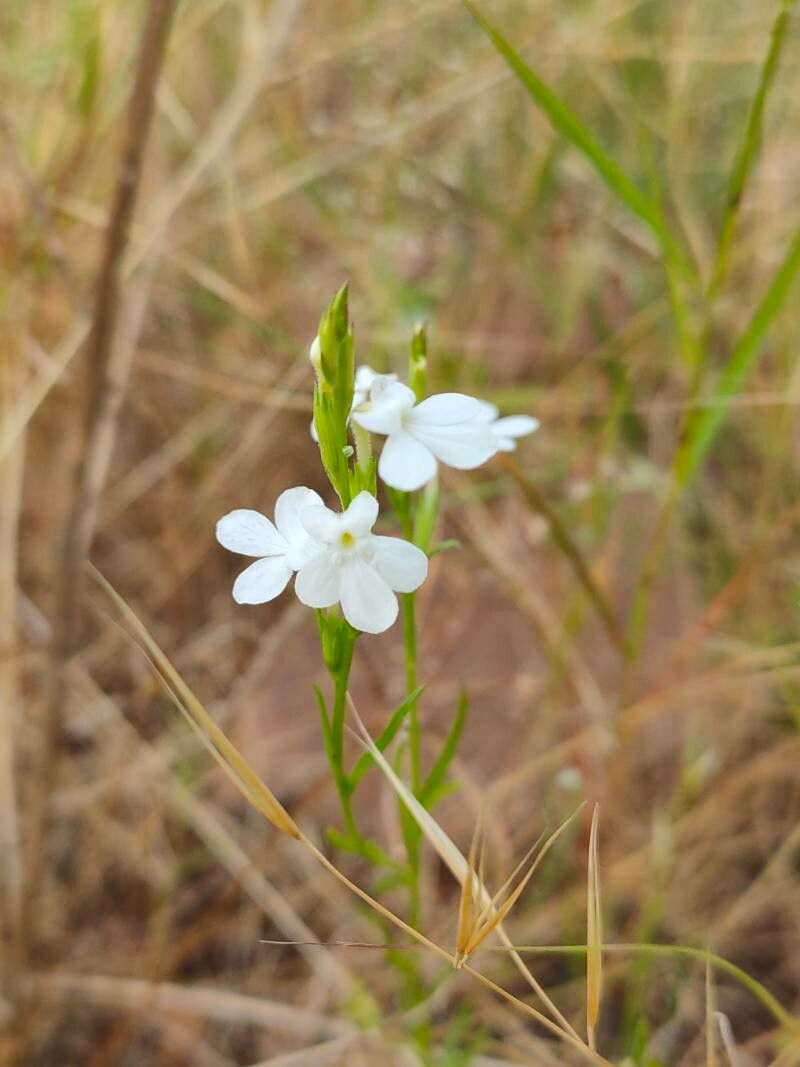
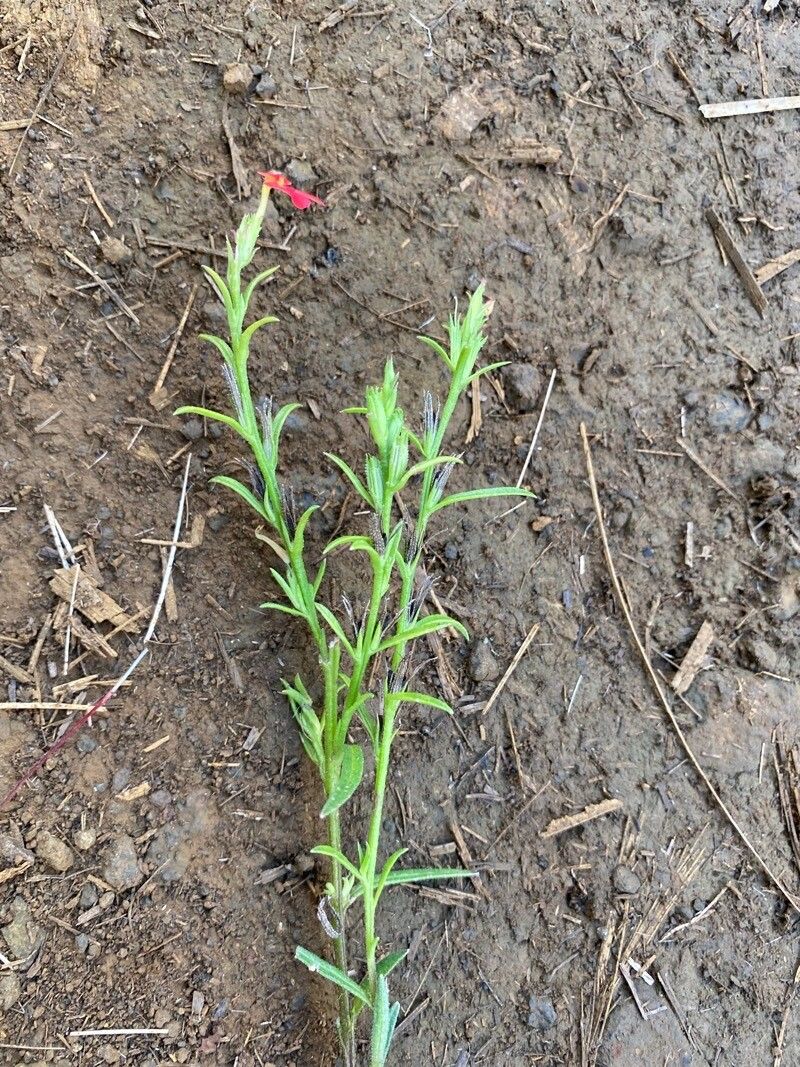
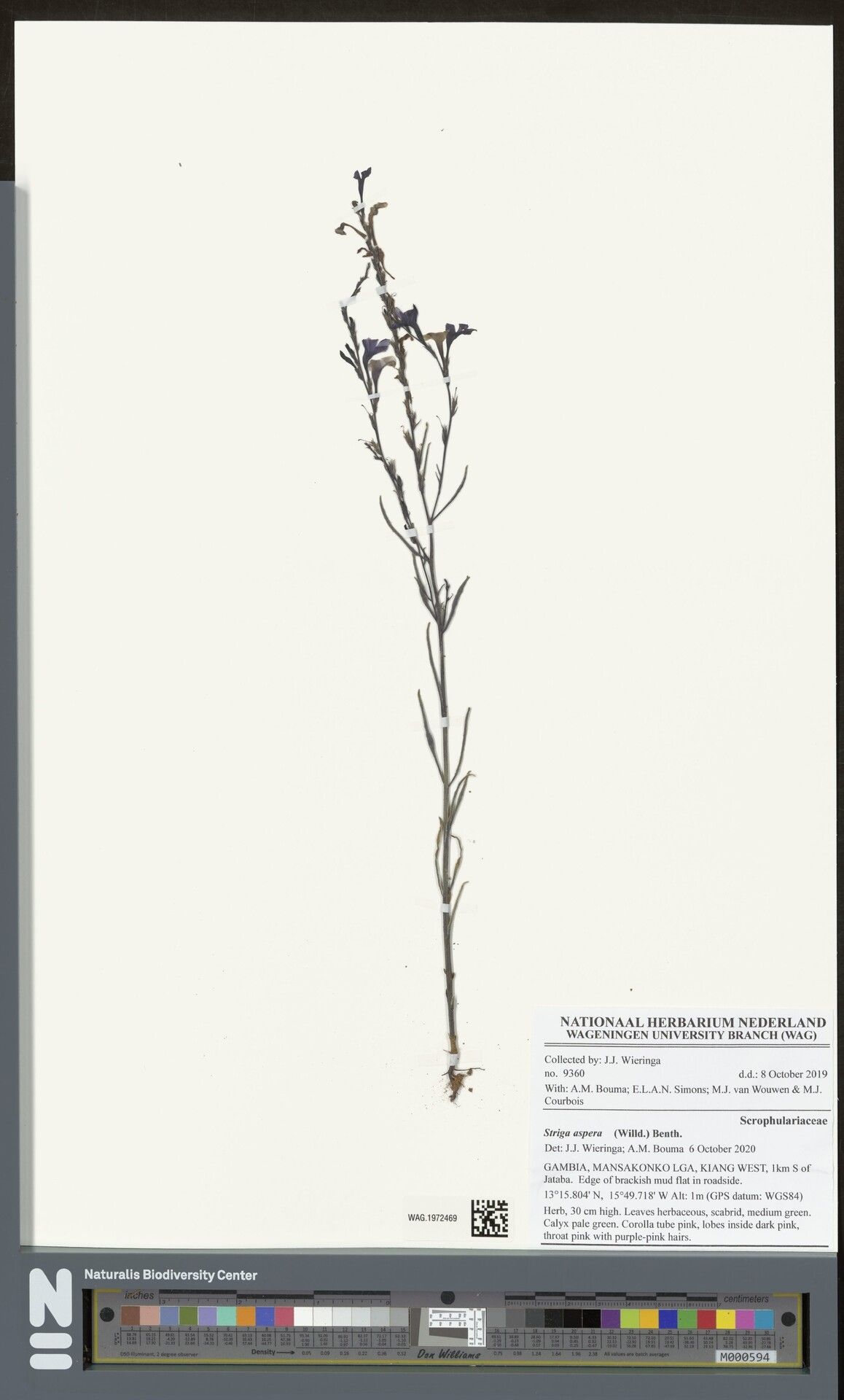
Cowpea witchweed has strong resistance to diseases and is generally unlikely to suffer from them. Nonetheless, it can be vulnerable to pests and illnesses present in its environment. Such infections are typically mild. Regarding care, this plant demands a moderate level of maintenance. It should be pruned regularly to preserve a tidy appearance and encourage healthy growth. Applying fertilizer can also help stimulate flowering. Cowpea witchweed is well suited for anyone who has an outdoor area, like a garden or patio, and does not need extensive gardening experience. It may, however, require more attention if kept indoors.
How to keep Striga Gesnerioides.
Light
Cowpea witchweed is a sun-loving, perennial herbaceous plant native to open habitats, commonly occurring in meadows and grasslands. It prefers full sun but can also tolerate partial sun.
Water
Cowpea witchweed thrives in environments with consistent moisture, similar to its native habitat which receives regular rainfall. It is capable of efficiently managing water and can tolerate short periods of dryness. To replicate its natural conditions, weekly watering is recommended. This plant is primarily grown outdoors and flourishes during the rainy season, which is ideal for its optimal growth.
Temperature
Cowpea witchweed comes from tropical areas, where the climate is generally warm and humid. Consequently, it is adapted to high temperatures and humidity. It does not tolerate abrupt temperature shifts and prefers a consistent temperature, so avoiding indoor temperature fluctuations is important. It typically cannot endure cold conditions and needs warmer temperatures to grow. If the surrounding temperature falls too low, the plant may stop growing or even die.
Fertilizer
Cowpea witchweed needs the most fertilizer during its active growth period, which occurs mainly in spring, summer, and early fall. Fertilization supplies essential nutrients that the soil may lack, encouraging healthy root and stem growth as well as attractive foliage, a notable characteristic of this plant.
Pruning
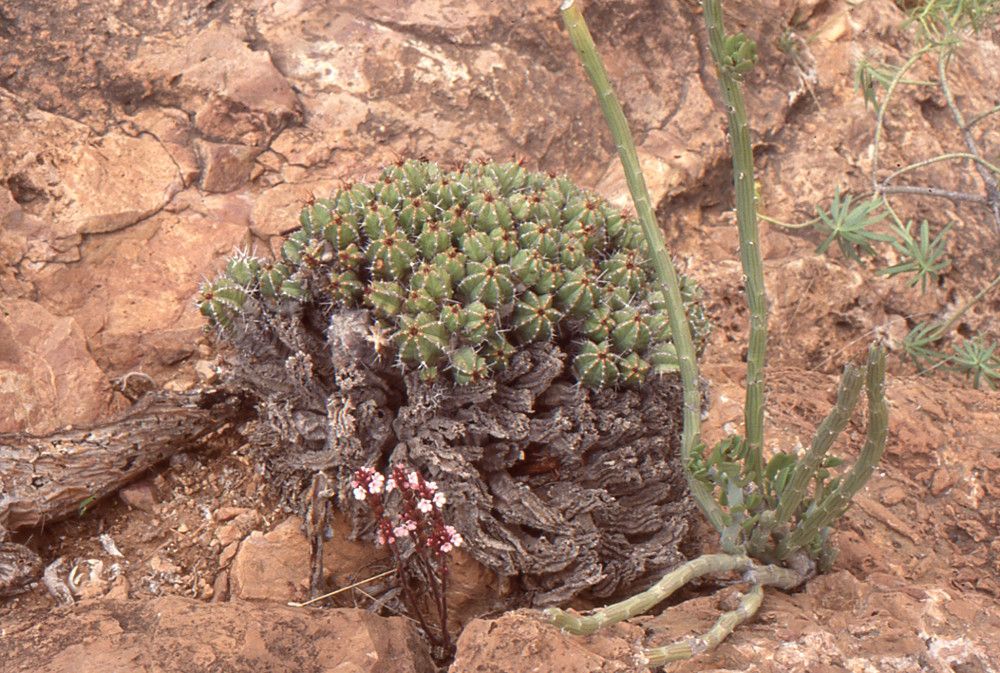
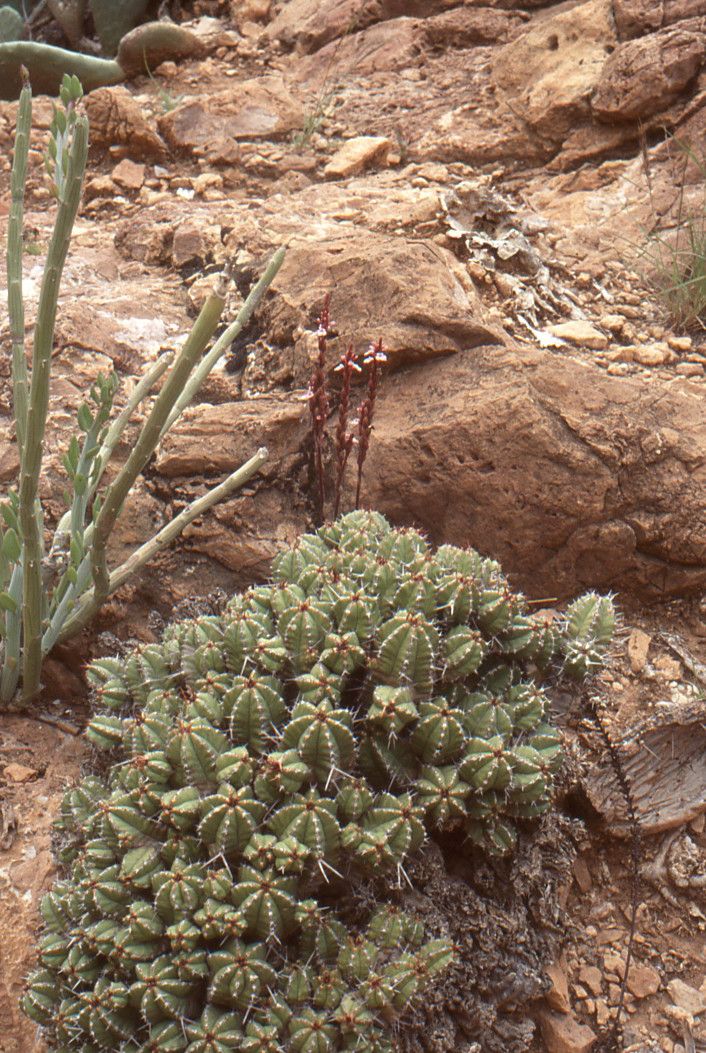
Cowpea witchweed is a parasitic plant recognized for its striking flowers. To control its spread, prune affected plants from early to late spring. This involves removing infected parts of the host and cutting back flowering stems. Such measures promote healthier host plants and improve overall management through consistent monitoring and targeted pruning.
Botanical profile.
- Plant Type
- Herb
- Life Cycle
- Perennial
- Genus
- Striga
- Family
- Orobanchaceae
- Hardiness Zone
- 10-12
- Mature Height
- 20 cm
- Mature Spread
- 5 cm to 15 cm
- Leaf Color
- Green
- Leaf Type
- Semi-evergreen
- Flower Color
- Pink, Purple
- Flower Size
- 0.25 cm to 0.51 cm
- Bloom Time
- Summer, Early fall, Mid fall
- Planting Time
- Spring, Summer, Autumn
- Harvest Time
- Late summer, Fall, Early winter
- Native Area
- Sri Lanka, Burkina Faso, Somalia, Lesotho, India, Egypt, Angola, Namibia, Madagascar, Rwanda, Pakistan, Nigeria, Morocco, Yemen, Kenya, Niger, Tanzania, Zimbabwe, Benin, Mali, Sierra Leone, Cameroon, Burundi, Mozambique, Oman, Ghana, Ethiopia, Botswana, Congo, Nepal, Saudi Arabia, Malawi, Central African Republic, South Africa, Zambia, Sudan, Togo, Senegal, Eswatini, Gambia, Congo (DRC)
Other names.
Reader questions.
What are the sunlight requirements for Cowpea witchweed (Striga gesnerioides)?
Cowpea witchweed (Striga gesnerioides) requires specific sunlight conditions to thrive. For full sun exposure, it needs above 6 hours of sunlight daily, while partial sun is about 3-6 hours of sunlight. It's important to observe the sunlight's path through your garden to find spots that offer a proper balance of light and shade, ensuring the plants grow healthy and happy.