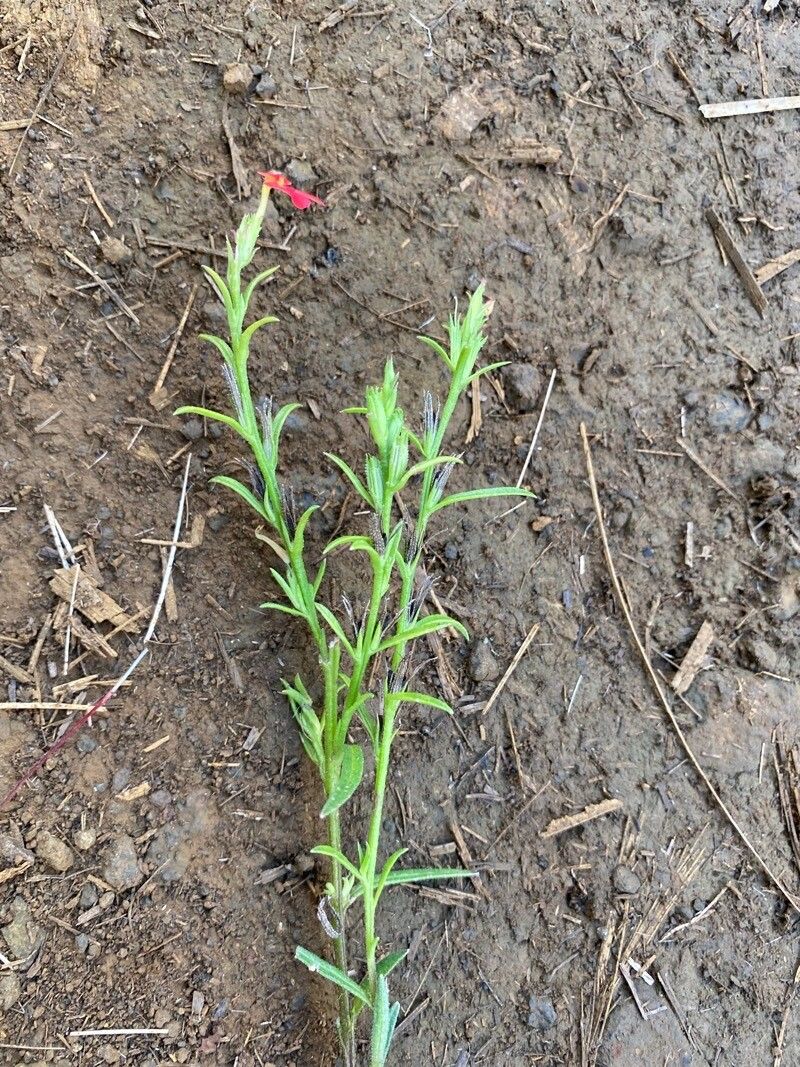
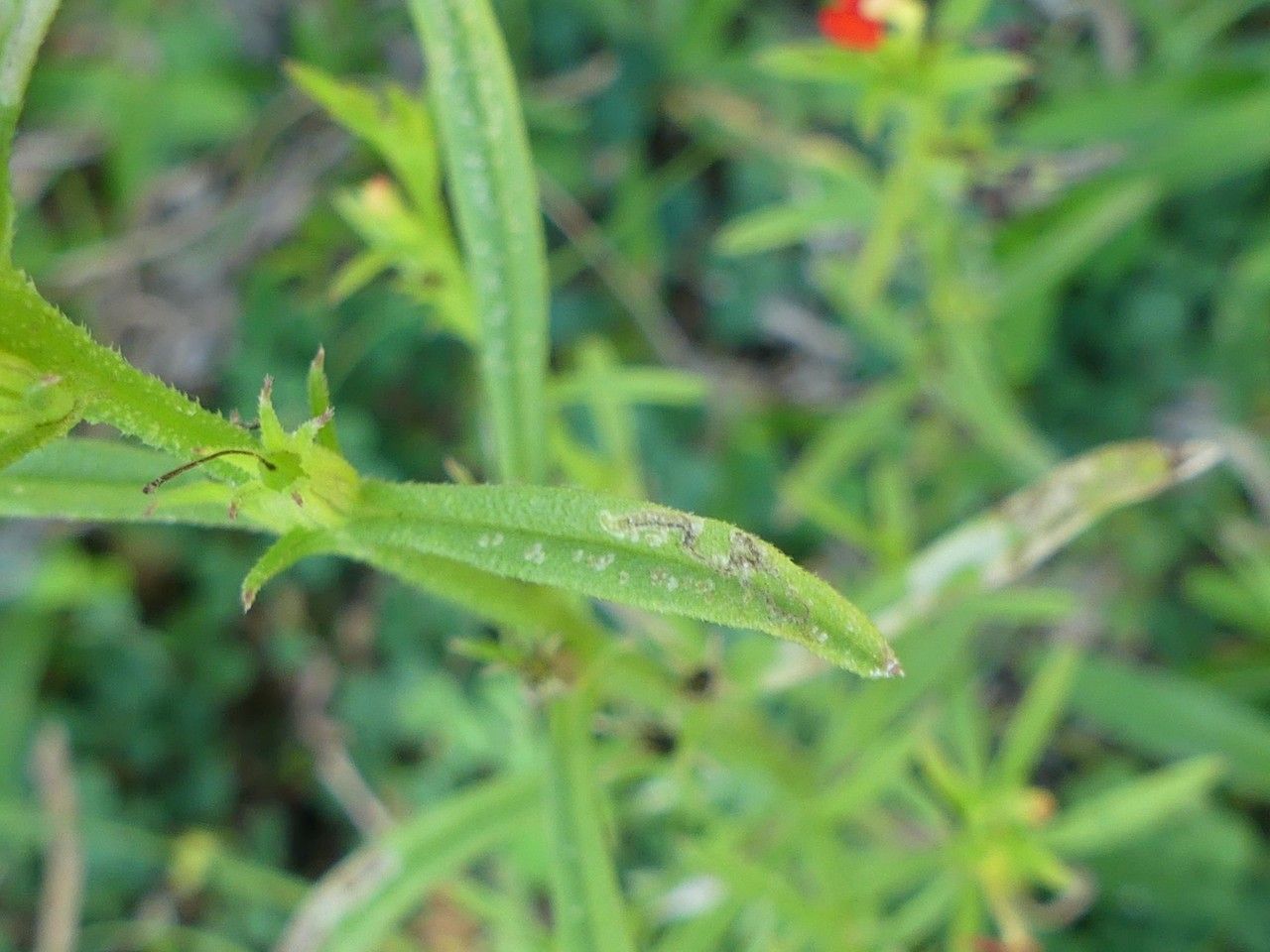
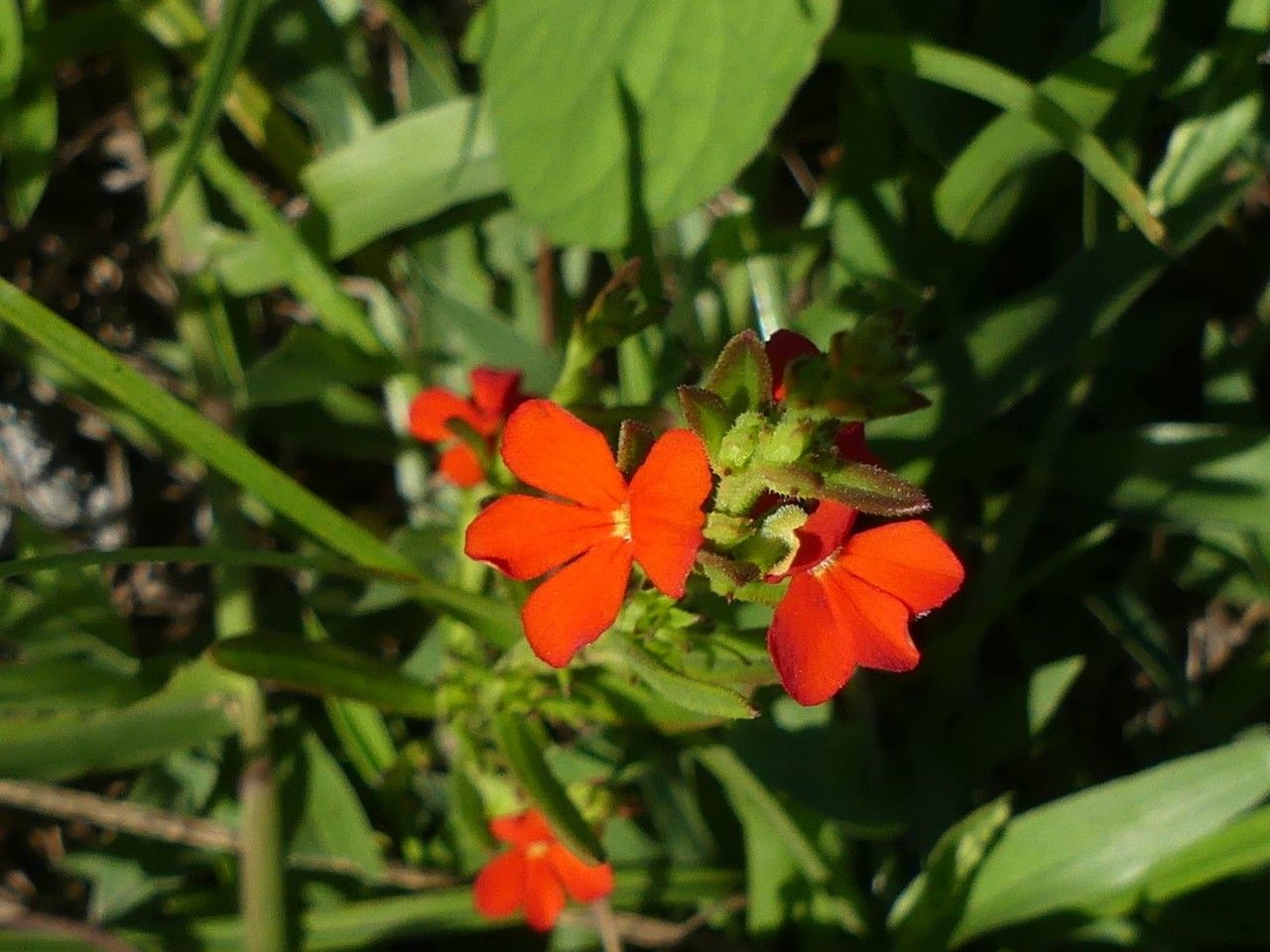
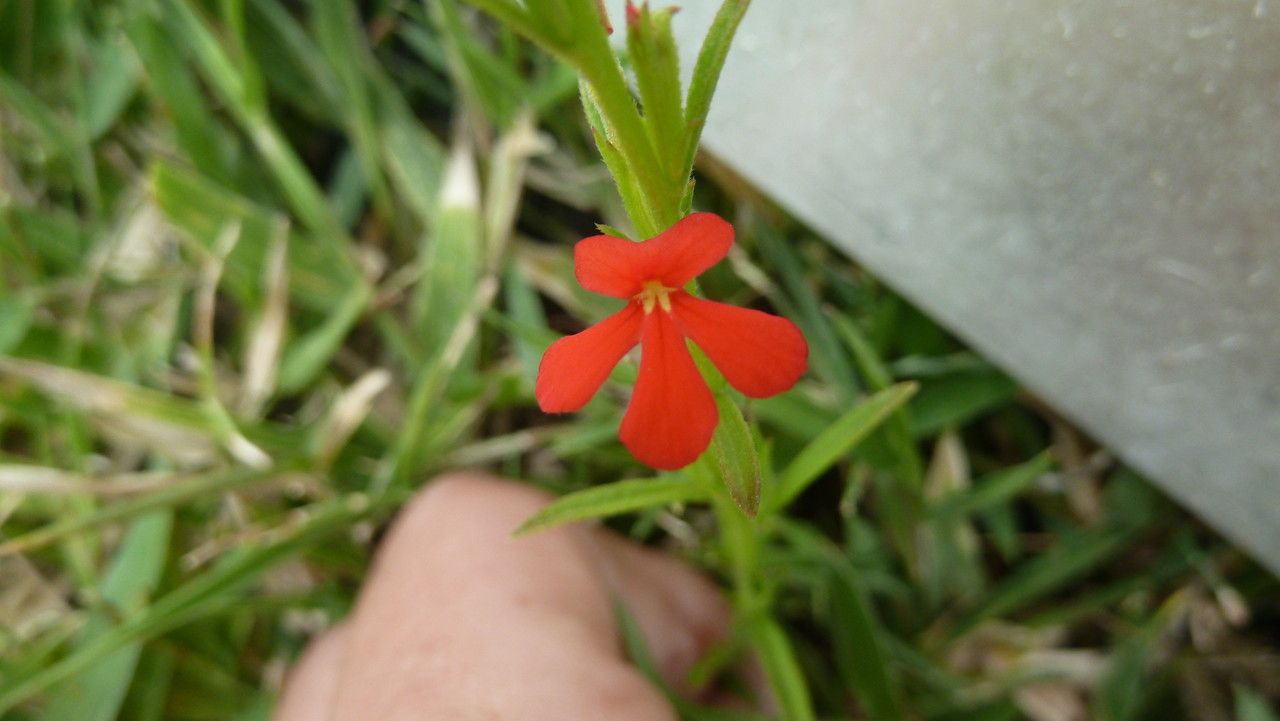
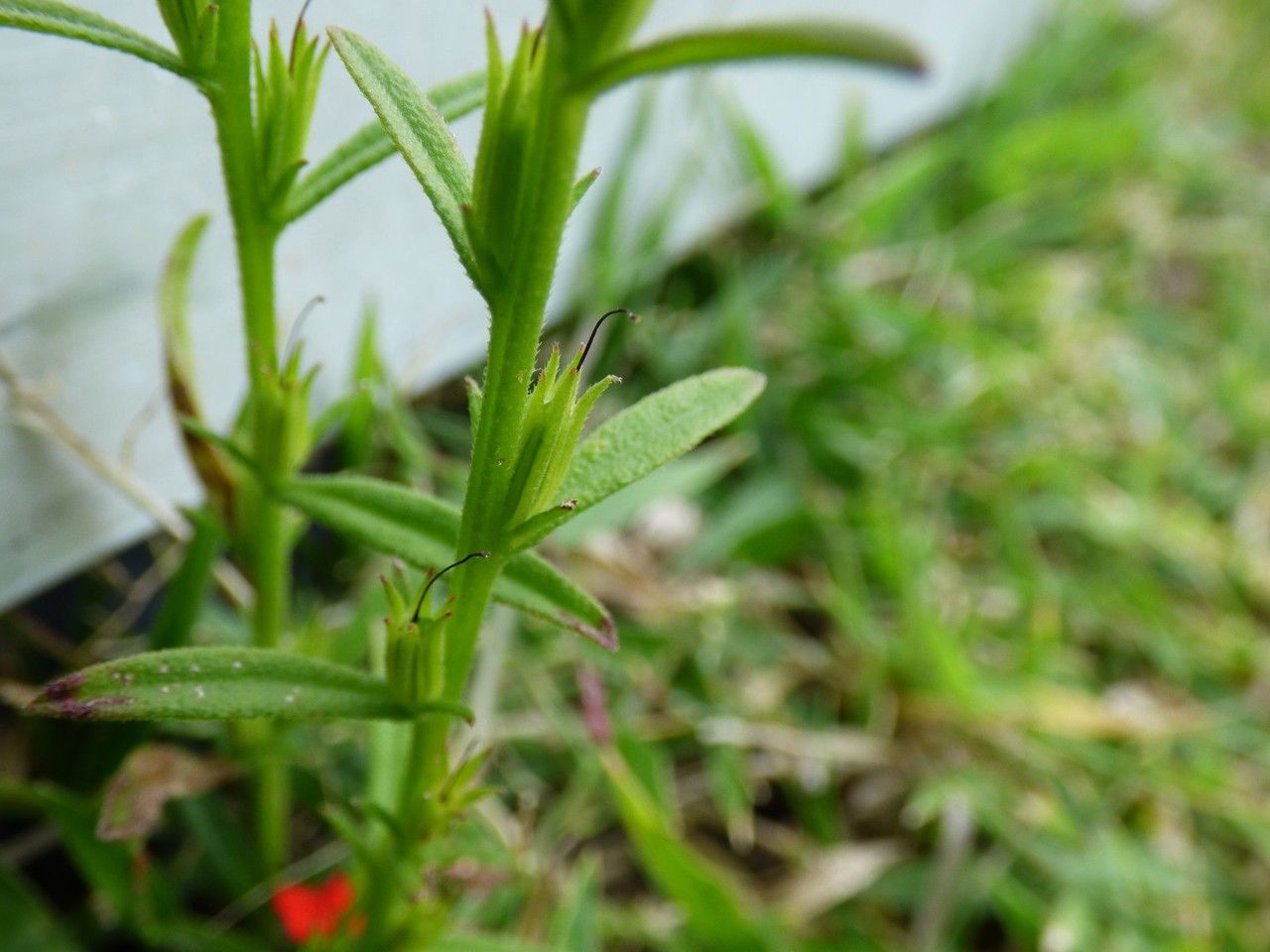
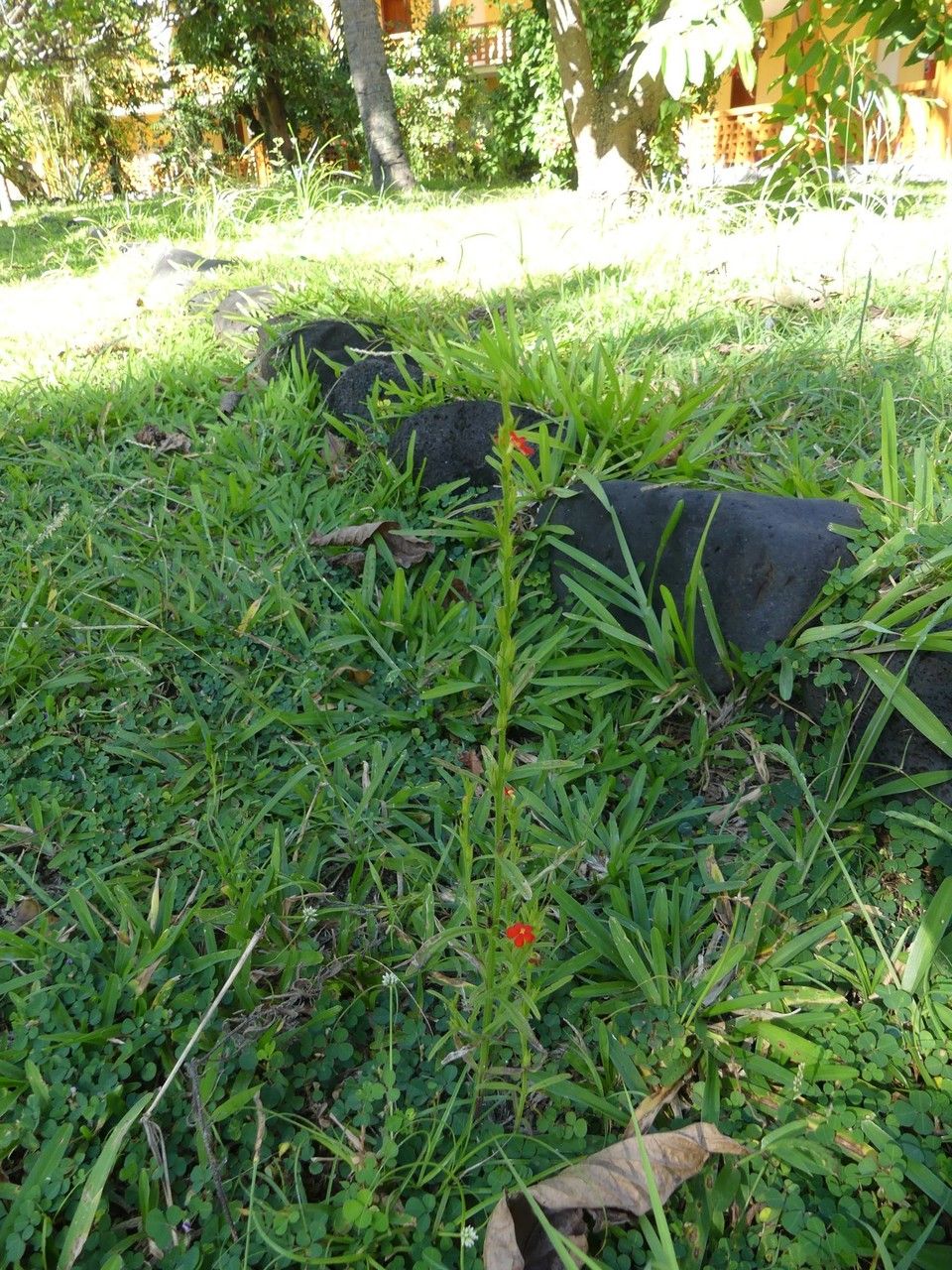
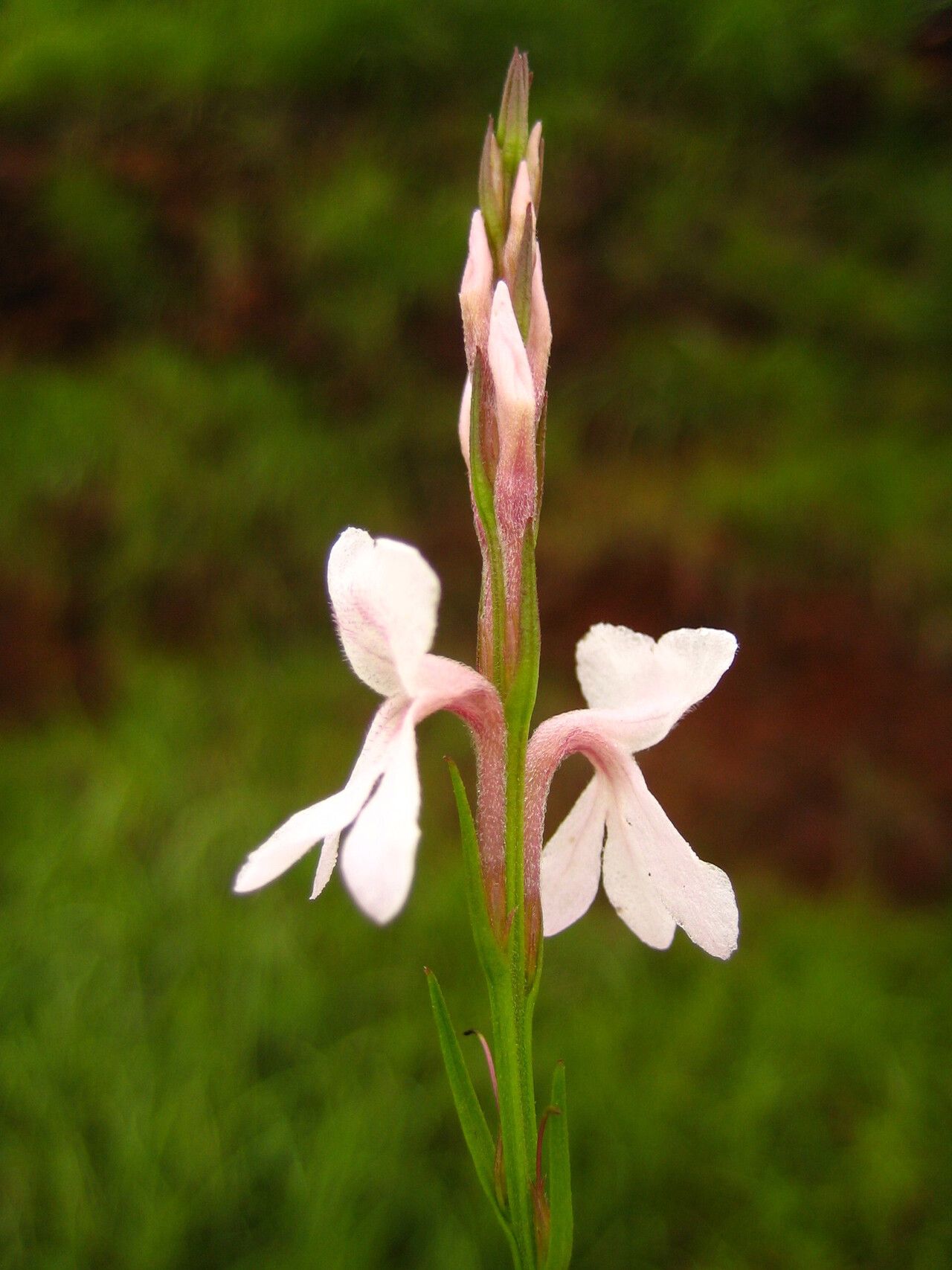
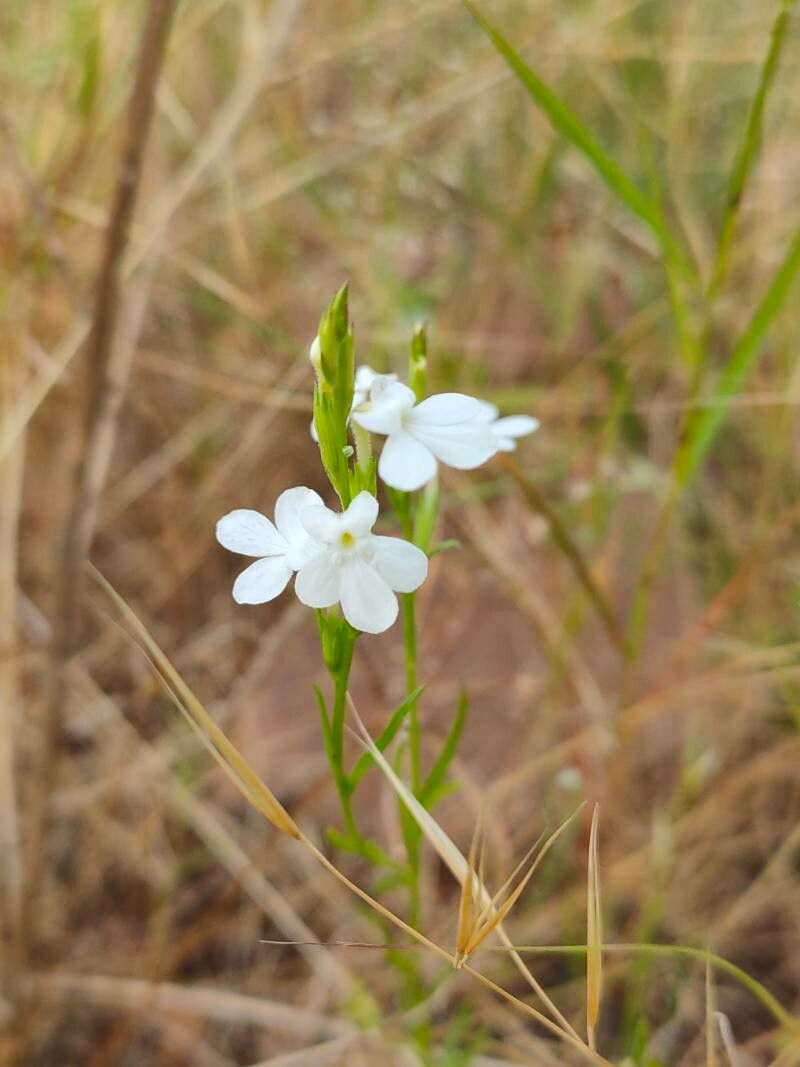
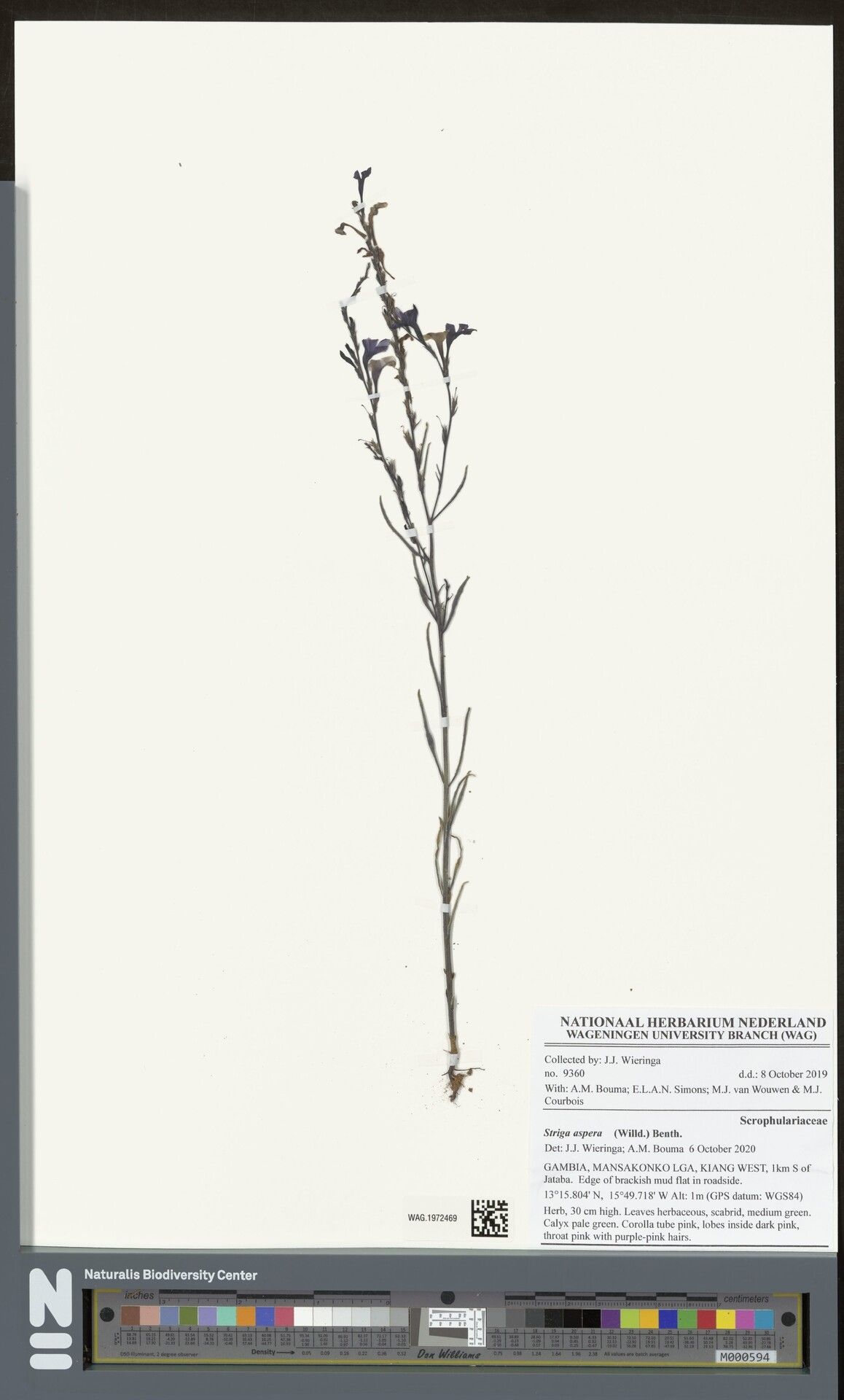
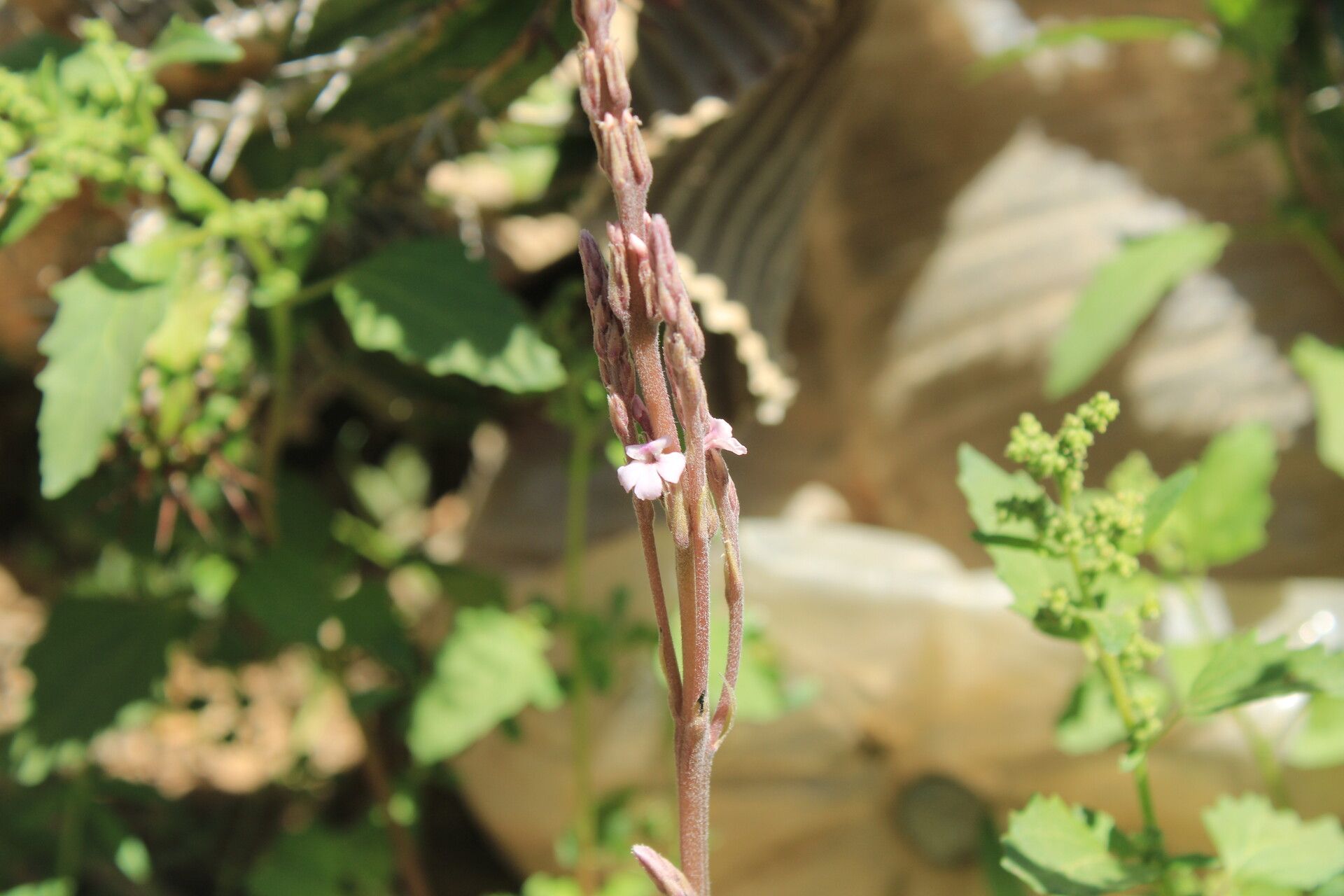
Striga asiatica, commonly known as Asiatic witchweed, is a parasitic plant belonging to the family Orobanchaceae. Native to Asia, it is found in countries including India, China, and Japan. The plant is relatively small, growing up to 30 cm in height, and produces small purple flowers.
Asiatic witchweed is notorious for its parasitic behavior, as it attaches itself to the roots of other plants such as maize, sorghum, or rice. It penetrates these host roots with specialized structures called haustoria, which enable the plant to extract vital nutrients from its host.
The presence of Striga asiatica can cause significant damage in agricultural fields, leading to reduced crop yields or even the destruction of entire crops. Controlling this weed has been challenging due to its ability to produce numerous seeds that remain viable in the soil for several years.
Research efforts have been focused on developing resistant crop varieties and biological control methods. These include using fungi or bacteria that attack the seeds of Striga asiatica before they can germinate.
In traditional medicine practices across Asia, Striga asiatica has been used to treat various ailments, including reducing fever and treating skin diseases, due to its anti-inflammatory properties. However, further research is needed before its medicinal use can be recommended by medical professionals.
Asiatic witchweed has strong disease resistance and is generally unlikely to be affected by illnesses. However, it can be vulnerable to pests and diseases present in its environment. These infections are typically not severe. In terms of care, this plant requires moderate maintenance. It should be pruned regularly to preserve a good appearance and support healthy growth. Fertilizing can also help encourage flowering. Asiatic witchweed is suitable for anyone with outdoor space, such as a garden or patio, and does not demand extensive care experience. It may need more attention when grown indoors.
How to keep Striga Asiatica.
Light
Asiatic witchweed comes from bright, open environments where it thrives in full sun. It can tolerate partial sun but favors direct sunlight for optimal growth. This annual and biennial plant is noted for its sun-loving nature.
Water
Asiatic witchweed thrives in tropical savannas and prefers drier conditions, demonstrating moderate drought tolerance. It's best to water the plant weekly, being careful not to overwater. Typically cultivated outdoors, Asiatic witchweed experiences significant growth during the rainy season, timing its life cycle to coincide with water availability.
Temperature
Asiatic witchweed comes from regions where temperatures are commonly between 68 and 95 °F (20 to 35 ℃). It does best in those warm conditions. Because seasons change, you may need to make adjustments to recreate its native comfort zone.
Fertilizer
Asiatic witchweed responds well to regular, dilute fertilizer applications to encourage healthy leaf development. Fertilize Asiatic witchweed roughly once a month during the summer. Nitrogen is important for foliage, and providing nitrogen-rich fertilizers helps Asiatic witchweed prosper.
Pruning
Asiatic witchweed is known for its bright green leaves and vibrant flowers. To maintain its health, start pruning from early to late spring. Begin by removing any dead branches, then trim overgrown areas to improve air circulation. This helps promote growth and can prevent pest infestations. Always use clean, sharp tools to minimize damage and reduce the risk of infection.
Botanical profile.
- Plant Type
- Herb
- Life Cycle
- Annual
- Genus
- Striga
- Family
- Orobanchaceae
- Hardiness Zone
- 10
- Mature Height
- 15 cm to 61 cm
- Mature Spread
- 5 cm to 15 cm
- Leaf Color
- Green
- Leaf Type
- Semi-evergreen
- Flower Color
- Red
- Flower Size
- 1.52 cm
- Bloom Time
- Summer, Early fall, Mid fall
- Planting Time
- Spring, Summer, Autumn, Winter
- Harvest Time
- Late summer, Fall, Early winter
- Native Area
- Sri Lanka, Burkina Faso, Somalia, Lesotho, India, Egypt, Angola, Namibia, Rwanda, Pakistan, Nigeria, Yemen, Guinea-Bissau, Uganda, Kenya, Niger, Benin, Sierra Leone, Cameroon, Liberia, Mozambique, Burundi, Oman, Ghana, Botswana, Congo, Nepal, Saudi Arabia, Central African Republic, South Africa, Sudan, Bangladesh, Guinea, China, Vietnam, Myanmar, Togo, Bhutan, Senegal, Côte d'Ivoire, Congo (DRC), Thailand
Other names.
Reader questions.
How should I water my Asiatic witchweed to keep it healthy?
When watering Asiatic witchweed, you have several options. You can use a garden hose with a spray nozzle, a watering can, or any other common watering tool. This plant is not very particular about how it receives water and can thrive with rainwater, tap water, or filtered water. However, it is generally not recommended to water this plant from above as it can harm the leaves and flowers and potentially cause disease. In these cases, using a drip irrigation system is the most effective method of watering. This system evenly and directly applies water to the soil, which is ideal for Asiatic witchweed. If you have a container-grown Asiatic witchweed, you can follow a similar watering approach but adjust the tools accordingly. Simply use a cup, watering can, or your tap to directly water the soil of the container.
What are the sunlight requirements for Asiatic witchweed?
Asiatic witchweed, also known by its botanical name Striga asiatica, thrives in environments that offer full sun, which means it requires more than 6 hours of sunlight daily. However, it can also tolerate partial sun, which refers to about 3-6 hours of sunlight a day. It's essential to observe how sunlight moves through your garden to select spots that provide a balance of light and shade, ensuring the well-being of your plants.
What are the essential care tips for Asiatic witchweed?
Asiatic witchweed, botanically known as Striga asiatica, prefers a climate with temperatures ranging from 68 to 95 °F (20 to 35 °C). It's crucial to maintain warm temperatures for the plant's optimal growth, as it thrives best in these conditions. To mimic its native environment, adjustments might be necessary with seasonal changes. Asiatic witchweed is particularly sensitive to cold, so it's recommended to bring outdoor plants indoors during autumn and place them near a bright window, while ensuring they are not too close to heaters. To promote healthy growth during winter, keeping the temperature above 20°C is beneficial, and it's important to protect the plant from temperatures nearing 5°C, which can be harmful.
What should I do if I give my Asiatic witchweed too much or too little water?
Underwatering Asiatic witchweed can be remedied by simply increasing the frequency of watering when you notice that the plant lacks moisture. On the other hand, overwatering can be a more serious issue, as it can lead to diseases and eventual decline and death of the plant if not addressed early. To prevent this, it is important to select an appropriate location for growing the plant. This location should receive ample sunlight to help dry the soil and have good drainage to prevent water from pooling and causing waterlogged conditions. If you are overwatering an Asiatic witchweed that is potted, you may need to consider transferring it to a new pot with better soil drainage and more drainage holes. Remember to use loose soil and select a pot that drains efficiently when repotting the overwatered plant.
Can Asiatic witchweed grow with artificial lighting?
Yes, Asiatic witchweed can grow with artificial lighting, especially when natural sunlight is insufficient, such as during winter or in lesser sunny spaces. Artificial lights, particularly LED lights, are suitable since they can be tailored to provide the specific wavelengths of light that plants need. For plants that require full sun, the recommended artificial light intensity is 30-50W/sq ft. For partial sun plants, 20-30W/sq ft is suitable, and for full shade plants, 10-20W/sq ft. The light source should be placed 12-36 inches above the plant, and most plants benefit from 8-12 hours of light per day.
What should I do if my Asiatic witchweed is exposed to low temperatures?
Asiatic witchweed is not tolerant of low temperatures and shows a preference for warmer conditions, thriving best when the temperature is above 20°C. Exposure to temperatures below 1°C can lead to symptoms such as the leaves lightening in color, which can eventually turn brown or black, alongside wilting and drooping after frost damage. To mitigate these effects, trim off the frost-damaged parts of the plant and immediately move it to a warmer indoor setting for protection against the cold. Placing the plant near a south-facing window ensures sufficient sunlight, but make sure it's not too close to heaters or air conditioning vents to avoid excessively dry air.
How frequently should I water my Asiatic witchweed?
To keep your Asiatic witchweed healthy, it is important to water it regularly. During the growing season, starting in spring, you should water the plant once a week. As the season progresses and temperatures rise, you may need to increase the watering frequency to two to three times per week. However, be careful not to overwater the plant, as this can be harmful. The soil should be moist but not wet. If you have an Asiatic witchweed in a pot, you will need to water it more frequently. Potted plants tend to dry out faster than those in the ground, so you should aim to water them a few times per week. In contrast, an in-ground plant only needs watering once a week.
What are the symptoms of insufficient light for Asiatic witchweed?
When Asiatic witchweed is grown indoors or in conditions with inadequate light, it may show symptoms such as smaller new leaves compared to older ones, leggy or sparse growth, faster leaf drop, slower or no new growth, and lighter-colored new leaves. Other issues like chlorosis, sunscald, leaf curling, wilting, and leaf scorching can also indicate excessive sunlight exposure or insufficient light, affecting the plant's ability to photosynthesize and maintain healthy growth.
How can I care for my Asiatic witchweed in high temperatures?
During the summer months, it's important to keep the temperature for Asiatic witchweed below 35°C. If the temperature rises above 41°C, the plant may suffer from lighter leaf colors and become more susceptible to sunburn. In such cases, trim away the sunburned and dried parts of the plant, and relocate it to an area with shade, especially from the midday and afternoon sun. Ensuring the soil remains moist by watering the plant in the morning and evening can also help protect it from the effects of high temperature.
How much water does my Asiatic witchweed require?
Determining how much water to give to your Asiatic witchweed can be done in a few different ways. Some gardeners prefer to gauge the moisture level of the soil by feeling it and then watering until the top six inches are moist. Another approach is to use a specific measurement, such as two gallons per week, adjusted based on temperature and how quickly the soil dries. It's important to be cautious with this method to avoid overwatering if the plant requires less. When growing Asiatic witchweed in a container, a different method is needed. You can ensure all layers of soil are sufficiently moist by either feeling the soil with your finger or allowing excess water to trickle out of the pot's drainage holes.
How can I provide optimal light to Asiatic witchweed?
To ensure Asiatic witchweed receives optimal light, gradually move the plant to a sunnier location, ensuring it gets at least 6 hours of direct sunlight daily. If indoors, use a south-facing window and keep curtains open during the day, or consider using a desk or ceiling lamp for at least 8 hours daily. For outdoor plants, avoid sudden changes in light intensity to prevent sunburn. Note that parts of the plant that have suffered from insufficient light may not recover, but new growth should be healthy after adjusting the light exposure. Reducing obstructions like pruning trees or transplanting the plant during its dormant period can also improve sunlight access.
How can I know if I'm giving enough water to my Asiatic witchweed plant?
It can be a bit challenging to avoid overwatering your Asiatic witchweed. On the one hand, you need to water the soil weekly because these plants have deep roots. But on the other hand, Asiatic witchweed is highly prone to root rot, which can cause browning. Underwatering is unlikely as these plants can survive without additional watering for a while. However, if you wait too long, the plant will start to wilt and you may notice dry leaves.