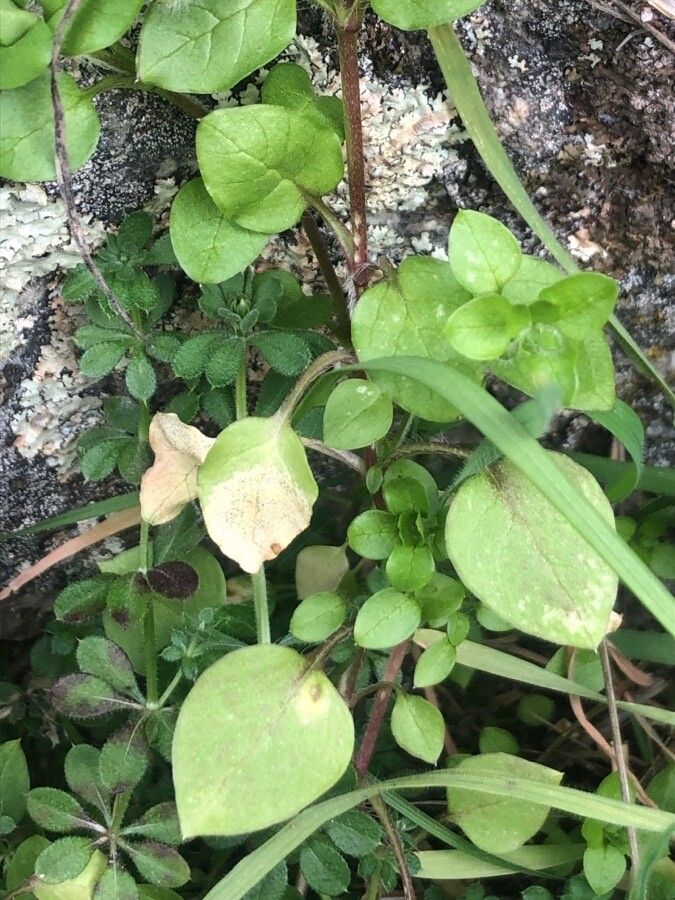
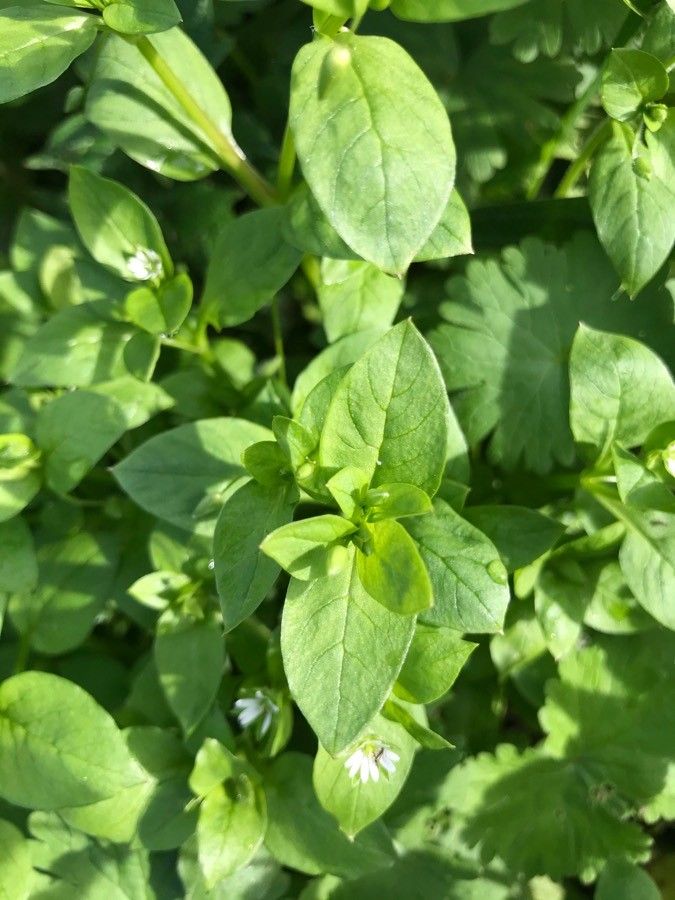
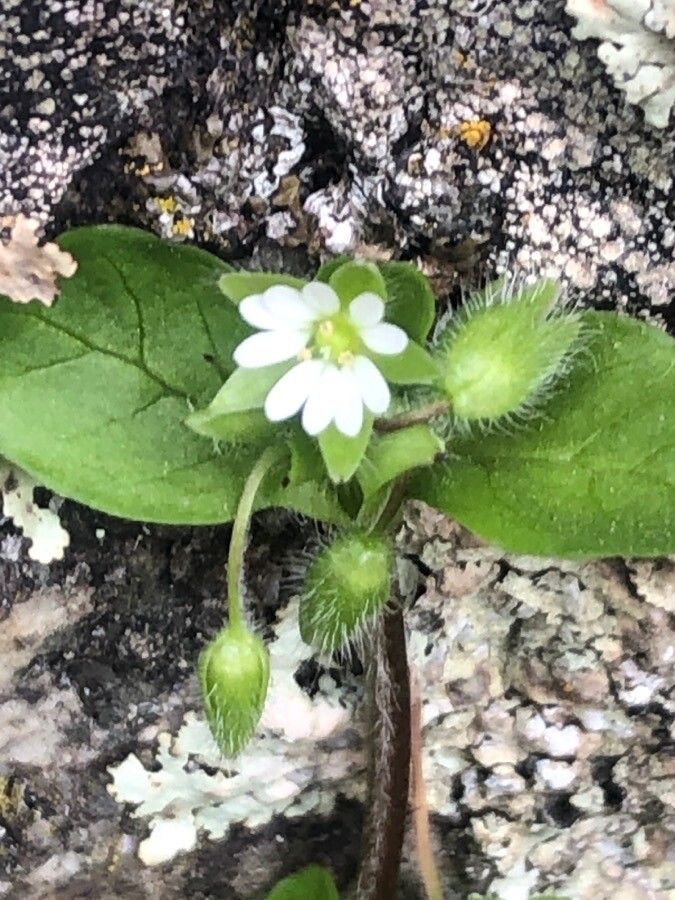
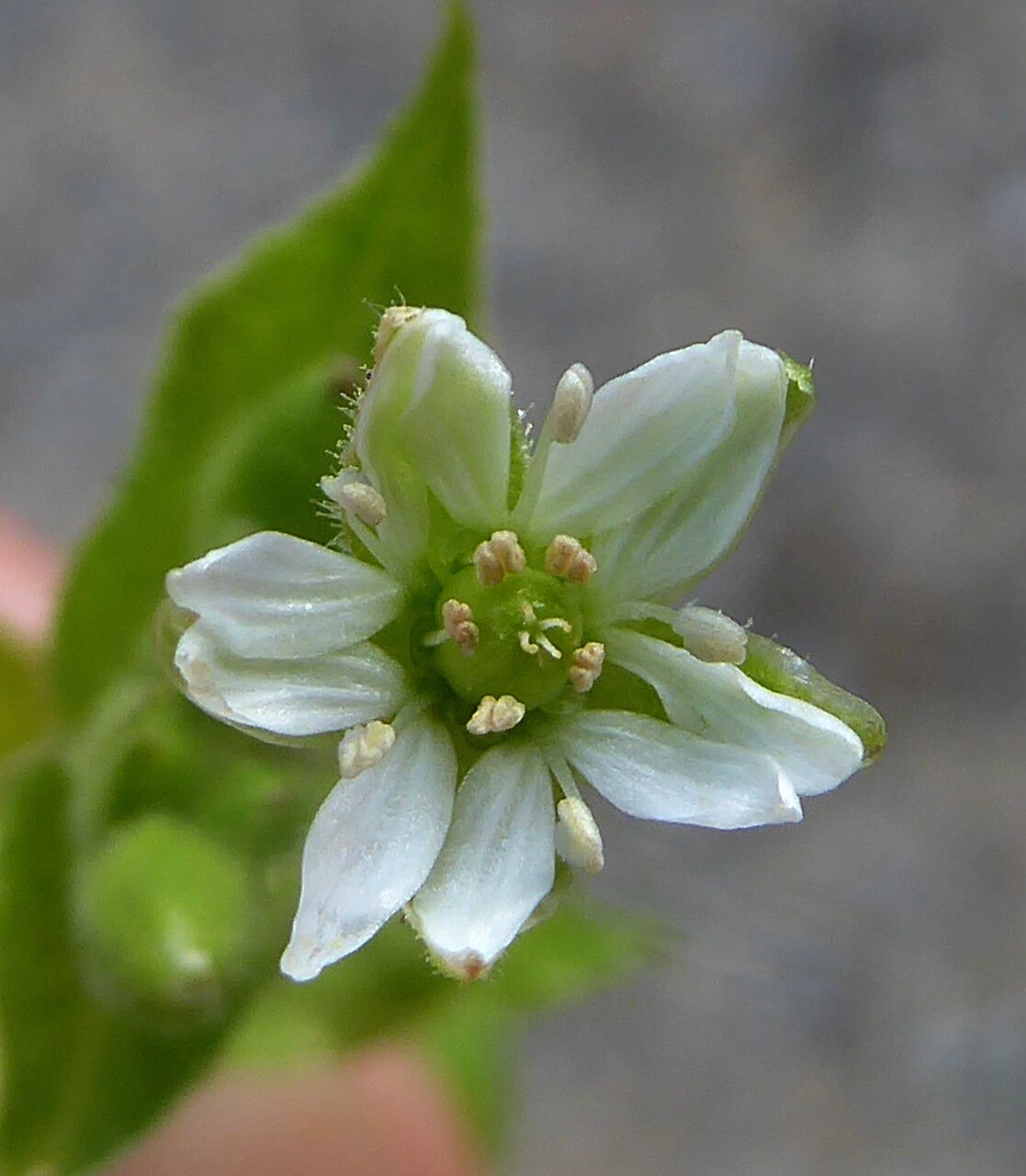
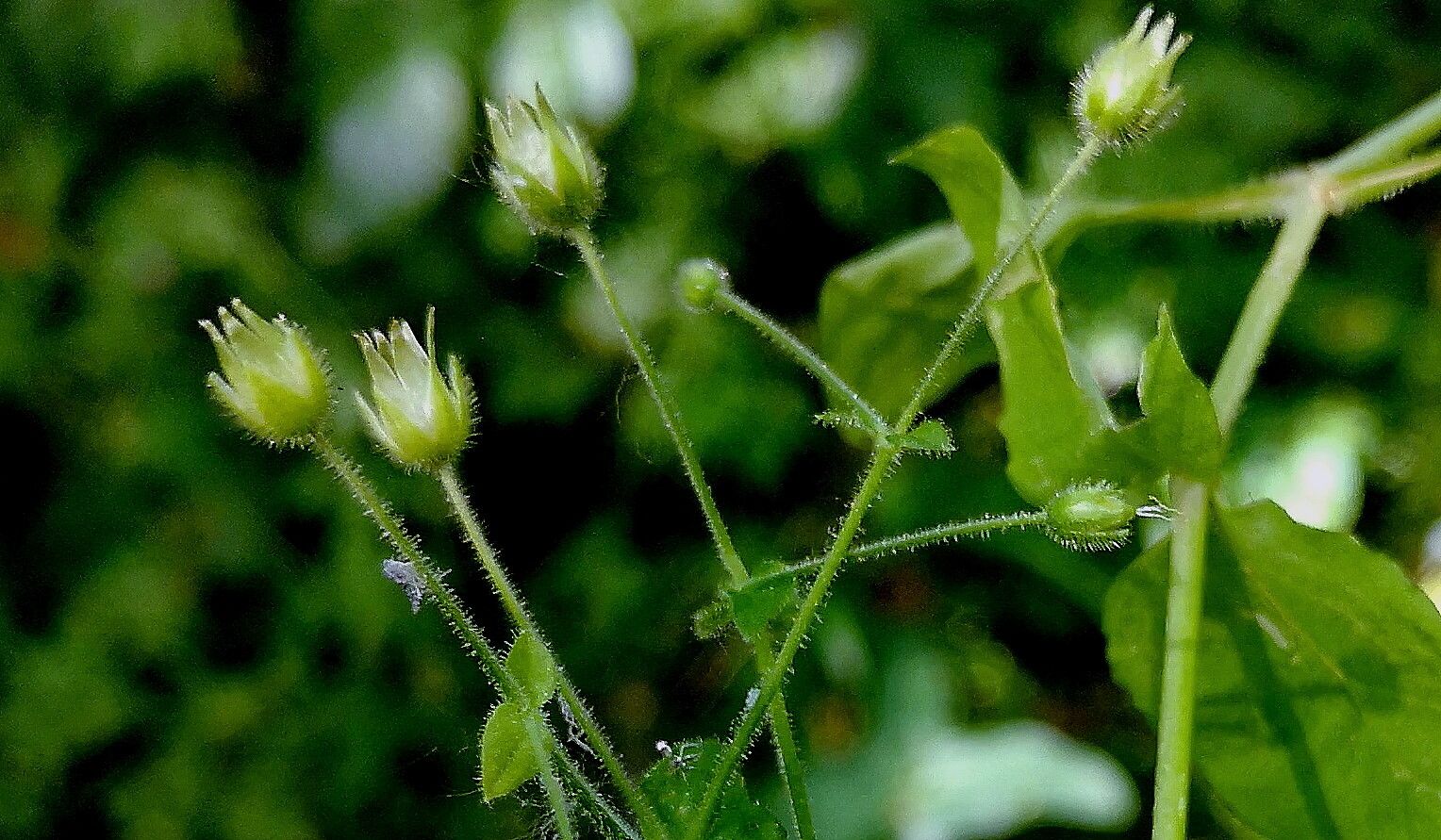
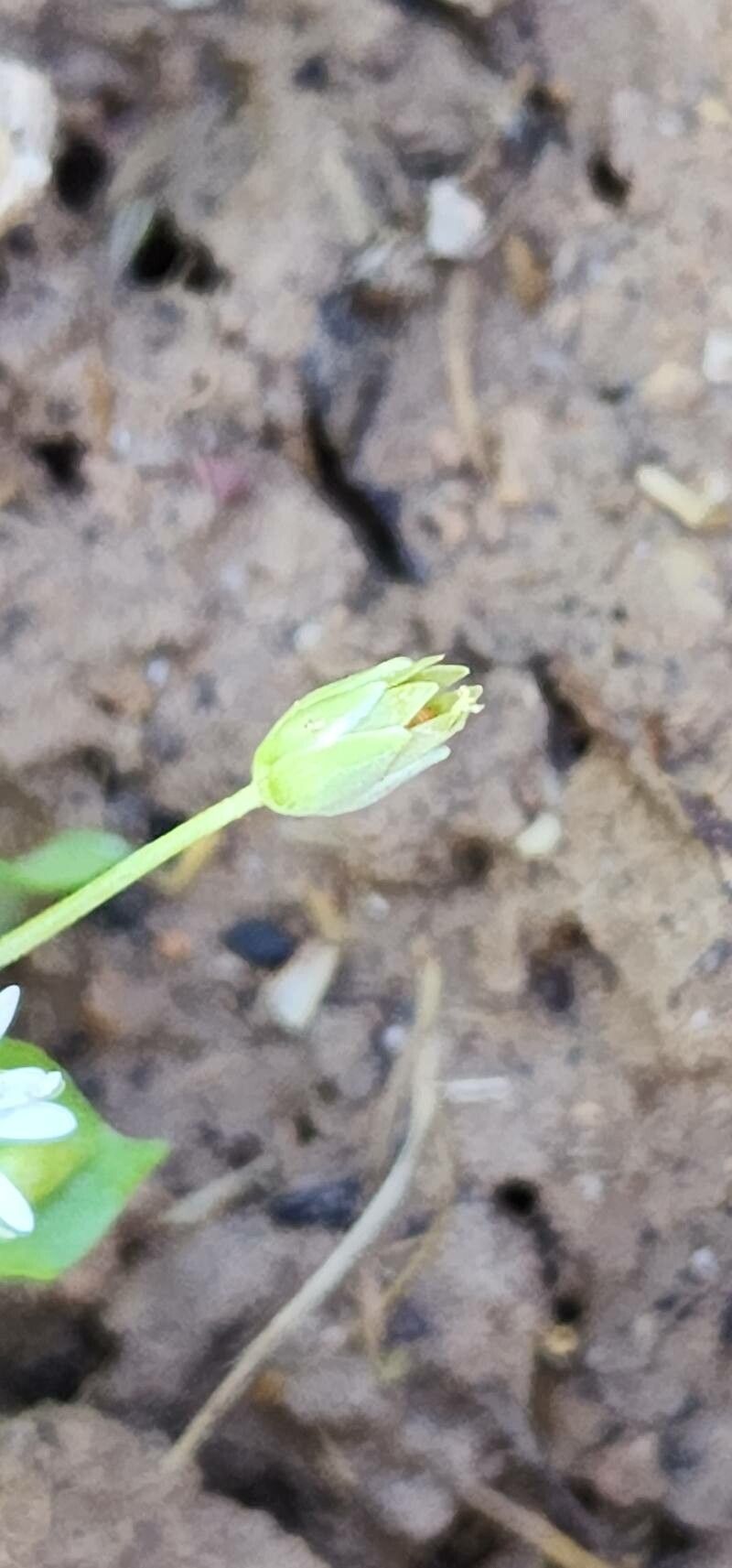
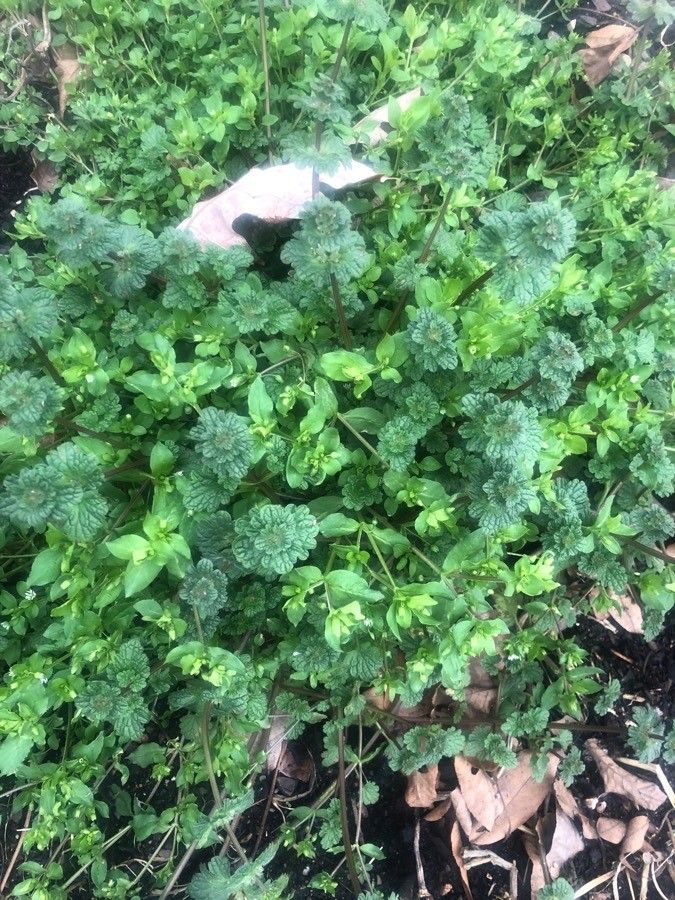
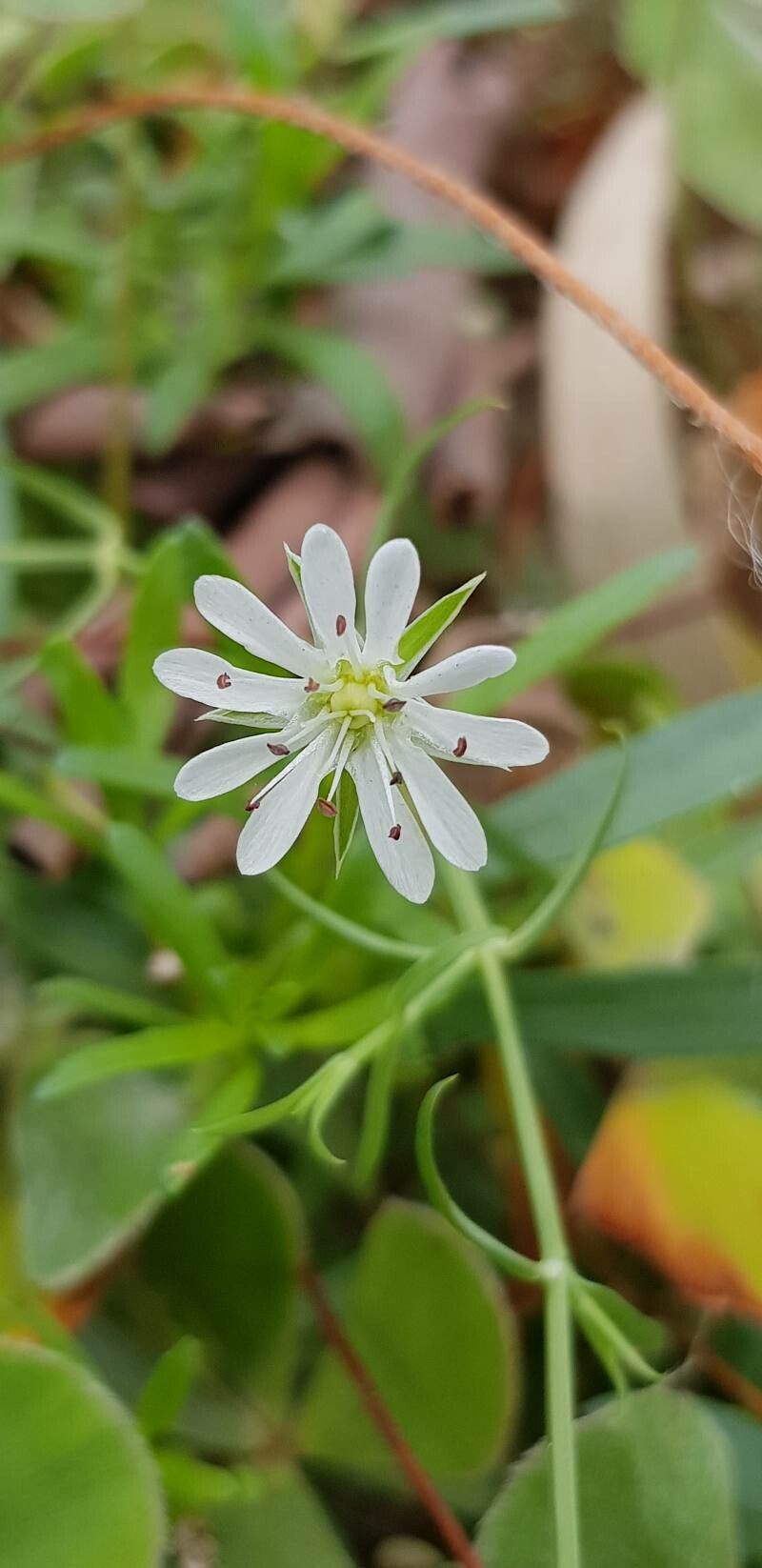
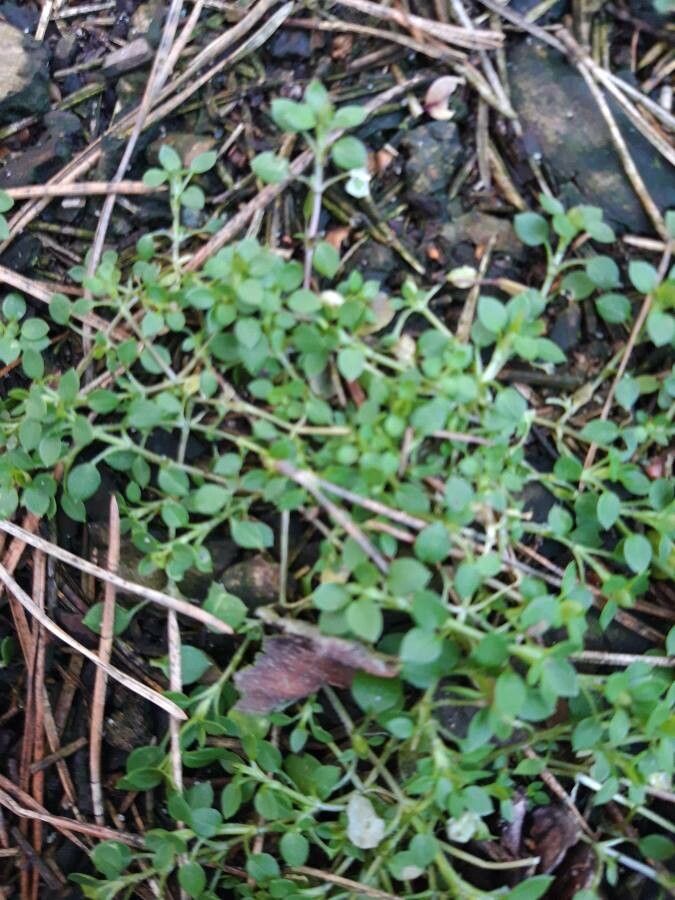
Stellaria neglecta, commonly known as common chickweed, is a small annual herbaceous plant belonging to the Caryophyllaceae family. It is native to Europe and Asia but has now spread throughout North America and other parts of the world. The plant grows up to 40 cm tall and has a sprawling habit with thin, hair-covered stems.
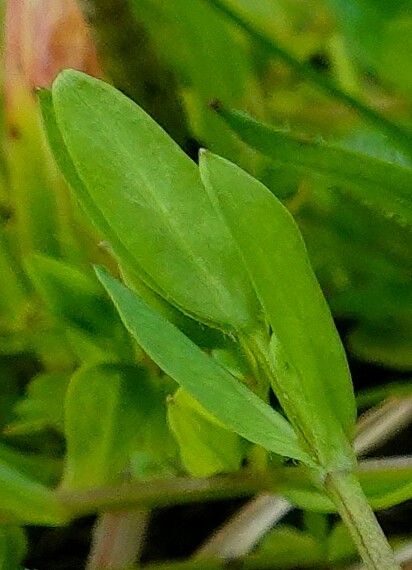
The leaves of Stellaria neglecta are oval-shaped with pointed tips and are arranged opposite each other along the stem. They are light green in color and have a smooth texture. The flowers are small, white or pinkish, and have five petals that form a star shape when fully open.
Common chickweed prefers moist soils but can grow in various soil types, including sandy and clay soils. It thrives well under partial shade or full sun exposure, making it adaptable to different environments.
This edible herb is used in culinary applications, as it contains vitamins A and C, along with minerals such as calcium, magnesium, and potassium, making it nutritious for human consumption.
In traditional medicine practices around the world, including in Europe where it originated, Stellaria neglecta has been used to treat various ailments. These include skin irritations like eczema, respiratory problems like coughs, and digestive issues like constipation. It possesses anti-inflammatory properties that help reduce inflammation within body tissues when ingested or applied topically on affected areas.
Overall, Stellaria neglecta is an intriguing herbaceous plant due to its adaptability, making it easy to grow, along with its nutritional benefits and medicinal properties. This makes the species valuable both ecologically and economically.
Greater chickweed is fairly disease-resistant and generally not prone to problems. However, it can be vulnerable to pests and diseases present in its environment. Such infections are typically not severe. Regarding maintenance, this plant requires a moderate level of care. Regular pruning is needed to preserve an attractive appearance and promote healthy growth. Fertilizing can also help encourage flowering. Greater chickweed is suitable for anyone with outdoor space, like a garden or patio, and does not demand extensive care experience. When grown indoors, it may require more attention.
How to keep Stellaria Neglecta.
Light
Greater chickweed is found in habitats with dappled sunlight, like forest understories or rocky sites that offer natural shade. It prefers partial sun but can also tolerate full sun.
Water
Greater chickweed is native to moist regions and prefers evenly moist soil, as it is sensitive to drought. It requires watering twice a week to maintain its moisture levels. This plant thrives in shaded areas, where mulching is beneficial for retaining soil moisture and preventing evaporation during peak seasons.
Temperature
Greater chickweed can tolerate a wide range of temperatures, but its distribution may still be constrained by different combinations of moisture and heat. It performs best in warm summer conditions with sufficient rainfall or irrigation. Extended periods of cloudy, rainy weather or prolonged high temperatures can increase the likelihood of it dying. In winter, adequate protection from the cold can improve the plant's chances of survival.
Fertilizer
Greater chickweed benefits from regular, light fertilizer applications to encourage healthy leaf development. You should fertilize Greater chickweed about once a month during the summer months. Nitrogen is essential for foliage, and providing nitrogen-rich sources helps Greater chickweed thrive.
Pruning
Greater chickweed has sprawling stems and small white flowers. To enhance air circulation and light penetration, prune the plant from early to late spring. Remove spent flowers to encourage new blooms and keep the plant looking tidy. Align your care with the plant's growth phases for optimal health.
Botanical profile.
- Plant Type
- Herb
- Life Cycle
- Annual, Perennial
- Genus
- Stellaria
- Family
- Caryophyllaceae
- Hardiness Zone
- 4-8
- Mature Height
- 10 cm to 40 cm
- Mature Spread
- 15 cm to 30 cm
- Leaf Color
- Light Green
- Leaf Type
- Evergreen
- Flower Color
- White
- Flower Size
- 0.51 cm to 1.02 cm
- Bloom Time
- Spring
- Planting Time
- Spring
- Harvest Time
- Late spring, Early summer, Mid summer
- Native Area
- Turkey, Sweden, Austria, Slovakia, Montenegro, Slovenia, Morocco, Croatia, Uzbekistan, Russia, Germany, Romania, Belgium, Portugal, Nepal, Netherlands, France, Tajikistan, Tunisia, Czech Republic, Bulgaria, Armenia, Poland, Greece, Ukraine, Serbia, China, Syria, Kyrgyzstan, Kazakhstan, Italy, Spain, Switzerland, Denmark, Japan, Albania, Ireland, United Kingdom, Hungary, Algeria, Azerbaijan, Turkmenistan
Other names.