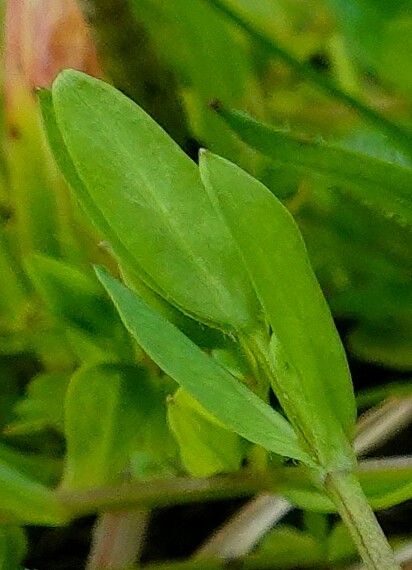
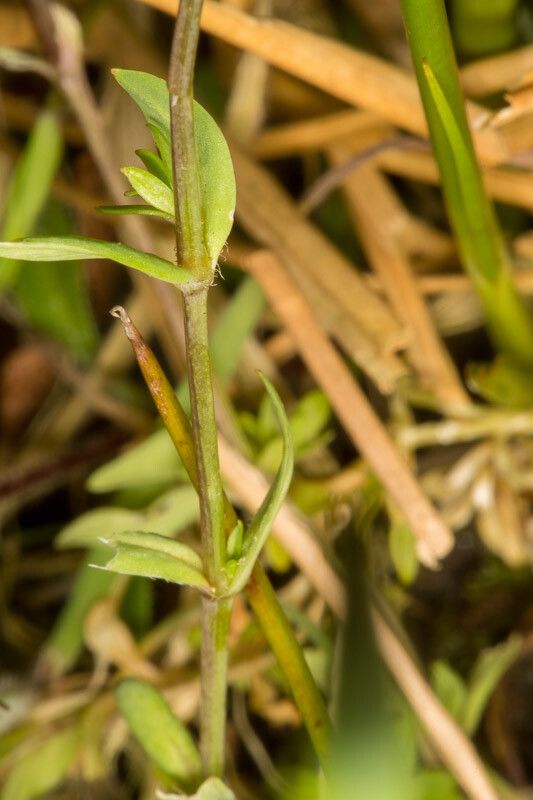
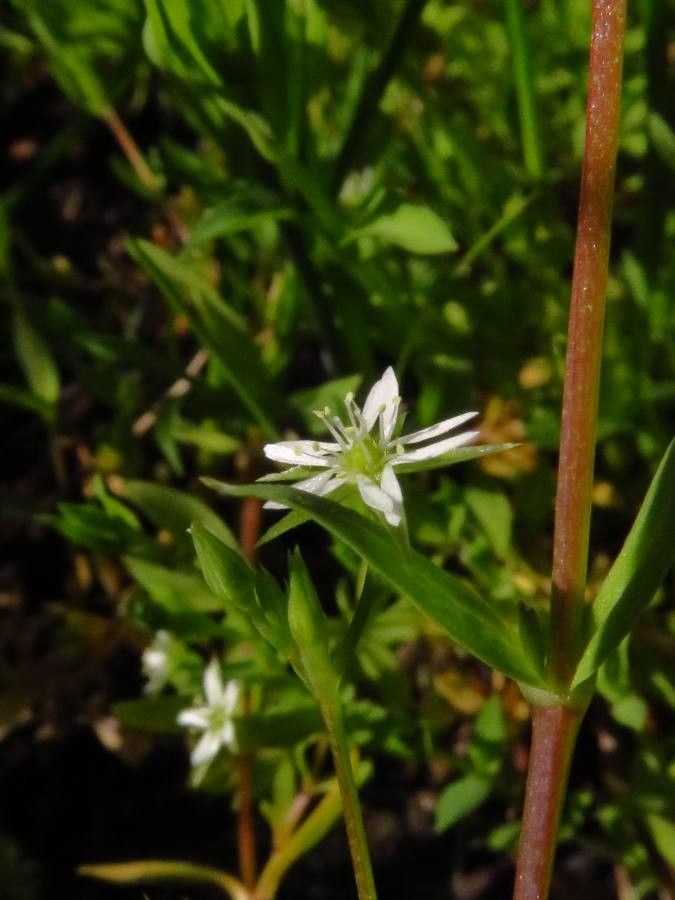
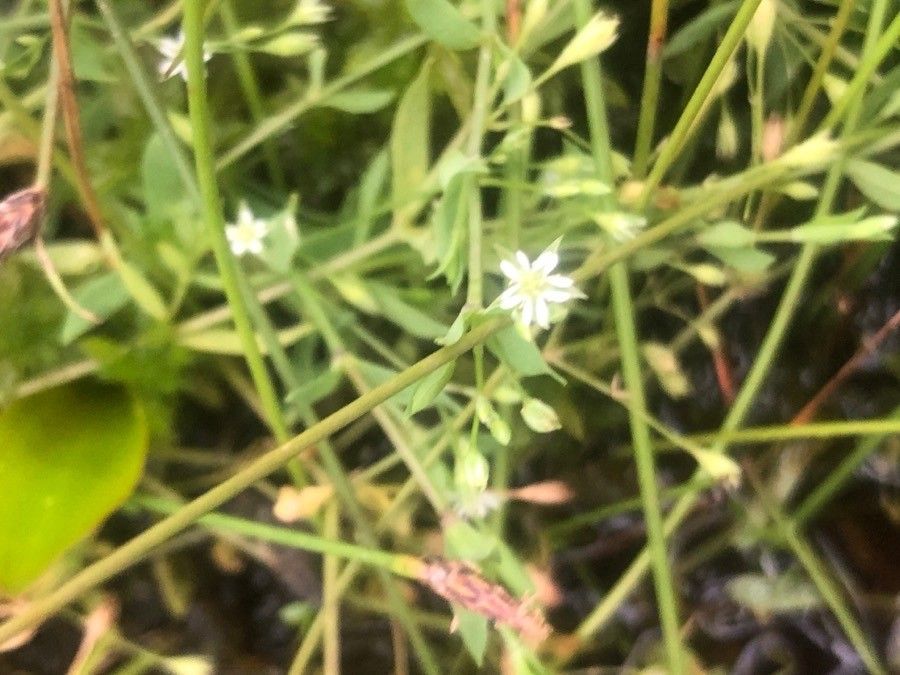
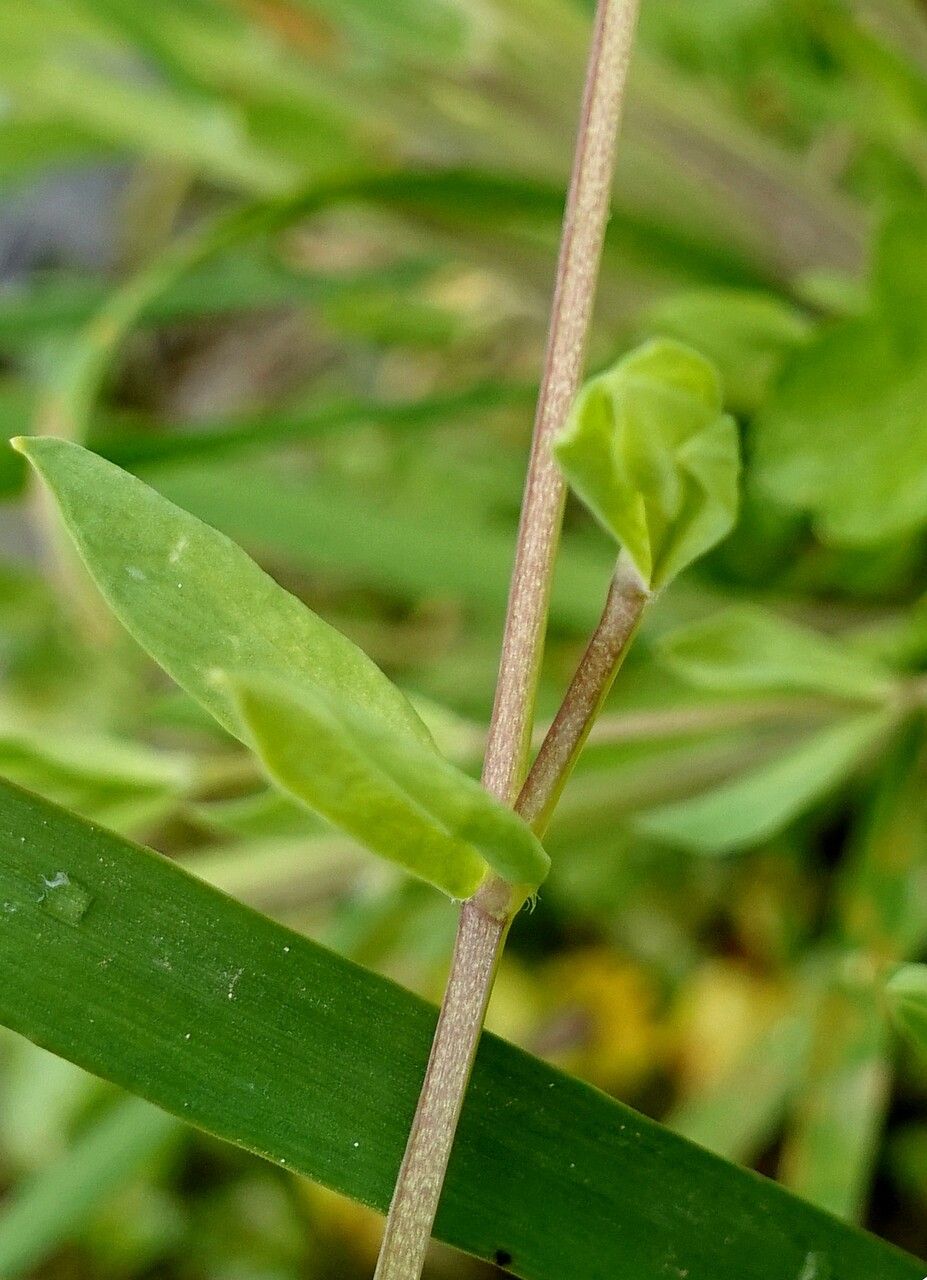
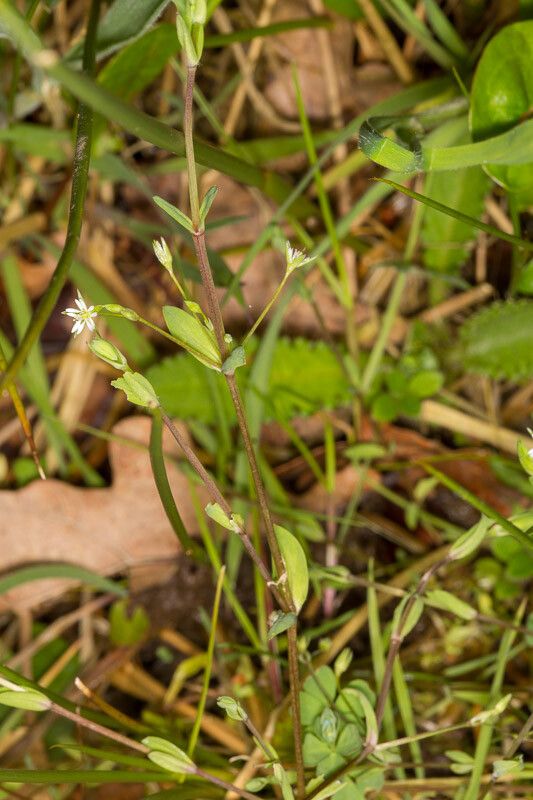
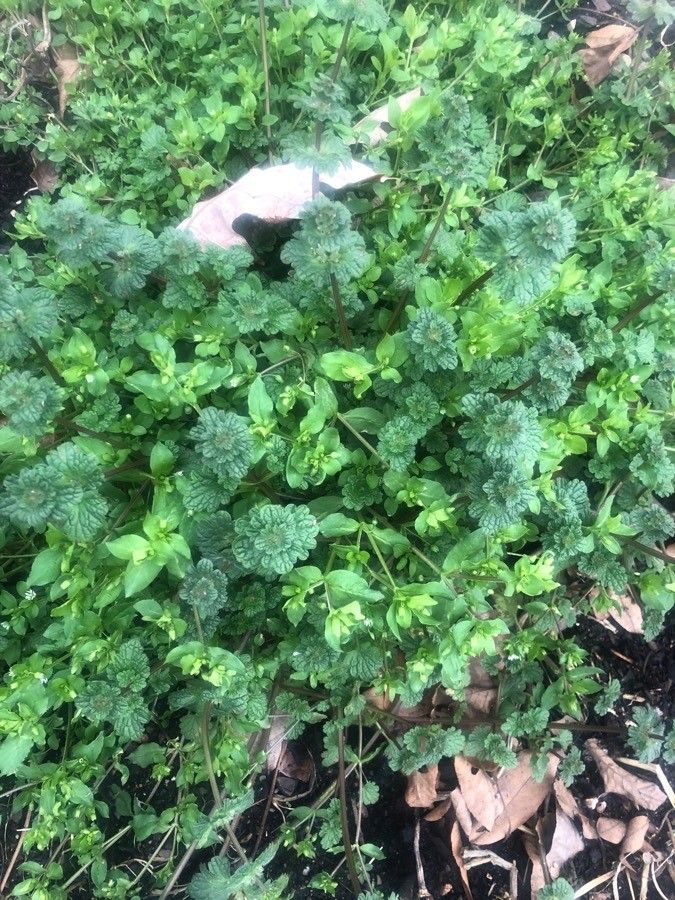
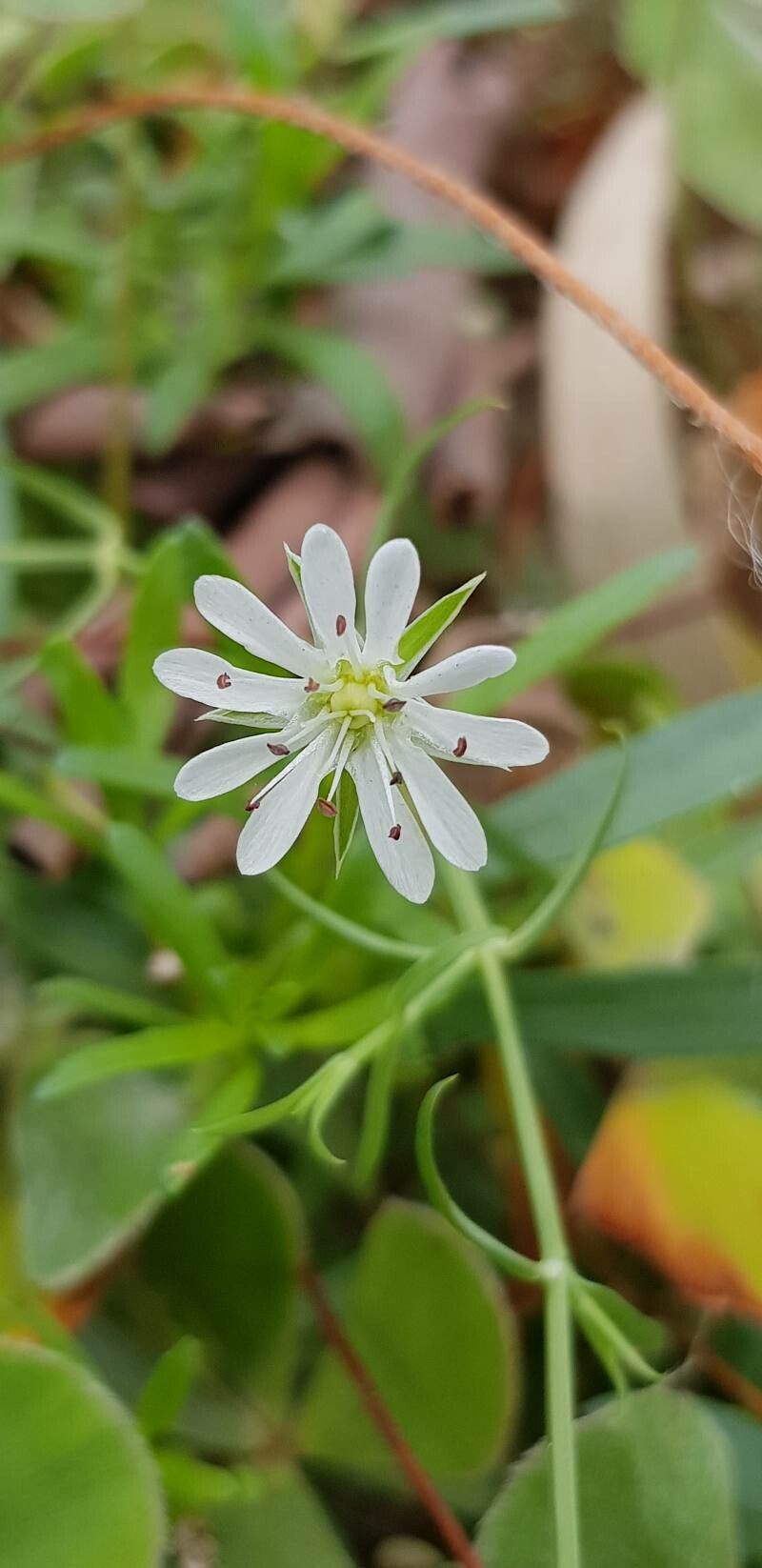
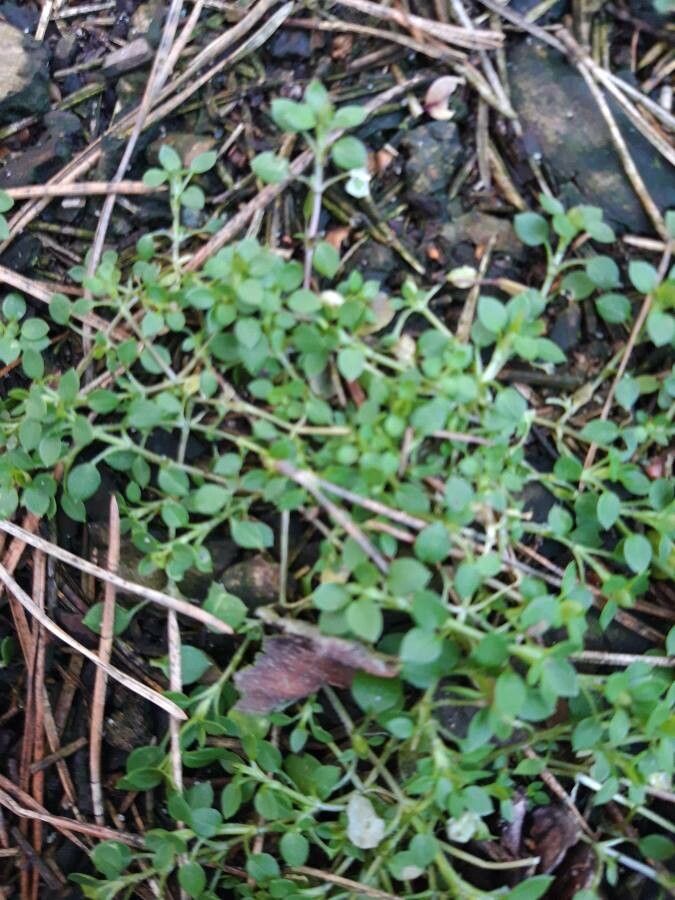
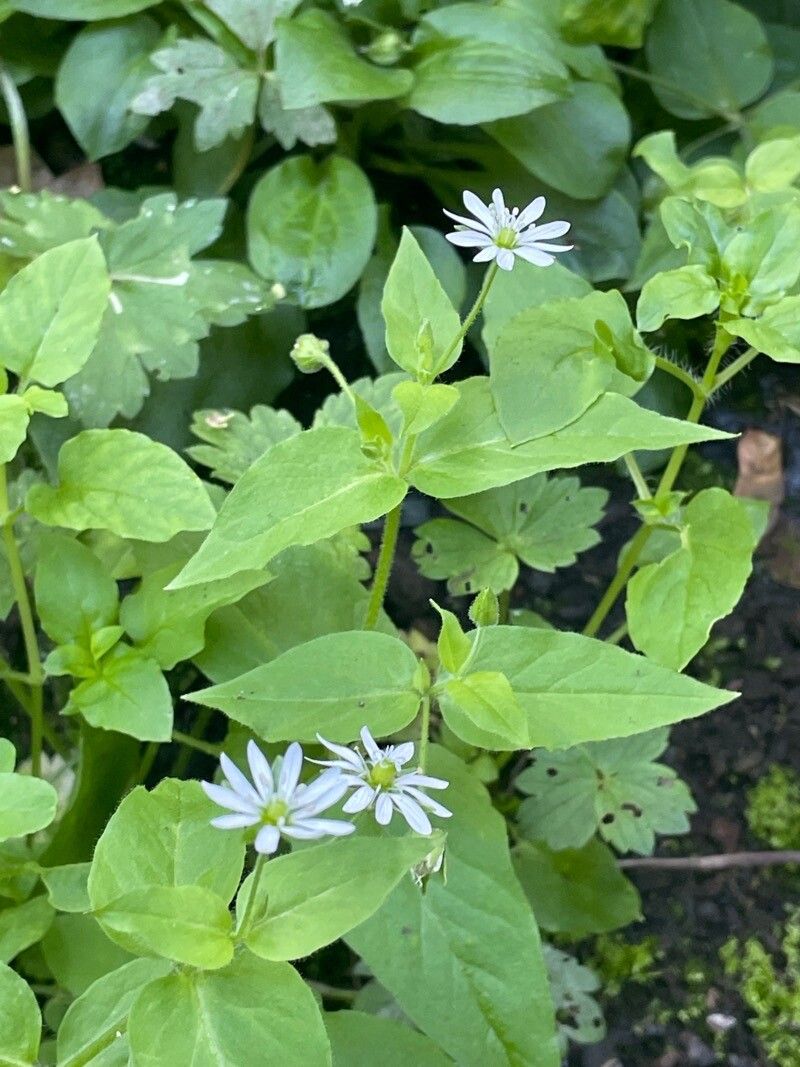
Stellaria alsine, commonly known as Lesser Stitchwort, is a small flowering plant in the Caryophyllaceae family. Native to Europe and Asia, it thrives in meadows, grasslands, and woodland edges. The plant reaches up to 30 cm in height, featuring slender stems that support small white flowers with five delicate petals. Its leaves are narrow, pointed, and bright green.
Lesser Stitchwort blooms from May to August, attracting bees and other pollinators. It serves as an important food source for various insects, including the caterpillars of the Common Blue butterfly.
Traditionally, the plant has been used in herbal medicine as an anti-inflammatory agent to treat skin conditions like eczema and psoriasis.
Overall, Stellaria alsine is a beautiful wildflower that enhances the charm of gardens and natural settings while providing crucial ecological benefits, such as supporting pollinators.
Common chickweed is fairly disease-resistant and is usually not prone to illness. However, it can be affected by pests and diseases present in its surroundings. These problems are typically mild. In terms of care, this plant requires moderate maintenance. Regular pruning is needed to keep it looking tidy and to support healthy growth. Fertilizing can also help encourage flowering. Common chickweed is suitable for anyone with outdoor space, such as a garden or patio, and does not require extensive gardening experience. It may need more attention when grown indoors.
How to keep Stellaria Alsine.
Light
Common chickweed thrives in places that are highly illuminated, meaning, regions that are exposed to sunlight for the major part of the day. It can survive in spaces with less sunlight, where the shadows are intermittent, but may not achieve optimal growth. An alteration in its growth can be a result of excessive sunshine or its shortage, either of which can pose a risk to the health of the plant.
Water
Bog chickweed flourishes in consistently moist environments and prefers soil that is evenly damp. To sustain the necessary moisture levels for its growth, water it weekly. This plant is well-suited for outdoor cultivation, especially in temperate climates with cooler temperatures and regular rainfall, as these conditions closely resemble its natural habitat, promoting optimal growth.
Temperature
The common chickweed is indigenous to temperate regions and thrives in climates with temperatures ranging from 20 to 35 ℃ (68 to 95 °F). During the changing seasons, it's crucial to maintain common chickweed within this temperature bracket for the best growth.
Fertilizer
Frequent application of mild fertilizer can enhance the leaf growth of Common chickweed. It is recommended to fertilize Common chickweed around once a month during the summer period. Nitrogen is essential for the plant's leaf development and using a supplement rich in nitrogen supports the thriving of Common chickweed.
Pruning
Bog chickweed flourishes in damp, boggy environments. To keep it healthy, prune it from early to late spring. Remove any dead stems and thin out crowded areas to improve air circulation. Cut above the leaf nodes to encourage new growth, which will boost both the plant's vitality and the overall appearance of your garden.
Botanical profile.
- Plant Type
- Herb
- Life Cycle
- Annual, Biennial, Perennial
- Genus
- Stellaria
- Family
- Caryophyllaceae
- Hardiness Zone
- 4-10
- Mature Height
- 10 cm to 30 cm
- Mature Spread
- 10 cm to 30 cm
- Leaf Color
- Green
- Leaf Type
- Deciduous
- Flower Color
- White
- Flower Size
- 0.20 cm to 0.51 cm
- Bloom Time
- Spring, Early summer, Fall
- Planting Time
- Spring, Autumn
- Harvest Time
- Mid spring, Late spring, Early summer, Mid summer, Mid fall, Late fall, Winter
- Native Area
- Sri Lanka, Libya, Turkey, Sweden, India, United Arab Emirates, Slovakia, Montenegro, Pakistan, Slovenia, Morocco, Croatia, Belarus, Germany, Koppen, Romania, Latvia, Belgium, Portugal, Netherlands, Saudi Arabia, Tunisia, Philippines, Cyprus, Bulgaria, Ukraine, Lebanon, China, Syria, Kyrgyzstan, Kazakhstan, Italy, Japan, Finland, Iran, Azerbaijan, Kuwait, Egypt, Austria, Yemen, Uzbekistan, Russia, Iraq, Iceland, Estonia, Oman, South Korea, France, Nepal, Tajikistan, Czech Republic, Armenia, Poland, Greece, Serbia, Lithuania, Norway, Spain, Switzerland, Denmark, Bhutan, Albania, Ireland, United Kingdom, Hungary, Algeria, Thailand
Other names.
Reader questions.
How should I water my Bog chickweed?
To water Bog chickweed, there are several options you can choose from. You can use a garden hose with a spray nozzle, a watering can, or any other common watering tool. This plant is not too picky about its water source, as it can thrive with rainwater, tap water, or filtered water. However, it's generally best to avoid watering it from above, as this can harm the leaves and flowers and potentially cause disease. A drip irrigation system is often the recommended method for watering Bog chickweed, as it provides even and direct watering to the soil. If you have a container-grown Bog chickweed, you can use a cup, watering can, or your tap to apply water directly to the soil, using a similar approach.
What are the sunlight requirements for Bog chickweed?
Bog chickweed thrives best with an abundance of sun exposure for optimal growth, though it can also endure somewhat shaded environments. This plant requires full sun, meaning it needs above 6 hours of sunlight per day, or partial sun, about 3-6 hours of sunlight per day, to grow healthily. However, it's vital to watch how sunlight moves through your garden and choose spots that ensure a perfect balance of light and shade for your plants, guaranteeing their happiness. Too much shade may impede its development, while an abundant sun might favor its health, aligning with the plant's natural habitat conditions.
What is the native climate of Bog chickweed?
Bog chickweed, botanically known as Stellaria alsine, is native to temperate regions. It prefers temperatures ranging from 68 to 100.4°F (20 to 38°C). To thrive, it requires specific conditions, especially during extreme weather. In the scorching summer months, providing shade can help mimic its cooler native environment. Conversely, in colder seasons, it's crucial to ensure the temperature does not fall below its preferred range, though the plant does have a strong resistance to cold.
What should I do if I give too much or too little water to my Bog chickweed?
To prevent underwatering of your Bog chickweed, simply start watering it more regularly when you notice it lacks moisture. Overwatering, on the other hand, can be more serious if not caught early. It can cause diseases, leading to the decline and death of your plant. To avoid this, choose a growing location with plenty of sunlight to dry the soil and good drainage to prevent waterlogging. If you overwater your potted Bog chickweed, consider transferring it to a new pot with better drainage and loose soil.
How can artificial lighting be used for indoor Bog chickweed plants?
For indoor Bog chickweed plants, when natural sunlight is insufficient, particularly in winter or less sunny spaces, artificial lights offer a vital solution. They promote faster, healthier growth by providing adequate lighting, which can be accomplished by choosing the right type of artificial light, like LED lights, and ensuring they provide the specific wavelengths of light that the plant needs. Full sun plants should receive 30-50W/sq ft, partial sun plants 20-30W/sq ft, and full shade plants 10-20W/sq ft of artificial light. The light source should be placed 12-36 inches above the plant to mimic natural sunlight, and most plants need 8-12 hours of light per day.
How should you protect Bog chickweed in winter?
Bog chickweed has an inherent strong cold resistance, eliminating the need for special frost protection measures during most winters. However, if temperatures are anticipated to plummet below -30°C, it's important to take steps to protect the plant from the cold. This protection could involve covering the plant with soil or straw. Additionally, before the onset of the first freeze in autumn, it is advisable to water the plant abundantly. This ensures the soil remains moist as it enters a frozen state, thereby preventing drought and water scarcity for the plant during the winter and early spring months.
How frequently should I water my Bog chickweed?
Bog chickweed requires regular watering throughout its growing season. In the spring, it should be watered approximately once a week. As the season progresses and temperatures rise, the watering frequency may need to be increased to two to three times per week. However, excessive watering can harm the plant, so it's important to keep the soil consistently moist but not overly wet. When growing Bog chickweed in a pot, watering needs differ slightly. Potted plants tend to dry out faster, so you'll generally need to water them more frequently. For container-grown Bog chickweed, watering a few times per week is usually necessary, compared to just once per week for plants in the ground.
What symptoms indicate that Bog chickweed is receiving inadequate light?
If Bog chickweed is cultivated indoors with inadequate light, it may show signs of light deficiency, including small leaves, leggy or sparse growth, faster leaf drop, slower or no new growth, lighter-colored new leaves, chlorosis, sunscald, leaf curling, wilting, and leaf scorching. Each of these symptoms can indicate that the plant is not receiving enough sunlight or is being overexposed to it, affecting its ability to photosynthesize properly and maintain healthy growth and appearance.
How does Bog chickweed react to low temperatures?
Bog chickweed thrives best when the temperature remains above 20°C and should ideally be kept above 0°C during winter. Despite its cold tolerance, when the temperature falls below -30°C, there might not be noticeable changes during the winter. However, this extreme cold can lead to a decrease in sprouting or even complete absence of sprouting in spring. In such cases, the recommended solution is to remove any parts of the plant that have failed to sprout, as they occur during the following spring.
How much water does my Bog chickweed require?
There are a few ways to determine how much water to give your Bog chickweed. Some gardeners feel the soil to gauge moisture levels and water until the top six inches are moist. Alternatively, you can use a set measurement and give your plant about two gallons of water per week, adjusting based on temperature and soil dryness. However, be cautious with strict guidelines as overwatering may occur if your plant needs less. When growing in a container, water all layers of dry soil and check moisture by sticking your finger in or allowing excess water to drain from the pot's holes.
What solutions can help improve light conditions for Bog chickweed?
To ensure optimal growth for Bog chickweed, gradually move plants to sunnier locations until they get at least 6 hours of direct sunlight daily. Utilize a south-facing window and keep curtains open during the day for maximum sunlight exposure. For indoor plants that are large or not easily movable, consider using artificial light by keeping a desk or ceiling lamp on for at least 8 hours daily, or invest in professional plant grow lights. When aiming to improve outdoor sunlight exposure, make changes gradually to avoid sunburn. Obstructions to sunlight, like tree branches, should be minimized by pruning. If necessary, transplant smaller plants during their dormant period, typically late winter or early spring, to a location with better sunlight and drainage. Note that parts of the plant that were previously affected by insufficient light may not recover, but new growth should be healthy with improved light conditions.
What are the effects of high temperatures on Bog chickweed and how can they be mitigated?
During the summer, it's crucial to ensure that Bog chickweed is kept below 38°C. Exceeding this threshold, specifically temperatures above 43°C, can cause significant stress to the plant. The leaves may lighten in color, become prone to curling, suffer from sunburn, and in severe cases, the plant might wilt and dry out entirely. To mitigate these effects, trim away the sunburned and dried-up parts of the plant. Relocating the plant to a shaded area or utilizing a shade cloth can provide protection from the intense midday and afternoon sun. Additionally, maintaining soil moisture through watering in the morning and evening is essential.