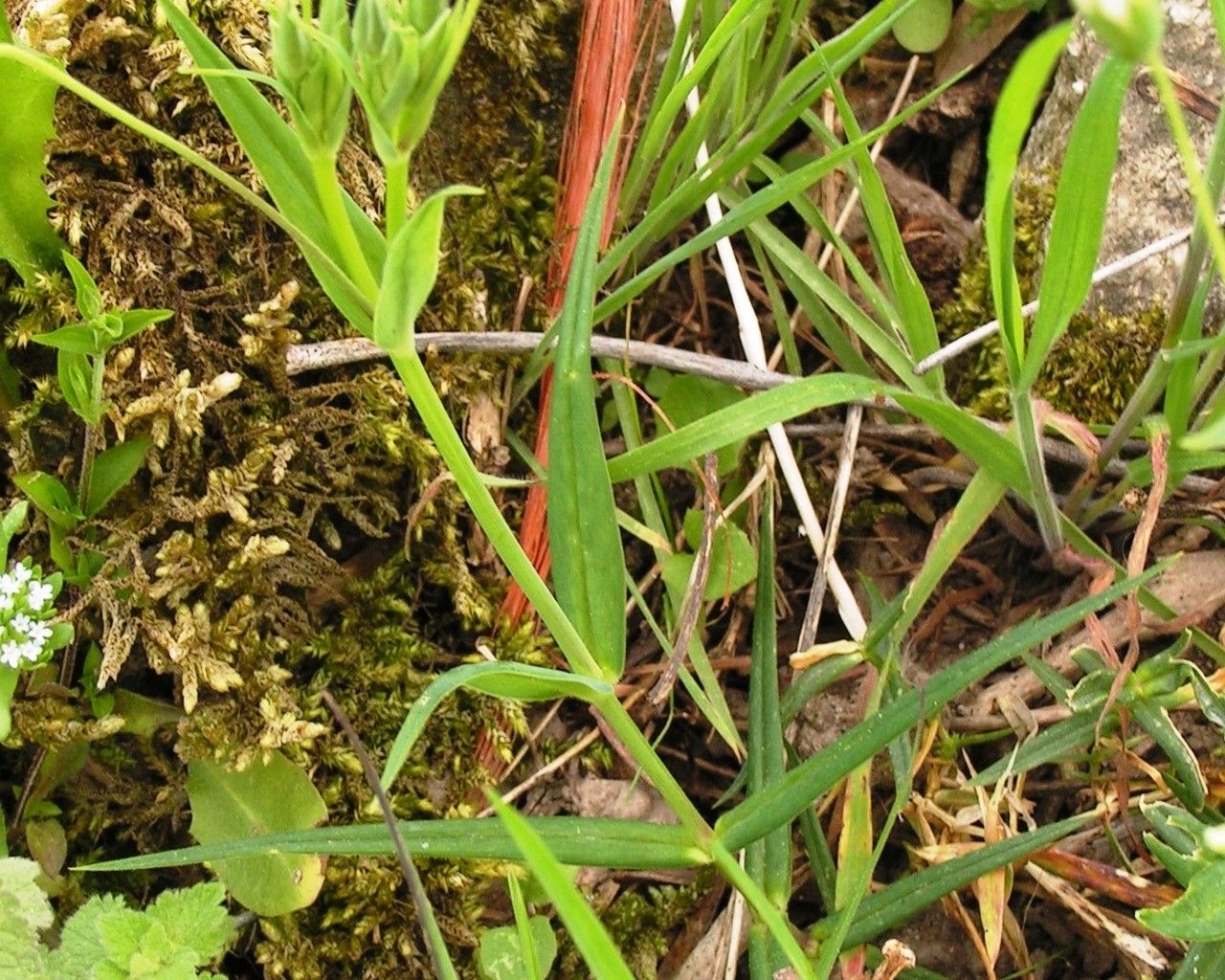
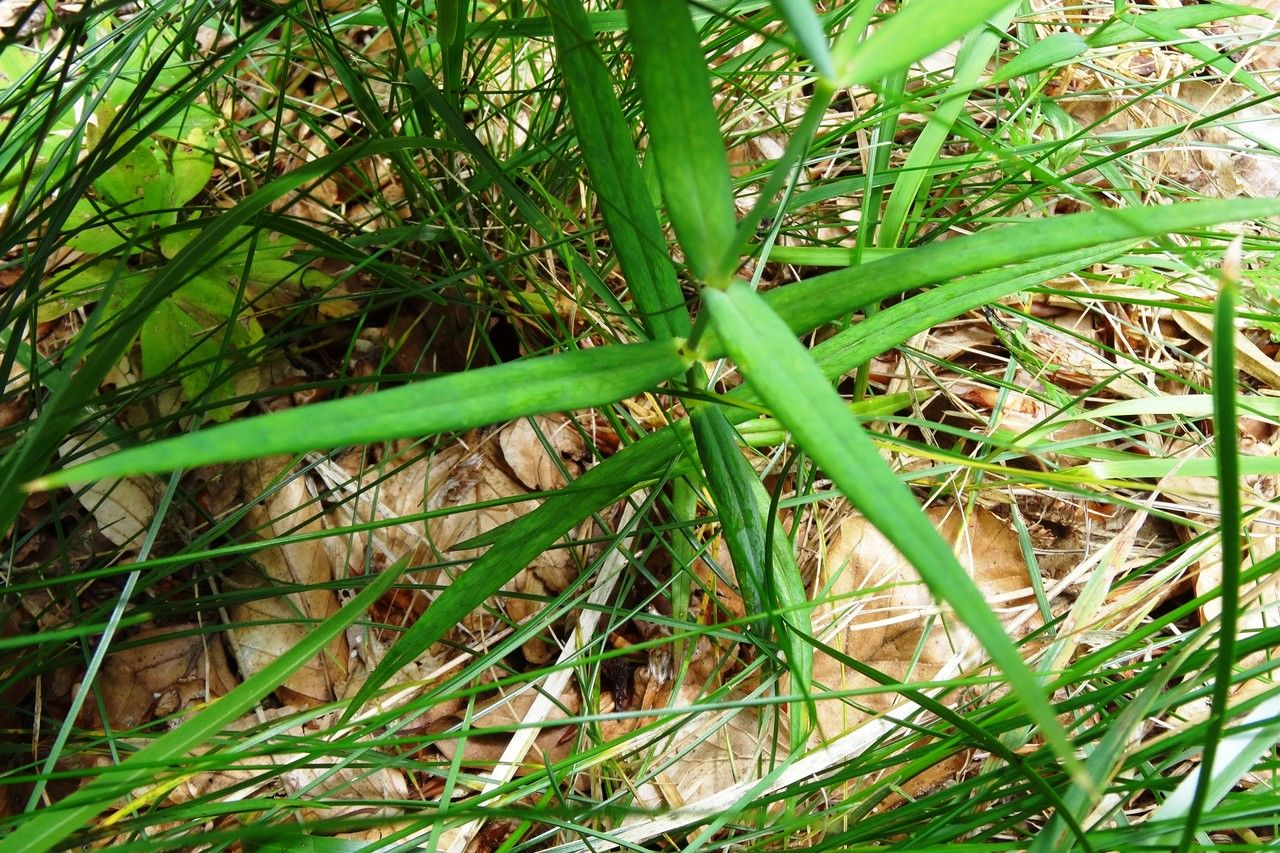
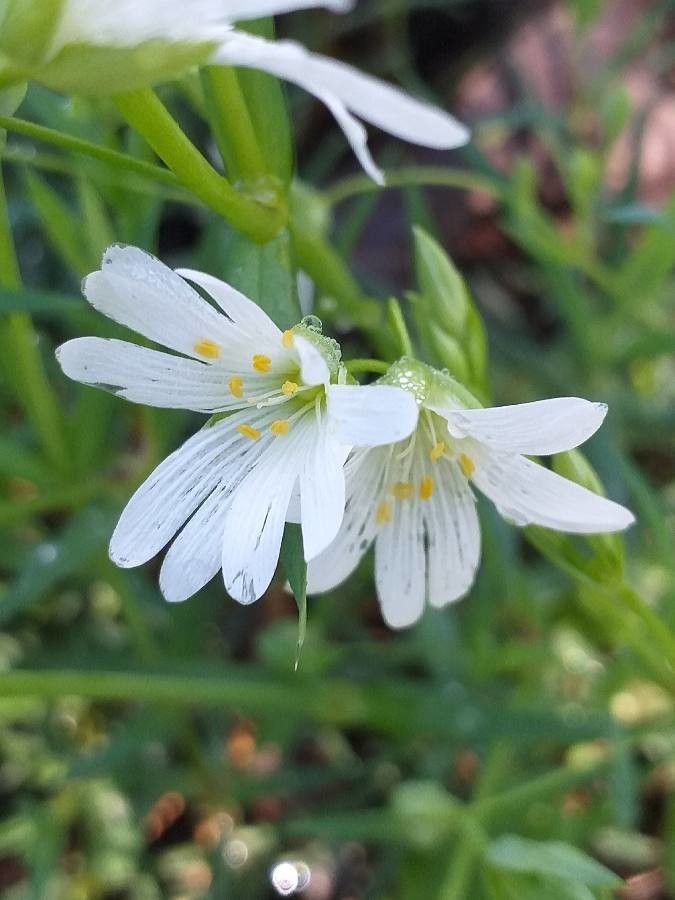
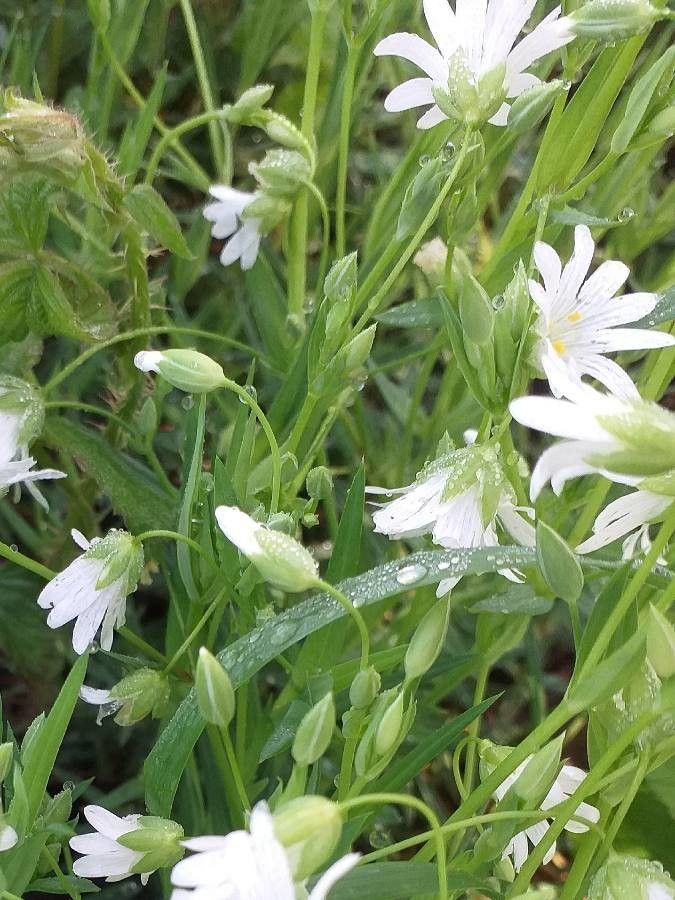
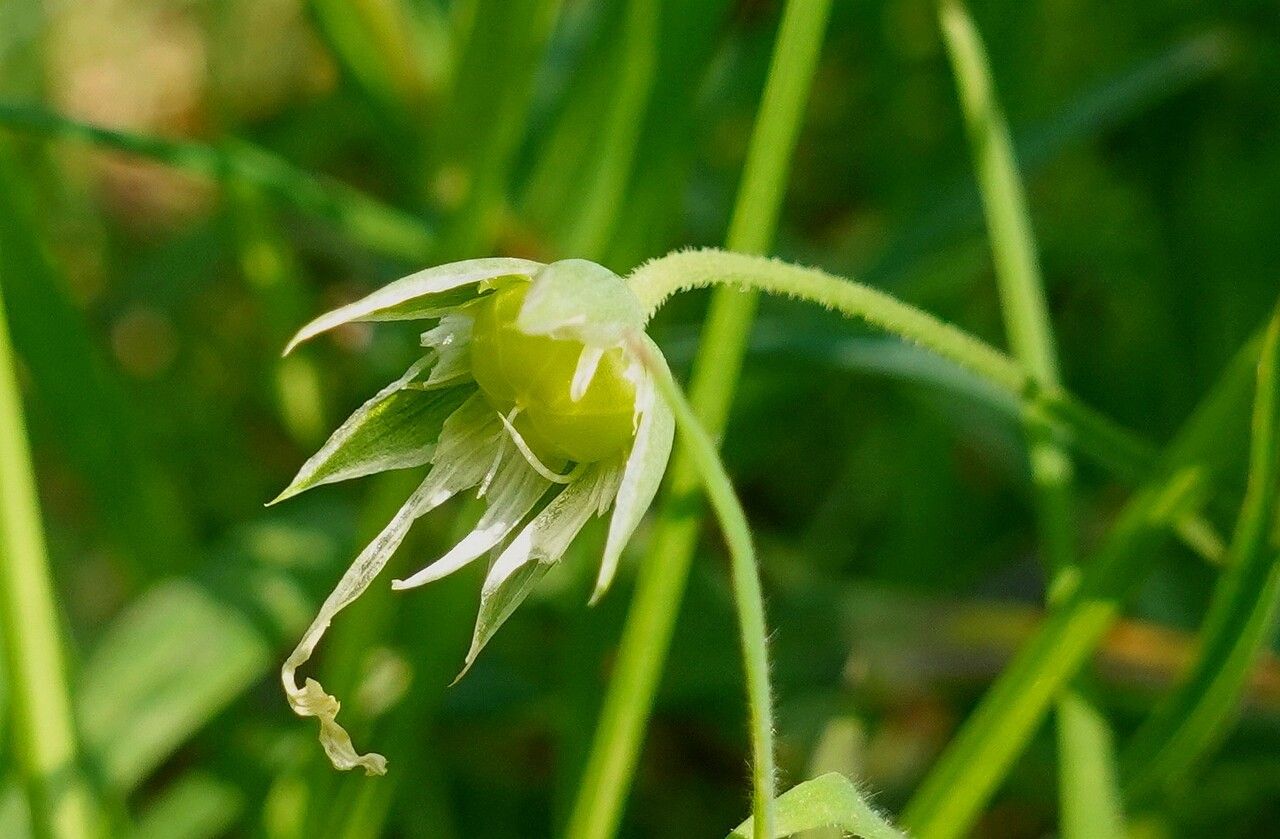
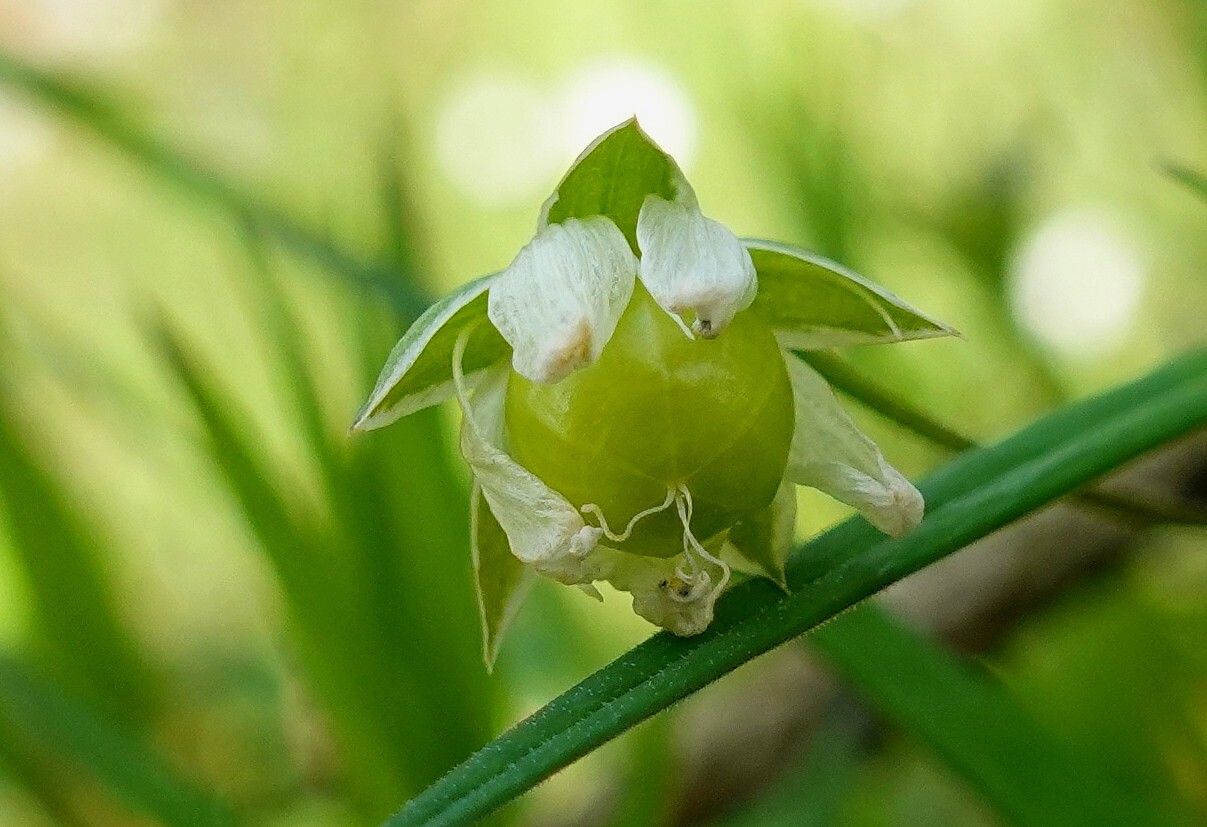
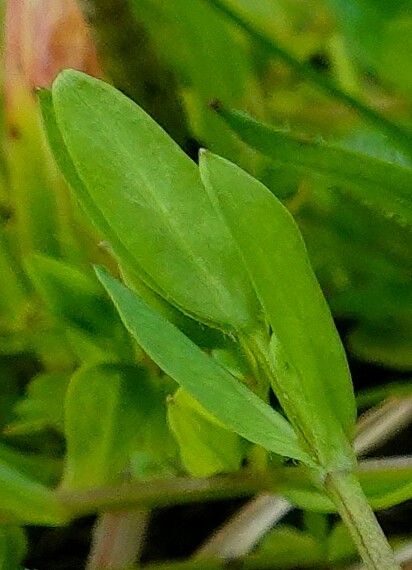
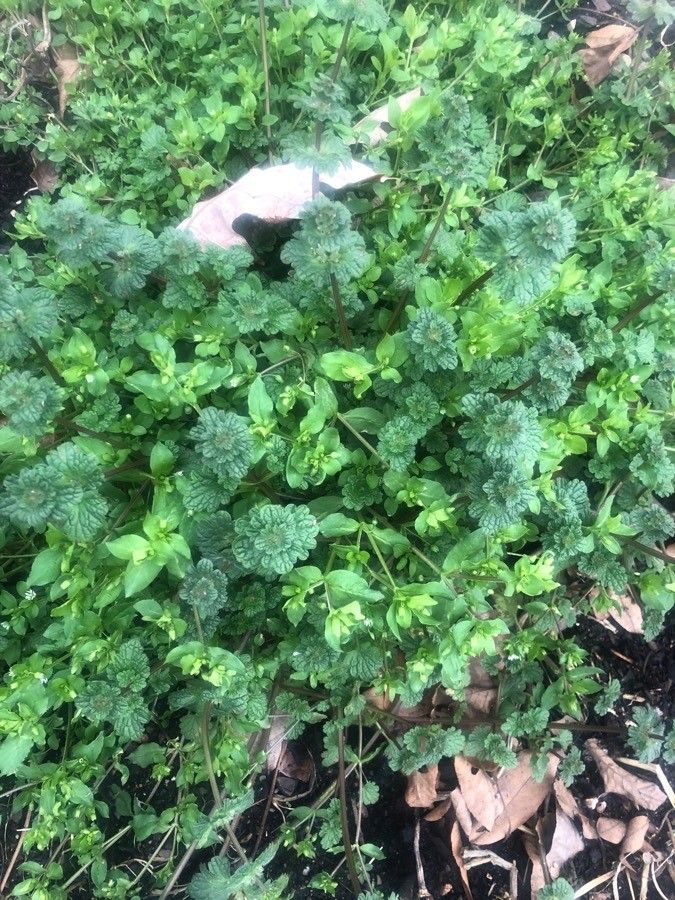
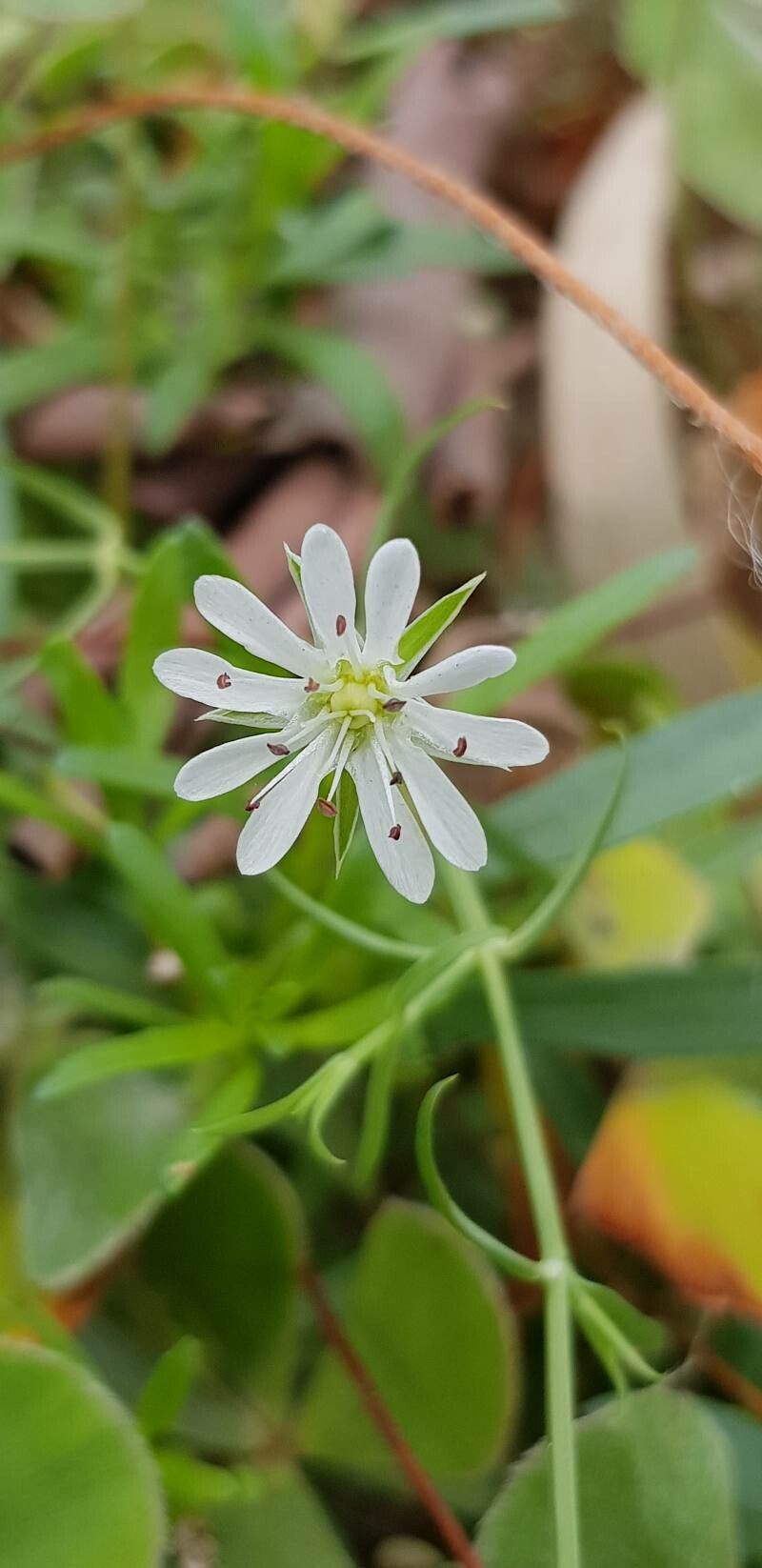
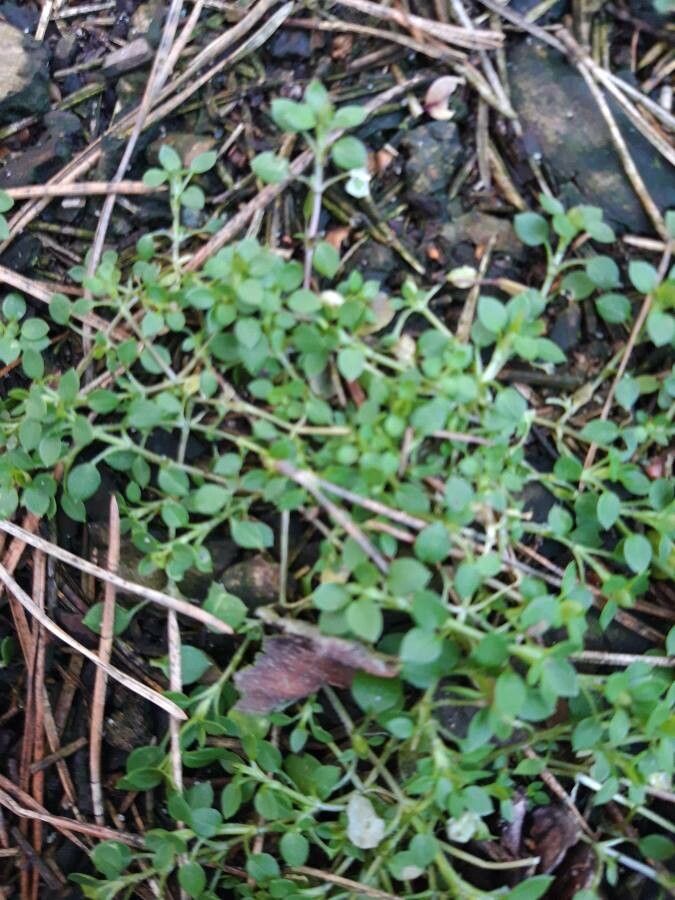
Rabelera holostea, known as greater stitchwort, greater starwort, and addersmeat, is a perennial herbaceous flowering plant in the family Caryophyllaceae. It was formerly placed in the genus Stellaria, as Stellaria holostea, but was transferred to the genus Rabelera in 2019 based on phylogenetic analyses. It is the only species in the genus Rabelera. Greater stitchwort is native to Western and Central Europe, including the British Isles. Greater stichwort can be found in woodlands, edges, and open fields and is sometimes grown in gardens.
Greater stitchwort is fairly disease-resistant and generally not susceptible to many illnesses. Still, it can be affected by pests and diseases present in its environment. When they occur, these problems are typically mild. Care-wise, the plant needs a moderate amount of attention. Regular pruning is necessary to keep a tidy appearance and support healthy growth. Applying fertilizer can also encourage better flowering. This species is well suited to anyone with an outdoor area, such as a garden or patio, and does not demand extensive horticultural experience. It may, however, need more attentive care if cultivated indoors.
How to keep Stellaria Holostea.
Light
Greater stitchwort does best in moderate light and can tolerate stronger light when required. The plant's native habitat indicates an adaptation to places with variable sunlight. However, too much or too little light may impair the plant's growth and health.
Water
Greater stitchwort, native to European woodlands, flourishes in consistently moist soil that offers good drainage and moderate drought tolerance. For optimal growth, it should be watered weekly. Typically, this plant is grown outdoors and adapts well to temperate climates. Its flowering is closely related to receiving adequate water during the growing season.
Temperature
Greater stitchwort originates from temperate regions and does best in temperatures of 32 to 77°F (0 to 25℃). During seasonal shifts, adjustments may be required to keep temperatures within that range, ensuring healthy plant growth.
Fertilizer
The best time to fertilize a Greater stitchwort is in early spring, when it is coming out of dormancy and beginning active growth. Fertilization supplies essential nutrients needed for healthy development. Although Greater stitchwort has relatively low fertilizer requirements, applying fertilizer annually can improve its survival and encourage better, longer-lasting flowers.
Pruning
Greater stitchwort is a herbaceous perennial known for its star-shaped white flowers. To encourage growth and flowering, prune the plant from early to late spring. Remove any dead stems and trim back overgrown areas using clean shears to minimize damage. Proper pruning helps prevent overcrowding and improves airflow, promoting a healthier plant.
Toxicity
Stellaria holostea has no toxic effects reported.
Further reading →
The toxicity and danger assessments provided are for reference only. We do not assure their accuracy, so it's crucial not to depend on them. Seek professional advice when necessary for accurate guidance.
Botanical profile.
- Plant Type
- Herb
- Life Cycle
- Perennial
- Genus
- Stellaria
- Family
- Caryophyllaceae
- Hardiness Zone
- 3-6
- Mature Height
- 61 cm
- Mature Spread
- 49 cm
- Leaf Color
- Green
- Leaf Type
- Deciduous
- Flower Color
- White
- Flower Size
- 2.03 cm to 3.05 cm
- Bloom Time
- Mid spring, Late spring, Early summer
- Planting Time
- Autumn, Winter
- Harvest Time
- Early summer, Mid summer
Other names.
Reader questions.
How should I water my Greater stitchwort plant?
To care for the Greater stitchwort, it's best to water it with filtered water at room temperature. Tap water may contain harmful particles, so filtered water is preferable. The plant prefers warm conditions, so using cold water can be a shock to its system. It's important to avoid overhead watering, as it can cause problems with the foliage. Instead, apply filtered room temperature water directly to the soil until it is completely soaked. This helps to moisten the roots and promote their spread through the soil for nutrient collection.
Why should I put fertilizer on my Greater stitchwort?
The leaves of the Greater stitchwort are a crucial part of its structure. Fertilizing the plant is a key way to make sure the leaves look good and function well. Proper fertilization will give the leaves a consistent color and healthy texture. It also helps the plant below the surface by promoting new root growth and maintaining existing roots. This means that fertilizing doesn't just keep the plant healthy in the present, but also helps it absorb nutrients from the soil in the future.
What are the sunlight requirements for Greater Stitchwort?
Greater Stitchwort requires partial sun to full sun to thrive, meaning it needs about 3-6 hours of sunlight if it's partial sun and above 6 hours for full sun. However, it's essential to watch how sunlight moves through your garden to ensure you're providing the right balance of light and shade for these plants. This careful observation helps ensure the plants' happiness and health.
What is the native climate for Greater Stitchwort?
Greater Stitchwort thrives best in regions wiht moderate climates, requiring temperatures to be maintained between 32 to 77°F (0 to 25°C). It is notably cold-tolerant, meaning it can withstand colder temperatures without needing extra frost protection measures. However, to prepare for winter and ensure the soil retains moisture, it's advised to water the plant generously before the first freeze in autumn.
What should I do if I give my Greater stitchwort too much or too little water?
Overwatering your Greater stitchwort can cause wilted and yellow leaves, while underwatering may make the leaves brittle and brown. Overwatering is a more common problem and can lead to diseases like root rot, mold, and mildew, which may be deadly for your plant. However, underwatering is less likely since this plant can tolerate drought. It's important to watch for signs of overwatering and take action promptly. Some diseases caused by overwatering, such as root rot, may be irreversible if not addressed early. If you notice signs of overwatering, reduce watering and check the soil's drainage. If it drains poorly, replace it with a loose, well-draining potting mix. On the other hand, if your plant shows signs of needing more water, simply increase watering until the signs improve.
When should I fertilize my Greater stitchwort plant?
If you grow your Greater stitchwort outdoors each year, you'll notice new growth shooting out in early spring. This signals that it's time to fertilize. Usually, a single application of fertilizer is sufficient for a Greater stitchwort in the spring. However, if you want to maximize its growth, you can fertilize it multiple times during the spring and early summer. If you opt for this approach, feed your Greater stitchwort approximately once every month to a month and a half.
How essential is lighting for Greater Stitchwort's growth?
Lighting is critical for the growth and health of Greater Stitchwort. It thrives under moderate light exposure but can endure more intense light if necessary. Its adaptation to fluctuating sunlight in its original habitat highlights its resilience. However, it's crucial to avoid both surplus and deficit of light, as these can impede the plant's development. For indoor plants where natural sunlight is insufficient, especially during winter or in less sunny spaces, artificial lighting can significantly promote healthier and faster growth.
How does Greater Stitchwort respond to extreme temperatures?
Greater Stitchwort shows a remarkable tolerance to low temperatures, remaining unharmed even when the winter temperature plunges below -35°C. Despite this resilience, extremely cold temperatures might affect its ability to sprout in spring, which can be remedied by removing parts that fail to sprout. Conversely, it is not tolerant of high temperatures; excessive heat (above 25°C) halts its growth and increases the risk of rot. To counteract heat stress, affected plant parts should be trimmed, and the plant should be moved to a shaded location or covered with a shade cloth. Additionally, watering in the morning and evening helps keep the soil moist and supports the plant's health in high temperatures.
How often should I water my Greater stitchwort plant?
If your Greater stitchwort is growing in a pot, the most accurate way to determine if it needs water is by sticking your finger into the soil. If the first two to three inches of soil are dry, it's time to water it. If you are growing it outdoors in the ground, you can use the same method to test the soil. When the top few inches of soil are dry, it's time to water. In the spring and early fall, you may need to water once a week using this method. During extremely hot weather, you may need to water twice a week or more. However, mature Greater stitchwort plants are quite resilient and can withstand periods of drought.
When is it not a good idea to put fertilizer on my Greater stitchwort plant?
During the late fall and winter, your Greater stitchwort enters a dormant phase and stops producing new growth. It is important to avoid fertilizing it during this time. In the spring and summer, if you choose to fertilize multiple times, gradually reduce the amount as summer approaches because the growth rate of your Greater stitchwort will slow down. Overall, it is not recommended to fertilize your Greater stitchwort when the weather is unusually hot or the soil is excessively dry. Fertilizing in such conditions can stress the plant and cause it to die prematurely.
What artificial lighting options are available for indoor Greater Stitchwort?
For indoor Greater Stitchwort, adequate lighting is vital for optimal growth when natural sunlight is lacking. LED lights are a popular and effective choice because they can be customized to specific wavelengths needed by your plants. Depending on the plant's sunlight requirement, full sun plants need 30-50W/sq ft, partial sun plants need 20-30W/sq ft, and full shade plants need 10-20W/sq ft of artificial light. The light source should be placed 12-36 inches above the plant, mimicking natural sunlight, and plants typically require 8-12 hours of light per day.
How much water does my Greater stitchwort require?
When watering your Greater stitchwort, don't hold back on the amount of water you give. Wait until the first two to three inches of soil are dry, then water the plant thoroughly, letting the soil soak completely. Make sure to add enough water so that excess water drains out of the pot through the drainage holes. If you don't see any excess water draining, it means you haven't watered enough. However, be careful not to let water accumulate in the soil, as this can harm the plant. On the other hand, if water doesn't drain through the pot, it could be a sign of poorly draining soil, which is not good for the plant's health. If the plant is outside, about 1 inch of rain per week is enough.