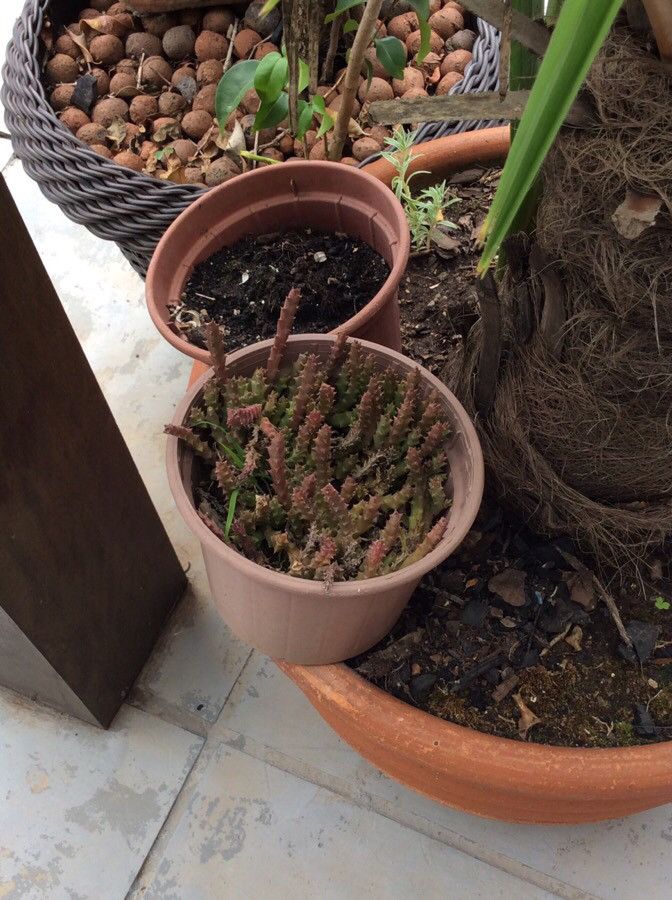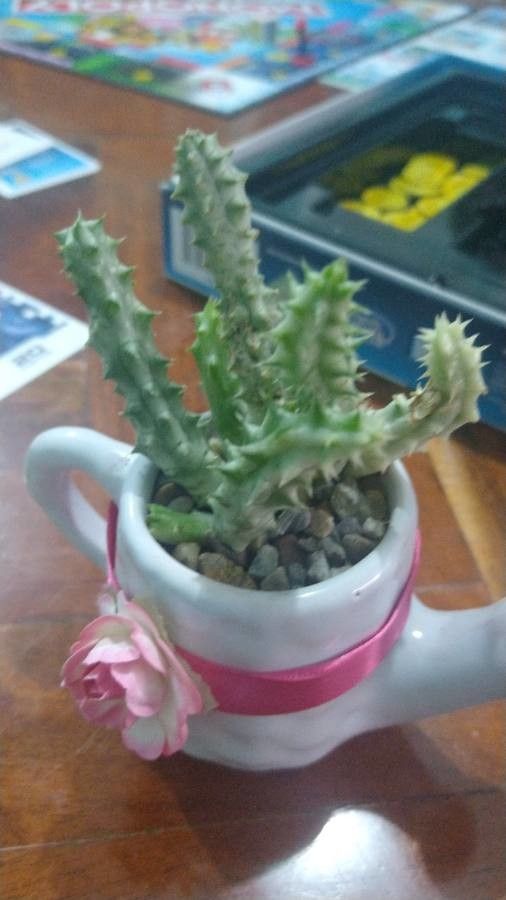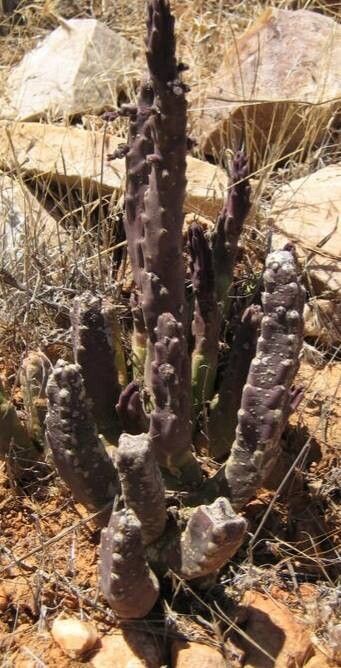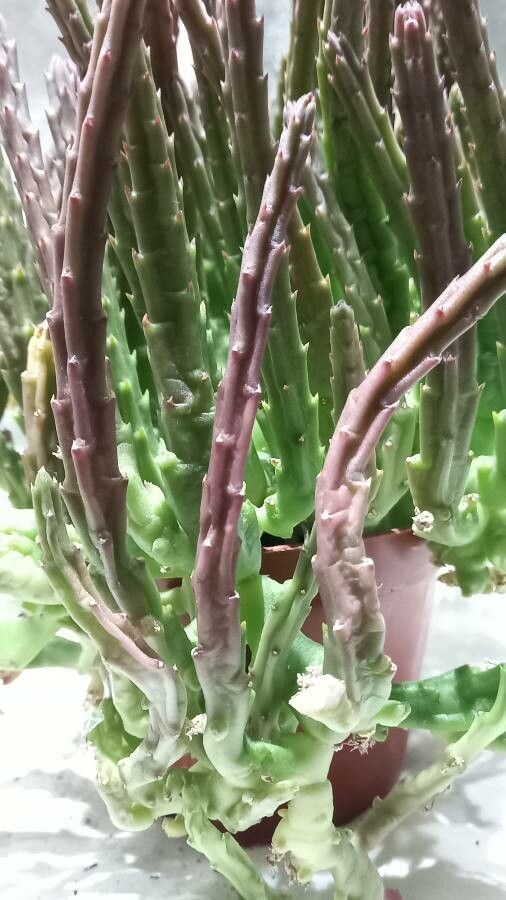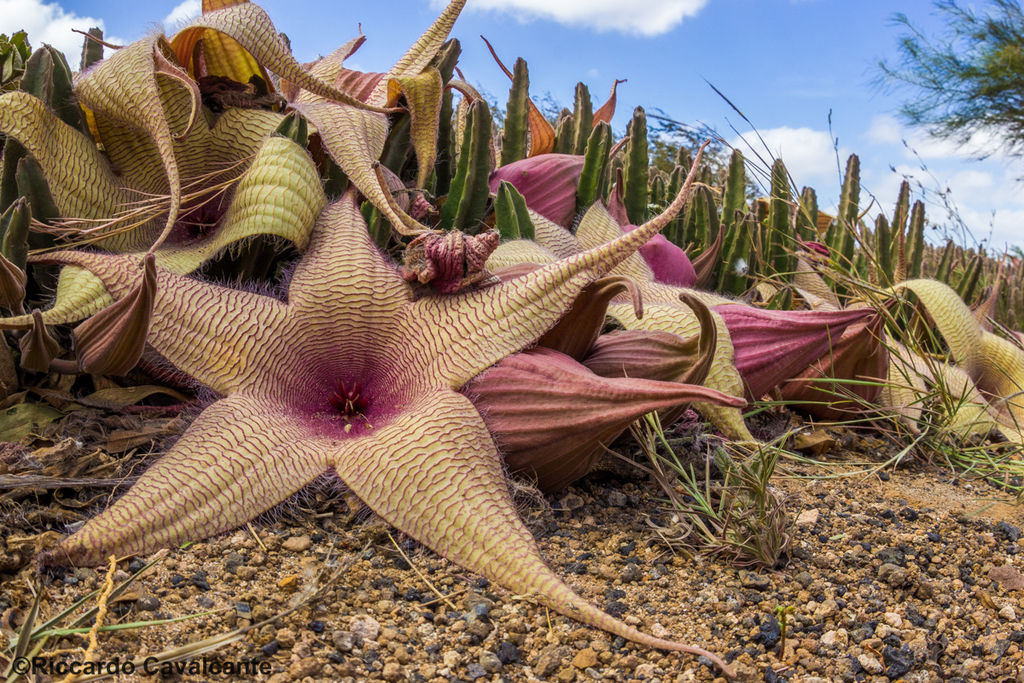
Stapelia gigantea is a succulent plant native to southern Africa and belongs to the Apocynaceae family. Commonly known as the carrion flower, this plant is famous for its distinctive odor, which resembles rotting flesh. It features thick, fleshy stems that can grow up to 30 cm tall and bear large, star-shaped flowers that can also reach up to 30 cm in diameter. These flowers are typically dark red or maroon with white spots and have hairy margins that aid in trapping flies for pollination.
Stapelia gigantea thrives in well-draining soil and full sun exposure, although it can also tolerate partial shade. Due to its unique appearance, it is often cultivated as an ornamental plant. Additionally, in traditional African medicine, Stapelia gigantea is valued for its medicinal properties, being used to treat various ailments such as stomach problems, fever, and snake bites.
Zulu giant has moderate disease resistance but is relatively sensitive to humidity and excessive watering. It also becomes more prone to disease if it receives insufficient light and is overwatered. Regarding care, Zulu giant tolerates drought and can withstand long periods without watering. It needs little fertilizer and only occasional pruning. Because of this, it is suitable for people at any experience level, especially those who prefer to spend less time on plant care and who may be away from home for extended periods. It is a good option for anyone who does not want to devote much time to caring for plants yet still wants an easy-to-maintain specimen.
How to keep Stapelia Gigantea.
Light
The Zulu giant does best when receiving strong sunlight for most of the day, although it can cope with only a fraction of the sun's rays. This mirrors the abundant sunlight of its original, robust environment. Insufficient exposure can cause growth problems, while excessive exposure may lead to burn damage.
Humidity
This plant prefers dry conditions, so don't mist it. However, watering it less often can also thrive in higher humidity.
Temperature
The zulu giant is naturally found in warm, humid habitats and prefers temperatures of 68 to 105 ℉ (20 to 41 ℃). Overall, it tolerates temperatures from 50 to 110 ℉ (10 to 43 ℃), although during the growing season it favors conditions of 68 to 86 ℉ (20 to 30 ℃). In winter, lowering the temperature to 59 to 68 ℉ (15 to 20 ℃) is recommended to encourage dormancy.
Fertilizer
For Zulu giant, light applications of fertilizer once or twice a year during the growing season are adequate. Do not fertilize in winter and summer while it is dormant. Cut back on fertilizer for recently repotted plants and wait a couple of months after repotting before fertilizing. Fertilizing promotes healthy growth and encourages flowering.
Pruning
There is no regular pruning for this succulent plant. Just remove any dead or unsightly stems. Remove the flowers when they stop blooming.
Pot & Repot
When repotting a Zulu giant, choose a pot slightly larger than the current one that provides good drainage. Use a gritty, well-draining succulent or cactus mix. Gently remove the plant from its previous pot, brush off excess soil, and plant it at the same depth. Wait several days before watering so any root damage can heal. Repot in spring or autumn and place it in a brightly lit location.
Toxicity
Earlier it was mentioned that the flowers are stinky and smell like rotten flesh. So it's advisable that it should not be ingested. Peradventure it happens the pets should be taken to the vet.
Further reading →
The toxicity and danger assessments provided are for reference only. We do not assure their accuracy, so it's crucial not to depend on them. Seek professional advice when necessary for accurate guidance.
Botanical profile.
- Plant Type
- Succulent, Herb
- Life Cycle
- Perennial
- Genus
- Stapelia
- Family
- Apocynaceae
- Hardiness Zone
- 10-13
- Mature Height
- 15 cm to 20 cm
- Mature Spread
- 34 cm
- Leaf Color
- Green, Blue, Bronze
- Leaf Type
- Evergreen
- Flower Color
- Yellow, Purple, Red, White, Brown
- Flower Size
- 25.40 cm
- Bloom Time
- Mid summer, Late summer, Early fall
- Planting Time
- Spring, Summer, Autumn
- Harvest Time
- Fall, Winter
- Native Area
- Malawi, Mozambique, Tanzania, South Africa, Zambia, Eswatini, Botswana, Zimbabwe