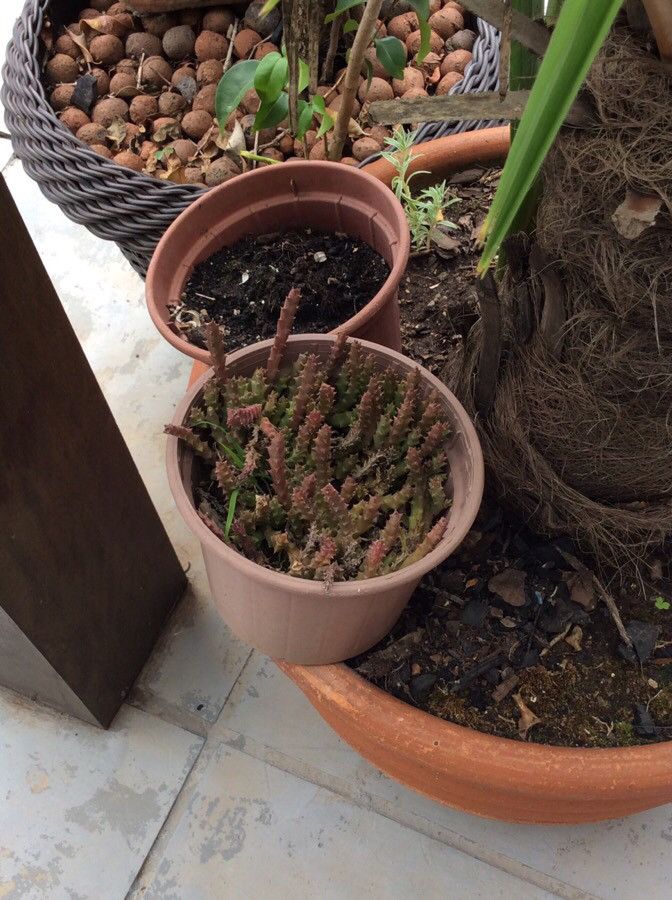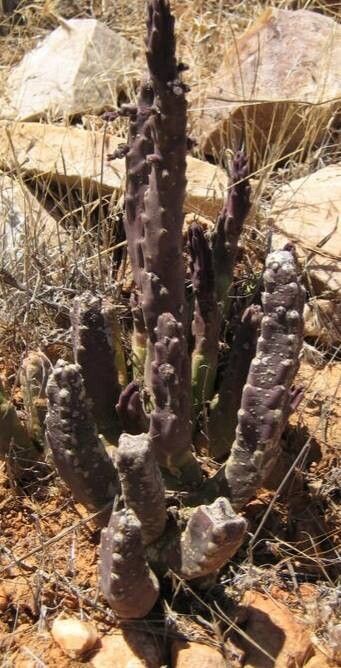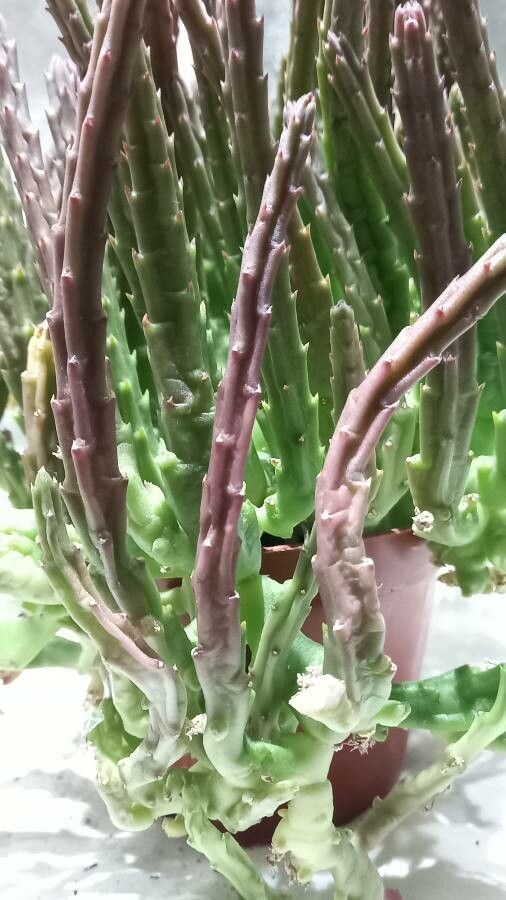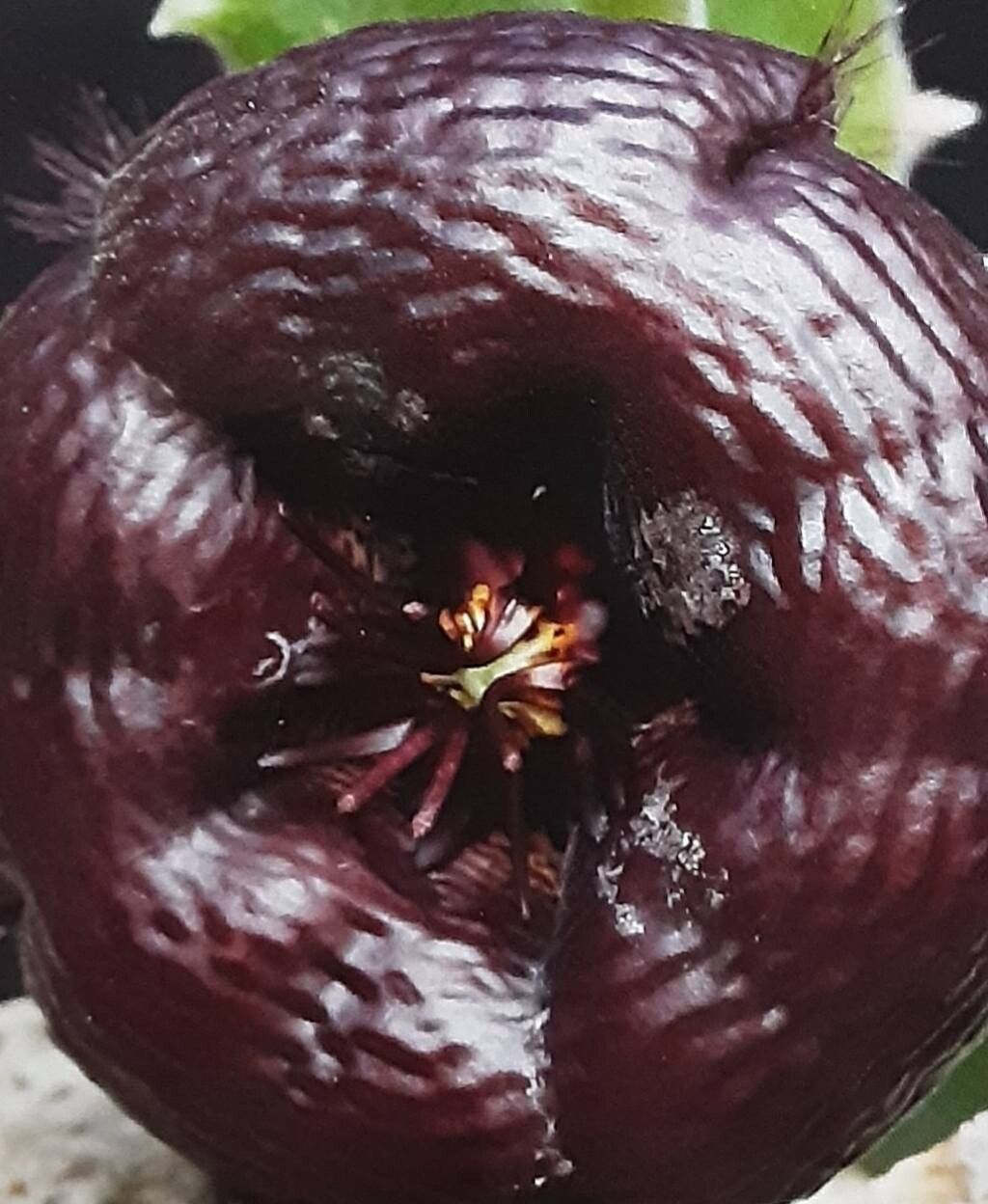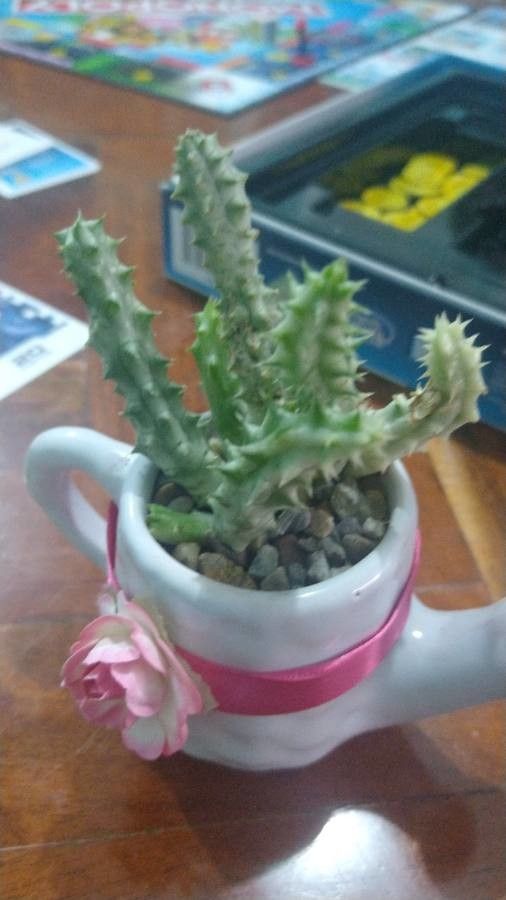
Ceropegia pulvinata has medium disease resistance and is more sensitive to humidity and overwatering. It is also more prone to disease when it receives insufficient light and is overwatered. Regarding care, Ceropegia pulvinata is drought tolerant and can endure long stretches without watering. It requires little fertilizer and only occasional pruning. These traits make it suitable for people at any experience level, particularly those who prefer to spend less time on plant care and who may be away from home for extended periods. It’s a good option for anyone who does not want to devote much time to maintenance but still wants an easy-to-care-for plant.
How to keep Stapelia Asterias.
Light
Ceropegia pulvinata is naturally found in areas with speckled sunlight, such as beneath forests or on rocky terrains, which offer inherent shading. Although it has a preference for semi-sunlight, it is also capable of withstanding direct sunlight.
Temperature
Ceropegia pulvinata flourishes in hot climates and needs increased temperatures in the growth phase to stimulate development and metabolism. It appreciates abundant sunshine, suitable humidity, and effective ventilation. However, it can suffer damage from extremely cold temperatures and too much watering. It is crucial to maintain equilibrium and stay away from exceedingly high temperatures and excessively arid circumstances as well.
Fertilizer
Ceropegia pulvinata requires only minimal amounts of fertilizer, once or twice annually during the growth period. It's best to refrain from fertilizing during the dormant periods in winter and summer. For plants that have been repotted, lessen the amount of fertilizer and hold off on fertilizing for a few months post-repotting. Proper fertilization aids in robust growth and promotes flowering.
Pot & Repot
When transferring Ceropegia pulvinata to a new pot, choose one slightly bigger than the current one that has efficient drainage. Utilize a gritty, well-draining succulent or cactus blend for planting. Gently dislodge the plant from its previous pot, clear away any surplus soil, and reposition it at an identical depth. Delay watering for several days to let any damaged roots recover. Conduct the repotting process during spring or autumn, and site it in a spot with abundant light.
Botanical profile.
- Plant Type
- Succulent, Vine
- Life Cycle
- Perennial
- Genus
- Stapelia
- Family
- Apocynaceae
- Hardiness Zone
- 10-12
- Mature Height
- 15 cm to 30 cm
- Mature Spread
- 10 cm
- Leaf Color
- Dark Green, Forest Green
- Leaf Type
- Semi-evergreen
- Flower Size
- 15.24 cm
- Bloom Time
- Summer, Early fall, Mid fall
- Planting Time
- Spring, Summer, Autumn
- Harvest Time
- Late summer, Fall, Early winter
- Native Area
- South Africa, Namibia