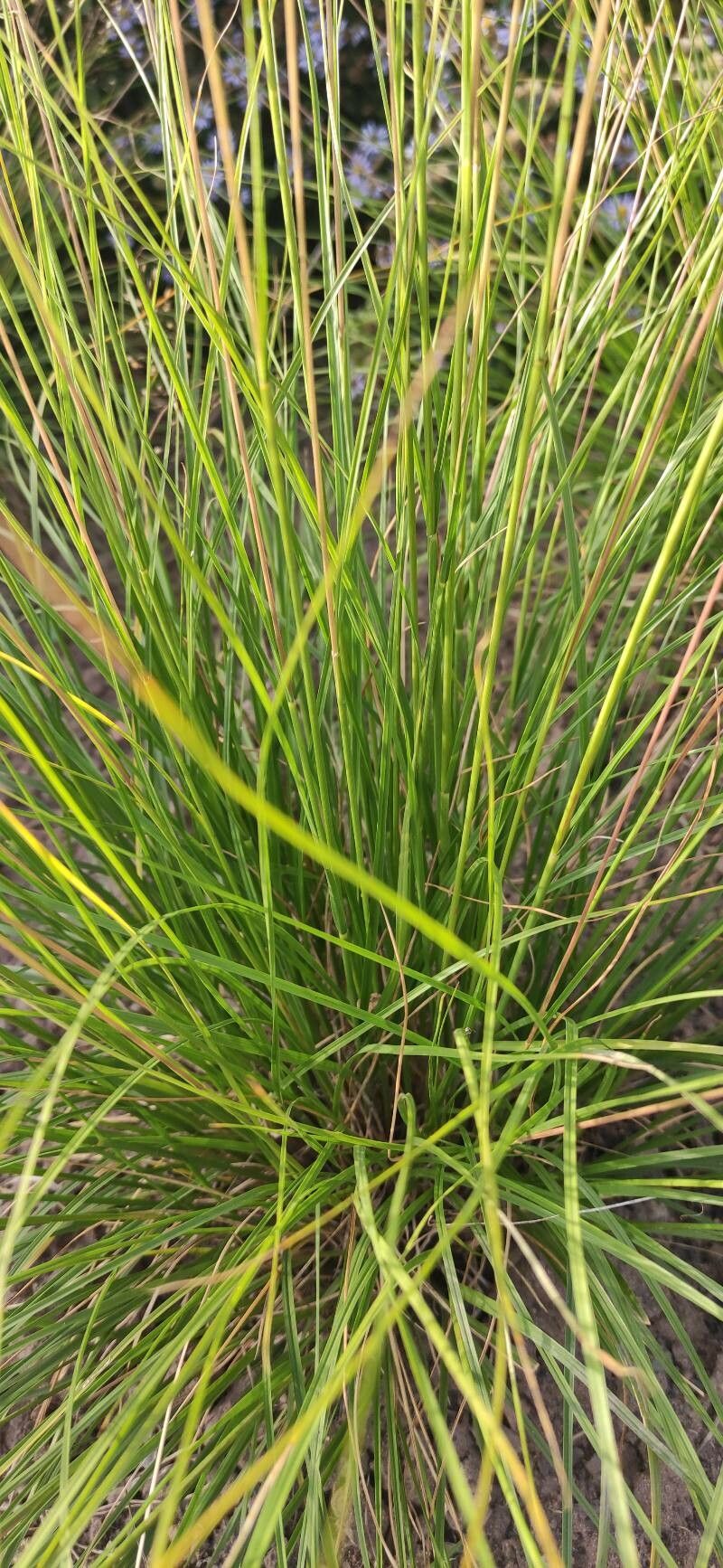
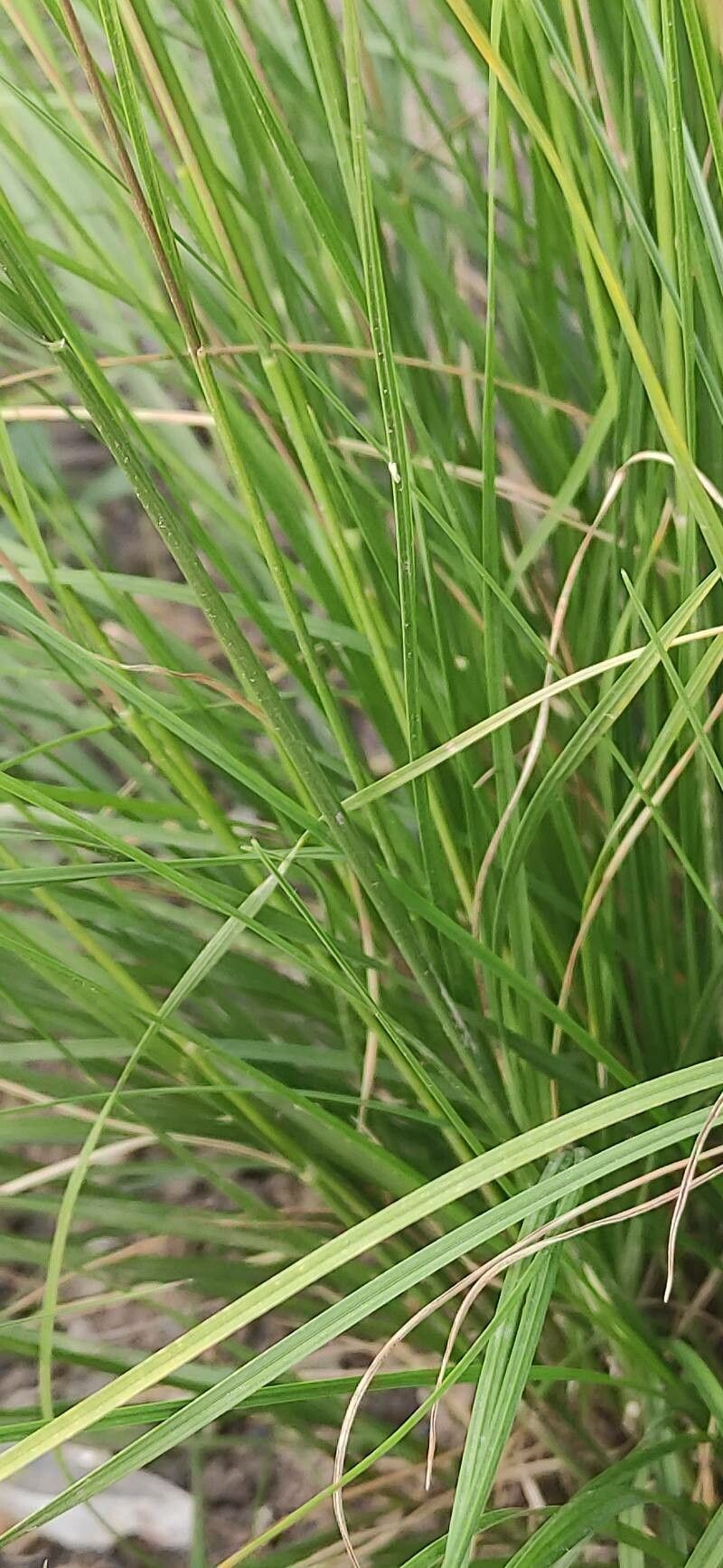
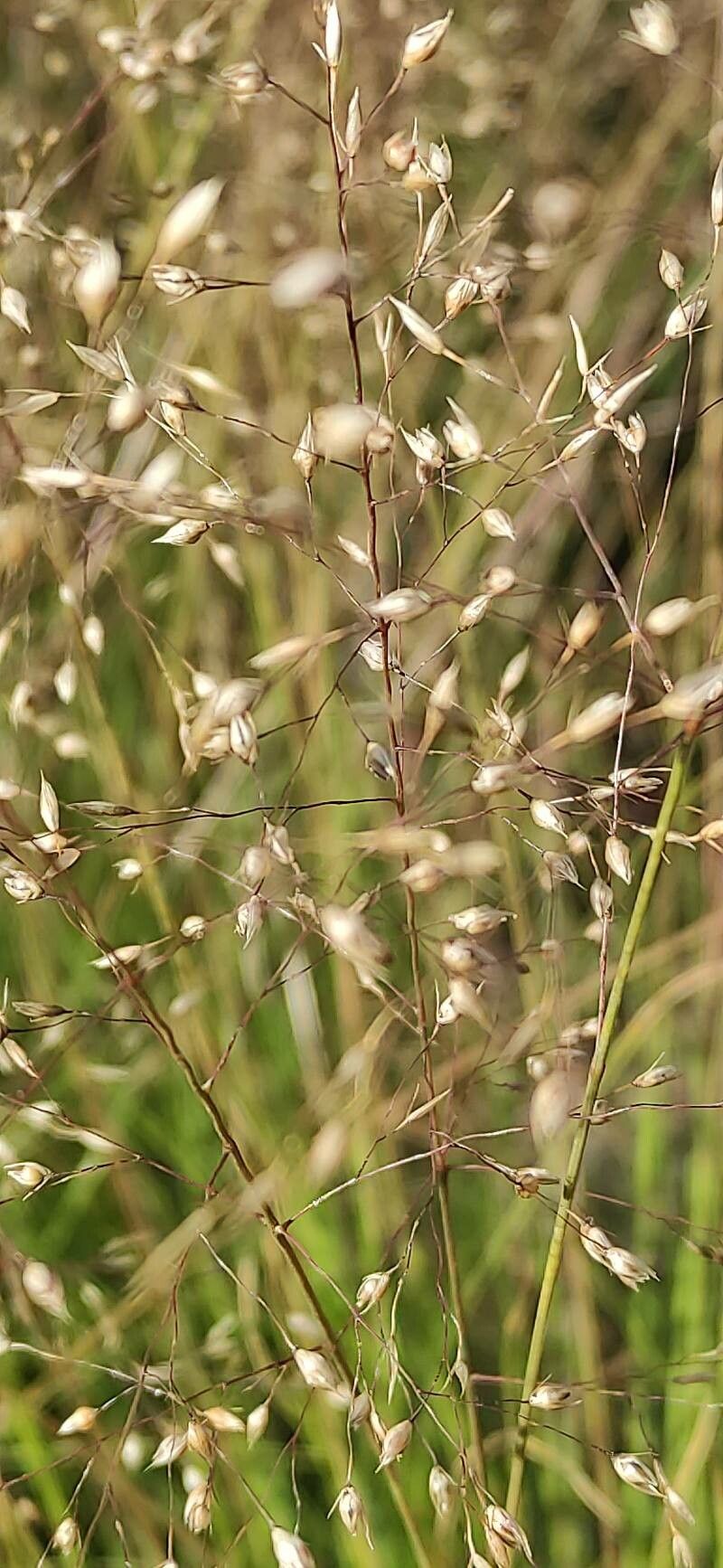
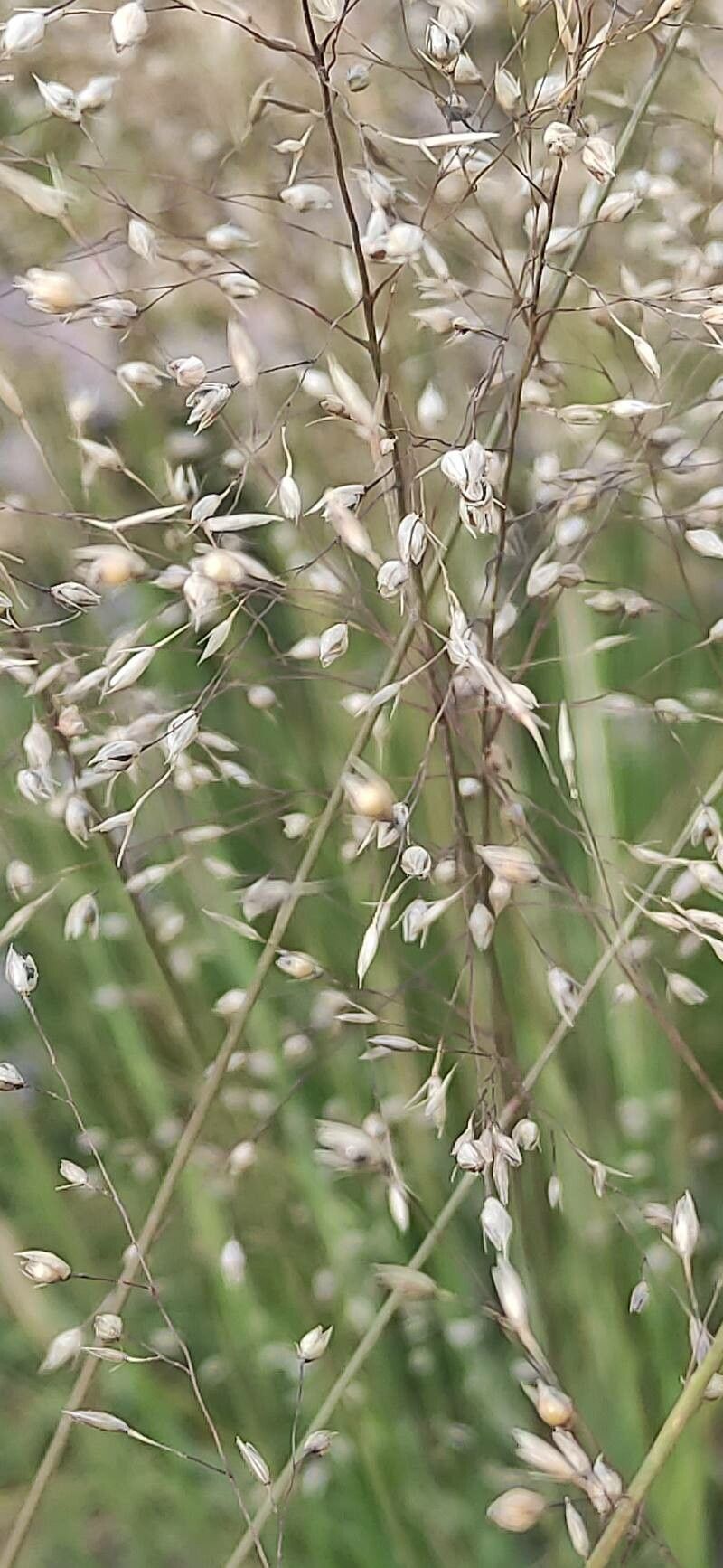
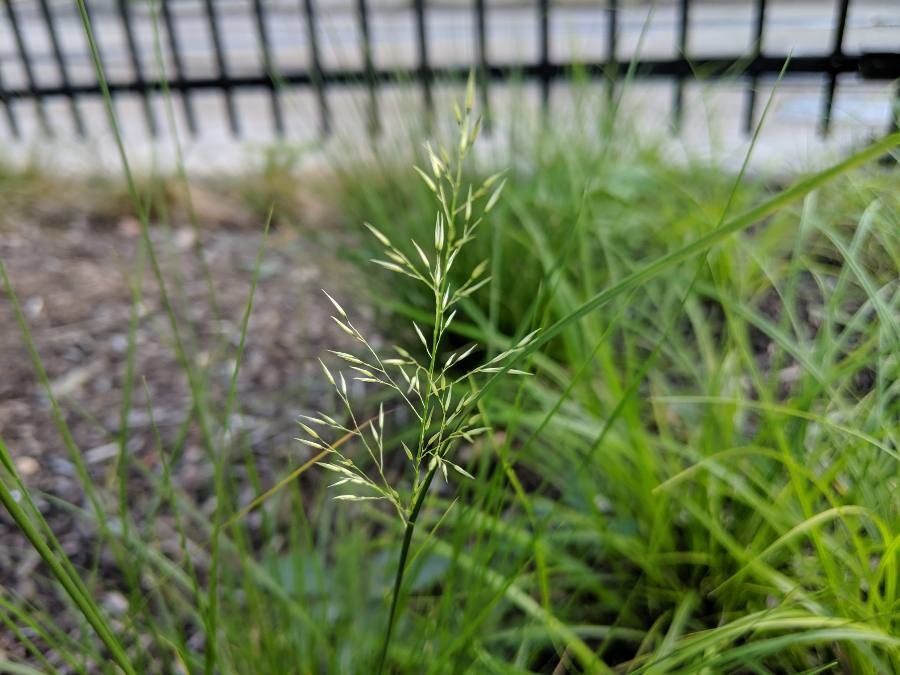
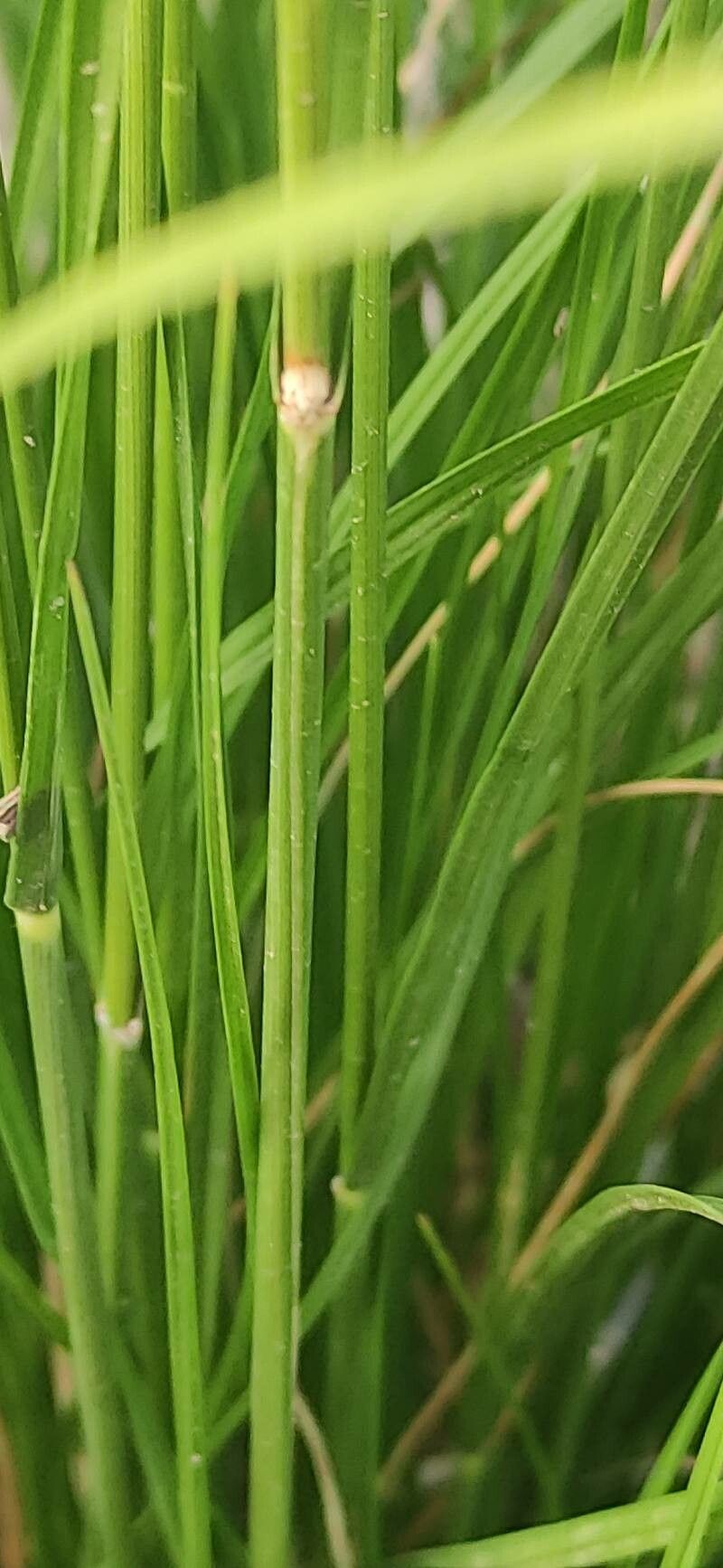
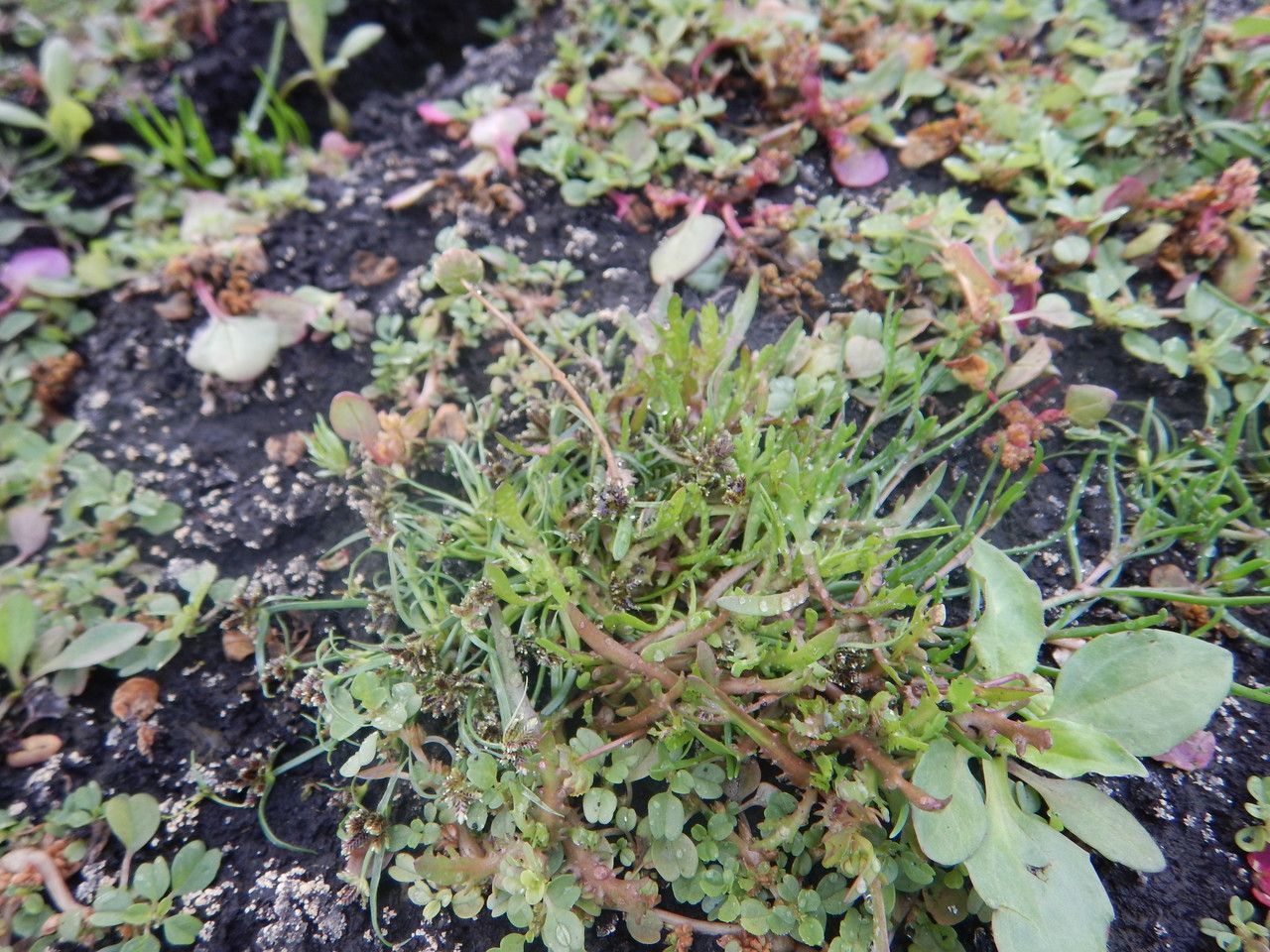
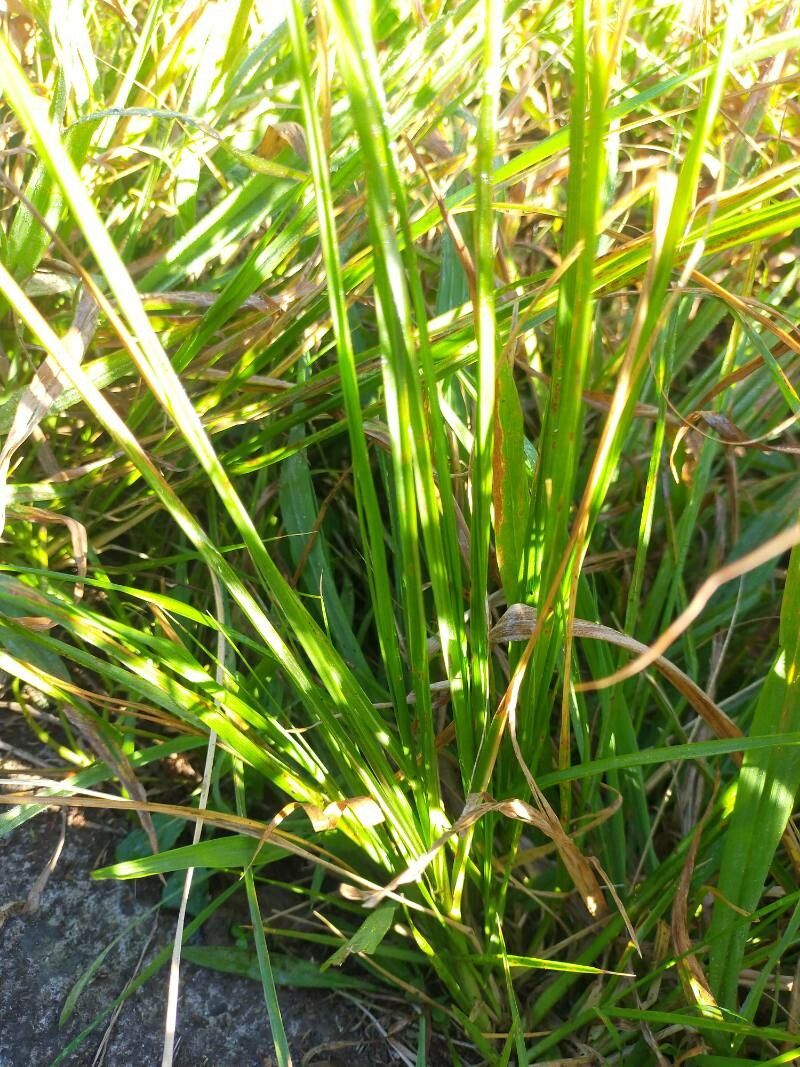
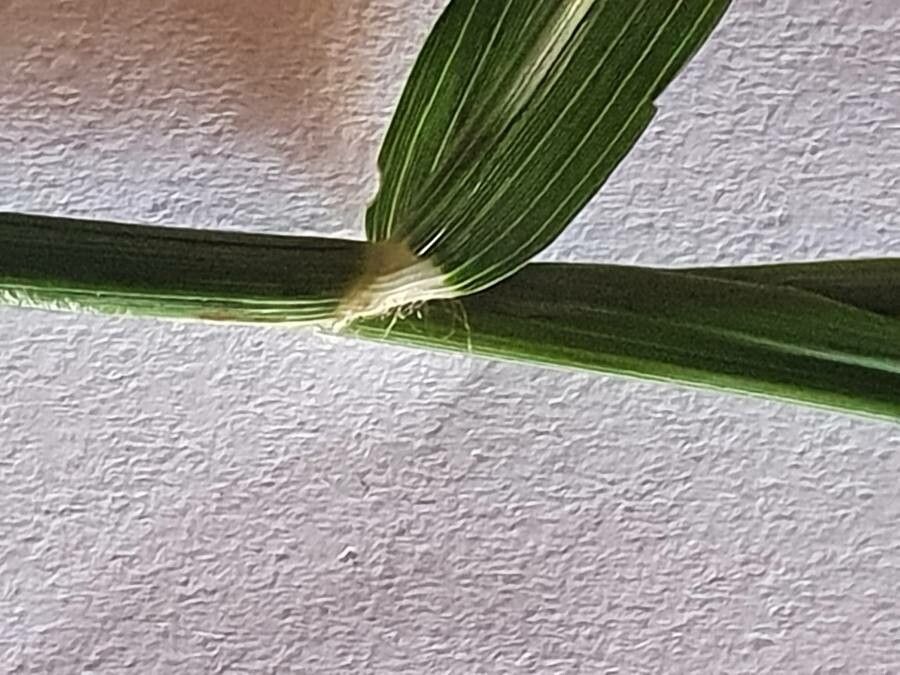
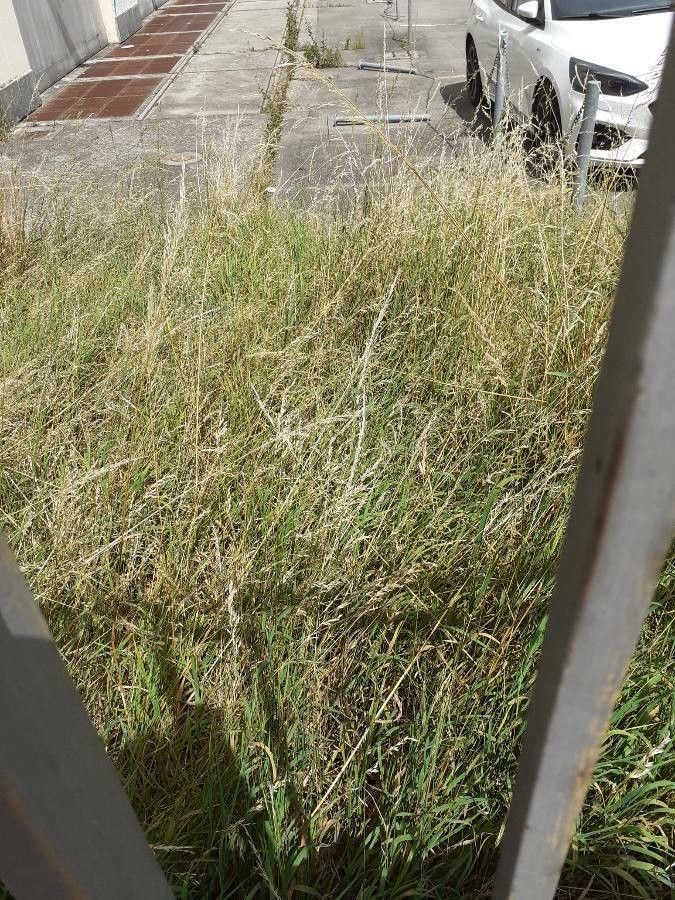
Sporobolus heterolepis, commonly known as prairie dropseed, is a warm-season perennial grass native to North America. It is highly valued as an ornamental plant for gardens and landscapes due to its attractive appearance and low maintenance requirements. The plant typically grows to a height and width of 2-3 feet, featuring fine-textured green leaves that turn golden yellow in the fall. In late summer, it produces airy panicles of fragrant flowers, which eventually give way to small seeds resembling grains of rice. Prairie dropseed is drought-tolerant and thrives in well-drained soil, in either full sun or partial shade. Additionally, it plays a crucial role in prairie ecosystems by providing food and habitat for wildlife such as birds, butterflies, and small mammals.
Prairie Dropseed shows strong resistance to disease and is typically not susceptible to illnesses. Regarding care, the plant is fairly low-maintenance. Planted outdoors, it needs only minimal watering, and larger specimens usually do not require pruning. Smaller specimens, however, should be trimmed after they finish blooming. Prairie Dropseed is appropriate for anyone with an outdoor area, such as a garden or a deck, and does not demand extensive gardening experience.
How to keep Sporobolus Heterolepis.
Light
Prairie Dropseed does best in sites that get mostly sun throughout the day. It can also adjust to places with a mix of sun and shade because its light requirements are variable. Too little light can restrict growth, while too much can scorch the foliage. These preferences come from the plant’s native habitat.
Water
Prairie Dropseed thrives in open prairies due to its drought tolerance, preferring a balance between dry and moist soil. For optimal growth, water it twice a week. During the colder months, Prairie Dropseed enters dormancy, which reduces its water requirements as it conserves resources for the upcoming growing season.
Temperature
The prairie dropseed is native to North American grasslands and open woodlands. It prefers a moderate temperature range of 32 to 95 ℉ (0 to 35 ℃) and can withstand light frosts. To cope with seasonal changes, it requires well-drained soil and occasional watering in hot, dry summers.
Fertilizer
Prairie Dropseed needs extra nutrients to encourage healthy new growth. In spring, putting compost around the plant’s base can effectively supply the nutrition it requires. Fertilizing helps support vigorous growth and assists the plant in resisting diseases and pests.
Pruning
Prairie Dropseed is a clump-forming grass characterized by its fine blades and fragrant seed heads. For best results, prune in early spring to remove any dead material and promote healthy growth. Be sure to use clean, sharp tools during pruning to maintain the plant's compact shape and enhance its ornamental appeal.
Pot & Repot
When repotting Prairie Dropseed, select a pot 1-2 inches (2.5–5.1 cm) larger with good drainage. Use a well-draining potting mix. Repot in spring or fall, making sure the root ball sits slightly below the rim of the flower pot. Water thoroughly after repotting and place it in a warm spot with indirect sunlight.
Botanical profile.
- Plant Type
- Grass
- Life Cycle
- Perennial
- Genus
- Sporobolus
- Family
- Poaceae
- Hardiness Zone
- 3-9
- Mature Height
- 61 cm to 91 cm
- Mature Spread
- 61 cm to 91 cm
- Leaf Color
- Green, Blue
- Leaf Type
- Deciduous
- Flower Color
- Brown, Green, Yellow
- Flower Size
- 15.24 cm
- Bloom Time
- Mid summer
- Planting Time
- Spring, Summer
- Harvest Time
- Mid summer, Late summer
- Native Area
- Georgia
Other names.
Reader questions.
What are the sunlight requirements for Prairie Dropseed?
Prairie Dropseed flourishes in full sun, requiring more than 6 hours of sunlight daily, but it can also adapt to partial sun, with about 3-6 hours of sunlight. It's essential to monitor sunlight patterns in your garden to ensure your plants receive the optimal balance of light and shade. Inadequate sunlight may hinder growth, while too much can damage the leaves.
What is the native habitat of Prairie Dropseed?
Prairie Dropseed, scientifically known as Sporobolus heterolepis, is native to the grasslands and open woodlands of North America. It thrives in environments that offer a moderate temperature range, specifically between 32 to 95°F (0 to 35°C), and possesses strong cold resistance, making it well-suited for its native landscapes.
How can Prairie Dropseed adapt to different lighting conditions?
Prairie Dropseed is versatile and can thrive in sunny areas as well as those with a mix of sunlight and shade, reflecting its natural adaptability. However, too little sunlight can stunt its growth, and too much can lead to scorched leaves. For indoor plants lacking natural light, artificial lighting such as LED lights can be used to fulfill their light requirements, mimicking natural sunlight conditions.
What are the ideal growing conditions for Prairie Dropseed?
The ideal growing conditions for Prairie Dropseed include well-drained soil and a moderate temperature range of 32 to 95°F (0 to 35°C). The plant is adept at tolerating light frosts and can survive hot, dry summers with occasional watering. It's crucial to water the plant abundantly before the first freeze in autumn to ensure the soil remains moist and enters a frozen state which aids in preventing drought and water scarcity during winter and early spring.
What are the artificial lighting recommendations for indoor Prairie Dropseed plants?
For indoor Prairie Dropseed plants, adequate lighting is crucial especially in locations with insufficient natural sunlight. LED lights are recommended because they can provide specific wavelengths needed for plant growth. Full sun plants require 30-50W/sq ft, partial sun plants need 20-30W/sq ft, and shade plants need 10-20W/sq ft of artificial light. The light source should be placed 12-36 inches above the plant and turned on for 8-12 hours per day to stimulate natural daylight hours.
How does Prairie Dropseed handle extreme cold?
Prairie Dropseed has strong cold resistance, making it capable of withstanding winters without special frost protection measures in most cases. However, if winter temperatures are expected to plummet below -35°C, it's important to provide additional cold protection by covering the plant with insulating materials such as soil or straw to safeguard it against extreme cold conditions.
What are the signs of insufficient light exposure in Prairie Dropseed?
Symptoms of insufficient light in Prairie Dropseed include small or pale new leaves, leggy growth, early leaf drop, and a halt in new leaf production. These signs indicate the plant isn't receiving enough sunlight, which is essential for its health and growth. Conversely, excessive sunlight can lead to chlorosis, sunscald, leaf curling, wilting, and leaf scorching, damaging the plant's health.
How should Prairie Dropseed be cared for in exceptionally low temperatures?
In extremely low temperatures, particularly below -35°C, Prairie Dropseed may exhibit a decrease in sprouting or fail to sprout at all during spring. To address this, any parts of the plant that have not sprouted in the spring should be removed to encourage new growth and maintain the health of the plant in the wake of cold weather.
How can I manage Prairie Dropseed plants in insufficient light conditions?
To manage Prairie Dropseed in low light, gradually move the plants to areas with more sunlight, ensuring at least 6 hours of direct light daily. For indoor plants that are not easily moved, consider using artificial light sources like desk or ceiling lamps, or invest in professional grow lights for adequate light exposure. When moving plants outdoors, it's important to adjust them gradually to avoid sunburn. If certain areas around your plants block sunlight, such as trees, consider pruning to improve light penetration. For smaller plants, you might need to transplant them to a sunnier spot, taking care during their dormant period for best results.
What are the signs of and solutions for Prairie Dropseed experiencing high temperatures?
High temperatures, specifically above 35°C, can cause the leaves of the Prairie Dropseed to lighten in color, curl, become susceptible to sunburn, and in severe cases, cause the entire plant to wilt and dry. To mitigate heat stress, trim away the affected parts of the plant and relocate it to a shaded area or use a shade cloth to protect it from intense midday and afternoon sun. Additionally, watering the plant in the morning and evening can help keep the soil moist and reduce temperature stress.