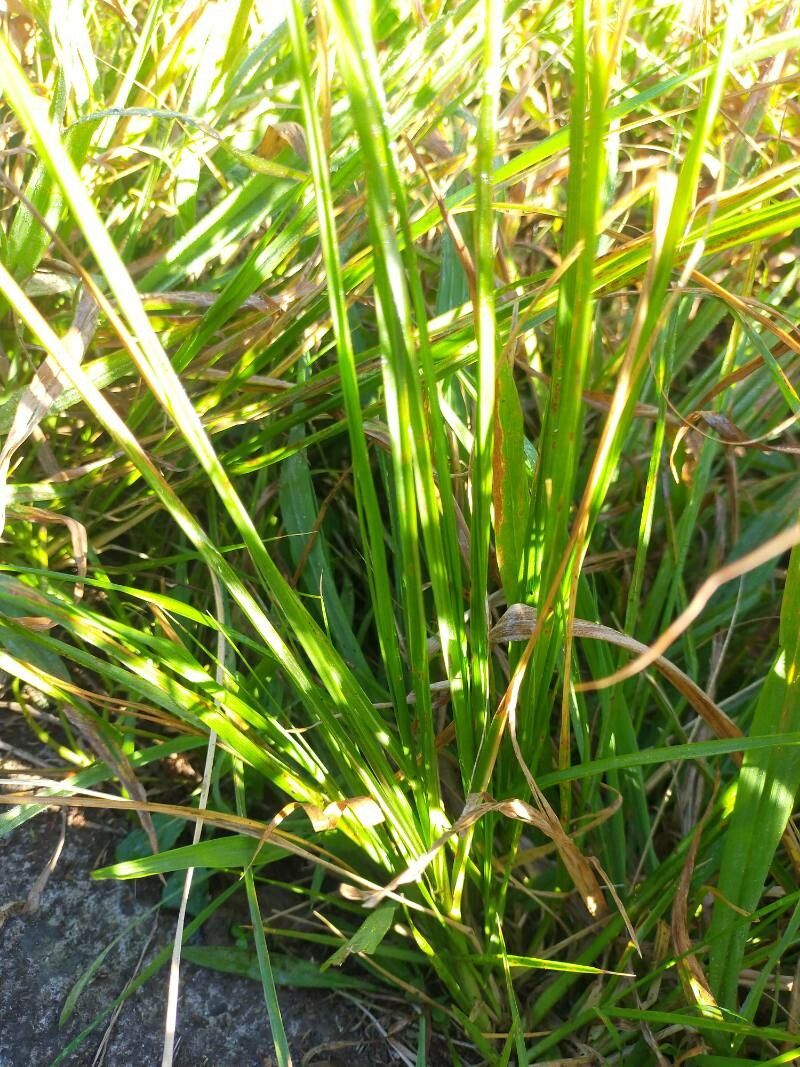
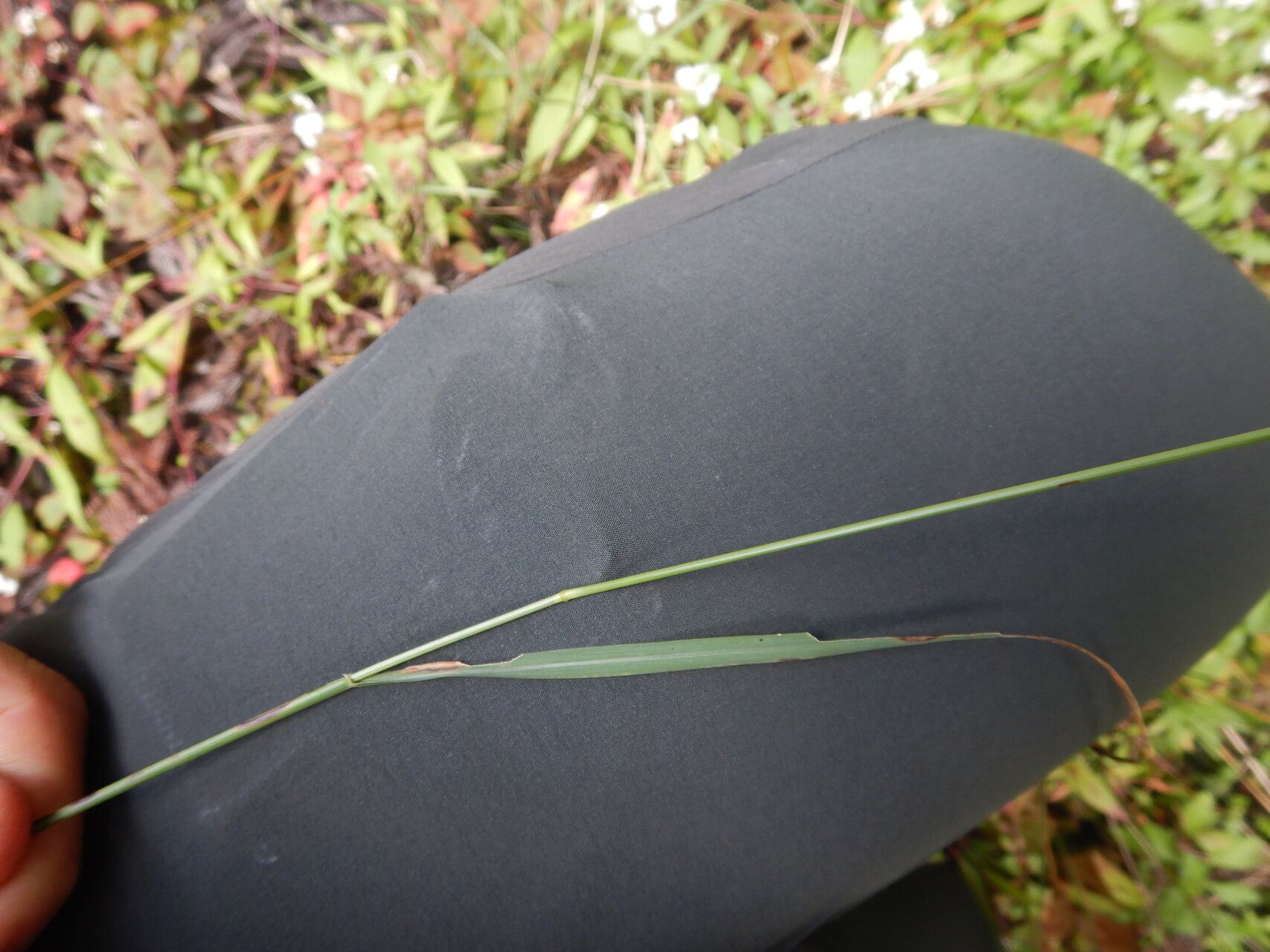
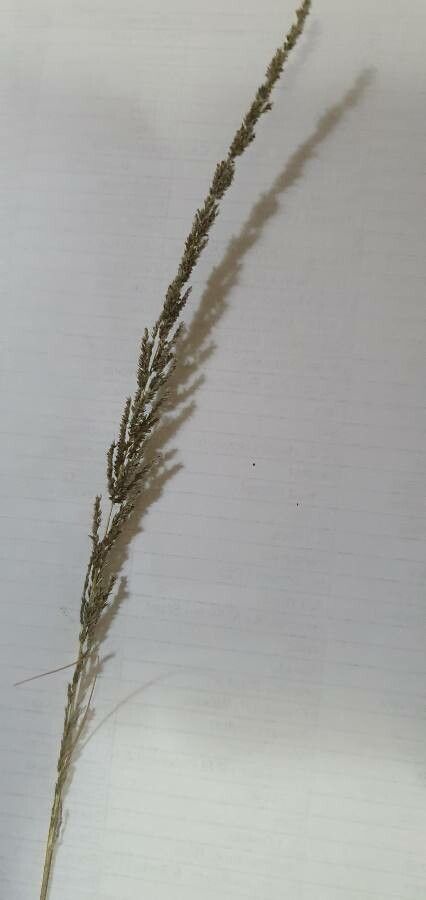
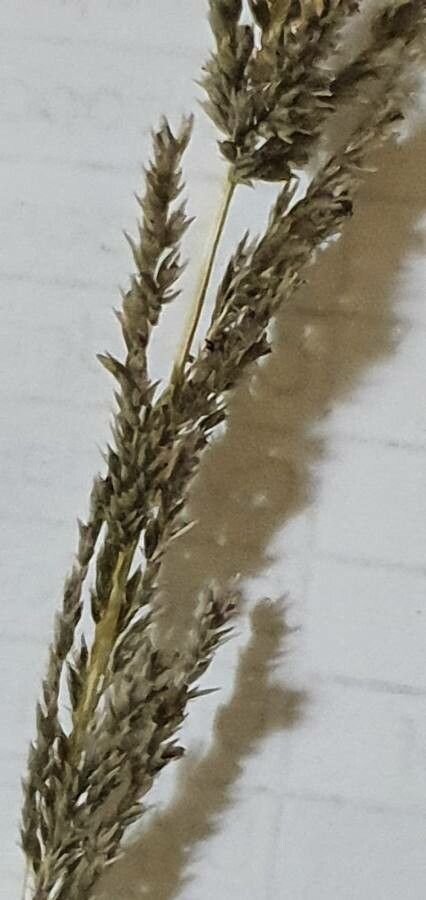
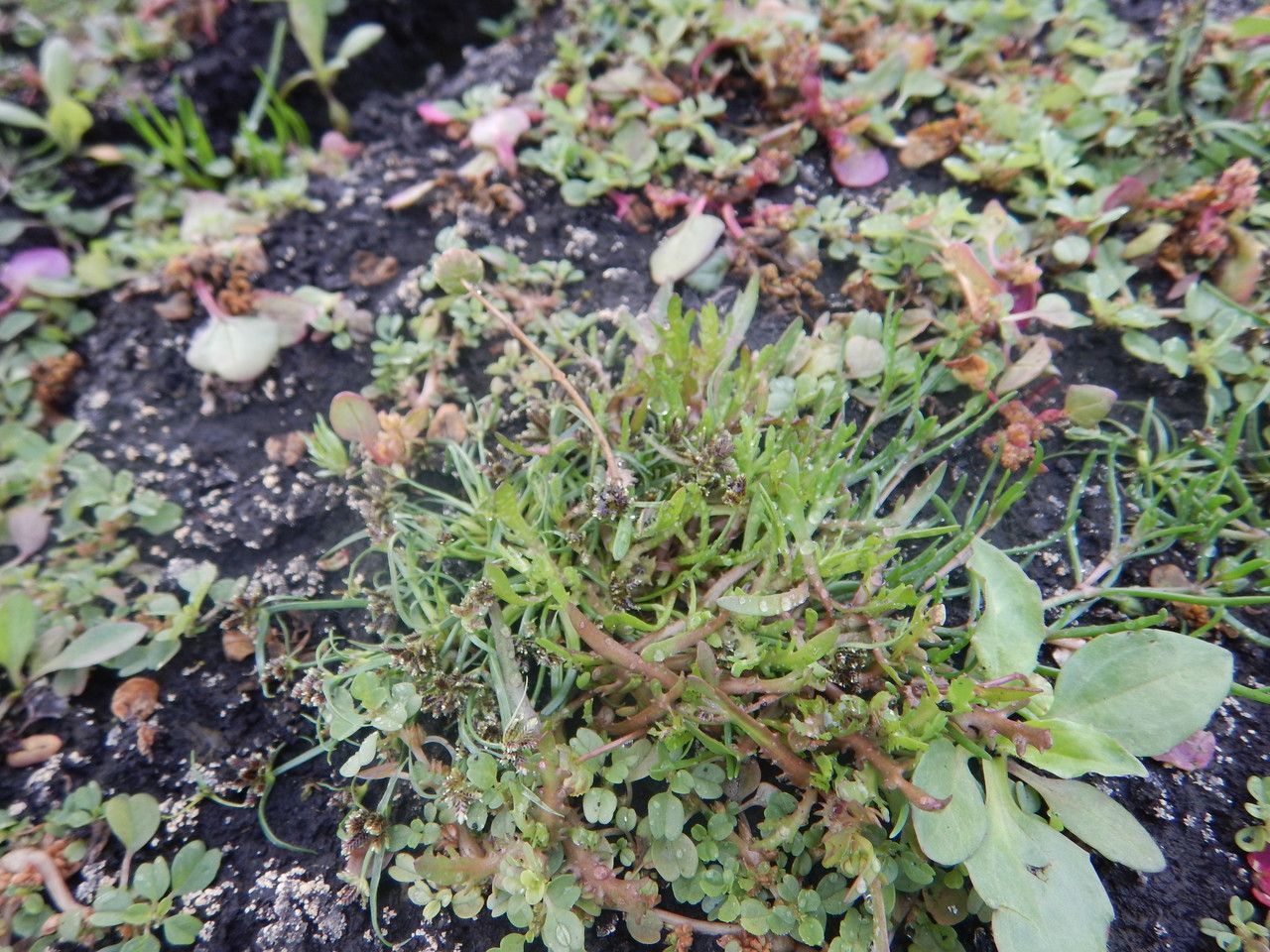
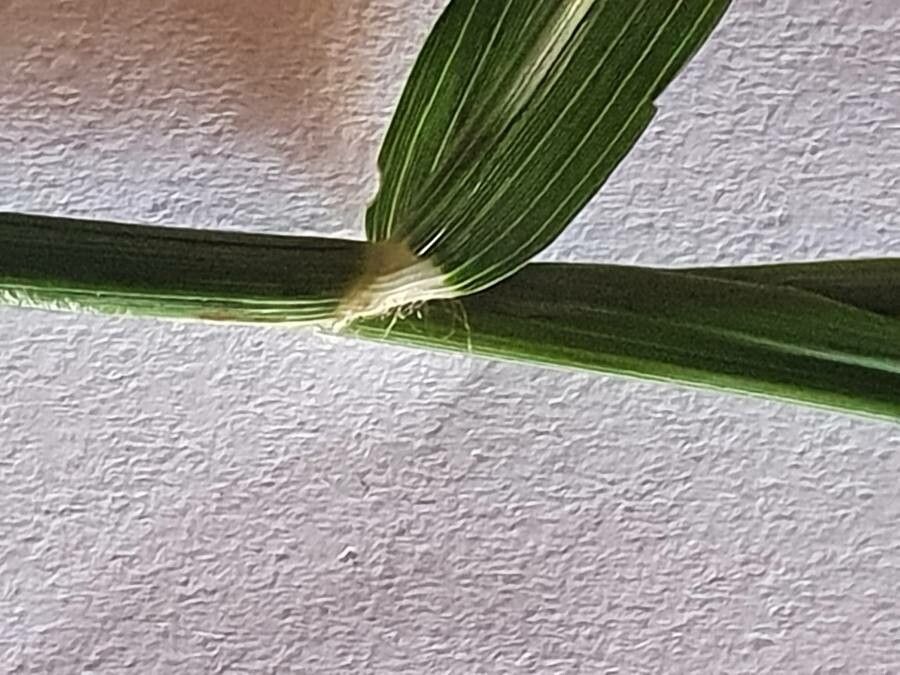
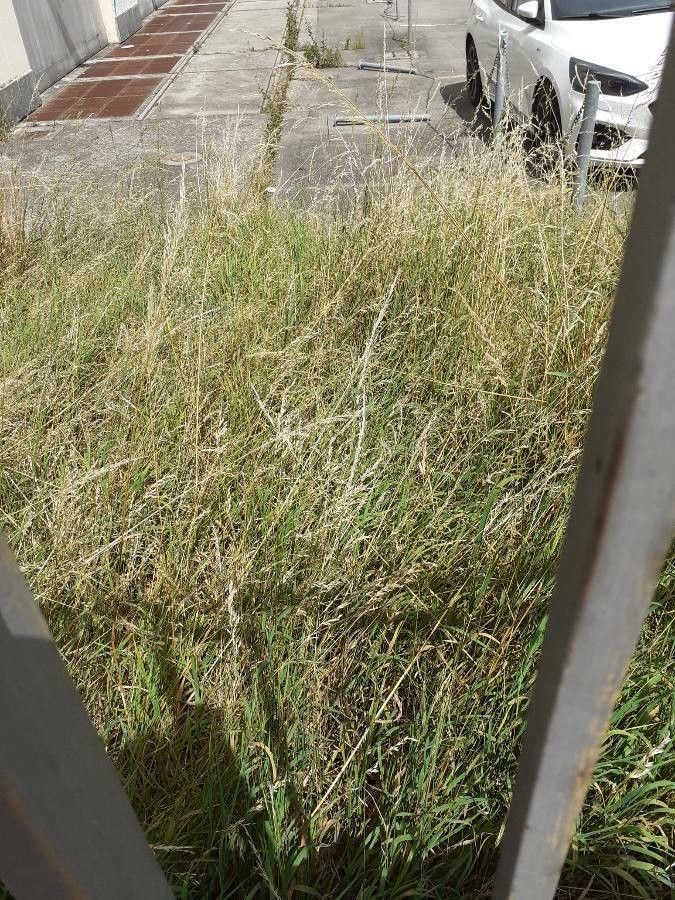
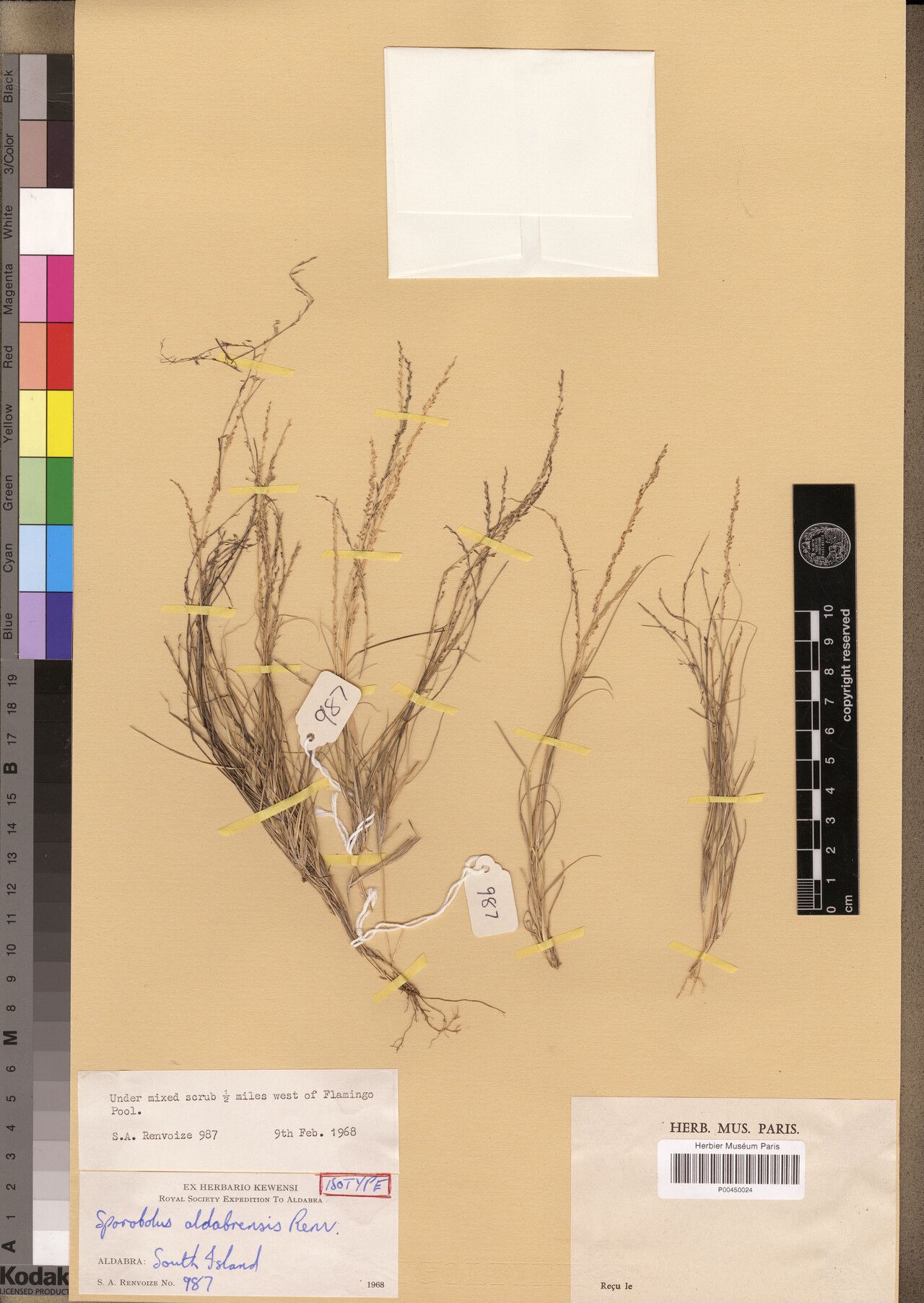
Sporobolus africanus, or rat's tail grass, is a true grass in the tribe Zoysieae.
Rat-tail grass is resistant to diseases and typically does not easily suffer from them. Regarding care, the plant is fairly low-maintenance. Outdoors it needs little watering, and bigger specimens usually do not require pruning. Smaller specimens, however, should be trimmed after flowering. Rat-tail grass is appropriate for anyone who has an outdoor area, like a garden or a deck, and it does not demand extensive care experience.
How to keep Sporobolus Africanus.
Light
Rat-tail grass is a perennial herbaceous plant fond of sunshine that originates from open spaces. It typically thrives in meadows and grasslands. Although it prefers full sunlight, it can manage under conditions of partial sun.
Temperature
Rat-tail grass is native to tropical areas where the weather tends to be hot and moist. Due to this, it has adapted well to humidity and high temperatures. This plant shows an aversion to unexpected temperature swings and favors a consistent temperature setting, which is why it's crucial to prevent any sudden changes in temperature indoors. Generally, it does not survive well in cold climates and needs warmer temperatures to grow. If the surrounding temperature falls excessively, the plant might halt growth or potentially perish.
Fertilizer
Rat-tail grass needs extra nourishment to foster robust new development. In the springtime, supplying some compost near the plant's base could proficiently deliver the vital nutrients it requires. Fertilization contributes to promoting intense growth and assists the plant in warding off diseases and pests.
Pruning
Rat-tail grass is a perennial plant characterized by its long, slender flower spikes. To maintain its health and appearance, prune it in early spring by cutting back the old foliage and preserving the green shoots. Regularly thinning the plant helps prevent overcrowding, enhances air circulation, controls its spread, and improves the overall health and aesthetics of the landscape.
Botanical profile.
- Plant Type
- Grass
- Life Cycle
- Perennial
- Genus
- Sporobolus
- Family
- Poaceae
- Hardiness Zone
- 8-11
- Mature Height
- 30 cm to 91 cm
- Mature Spread
- 20 cm to 40 cm
- Leaf Color
- Green
- Leaf Type
- Evergreen
- Flower Size
- 0.20 cm to 0.25 cm
- Bloom Time
- Summer, Early fall, Mid fall
- Planting Time
- Spring, Summer, Autumn
- Harvest Time
- Late summer, Fall, Early winter
- Native Area
- Sri Lanka, Saudi Arabia, Lesotho, Malawi, Angola, Namibia, South Africa, Madagascar, Rwanda, Zambia, Nigeria, Yemen, Kenya, Niger, Uganda, Tanzania, Zimbabwe, Equatorial Guinea, Cameroon, Burundi, Mozambique, Ghana, Eswatini, Ethiopia, Congo (DRC), Botswana
Other names.