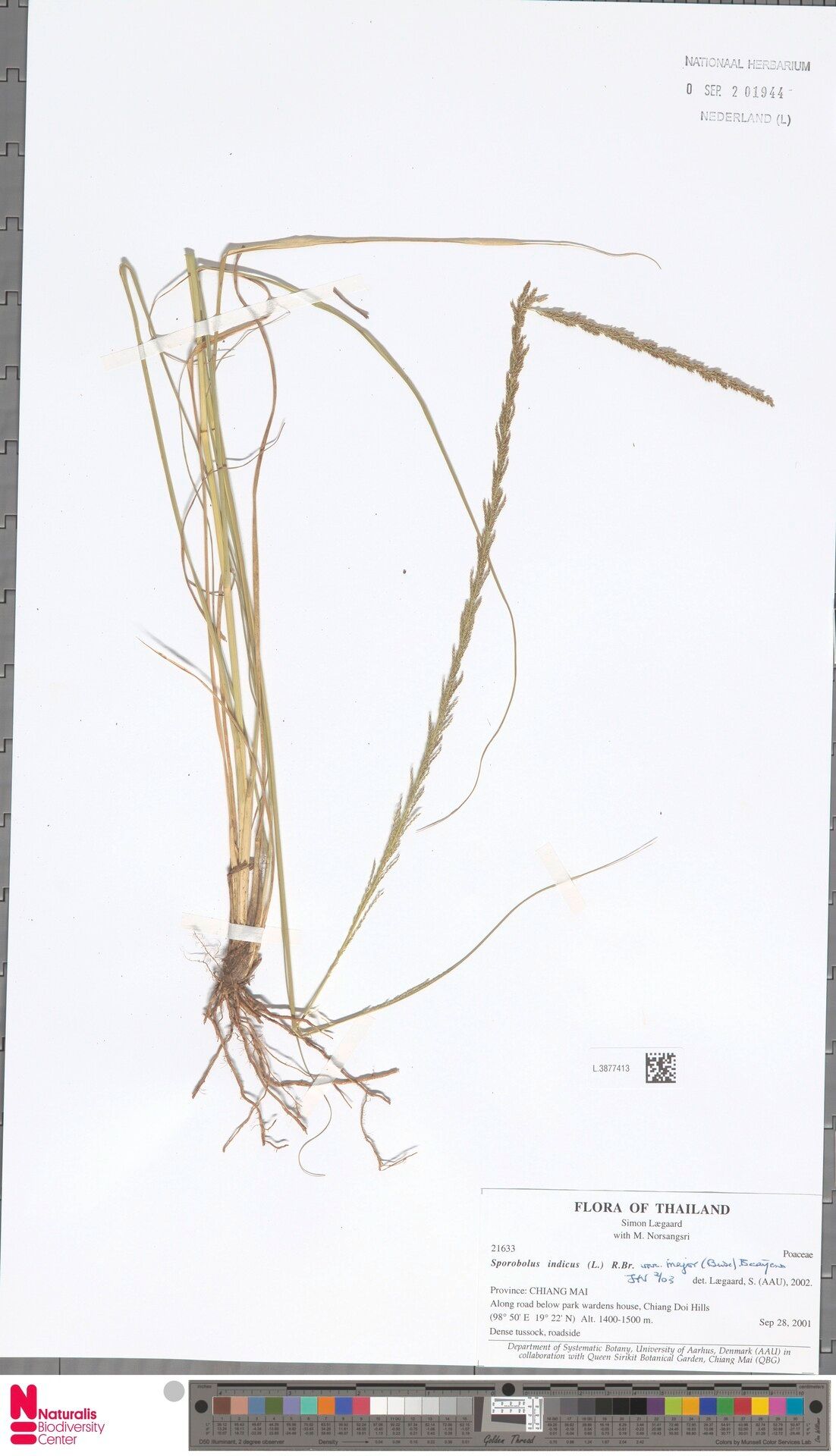
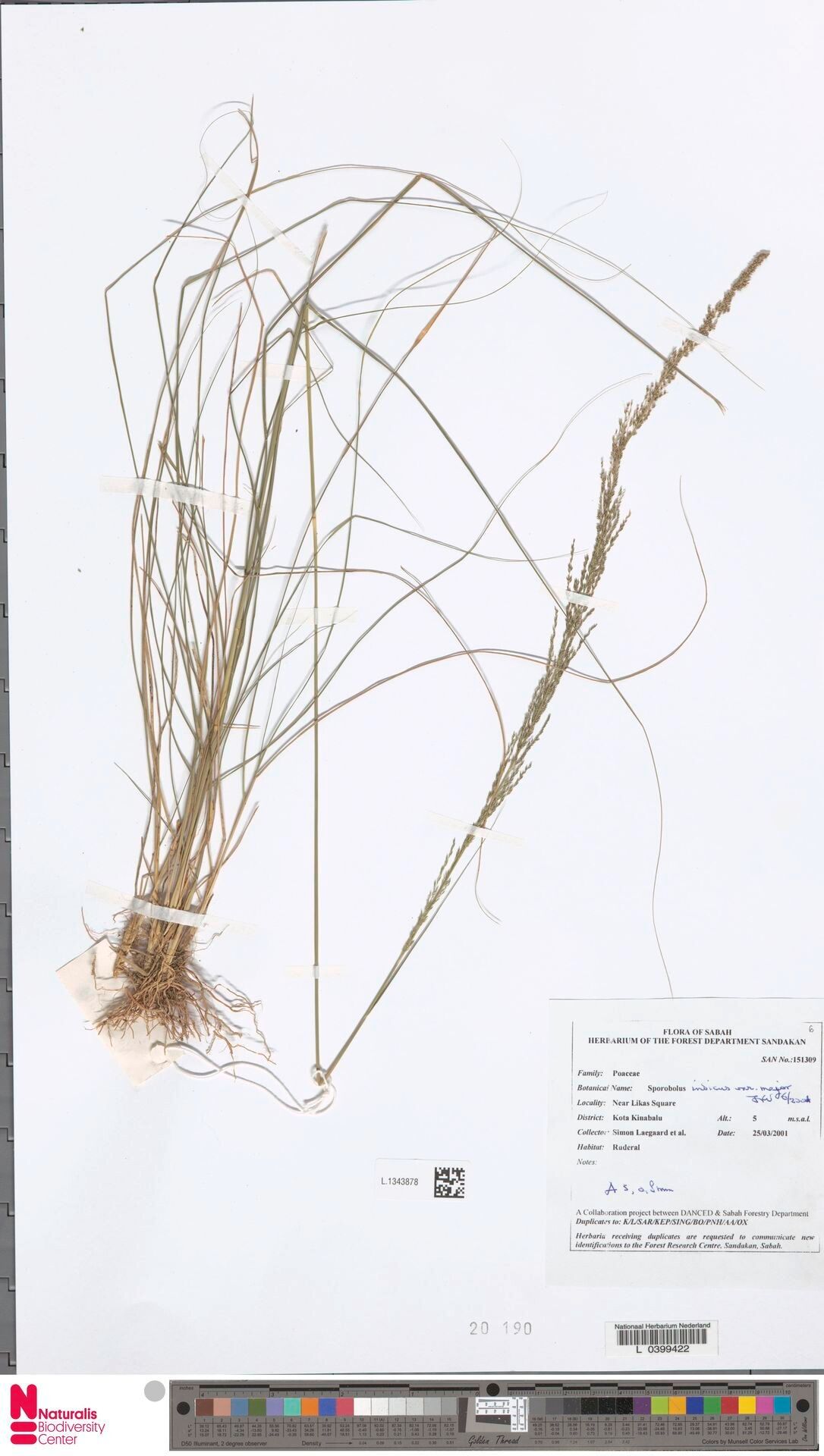
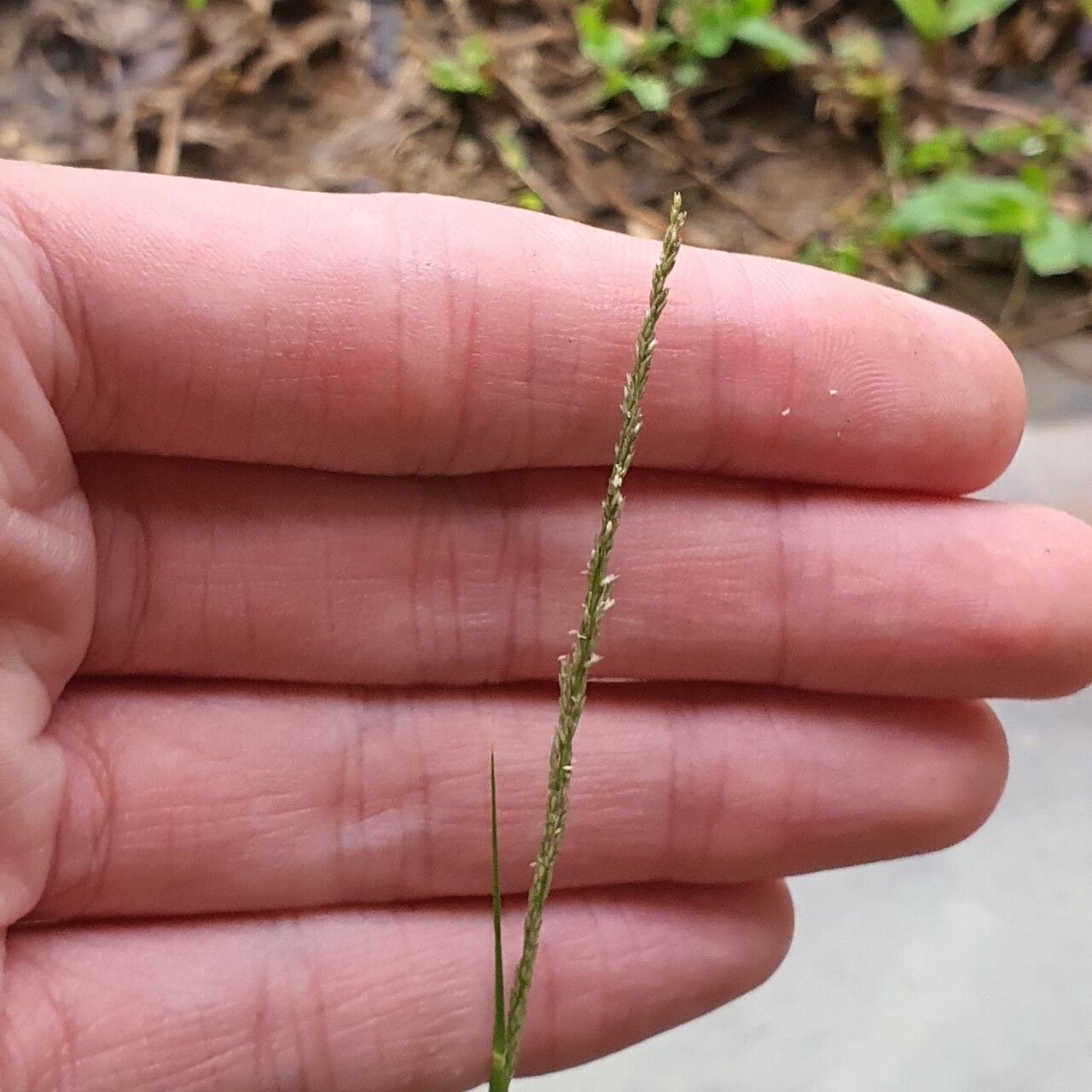
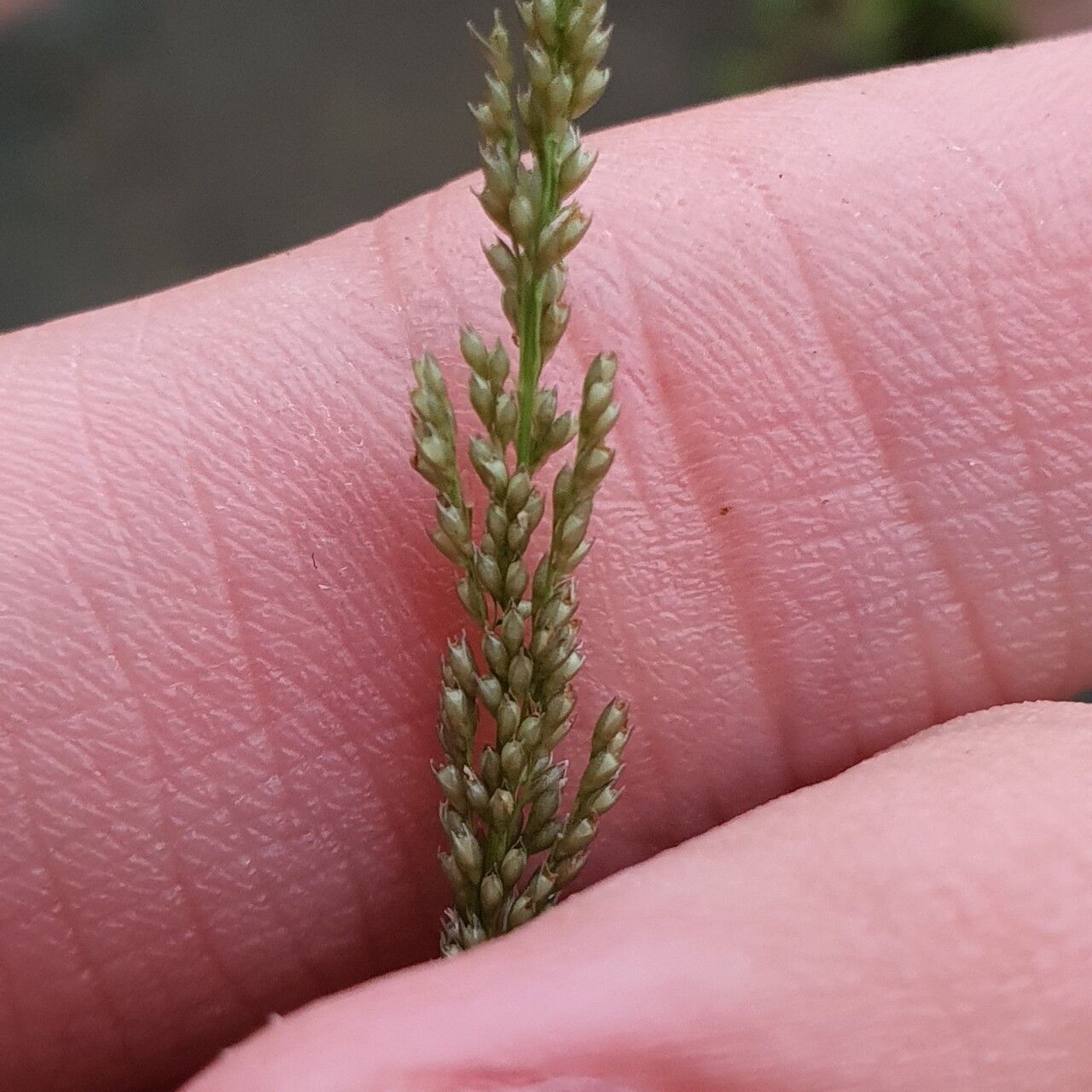
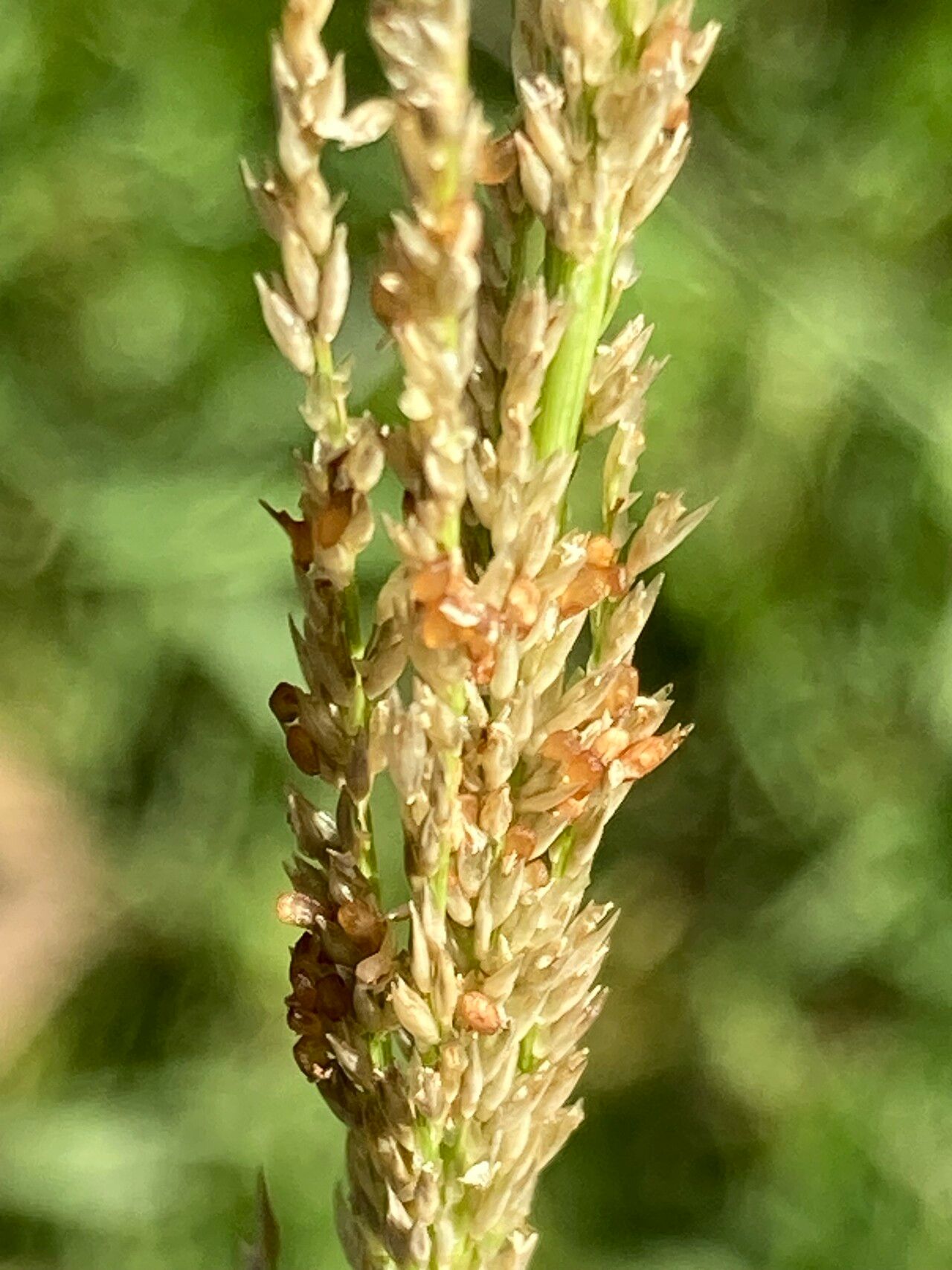
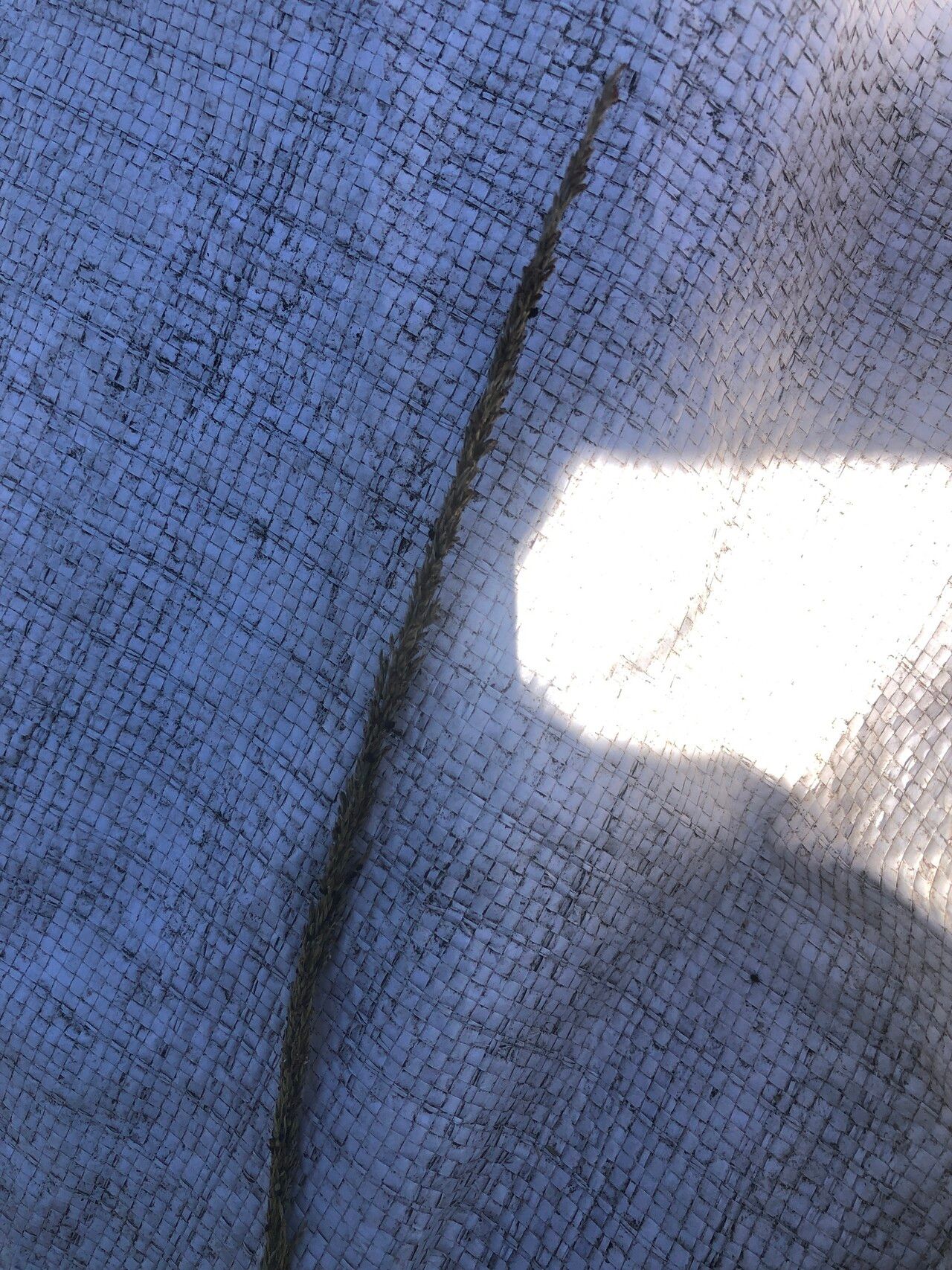
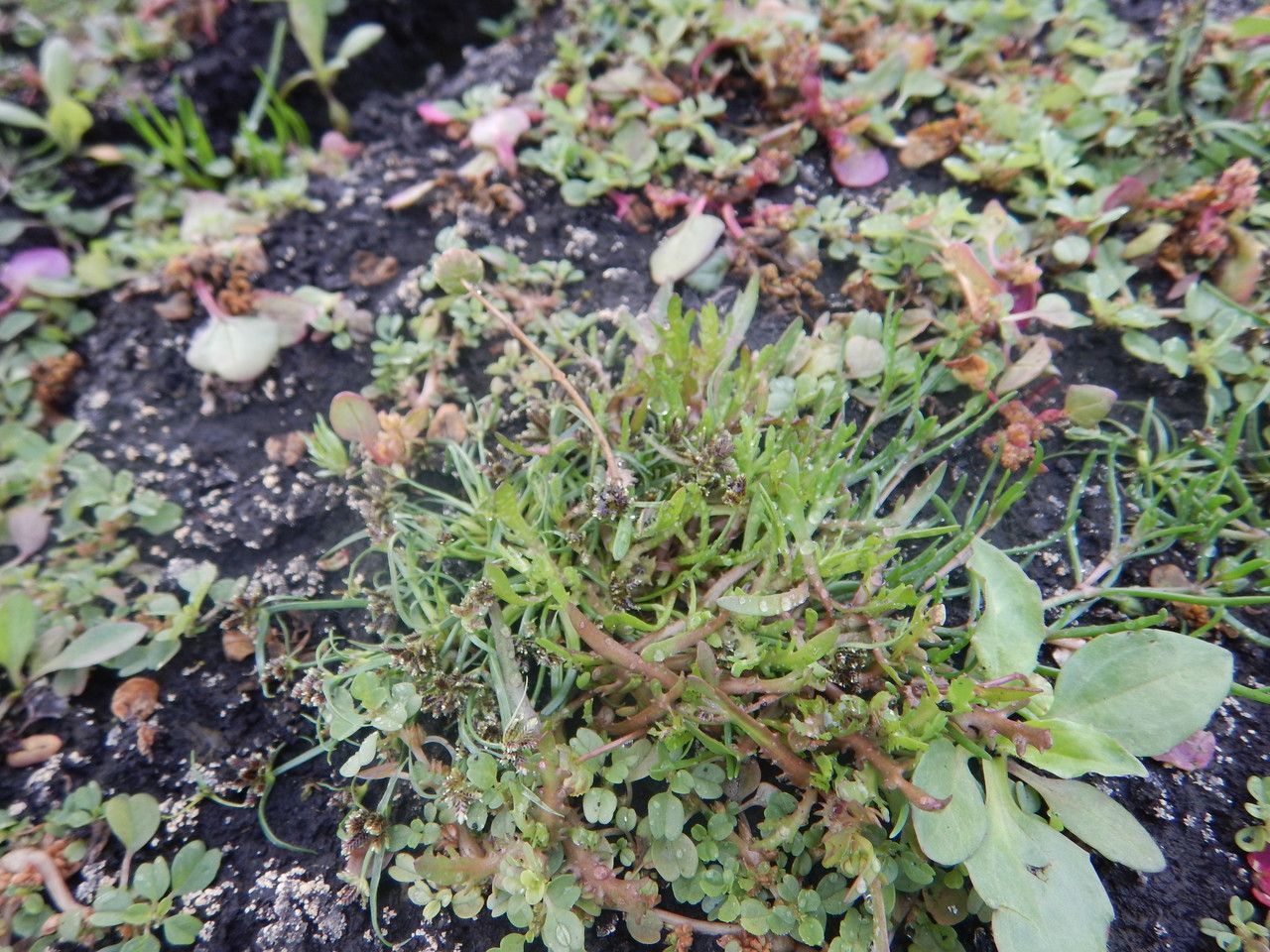
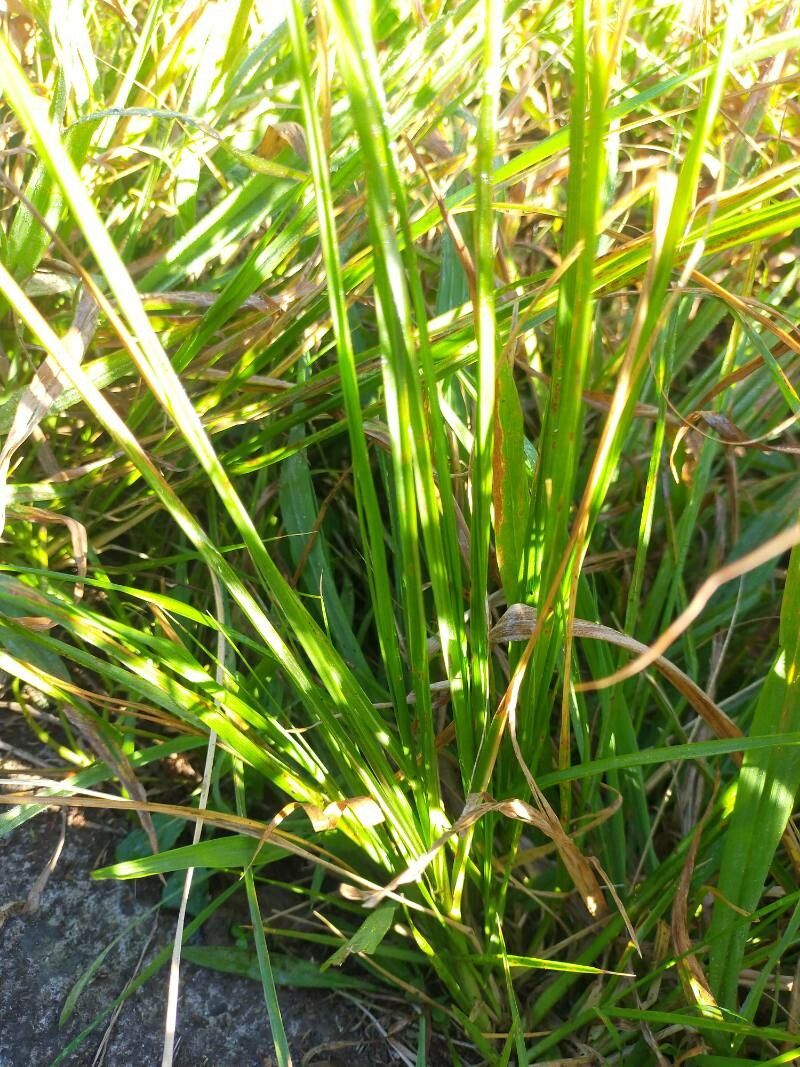
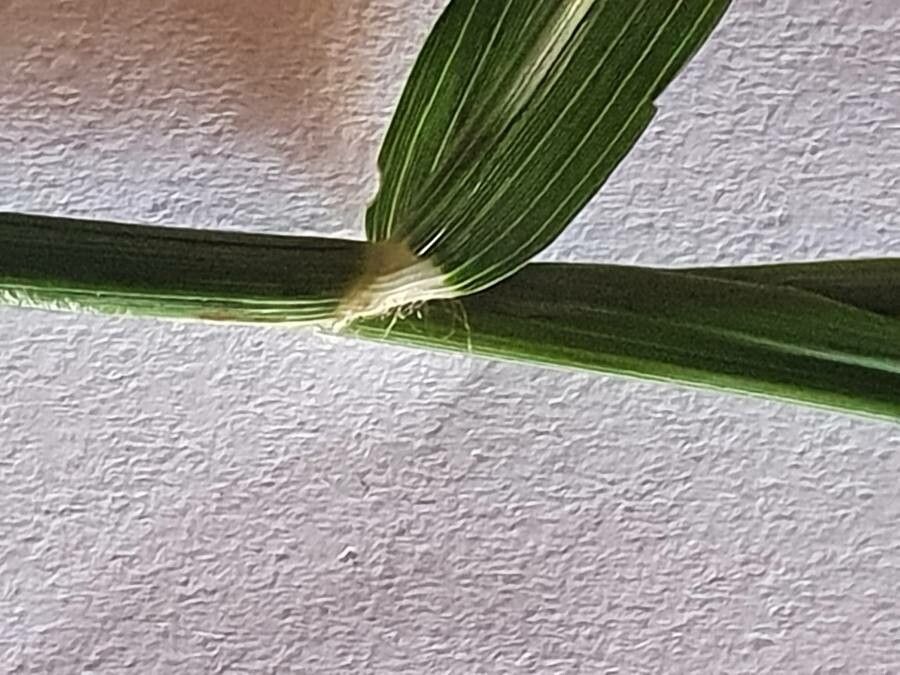
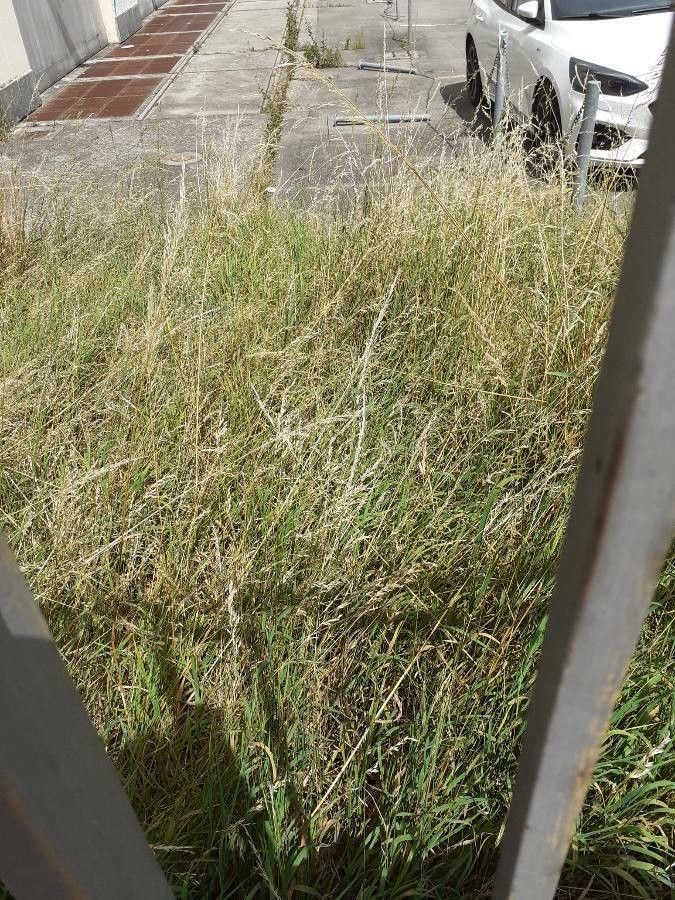
Sporobolus fertilis is a species of grass native to the Himalayas, India, Sri Lanka, Burma, Thailand, China, Japan, and Malaysia. It is an invasive species in Australia, where it is known as giant parramatta grass. This plant first appeared in scientific literature as Agrostis fertilis in the Synopsis Plantarum Glumacearum of 1854, published by the German botanist Ernst Gottlieb von Steudel.
Giant Parramatta grass is fairly disease-resistant and is generally not susceptible to diseases. In terms of care, this plant is relatively low-maintenance. When grown outdoors it needs only light watering, and larger specimens typically do not require pruning. Smaller plants, however, should be pruned after they have finished blooming. Giant Parramatta grass is suitable for anyone with an outdoor area, such as a garden or deck, and does not demand extensive care experience.
How to keep Sporobolus Fertilis.
Light
The enormous parramatta grass is a perennial herbal plant that comes from open environments and often flourishes in fields and prairies. It prefers full sun exposure, but can also endure conditions with partial sunlight.
Temperature
Giant parramatta grass is adaptable to temperature changes and can endure high temperatures and significant temperature fluctuations. It's essential to monitor its watering and offer sufficient shade during hot conditions to avoid sun scorch. On the other hand, Giant parramatta grass is not very tolerant to cooler temperatures. Although it can survive a certain level of coldness, overly chilly conditions may result in frost harm.
Fertilizer
The enormous parramatta grass necessitates supplementary nutrients to encourage robust new sprouts. In the spring season, adding some compost near the plant's bottom can efficiently deliver the essential nutrition it needs. The process of fertilizing assists in promoting energetic growth and fortifies the plant against diseases and infestations.
Pruning
Pruning giant parramatta grass in early spring is essential for maintaining its health and shape. By removing dead stems and overgrown sections, you improve air circulation, reduce the risk of disease, and stimulate new growth. Make sure to use clean, sharp tools to keep the plant vigorous and attractive all season long.
Botanical profile.
- Plant Type
- Grass
- Life Cycle
- Perennial
- Genus
- Sporobolus
- Family
- Poaceae
- Hardiness Zone
- 5-9
- Mature Height
- 0.25 m to 1.22 m
- Mature Spread
- 40 cm
- Leaf Color
- Green
- Leaf Type
- Deciduous
- Flower Color
- White
- Flower Size
- 0.51 cm to 1.27 cm
- Bloom Time
- Summer, Early fall, Mid fall
- Planting Time
- Spring, Autumn
- Harvest Time
- Late summer, Fall, Early winter
- Native Area
- Nepal, Sri Lanka, India, Malaysia, Cambodia, Vietnam, Myanmar, Japan, Philippines, Bhutan, Singapore, Bangladesh, South Korea, Thailand, China
Other names.
Reader questions.
What are the sunlight requirements for Giant Parramatta Grass?
Giant Parramatta Grass, known botanically as Sporobolus fertilis, thrives in conditions of full sun, meaning it requires more than 6 hours of sunlight daily. However, it can also tolerate partial sun conditions, which equates to about 3-6 hours of sunlight. It's important to observe the movement of sunlight in your garden to select locations that offer an optimal balance of light and shade, ensuring the plants receive the appropriate amount of sunlight for healthy growth.
How can I provide adequate lighting for indoor plants?
Indoor plants, including those that typically prefer full to partial sun, may require artificial lighting to grow optimally, especially in conditions where natural sunlight is inadequate, such as during winter or in less sunny spaces. LED lights are recommended because they can be adjusted to provide specific wavelengths needed by plants. For full sun plants, 30-50W/sq ft of artificial light is needed, while partial sun plants require 20-30W/sq ft, and full shade plants need 10-20W/sq ft. The light source should be positioned 12-36 inches above the plant, with most plants benefiting from 8-12 hours of artificial light daily to mimic natural sunlight exposure.
What symptoms indicate light deficiency in Giant Parramatta Grass?
Symptoms of light deficiency in Giant Parramatta Grass include smaller new leaves, leggy or sparse growth, faster leaf drop, slower or no new growth, and lighter-colored new leaves. These symptoms suggest that the plant is not receiving sufficient sunlight to maintain healthy growth. On the other hand, excessive sunlight can lead to chlorosis (yellowing of the leaves), sunscald, leaf curling, wilting, and leaf scorching, indicating that the plant's exposure to sunlight needs to be carefully managed for optimal health.
What solutions can address sunlight-related issues for Giant Parramatta Grass?
To address sunlight-related issues for Giant Parramatta Grass, gradually moving the plants to sunnier locations can help -- indoor plants can be placed by a south-facing window and supplemented with artificial light if necessary, while outdoor plants should be moved gradually to avoid sunburn. Pruning obstructions like tree branches can allow more sunlight to reach the plants. For plants in the ground, consider transplanting to a location with better sunlight and drainage. It is critical, however, to understand that parts of the plant already affected by insufficient sunlight may not recover, but new growth should be healthy with improved light conditions.