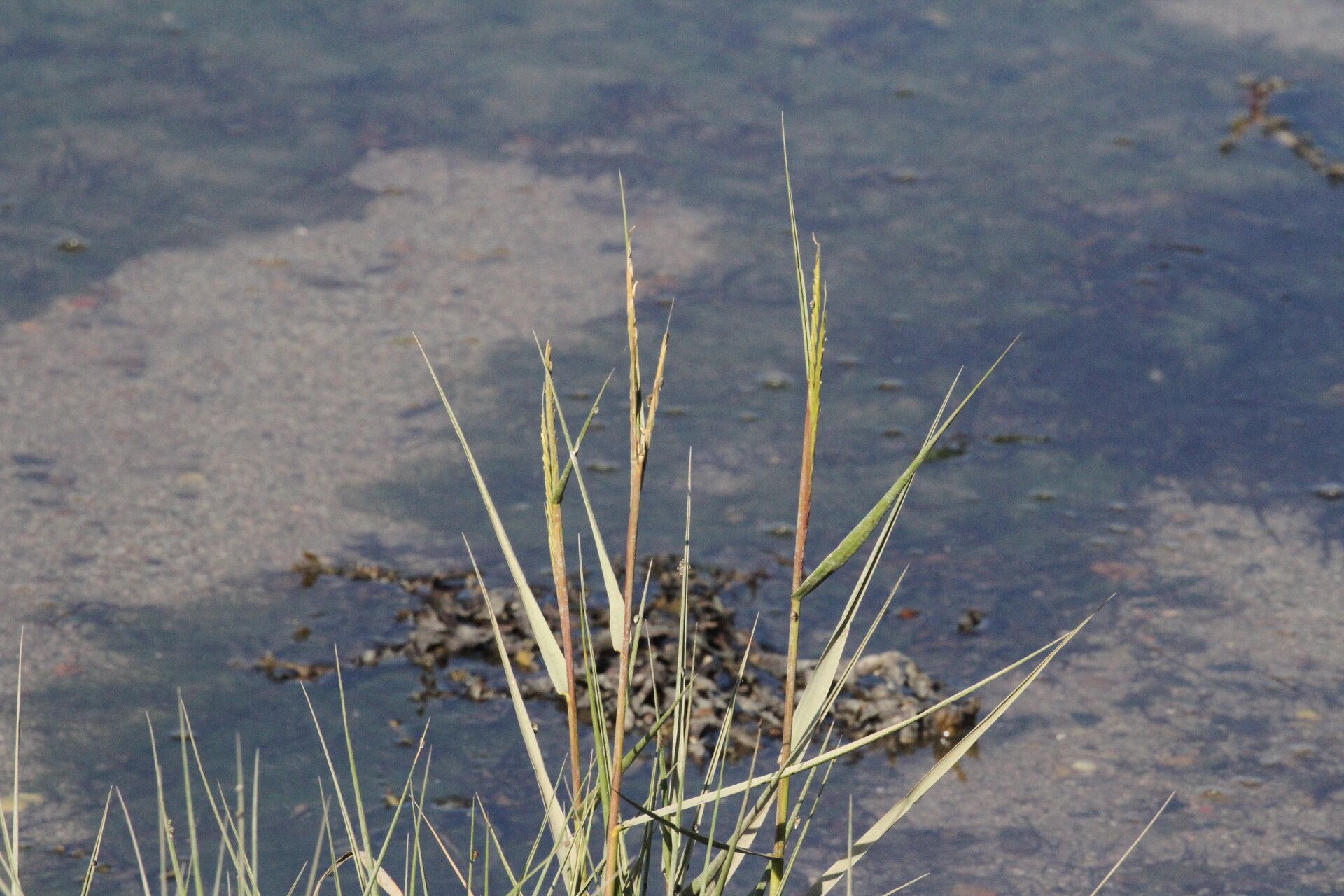
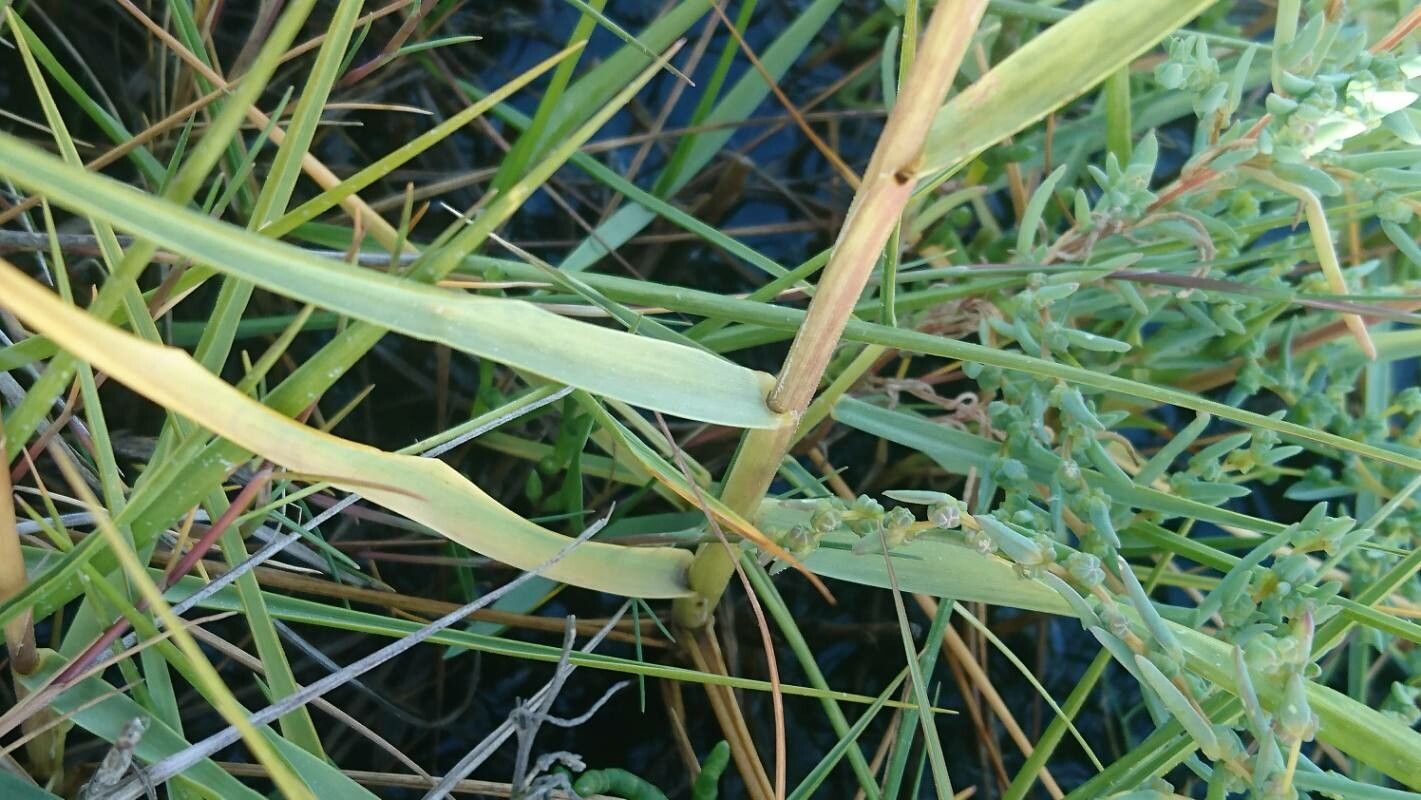
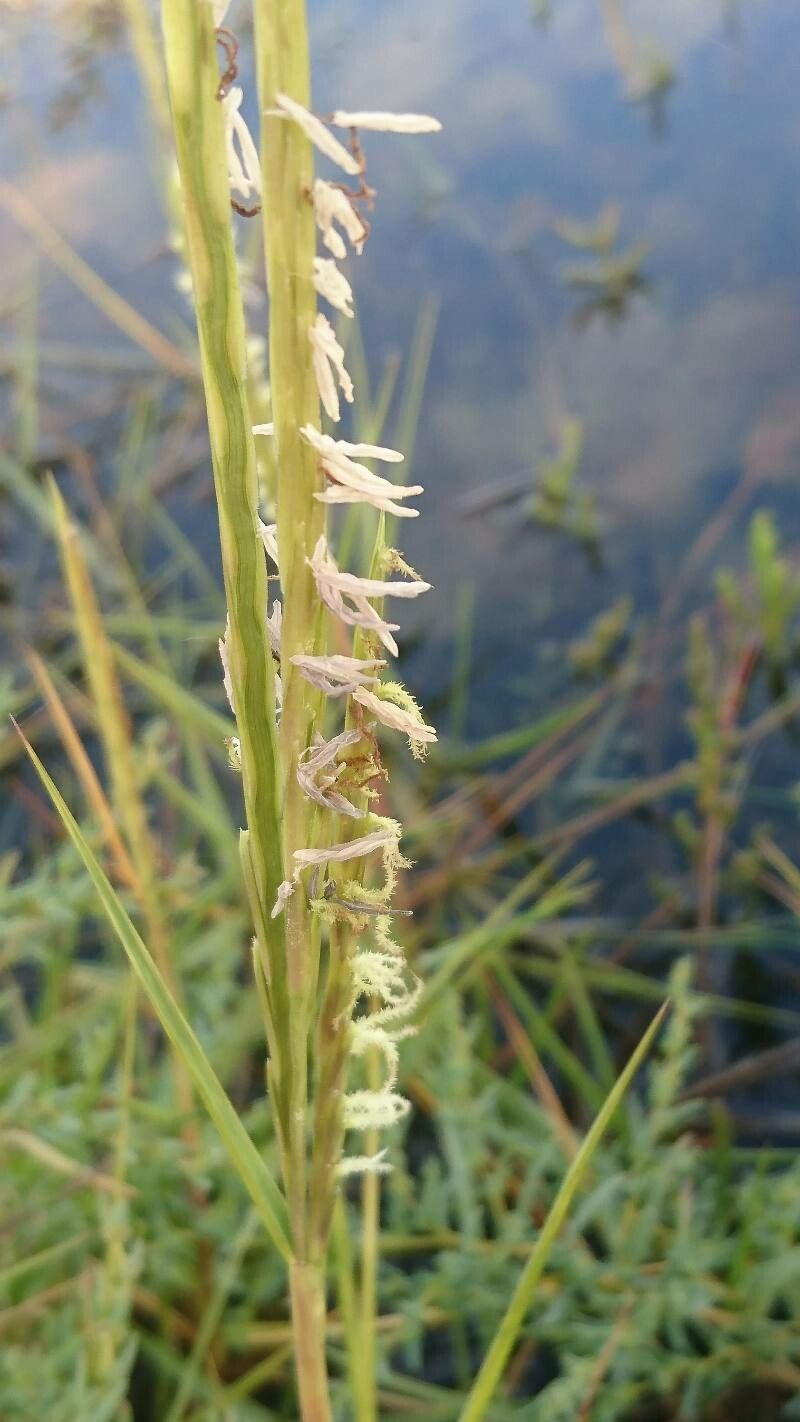
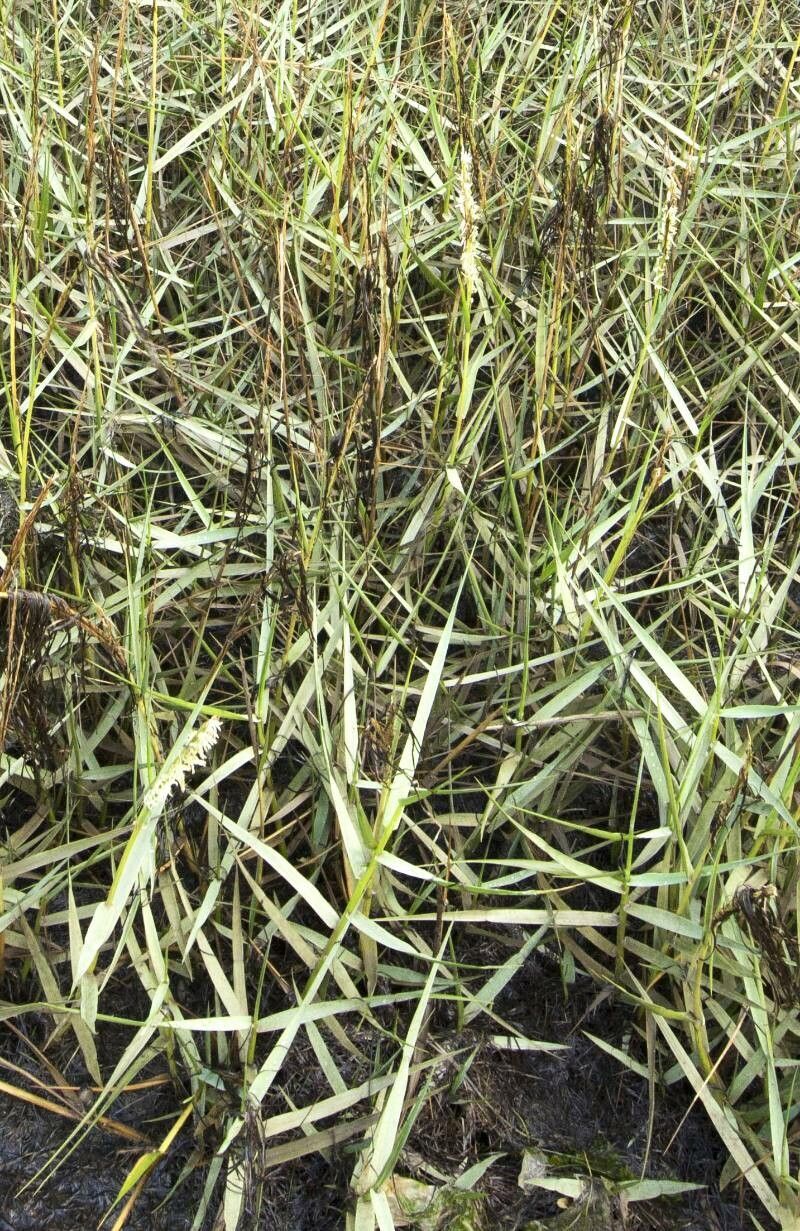
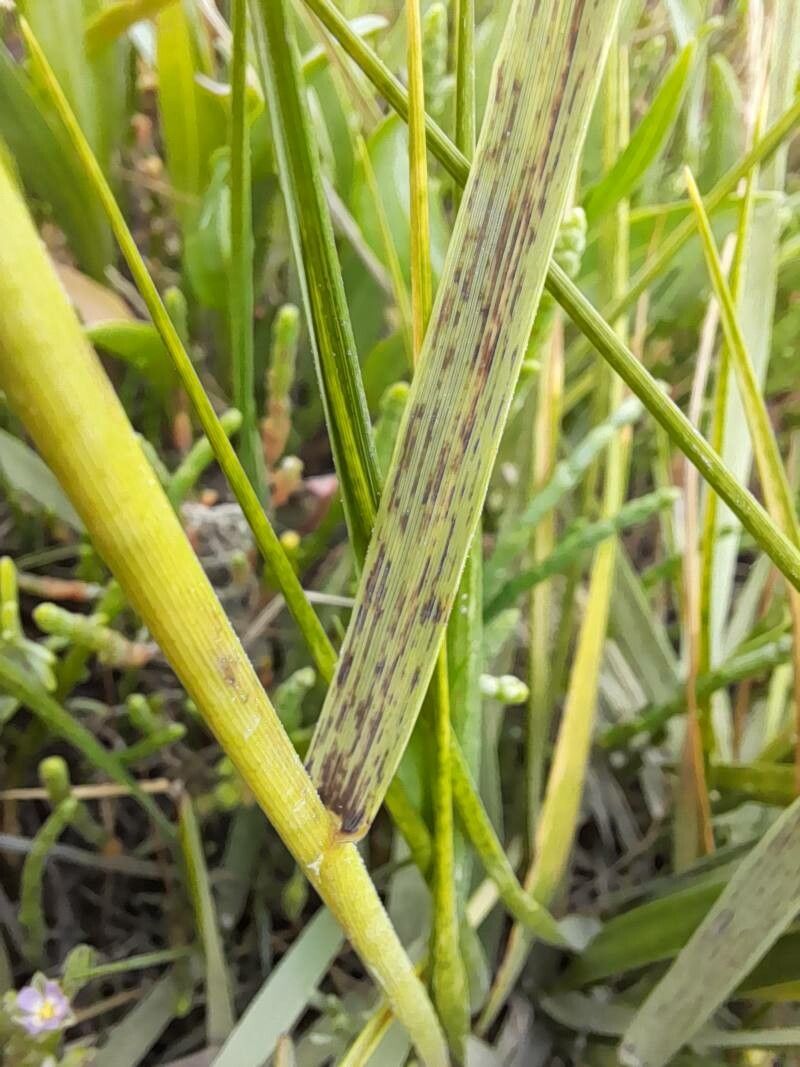
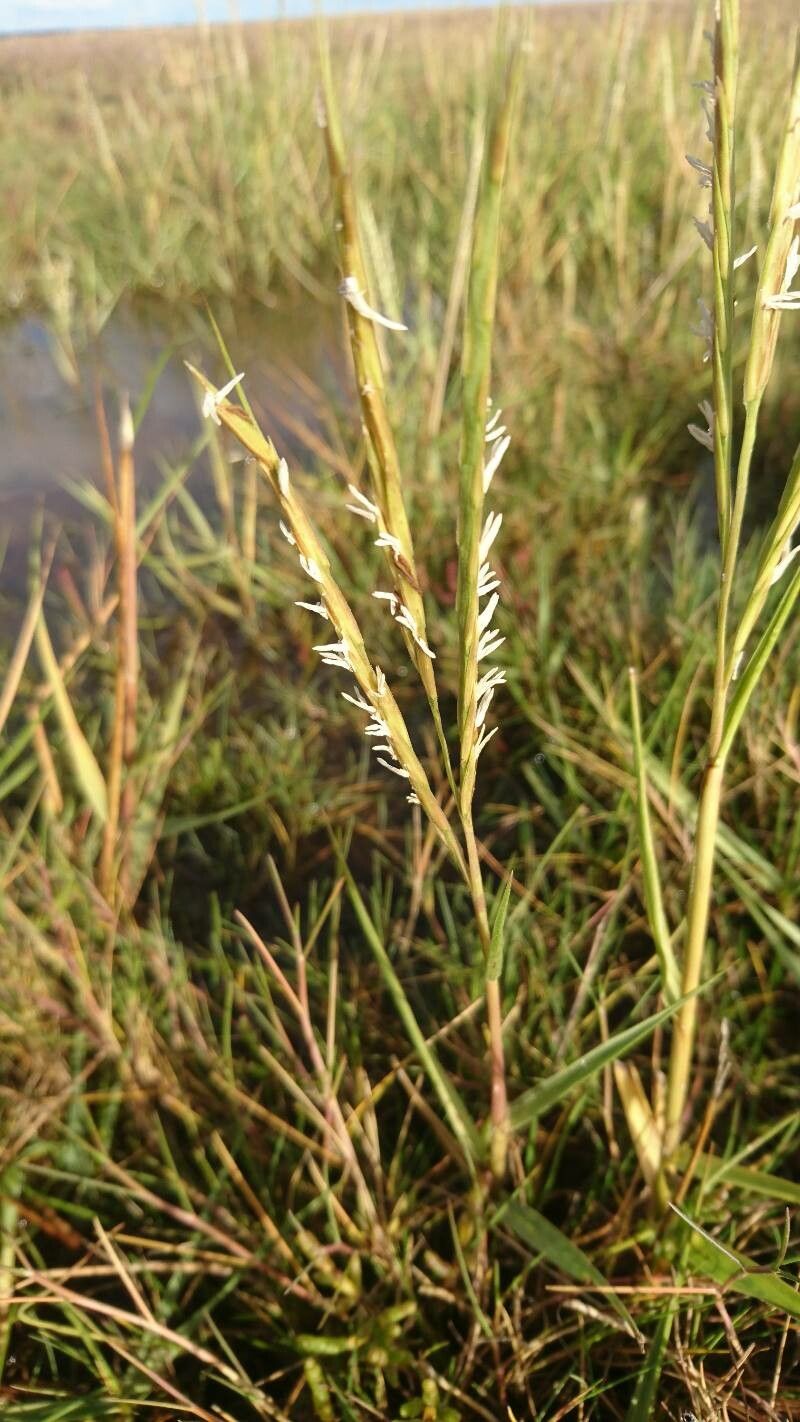
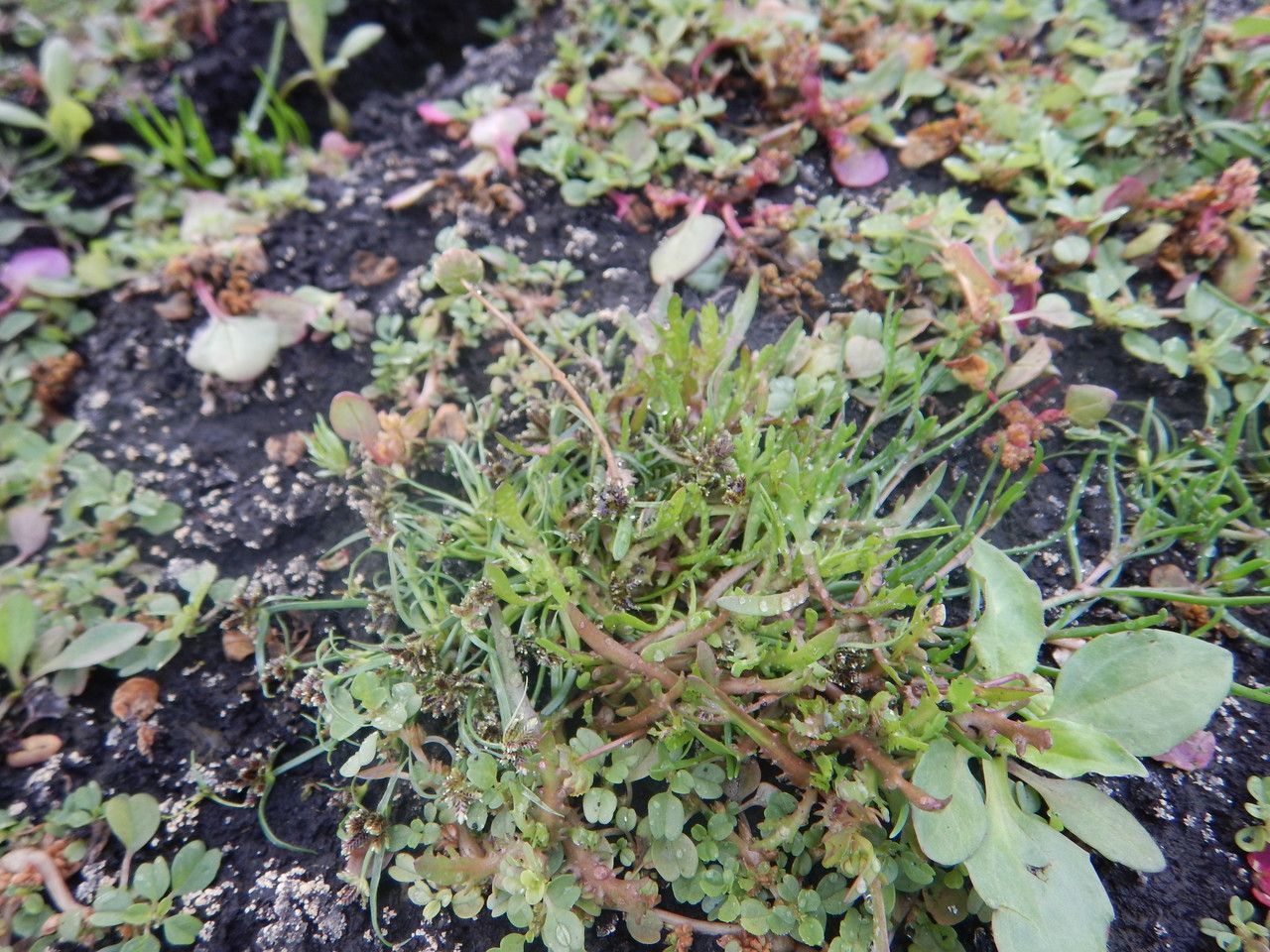
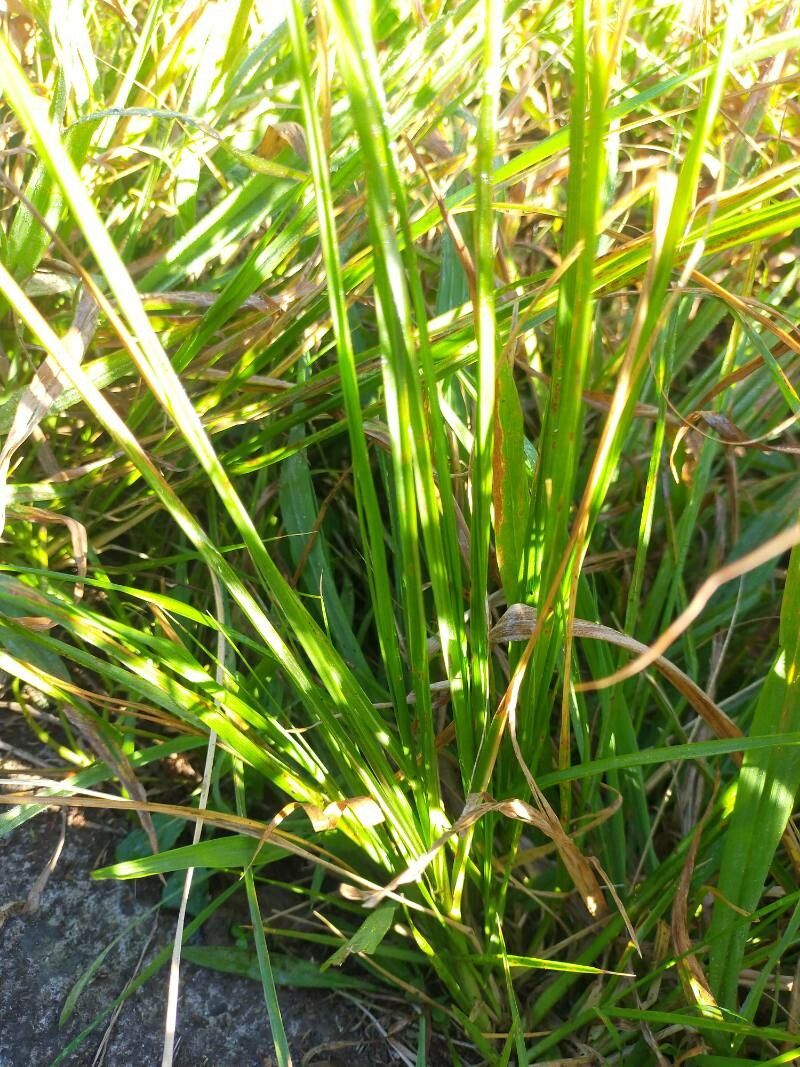
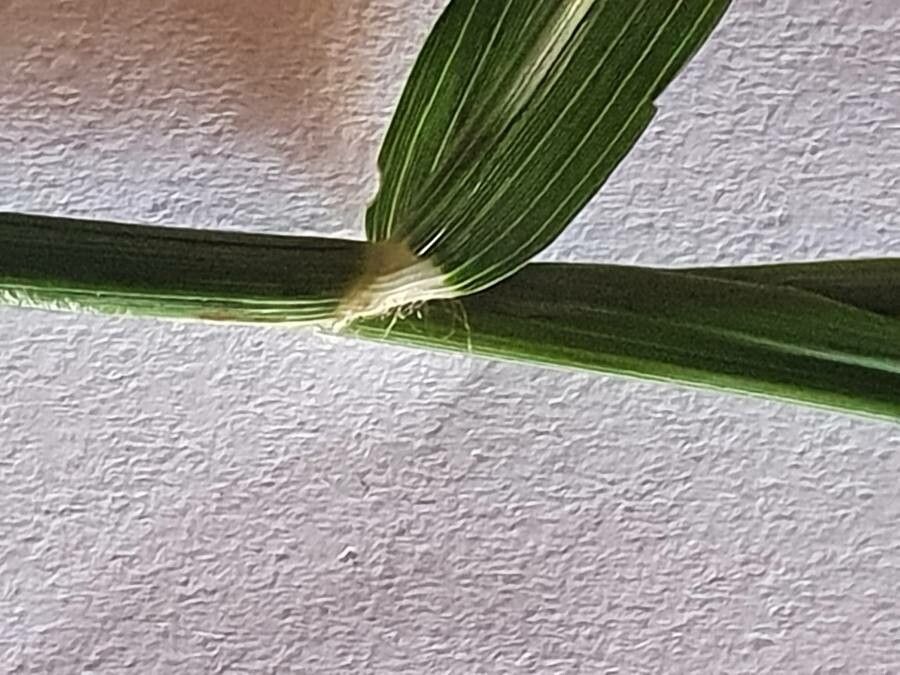
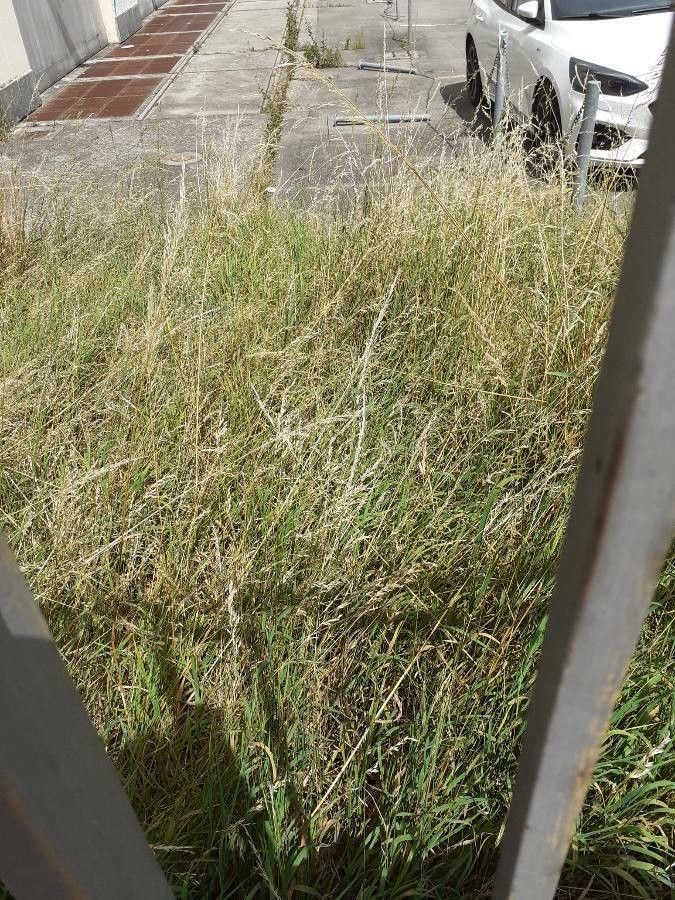
Sporobolus anglicus is a hybrid-derived species of cordgrass that originated in southern England in about 1870 and is a neonative species in Britain. It was reclassified as Sporobolus anglicus after a taxonomic revision in 2014, but its previous name, Spartina anglica is still in common usage. It is an allotetraploid species derived from the hybrid Sporobolus × townsendii, which arose when the European native cordgrass Sporobolus maritimus hybridized with the introduced American Sporobolus alterniflorus.
Common cordgrass is fairly disease-resistant and is typically not susceptible to illnesses. With regard to care, this plant is quite low-maintenance. When kept outdoors it needs only minimal watering, and bigger plants usually do not require pruning. Smaller plants, however, should be pruned after they finish blooming. Common cordgrasst is appropriate for anyone who has outdoor space, like a garden or a deck, and it does not demand a great deal of gardening experience.
How to keep Sporobolus Anglicus.
Light
Common cordgrass is a sun-loving perennial herbaceous plant native to open habitats, commonly growing in meadows and grasslands. It prefers full sun but can also tolerate partial sunlight.
Temperature
Common cordgrass comes from tropical areas, which are generally warm and humid. Consequently, it is adapted to high temperatures and humidity. It is sensitive to abrupt temperature changes and prefers a steady thermal environment, so avoiding temperature fluctuations indoors is important. It typically does not tolerate cold and needs warmer conditions to grow. If the surrounding temperature falls too low, the plant may stop growing or even die.
Fertilizer
Common cordgrass needs extra nutrients to encourage healthy new growth. In spring, applying compost around the base of the plant can effectively supply the nourishment it requires. Fertilizing helps support vigorous growth and improves the plant's resistance to diseases and pests.
Pruning
Common cordgrass thrives in estuarine habitats due to its salt tolerance. To encourage new growth and prevent overcrowding, prune the plant in early spring by removing old stems. Focus on cutting away dead or diseased parts and thinning dense areas to improve air circulation and light penetration.
Botanical profile.
- Plant Type
- Grass
- Life Cycle
- Perennial
- Genus
- Sporobolus
- Family
- Poaceae
- Hardiness Zone
- 5-9
- Mature Height
- 0.3 m to 1.22 m
- Mature Spread
- 20 cm to 49 cm
- Leaf Color
- Dark Green
- Leaf Type
- Semi-evergreen
- Flower Color
- White
- Flower Size
- 0.51 cm to 1.02 cm
- Bloom Time
- Mid summer, Late summer, Early fall
- Planting Time
- Spring, Autumn
- Harvest Time
- Fall
- Native Area
- Cyprus, United Kingdom
Other names.