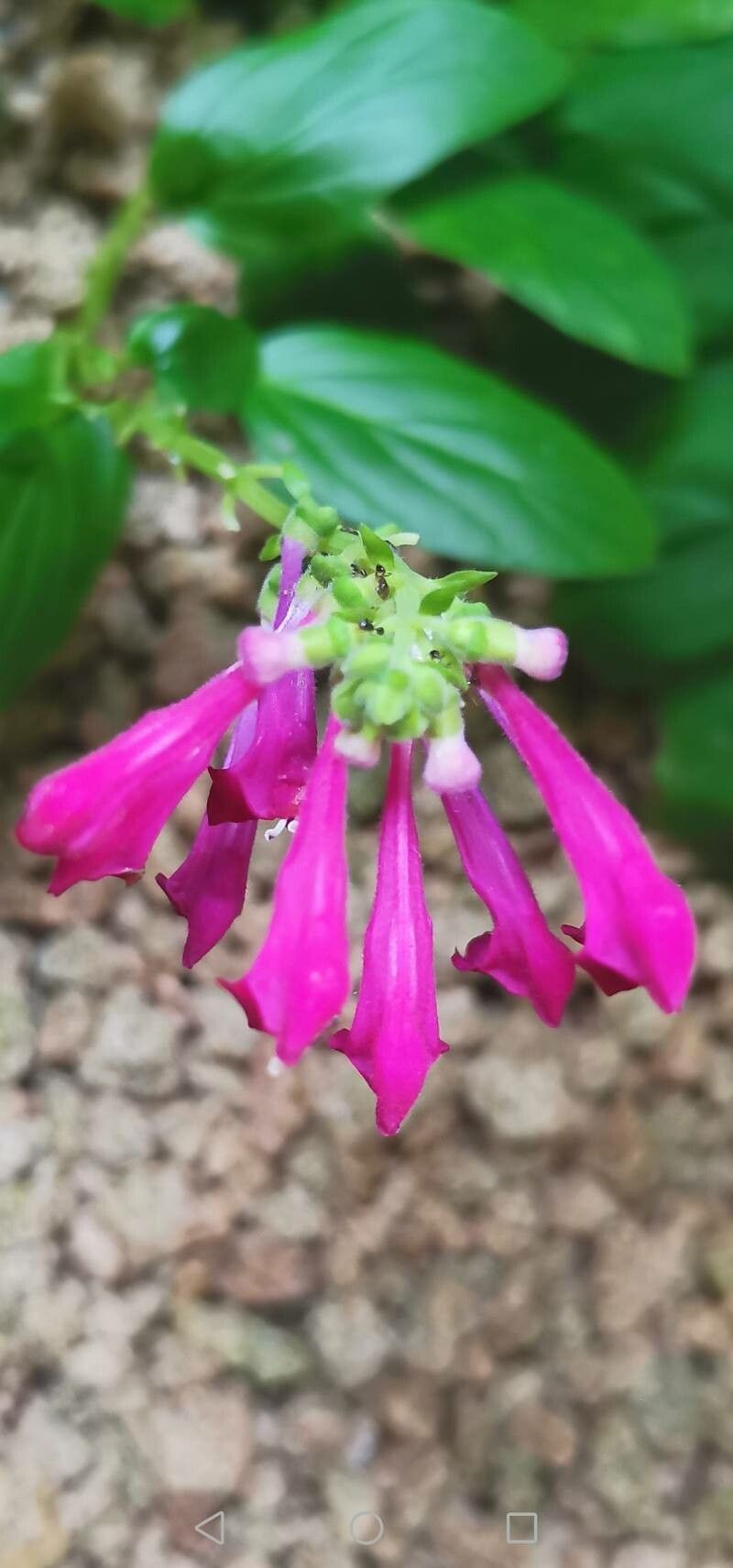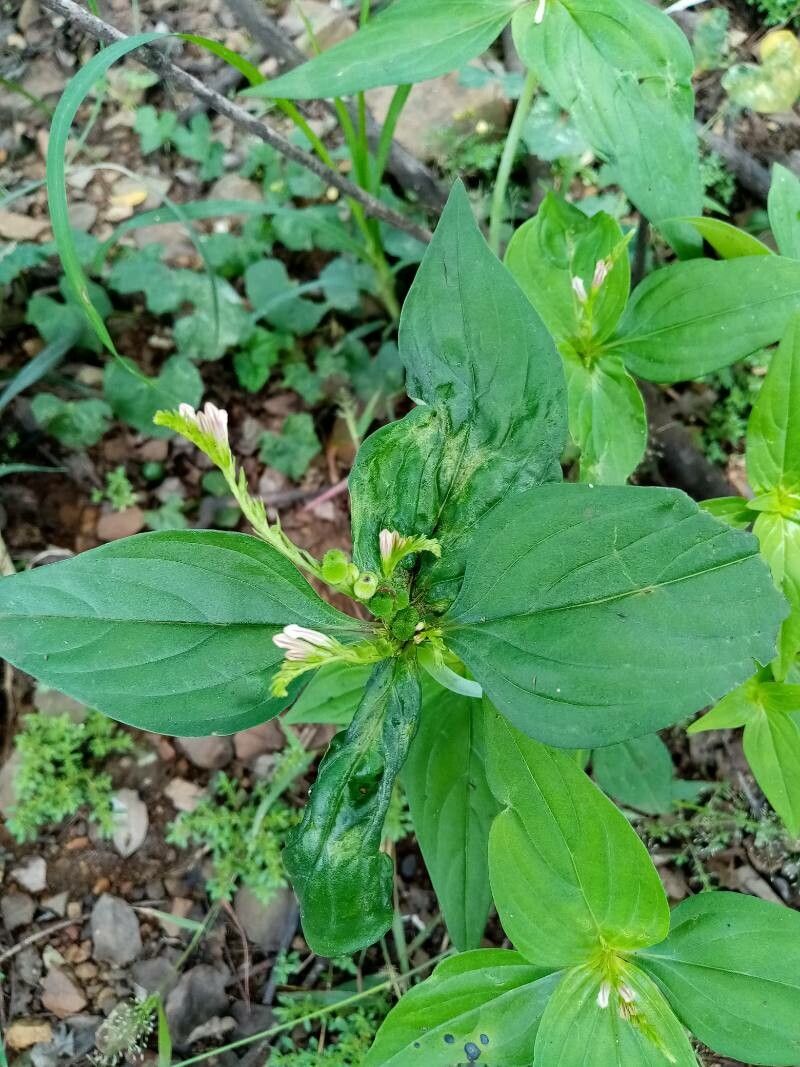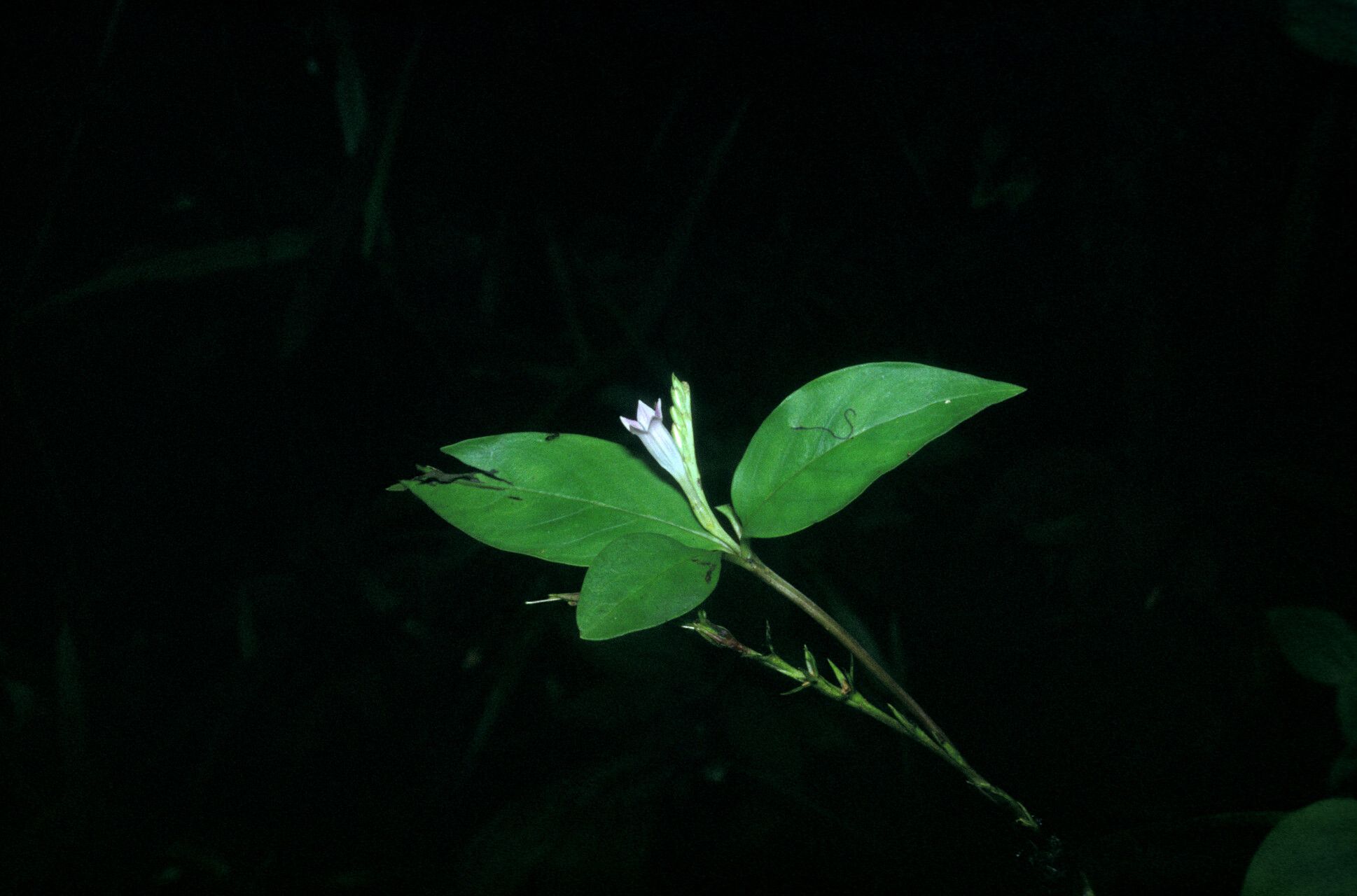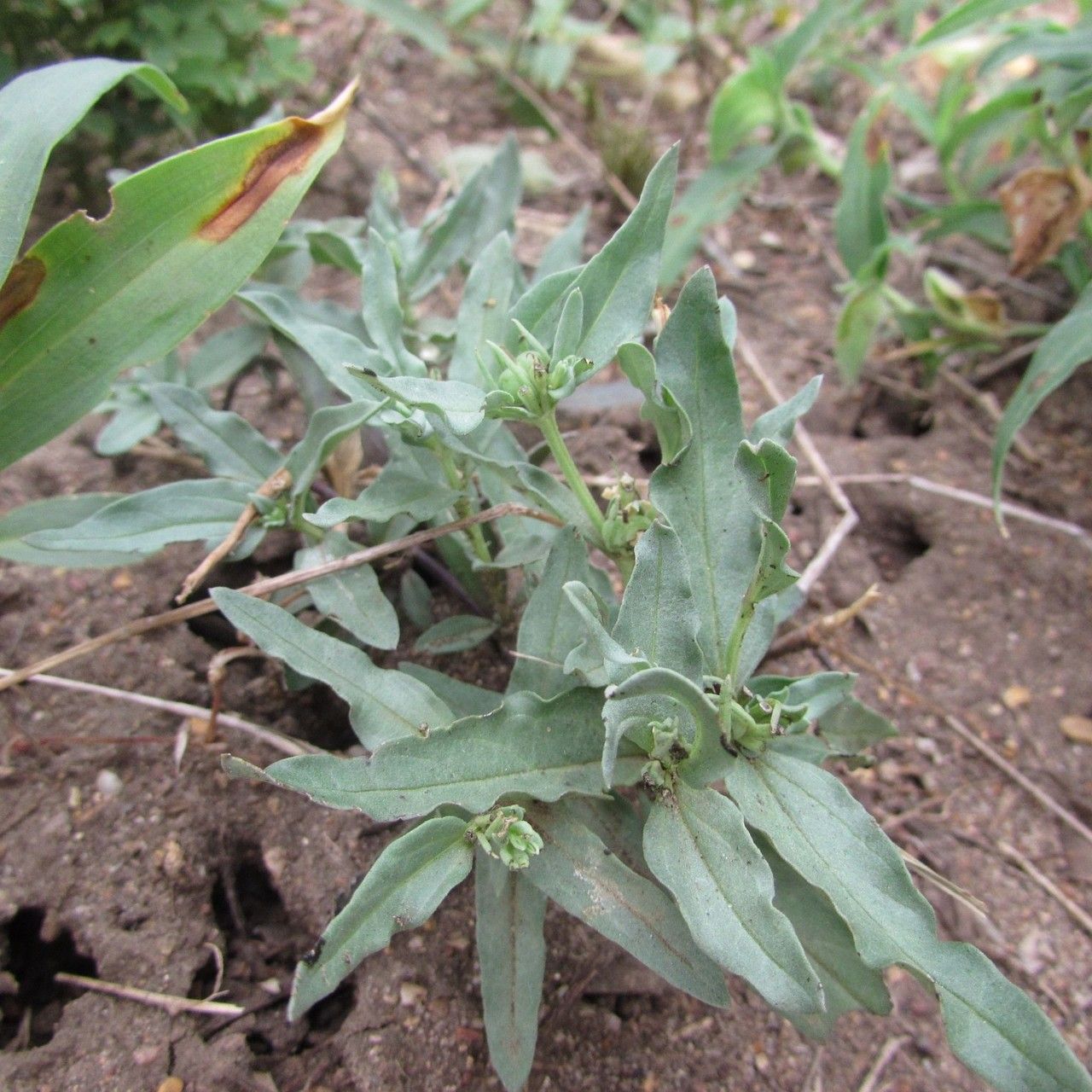
Prairie pinkroot is fairly disease-resistant and in general not prone to illnesses. Still, it can be affected by pests and diseases present in its environment. These problems are typically minor. For care, the plant requires moderate maintenance. It should be pruned regularly to maintain a neat appearance and healthy growth. Fertilizing can also help encourage flowering. Prairie pinkroot is well suited to anyone with outdoor space, such as a garden or patio, and does not need extensive care experience. It may demand more attention when grown indoors.
How to keep Spigelia Hedyotidea.
Light
The Prairie pinkroot naturally inhabits places like forest undergrowth or stony terrains, where it is naturally shaded. While it favors semi-sunny surroundings, it can also adjust well to full sun or total shade, showing its adaptive and resilient characteristics.
Temperature
Prairie pinkroot hails from tropical areas that are known for their heat and humidity. This has made the plant highly adaptable to hot, humid conditions. The plant isn't favorable to abrupt changes in temperature and prefers a steady climate, so it is critical to keep indoor temperature variations to a minimum. Typically, it doesn't do well in colder climates and requires warmer conditions to thrive. If the surroundings get too cold, there is a possibility that the plant will stop growing or could even perish.
Fertilizer
Providing adequate fertilization is vital for maintaining the health and visual appeal of Prairie pinkroot. Apply fertilizer once a month to the Prairie pinkroot during the summer season. These nutrients support the plant's growth and maintenance of its structures. Fertilizing improves the flower show of Prairie pinkroot, guaranteeing optimal blossoming.
Pruning
Prairie pinkroot is a herbaceous perennial known for its vibrant pink flowers. To keep it healthy and promote dense growth, prune it in early spring. This involves removing any damaged parts and trimming leggy stems above healthy buds. Regular pruning not only improves air circulation but also reduces the risk of disease. Remember to use sanitized tools to prevent infections.
Botanical profile.
- Plant Type
- Herb
- Life Cycle
- Perennial
- Genus
- Spigelia
- Family
- Loganiaceae
- Hardiness Zone
- 8-11
- Mature Height
- 30 cm to 61 cm
- Mature Spread
- 20 cm to 40 cm
- Leaf Color
- Green, Dark Green
- Leaf Type
- Deciduous
- Flower Color
- Red
- Flower Size
- 2.03 cm to 3.05 cm
- Bloom Time
- Late spring, Early summer, Mid summer
- Planting Time
- Spring, Summer, Autumn
- Harvest Time
- Late summer, Early fall, Mid fall
- Native Area
- Mexico, Guatemala, Cuba