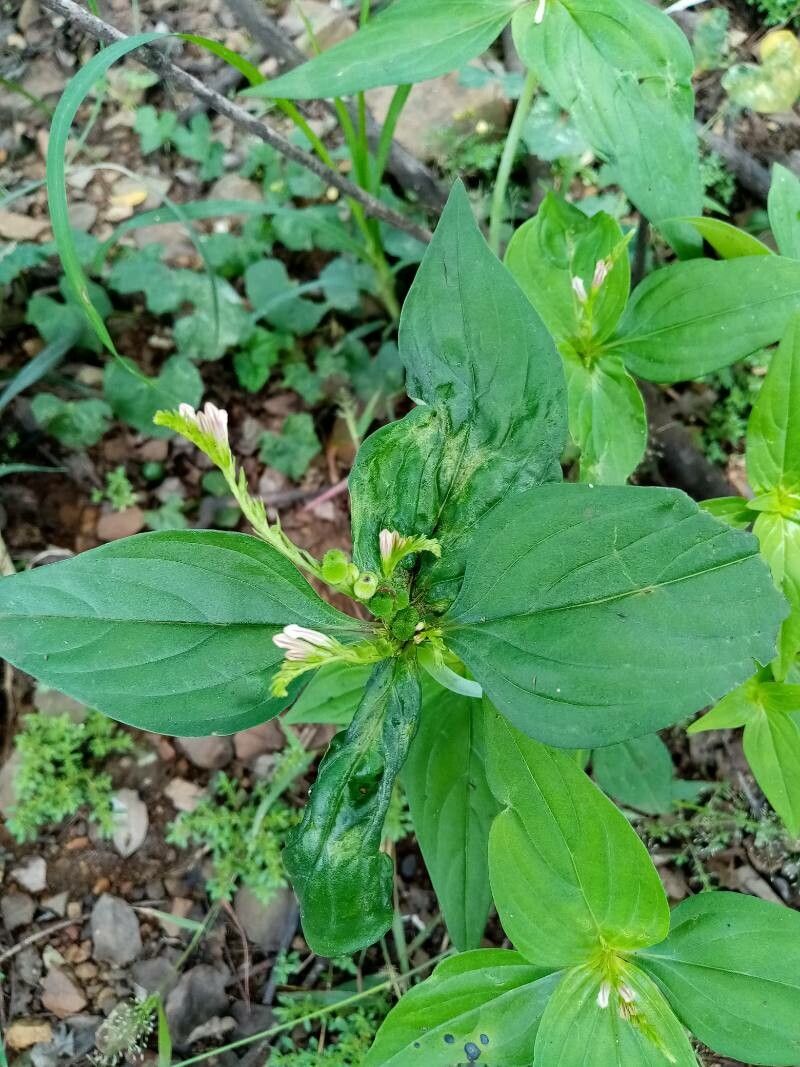
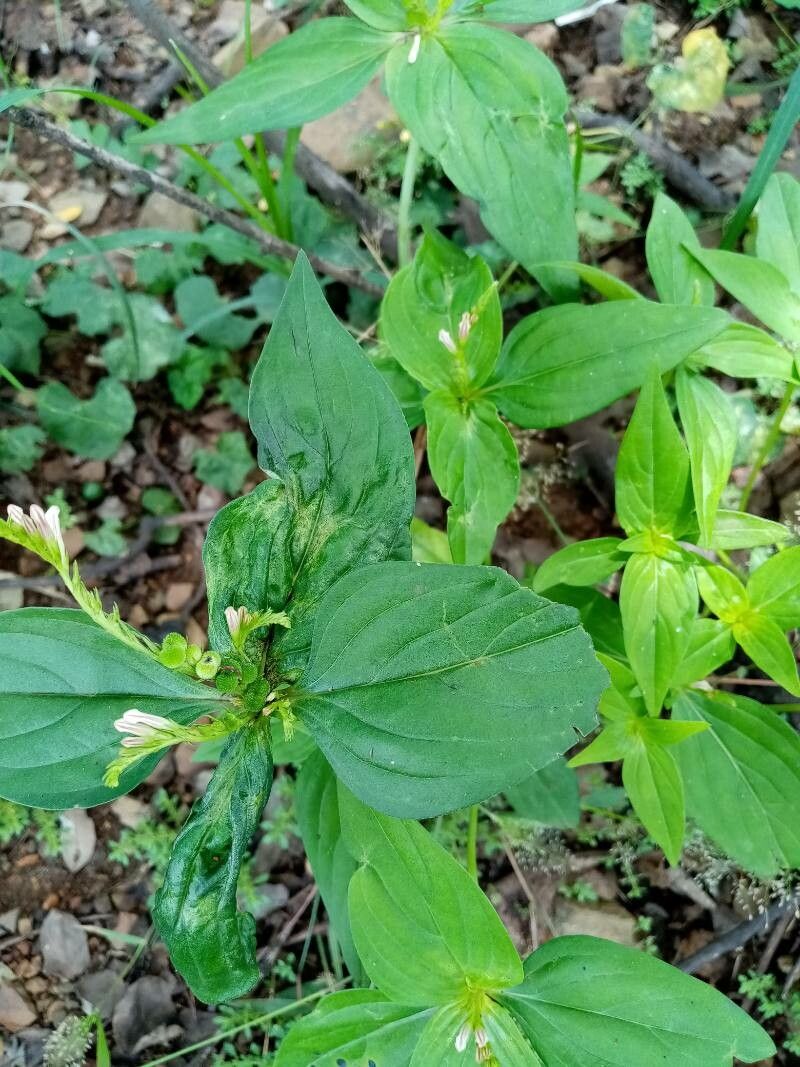
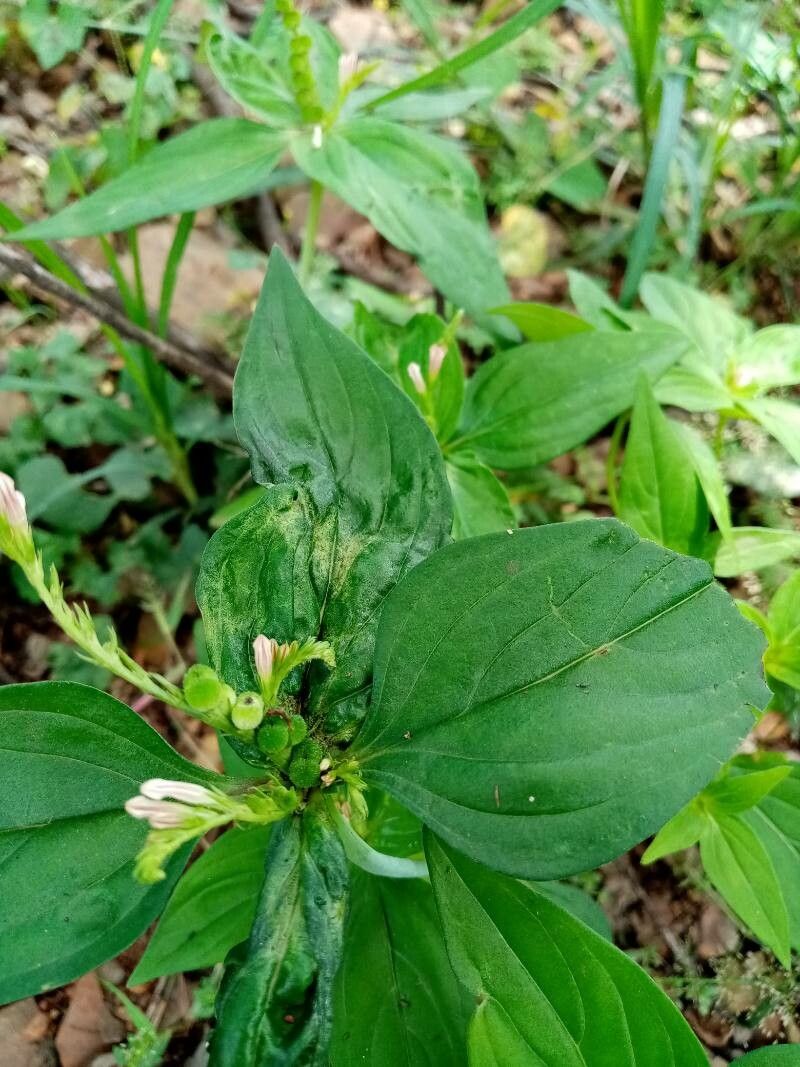
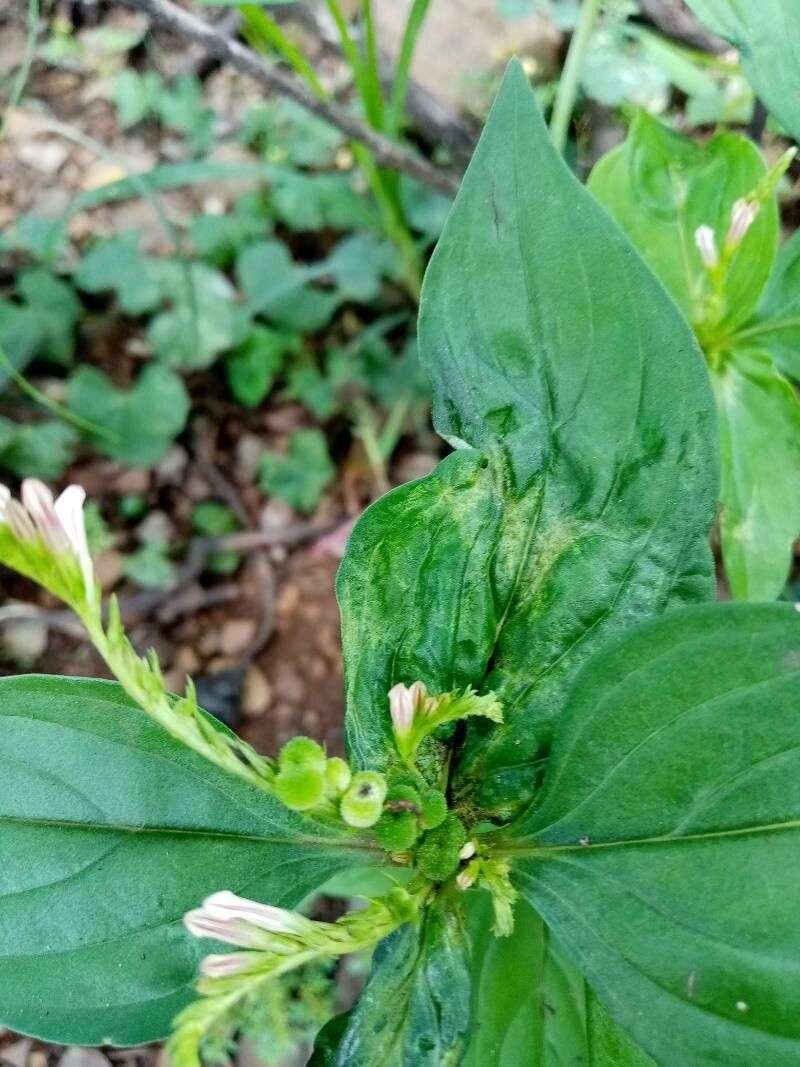
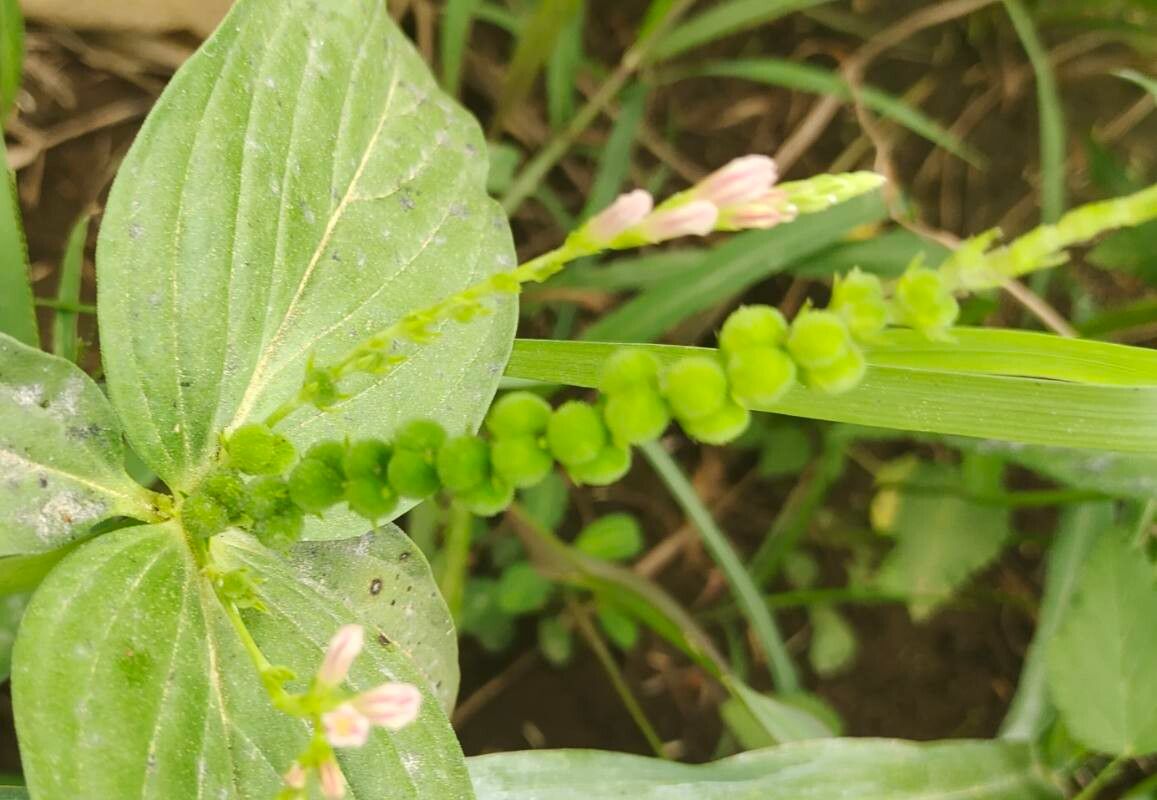
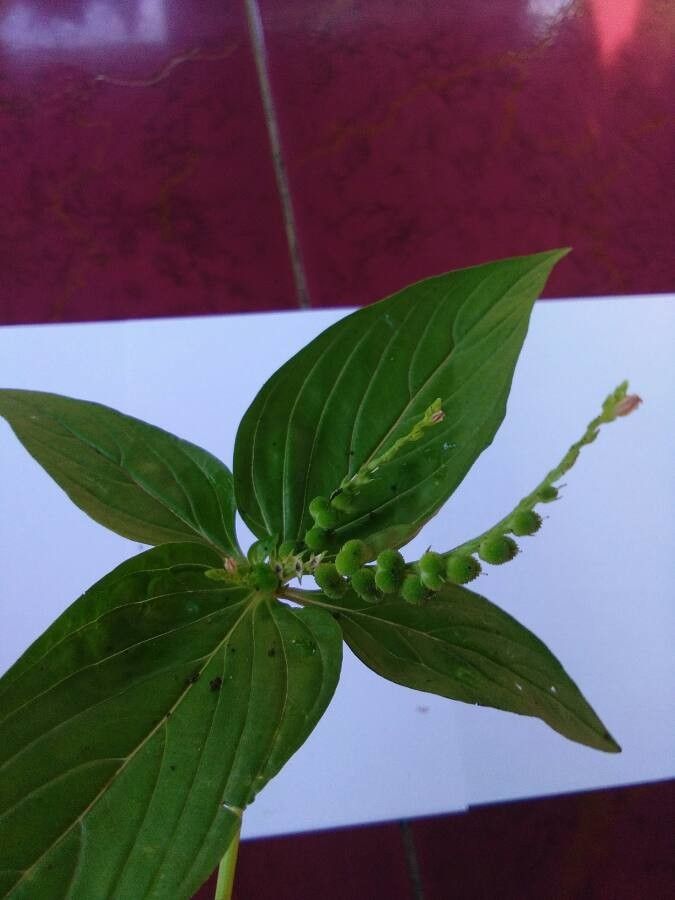
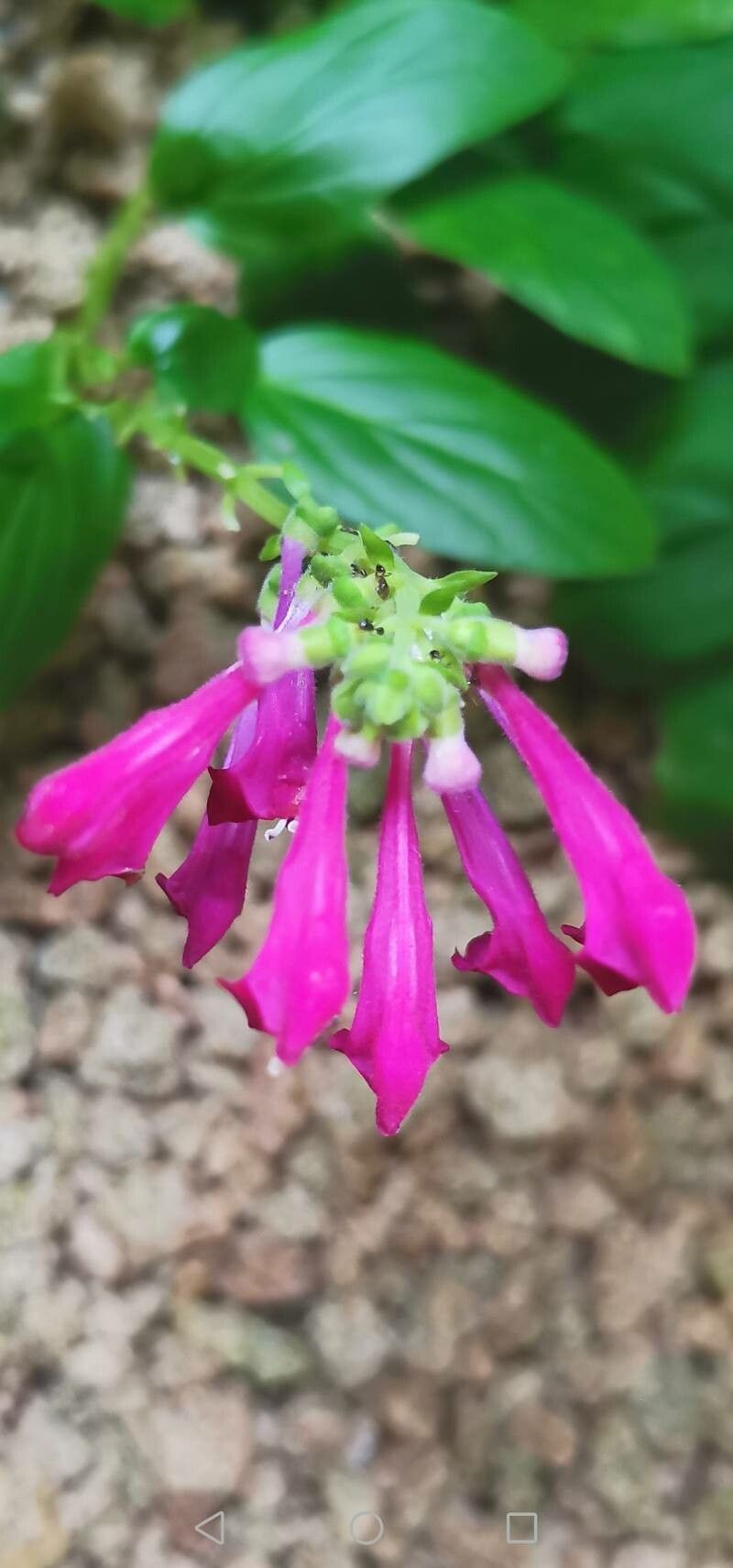
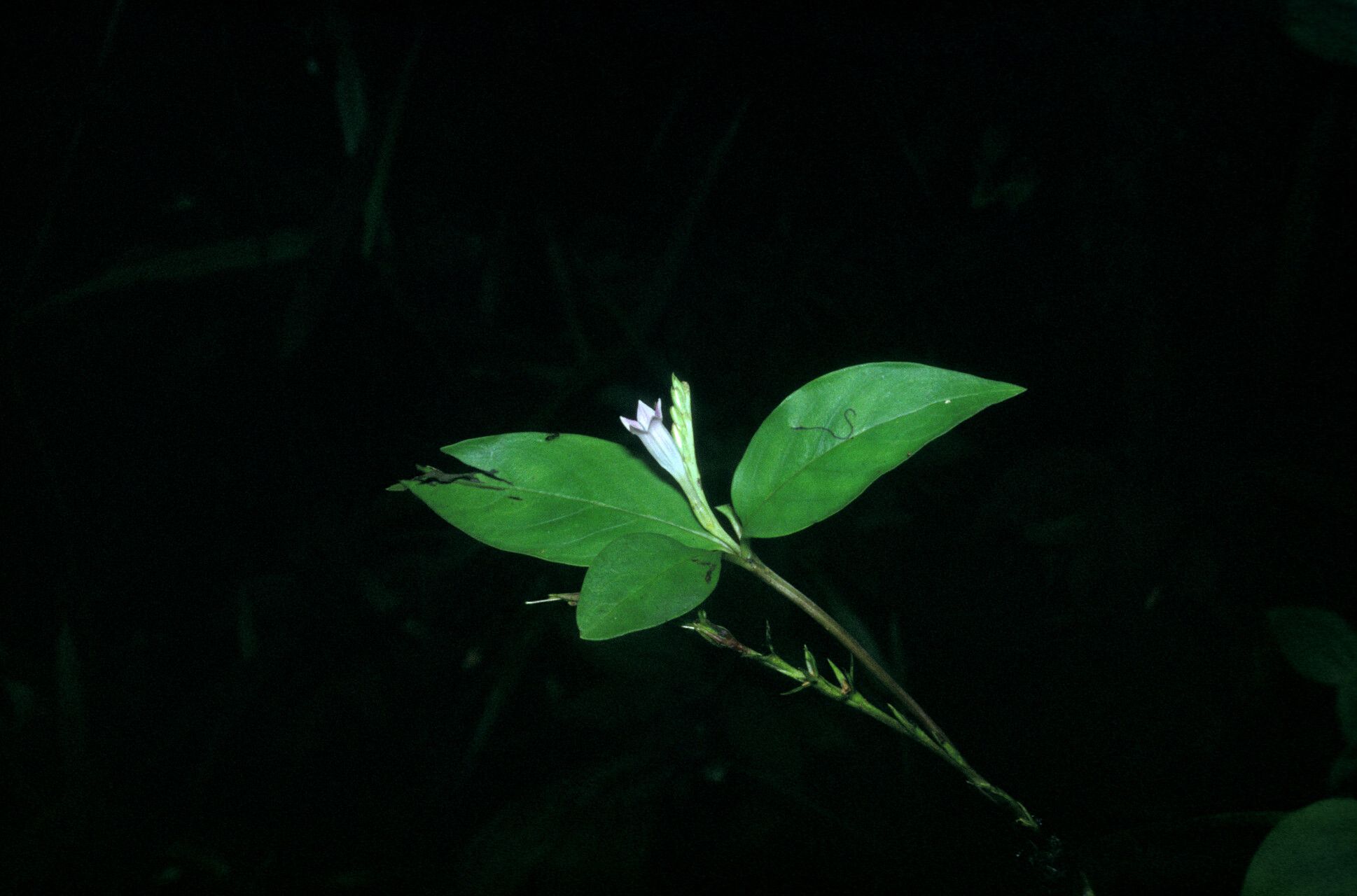
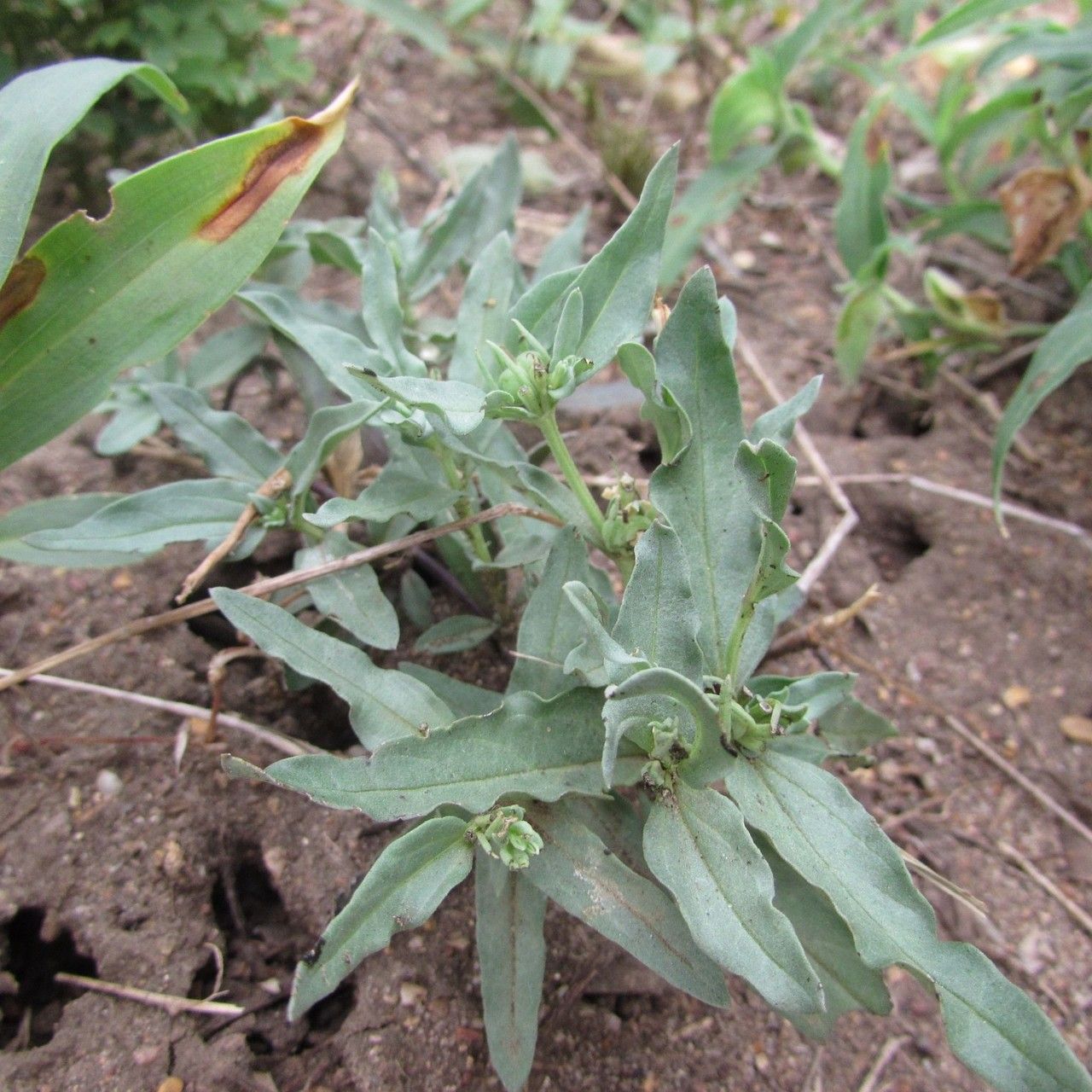
Spigelia anthelmia, the West Indian pinkroot, wormbush, or wormgrass, is a species of flowering plant in the family Loganiaceae. It is native to Mexico, Central America, the Caribbean, Florida, and northern South America through to Bolivia and Brazil, and it has been widely introduced to other tropical locales, including western and west-central Africa, India, Sri Lanka, Indonesia, Thailand, Peninsular Malaysia, Hainan, and the Bismarck Archipelago. Highly poisonous, it is used as a vermifuge against intestinal worms.
West indian pinkroot is fairly disease-resistant and typically does not suffer from many illnesses. Nonetheless, it can be vulnerable to pests and diseases present in its environment. Such problems are usually minor. Regarding care, this plant needs moderate maintenance. It should be pruned regularly to keep a good appearance and support healthy growth. Fertilizing can also help encourage flowering. West indian pinkroot is suitable for anyone with outdoor space, like a garden or patio, and does not demand extensive care experience. It may need more attention if grown indoors.
How to keep Spigelia Anthelmia.
Light
West Indian pinkroot prefers plenty of sunlight but also tolerates moderate light. Native to bright habitats, it does best in such conditions. Too little light can lead to stunted growth and faded color, while too much can scorch the leaves.
Water
The West Indian pinkroot flourishes in tropical environments where there is consistent moisture and humidity. While it can tolerate moderate drought, it requires weekly watering to stay healthy. This plant is versatile and can be grown both indoors and outdoors. However, if you are growing it in containers, careful attention to moisture management is necessary because the soil can dry out more quickly.
Temperature
West indian pinkroot comes from tropical regions, where the climate is typically warm and humid. Therefore, it is well adapted to high temperatures and humidity. It does not tolerate sudden temperature changes and prefers a stable temperature environment, so it is important to avoid temperature fluctuations indoors. It usually cannot withstand cold temperatures and needs higher temperatures to grow. If the environmental temperature falls too low, the plant may stop growing or even die.
Fertilizer
When most of West indian pinkroot's blooms have opened to full size, resume fertilizing. Around the peak of bloom, begin fertilizing again every three to four weeks, as weather permits. Then, once West indian pinkroot starts producing fewer new blooms, stop fertilizing; there's no need to fertilize when the plant can no longer produce more blooms.
Pruning
West Indian pinkroot is known for its medicinal properties and vibrant blooms. To keep the plant healthy, it's important to prune it from early to late spring. During this time, remove any dead or diseased branches and thin out dense areas to improve air circulation. Regularly trimming the spent flowers will extend the blooming period, enhance its appearance, and help prevent diseases and pest problems.
Botanical profile.
- Plant Type
- Herb
- Life Cycle
- Annual, Perennial
- Genus
- Spigelia
- Family
- Loganiaceae
- Hardiness Zone
- 10-12
- Mature Height
- 15 cm to 30 cm
- Mature Spread
- 20 cm to 40 cm
- Leaf Color
- Green, Dark Green
- Leaf Type
- Semi-evergreen
- Flower Color
- Purple, White, Pink
- Flower Size
- 2.54 cm
- Bloom Time
- Summer, Early fall, Mid fall
- Planting Time
- Spring, Summer, Autumn
- Harvest Time
- Late summer, Fall, Early winter
- Native Area
- Belize, Honduras, Mexico, Peru, Panama, Jamaica, Colombia, Bahamas, Cuba, Bolivia, Venezuela, Guyana, Nicaragua, Ecuador, Costa Rica
Other names.
Reader questions.
What should I do if I give my West Indian pinkroot plant too much or too little water?
When it comes to underwatering West Indian pinkroot, the remedy is fairly straightforward. If you notice that your plant lacks moisture, simply increase the frequency of watering. On the other hand, overwatering can be a more serious issue, especially if it goes unnoticed. This can lead to diseases and ultimately the decline and death of your West Indian pinkroot. To avoid this, choose a suitable location with ample sunlight to help dry the soil and ensure good drainage to prevent water from pooling and saturating the soil. If you have overwatered your potted West Indian pinkroot, it may be necessary to transfer it to a new pot. Your previous container might not have had proper drainage or enough drainage holes. When repotting, use loose soil and a well-draining pot to promote efficient drainage.
What are the sunlight requirements for West Indian Pinkroot?
West Indian Pinkroot requires substantial exposure to sunlight to thrive, ideally flourishing under full sun conditions with over 6 hours of sunlight daily. It can also manage well under partial sun, receiving about 3-6 hours of sunlight. This plant originates from habitats that are exposed to ample sunlight and shows optimal growth under these conditions. However, it's important to watch how sunlight moves through your garden to find a spot that provides a perfect balance for the plant, ensuring its happiness and health.
How often should I give water to my West indian pinkroot plant?
Watering West Indian Pinkroot regularly is important throughout the growing season. In spring, water the plant about once per week. As the season progresses and it gets warmer, you may need to increase watering to two to three times per week. However, be careful not to exceed this rate as it can harm the plant. Regardless of watering frequency, ensure that the soil remains moist but not overly wet. When it comes to watering West Indian Pinkroot in a pot, you'll need to water more frequently. Potted soil tends to dry out faster, so plan to water container-grown plants a few times per week, compared to just once per week for plants planted in the ground.
How do you provide artificial lighting for indoor plants like West Indian Pinkroot?
For indoor West Indian Pinkroot plants or any plant that requires additional lighting, especially when natural sunlight is insufficient, artificial lighting offers a vital solution. It's recommended to choose the right type of artificial light, with LED lights being a popular choice because they can be customized to provide specific wavelengths needed for plant growth. Full sun plants need 30-50W/sq ft, partial sun plants require 20-30W/sq ft, and full shade plants need 10-20W/sq ft. The light source should be placed 12-36 inches above the plant to mimic natural sunlight, and most plants benefit from 8-12 hours of light per day.
How much water does my West Indian pinkroot plant need?
Determining how much water to give your West Indian pinkroot can be done in a few different ways. Some gardeners prefer to rely on soil moisture, watering until the first six inches are moist. Others choose a specific measurement, such as about two gallons per week, considering factors like temperature and soil dryness. However, it's important to avoid overwatering if the plant needs less water. When growing in a container, you should moisten all dry layers of soil, which can be checked by sticking a finger in the soil or observing slight excess water drainage.
What are the signs of inadequate lighting for West Indian Pinkroot?
West Indian Pinkroot may show various symptoms when it doesn't receive sufficient light, such as smaller new leaves, leggy or sparse growth, faster leaf drop, slower or no new growth, lighter-colored new leaves indicating a lack of chlorophyll and essential nutrients. Overexposure can also lead to chlorosis, sunscald, leaf curling, wilting, and leaf scorching. These signs collectively indicate the plant's struggle with the current light conditions, whether it's too little or too much light.
How can I know if I'm giving enough water to my West Indian pinkroot?
Avoiding overwatering for West Indian pinkroot can be challenging. These plants have deep roots and should be watered weekly to keep the soil moist. However, they are highly prone to root rot and browning when overwatered. Underwatering is less of a concern as these plants can survive without additional watering for some time. Yet, if you go too long without watering, the plant will start to wilt and the leaves may become dry.
How can you improve light conditions for West Indian Pinkroot indoors and outdoors?
Improving light conditions for West Indian Pinkroot involves gradual adjustments to increase sunlight exposure. Indoors, you can move the plant to a sunnier location bit by bit each week, aim for at least 6 hours of direct sunlight daily, and use a south-facing window with curtains open during the day. Artificial lighting like desk lamps or professional grow lights can supplement light for large or immovable plants. Outdoors, it's about moving plants gradually to avoid sunburn and choosing locations that best meet their light needs. Additionally, reducing obstructions like pruning branches from trees can help increase sunlight exposure.
How do I give my West indian pinkroot enough water throughout the year?
As the seasons change, the water needs of your West Indian pinkroot will also change. During spring, watering once per week should be sufficient. However, as the summer heat arrives, you will need to increase the frequency of watering, possibly up to three times per week. This is especially important for West Indian pinkroot that are grown in containers, as the soil in containers tends to dry out faster in warm weather. During autumn, when your West Indian pinkroot is still blooming, it may require slightly less water due to the declining temperatures and weaker sunlight compared to summer.
How do I water my West Indian pinkroot at different stages of growth?
West Indian pinkroot goes through different growth stages throughout the year, each with its own water requirements. When you first plant the West Indian pinkroot as a seed, you should provide more water to ensure proper germination. This means watering regularly to keep the soil consistently moist. After a few weeks, when the seed has sprouted above the soil, you can reduce the amount of water slightly. Once the plant is fully mature, you can switch to a regular watering schedule of about once per week. During flower development, it may be necessary to increase the amount of water slightly to support the process.
What's the difference between watering West Indian pinkroot inside and outside the house?
Most West Indian pinkroot plants grow outdoors instead of indoors for several reasons. Firstly, these plants tend to grow quite tall. Secondly, they require more daily sunlight than most indoor spaces can offer. However, if you are able to provide a suitable indoor growing environment, keep in mind that you may need to water your West Indian pinkroot more frequently than if it were grown outdoors. Indoor spaces often have lower humidity levels due to HVAC systems, leading to drier conditions. Additionally, soil in containers can dry out more rapidly compared to soil in the ground.
What's the best way to water my West Indian pinkroot?
Watering West indian pinkroot can be done using various tools such as a garden hose with a spray nozzle or a watering can. This plant is not too particular about the type of water it receives, whether it's rainwater, tap water, or filtered water. However, it is generally recommended to avoid watering it from overhead to prevent damage to the leaves and flowers, as well as the risk of disease. A drip irrigation system is often the best method for watering this plant, as it ensures even and direct application of water to the soil. When it comes to watering a container-grown West indian pinkroot, you can use a cup, watering can, or tap water to directly water the soil in the container.