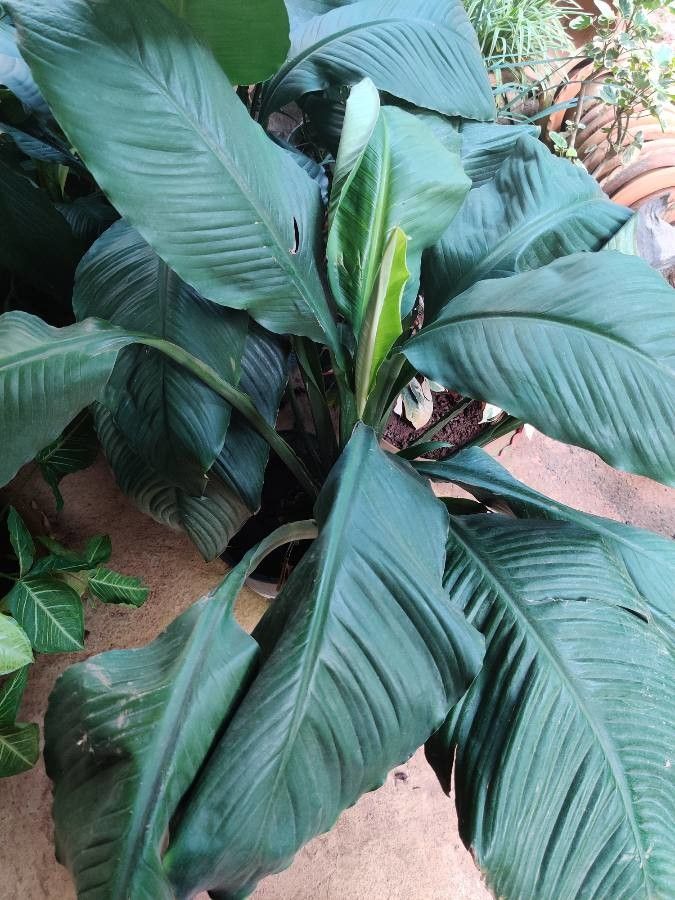
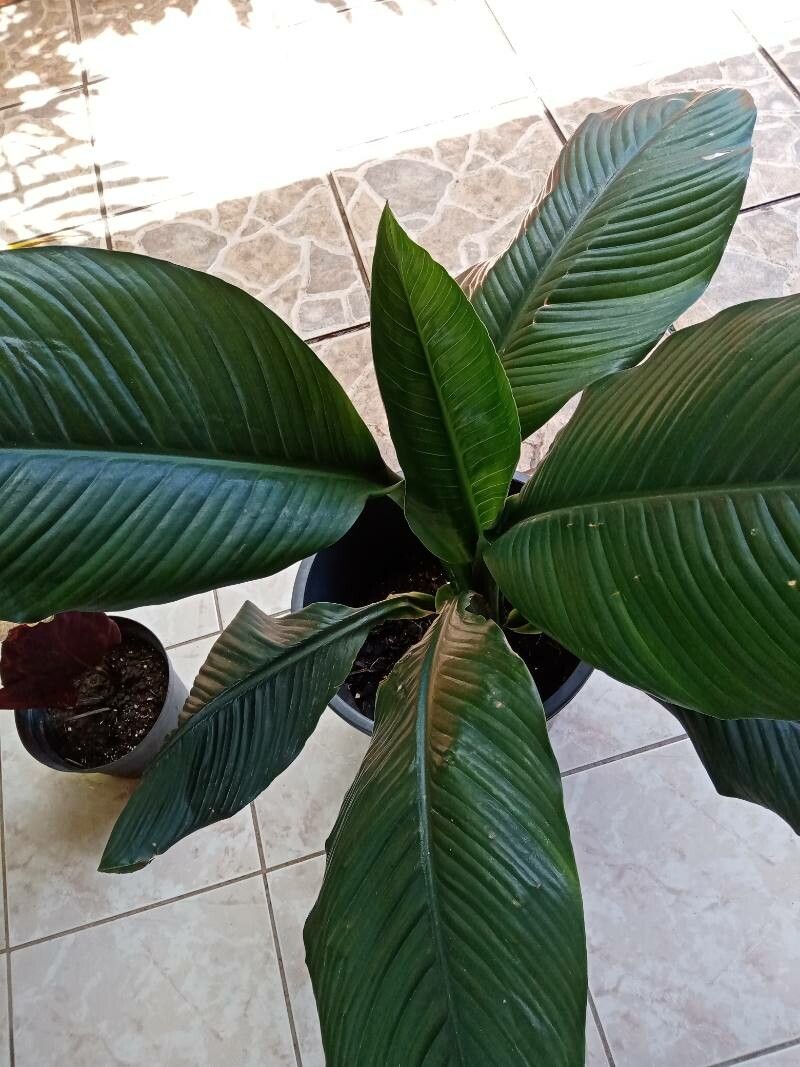
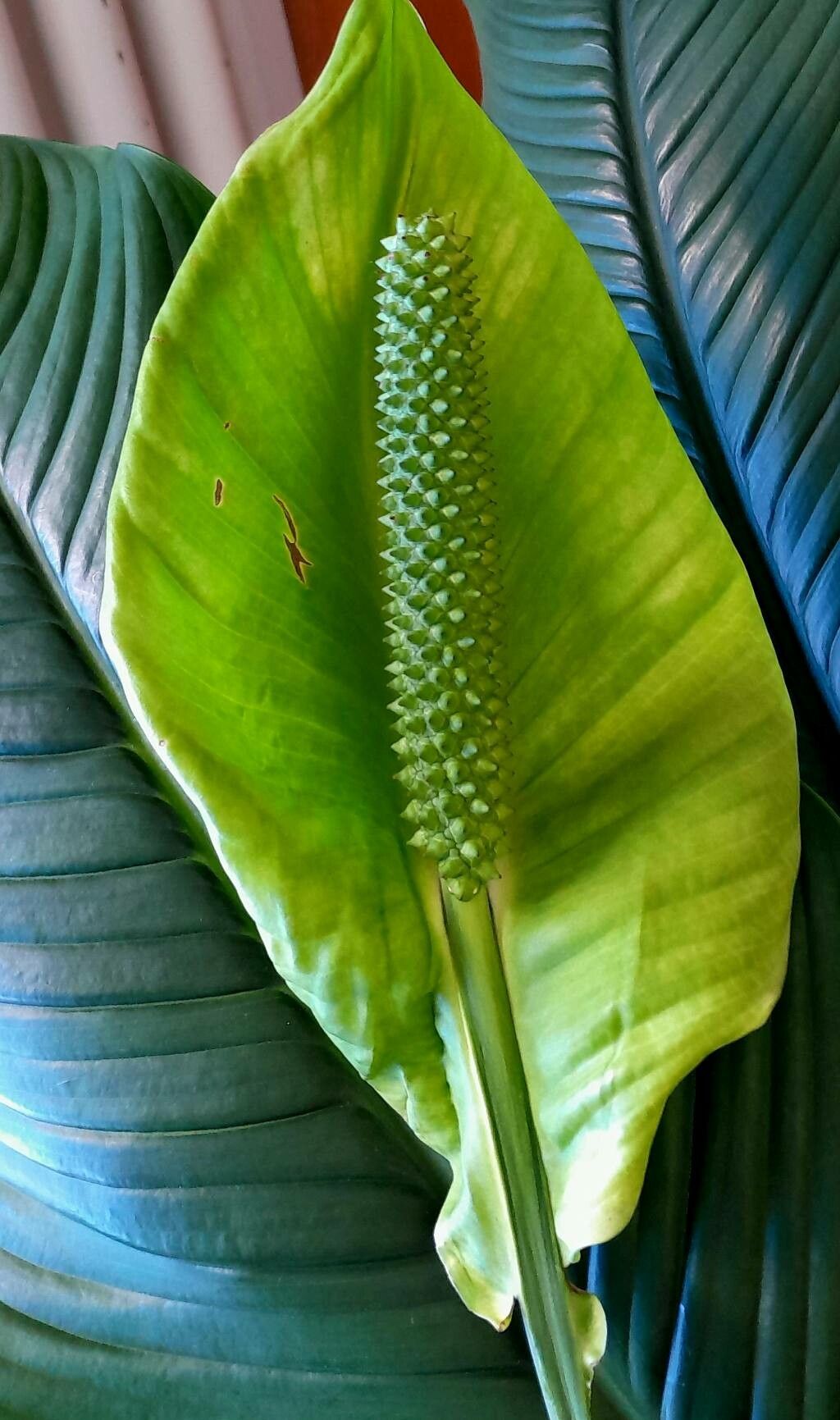
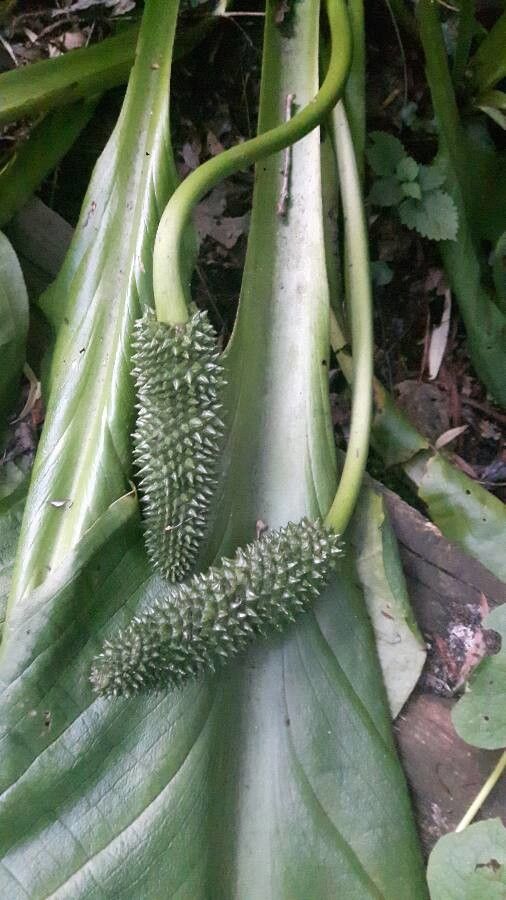
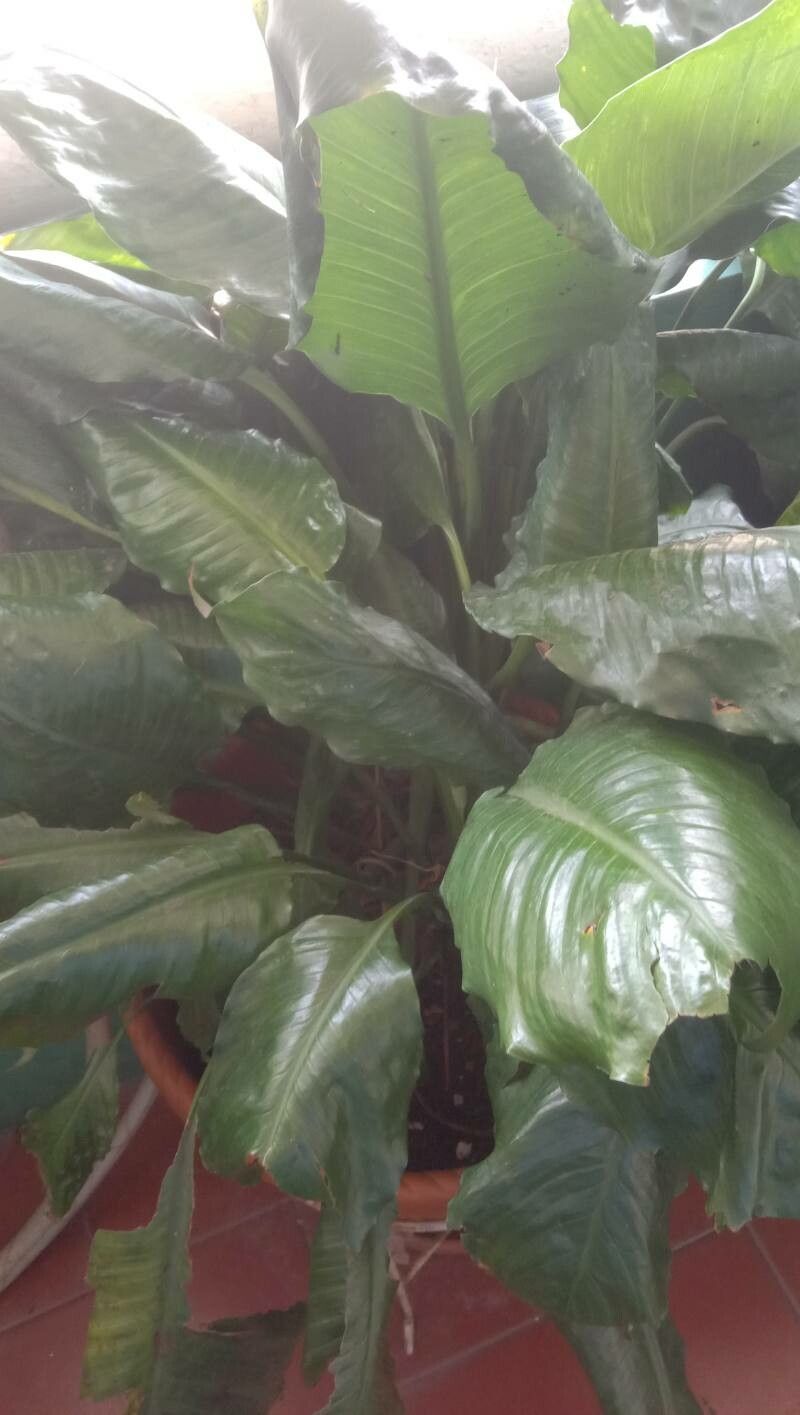
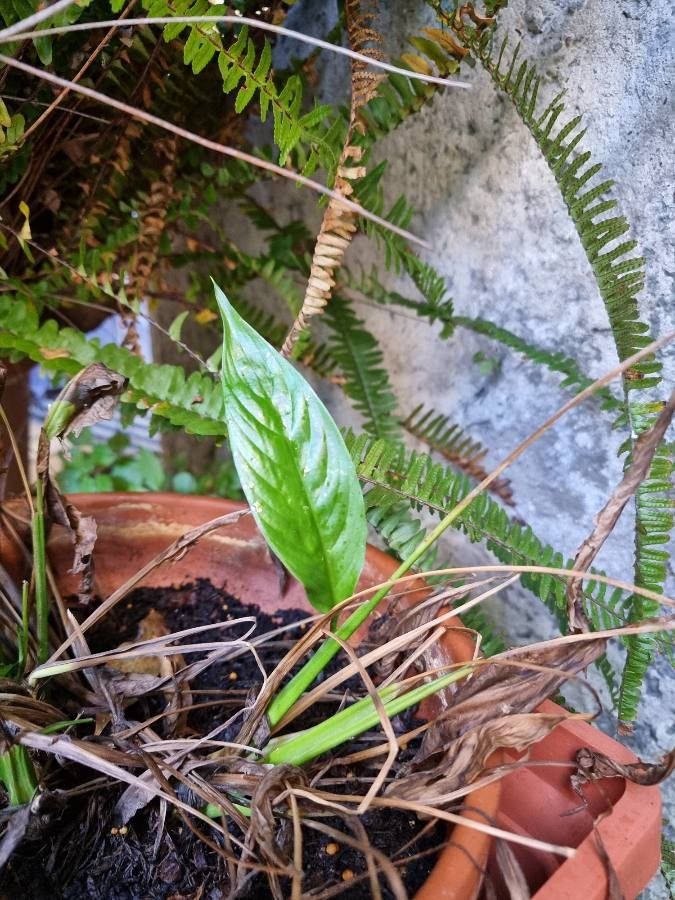
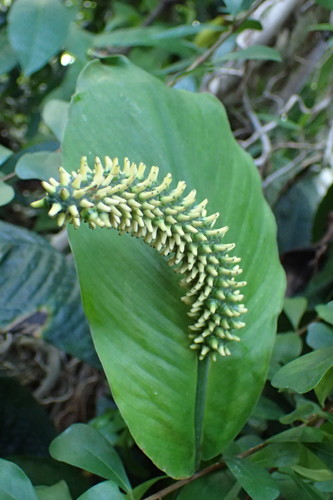
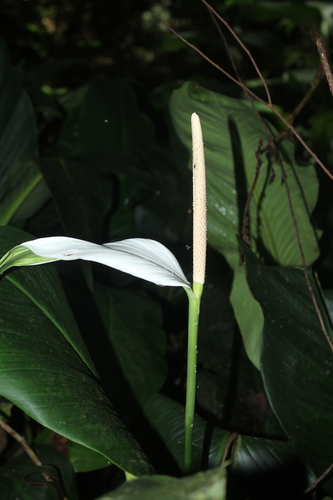
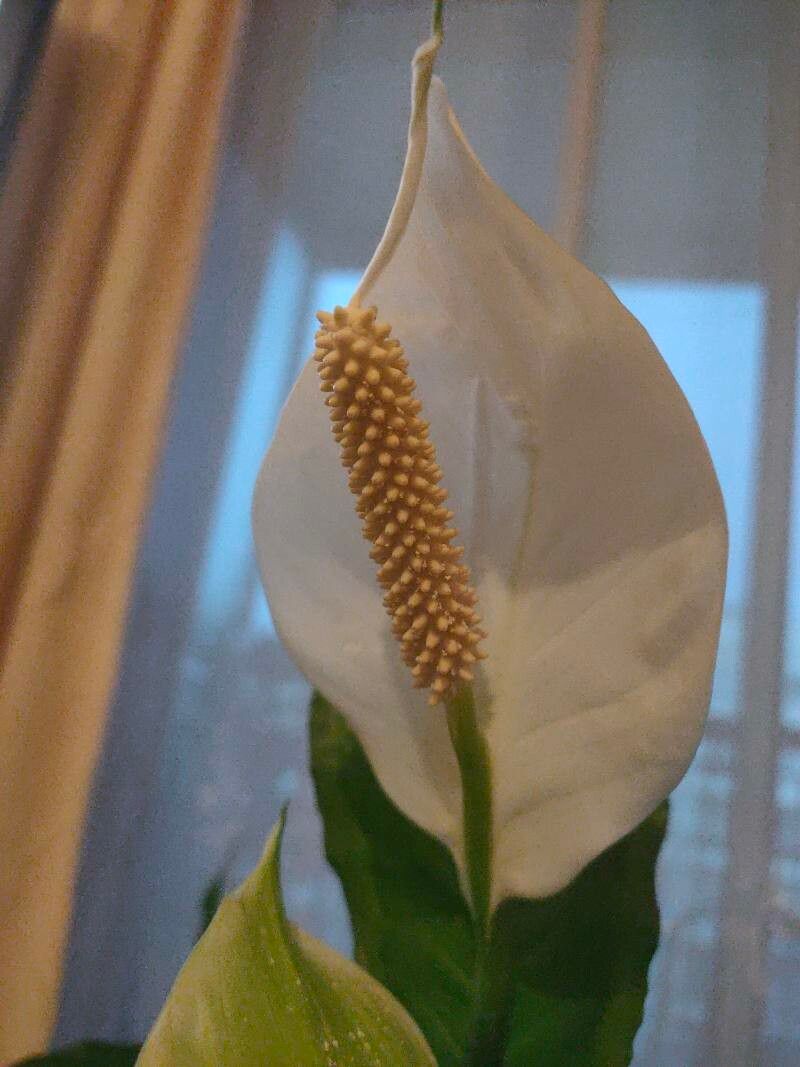
Peace lilies are a tropical and hybrid species from the genus Spathiphyllum which is a popular houseplant. A beautiful plant when used in mass display, the peace lily blooms in spring with long-stemmed flower stems that float gracefully on the leaves. This plant has shiny oval leaves with points from the ground. A healthy flowering flower may bloom twice a year, resulting in a few months of flowering.
If planted in a garden in tropical and subtropical climates, peaceful lilies are usually planted in the spring when it is cool. Like houseplants, they can be bought and brought home at any time, although you need to protect them from cold temperatures as you move them from the store to your home. They are moderate farmers and will reach maturity in about three years. The plants of the peace lily are considered to be toxic to pets1 and humans.
Spathiphyllum wendlandii is resistant to disease and generally does not tend to get sick. In terms of care, the plant is fairly low-maintenance. When grown outdoors it needs only light watering, and larger specimens typically don't need pruning. Smaller plants, however, should be pruned after they finish blooming. Spathiphyllum wendlandiit is appropriate for anyone who has an outdoor area, like a garden or deck, and it does not demand much prior experience in plant care.
How to keep Spathiphyllum Wendlandii.
Water
Peace lilies prefer under-watered conditions rather than too much irrigation, so make sure you water it only if it is dry at least an inch below ground. In summer, fog blossoms are a common sight because they thrive in high humidity, as it does in rain forests. In winter, cut back on watering but do not permit the soil to dry completely. If your home water is highly chlorinated, it is a good idea to use filtered water. Alternatively, you can let the tap water stay for a few days until the chlorine evaporates.
Humidity
This plant will thrive in moderate humidity, which is probably the level in your home. However, misting it a few times a week can be very beneficial. Make sure the room has good ventilation.
Temperature
These plants are very sensitive to wet temperatures. Avoid unpredictable temperatures and temperatures below 55 degrees Fahrenheit — the plant will die if exposed to prolonged exposure to cold. The ideal temperature for your peaceful flower is 65 to 80 degrees Fahrenheit. Spritz the leaves weekly with soft or compacted water during the summer growing season.
Fertilizer
Peace lilies enjoy a regular supply of fruit, which results in a sturdy plant and blooms at certain times of the year. Feed your crop every week during the summer or you may opt to use slow-release pellets only at the start of the season. You will not need to fertilize the plant in winter.
Pruning
Pruning of lilies should be done at the bottom of the plant. Cut the stem as close to the bottom as possible. This will make room for new titles. Pruning of a flower of peace is not limited to the species.
Toxicity
Peace lilies generally are not poisonous; however, they contain substances that may elicit toxicity symptoms. The calcium oxalate crystals in the plant are mildly toxic to people and pets when ingested. Contact with the pollen from the spadix may also result in skin and oral irritation.
Further reading →
The toxicity and danger assessments provided are for reference only. We do not assure their accuracy, so it's crucial not to depend on them. Seek professional advice when necessary for accurate guidance.
Botanical profile.
- Plant Type
- Flowering tropical plant
- Life Cycle
- Perennial
- Genus
- Spathiphyllum
- Family
- Araceae
- Hardiness Zone
- 10-12
- Native Area
- Honduras, Costa Rica, Panama
Other names.