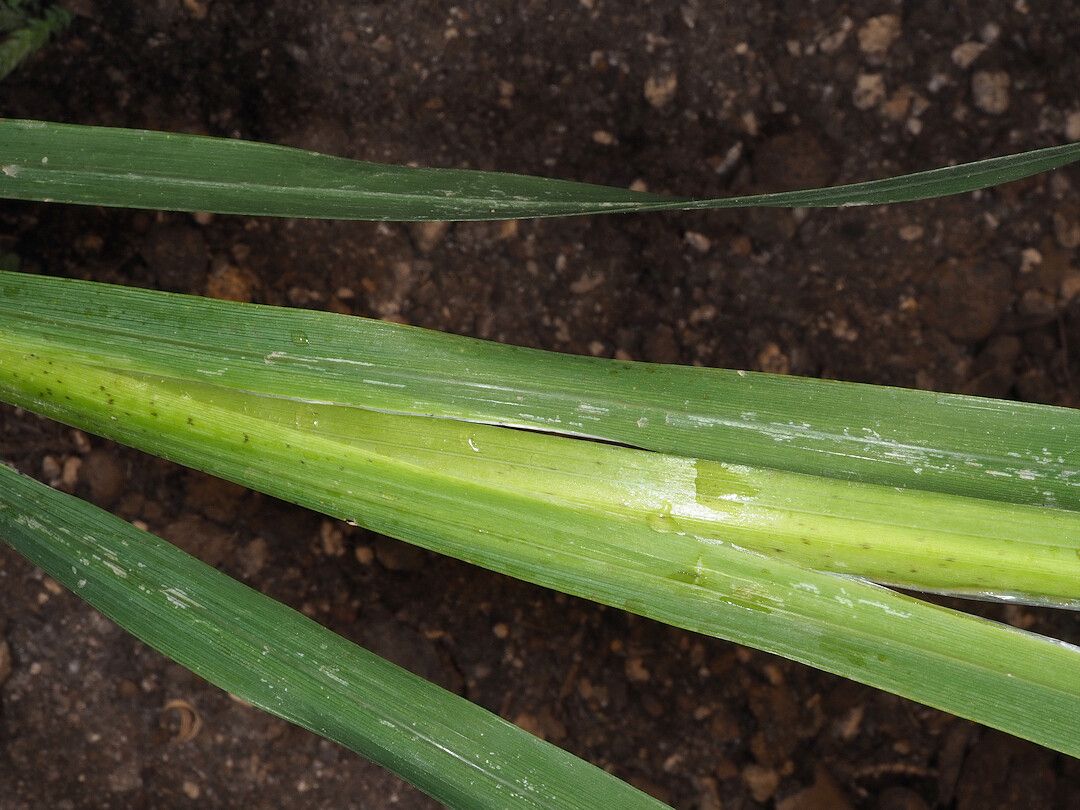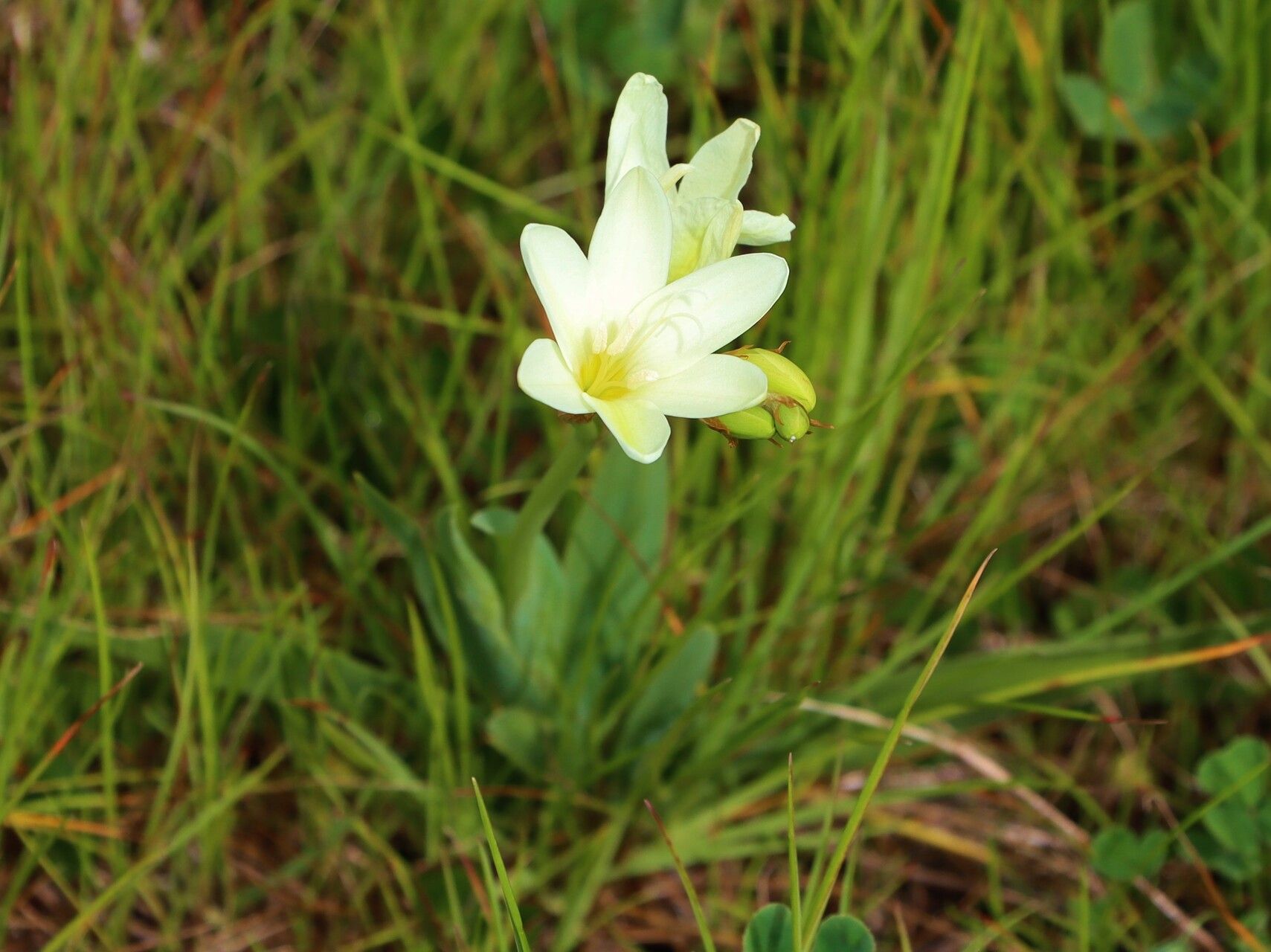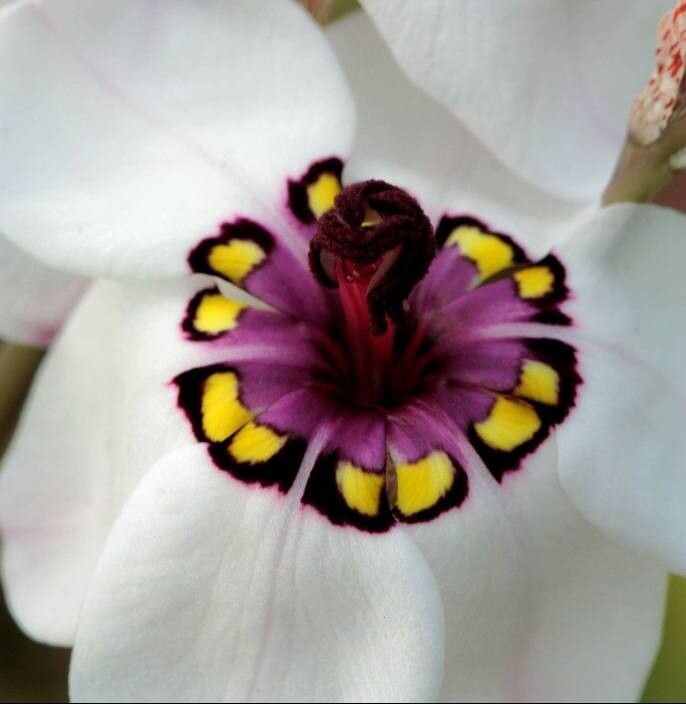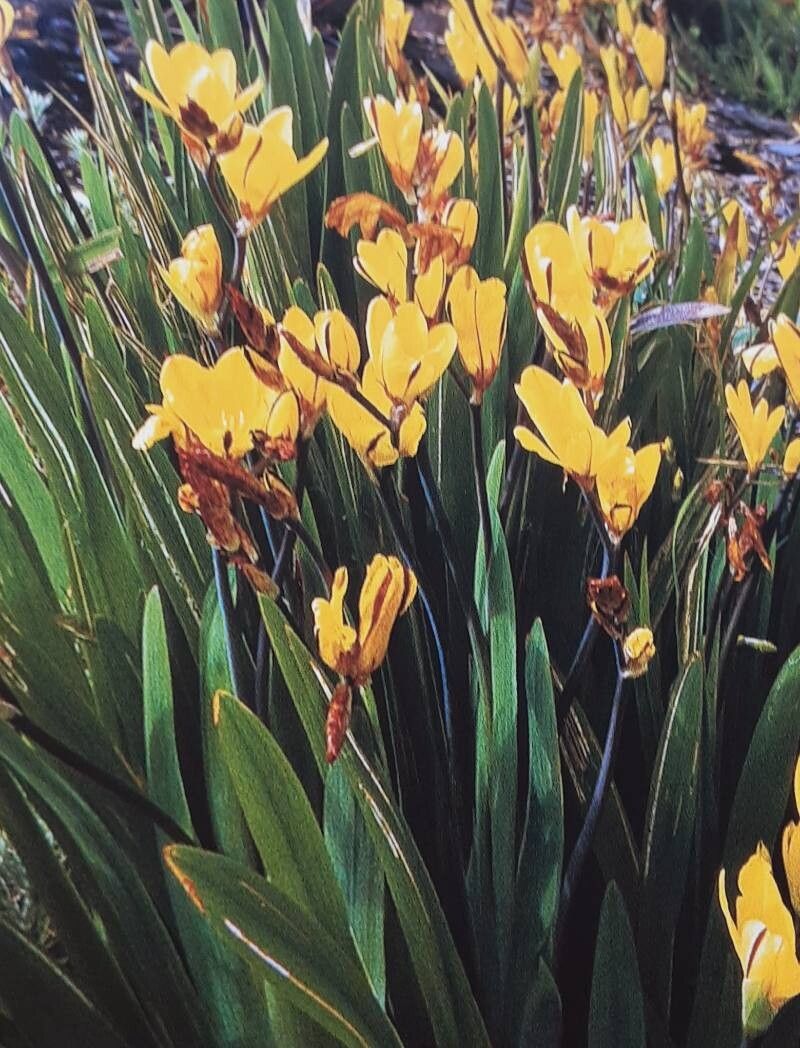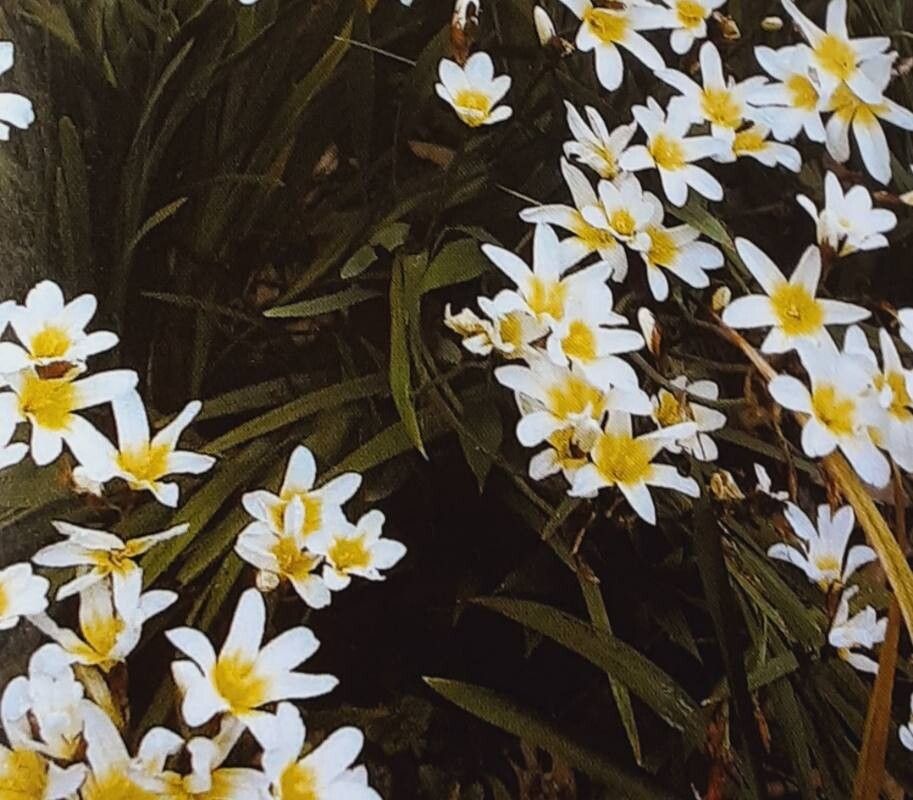
Sparaxis grandiflora, the plain harlequin flower, is a species of flowering plant in the genus Sparaxis, family Iridaceae, found in the Western Cape province of South Africa. It has gained the Royal Horticultural Society's Award of Garden Merit.
The plain harlequin flower is fairly resistant to disease and typically does not suffer from many illnesses. Still, it can be affected by pests and diseases found nearby. When infections do occur, they tend to be mild. Regarding upkeep, this plant is of moderate maintenance. It should be pruned on a regular basis to keep a neat appearance and support healthy growth. Applying fertilizer can also encourage more blooms. The plain harlequin flower is a good choice for anyone with outdoor space, such as a garden or patio, and does not demand extensive gardening experience. It may, however, need extra attention if cultivated indoors.
How to keep Sparaxis Grandiflora.
Light
The simple harlequin flower is an enduring herbaceous plant that loves sunlight and is native to open environments, typically flourishing in meadows and grasslands. It prefers full sunlight but is also capable of enduring conditions with partial sunlight.
Temperature
The Plain harlequin flower possesses the capability to acclimate to various temperature scenarios, yet its spread may be constrained by distinct mixes of water and heat circumstances. It flourishes optimally in hot summertime climates with sufficient rain or irrigation. Extended spells of overcast and wet weather, coupled with enduringly high temperatures, can amplify the odds of the Plain harlequin flower succumbing. In the winter months, apt safeguarding against the chill can augment the survival chances of the plant.
Fertilizer
Usually, a solitary application of fertilizer in the spring is adequate for the Plain Harlequin Flower. However, to optimize growth, you can feed it multiple times. The schedule for feeding can be maintained once every month to a month and a half. The application of fertilizer improves the look and operation of the leaves, encouraging uniform color and a robust texture. Besides, fertilization instigates the growth of roots and aids in nutrient absorption, which contributes to the overall long-term wellbeing of the plant.
Botanical profile.
- Plant Type
- Herb
- Life Cycle
- Perennial
- Genus
- Sparaxis
- Family
- Iridaceae
- Hardiness Zone
- 8-10
- Mature Height
- 30 cm to 61 cm
- Mature Spread
- 15 cm to 30 cm
- Leaf Color
- Green
- Leaf Type
- Deciduous
- Flower Color
- Red, Orange, Yellow, White
- Flower Size
- 5.08 cm to 6.35 cm
- Bloom Time
- Early spring, Mid spring
- Planting Time
- Autumn, Winter
- Harvest Time
- Late spring, Early summer