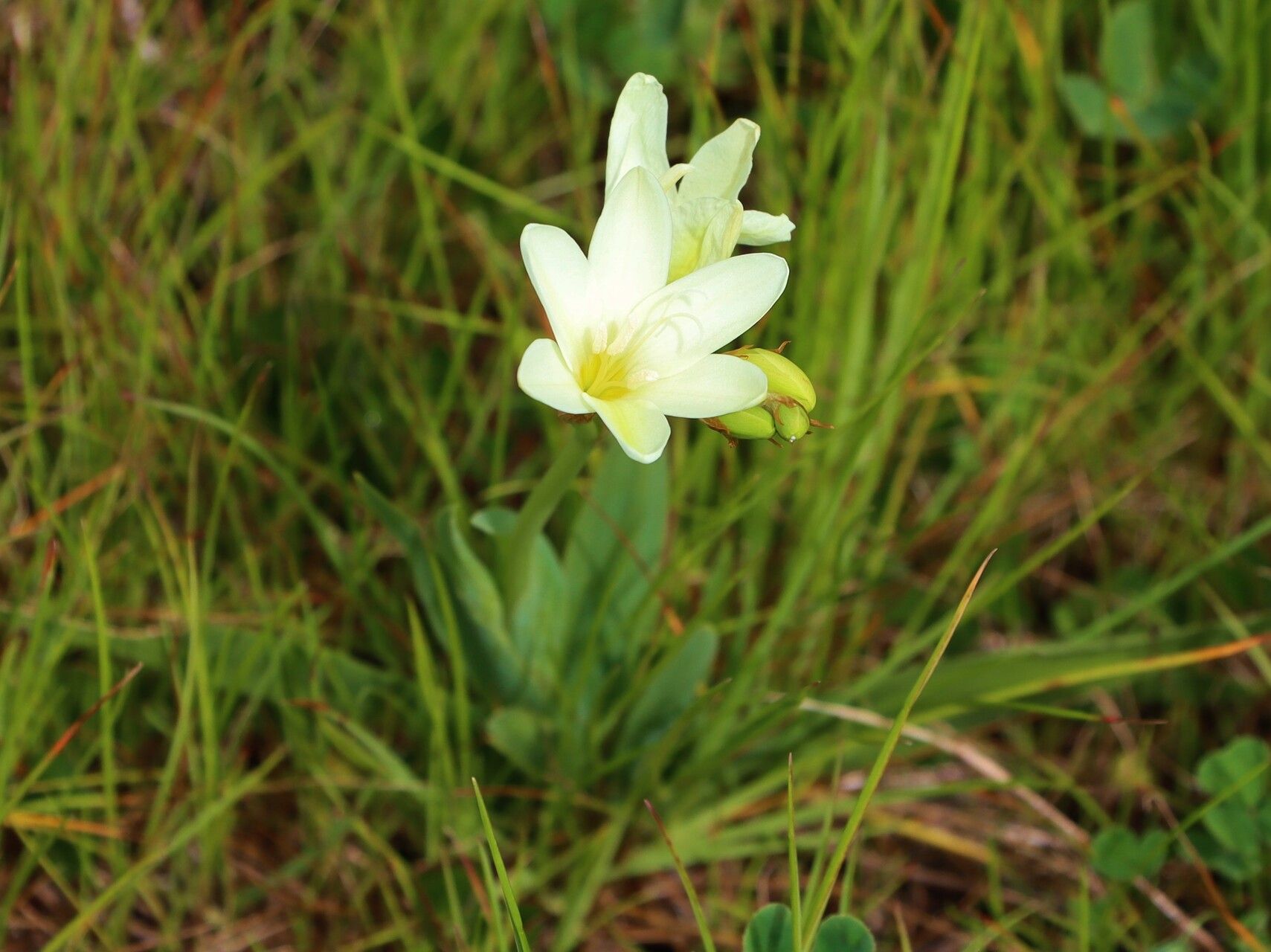
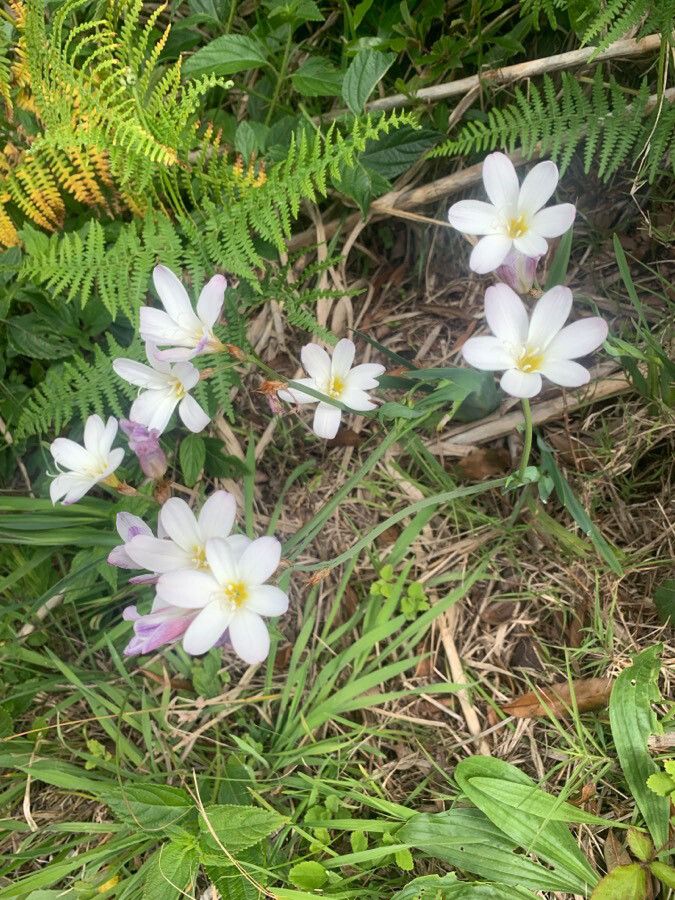
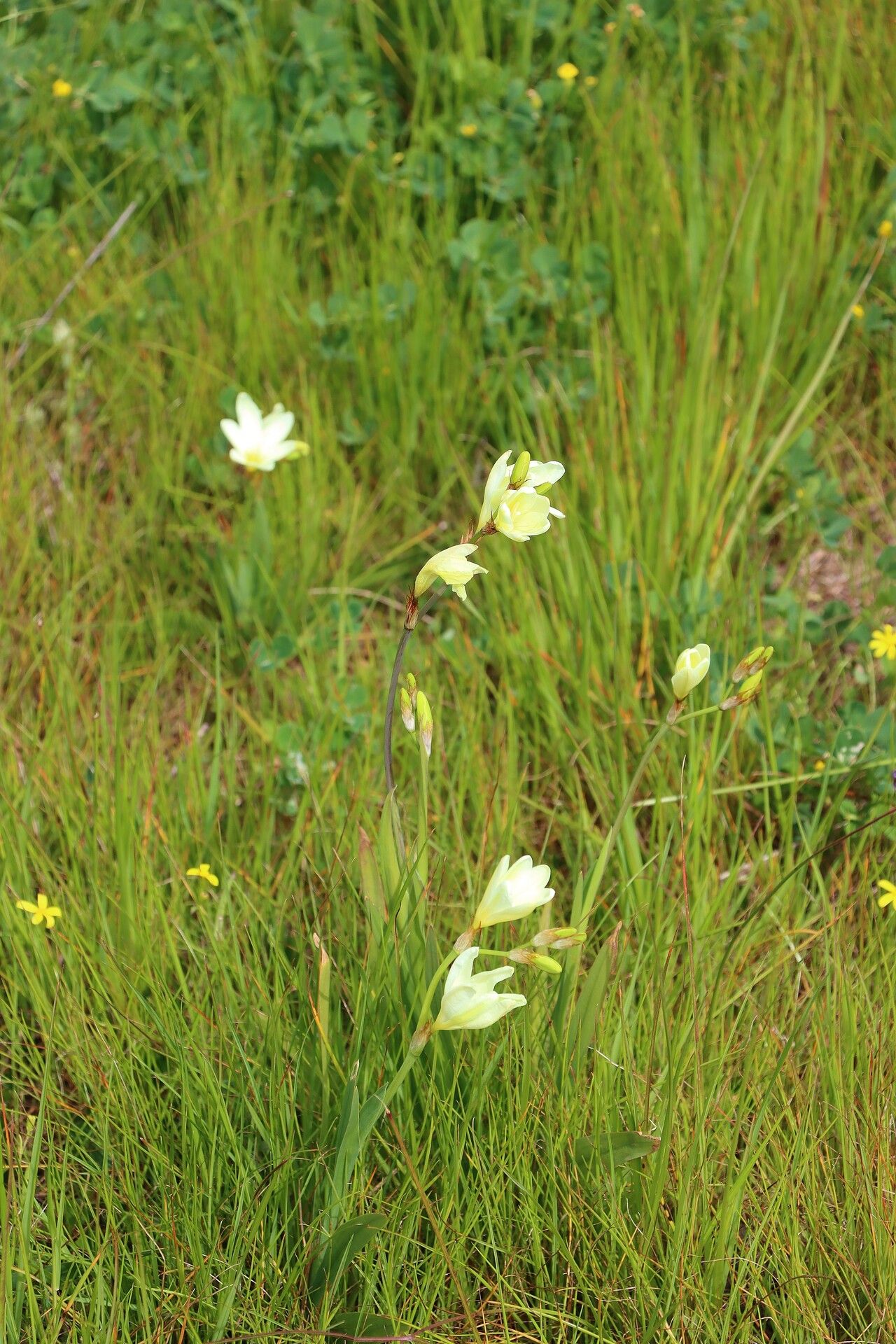
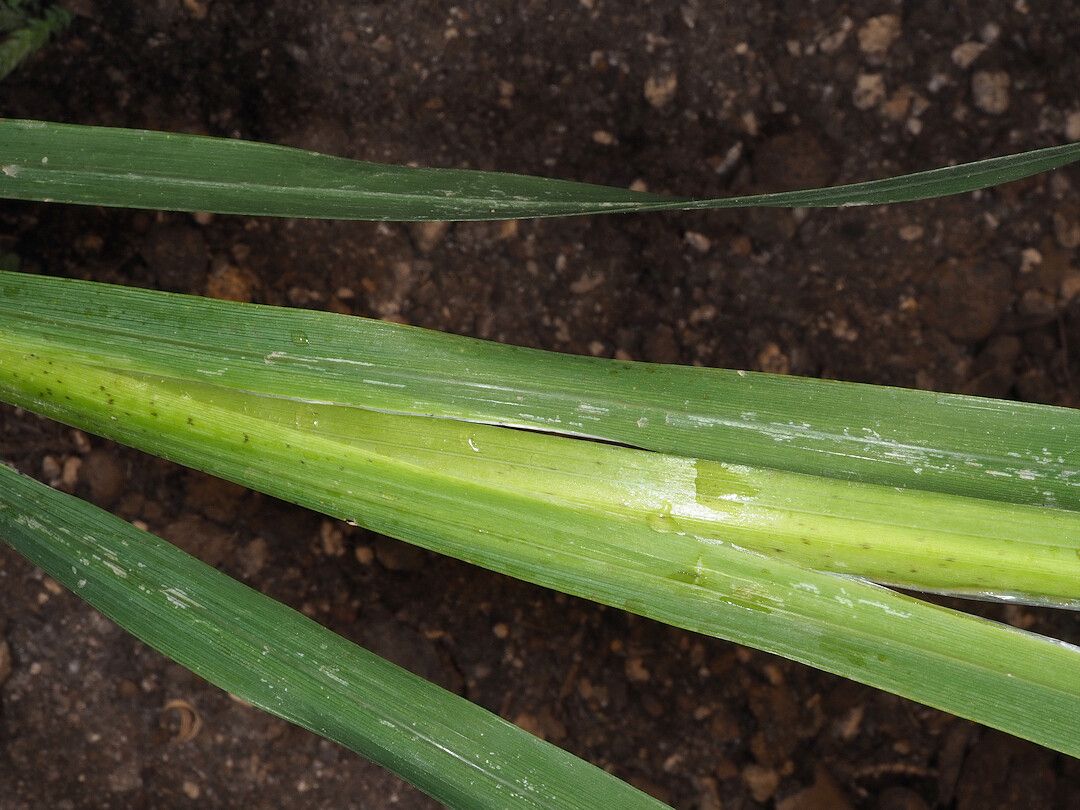
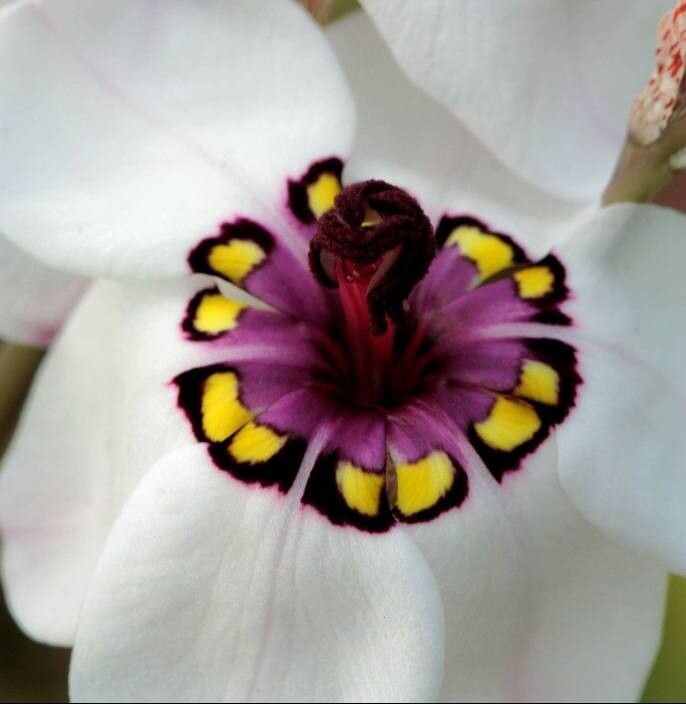
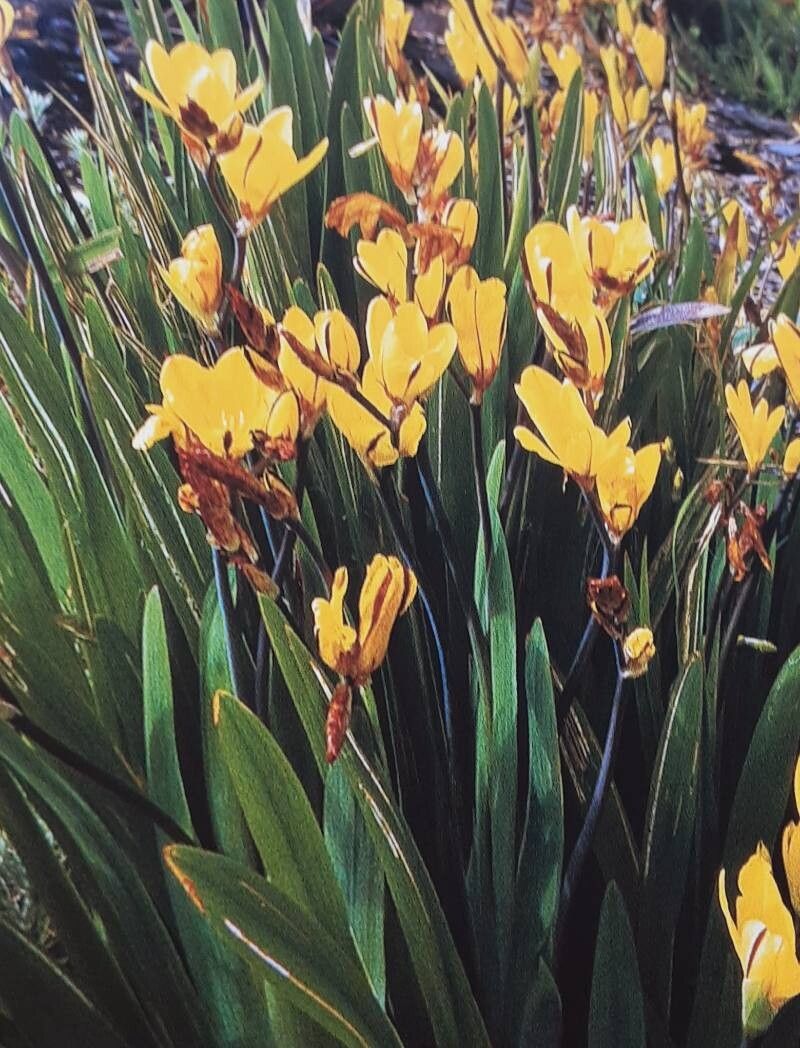
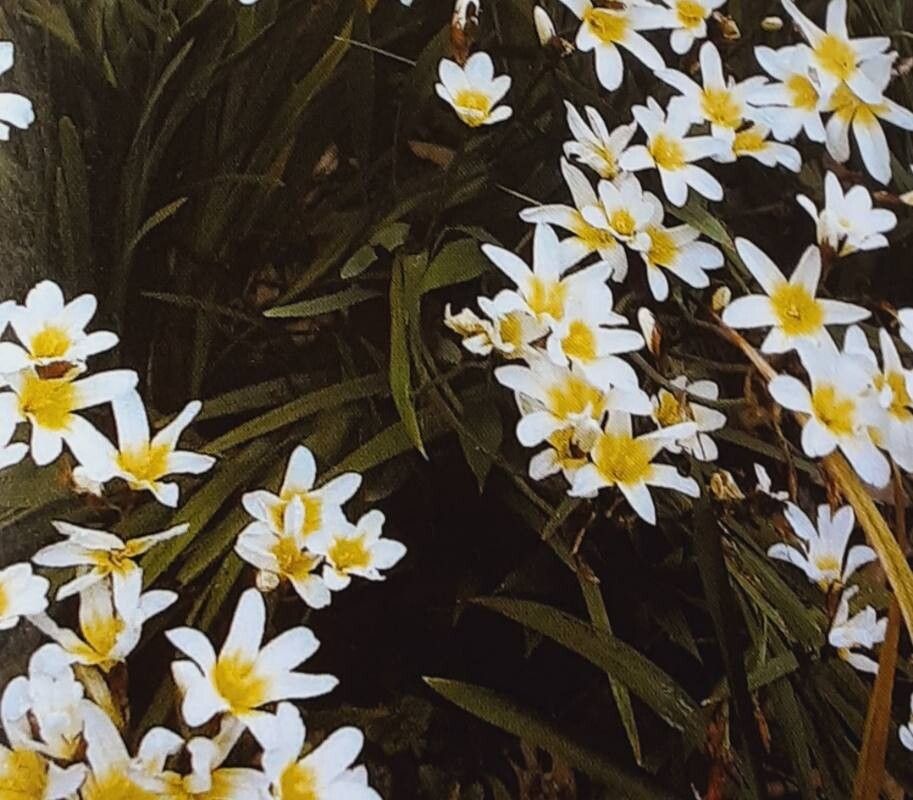
Sparaxis bulbifera, commonly known as harlequin flower, is a bulb-forming perennial plant. The species is native to Cape Province in South Africa and naturalised in the Azores and Australia. It grows to between 15 and 60 cm high and has white to cream flowers.
Harlequin flower is fairly disease-resistant and typically not prone to illnesses. However, it can be vulnerable to pests and diseases present in its surroundings. These infections are usually mild. In terms of care, the plant requires moderate maintenance. It should be pruned regularly to maintain a neat appearance and healthy growth. Fertilizing can also help encourage flowering. Harlequin flower is suitable for anyone with outdoor space, such as a garden or patio, and does not demand extensive plant-care experience. It may need more attention when grown indoors.
How to keep Sparaxis Bulbifera.
Light
The harlequin flower does best with abundant sunlight, reflecting its native habitat in regions with high sun exposure. Excessive sunlight does not harm its health, while inadequate light can stunt its growth. Its sunlight requirements remain constant throughout all stages of development.
Water
The Harlequin flower thrives best in a Mediterranean climate, where it benefits from consistent moisture and shows moderate drought tolerance. To support its growth, it should be watered weekly. This routine should align with seasonal rainfall to enhance its flowering. Proper water management is crucial to prevent over-saturation while still meeting the plant's needs.
Temperature
Harlequin flower comes from mild regions where temperatures generally range from 59 to 100.4 °F (15 to 38 ℃). It grows best in a slightly warm environment. Depending on the season, it is recommended to adjust the temperature to mimic its native climate.
Fertilizer
For the Harlequin flower, the primary time to fertilize is in early spring when the blossoms are forming. The appropriate fertilizer promotes better blooms and helps the Harlequin flower produce lovely flowers. Fertilizing in early spring ensures excellent flowers during the season and supplies energy for dormant growth phases.
Pruning
The Harlequin flower benefits greatly from being pruned in the spring. Removing dead foliage during this time boosts growth and encourages more blooming. Additionally, deadheading spent flowers prevents seed formation, which helps redirect the plant's energy to more productive areas. Pruning also helps control the plant's spread and enhances its overall health, resulting in a fuller and more vibrant display.
Botanical profile.
- Plant Type
- Herb
- Life Cycle
- Perennial
- Genus
- Sparaxis
- Family
- Iridaceae
- Hardiness Zone
- 8-11
- Mature Height
- 15 cm to 61 cm
- Mature Spread
- 20 cm
- Leaf Color
- Green
- Leaf Type
- Semi-evergreen
- Flower Color
- White, Yellow, Orange
- Flower Size
- 1.02 cm to 2.03 cm
- Bloom Time
- Mid spring, Late spring
- Planting Time
- Spring
- Harvest Time
- Early summer, Mid summer
- Native Area
- South Africa
Other names.
Reader questions.
What are the sunlight requirements for the Harlequin flower?
The Harlequin flower, or Sparaxis bulbifera, flourishes in full sun, requiring more than 6 hours of sunlight daily to thrive optimally. Observing the movement of sunlight through your garden can help in picking spots that ensure a balance of light and shade, crucial for the plant's health. It's notably resilient to excessive sunlight thanks to its origin in sun-abundant environments, although lacking sufficient sunlight could impede its growth. Throughout its life cycle, the sunlight needs of the Harlequin flower remain consistent.
What is the native climate for the Harlequin flower?
The Harlequin flower, botanically named Sparaxis bulbifera, is native to mild climates with temperatures ranging from 59 to 100.4 °F (15 to 38 °C). It prefers slightly warm temperatures, and to ensure its thriving, adjusting the environment to mimic its native climate based on the season is recommended. The plant exhibits a degree of cold tolerance, typically not needing special care when temperatures are above -5°C. However, below this temperature, protective measures such as wrapping the plant with materials like plastic film or fabric are advisable until warmer temperatures resume.
How can artificial lighting be used for Harlequin flowers grown indoors?
Indoor Harlequin flowers necessitate adequate lighting, particularly when natural sunlight is minimal. Artificial lighting, especially during winter or in spots with less sunlight, acts as an essential growth enhancer. LED lights are favored for their ability to be customized to plants' specific light wavelength needs. For full sun plants, 30-50W/sq ft of artificial light is recommended, 20-30W/sq ft for partial sun plants, and 10-20W/sq ft for full shade plants. The light source should be placed 12-36 inches above the plant to replicate natural sunlight and turned on for 8-12 hours daily, matching natural daylight duration for the plant species in question.
How does the Harlequin flower respond to low temperatures?
The Harlequin flower has a moderate tolerance to low temperatures and thrives best when kept above 15°C. During the winter, it's crucial to maintain the temperature above -5°C to prevent damage. If temperatures plunge below -10°C, you may notice the leaves beginning to droop. While mild exposure might not cause permanent damage, and the plant can recover, severe cases can lead to wilted leaves that eventually fall off. To manage frost damage, trim the affected parts and protect the plant from future cold spells by wrapping it with insulative materials and creating wind barriers.
What are the symptoms of inadequate lighting in Harlequin flowers?
Signs of insufficient lighting in Harlequin flowers include smaller new leaves, leggy or sparse growth indicating longer spaces between leaves/stems, premature leaf drop to conserve resources, delayed or halted growth as the plant enters survival mode, lighter-colored or yellowing new leaves due to chlorophyll and nutrient deficiency, and symptoms of overexposure like leaf scorching, leaf curling, wilting, and sunscald. These issues highlight the plant's struggle under inadequate light conditions or excessive sunlight.
What are the effects of high temperatures on the Harlequin flower and how can they be mitigated?
The Harlequin flower should ideally be kept below 38°C during the summer to avoid stress and damage. Exposure to temperatures above 43°C can result in lighter leaf coloration, dry and withered leaf tips, curling leaves, and an increased risk of sunburn. To alleviate these issues, remove any sunburned or dried parts of the plant. Relocating the plant to a shaded area or using a shade cloth can protect it from the harsh midday and afternoon sun. Additionally, watering the plant in the morning and evening helps keep the soil moist and supports the plant in high heat conditions.
What solutions are available for Harlequin flowers suffering from light issues?
For indoor Harlequin flowers struggling with light, a gradual relocation to a sunnier spot each week until achieving at least 6 hours of direct sunlight daily is suggested. Utilization of a south-facing window or artificial lighting, like desk/ceiling lamps or grow lights for at least 8 hours a day, can also be beneficial. Outdoors, gradually adjusting the plant to more sunlight can prevent sunburn. Reducing obstructions and considering transplanting during the plant's dormant period can improve sunlight access. It's crucial to note that while parts of the plant damaged by insufficient light may not recover, proper adjustment to lighting can ensure that new growth is healthy.