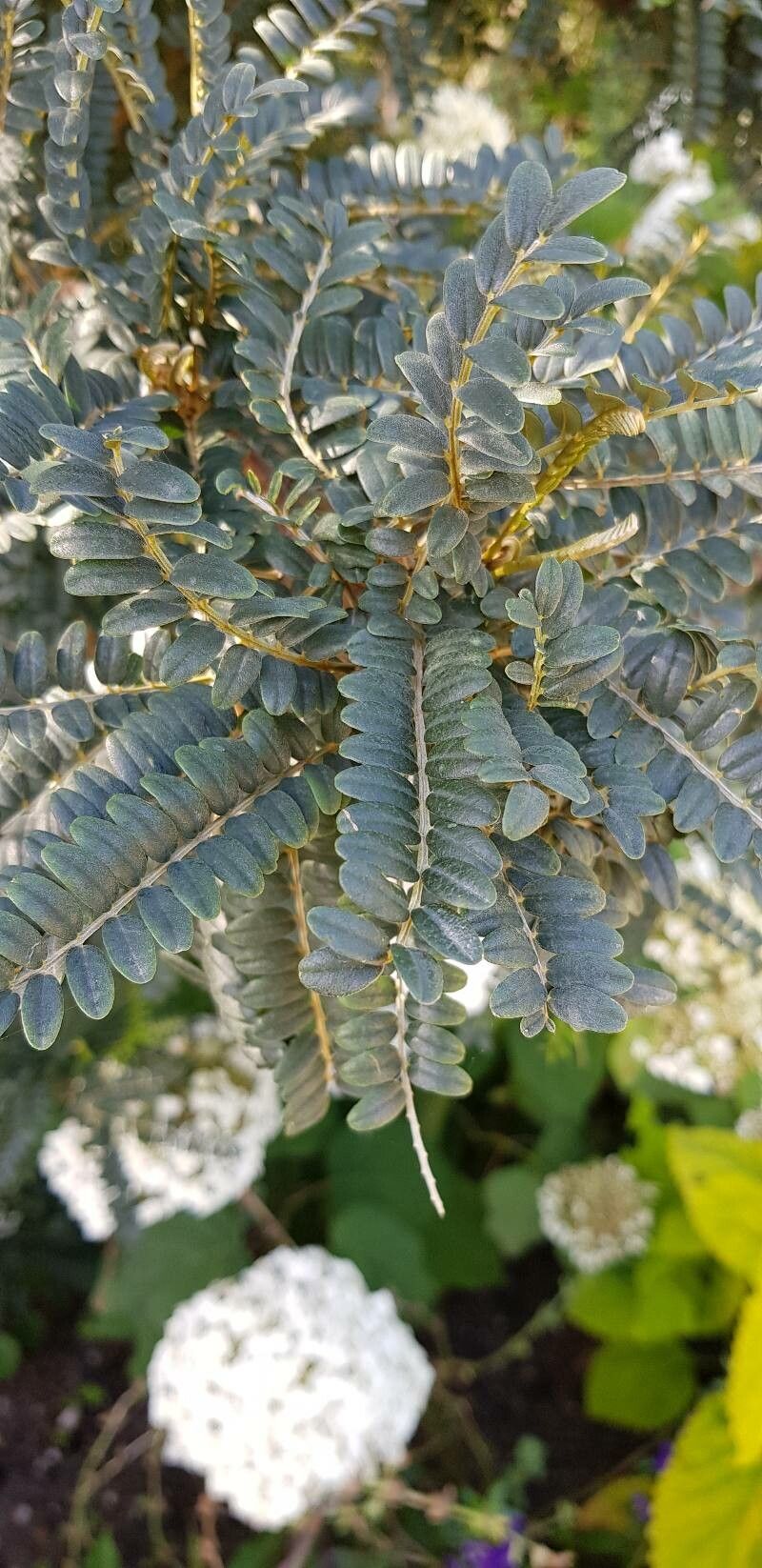
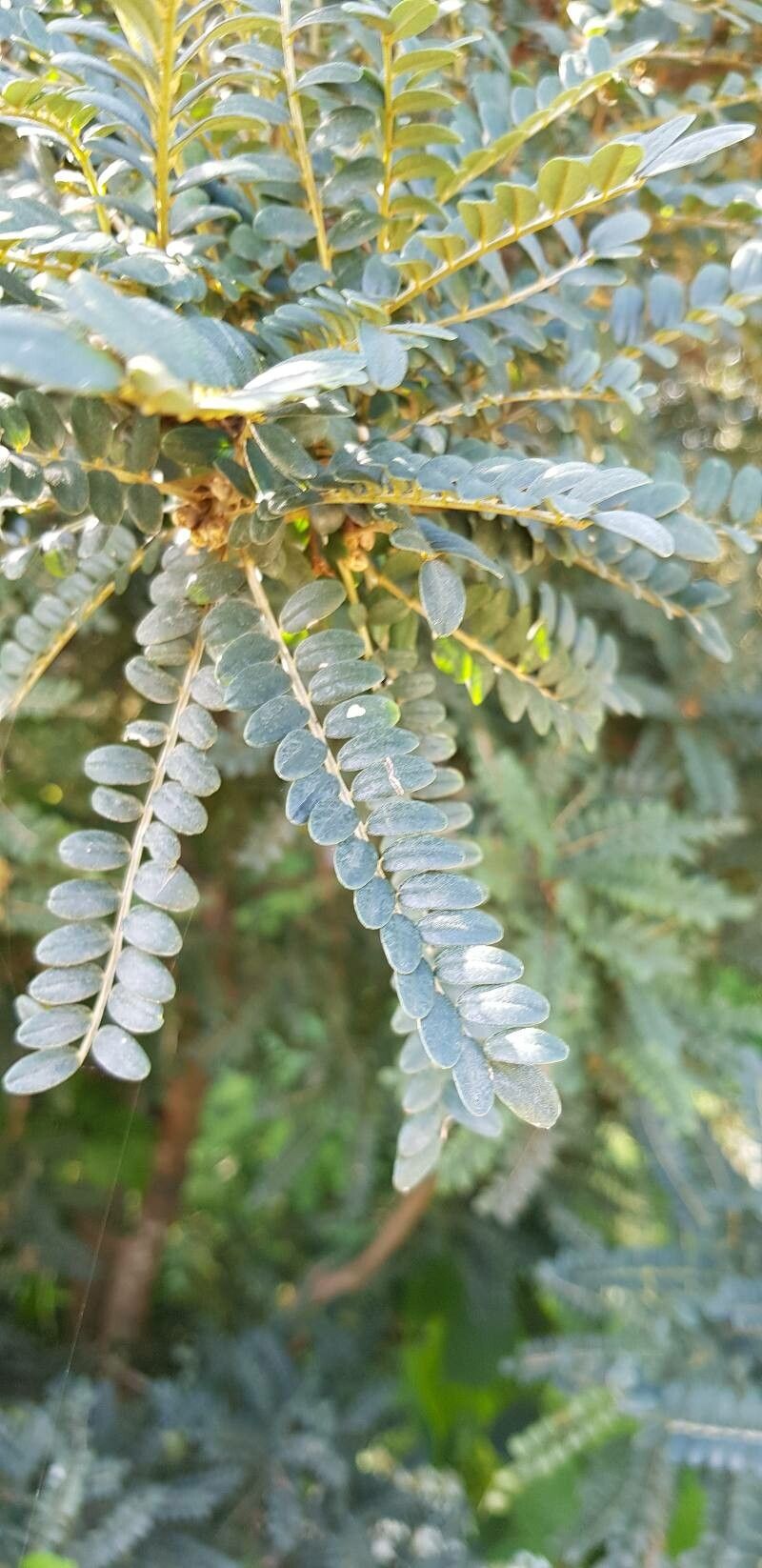
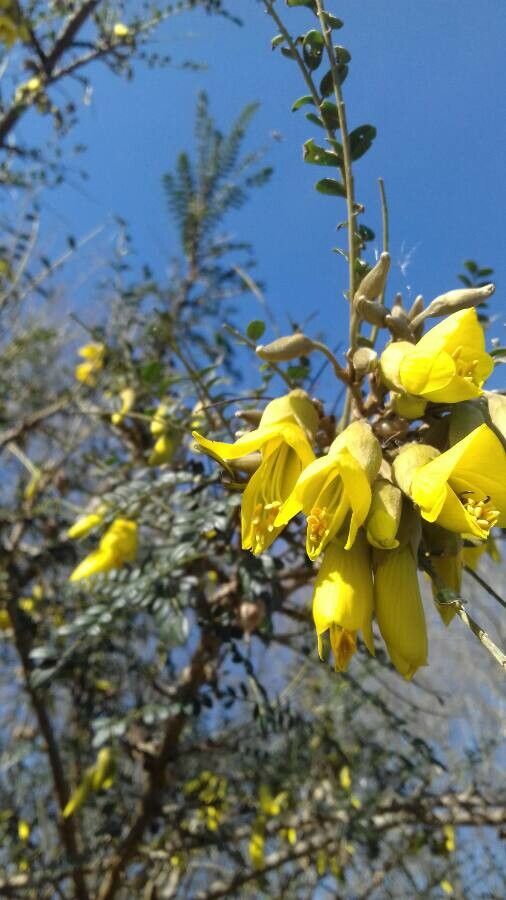
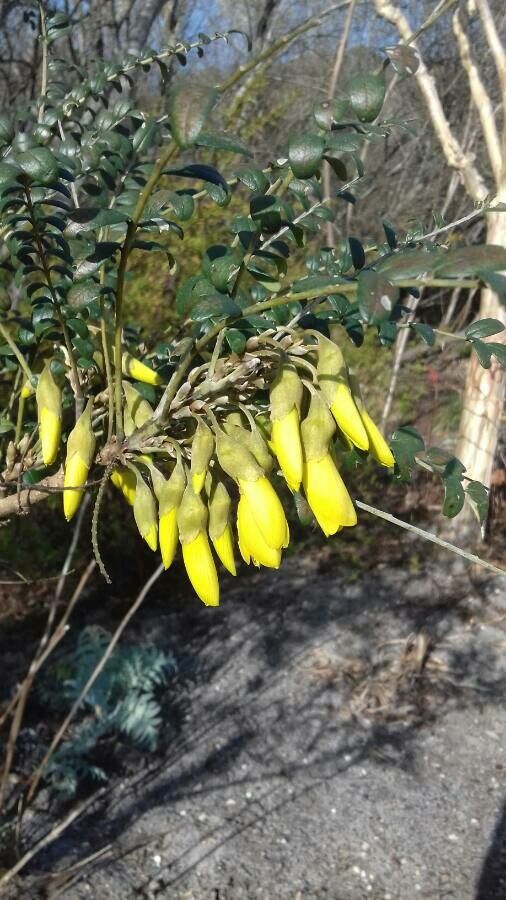
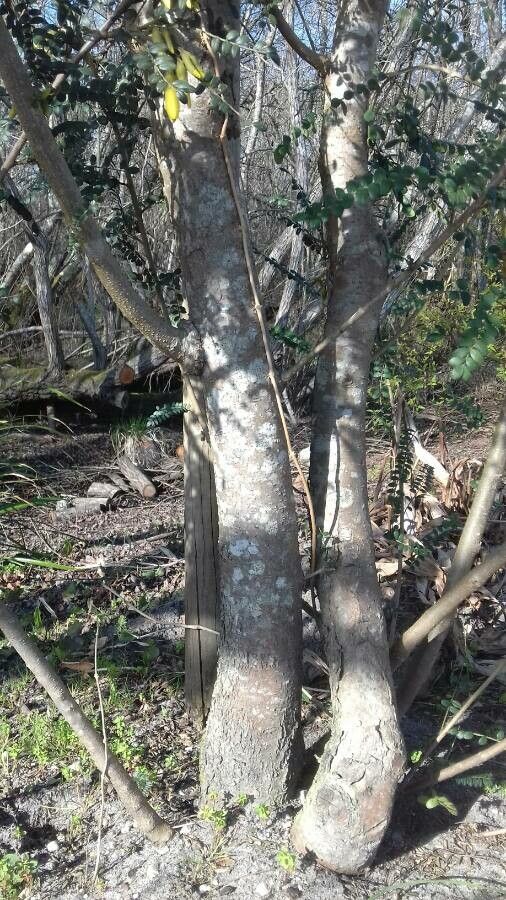
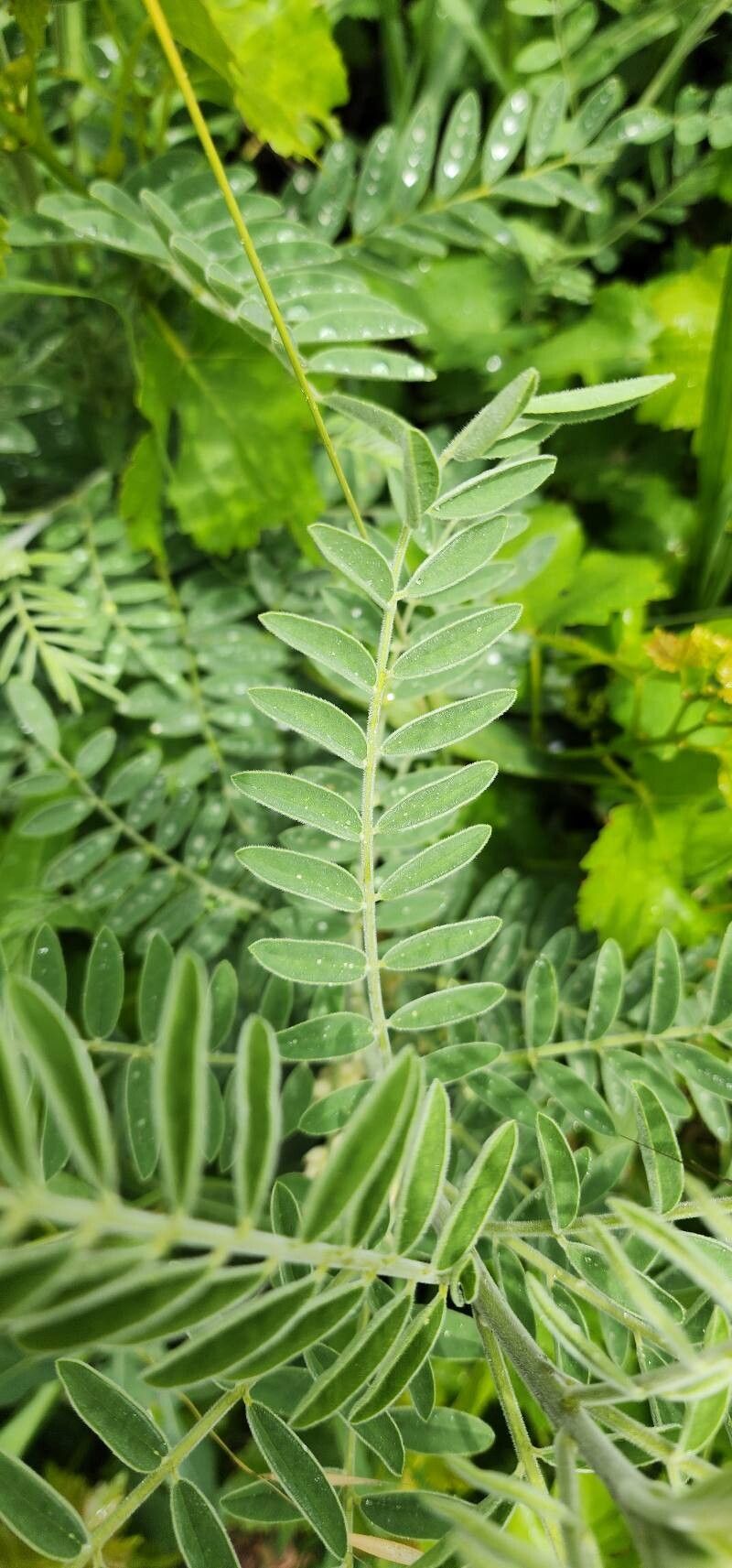
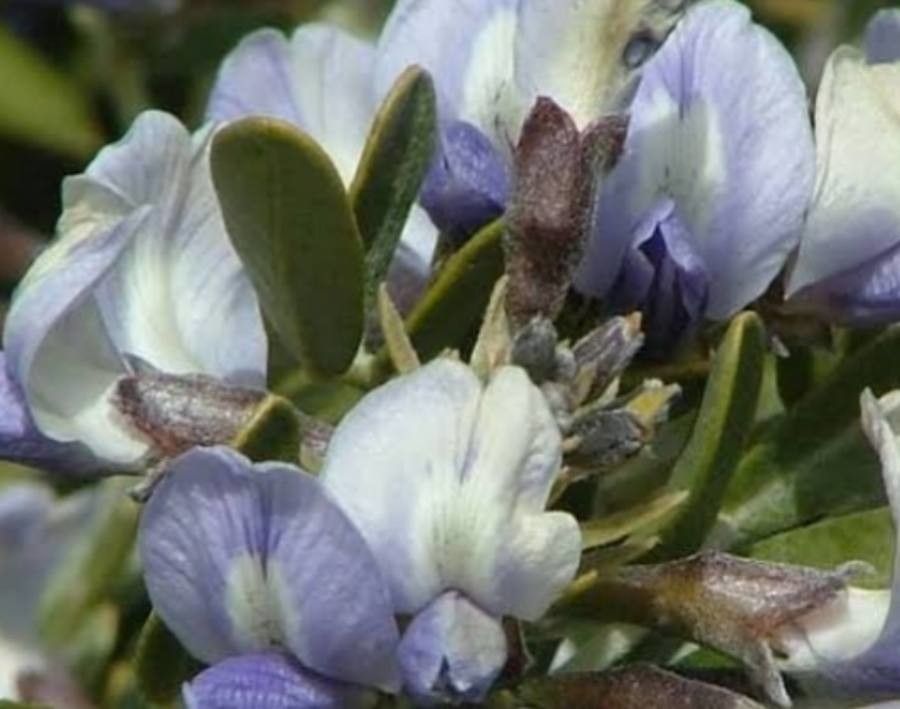
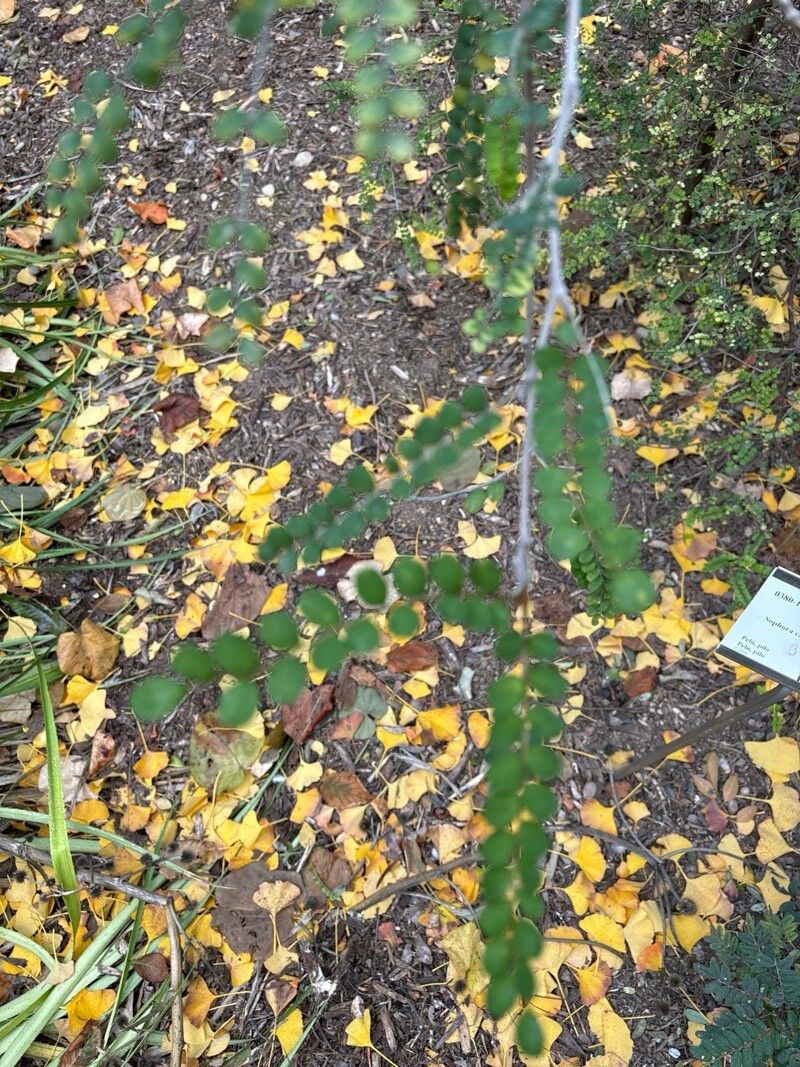
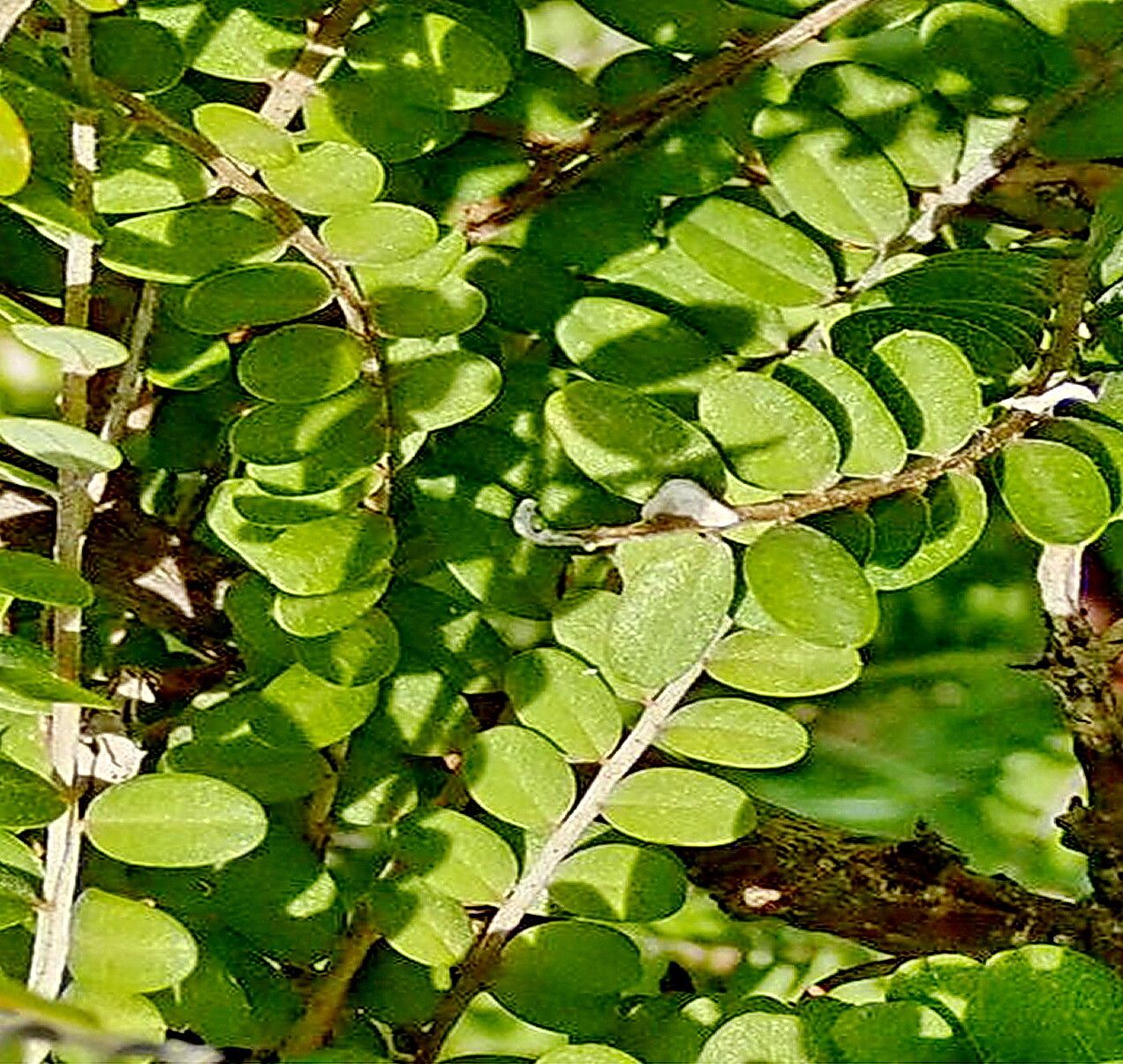
Sophora tetraptera, commonly known as large-leaved kōwhai, grows naturally only in the central east of the North Island in New Zealand. S. tetraptera has larger more widely spaced leaves than the other seven species of kōwhai.
Kōwhai is resistant to disease and is usually not susceptible to illnesses. Regarding upkeep, this plant is fairly low maintenance. When grown outdoors it needs little watering, and larger plants usually do not need pruning. Smaller plants, however, should be pruned after they have finished blooming. Kōwhait is suitable for anyone with an outdoor area, such as a garden or deck, and does not require much care experience.
How to keep Sophora Tetraptera.
Light
Kōwhai grows best with plentiful light, reflecting its natural habitat. Increased sun exposure encourages more vigorous, healthy growth. By contrast, insufficient light can impair its development and overall wellbeing.
Water
The North Island kowhai thrives in conditions of moderate moisture, much like those found in its native New Zealand. For optimal growth, it should be watered weekly, although it also benefits from natural rainfall. Keep an eye on the plant during dry spells to ensure it remains properly hydrated. Being a deciduous plant, its water requirements decrease as it begins to shed its leaves in preparation for dormancy.
Temperature
Kōwhai originates from temperate regions and does best in temperatures ranging from 68 to 100 °F (20 to 38 ℃). As the four distinct seasons draw near, it's advisable to slowly acclimate the plant to the changing temperatures.
Fertilizer
The best time to fertilize a Kōwhai is in early spring as it breaks dormancy. This encourages overall growth and flower development. Applying fertilizer improves foliage, stems, and branches, and supports large, vibrant, long-lasting blooms. It helps transport nutrients from the roots to the flowers and enhances the plant’s health and resistance to disease.
Pruning
The North Island kowhai is known for its vibrant yellow flowers and gracefully drooping branches. To encourage growth and flowering, it is best to prune the plant from early to late winter. Begin by removing any dead or diseased wood, and then thin out congested areas to improve air circulation. Regular pruning enhances the plant's vitality and flowering, while also minimizing stress.
Botanical profile.
- Plant Type
- Tree, Shrub
- Life Cycle
- Perennial
- Genus
- Sophora
- Family
- Leguminosae
- Hardiness Zone
- 9-11
- Mature Height
- 3.05 m
- Mature Spread
- 3.05 m
- Leaf Color
- Green
- Leaf Type
- Evergreen
- Flower Color
- Yellow
- Flower Size
- 2.54 cm
- Bloom Time
- Late winter, Early spring, Mid spring
- Planting Time
- Spring
- Harvest Time
- Late spring, Early summer, Mid summer
- Native Area
- New Zealand
Other names.
Reader questions.
What are the sunlight requirements for North Island Kowhai (Sophora tetraptera)?
North Island Kowhai (Sophora tetraptera) thrives in various sunlight conditions. For 'Full sun,' it requires above 6 hours of sunlight a day, ensuring it gets plenty of light for optimal growth. 'Partial sun' conditions, about 3-6 hours of sunlight per day, are also suitable, accommodating garden spots that receive a mix of light and shade. When planning where to plant your North Island Kowhai, it's crucial to observe how sunlight moves through your garden throughout the day. Selecting the right locations will help provide the perfect balance of light and shade, ensuring the health and happiness of your plants.
What is the North Island Kowhai?
The North Island Kowhai, scientifically known as Sophora tetraptera, is a plant indigenous to New Zealand's North Island. It lacks detailed information within the essentials, symptoms, and additional context sections, highlighting the need for further specifics regarding its characteristics, cultivation, and potential uses.