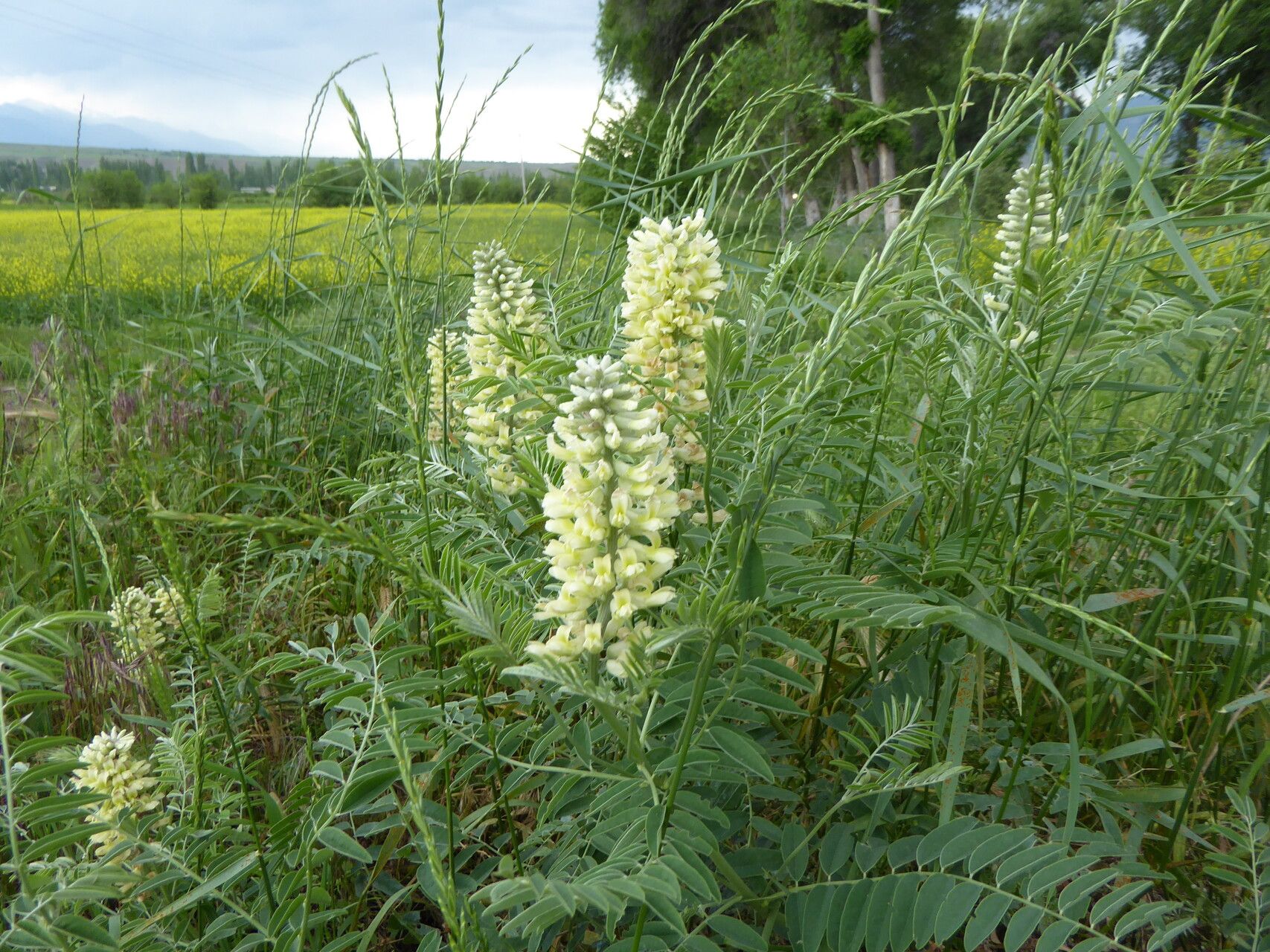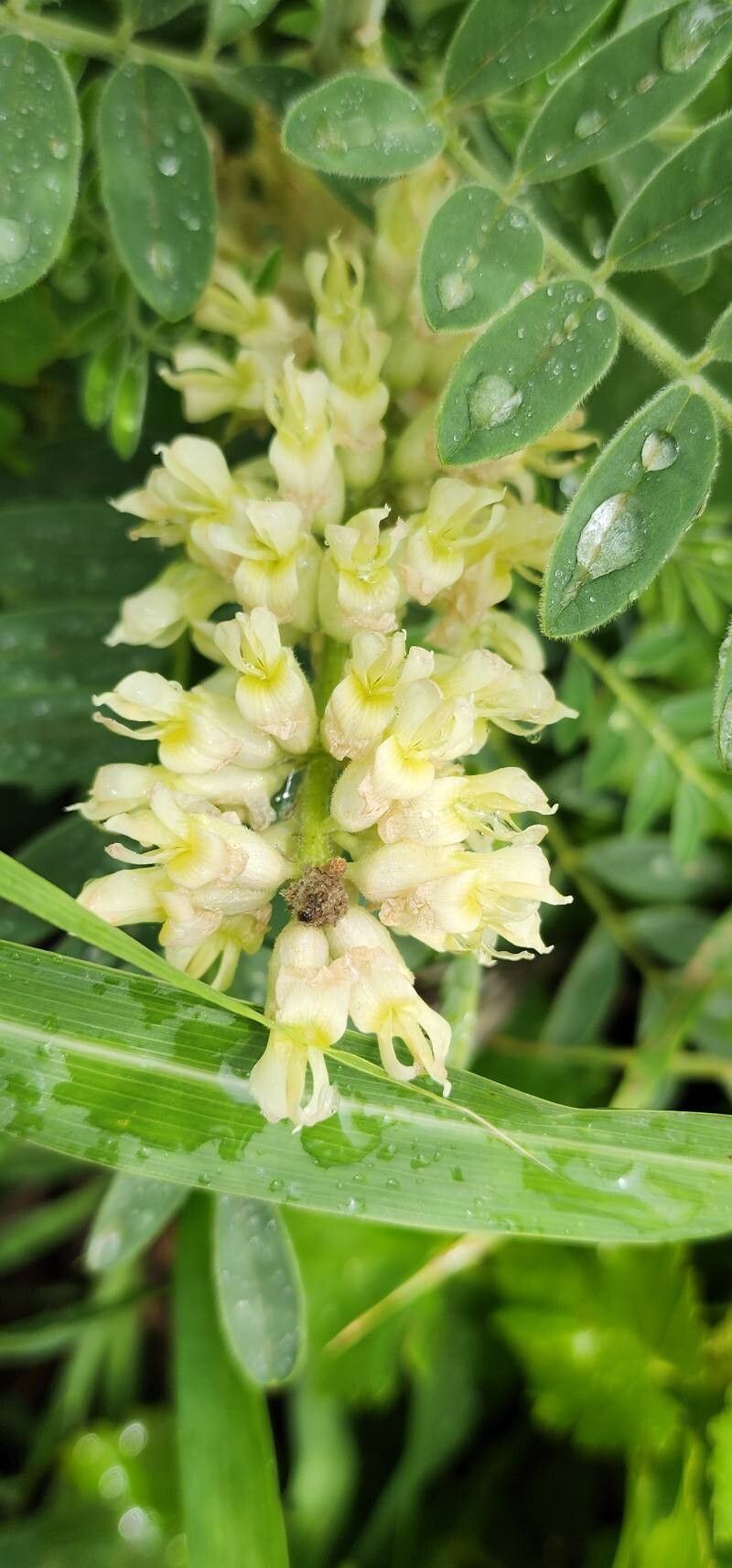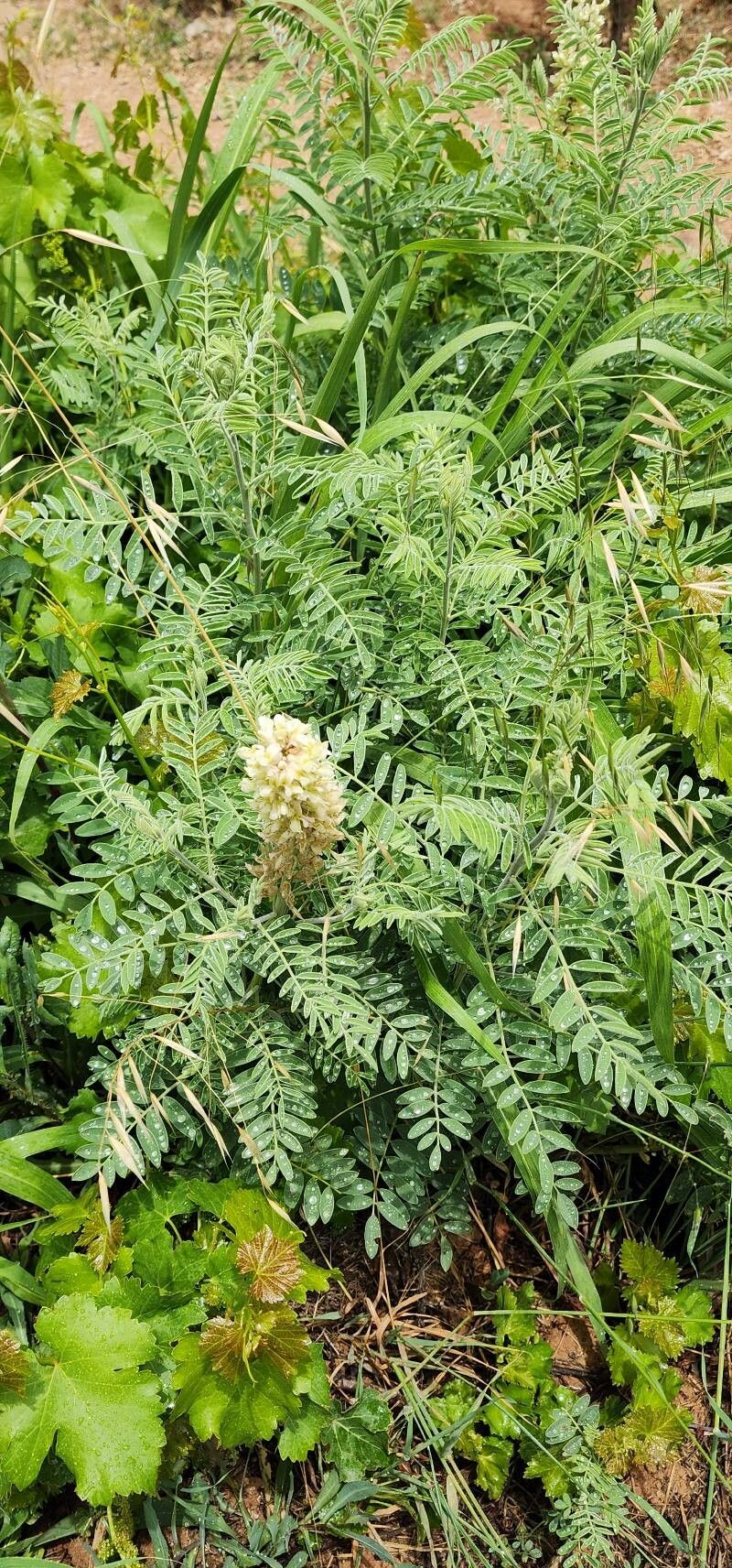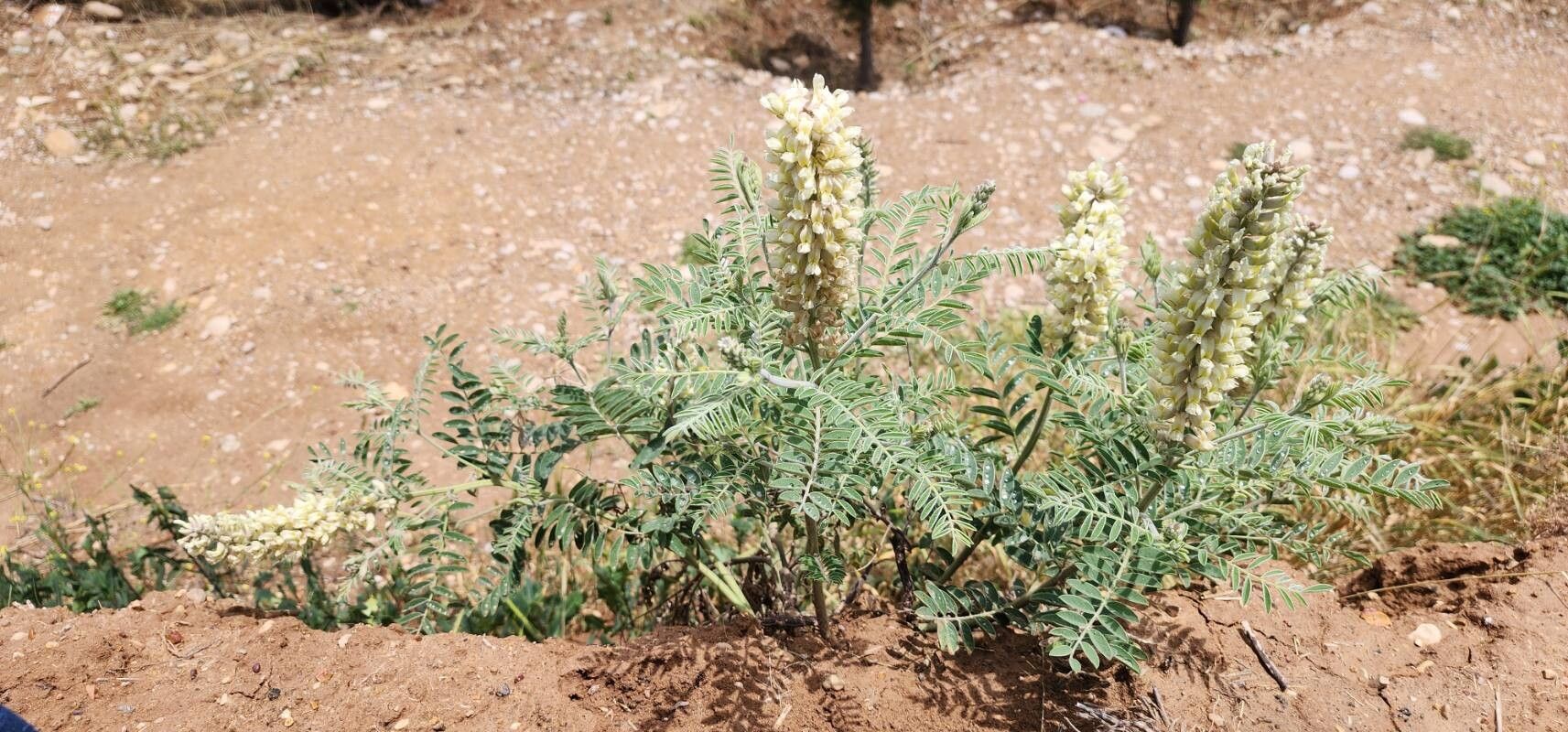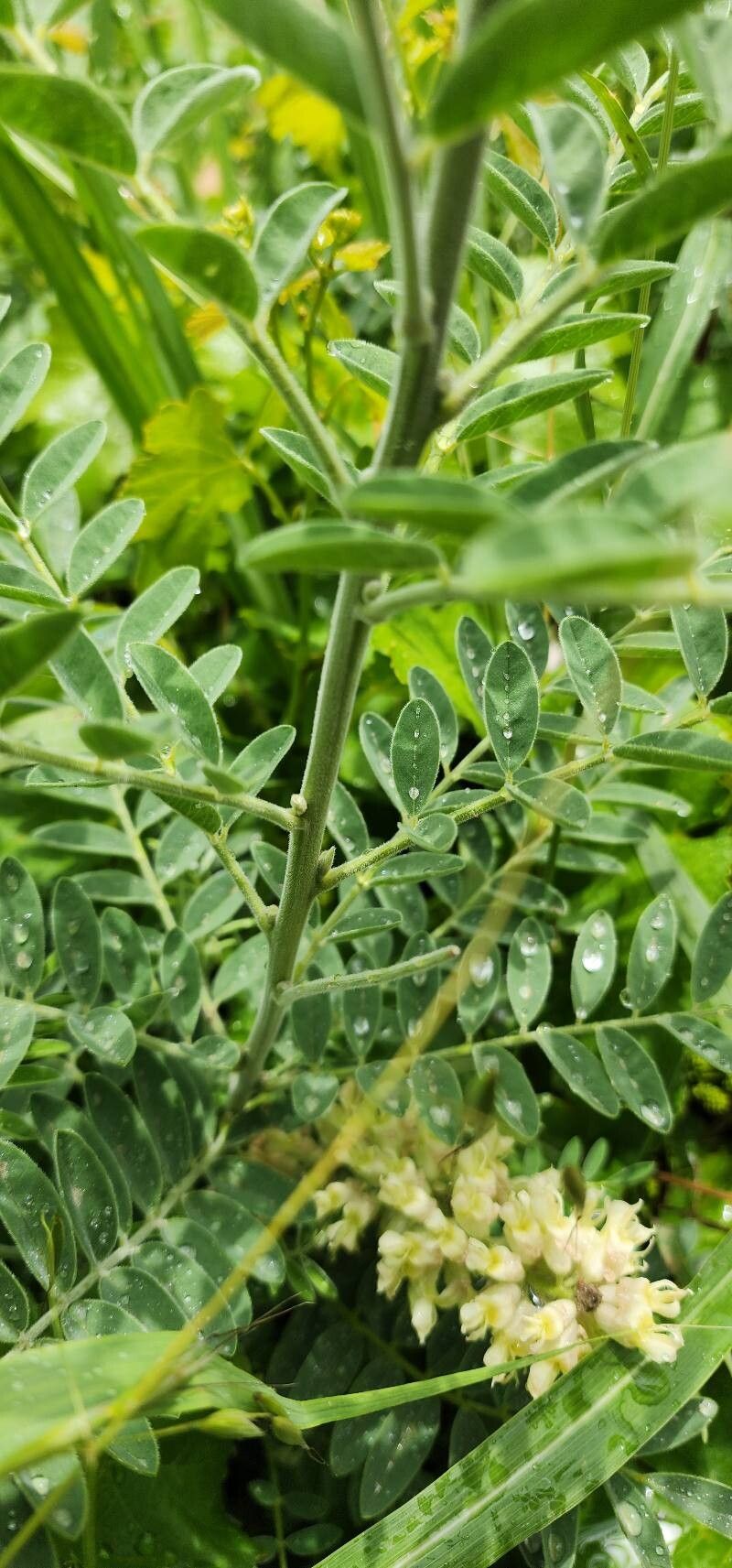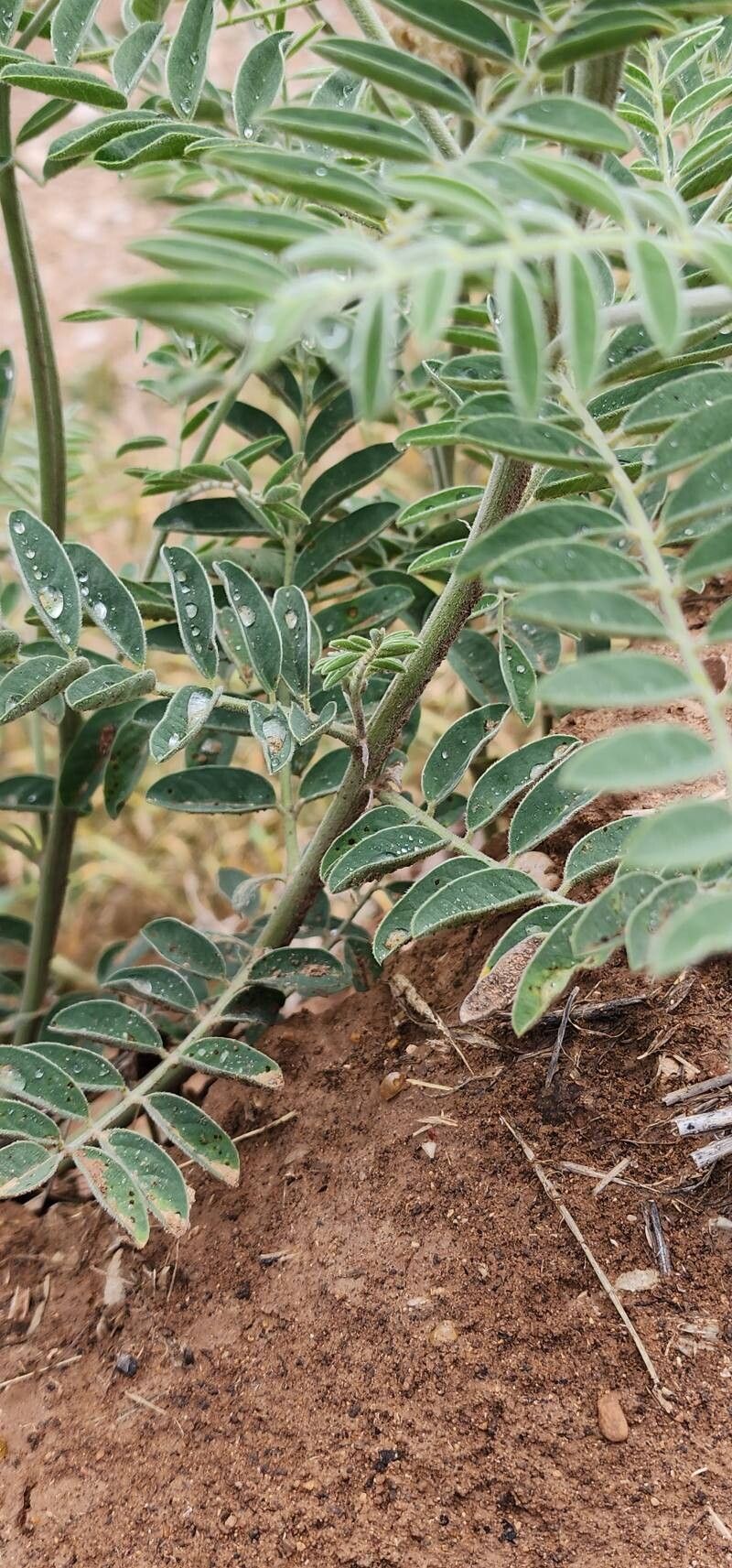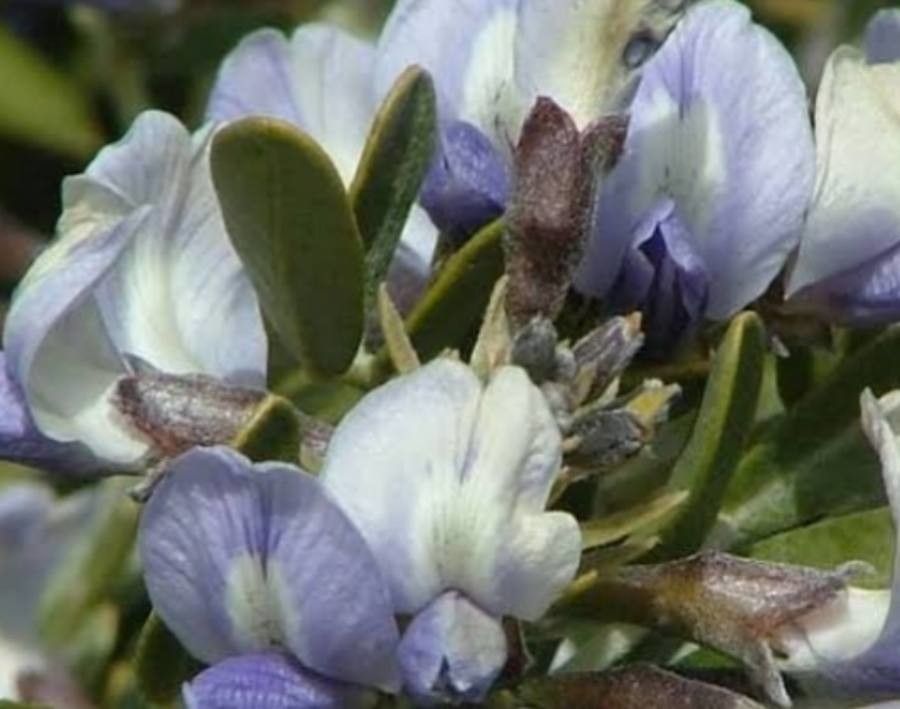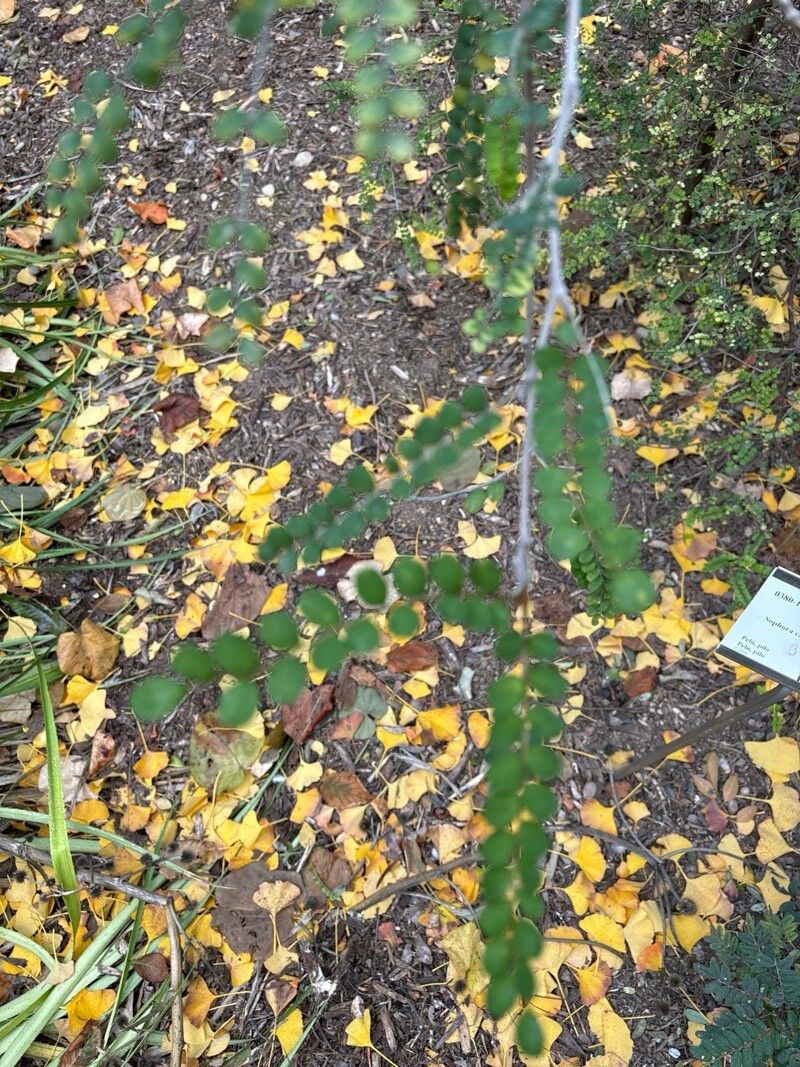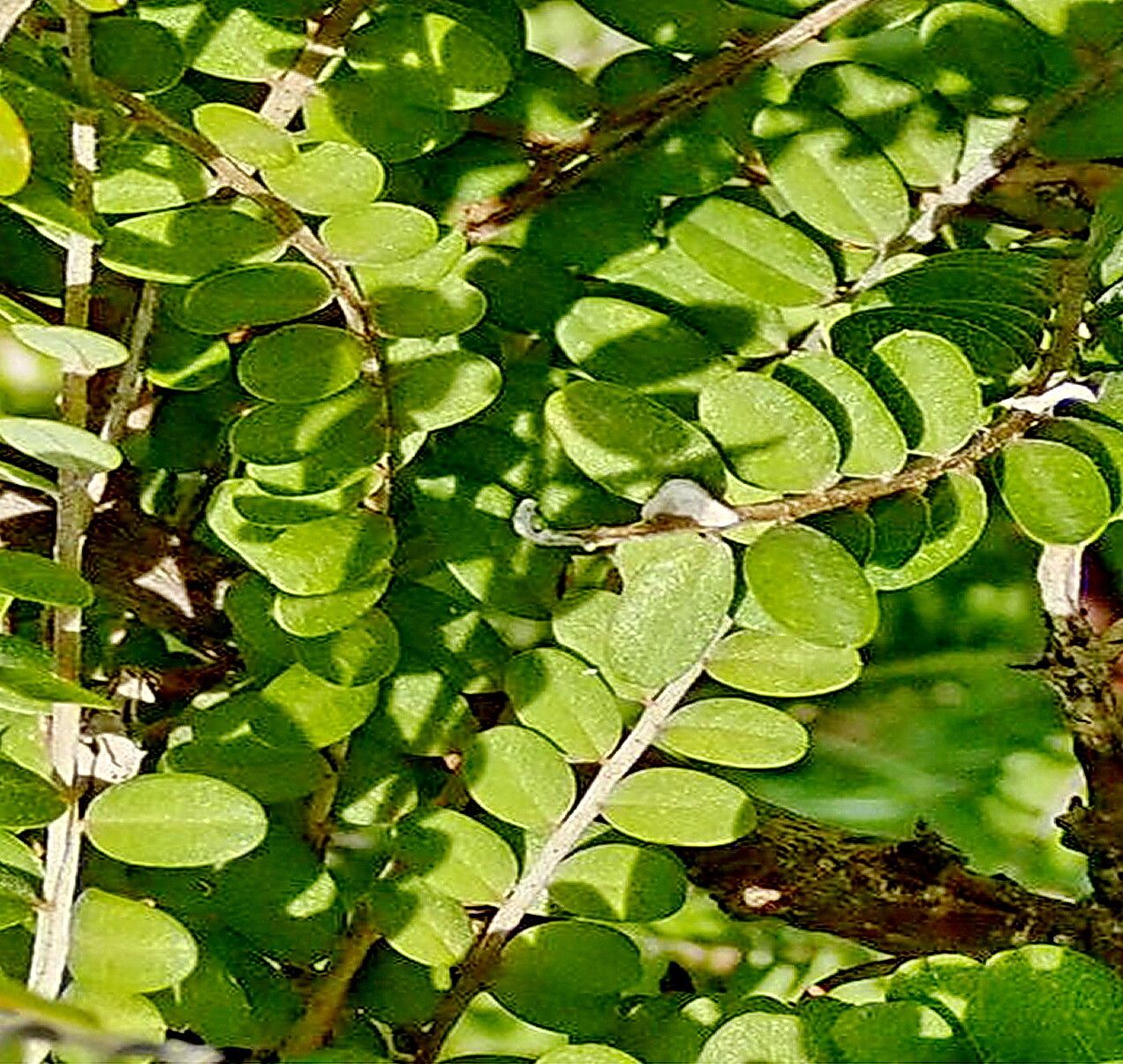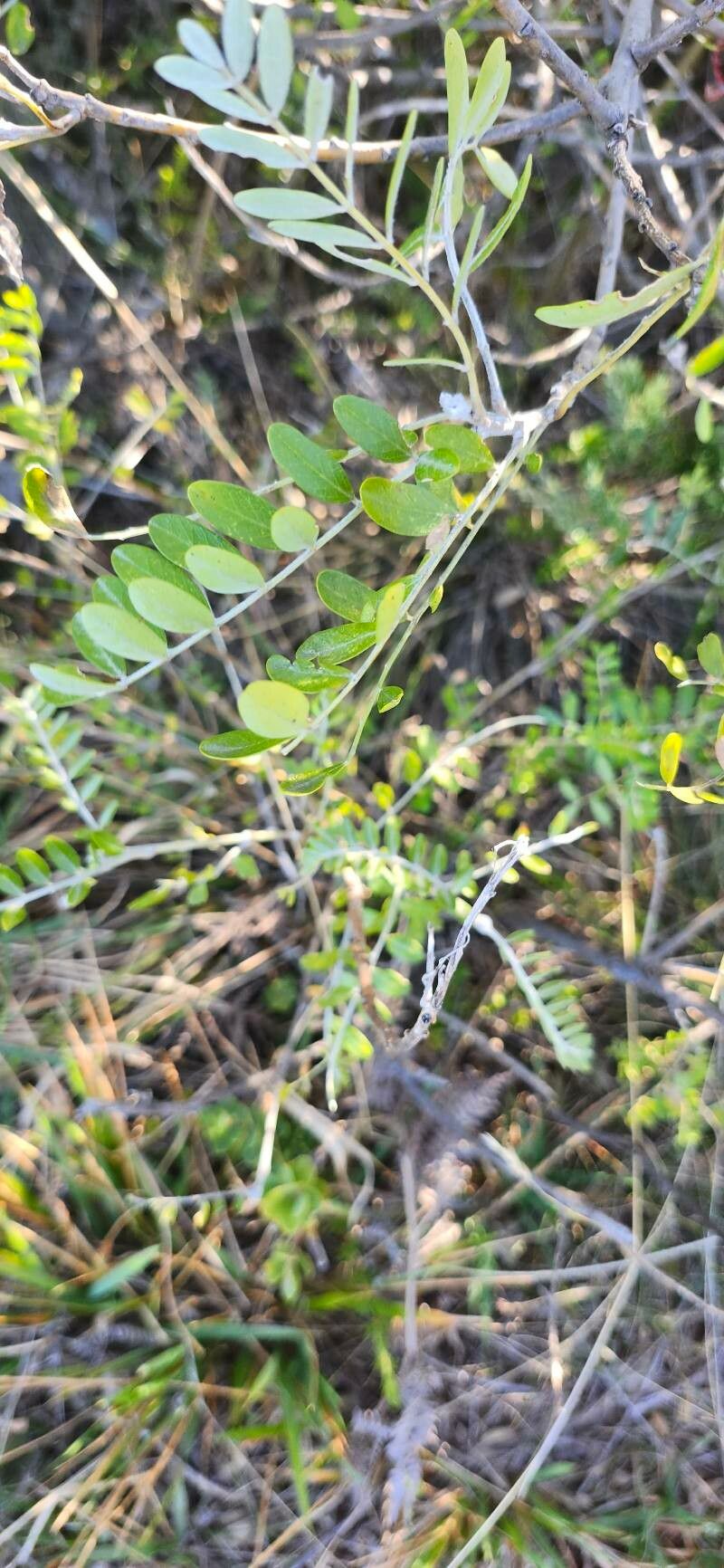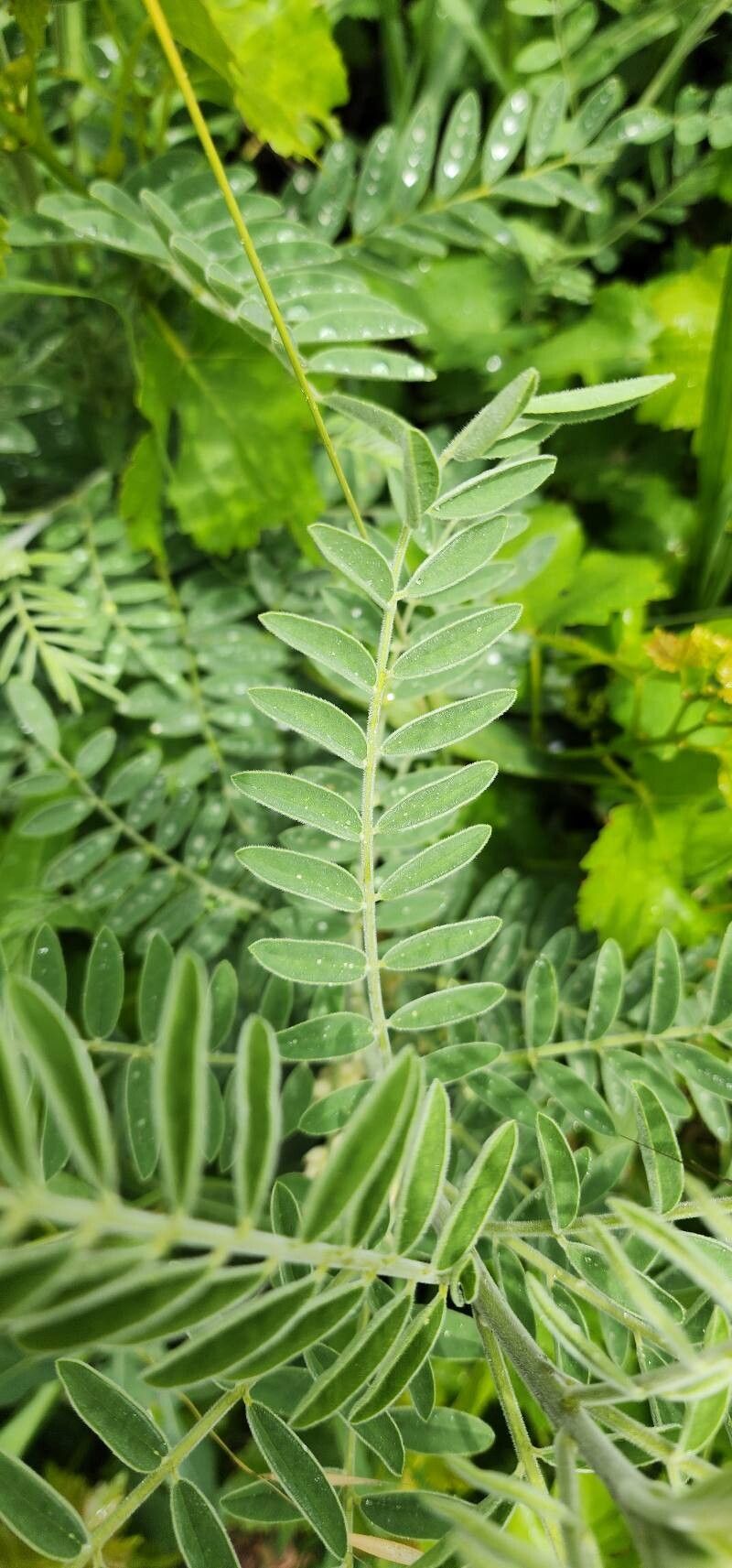
Bitter bean is resistant to many diseases and generally does not tend to get sick. Regarding care, this plant is fairly low-maintenance. When grown outdoors it needs only light watering, and larger plants typically do not require pruning. Smaller plants, however, should be trimmed after they finish blooming. Bitter bean is suitable for anyone who has outdoor space, such as a garden or deck, and does not demand much care experience.
How to keep Sophora Alopecuroides.
Light
The bitter bean plant originates from exposed landscapes like sunny fields and the fringes of forests that offer abundant sunlight. It flourishes in an environment fully exposed to sunlight, although it can also endure conditions with partial sun and adapts well to different light conditions.
Temperature
The bitter bean plant showcases remarkable versatility in adjusting to diverse weather conditions, from boiling hot summers to frosty winters. Nonetheless, there is an ideal temperature spectrum for its growth. If the temperatures rise to extreme levels, the plant may suffer from heat and humidity stress, which could potentially lead to its death. In areas where temperatures get close to the minimum threshold of its cold endurance, it is crucial to put in place measures of insulation to safeguard the plant.
Fertilizer
To facilitate the healthy development of your Bitter bean, feed it with fertilizers at the beginning of spring. Frequent fertilization boosts its general wellness, leading to robust expansion, great adaptability to challenging conditions, and heightened resilience to diseases and pests. Uphold a particular feeding pattern for your Bitter bean to sustain its lustrous leaves with rich color and a bountiful presence.
Botanical profile.
- Plant Type
- Tree
- Life Cycle
- Perennial
- Hardiness Zone
- 5-9
- Mature Height
- 91 cm
- Mature Spread
- 40 cm to 76 cm
- Leaf Color
- Green, Dark Green
- Leaf Type
- Deciduous
- Flower Color
- Yellow, Cream
- Flower Size
- 1.02 cm to 1.52 cm
- Bloom Time
- Late spring, Early summer, Mid summer
- Planting Time
- Spring, Summer
- Harvest Time
- Late summer, Early fall, Mid fall
- Native Area
- Tajikistan, Turkey, India, Armenia, Pakistan, China, Uzbekistan, Russia, Afghanistan, Iraq, Syria, Kyrgyzstan, Kazakhstan, Mongolia, Iran, Azerbaijan, Turkmenistan