Sonchus tenerrimus, commonly known as the Mediterranean sowthistle, is a species of flowering plant in the Asteraceae family. Native to the Mediterranean region, it thrives in various habitats such as rocky slopes, fields, and roadsides.
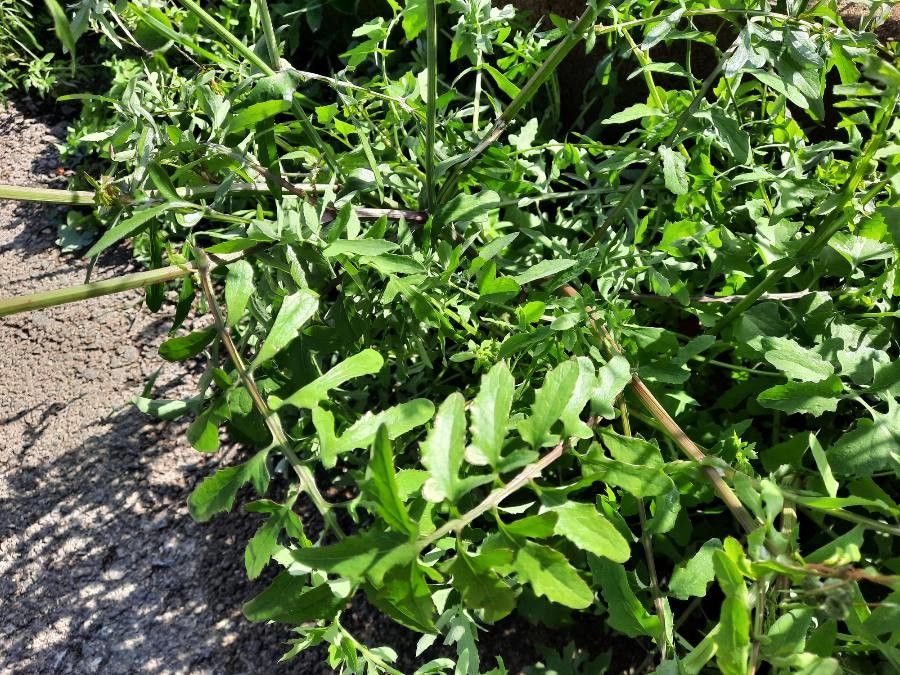
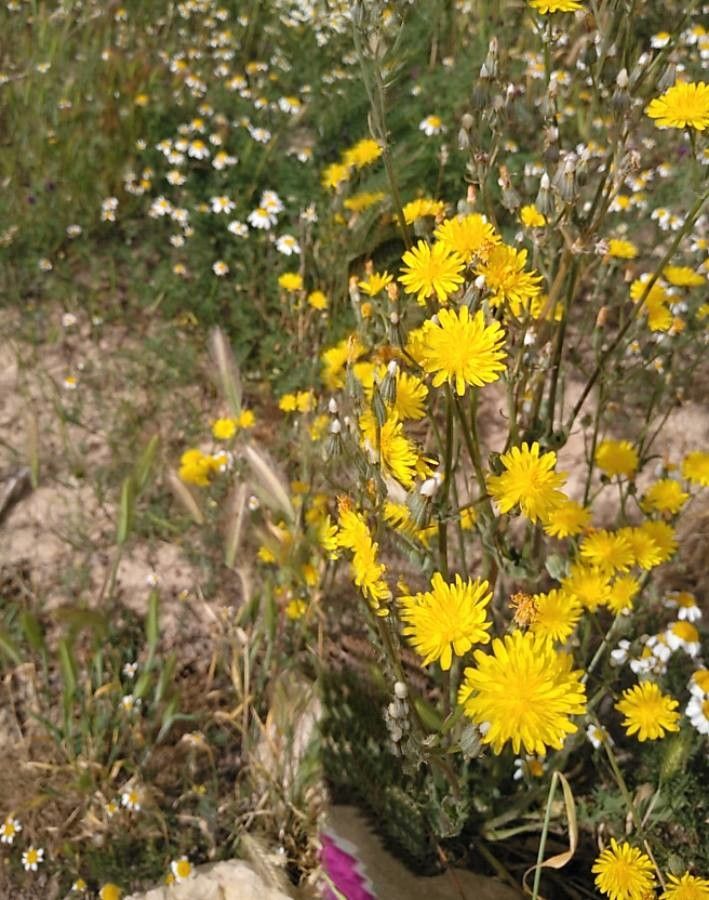
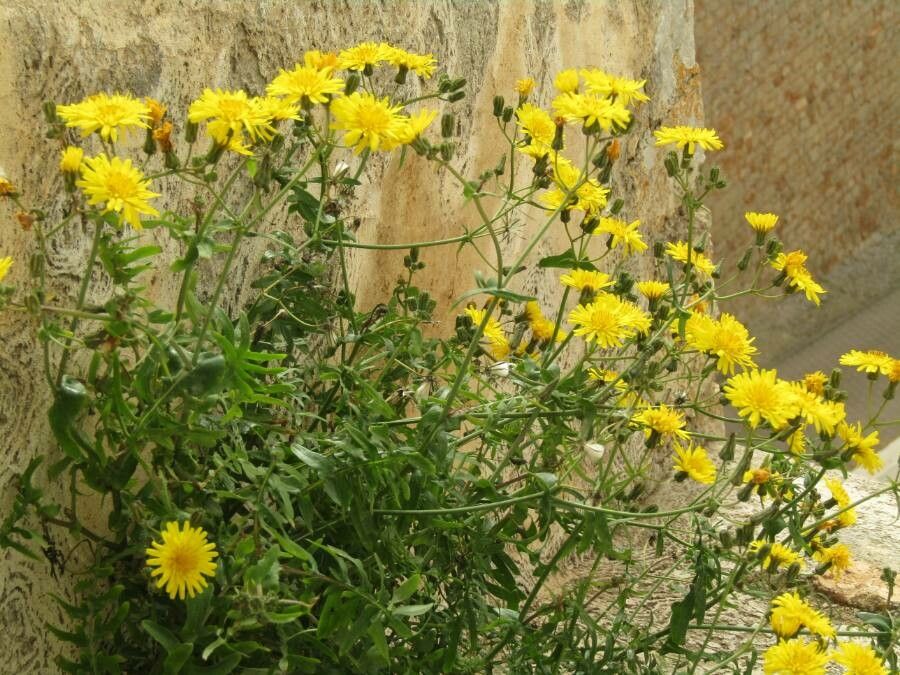
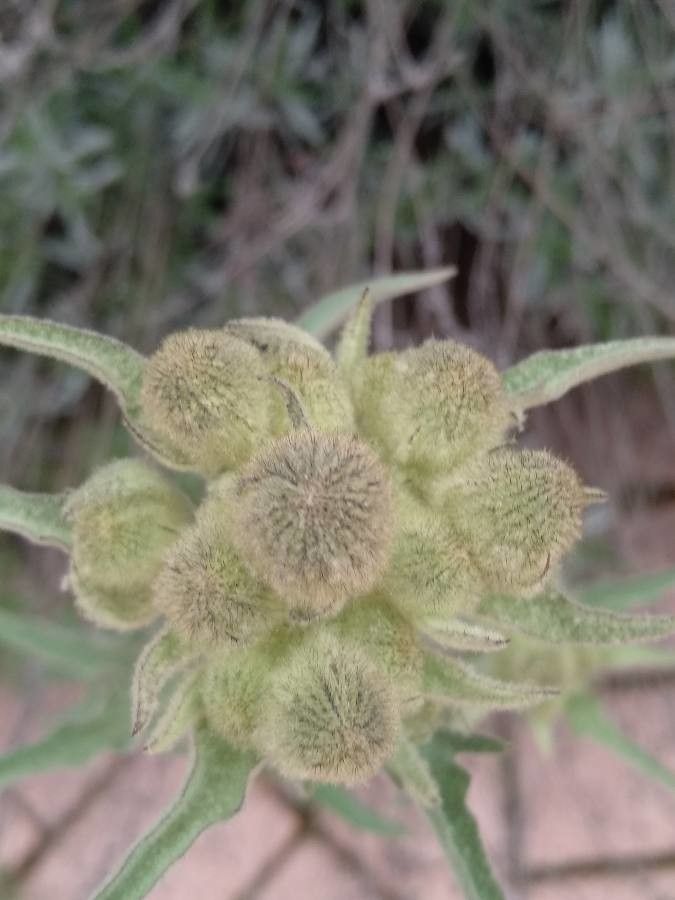
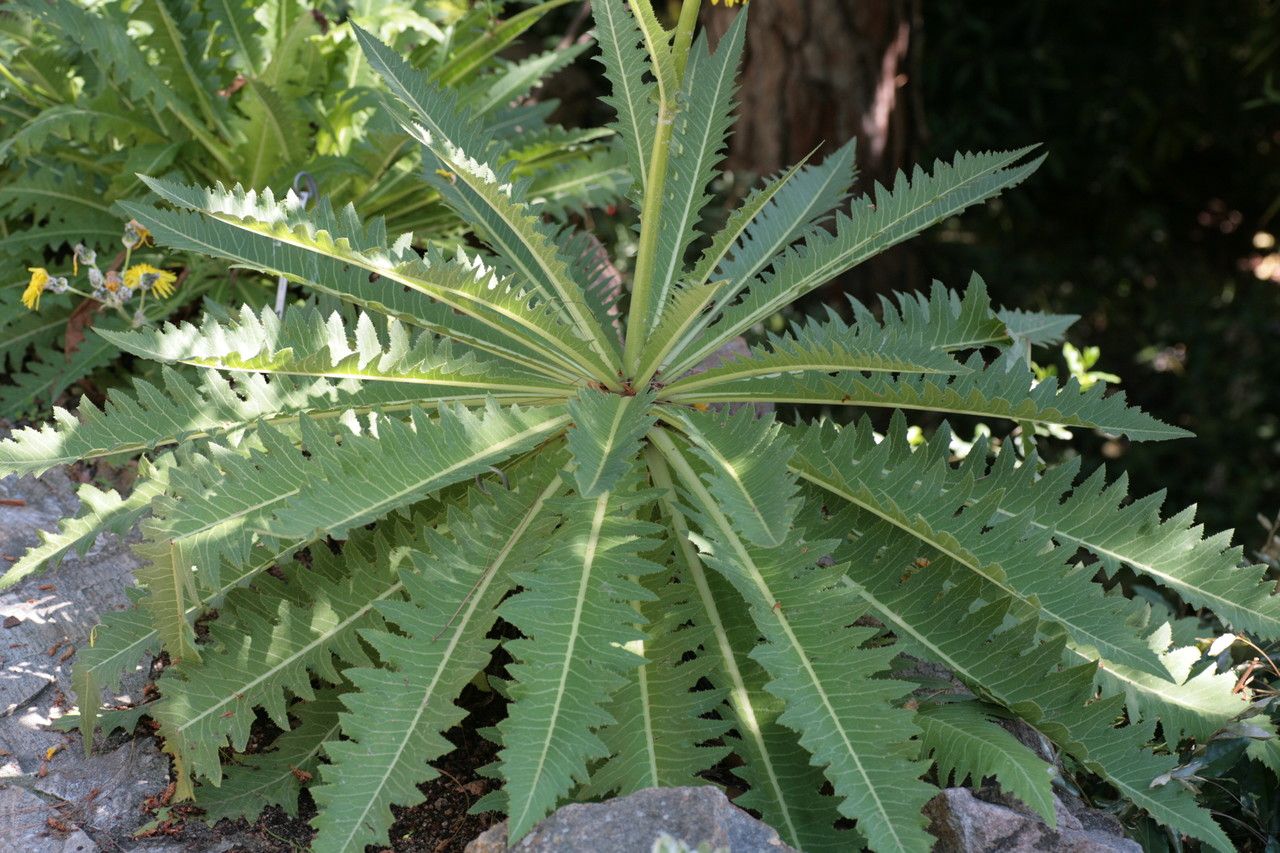
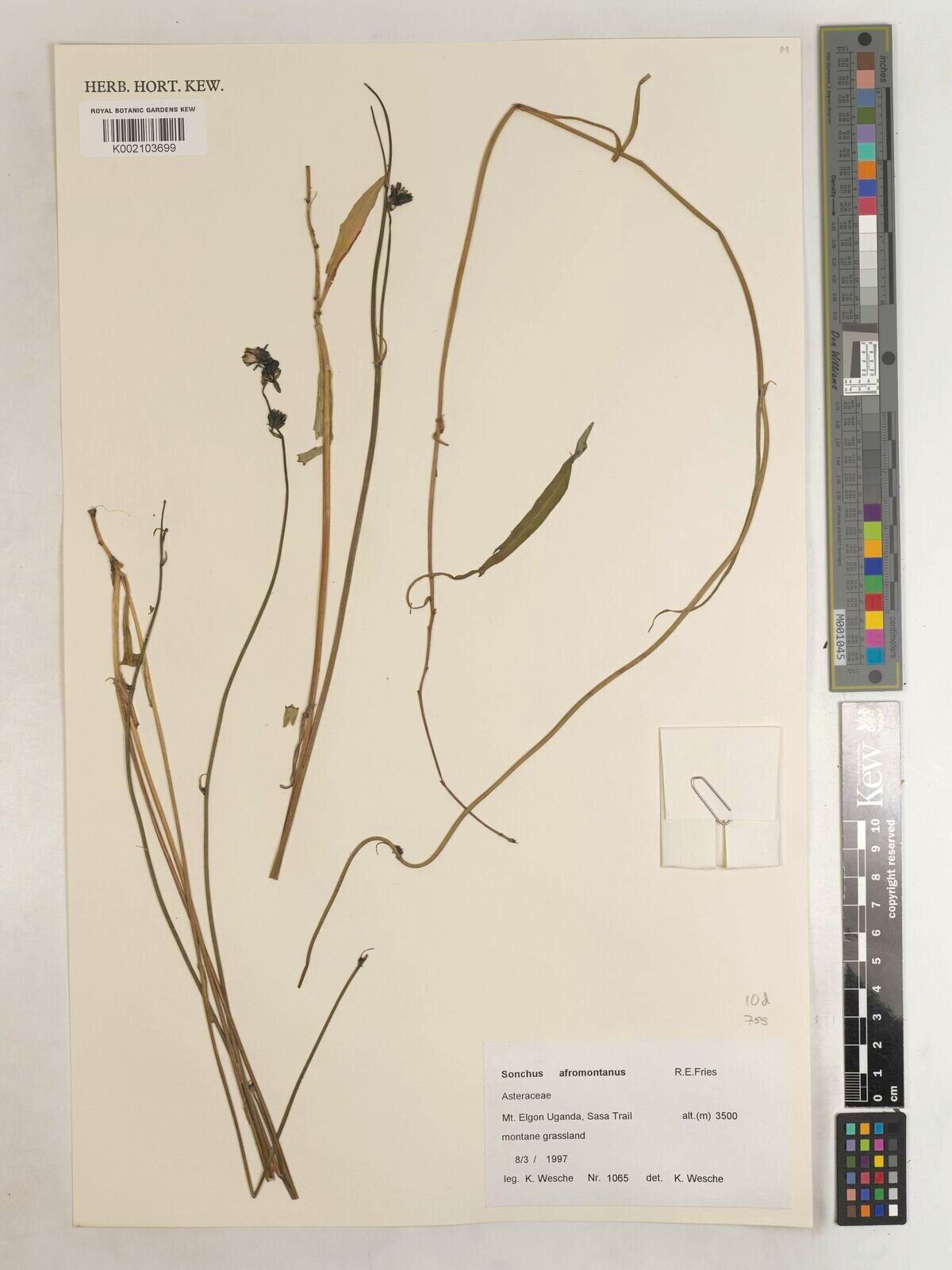
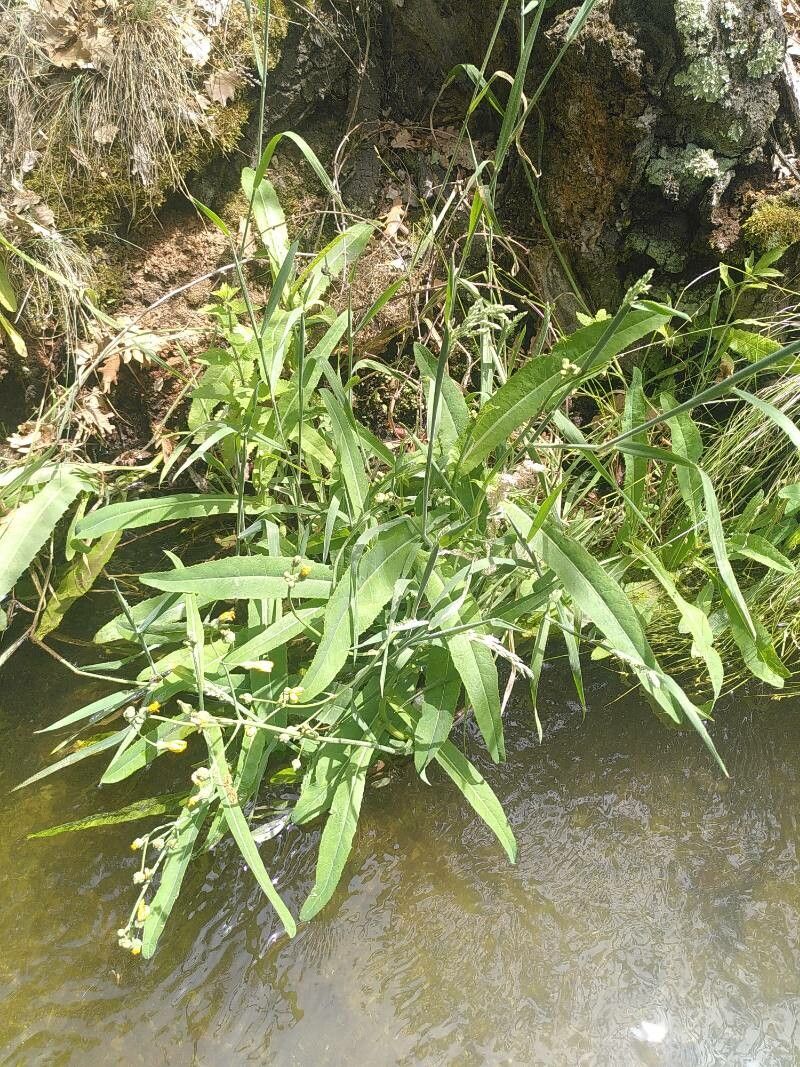
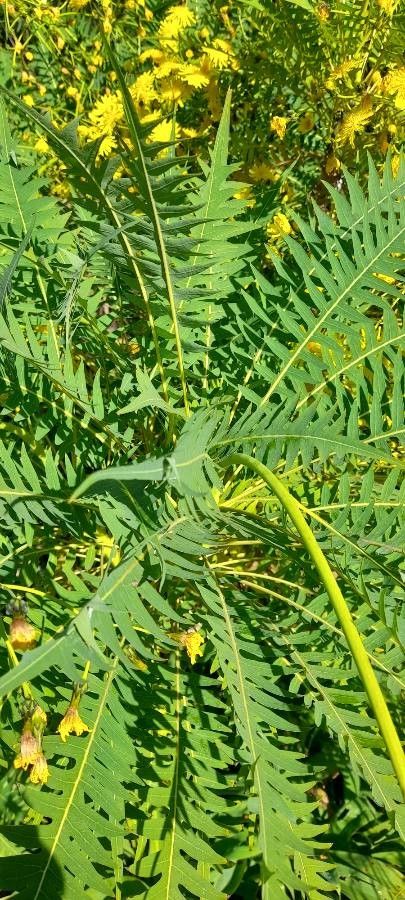
The plant can grow up to 1 meter tall, featuring an unbranched stem typically covered with fine hairs. Its alternate leaves are either lobed or toothed, sporting spiny margins that can reach up to 20 cm in length. The yellow flowers bloom in clusters at the ends of branches.
For centuries, Sonchus tenerrimus has been utilized for its medicinal properties, specifically its anti-inflammatory benefits. Additionally, the plant has been used as a food source; its leaves can be consumed raw or cooked similarly to spinach.
However, in areas outside its native range, Sonchus tenerrimus is considered invasive due to its rapid spread through wind-dispersed seeds.
In summary, Sonchus tenerrimus is a fascinating species with significant ecological and cultural importance in its native habitat, while also presenting invasive challenges in non-native regions.
Common sowthistle has good resistance to disease and usually does not develop illnesses. However, it can be vulnerable to pests and diseases present in its environment. These problems are typically mild. For care, the plant requires a moderate level of maintenance. It should be pruned regularly to preserve a neat appearance and encourage healthy growth. Fertilizing can also help boost flowering. Common sowthistle is suitable for anyone with outdoor space, such as a garden or patio, and does not demand extensive gardening experience. It may need more attention when grown indoors.
How to keep Sonchus Tenerrimus.
Light
Common sowthistle flourishes with abundant daily sunlight but also displays notable tolerance for situations with less than full sun. It is native to habitats of plentiful light, which favor its growth and development. Still, extremes of excessive exposure or very low light can impair its health.
Water
Slender sowthistle thrives in environments with moderate moisture and can withstand short periods of dryness. To maintain optimal health, it requires weekly watering. This plant prefers full sun and adjusts its water intake throughout the growing season to maximize its flowering potential. It is well-suited for climates similar to those found in the Mediterranean.
Temperature
Common sowthistle is native to areas where temperatures range from 68 to 95°F (20 to 35 ℃). It needs these warm conditions to prosper, particularly during the growing season. Changes may be required during colder periods.
Fertilizer
Common sowthistle benefits from regular, light applications of fertilizer to encourage healthy leaf growth. You should fertilize Common sowthistle about once a month during the summer months. Nitrogen is important for foliage, and providing nitrogen-rich sources helps Common sowthistle thrive.
Pruning
To encourage bushier growth and manage overgrown stems, prune slender sowthistle from early to late spring. Remove wilted flowers and leaves to maintain an attractive appearance. Pruning during this time promotes active growth, improves airflow, and reduces pest risks, resulting in a healthier and more visually appealing garden plant.
Botanical profile.
- Plant Type
- Herb
- Life Cycle
- Annual, Biennial
- Genus
- Sonchus
- Family
- Asteraceae
- Hardiness Zone
- 7-9
- Mature Height
- 0.3 m to 1.52 m
- Mature Spread
- 49 cm
- Leaf Color
- Green, Red, Purple
- Leaf Type
- Deciduous
- Flower Color
- Yellow
- Flower Size
- 0.51 cm to 2.54 cm
- Bloom Time
- Spring, Early summer
- Planting Time
- Spring, Summer, Autumn
- Harvest Time
- Late spring, Early summer, Mid summer
- Native Area
- Burkina Faso, Libya, Pakistan, Thailand, Slovenia, Belarus, Cameroon, Koppen, Ethiopia, Latvia, Moldova, Netherlands, Tunisia, Bulgaria, Bangladesh, Chad, Afghanistan, Kyrgyzstan, Kazakhstan, Mongolia, Finland, Djibouti, Egypt, Austria, Uzbekistan, Russia, Estonia, France, Nepal, Tajikistan, Sudan, Mauritania, Armenia, Poland, Greece, Switzerland, Bhutan, United Kingdom, Algeria, Sri Lanka, Turkey, United Arab Emirates, Slovakia, Montenegro, Croatia, Morocco, Germany, Jordan, Indonesia, Romania, Belgium, Portugal, Saudi Arabia, Cyprus, Ukraine, Lebanon, Syria, Italy, Bosnia and Herzegovina, Côte d'Ivoire, Iran, Azerbaijan, Somalia, Eritrea, Yemen, Mali, Iraq, South Korea, Czech Republic, Guinea, Serbia, Lithuania, Spain, Denmark, Myanmar, Israel, Albania, Ireland, Hungary, Turkmenistan
Other names.
Reader questions.
How should I water my Slender sowthistle plant?
To water Slender sowthistle, you have several options for tools: a garden hose with a spray nozzle, a watering can, or any other common watering tool. It's not too particular about the type of water it receives, so rainwater, tap water, or filtered water are all acceptable. Avoid watering this plant from above, as it can harm the leaves and flowers and potentially lead to disease. Using a drip irrigation system is often the best way to water Slender sowthistle, as it provides even and direct watering to the soil. For Slender sowthistle in a container, you can use a cup, watering can, or tap to water it directly onto the soil.
Why should I put fertilizer on my Slender sowthistle?
While all plants require nutrients to grow, there are certain types that can obtain these nutrients naturally without the need for fertilizers. Slender sowthistle, like other plants, relies on nutrients to support its growth and internal processes. These nutrients, namely nitrogen, phosphorus, and potassium, play a crucial role in various essential plant functions. In particular, nitrogen is essential for foliage development. However, Slender sowthistle often struggles to obtain adequate nitrogen from the soil alone. Consequently, many gardeners choose to provide additional nitrogen supplementation when feeding Slender sowthistle.
What are the sunlight requirements for Slender sowthistle?
Slender sowthistle requires full sun exposure, meaning it needs above 6 hours of sunlight daily for healthy growth. It's crucial to observe your garden's sunlight patterns to ensure that there's a balance of light and shade, suitable for the plant’s needs. Slender sowthistle is adapted to thrive in locations with abundant sunlight in its native habitat, and insufficient light might hinder its proper development, whereas too much sun can also stress the plant.
What is Slender sowthistle?
Slender sowthistle, scientifically known as Sonchus tenerrimus, is a plant species. Unfortunately, there are no details provided regarding its characteristics, essential features, or symptom information in the provided data.
What should I do if I give my Slender sowthistle too much or too little water?
When Slender sowthistle is not getting enough water, the solution is clear: increase the frequency of watering. Overwatering, on the other hand, can be more problematic if not caught early. Excessive watering can lead to diseases and the decline or death of the plant. To avoid this, it's important to select a suitable location for growing the Slender sowthistle, one with ample sunlight to dry the soil and good drainage to prevent water from pooling and causing waterlogged soil. If you are overwatering a potted Slender sowthistle, it might be necessary to transfer it to a new pot. Check if the previous container had good soil drainage or sufficient drainage holes. When repotting, ensure loose soil and an efficiently draining pot are used.
When should I fertilize my Slender sowthistle plant?
Slender sowthistle generally grows well with regular fertilization once a month during active growth in the spring and summer months. However, during the fall and winter when it is less active, fertilization is not necessary due to reduced nutrient uptake. To determine the appropriate time to start fertilizing, look for signs of new growth. Whether grown indoors or outdoors in a container, the same fertilization schedule applies. However, if your Slender sowthistle is in a container, you may not need to fertilize for the first one to two months as the potting soil already contains sufficient nutrients. It is recommended to start fertilizing only after the plant has been in the same soil for a while.
How can I ensure Slender sowthistle receives adequate lighting, especially indoors?
For indoor Slender sowthistle plants, ensuring adequate lighting is essential. During seasons with less sunlight, like winter, or in less sunny spaces, artificial lighting becomes crucial. LED lights are recommended due to their capability to provide necessary wavelengths. The general guideline for artificial light is 30-50W/sq ft for full sun plants. The light source should be placed 12-36 inches above the plant and be left on for 8-12 hours per day to mimic natural daylight hours as closely as possible.
How frequently do I need to water my Slender sowthistle?
Slender sowthistle requires regular watering throughout the growing season. In the spring, watering once per week is sufficient. As the season progresses and the temperature rises, you may need to water two to three times per week. However, exceeding this frequency can harm the plant. It is important to keep the soil moist but not wet, regardless of the watering frequency. Watering a potted Slender sowthistle is slightly different. Due to the soil in the pot drying out faster, you will need to increase the watering frequency. Generally, watering a container-grown plant a few times per week is recommended, compared to just once per week for an in-ground plant.
When should I not put fertilizer on my Slender sowthistle?
To maintain the health of your Slender sowthistle, it is important to consider a few factors before fertilizing. If the plant is already unhealthy due to a disease or insect pests, refrain from applying fertilizer as it may worsen the condition. Additionally, avoid fertilizing dehydrated plants, as the fertilizer can exacerbate the issue. It is best to only fertilize healthy plants. When watering your Slender sowthistle, be cautious not to splash fertilizer onto the leaves or stem as it can cause burned spots. Direct contact between the plant and fertilizer should generally be avoided unless you are using a specialized fertilizer designed specifically for foliage application.
What are the symptoms of poor lighting conditions on Slender sowthistle?
Slender sowthistle exhibits several symptoms when exposed to inadequate light. Some of these include smaller new leaves compared to older ones, leggy or sparse growth, faster leaf drop, slower or no new growth, lighter-colored new leaves, chlorosis (leaves turning yellow), sunscald, leaf curling, wilting, and leaf scorching. These symptoms range from insufficient to excessive light exposure, indicating the plant’s struggle with its current lighting conditions.
How much water does my Slender sowthistle plant need?
There are a few ways to decide how much water to give your Slender sowthistle. Some gardeners prefer to feel the soil and water until the top six inches feel moist. Another option is to use a specific measurement, like two gallons per week, depending on temperature and soil dryness. However, strict guidelines may cause overwatering if your plant needs less. When growing in a container, the method changes. Water all dry layers of soil, which you can check by feeling with your finger. You could also water until you see some excess water draining from the pot's holes.
What kind of fertilizer does my Slender sowthistle plant need?
Fertilizers play a vital role in promoting growth in Slender sowthistle. They contain important nutrients like nitrogen, potassium, phosphorus, iron, manganese, and zinc. An all-purpose fertilizer with a balanced 10-10-10 NPK ratio is a good choice for Slender sowthistle. Alternatively, natural fertilizers like blood meal and worm castings can also be effective. If you mainly want to focus on promoting leaf growth, you can opt for a fertilizer with higher nitrogen content, such as fish fertilizer. It's important to consider your specific goals when selecting fertilizers - if you're not concerned about flowers or seeds, there's no need to provide excess supplements for them.