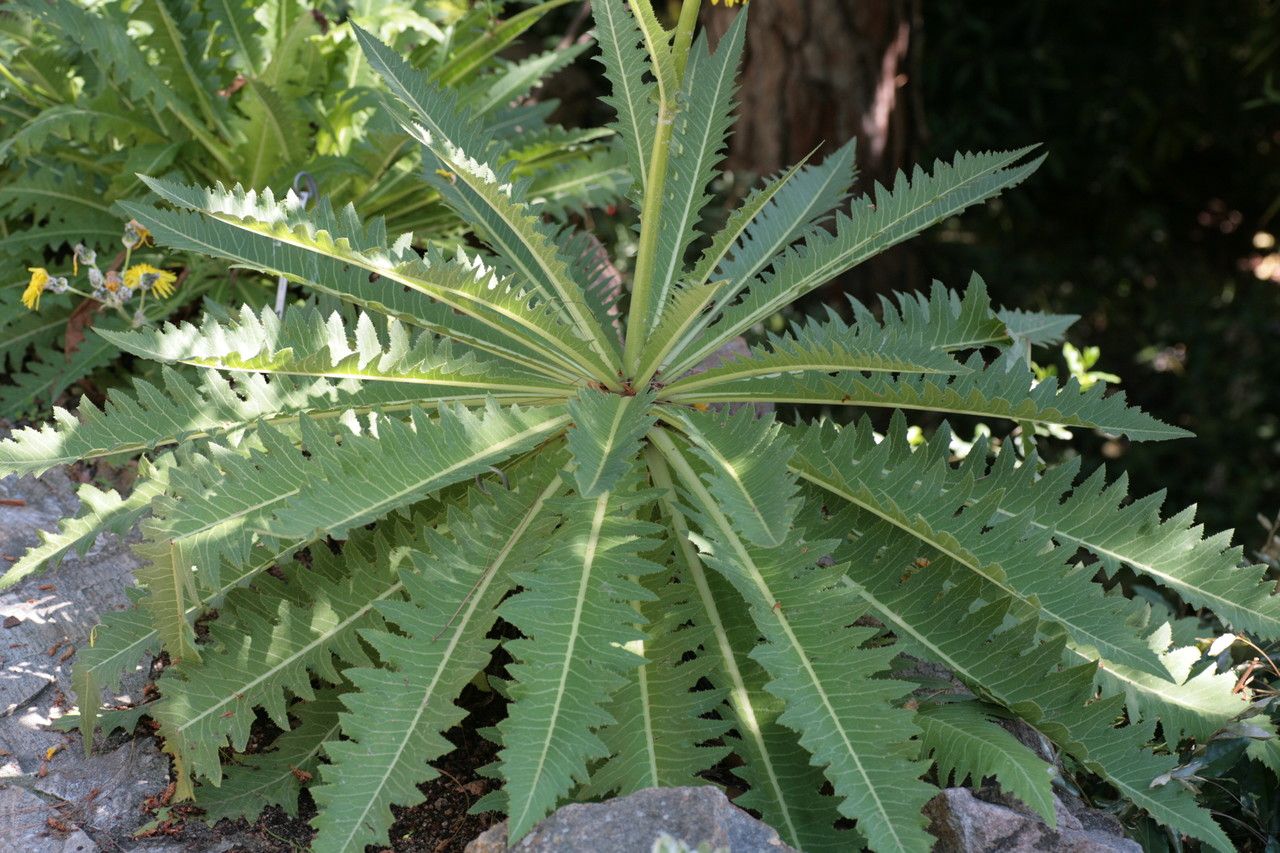
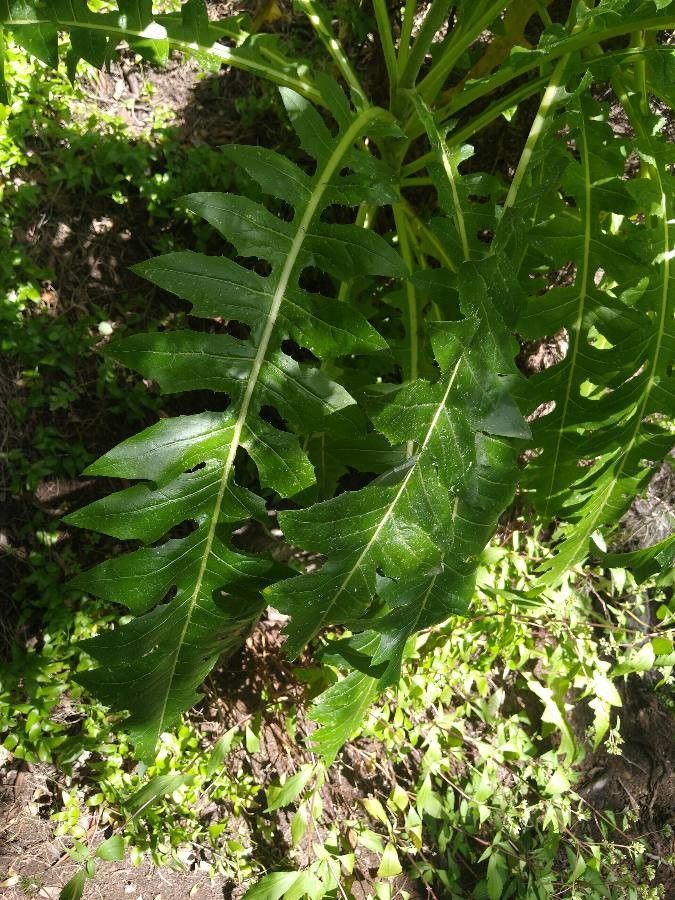
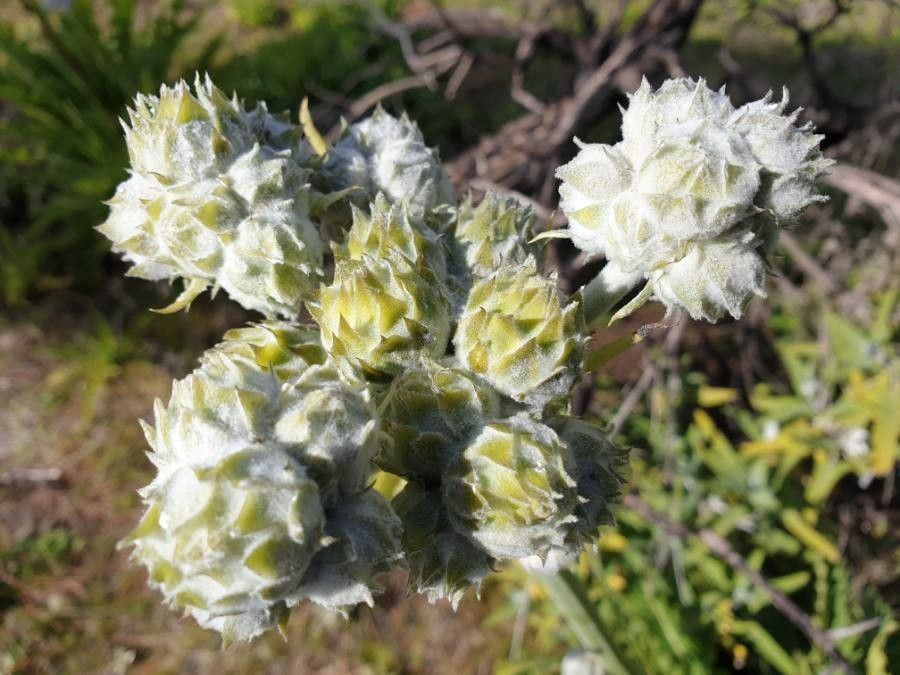
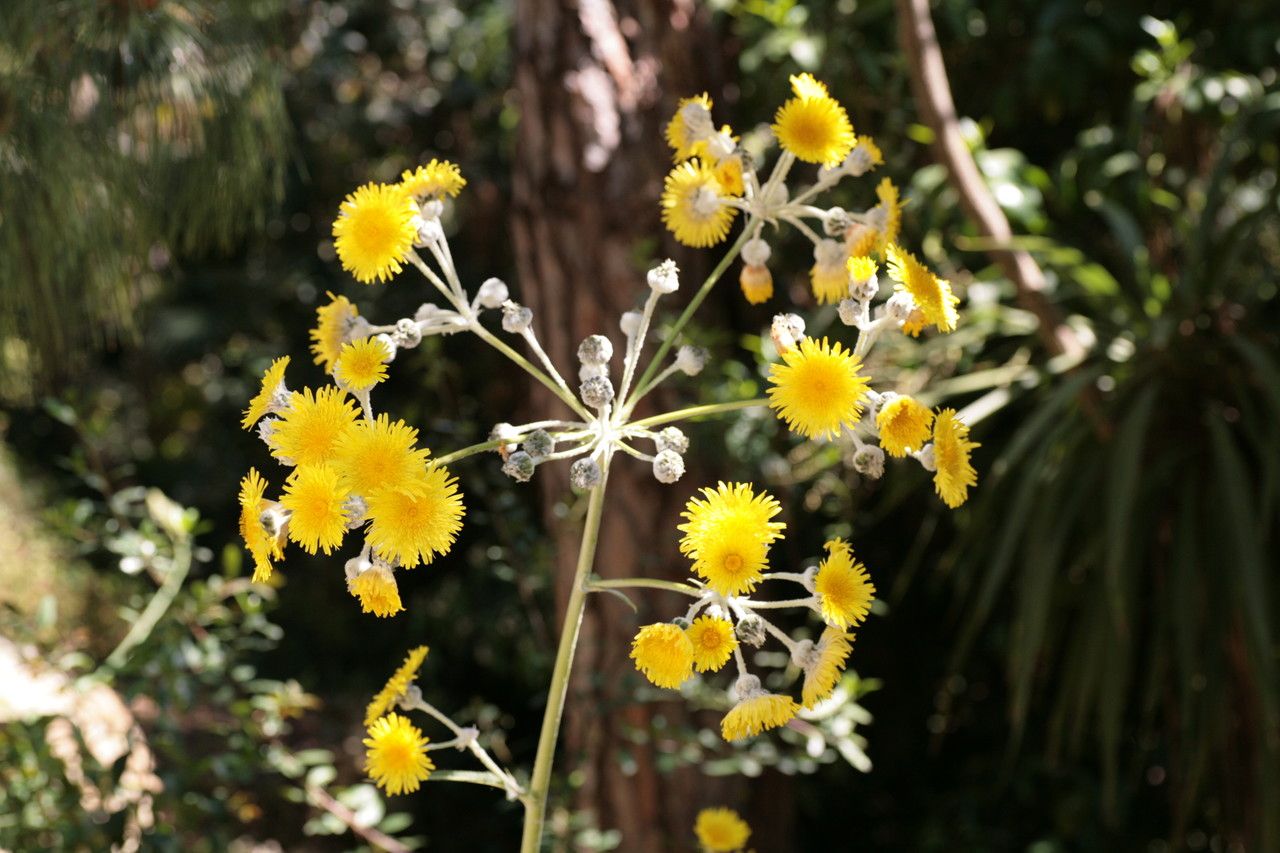
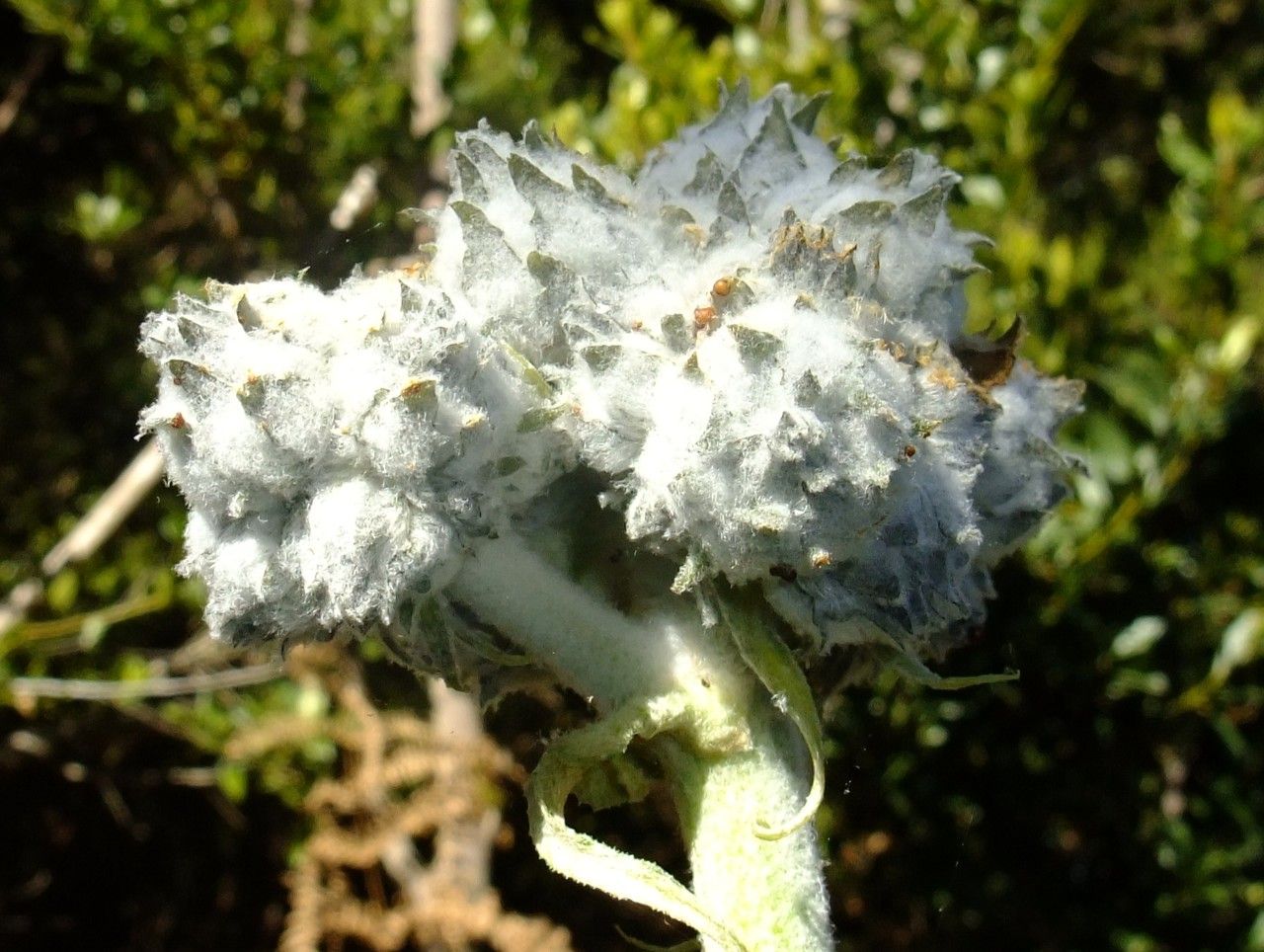
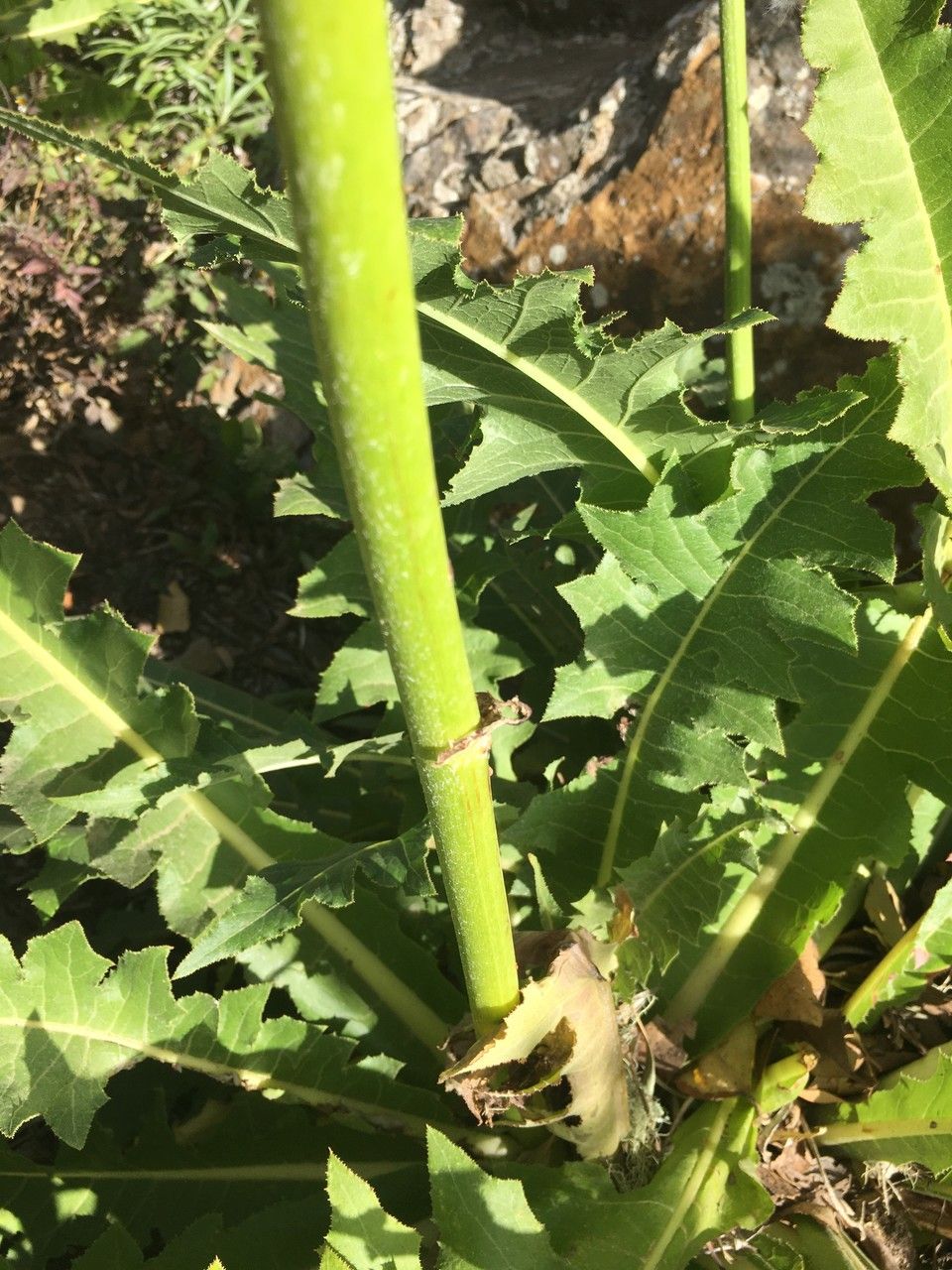
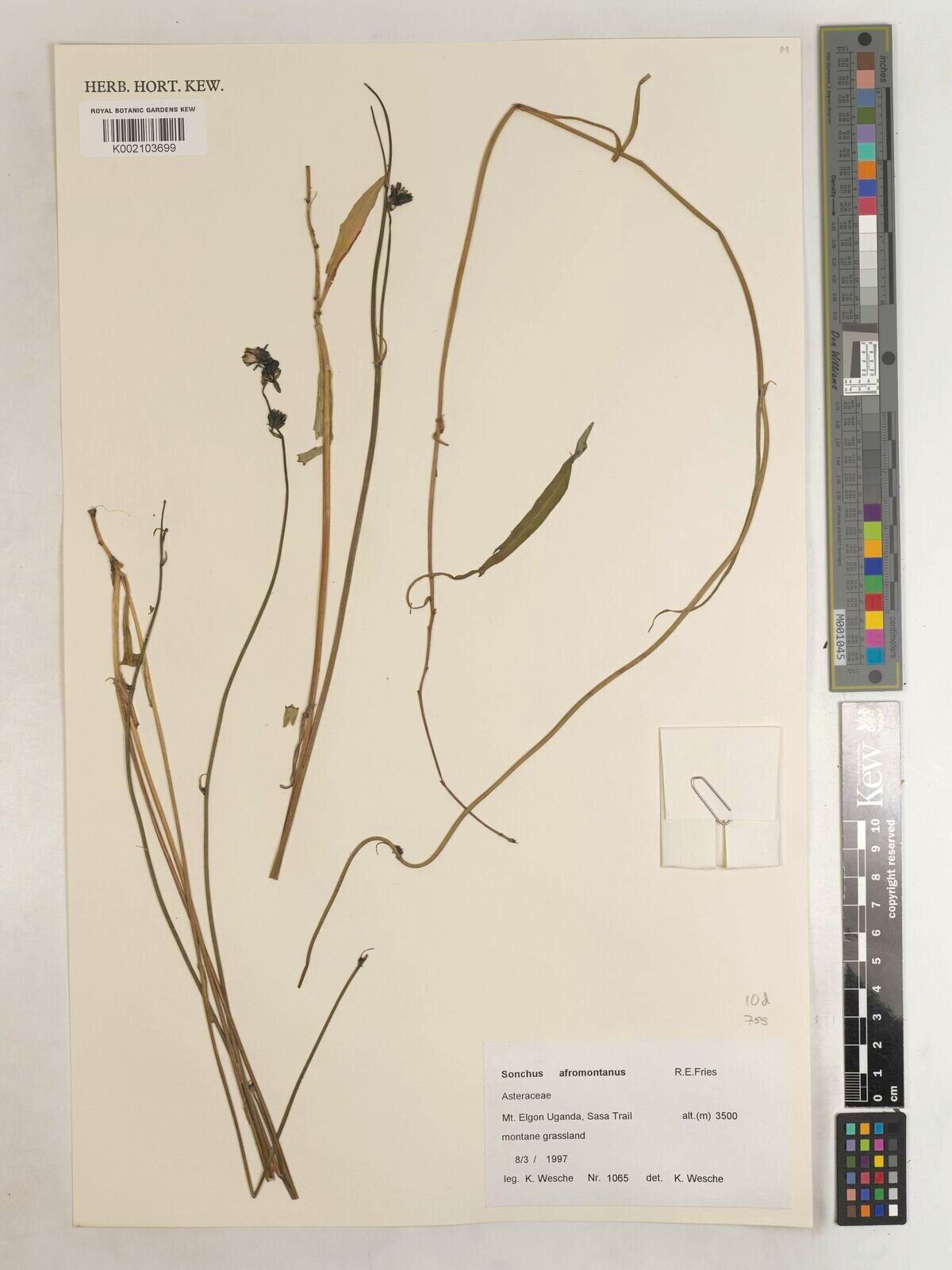
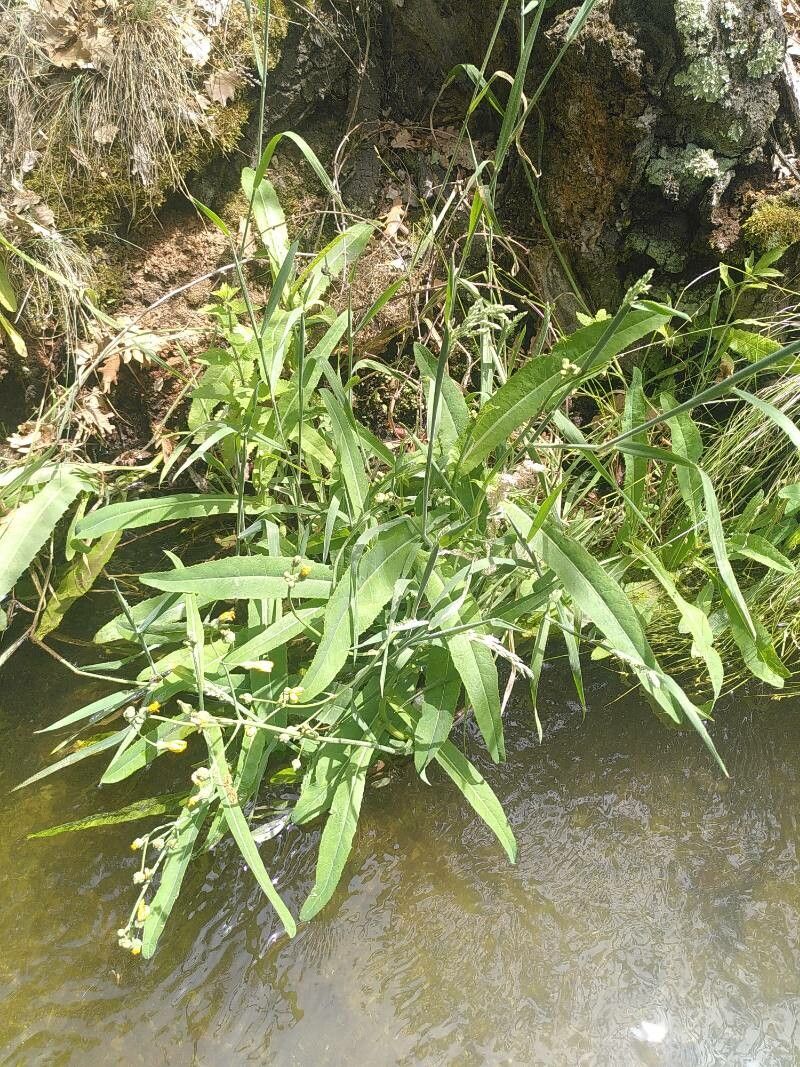
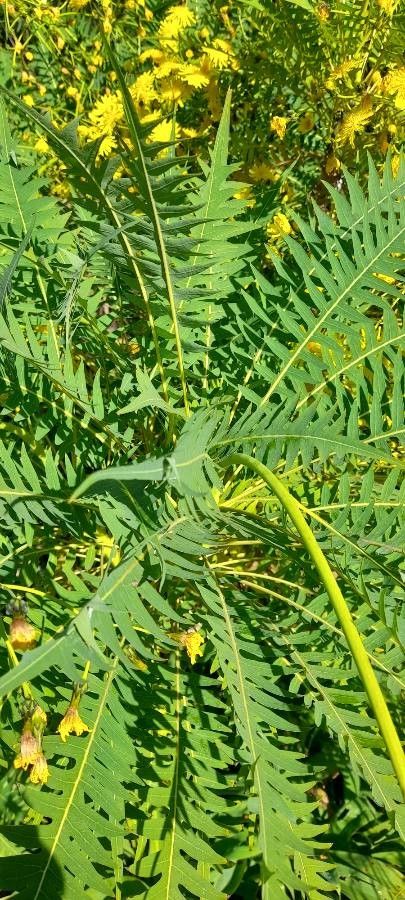
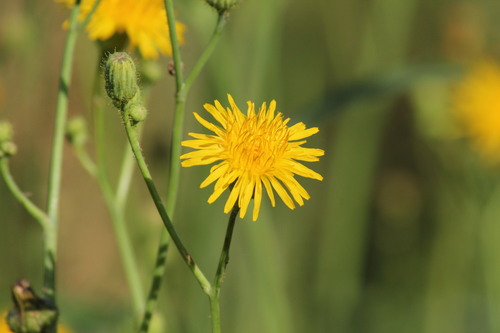
Sonchus acaulis, commonly known as the stemless sow thistle, is a perennial herbaceous plant that belongs to the Asteraceae family. Native to Europe and Asia, it has also been introduced to other parts of the world. This plant features a basal rosette of leaves that are deeply lobed and toothed with spiny margins. Remarkably, it lacks an above-ground stem, with the leaves emerging directly from the rootstock. The flowers of Sonchus acaulis are yellow and arranged in clusters at the top of long stalks that can reach up to 60 cm in height. They bloom from June to August, attracting bees, butterflies, and other pollinators. Preferring moist soils, Sonchus acaulis is also capable of tolerating dry conditions once established. It thrives in both full sun and partial shade and is often found growing on rocky slopes or in meadows. For centuries, it has been used for medicinal purposes, primarily due to its anti-inflammatory properties, which are beneficial in treating skin conditions such as eczema and psoriasis. Overall, Sonchus acaulis is a unique herbaceous perennial with distinctive characteristics that set it apart from other plants in its family.
giant dandelion is fairly disease-resistant and typically does not suffer from many ailments. However, it can be vulnerable to pests and diseases present in its environment. These infections are usually mild. In terms of care, this plant requires moderate maintenance. It should be pruned regularly to maintain a neat appearance and healthy growth. Fertilizing can also help encourage flowering. giant dandelion is suitable for anyone with an outdoor area, such as a garden or patio, and does not demand extensive care experience. It may need more attention when grown indoors.
How to keep Sonchus Acaulis.
Light
The giant dandelion is a sun-loving, herbaceous perennial native to open habitats, commonly thriving in meadows and grasslands. It prefers full sun but can also tolerate partial sun conditions.
Temperature
Giant dandelion can tolerate a wide range of temperatures, though its distribution may still be restricted by particular mixes of moisture and heat. It does best in warm summer climates with sufficient rainfall or regular watering. Extended spells of cloudy, rainy weather or prolonged high temperatures can raise the probability of the giant dandelion dying. In winter, adequate protection from cold can enhance the plant's survival chances.
Fertilizer
A single fertilizer application in spring is generally sufficient for giant dandelion, though repeated feedings can boost growth. Feed every month to every six weeks. Fertilization improves the leaves' appearance and function, maintaining uniform color and a healthy texture. It also promotes root development and nutrient uptake for the plant's long-term health.
Botanical profile.
- Plant Type
- Herb
- Life Cycle
- Perennial
- Genus
- Sonchus
- Family
- Asteraceae
- Hardiness Zone
- 9-11
- Mature Height
- 30 cm to 49 cm
- Mature Spread
- 40 cm to 61 cm
- Leaf Color
- Green, Dark Green
- Leaf Type
- Evergreen
- Flower Color
- Yellow
- Flower Size
- 2.03 cm to 3.05 cm
- Bloom Time
- Late spring, Early summer, Mid summer
- Planting Time
- Spring, Summer, Autumn
- Harvest Time
- Summer
Other names.