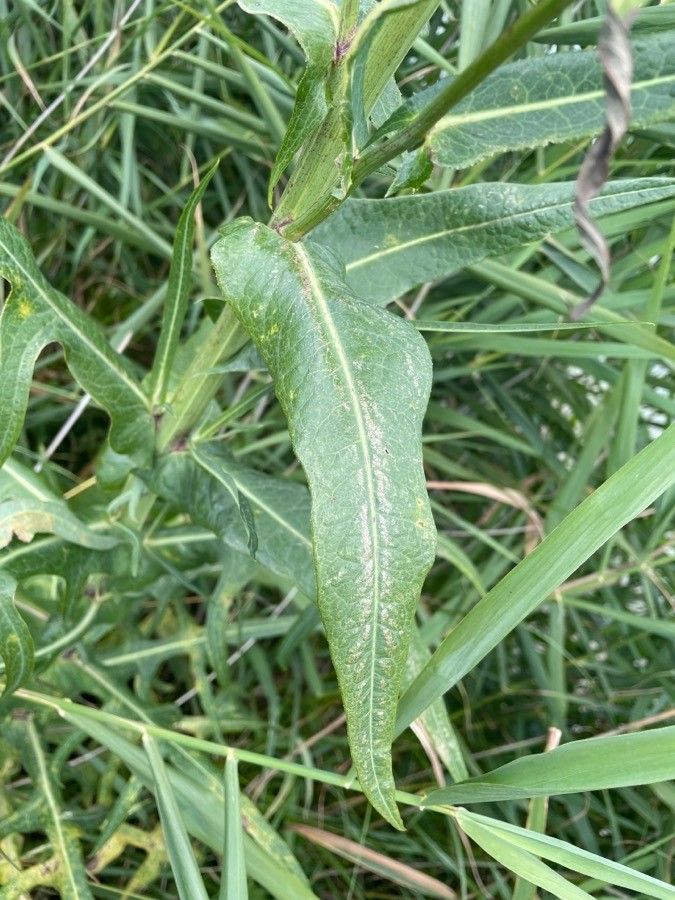
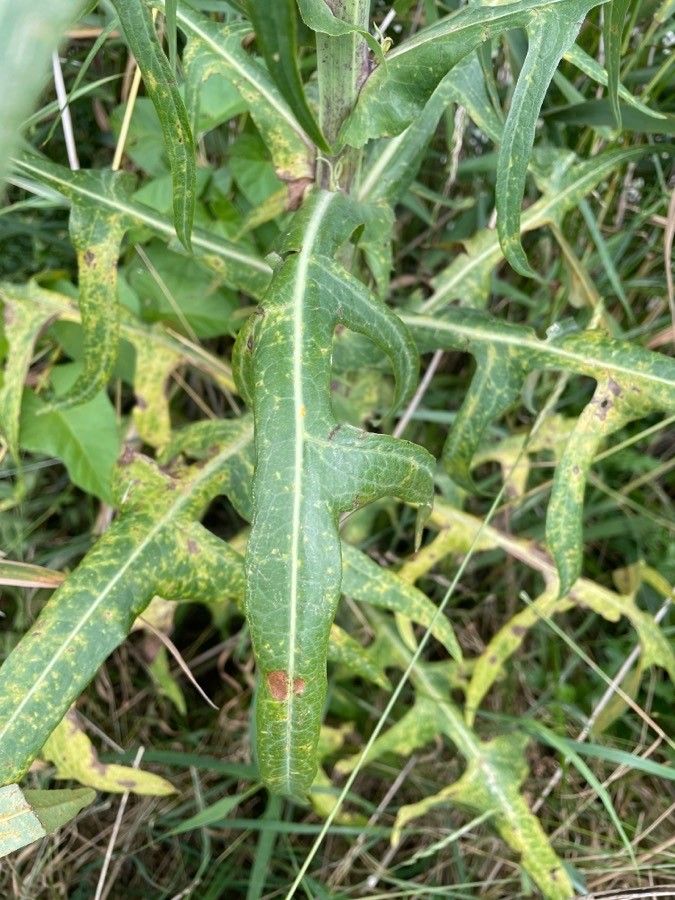
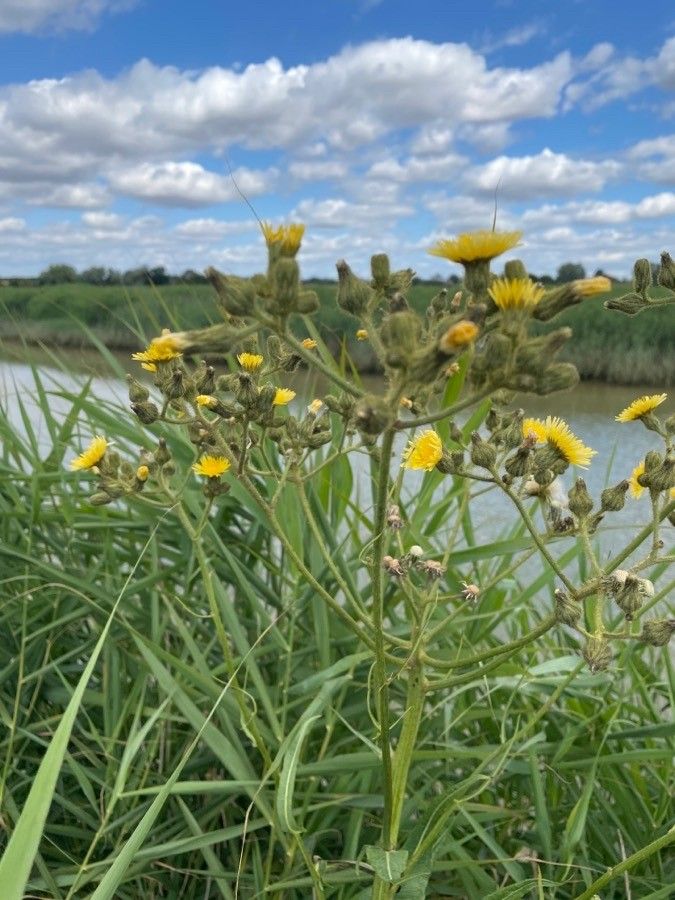
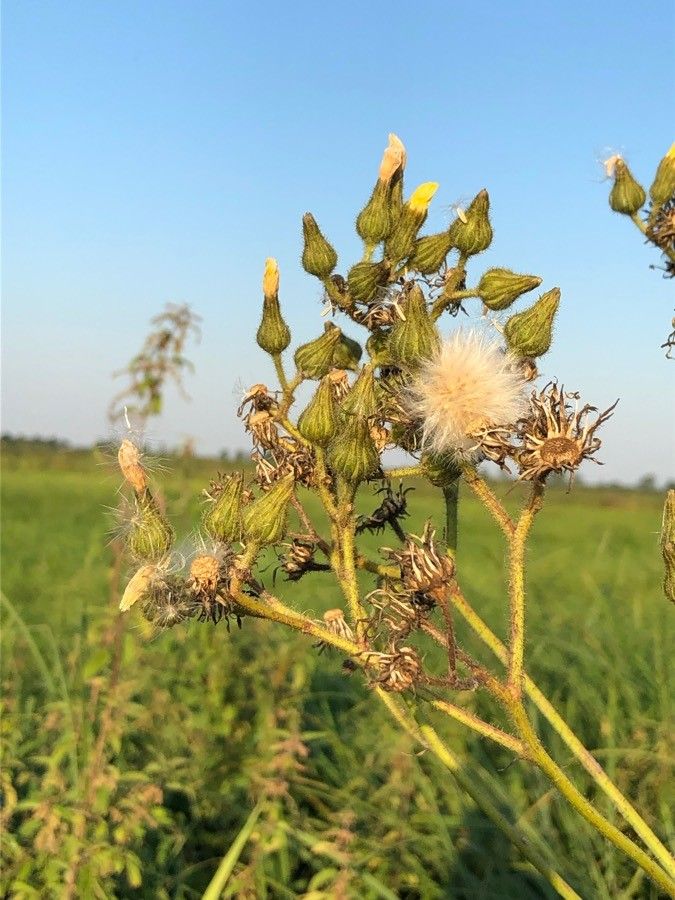
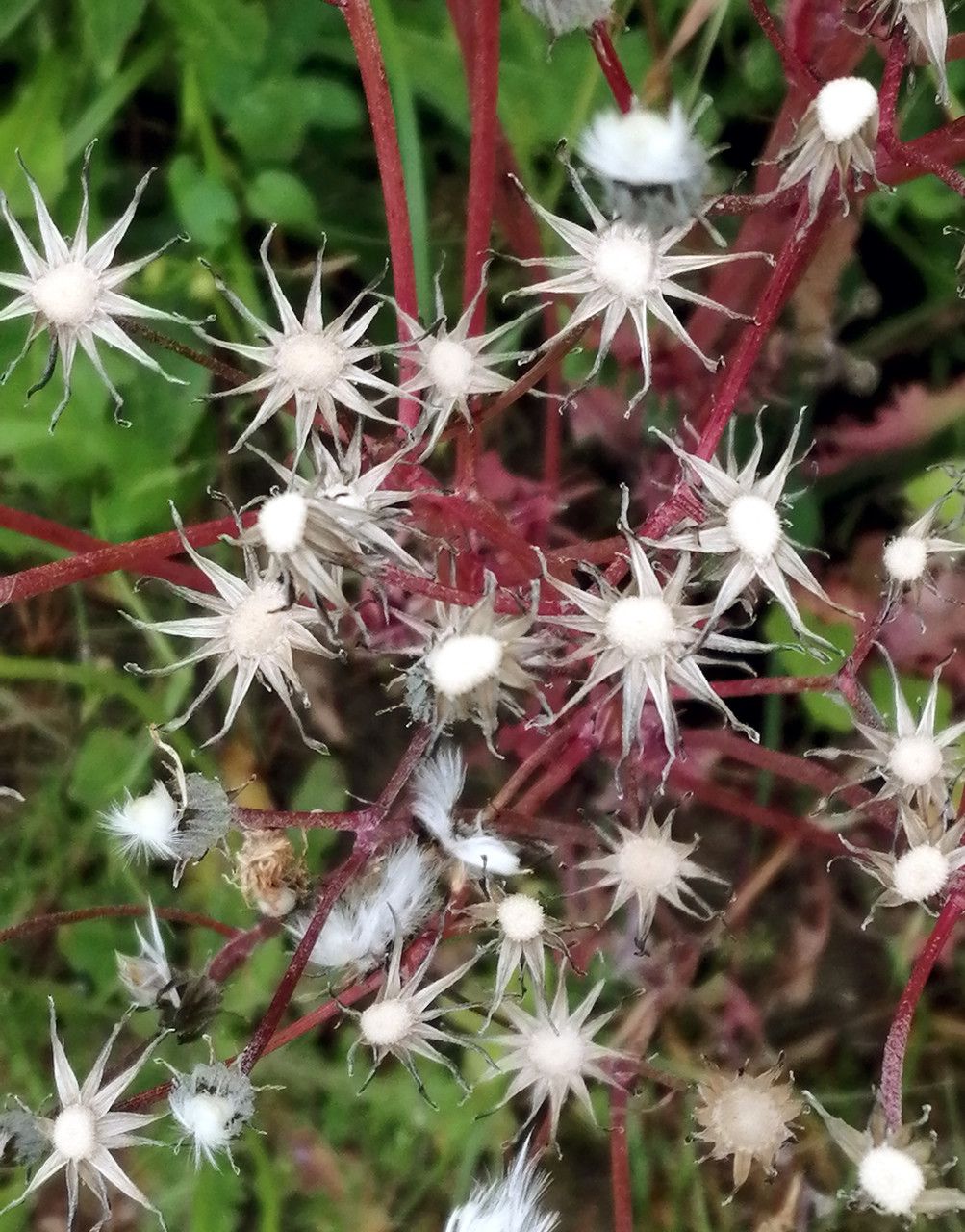
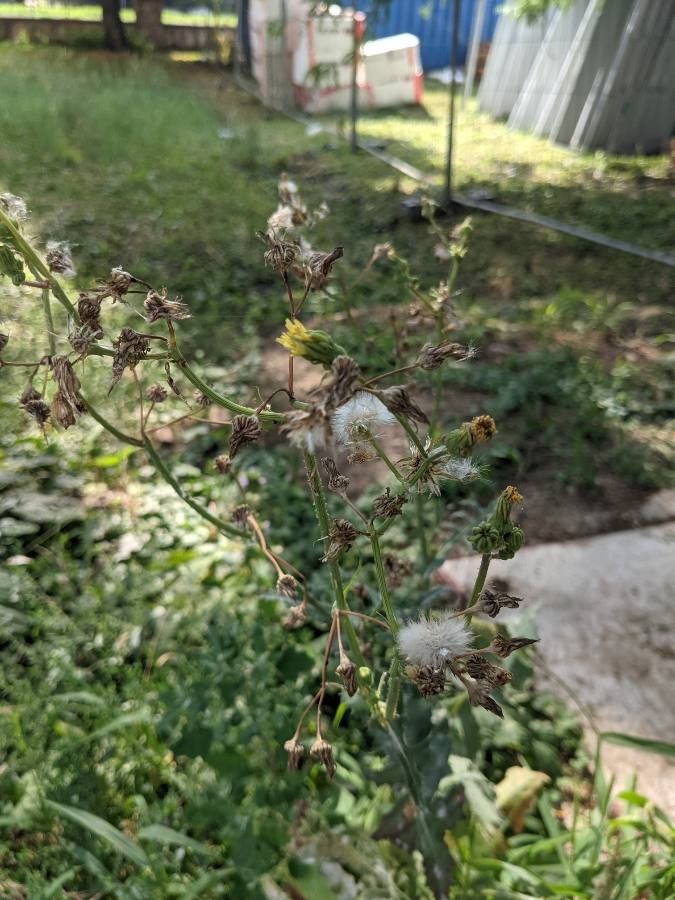
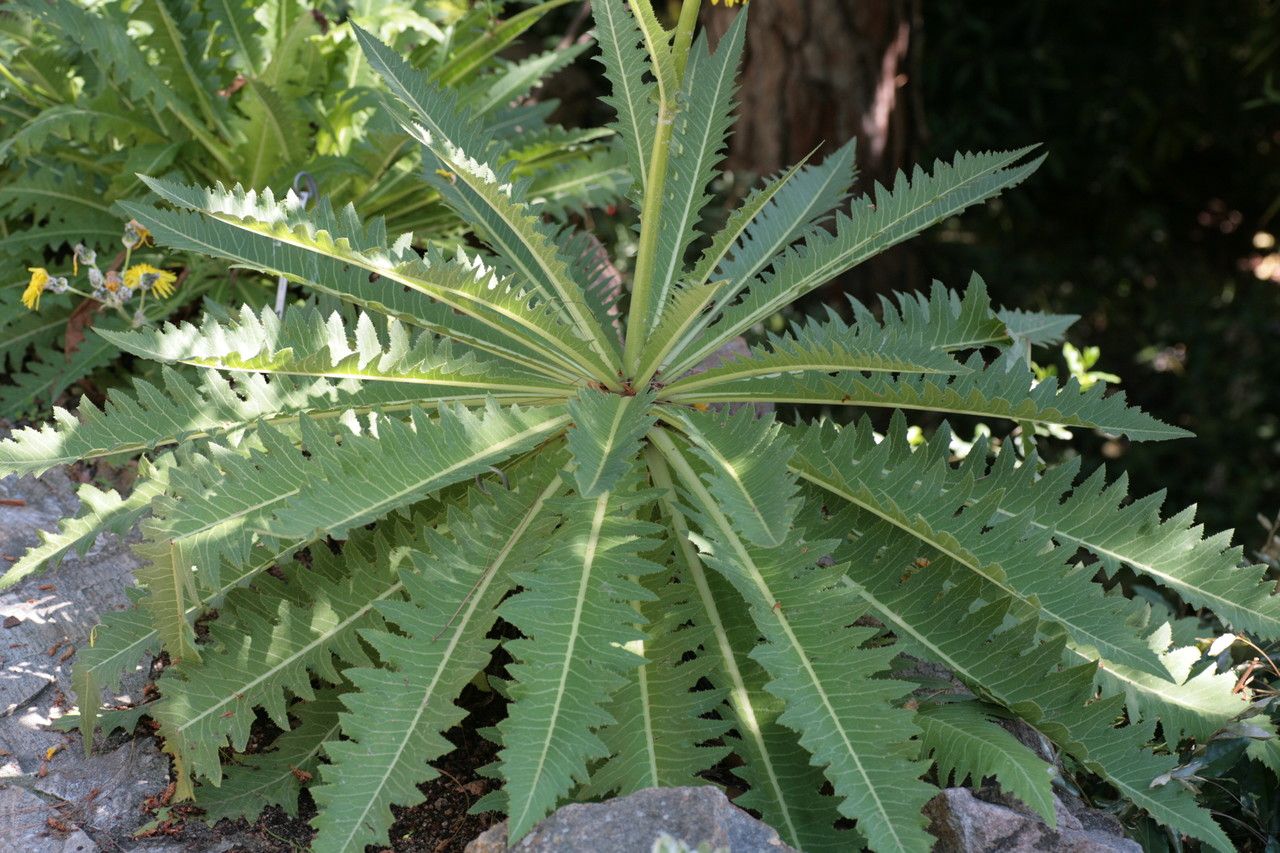
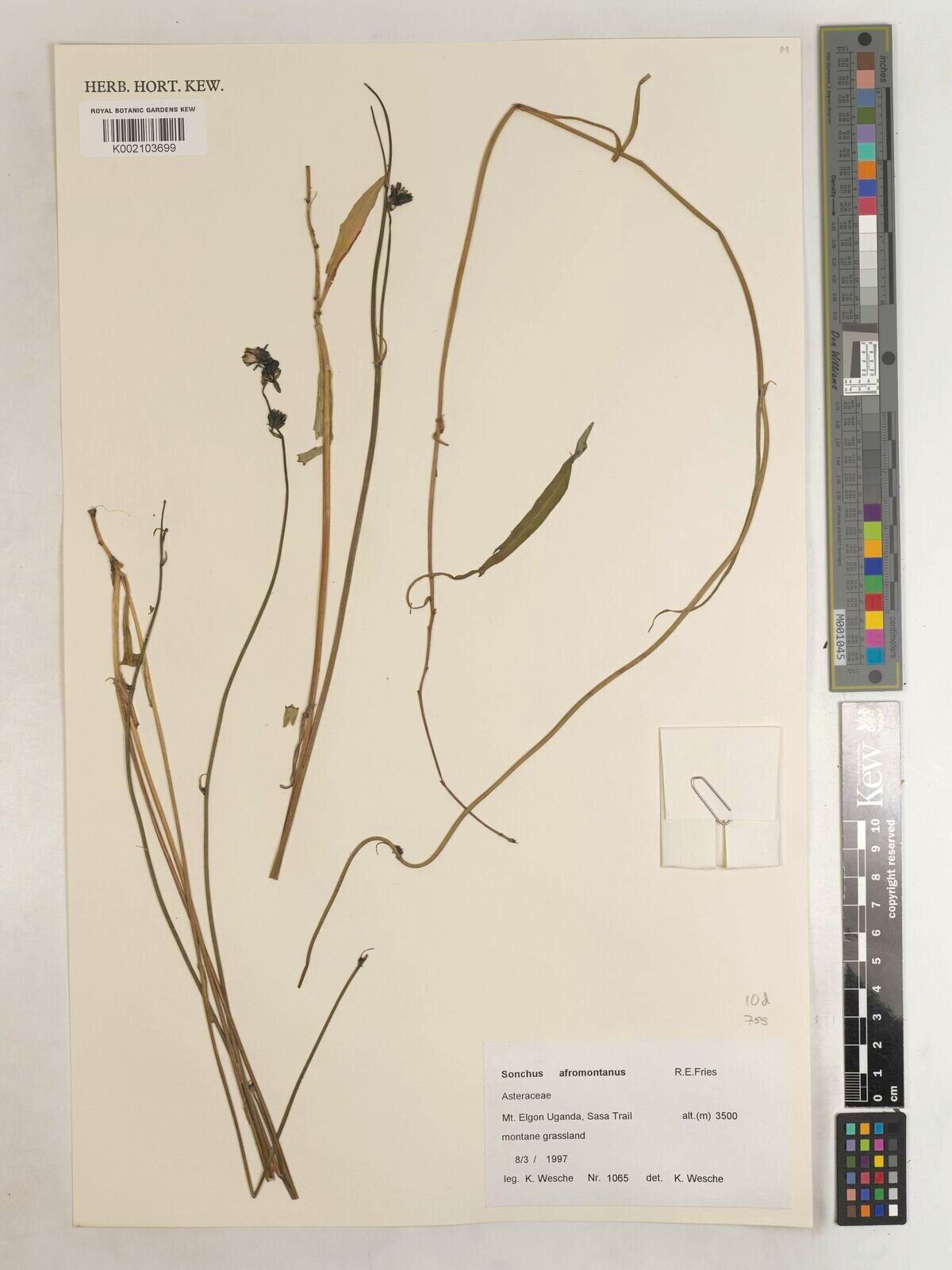
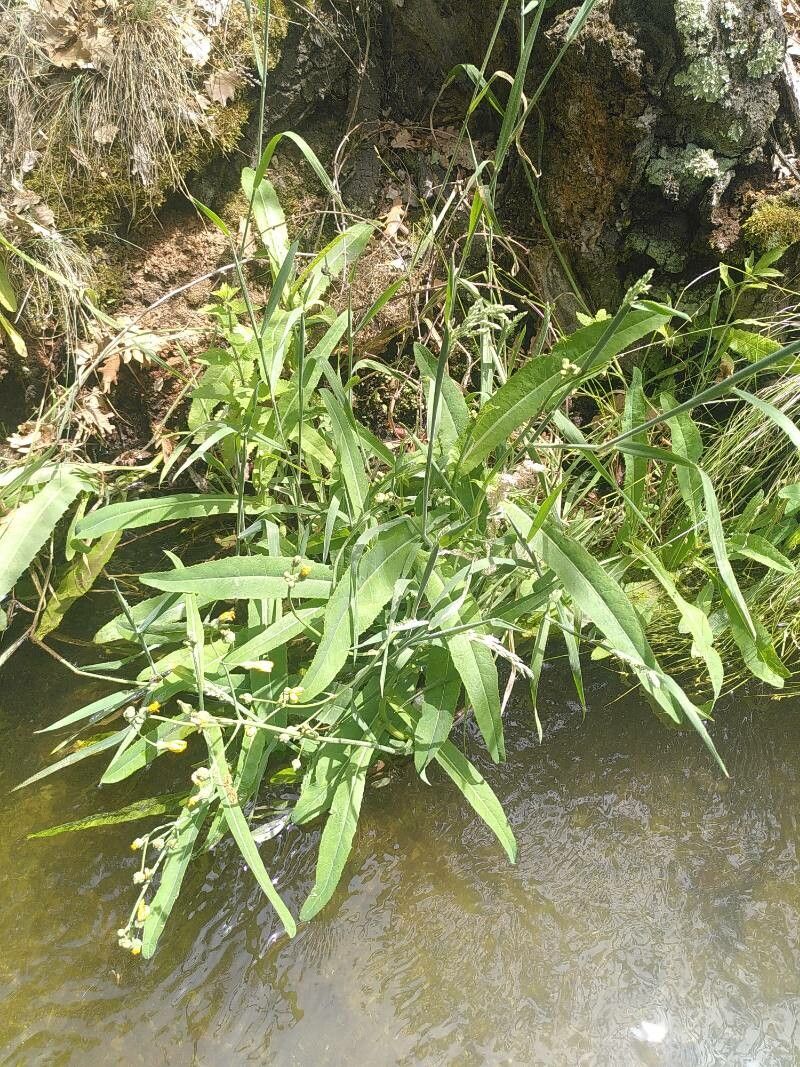
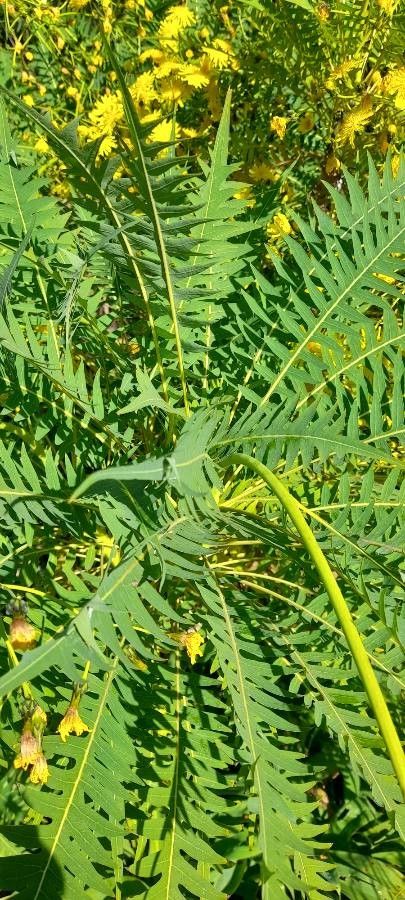
Sonchus palustris, commonly known as marsh sowthistle, is a plant native to temperate regions of the Europe, Russia, Central Asia, and Xinjiang in western China. It has also become naturalized in a few locations in the Canadian Province of Ontario.Sonchus palustris can be found in damp peaty or silty soils rich in nitrogen. The species epithet palustris is Latin for "of the marsh" and indicates its common habitat. It is a perennial herb sometimes as much as 350 cm (almost 12 feet) tall. It produces an array of numerous flower heads, each with numerous yellow ray flowers but no disc flowers.
Marsh sow-thistle has strong disease resistance and is generally not susceptible to illnesses. However, it can be affected by pests and diseases present in its surroundings; these issues are usually mild. In terms of care, the plant needs moderate maintenance. It should be pruned regularly to keep a good appearance and support healthy growth. Fertilizing can also help encourage flowering. Marsh sow-thistle is suitable for anyone with an outdoor area, such as a garden or patio, and does not demand much gardening experience. It may need more attention if grown indoors.
How to keep Sonchus Palustris.
Light
Marsh sow-thistle is a perennial herbaceous species that prefers bright, sunny sites and originates from open habitats, commonly flourishing in meadows and grasslands. It favors full sun but can also endure partial sun.
Water
The marsh sow-thistle naturally grows in wetland habitats, where it thrives in moist conditions with consistent soil moisture. This plant prefers humid environments and requires weekly watering to stay healthy. Typically found in outdoor settings, the marsh sow-thistle benefits greatly from seasonal rainfall, which helps meet its water needs during the growing season.
Temperature
Marsh sow-thistle can adjust to a wide range of temperature conditions, though its distribution may still be constrained by different combinations of moisture and heat. It does best in warm summer climates with sufficient rainfall or irrigation. Extended periods of cloudy, rainy weather, as well as prolonged high temperatures, can raise the likelihood of Marsh sow-thistle dying. In winter, adequate protection from the cold can improve the plant's survival rate.
Fertilizer
A single application of fertilizer in spring is typically sufficient for Marsh sow-thistle, though multiple feedings can increase growth. Apply fertilizer roughly every one to one-and-a-half months. Fertilizing improves the leaves' appearance and function, helping maintain consistent color and a healthy texture. It also encourages root development and nutrient uptake, supporting long-term plant health.
Pruning
The marsh sow-thistle is a plant characterized by its tall, hollow stems and bright yellow flowers. To maintain its health and encourage growth, it’s best to prune the plant from early to late spring. During pruning, remove any damaged stems and thin out crowded sections to improve air circulation. Always use clean, sharp tools to prevent infections and ensure the plant flourishes with vigorous blooms.
Botanical profile.
- Plant Type
- Herb
- Life Cycle
- Perennial
- Genus
- Sonchus
- Family
- Asteraceae
- Hardiness Zone
- 4-9
- Mature Height
- 1.52 m to 3.05 m
- Mature Spread
- 49 cm to 91 cm
- Leaf Color
- Green, Dark Green
- Leaf Type
- Deciduous
- Flower Color
- Yellow
- Flower Size
- 2.03 cm to 3.05 cm
- Bloom Time
- Mid summer, Late summer, Early fall
- Planting Time
- Spring, Summer
- Harvest Time
- Early fall, Mid fall
- Native Area
- Turkey, Sweden, Austria, Slovakia, Croatia, Belarus, Uzbekistan, Russia, Germany, Romania, Belgium, Moldova, Netherlands, France, Tajikistan, Czech Republic, Bulgaria, Armenia, Poland, Ukraine, Serbia, China, Norway, Kyrgyzstan, Kazakhstan, Italy, Spain, Denmark, Iran, Azerbaijan, United Kingdom, Hungary, Turkmenistan
Other names.
Reader questions.
What are the sun requirements for Marsh sow-thistle (Sonchus palustris)?
Marsh sow-thistle (Sonchus palustris) thrives in various sunlight conditions. For full sun exposure, it requires above 6 hours of sunlight daily. If you are considering partial sun, it should receive about 3-6 hours of sunlight. It's important to observe the sunlight movement throughout your garden to find the optimum spots that provide a balance of light and shade, ensuring the plants' well-being.
Are there any warnings to consider when planting Marsh sow-thistle in terms of sunlight?
Yes, when planting Marsh sow-thistle (Sonchus palustris), it is crucial to pay attention to the sunlight exposure it will receive. The warning to keep in mind is to watch how sunlight gracefully moves through your garden throughout the day. The goal is to choose locations that offer the perfect balance between light and shade, facilitating the happiness and health of your plants.