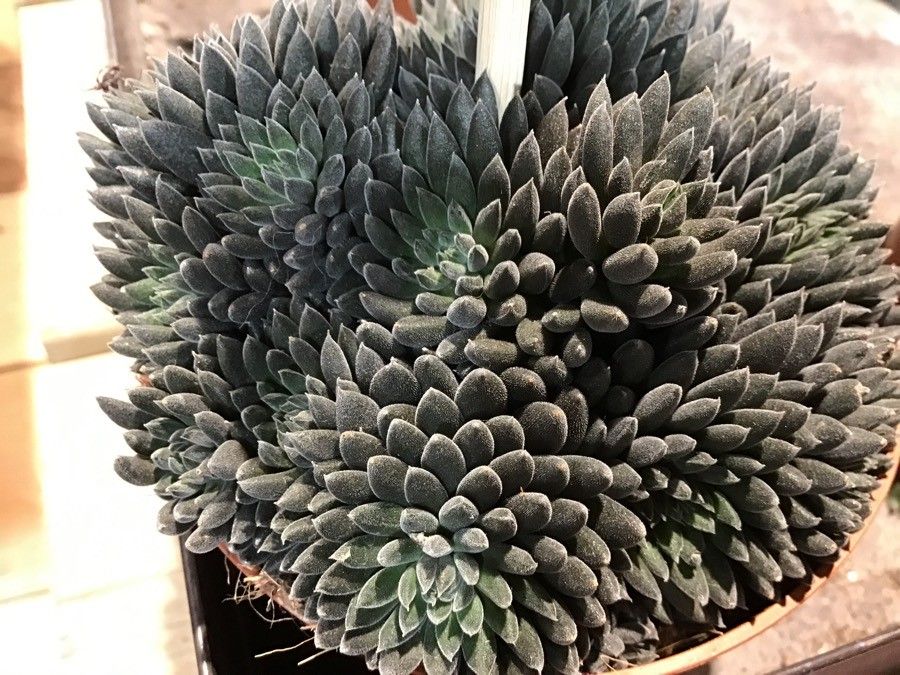
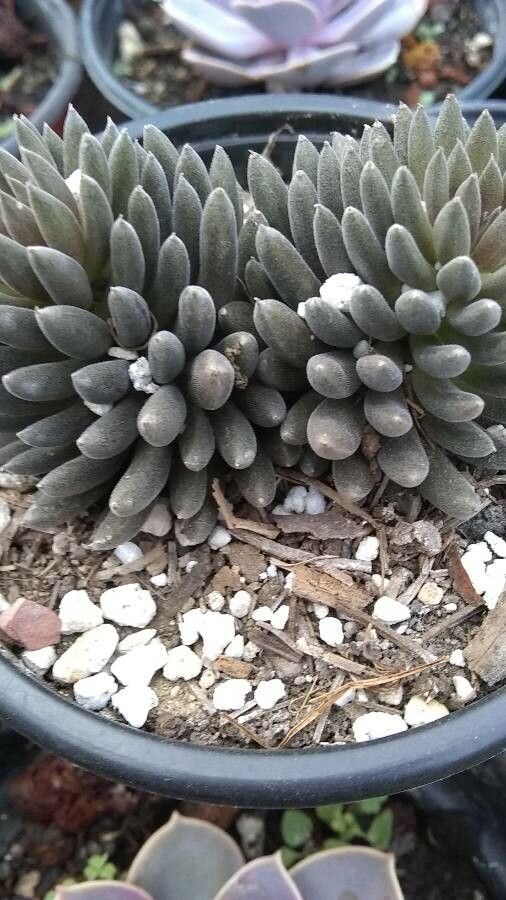
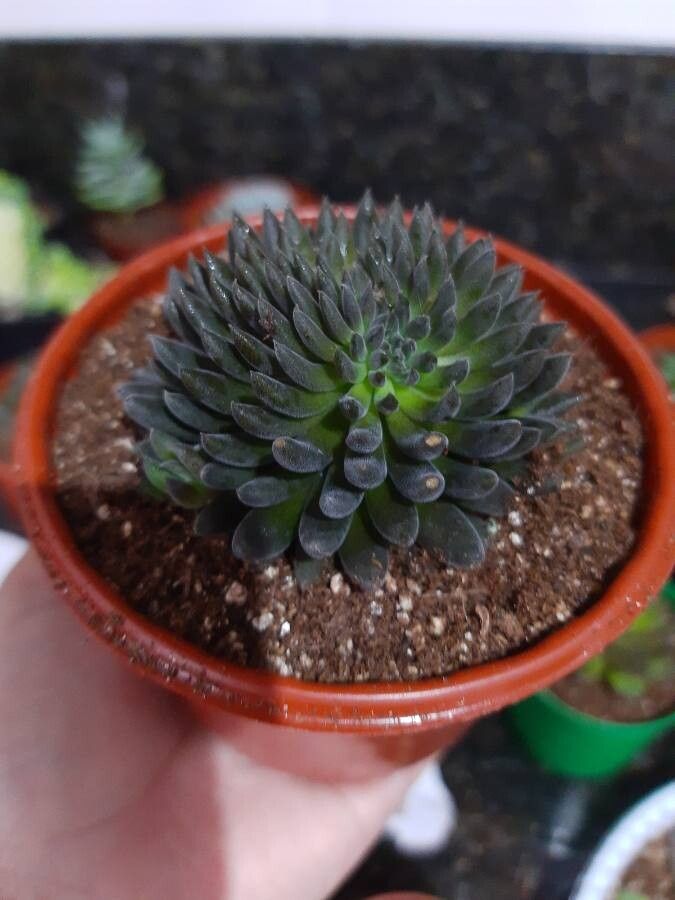
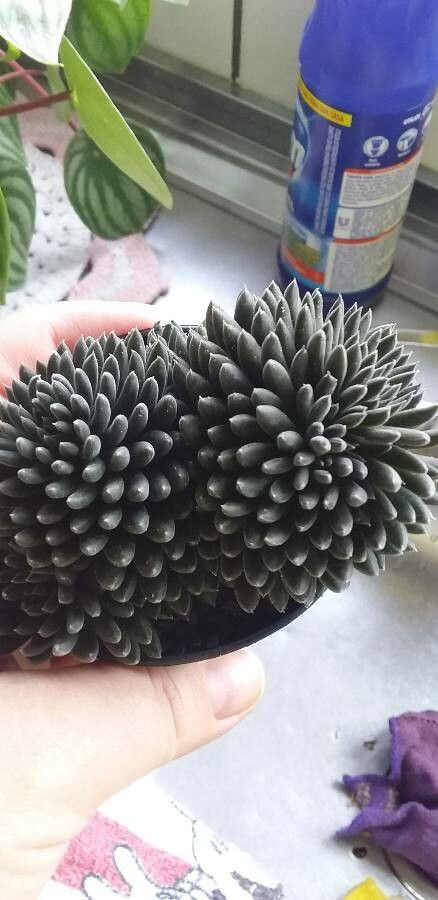
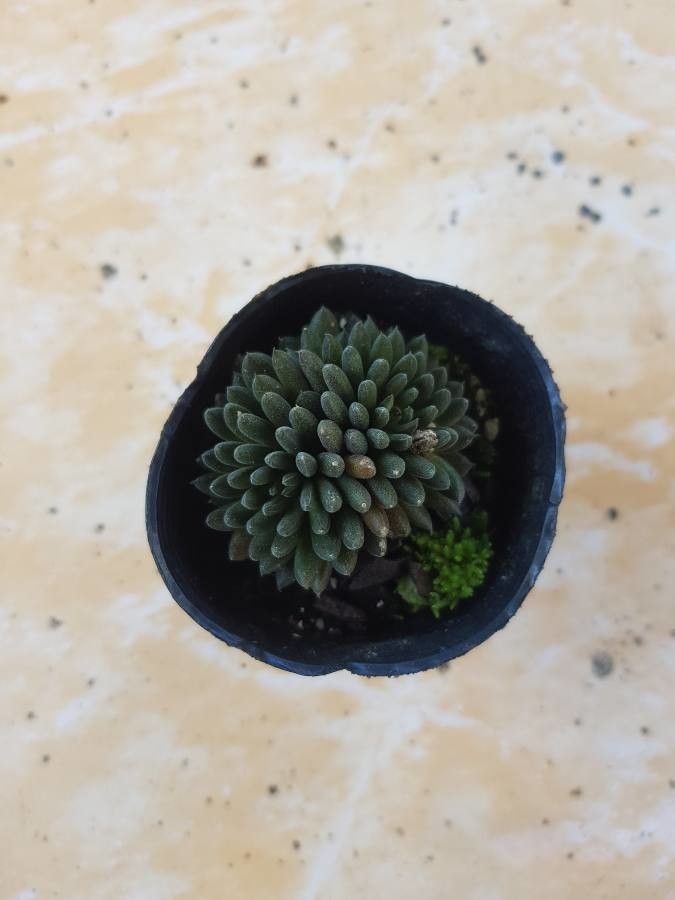
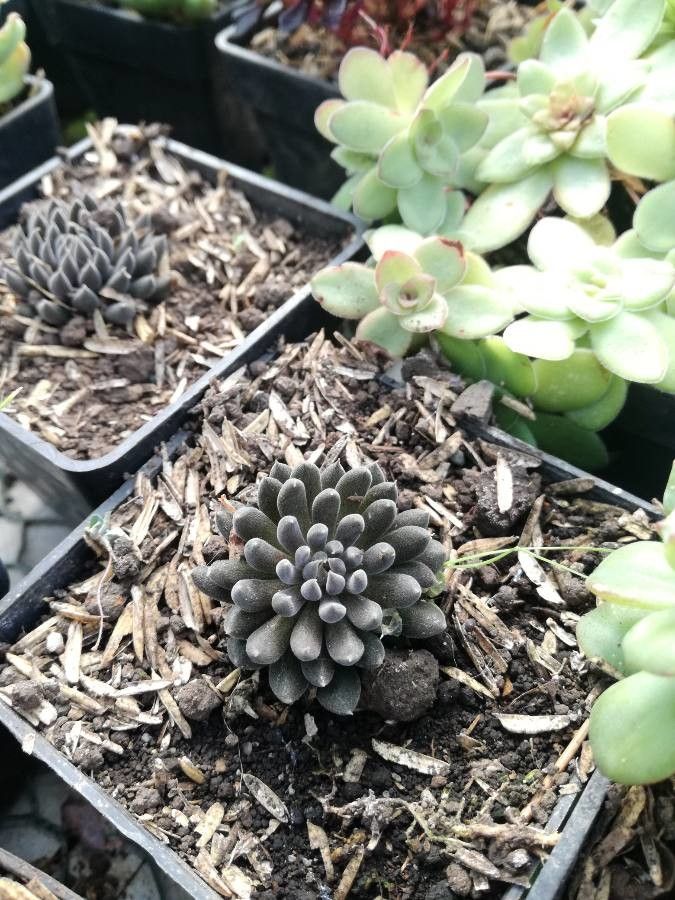
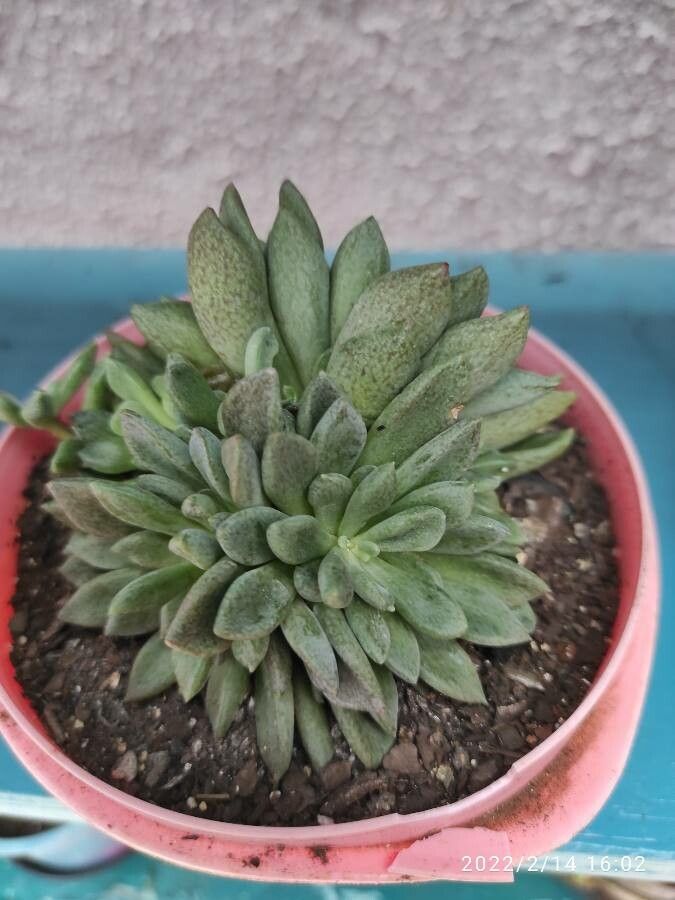
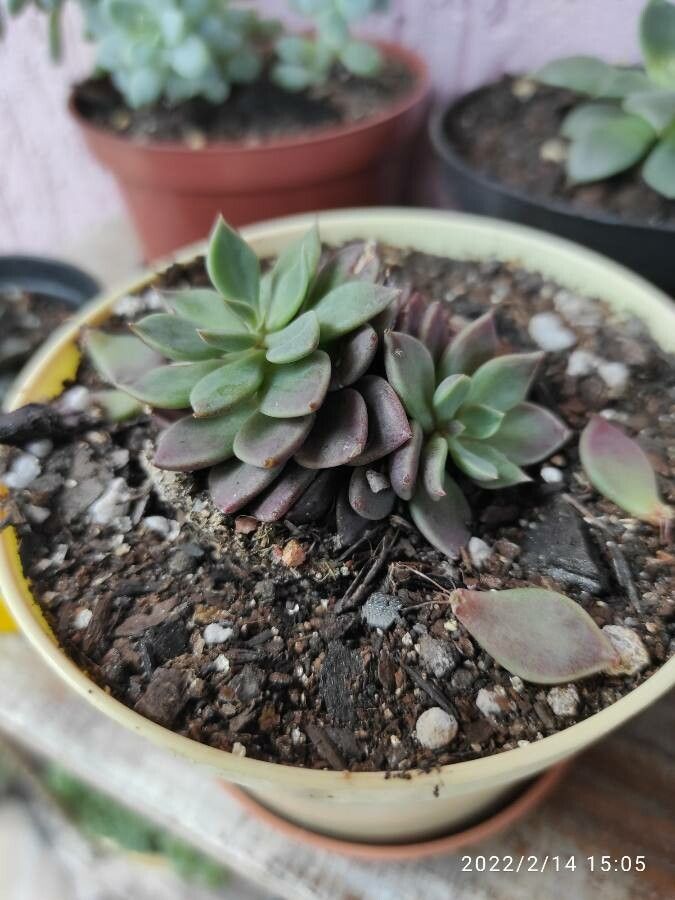
Sinocrassula yunnanensis is a succulent native to the Yunnan province in China. This small, low-growing plant forms rosettes of fleshy green leaves with red tips. The triangular leaves have slightly serrated edges. During the summer months, the plant produces small white or pink flowers on tall stems.
Sinocrassula yunnanensis is easy to care for, requiring well-draining soil and moderate watering. It prefers bright, indirect sunlight but can tolerate some shade. The succulent can be propagated through stem or leaf cuttings.
Beyond its ornamental value as a houseplant or garden addition, Sinocrassula yunnanensis has been used in traditional Chinese medicine for its anti-inflammatory properties and as a remedy for ailments such as coughs and sore throats.
Overall, Sinocrassula yunnanensis is an attractive, low-maintenance succulent with cultural significance that extends beyond its aesthetic appeal.
Chinese jade has moderate disease resistance and is more sensitive to humidity. It is prone to illness when humidity is high and is liable to develop root rot during dormancy. In terms of care, Chinese jade tolerates drought but requires more water in the growing season. Watering should be sharply reduced or stopped entirely during the dormant period. Chinese jade is best for growers with some experience, though it can be challenging to care for, particularly during dormancy. It is especially appropriate for those who can dedicate time to its winter care.
How to keep Sinocrassula Yunnanensis.
Light
Chinese jade prefers sunlight because it is essential for the species' healthy growth. Coming from an environment with plentiful sun, it does well under those conditions. Excessive or insufficient sunlight, however, can disrupt its well-being and cause developmental changes, such as slower growth rates.
Water
Chinese jade, which originates from rocky slopes, is drought-tolerant and thrives in arid conditions. It requires infrequent watering—approximately every 2-3 weeks—ensuring that the soil dries out completely between waterings. Using well-draining soil is crucial to prevent root rot, making it an excellent choice for indoor cultivation due to its modest size.
Humidity
This plant prefers dry conditions, so don't mist it. However, watering it less often can also thrive in higher humidity.
Temperature
Chinese jade is a species native to areas with broad temperature fluctuations and ideally grows in temperatures ranging 59 to 100 °F (15 to 38 ℃). For optimal growth, adjust temperatures seasonally to mimic its natural habitat conditions.
Fertilizer
For Chinese jade, small amounts of fertilizer applied one to two times a year during the growing season are sufficient. Avoid fertilizing in winter and in summer when the plant is dormant. Reduce fertilization for plants that have been repotted, and wait a couple of months after repotting before fertilizing. Fertilizing supports healthy growth and encourages blooms.
Pruning
To maintain the shape of Chinese jade, it is important to prune the plant in both spring and autumn. This helps remove unnecessary and dense branches. For propagation, cut stems with 5-6 leaves. Apply sulfur powder to the cut ends, and once the wounds have healed, plant the stems. Use a watering can to lightly moisten the soil for optimal growth.
Pot & Repot
When repotting Chinese jade, choose a pot that is just a bit larger than the current one and has good drainage. Use a gritty, well-draining succulent or cactus potting mix. Gently take the plant out of its old pot, brush away excess soil, and set it in the new pot at the same depth. Wait a few days before watering so any root injury can heal. Repot during spring or fall and place the plant in a brightly lit spot.
Toxicity
There is no poison in the Sinocrassula Yunnanensis plant! But handling this succulent has caused moderate irritability in a few people. Additionally, the oils in the leaves and stems of plants belonging to a genus similar to Sinocrassulaceae may cause an allergic reaction. This succulent does have sap that, if directly touched, might mildly irritate the skin and eyes.
Further reading →
The toxicity and danger assessments provided are for reference only. We do not assure their accuracy, so it's crucial not to depend on them. Seek professional advice when necessary for accurate guidance.
Botanical profile.
- Plant Type
- Succulent
- Life Cycle
- Perennial
- Genus
- Sinocrassula
- Family
- Crassulaceae
- Hardiness Zone
- 7-11
- Mature Height
- 10 cm
- Mature Spread
- 3 cm to 4 cm
- Leaf Color
- Green, Light Green
- Leaf Type
- Semi-evergreen
- Flower Color
- White
- Flower Size
- 2.54 cm
- Bloom Time
- Early summer, Mid summer
- Planting Time
- Spring, Summer
- Harvest Time
- Early summer, Mid summer
- Native Area
- China
Other names.
Reader questions.
What are the sunlight requirements for Chinese jade?
Chinese jade, or Sinocrassula yunnanensis, thrives in conditions of full sun, which means it requires more than 6 hours of sunlight daily to maintain its health and growth. Originating from environments with generous sunlight, it's essential for its well-being. When selecting a spot for your Chinese jade, it's important to ensure there's a balance of light and shade as per the plant's requirements. Observing how sunlight moves through your garden can help in choosing the perfect spot, as both excess and insufficient sunlight can impede its growth, causing developmental changes.
What are the ideal growing conditions for Chinese jade?
Chinese jade, or Sinocrassula yunnanensis, thrives in environments with a wide temperature range of 59 to 100 °F (15 to 38 °C), requiring seasonal temperature adjustments to simulate its natural habitat for optimal growth. It favors heat and enters dormancy in winter, necessitating relocation indoors when temperatures dip below -10°C to avoid growth stagnation. For indoor cultivation, positioning the plant near a south-facing window ensures it receives ample sunlight, augmenting with supplemental lighting if necessary. During cooler periods below 15°C, reduce or cease watering to prevent root rot. If the plant is outside during cold spells, cease watering entirely and consider temporary greenhouse setup or wrapping it in protective materials like plastic film or fabric for insulation.
How do you provide adequate lighting for indoor Chinese jade plants?
For indoor Chinese jade plants, when natural sunlight is lacking, especially in winter or less sunny spaces, artificial lighting becomes crucial. Optimal growth can be achieved by using artificial lights to supplement or mimic natural sunlight conditions. LED lights are recommended due to their ability to be customized to the specific light wavelengths needed by plants. Full sun plants, like Chinese jade, should have 30-50W/sq ft of light, and the artificial light source should be placed 12-36 inches above the plant for 8-12 hours per day to mimic natural light conditions effectively.
How should I care for Chinese jade in low temperatures?
Chinese jade is sensitive to cold and grows best when temperatures are above 15°C. It must be kept above -10°C during winter to avoid damage, and should not be exposed to temperatures below -15°C to prevent wilting or root rot. In cases of mild frost damage, trim off frostbitten areas, checking for and removing any rotted roots, thereby allowing for potential propagation through cuttings. It's crucial to move the plant to a warm indoor setting promptly, placing it near a south-facing window for sufficient sunlight, or use supplemental lighting if natural light is inadequate.
What are the signs of inadequate lighting in Chinese jade?
Inadequate lighting can lead to several recognizable symptoms in Chinese jade. These include the development of smaller new leaves, leggy or sparse growth due to longer spaces between leaves or stems, premature leaf drop as a means of conserving resources, slower or completely halted new growth, paler new leaves indicating a lack of chlorophyll, and symptoms of excessive sunlight exposure such as chlorosis, sunscald, leaf curling, wilting, and leaf scorching. These symptoms reflect the plant's struggle in suboptimal light conditions.
What do I do if my Chinese jade experiences high temperatures?
During the summer, it's important to keep Chinese jade below 38°C to ensure its health. Exposure to temperatures over 43°C halts growth, leads to water loss, wilting, and increases susceptibility to sunburn. To manage heat stress, remove sunburned and rotten parts of the plant and provide protection from direct afternoon sunlight until the plant recovers. If the plant suffers from root rot due to over-watering, cease watering until new roots form to promote recovery.
What solutions are available to address lighting issues for Chinese jade?
To address lighting issues for Chinese jade, gradually increase their exposure to direct sunlight by moving them to sunnier locations each week until they receive at least 6 hours of direct sunlight daily. For indoor plants that are large or not easily movable, artificial lighting, such as desk lamps or professional grow lights, can supplement sunlight exposure for at least 8 hours daily. Outdoor plants should also be moved gradually to prevent sunburn. If obstructions limit sunlight, consider pruning obstructive foliage or relocating smaller plants to sunnier spots with ample sunlight and good drainage. Note that while some parts of the plant may not recover from previous light insufficiency, new growth should be healthy following these adjustments.