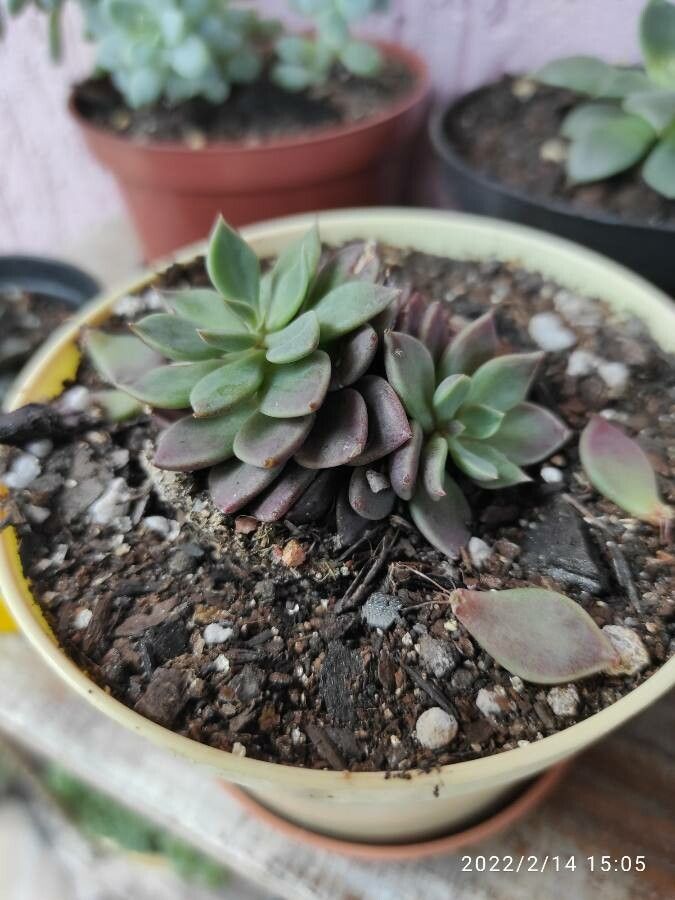
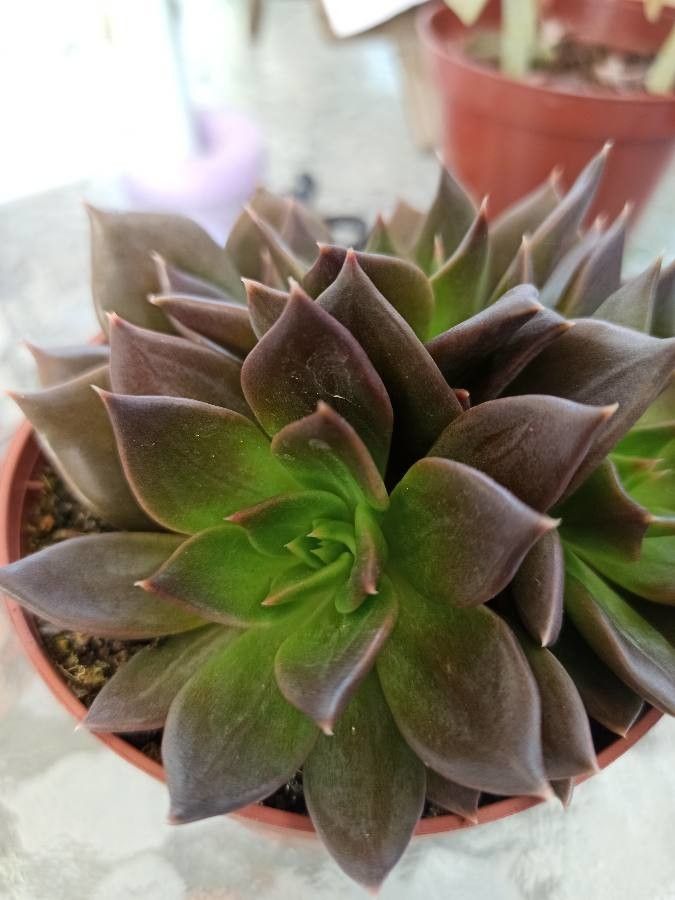
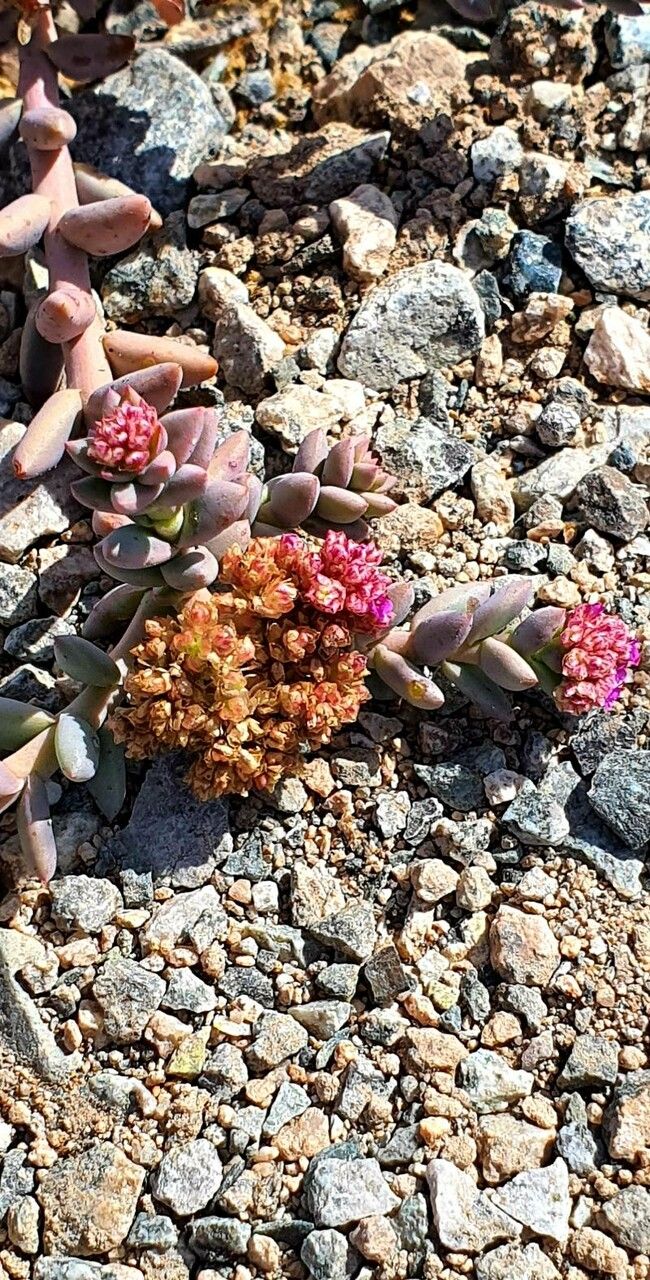
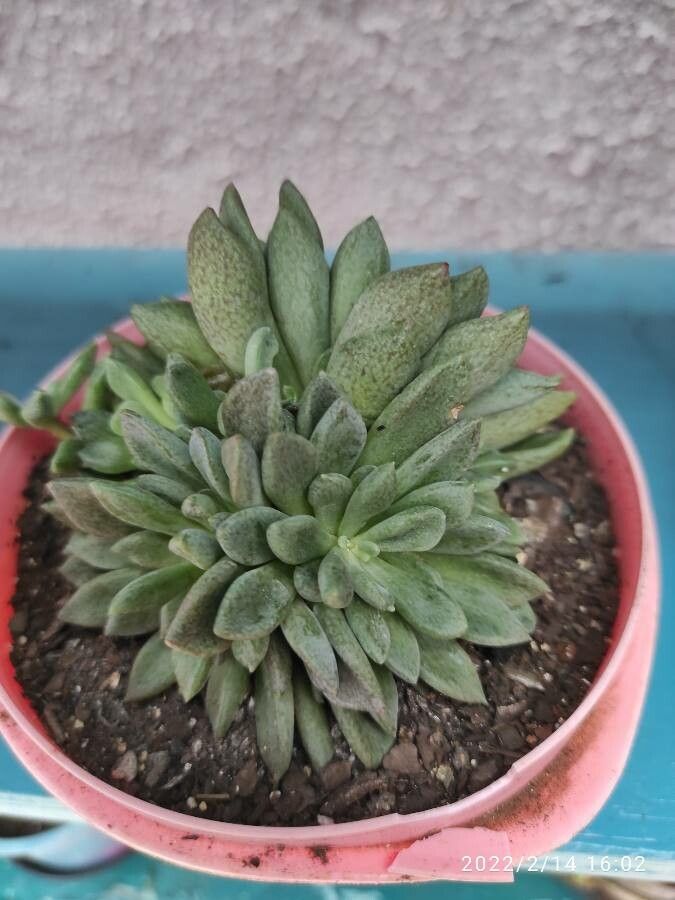
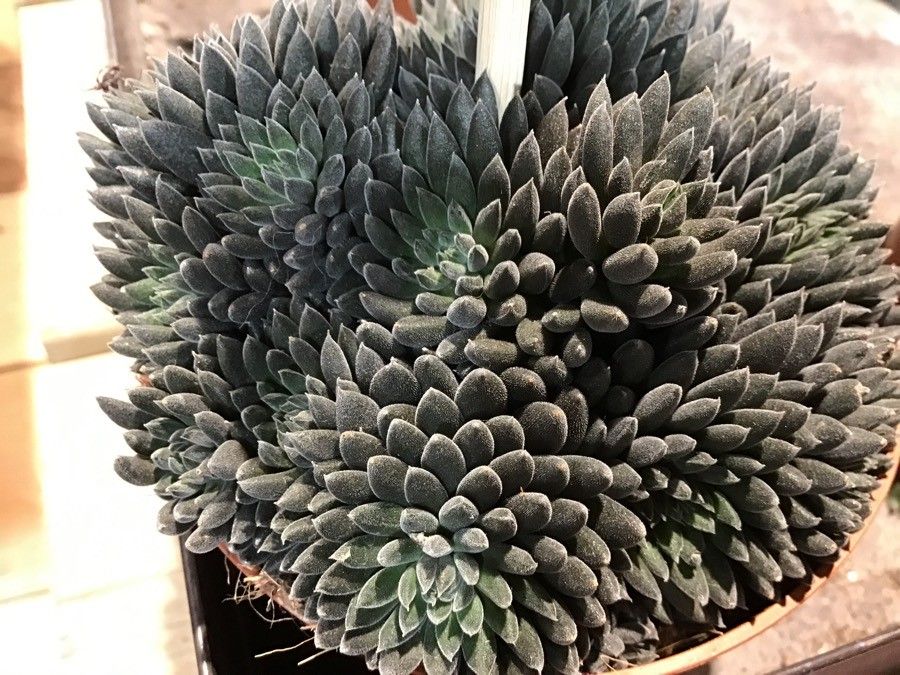
Indian sedum has moderate disease resistance and is relatively sensitive to humidity. It becomes prone to illness when humidity is high and is at risk of root rot during dormancy. In terms of care, Indian sedum tolerates drought but requires more frequent watering during the growing season. Watering should be substantially reduced or stopped entirely while it is dormant. Indian sedum is best suited for growers with some experience, though it can be challenging to maintain, especially during the dormant period. It is particularly appropriate for people who can dedicate time to its care over the winter months.
How to keep Sinocrassula Indica.
Light
Indian sedum grows best beneath clear skies where it receives maximum sunlight. Still, it can thrive in locations with only intermittent sun exposure. In the wild, it comes from habitats that receive abundant sun. Too much or too little light can harm its health by affecting photosynthesis and energy production.
Water
Indian sedum thrives in rocky, arid habitats and requires minimal water due to its excellent drought tolerance. It can go up to three weeks between waterings. This plant is ideal for indoor environments, as it requires low maintenance. During its active growing season, it benefits from occasional misting.
Humidity
This plant prefers dry conditions, so don't mist it. However, watering it less often can also thrive in higher humidity.
Temperature
Indian sedum naturally occurs in habitats with temperatures of 59 to 95 °F (15 to 35 °C). It performs best within that range. When temperatures fall outside those limits during seasonal changes, adjustments may be needed to meet its requirements.
Fertilizer
For Indian sedum, light applications of fertilizer once or twice a year during the growing season are enough. Do not fertilize in winter or in summer when the plant is dormant. Use less fertilizer for repotted plants, and wait a couple of months after repotting before you start feeding. Fertilizing helps maintain healthy growth and promotes blooms.
Pruning
To keep Indian sedum in good shape, it's important to prune it regularly, especially in the spring and autumn. During these times, remove any dense or unnecessary branches. For propagation, cut sturdy stems with 5-6 leaves. Treat the cut ends with sulfur powder and allow them to heal before planting. Ensure the soil is slightly moist when planting the cuttings.
Pot & Repot
When repotting Indian sedum, choose a pot slightly larger than the current one that has good drainage. Use a gritty, well-draining mix made for succulents or cacti. Gently remove the plant from its old pot, brush off excess soil, and plant it at the same depth. Wait a few days before watering so any root damage can heal. Repot in spring or fall and place it in a brightly lit spot.
Botanical profile.
- Plant Type
- Succulent
- Life Cycle
- Perennial
- Genus
- Sinocrassula
- Family
- Crassulaceae
- Hardiness Zone
- 7-10
- Mature Height
- 15 cm to 61 cm
- Mature Spread
- 46 cm
- Leaf Color
- Light Green, Pale Green
- Leaf Type
- Semi-evergreen
- Flower Color
- White
- Flower Size
- 5.08 cm to 10.16 cm
- Bloom Time
- Early summer, Mid summer
- Planting Time
- Spring, Summer, Autumn
- Harvest Time
- Mid fall, Late fall, Early winter
- Native Area
- Nepal, India, Bhutan, Pakistan, China
Reader questions.
What are the sunlight requirements for Indian sedum?
Indian sedum thrives best under full sun, which means it needs above 6 hours of sunlight daily. However, it can also grow in partial sun, receiving about 3-6 hours of sunlight. It's important to observe how sunlight moves through your garden to find a spot that provides a balance of light and shade, ensuring your plant's wellness. These plants originate from regions with abundant sun, and both too much and too little sunlight can affect their health by impacting photosynthesis and energy production.
What is the ideal temperature range for Indian sedum?
Indian sedum thrives in a temperature range of 59 to 95 °F (15 to 35 °C), which is its native environment temperature range. It performs best within these temperatures and adjustments might be needed with the changing seasons to cater to its specific requirements.
How can artificial lighting benefit Indian sedum indoors?
When natural sunlight is scarce, especially during winter or in areas with less sun, artificial lighting can be a crucial solution for Indian sedum. Adequate lighting ensures optimal growth. LED lights are favored for indoor plant lighting as they can offer specific light wavelengths needed by plants. The amount of artificial light needed varies: full sun plants require 30-50W/sq ft, partial sun plants need 20-30W/sq ft, and full shade plants need 10-20W/sq ft. The light source should be placed 12-36 inches above the plant to imitate natural sunlight, and the duration should mimic natural daylight hours, typically between 8-12 hours per day.
How should Indian sedum be cared for during winter?
During winter, as Indian sedum is a heat-loving plant, it stops growing and enters a dormant state. If outdoor temperatures drop below -10°C, the plant should be moved indoors for cultivation. It is best to place it near a south-facing window to maximize sunlight exposure. In scenarios of insufficient natural light, supplemental lighting should be considered. Moreover, with temperatures falling below 15°C, the growth of the plant slows down, necessitating a reduction or complete halt in watering to prevent root rot.
What are the symptoms of light deficiency in Indian sedum?
Indian sedum shows several symptoms when experiencing light deficiency. These include smaller new leaves, leggy or sparse growth, faster leaf drop, slowed or halted growth, paler new leaves, and symptoms of overexposure such as chlorosis, sunscald, leaf curling, wilting, and leaf scorching. Each of these symptoms indicates that the plant is not receiving adequate sunlight, impacting its health and growth negatively.
What should be done when Indian sedum experiences low temperatures?
Indian sedum is not tolerant to low temperatures and prefers environments above 15°C. In the event of temperatures dropping below -10°C, and especially if experiencing below -15°C, the plant may show signs of weakness, wilting, and root rot risk. If frost damage occurs, it is advised to trim off the frostbitten areas, check for root rot, and if found, cut off the rotted roots. Propagation through cuttings may be necessary. The plant should then be moved to a warm indoor setting near a south-facing window to ensure it receives ample sunlight. If sunlight is inadequate, supplement with artificial lighting.
What solutions can help Indian sedum receive adequate sunlight?
To ensure your Indian sedum receives adequate sunlight, gradually moving it to a sunnier location can be beneficial, aiming for at least 6 hours of direct sunlight daily. Using a south-facing window and keeping curtains open during the day can maximize sunlight exposure. Artificial lighting can also aid in providing sufficient light, particularly for large or immobile plants; keeping a lamp on for a minimum of 8 hours a day or using professional grow lights can be effective. When dealing with outdoor plants or those planted in the ground, reducing obstructions like pruning tree branches, or transplanting the plant during its dormant period to a location with ample sunlight and good drainage, can significantly improve sunlight access.
How to manage Indian sedum during high temperatures?
In the summer, it's important to keep Indian sedum below 35°C. Temperatures exceeding 41°C halt its growth, cause water loss, wilting, and increase the risk of sunburn. When such symptoms are observed, the sunburned and rotten parts of the plant should be removed. To aid recovery, protect the plant from direct afternoon sunlight and halt watering until new roots form, especially if root rot is present.
What are the key details about Indian sedum?
Indian sedum, botanically known as Sinocrassula indica, is native to regions with temperatures ranging from 59 to 95°F (15 to 35°C). It requires specific care throughout the seasons, particularly in terms of temperature management. This involves moving the plant indoors during extremely low temperatures in winter and adjusting care routines in response to temperature changes to prevent it from entering a dormant state or experiencing growth issues.