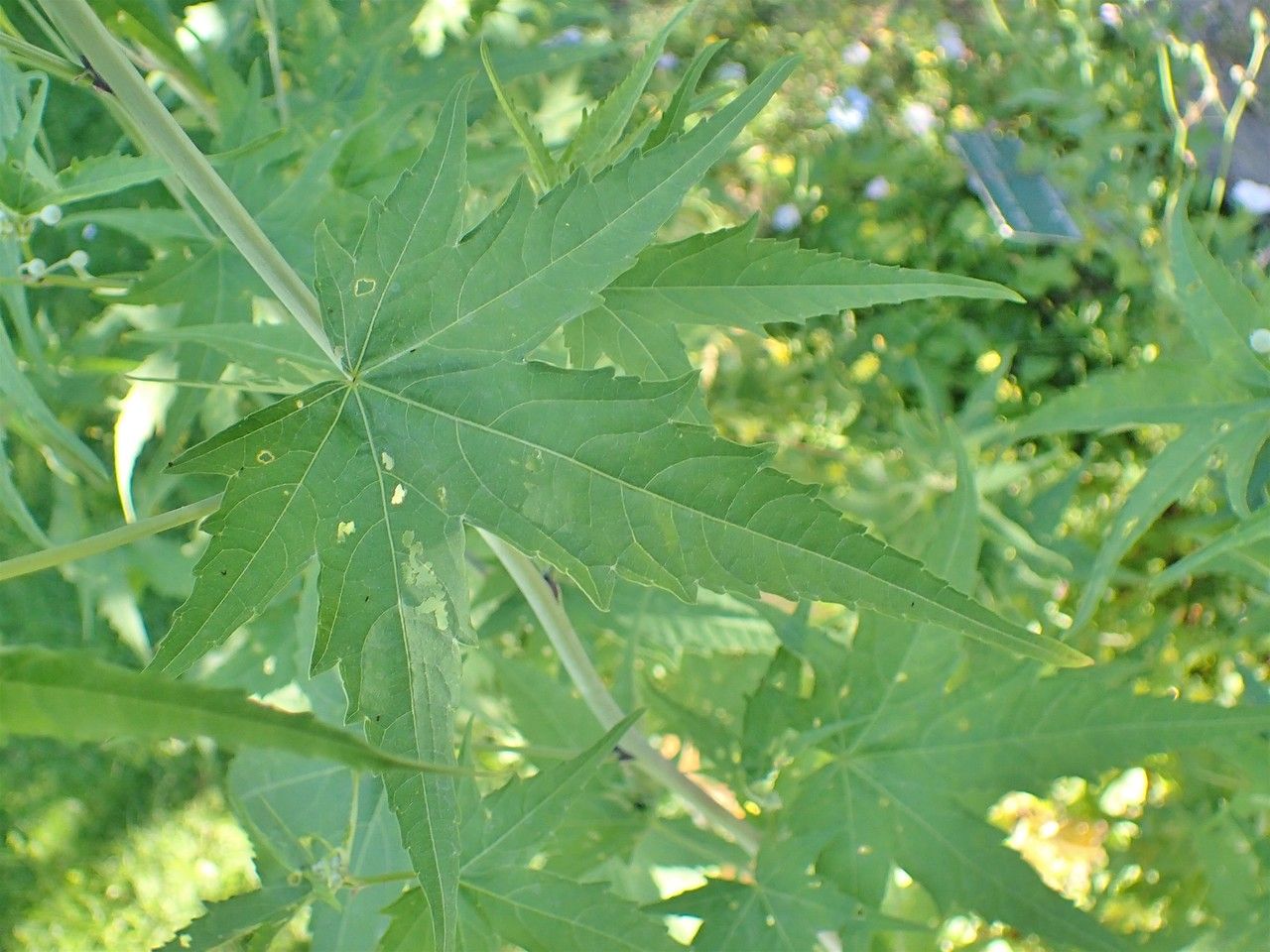
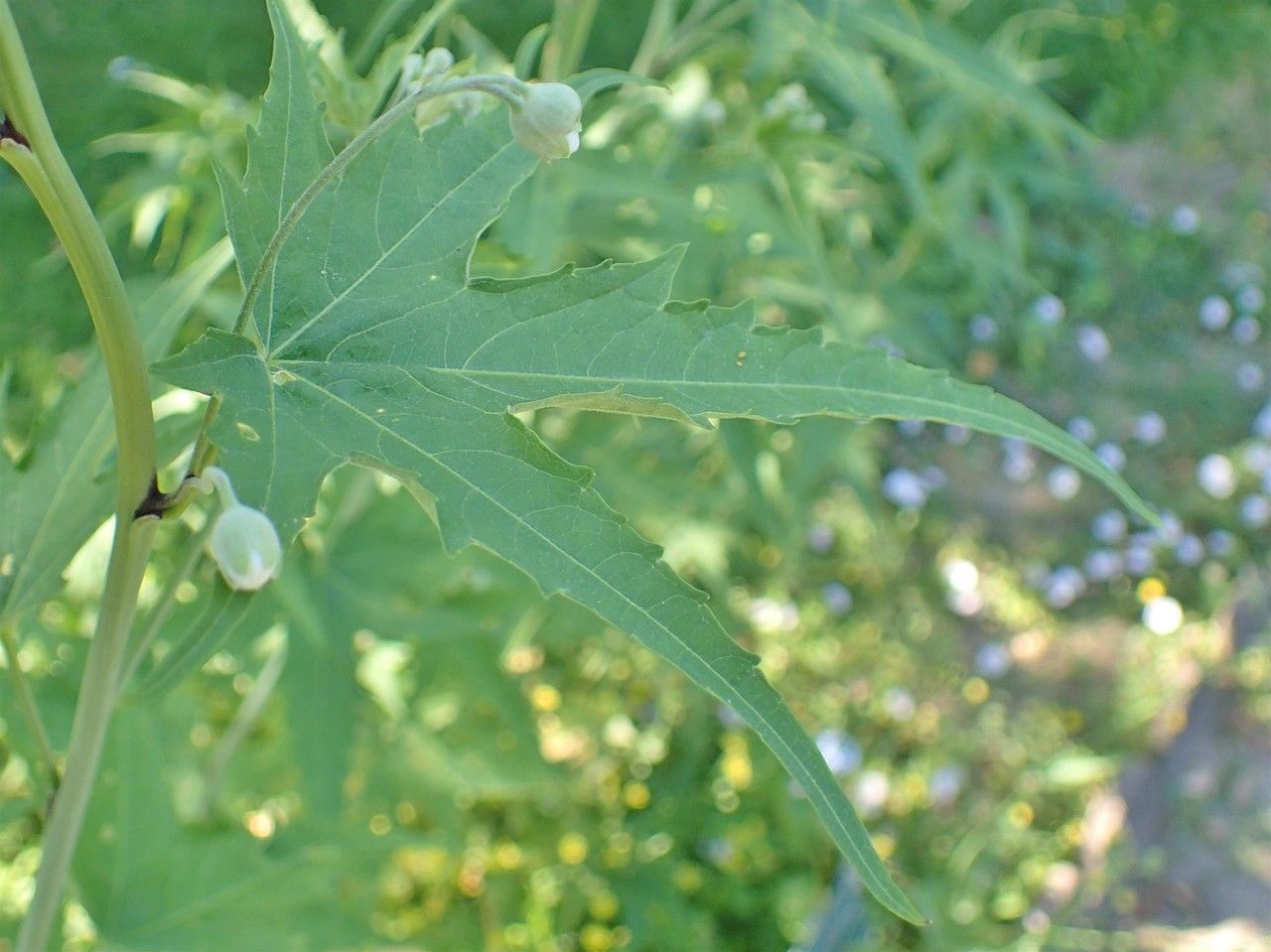
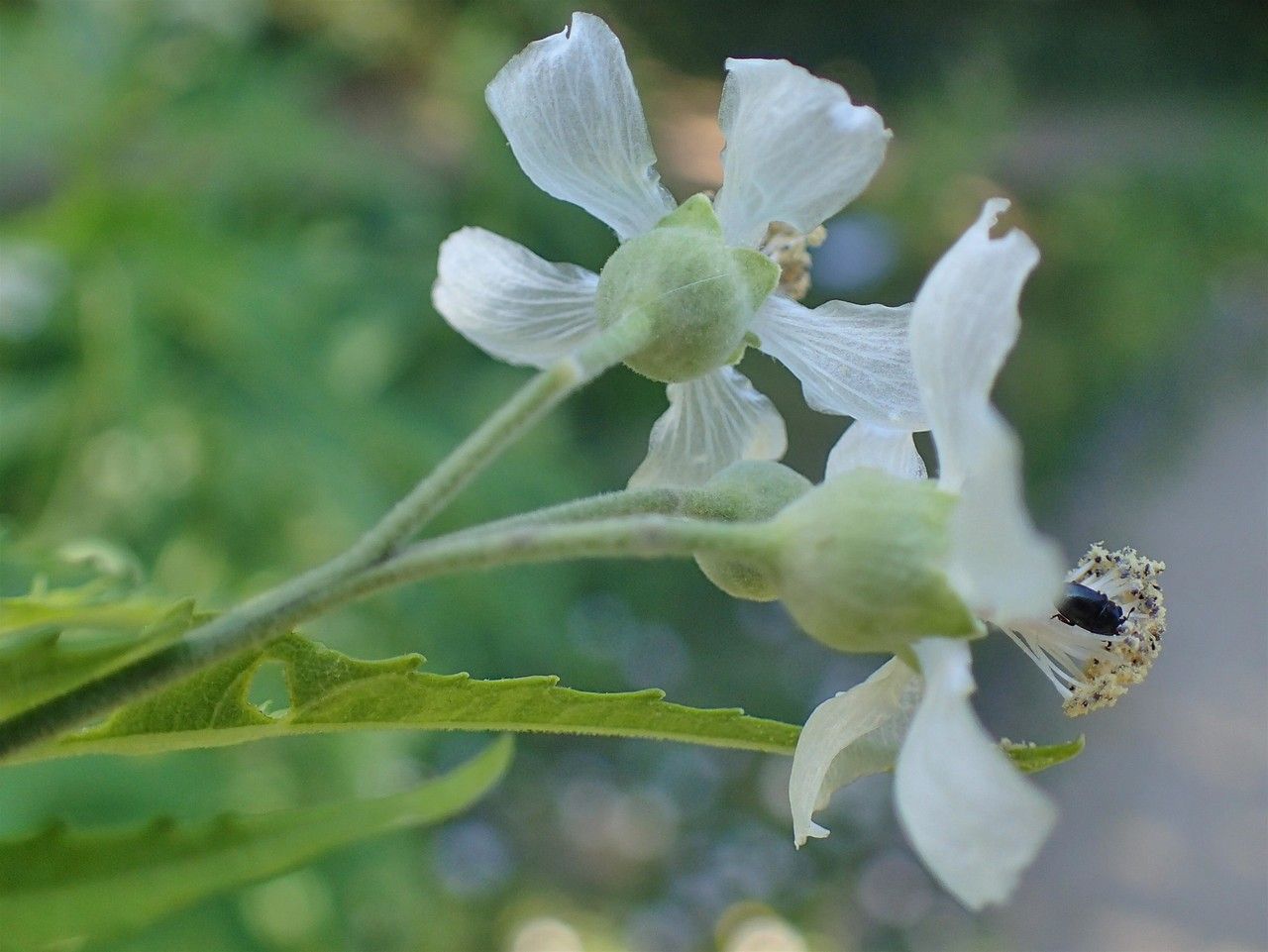
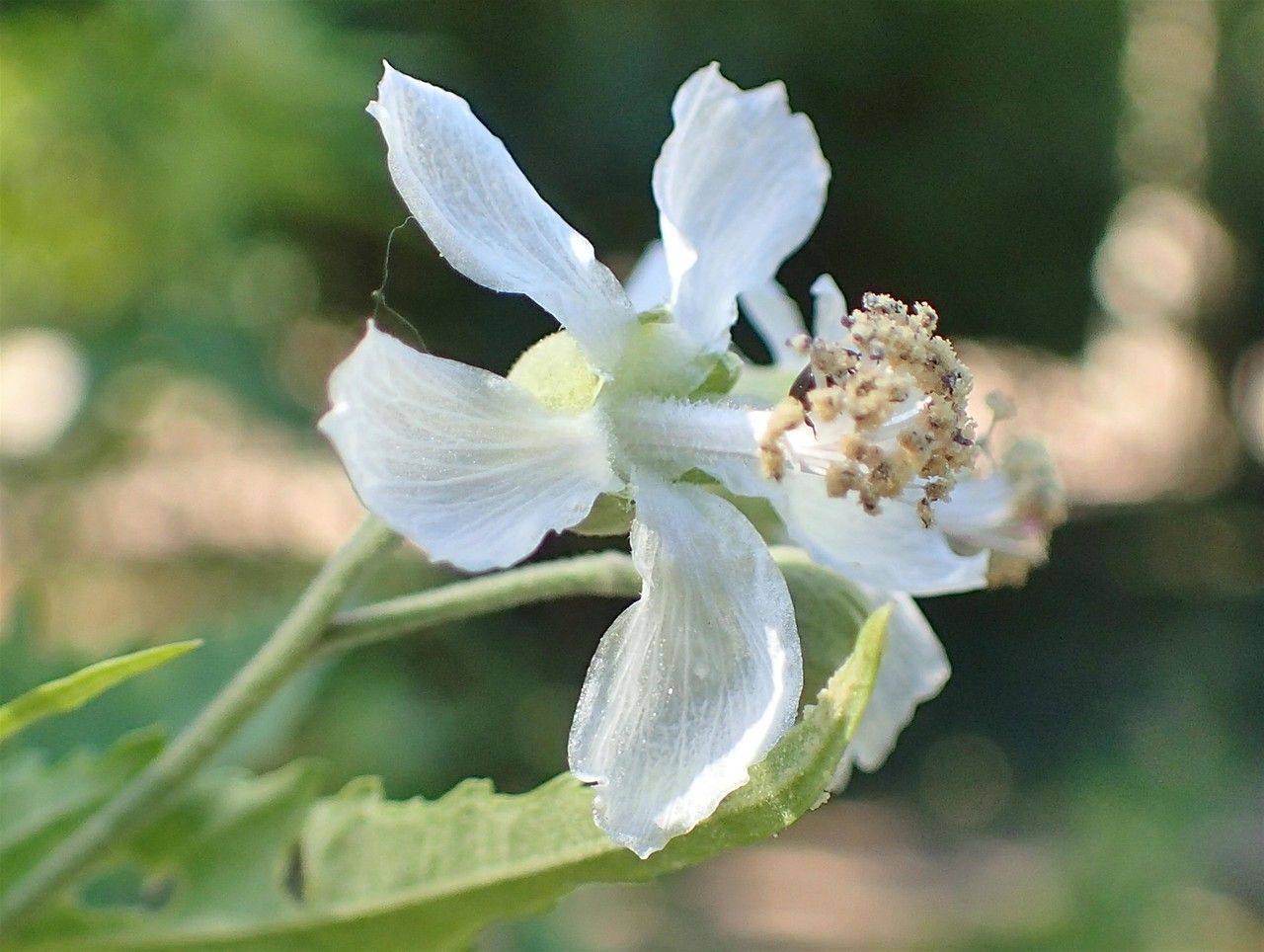
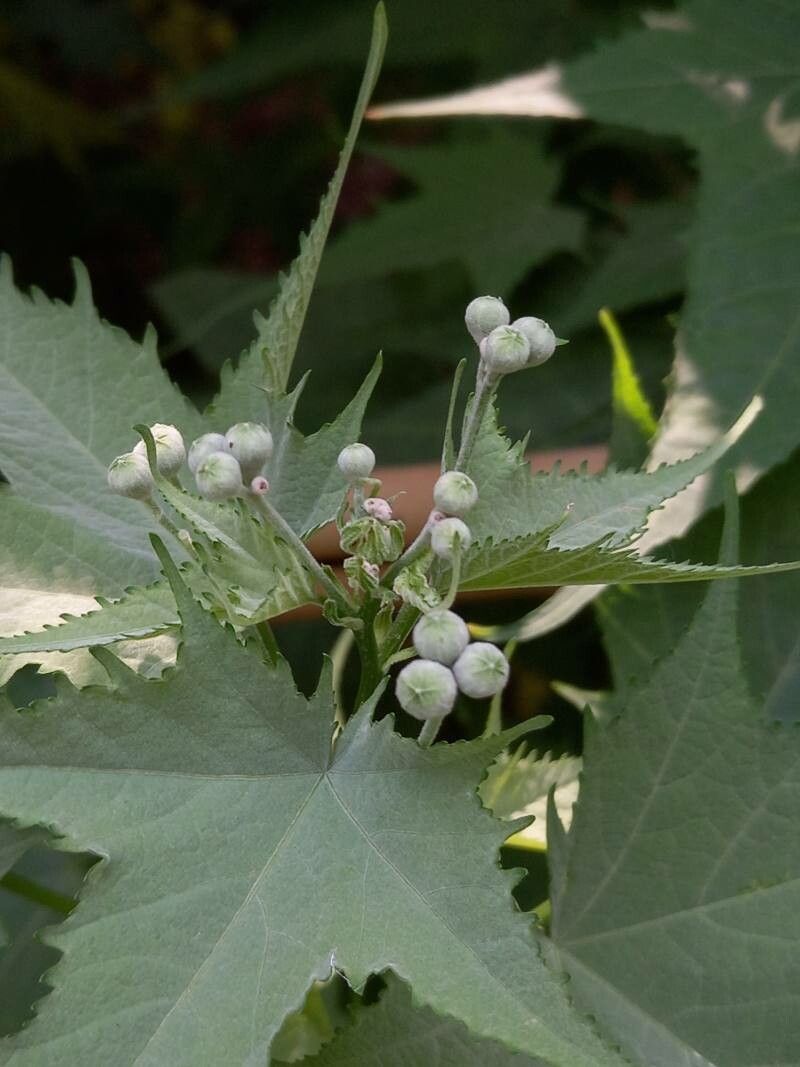
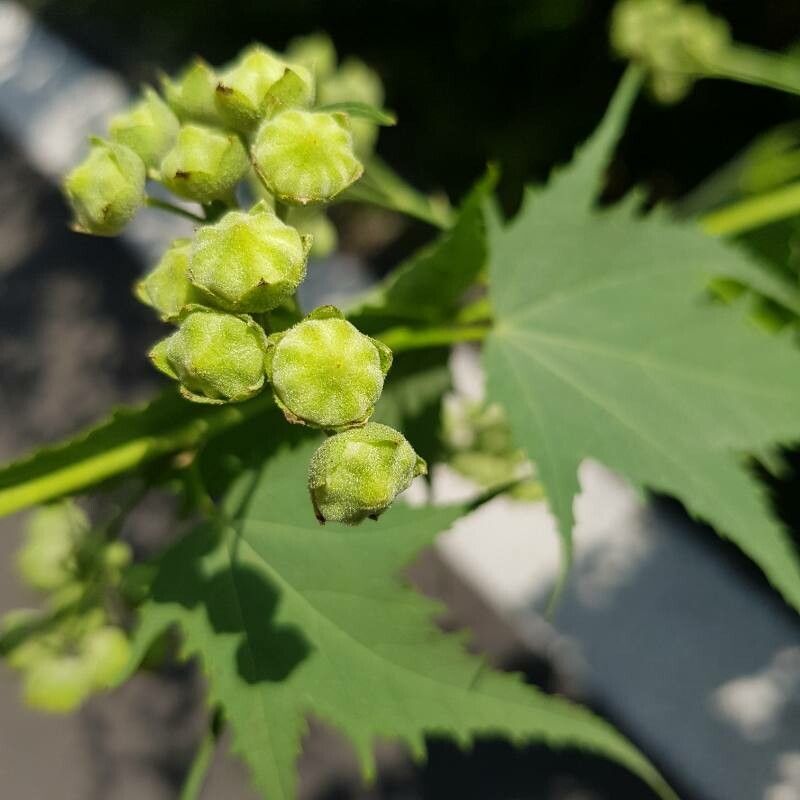
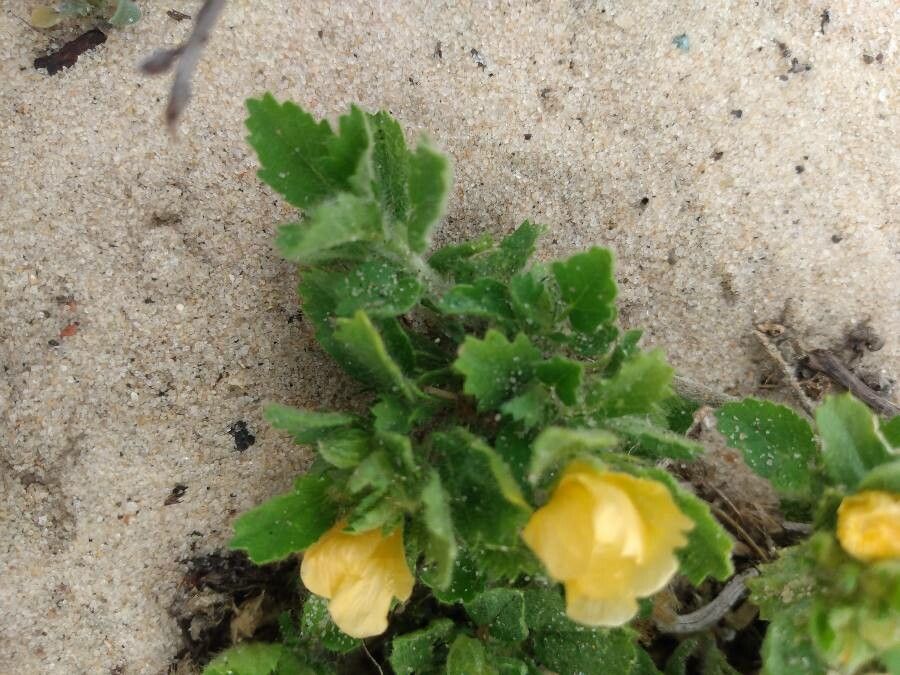
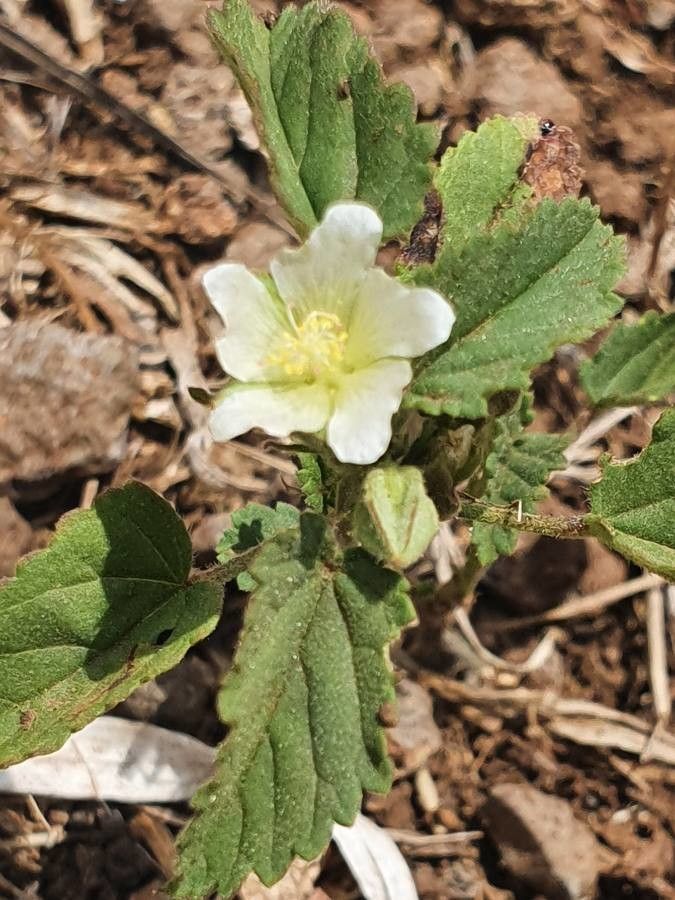
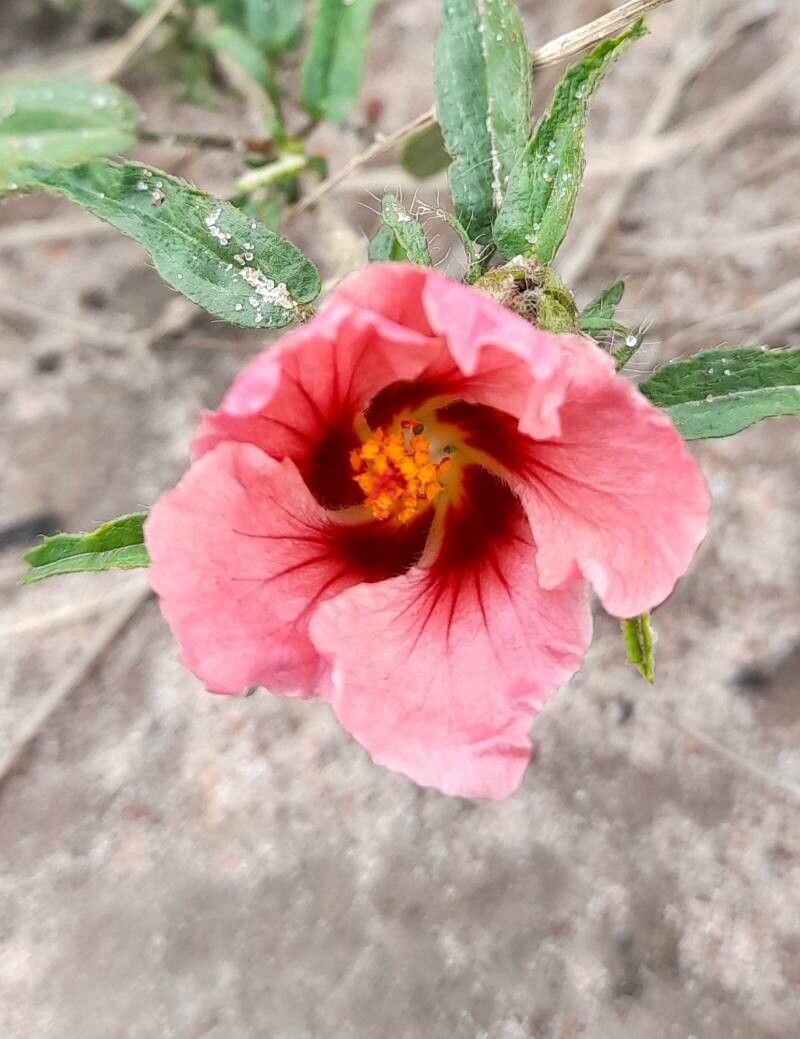
Sida hermaphrodita, commonly referred to as Virginia fanpetals or Virginia mallow, is a perennial plant species belonging to the Malvaceae family. Native to North America, it thrives in various habitats, including prairies, meadows, and open woods.
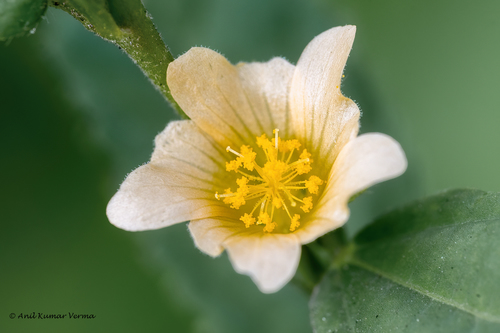
The plant can grow up to 2 meters tall and features a deep taproot system, enabling it to withstand drought conditions. Its leaves are alternate, heart-shaped, and have serrated edges. The flowers are yellow with five petals arranged in a fan shape.
Sida hermaphrodita is garnering attention as an energy crop due to its high biomass yield potential. Additionally, it is valued for producing high-quality cellulose, which is useful for paper production.
The plant also possesses medicinal properties, such as anti-inflammatory effects, and has been traditionally used to treat various ailments, including coughs, sore throats, and skin irritations.
In summary, Sida hermaphrodita is a remarkable plant species with significant potential for energy production and valuable medicinal properties that have been utilized by humans for centuries.
Ripariosida hermaphrodita has strong disease resistance and is generally not susceptible to illnesses. However, it can be vulnerable to pests and diseases present in its surroundings. These infections are usually not severe. Regarding care, this plant needs moderate maintenance. It should be pruned regularly to maintain a good appearance and healthy growth. Fertilizing can also help encourage flowering. Ripariosida hermaphrodita is suitable for anyone with outdoor space, such as a garden or patio, and does not require extensive care experience. It may need more attention if grown indoors.
How to keep Sida Hermaphrodita.
Light
Ripariosida hermaphrodita is a sun-loving, perennial herbaceous plant native to open habitats and commonly found in meadows and grasslands. It prefers full sun but can tolerate partial sun.
Temperature
Ripariosida hermaphrodita can tolerate a wide variety of temperature conditions, but its distribution may still be restricted by different combinations of water and heat. It does best in warm summer climates with sufficient rainfall or watering. Extended periods of cloudy, rainy weather, as well as prolonged high temperatures, can raise the chance of Ripariosida hermaphrodita dying. In winter, suitable protection from cold can increase the plant's survival rate.
Fertilizer
A single fertilizer application in spring is generally enough for Ripariosida hermaphrodita, though repeated feedings can maximize growth. Apply every month to six weeks. Fertilization improves leaf appearance and function, encouraging consistent color and healthy texture. It also promotes root development and nutrient uptake for long-term plant health.
Botanical profile.
- Plant Type
- Herb
- Life Cycle
- Perennial
- Genus
- Sida
- Family
- Malvaceae
- Hardiness Zone
- 5-9
- Mature Height
- 2.13 m to 3.96 m
- Mature Spread
- 0.91 m to 2.13 m
- Leaf Color
- Green, Dark Green
- Leaf Type
- Deciduous
- Flower Color
- White
- Flower Size
- 1.02 cm to 2.03 cm
- Bloom Time
- Summer
- Planting Time
- Spring, Summer
- Harvest Time
- Late summer, Early fall, Mid fall
Other names.