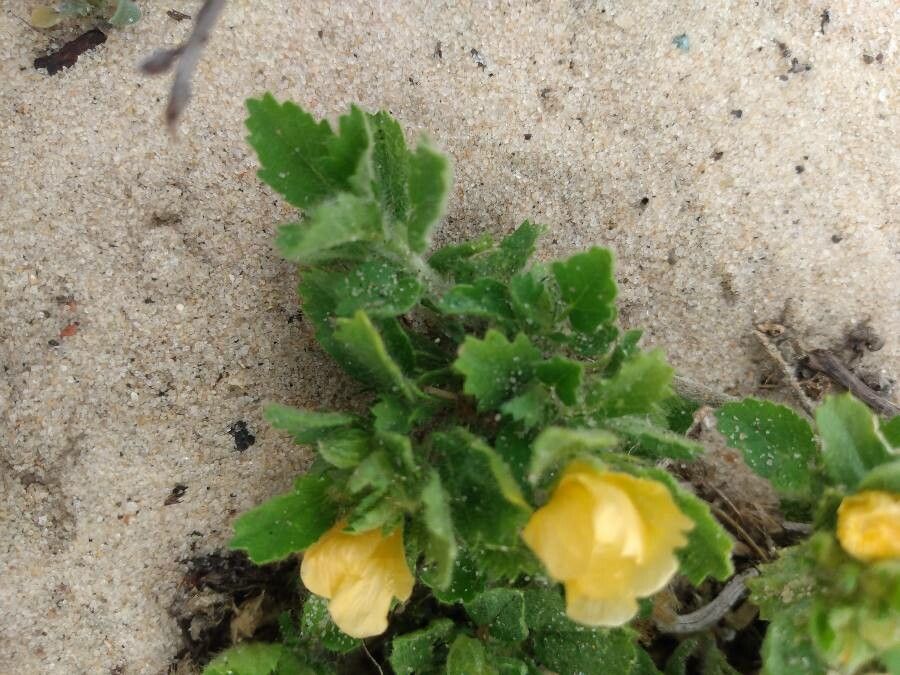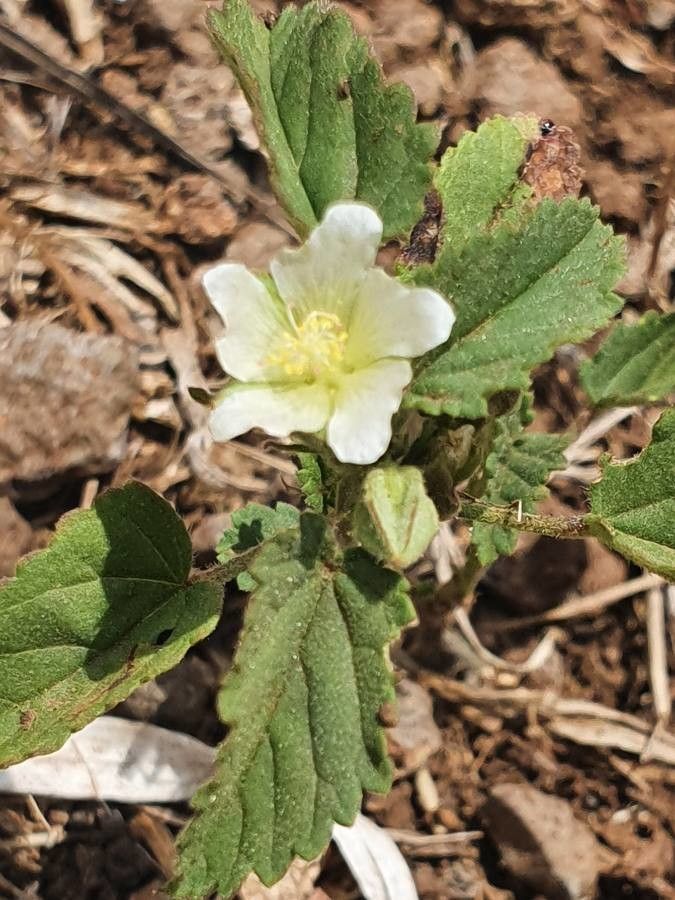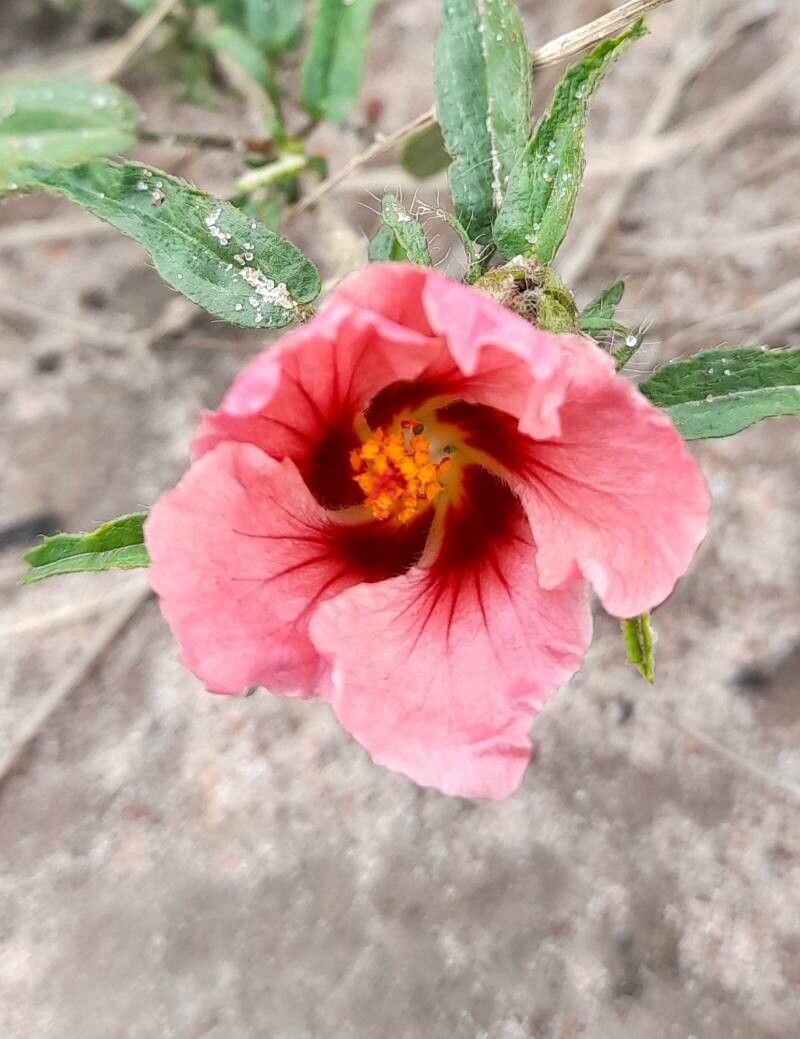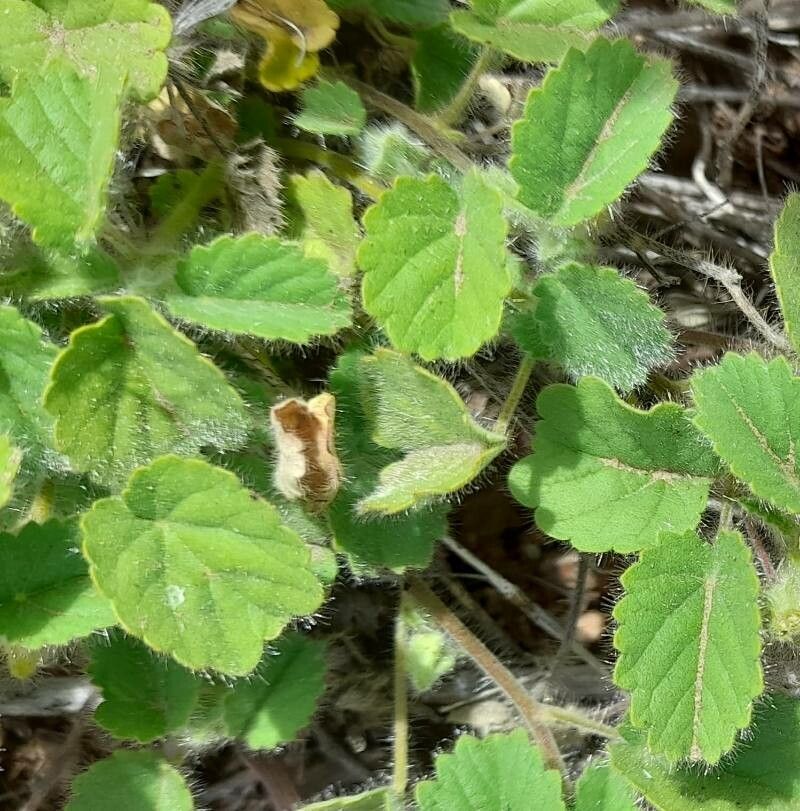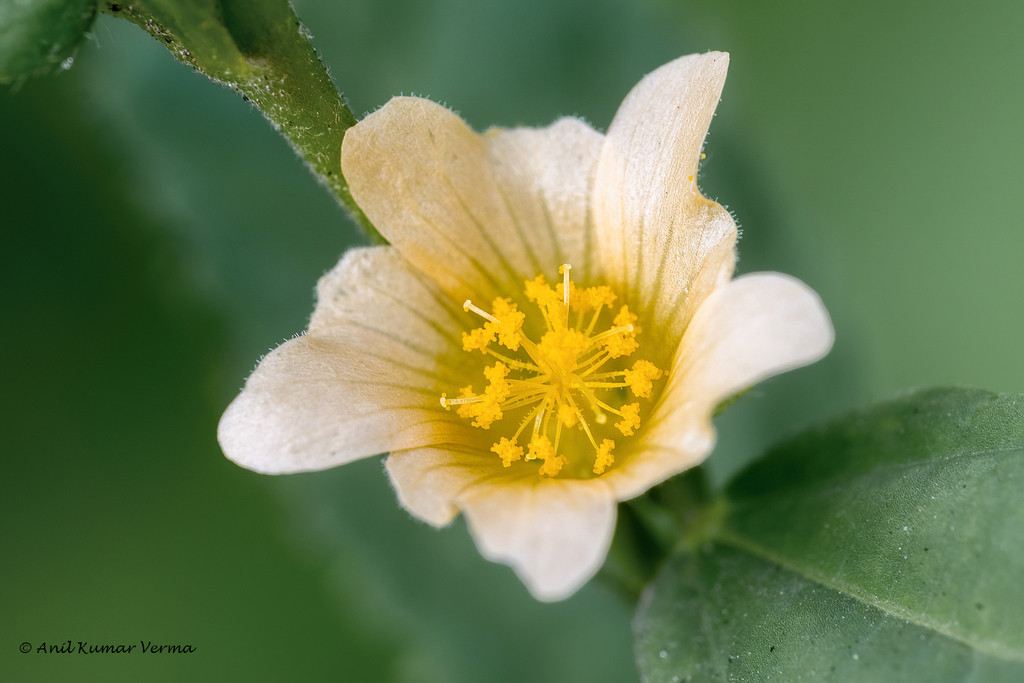
Sida acuta, the common wireweed, is a species of flowering plant in the mallow family, Malvaceae. It is believed to have originated in Central America, but today has a pantropical distribution and is considered a weed in some areas.In northern Australia, Sida acuta is considered an invasive species, and the beetle Calligrapha pantherina has been introduced as a biological control agent in an attempt to control the plant.
Common Wireweed is fairly disease-resistant and is generally not susceptible to illnesses. However, it can be affected by pests and diseases present in its surroundings. These problems are typically not serious. In terms of care, the plant requires moderate maintenance. It should be pruned regularly to keep a neat appearance and support healthy growth. Fertilizing can also help encourage flowering. Common Wireweed is suitable for anyone with outdoor space, such as a garden or patio, and does not demand extensive gardening experience. It may need more care when kept indoors.
How to keep Sida Acuta.
Light
Common Wireweed grows best in environments with abundant sunlight. It can also survive in areas with moderate light. Excessive or insufficient sunlight can negatively affect its health and growth. Its native habitat suggests a preference for sunny conditions.
Water
Common Wireweed flourishes in tropical climates with consistent rainfall. This evergreen plant prefers evenly moist soil and requires watering each week. Its water needs are vital for maintaining healthy foliage throughout the year, making careful irrigation during dry periods essential for optimal growth.
Temperature
Common Wireweed is indigenous to habitats where temperatures generally range between 68 to 100 °F (20 to 38 ℃). This plant favors warm conditions but can adapt to temperature fluctuations with appropriate care. Seasonal adjustments may be necessary to maintain optimal growth.
Fertilizer
One fertilizer application in spring is generally adequate for Common Wireweed, though several feedings can optimize its growth. Apply every four to six weeks. Fertilizing improves the appearance and function of the leaves, maintaining even color and a healthy texture. It also promotes root development and nutrient uptake, supporting the plant’s long-term health.
Botanical profile.
- Plant Type
- Herb
- Life Cycle
- Perennial, Biennial
- Genus
- Sida
- Family
- Malvaceae
- Hardiness Zone
- 8-11
- Mature Height
- 61 cm to 91 cm
- Mature Spread
- 30 cm to 61 cm
- Leaf Color
- Green, Yellow
- Leaf Type
- Semi-evergreen
- Flower Color
- Yellow
- Flower Size
- 2.54 cm
- Bloom Time
- All year round
- Planting Time
- Spring, Summer, Autumn
- Harvest Time
- All year round
- Native Area
- Belize, Honduras, Mexico, Guatemala, Peru, Dominican Republic, Trinidad and Tobago, Panama, Jamaica, Colombia, Bahamas, Haiti, Venezuela, Brazil, Guyana, El Salvador, Nicaragua, Suriname, Costa Rica
Other names.
Reader questions.
How should I water my Common Wireweed?
To properly water the Common Wireweed, it is best to use filtered water at room temperature. Tap water may contain harmful particles, so using filtered water is recommended. The plant prefers warm water because it comes from a warm environment, and cold water can be a shock to its system. Additionally, avoid overhead watering as it can cause issues with the foliage. Instead, apply the filtered room temperature water directly to the soil until it is fully soaked. This helps moisten the roots and allows them to spread and absorb necessary nutrients in the soil.
What are the sun requirements for Common Wireweed?
Common Wireweed requires specific sun exposure to thrive. Full sun exposure entails having the plant in more than 6 hours of sunlight per day, while partial sun means the plant should receive about 3-6 hours of sunlight daily. Observing how sunlight moves through your garden will help you pick the ideal spots that ensure the right balance of light and shade for your plants, keeping them healthy and happy.
What is the native climate for Common Wireweed?
Common Wireweed is naturally found in warm environments where the temperature typically ranges between 68 to 100 °F (20 to 38 °C). It flourishes best in warm climates but is adaptable to varying temperatures with appropriate care. To ensure optimal growth, seasonal adjustments may sometimes be necessary.
What should I do if I give my Common Wireweed too much or too little water?
Overwatering is a common issue for Common Wireweed. It can cause wilting, yellowing of leaves, and various diseases like root rot, mold, and mildew which are fatal. Underwatering is less common but can still happen. It leads to brittle, brown leaves. It is important to notice signs of overwatering early and take action by reducing watering and improving soil drainage. If underwatering is detected, simply water more regularly.
How essential is sunlight for the growth and health of Common Wireweed?
Sunlight plays a crucial role in the growth and health of Common Wireweed. This plant flourishes best when exposed to plenty of sunlight but can also tolerate moderate light exposure. However, too much or too little sunlight can be harmful, affecting the plant's health and growth negatively. The plant's natural preference for sunny conditions is evident from its original habitat.
Does Common Wireweed have any tolerance to cold temperatures?
Common Wireweed does exhibit some level of cold tolerance, generally requiring no special care when temperatures are above 0°C. However, if temperatures are anticipated to dip below freezing (0°C), temporary cold protection measures should be implemented. This can involve wrapping the plant with plastic film, fabric, or similar materials. It's important to remove these protective materials once temperatures rise to avoid any potential harm to the plant.
How often should I water my Common Wireweed plant?
If your Common Wireweed is in a pot, you can determine if it needs water by sticking your finger into the soil. If the top few inches of soil are dry, then it's time to water it. The same method can be used if your Common Wireweed is planted outdoors in the ground. During spring and early fall, watering once a week is often sufficient. However, during extremely hot weather, watering two or more times a week may be necessary. It's important to note that mature and well-established Common Wireweed plants can handle periods of drought well.
How can artificial lighting be used for Common Wireweed growing indoors?
When natural sunlight is not sufficient, especially during winter or in spaces that do not get enough sunlight, artificial lighting becomes essential for the growth of indoor Common Wireweed plants. To mimic natural conditions, select the appropriate type of artificial light, such as LED lights, which can be adjusted to provide specific wavelengths needed by the plant. For full sun plants, 30-50W/sq ft of artificial light is recommended, 20-30W/sq ft for partial sun plants, and 10-20W/sq ft for full shade plants. The light source should be placed 12-36 inches above the plant, and the lighting should last 8-12 hours per day, depending on the plant species' requirements.
How does low temperature affect Common Wireweed and what are the recommended solutions?
Common Wireweed has a moderate tolerance to low temperatures, thriving best when the temperature remains above 20°C. It should be kept above 0°C during winter to prevent damage. Exposure to temperatures below -10°C may cause the leaves to droop and, in severe cases, lead to wilting and leaf drop. To mitigate frost damage, trim off the affected parts of the plant and wrap it with insulating materials like non-woven fabric or cloth. Additionally, constructing a wind barrier can provide extra protection against cold winds.
How much water should I give to my Common Wireweed?
When watering your Common Wireweed, be generous with the amount of water you provide. Make sure the top two to three inches of soil are dry before watering. Give the plant a thorough watering, making sure to soak the soil completely. You should add enough water so that excess water drains out through the pot's drainage holes. If you don't see excess water draining, you may not have watered enough. However, be cautious not to let water accumulate in the soil, as it can harm the plant. Poor drainage in the soil can also be harmful, so make sure the water drains properly. If the plant is outside, one inch of rain per week is enough.
What are the common symptoms of light deficiency in Common Wireweed?
Common Wireweed may exhibit several symptoms when it doesn't get enough light, including smaller new leaves, leggy or sparse growth, faster leaf drop, delayed or halted growth, and lighter-colored or chlorotic leaves. Additionally, symptoms of overexposure to light such as sunscald, leaf curling, wilting, and leaf scorching can also impact the plant, highlighting the importance of providing the correct amount of sunlight.
What should be done if Common Wireweed experiences high temperatures?
During the summer, it's crucial to ensure that Common Wireweed does not get exposed to temperatures above 38°C. High temperatures, especially those exceeding 43°C, can lead to lighter leaf colors, dry and withered leaf tips, leaf curling, and increased susceptibility to sunburn. To help the plant recover from or avoid heat damage, trim off sunburned and dried parts, and move the plant to a shaded location or use shade cloth to protect it from intense midday and afternoon sun. Additionally, maintaining soil moisture by watering in the morning and evening can be beneficial.