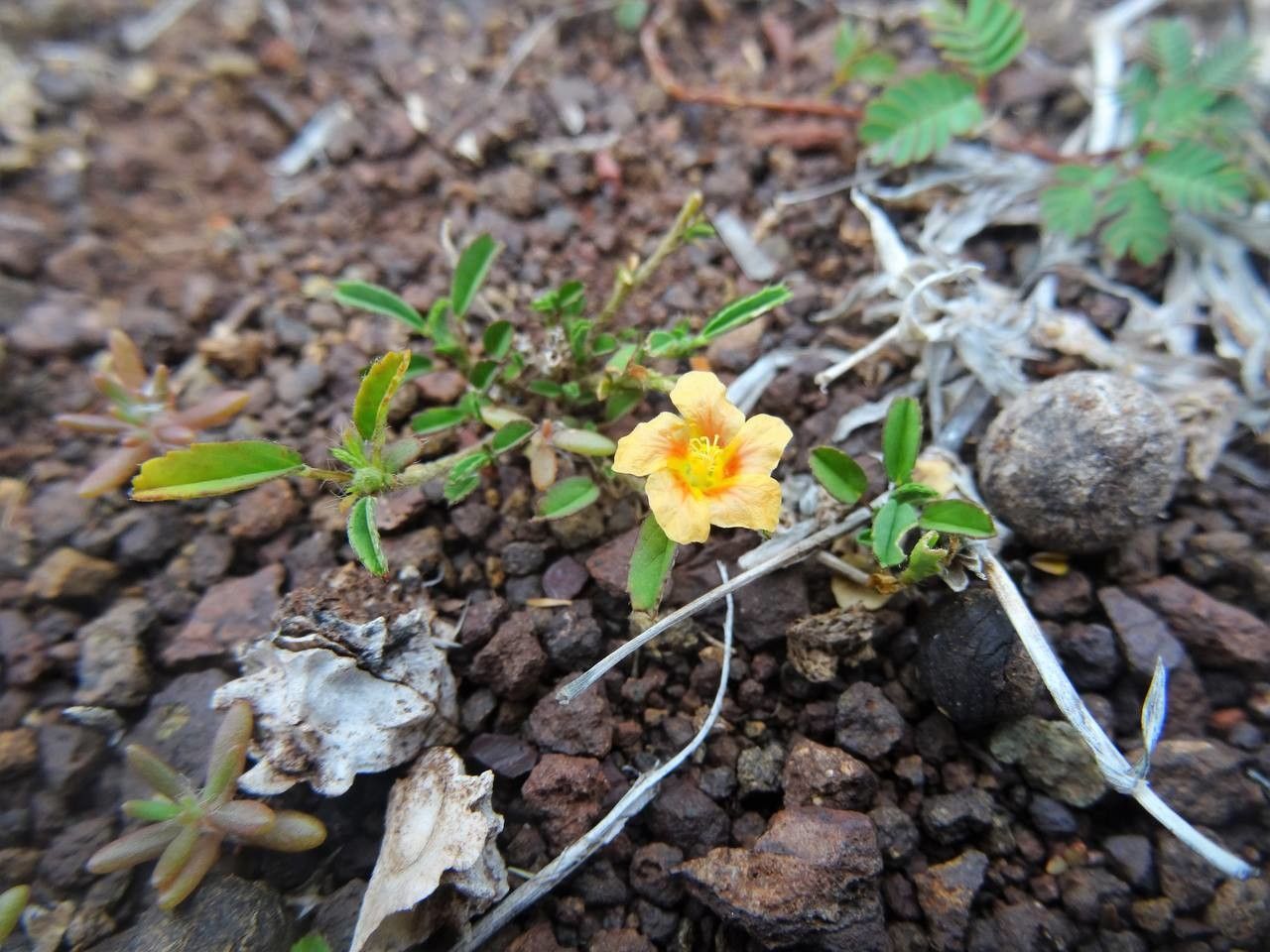
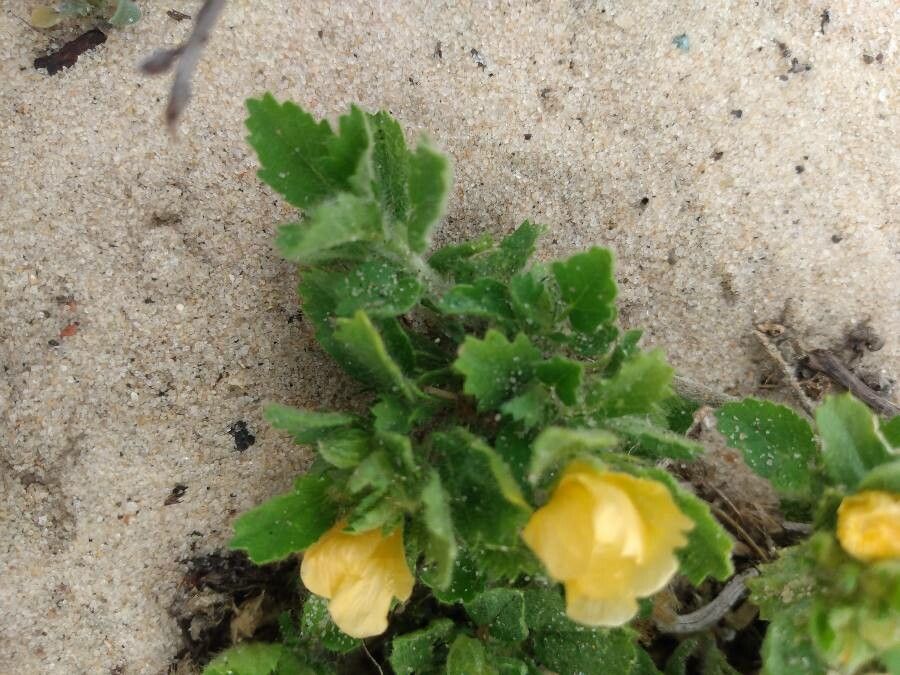
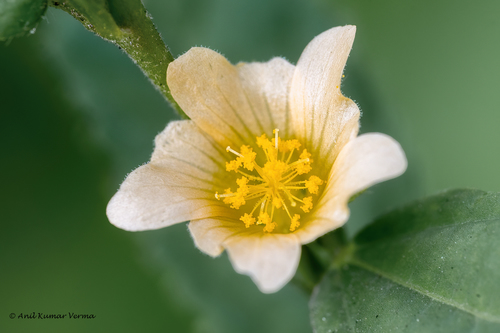
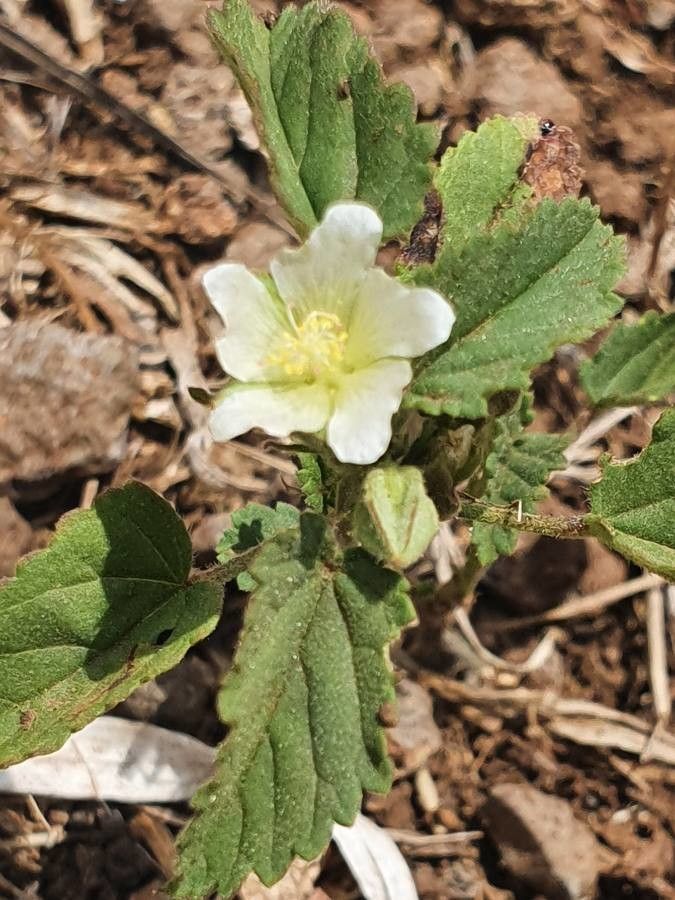
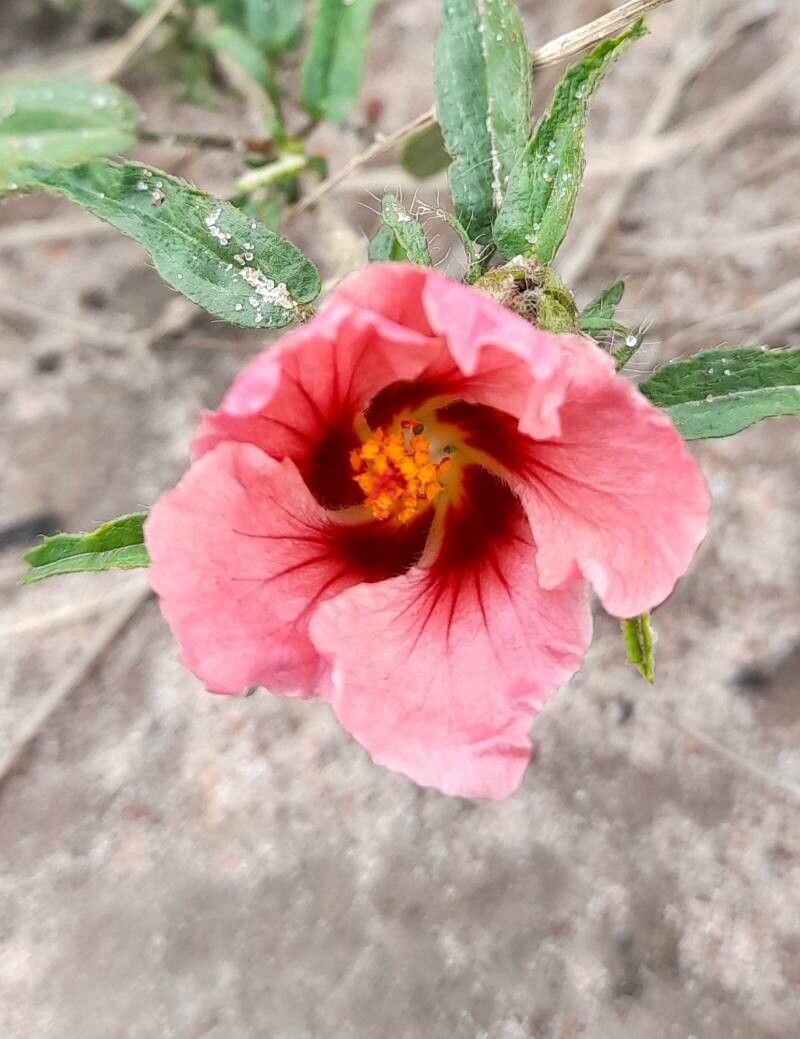
Bracted fanpetals is fairly disease-resistant and typically does not suffer from illnesses. Nonetheless, it can be vulnerable to pests and diseases present in its environment, though such infections are generally mild. As for care, the plant requires a moderate level of maintenance. It should be pruned regularly to preserve a neat appearance and encourage healthy growth. Fertilizing can also help stimulate flowering. Bracted fanpetals is suitable for anyone with outdoor space, such as a garden or patio, and does not demand extensive care experience. It may need increased attention if kept indoors.
How to keep Sida Ciliaris.
Light
Bracted fanpetals thrives best in abundant sunlight, which promotes healthy growth. It is also noted to tolerate lower light levels, and this tolerance is important during various stages of development. The plant originates from habitats that receive plenty of natural light. Both insufficient light and overexposure can adversely affect its health.
Water
Bracted fanpetals thrive in tropical climates with consistent moisture. While they prefer weekly watering to encourage lush growth, they can tolerate short dry spells. Typically grown outdoors, these plants benefit from natural rainfall, which is essential for their vigorous development and blooming potential during the growing season.
Temperature
Bracted fanpetals are native to temperate regions and grow best in temperatures of 68 to 100.4 °F (20 to 38 ℃). Seasonal adjustments may be needed to replicate this environment, especially in areas with cooler winters or hotter summers.
Fertilizer
Bracted fanpetals respond well to regular, dilute applications of fertilizer to encourage healthy leaf growth. Fertilize Bracted fanpetals about once per month during the summer. Since nitrogen is vital for foliage, adding nitrogen-rich sources helps Bracted fanpetals thrive.
Pruning
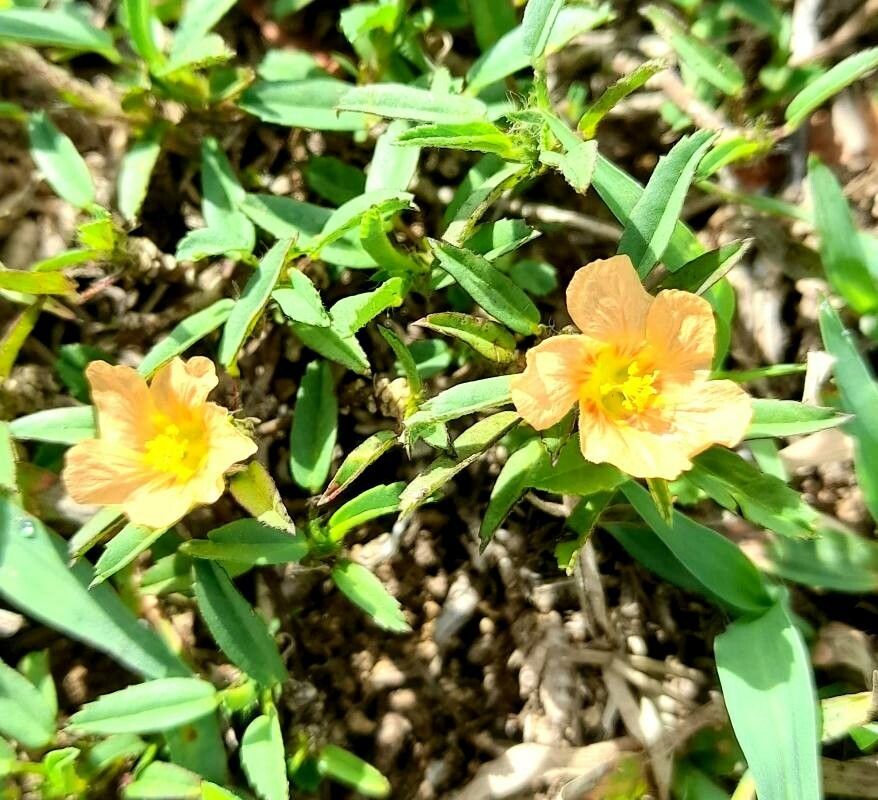
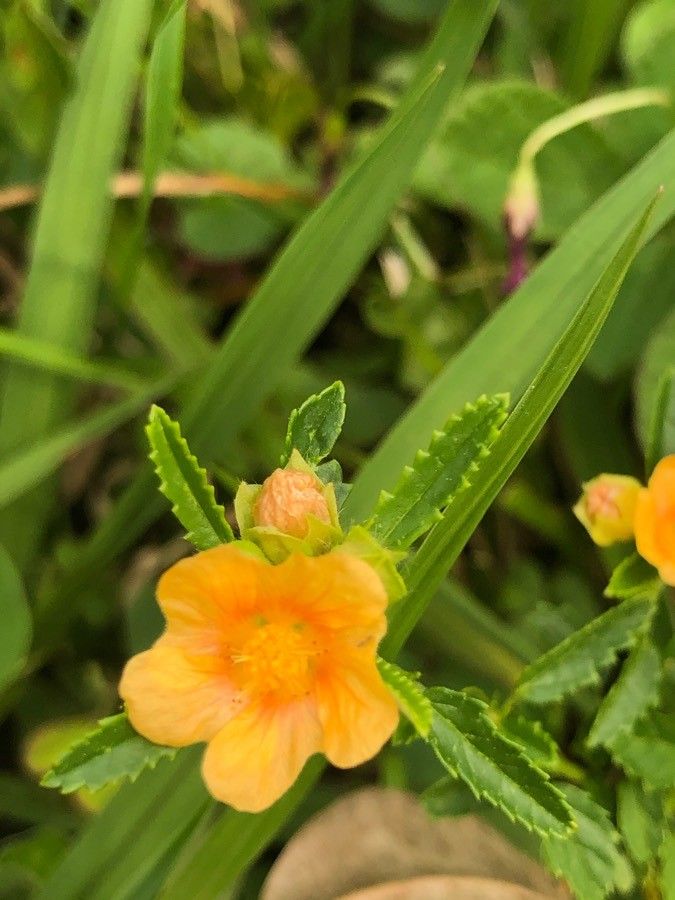
Bracted fanpetals have distinctive bracts and fan-shaped flowers. To encourage growth and flowering, prune them from early to late spring. This involves removing dead stems and shaping any overgrowth. Make sure to clean your tools to prevent infection. Pruning not only improves air circulation but also reduces the risk of disease, enhancing the plant's health and aesthetic appeal.
Botanical profile.
- Plant Type
- Herb
- Life Cycle
- Annual, Perennial
- Genus
- Sida
- Family
- Malvaceae
- Hardiness Zone
- 10-11
- Mature Height
- 15 cm to 46 cm
- Mature Spread
- 30 cm to 49 cm
- Leaf Color
- Green
- Leaf Type
- Deciduous
- Flower Color
- Yellow
- Flower Size
- 1.02 cm to 2.29 cm
- Bloom Time
- All year round
- Planting Time
- Spring, Summer, Autumn
- Harvest Time
- All year round
- Native Area
- Belize, Honduras, Mexico, Guatemala, Peru, Panama, Jamaica, Colombia, Bahamas, Cuba, Bolivia, Venezuela, Guyana, El Salvador, Nicaragua, Brazil, Costa Rica
Other names.
Reader questions.
How should I water my Bracted fanpetals?
To water Bracted fanpetals, there are several options you can consider. You can use a garden hose with a spray nozzle, a watering can, or any other common watering tool you have available. Fortunately, this plant is not very particular about the source of water it receives. Whether it's rainwater, tap water, or filtered water, Bracted fanpetals can thrive with any of these options. However, it is advisable to avoid watering the plant from above as this can harm the leaves and flowers and potentially lead to disease. A better approach would be to set up a drip irrigation system, as this evenly and directly applies water to the soil, which is beneficial for Bracted fanpetals. If you have a Bracted fanpetals growing in a container, you can use a similar method of watering. Instead of a garden hose, you can use a cup, watering can, or simply pour water from your tap directly onto the soil.
What are the sunlight requirements for Bracted fanpetals?
Bracted fanpetals requires full sun, which means it needs above 6 hours of sunlight daily for optimal growth. It can also tolerate partial sun, approximately 3-6 hours of sunlight per day. It is vital to observe how sunlight moves through your garden to ensure that your plants get the perfect balance of light and shade, guaranteeing their wellbeing. Originating from environments with abundant natural light, both insufficient and excessive exposure to light can adversely affect the plant's health.
What is the native climate for Bracted fanpetals?
Bracted fanpetals, or Sida ciliaris, is native to regions that have a temperate climate. It thrives best in temperatures that range from 68 to 100.4 °F (20 to 38 °C). To ensure the plant thrives, seasonal adjustments may be necessary, especially in areas experiencing cooler winters or higher summer temperatures. It's important to note that Bracted fanpetals is very heat-loving, and exposure to cold temperatures can harm it. In autumn, if grown outdoors, it's advisable to move the plant indoors near a bright window while avoiding direct placement near heaters. Keeping the indoor temperature above 20°C during winter significantly benefits its growth. However, any exposure to temperatures near 5°C can be detrimental.
What should I do if I give too much water or too little water to my Bracted fanpetals?
To prevent underwatering Bracted fanpetals, simply water it more regularly when you notice it lacks moisture. Overwatering is a more serious issue, as it can lead to diseases and the decline of the plant. To prevent this, choose a growing location with plenty of sunlight to dry the soil and good drainage to prevent waterlogging. If your potted Bracted fanpetals is overwatered, consider changing it to a new pot with better drainage using loose soils.
What essential conditions do Bracted fanpetals need to thrive?
Bracted fanpetals thrives best under conditions with plentiful sunlight, which aids in healthy growth. Although the plant shows tolerance to lesser light conditions at different stages of development, inadequate or excessive light can negatively impact its health. For indoor plants, artificial lighting becomes crucial when natural sunlight is insufficient, especially in winter or less sunny spaces. LED lights are preferable for indoor plant lighting, offering the specific wavelengths needed by plants. Full sun plants require 30-50W/sq ft, partial sun plants need 20-30W/sq ft, and full shade plants require 10-20W/sq ft of artificial light. The light source should be placed 12-36 inches above the plant to mimic natural sunlight, and most plants need 8-12 hours of light per day.
How does low temperature affect Bracted fanpetals and what are the remedies?
Bracted fanpetals prefers warm temperatures and does not tolerate low temperatures well. It is most comfortable and thrives when the temperature remains above 20°C. During wintertime, ensuring the temperature stays above 5°C is crucial. Exposure to temperatures below 1°C can lead to a discoloration of the leaves, turning them lighter. Frost damage can further cause the leaves to darken to brown or black, followed by symptoms like wilting and drooping. To remedy such situations, any frost-damaged parts should be trimmed off, and the plant should be immediately moved indoors to a warmer setting. Placing the plant near a south-facing window can ensure it receives sufficient sunlight without being too close to heaters or air conditioning vents, which can dry out the air excessively.
How often should I water my Bracted fanpetals? --> How frequently should I water my Bracted fanpetals?
To help your Bracted fanpetals thrive, it is important to water regularly throughout the growing season. In the spring, aim to water once a week. As the season progresses and temperatures rise, you may need to increase watering to two or three times a week. However, be careful not to exceed this rate as it can harm your plant. It is also crucial to maintain moist, but not wet, soil for your Bracted fanpetals. It's worth noting that watering a potted Bracted fanpetals requires a slightly different approach. Potted soil can heat up and dry out more quickly, so plan to water the plant a few times a week compared to just once for an in-ground plant.
What symptoms indicate Bracted fanpetals isn't receiving adequate light?
Inadequate light can cause several symptoms in Bracted fanpetals, including smaller new leaves, leggy or sparse growth, faster leaf drop, halted growth, lighter-colored new leaves, chlorosis, sunscald, leaf curling, wilting, and leaf scorching. These symptoms range from subtle signs like a decrease in leaf size and a stretched-out appearance to more severe issues such as leaf damage from excessive sunlight. Ensuring proper light conditions is crucial for the health and growth of Bracted fanpetals.
What should be done if Bracted fanpetals is exposed to high temperature?
During the summer, it's important to ensure that Bracted fanpetals' environment does not exceed 38°C. Exposure to temperatures above 43°C can cause the leaves to lighten and make the plant more susceptible to sunburn. In such cases, trimming away any sunburned or dried parts of the plant is advisable. To protect the plant, move it to a location that provides enough shade, especially from the midday and afternoon sun. It's also beneficial to water the plant in the morning and evening, helping to keep the soil sufficiently moist and reduce temperature stress.
How much water does my Bracted fanpetals plant need?
Determining how much water to give your Bracted fanpetals can be approached in a few different ways. Some gardeners prefer to rely on the moisture level of the soil, watering until the top six inches feel moist. Another option is to use a specific measurement, like around two gallons per week, considering factors like temperature and soil dryness. However, it's important to be cautious as following strict guidelines may result in overwatering. When growing Bracted fanpetals in a container, a different method is needed. It's recommended to water enough to moisten the dry layers of soil, which can be checked by feeling the soil or observing water exiting the drainage holes.
How can I address light deficiencies in Bracted fanpetals?
To address light deficiencies in Bracted fanpetals, gradually moving plants to sunnier locations can be beneficial. For indoor plants, gradually increasing exposure to natural sunlight or using artificial light for at least 8 hours daily can help. Outdoor plants should be moved to sunnier spots carefully to avoid sunburn. Minimizing obstructions, such as by pruning trees that block sunlight, and transplanting smaller plants during their dormant period to locations with better sunlight and drainage, are effective strategies. It's important to note that parts of the plant affected by insufficient sunlight may not recover, but new growth should be healthy with improved light conditions.
How can I know if I'm giving enough water to my Bracted fanpetals?
Avoiding overwatering your Bracted fanpetals can be challenging. These plants have deep roots that require weekly watering, but are also highly vulnerable to root rot. Overwatering can lead to browning and other signs of stress. Underwatering is less of a concern as these plants can tolerate some drought, but if left without water for too long, they may wilt and develop dry leaves.