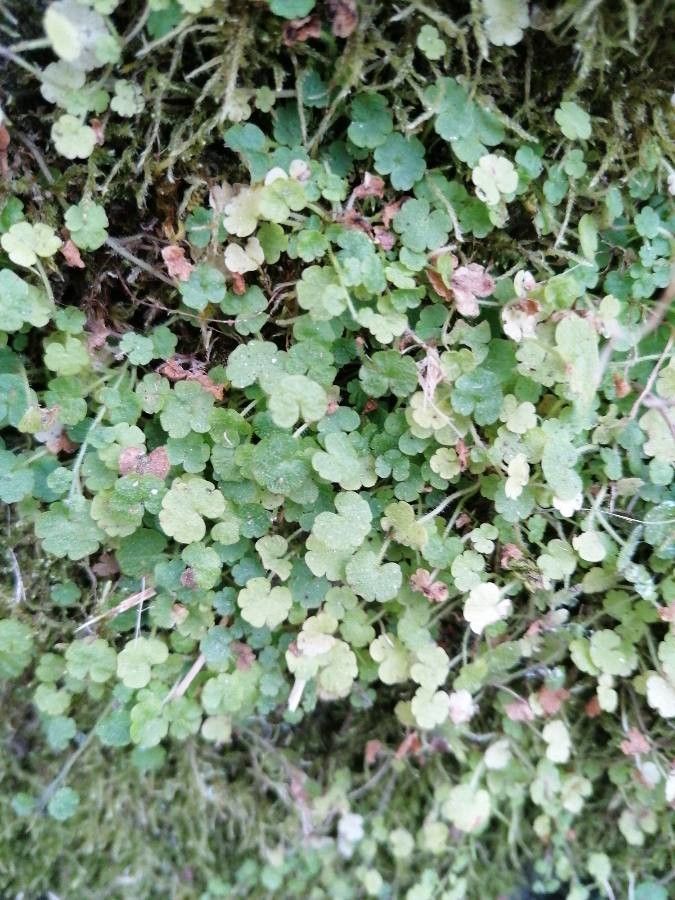
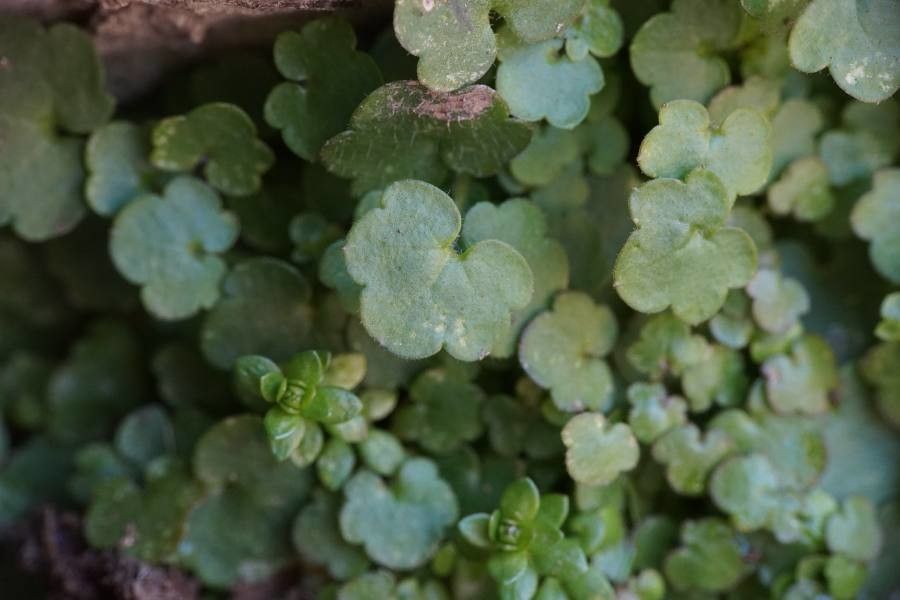
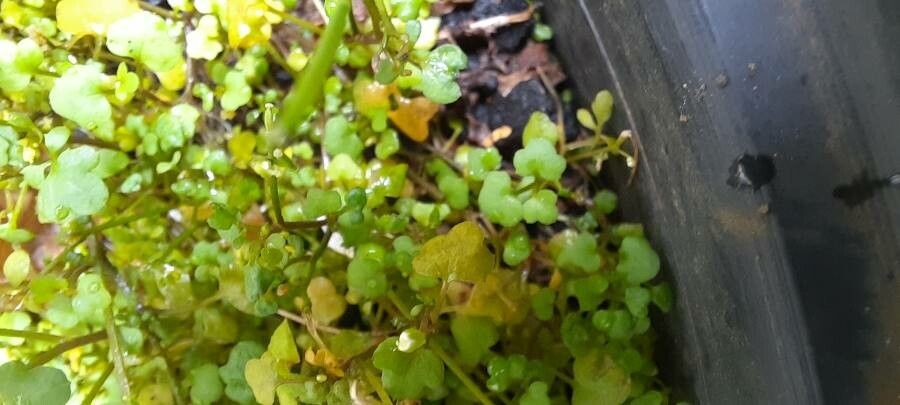
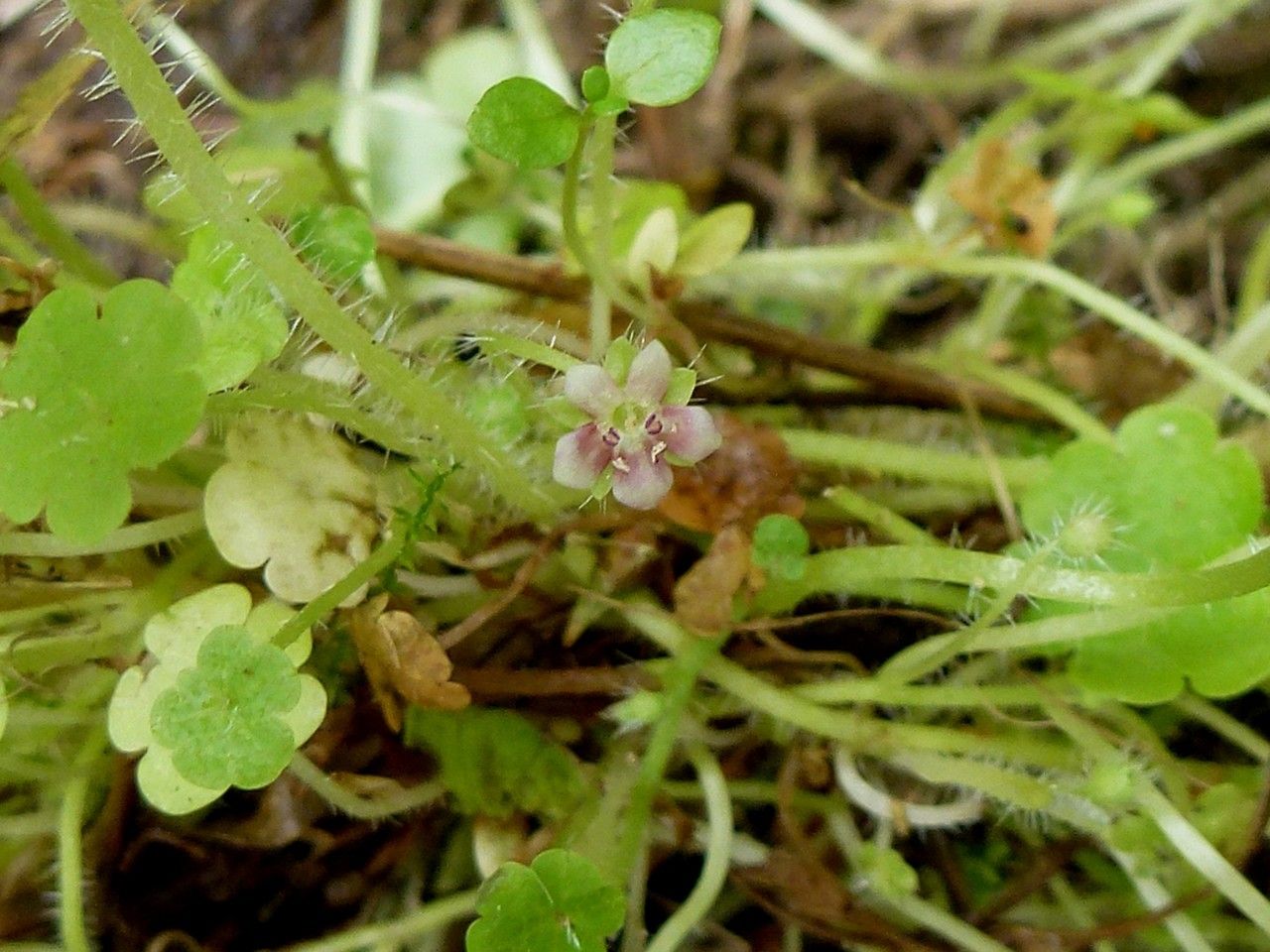
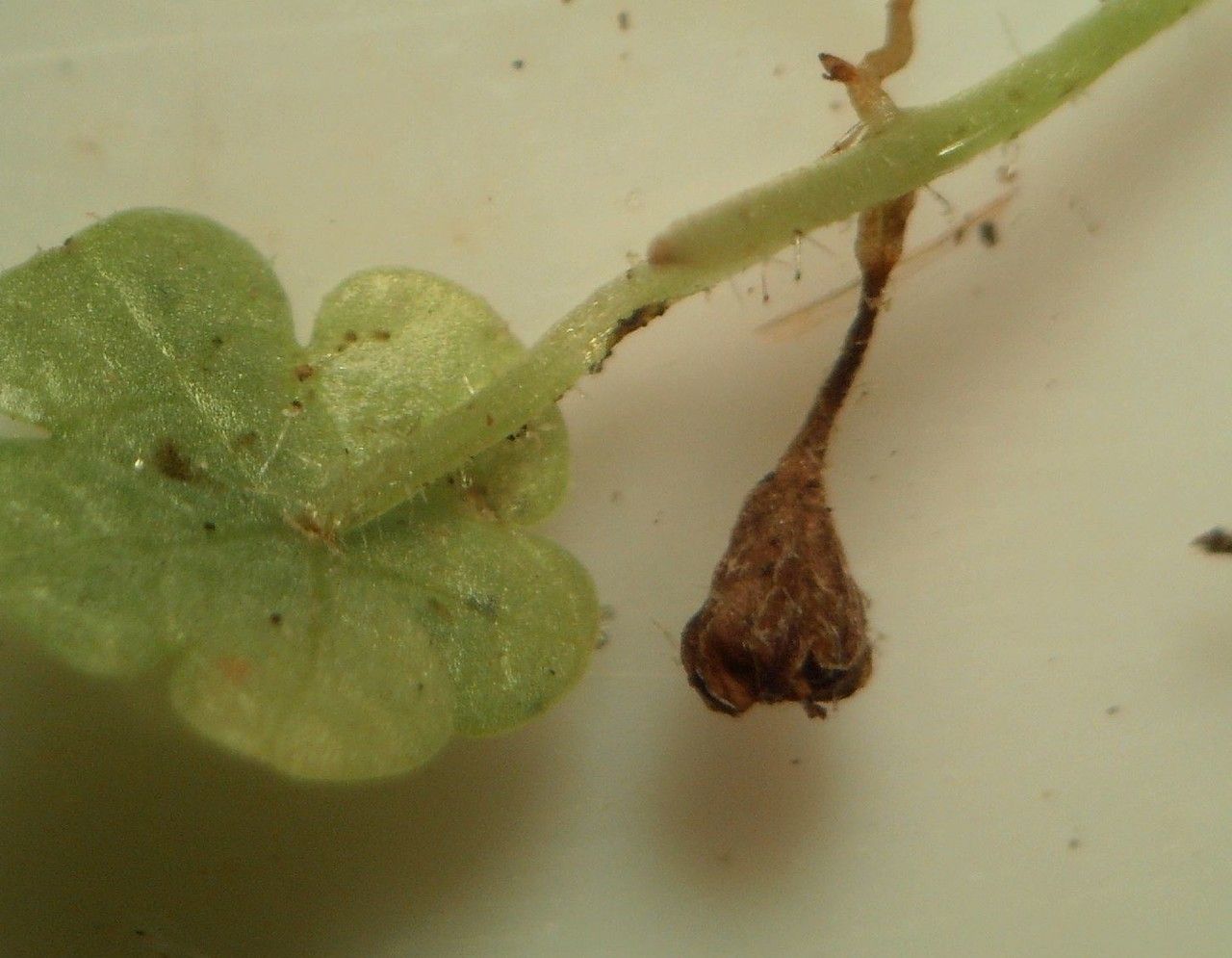
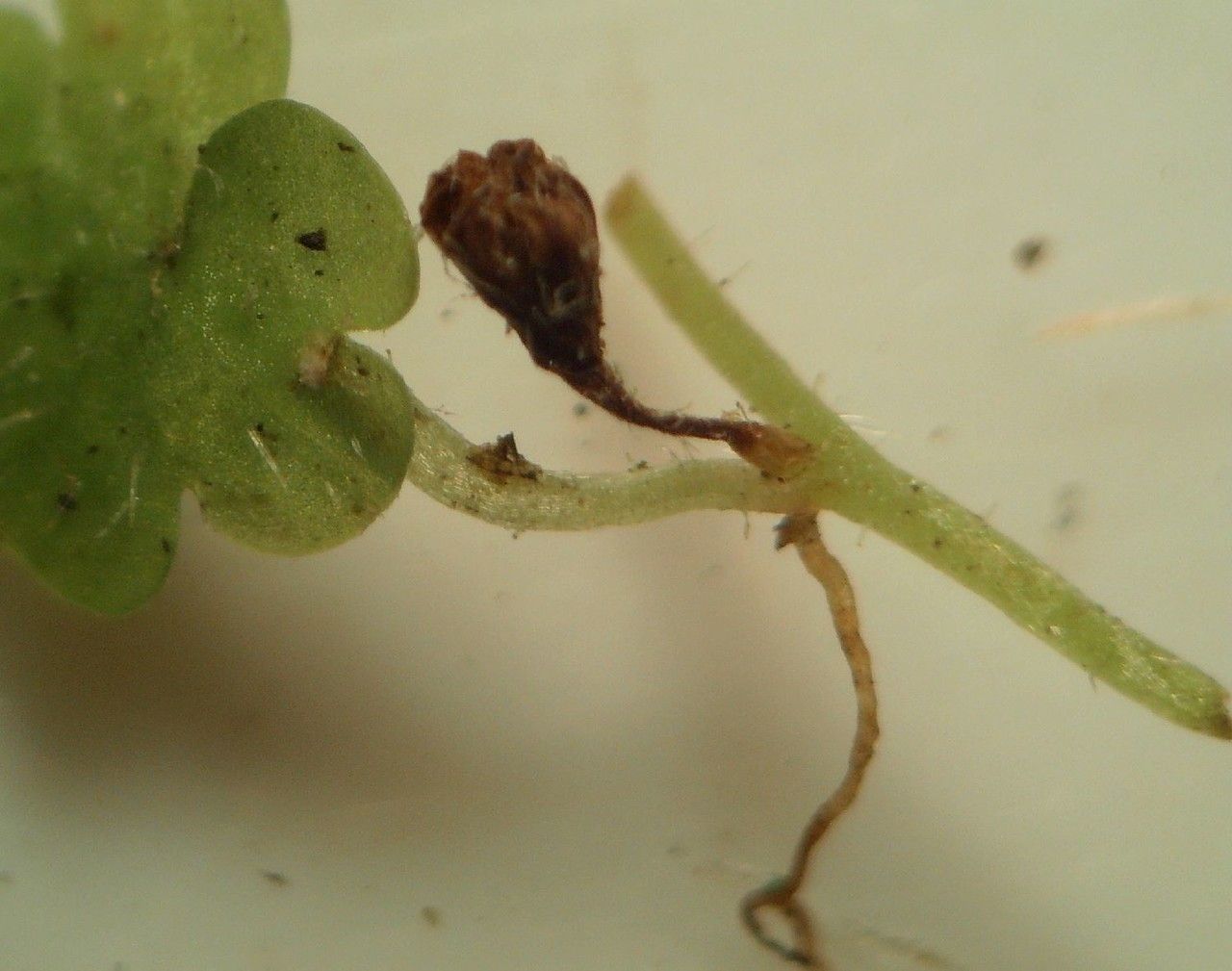
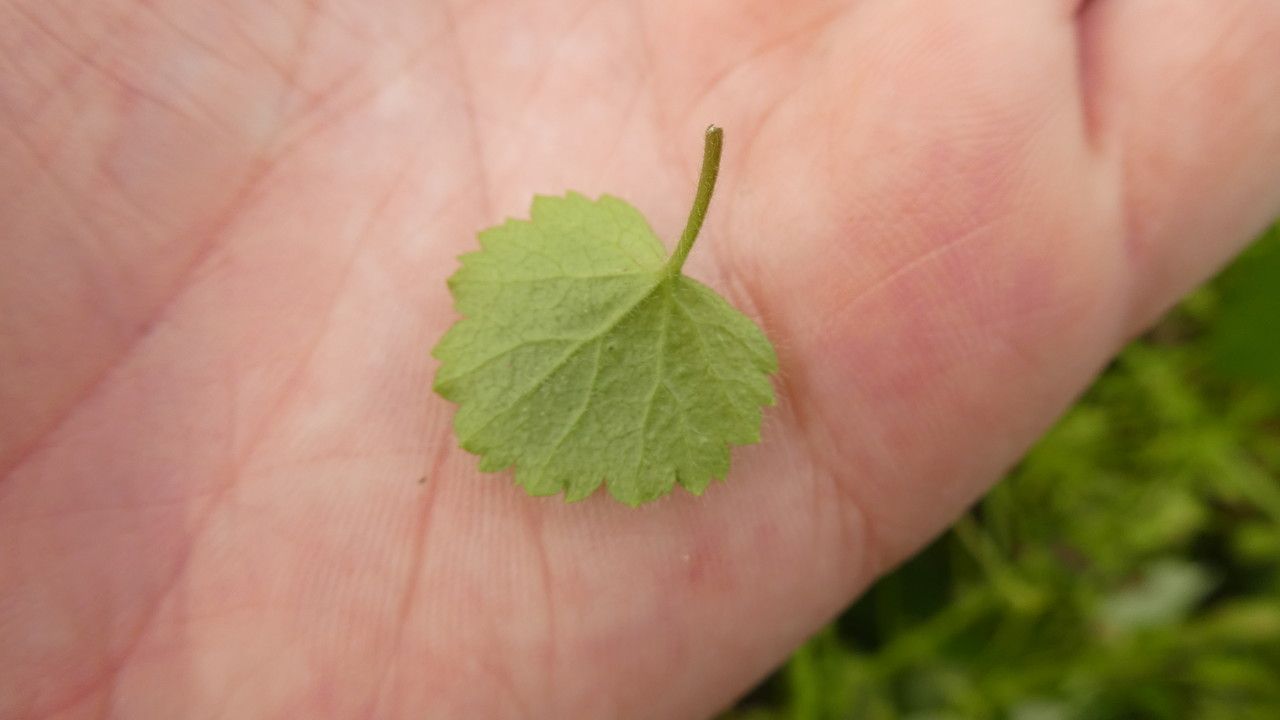
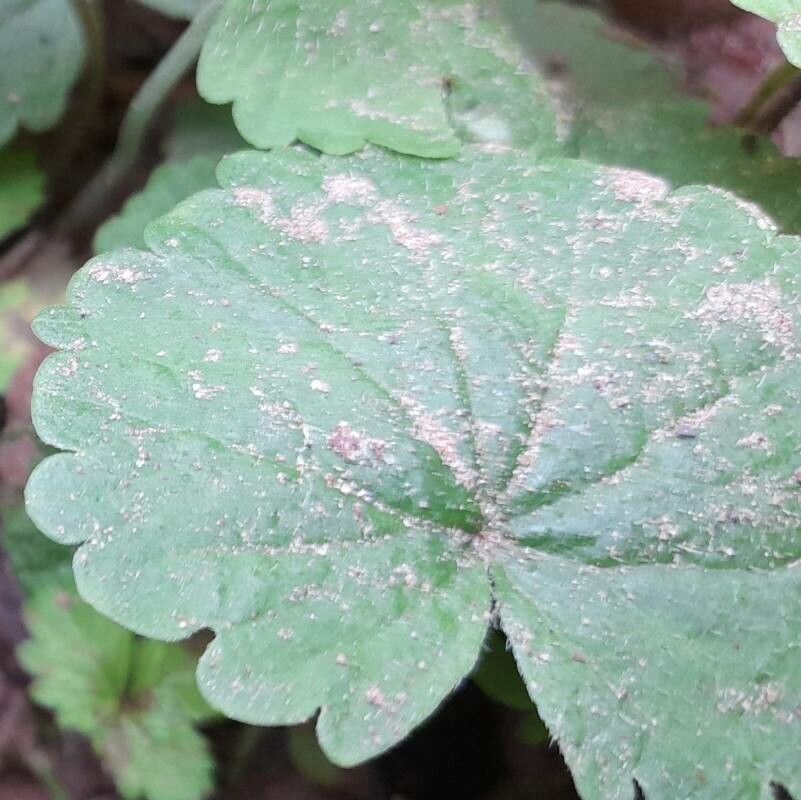
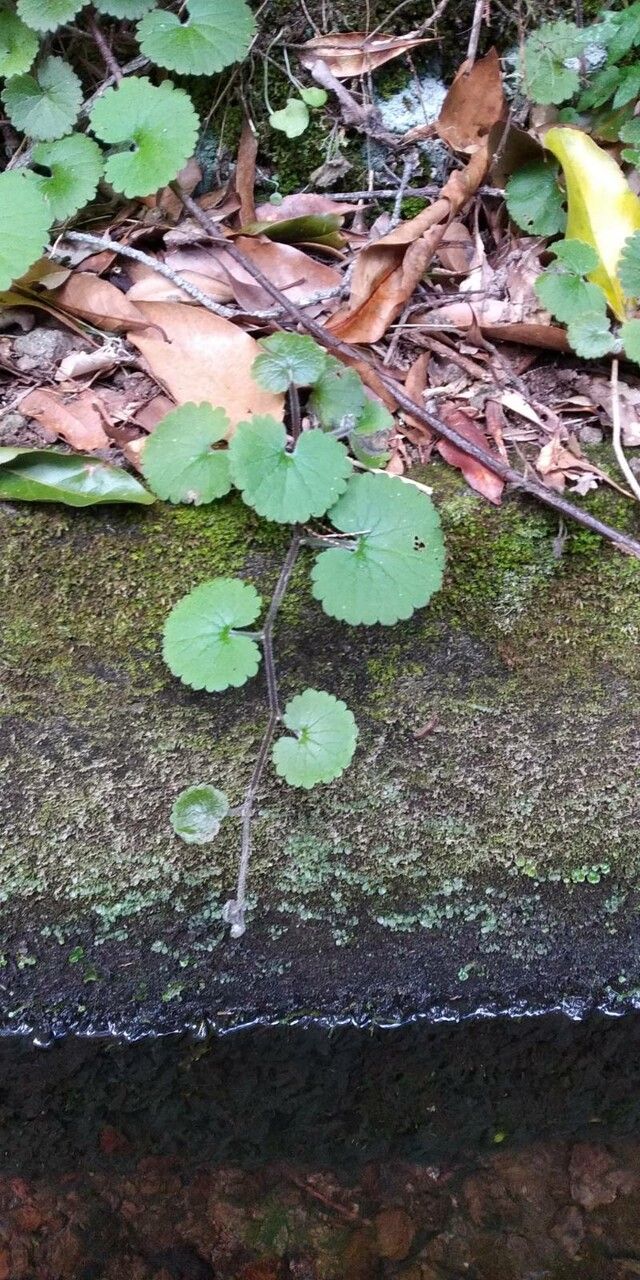
Sibthorpia europaea, commonly known as the European bellflower or Sibthorp's bellflower, is a small herbaceous plant belonging to the family Campanulaceae. It is native to Europe and thrives in a variety of habitats, including meadows, grasslands, and rocky slopes.
The plant features a slender stem that can reach up to 30 cm in height. Its leaves are narrow, lance-shaped, and edged with small teeth. The flowers, which can be either blue-violet or white, have five petals that are fused at the base to form a bell-like structure.
Blooming from June to August, the European bellflower attracts pollinators such as bees and butterflies with its nectar-rich flowers. In traditional medicine, Sibthorpia europaea has been valued for its anti-inflammatory properties.
Easy to grow, the European bellflower prefers well-drained soil and can thrive in both full sunlight and partial shade. It can be propagated by seeds or by dividing clumps during the spring or autumn.
Overall, Sibthorpia europaea is an attractive wildflower that enhances natural landscapes while providing ecological benefits to pollinators and other wildlife.
Cornish moneywort is fairly resistant to disease and generally does not suffer from illnesses. However, it can be vulnerable to pests and diseases found in its surroundings. These issues are usually mild. In terms of care, this plant needs moderate maintenance. It should be pruned regularly to keep a tidy appearance and encourage healthy growth. Fertilizing can also help stimulate flowering. Cornish moneywort is suitable for anyone with an outdoor area, such as a garden or patio, and does not require extensive gardening experience. It may need more attention when grown indoors.
How to keep Sibthorpia Europaea.
Light
Cornish moneywort is native to habitats like forest understories and rocky areas, where it grows in natural shade. It prefers partial sun but can tolerate full sun or full shade, showing its adaptable, hardy character.
Temperature
Cornish moneywort can adapt to a wide range of temperatures, but its distribution may nevertheless be restricted by various combinations of moisture and heat. It performs best in warm summer conditions with sufficient rainfall or watering. Extended periods of cloudy, rainy weather or prolonged high temperatures can raise the risk of Cornish moneywort dying. In winter, protecting the plant from cold can increase its chances of survival.
Fertilizer
Typically, a single spring application of fertilizer is enough for Cornish moneywort, though repeated feedings can enhance growth. Fertilize about once every month to a month and a half. Feeding improves the leaves’ appearance and function, maintaining even color and a healthy texture. It also promotes root development and nutrient uptake, supporting the plant’s long-term health.
Pruning
Cornish moneywort is a low-growing perennial with creeping stems and tiny leaves. Pruning in early spring helps remove dead growth and encourages a fuller shape, preventing the plant from becoming invasive. By focusing on trimming excessive growth, you can maintain a healthy and vigorous plant throughout the growing season.
Botanical profile.
- Plant Type
- Herb
- Life Cycle
- Perennial
- Genus
- Sibthorpia
- Family
- Plantaginaceae
- Hardiness Zone
- 7-9
- Mature Height
- 5 cm to 10 cm
- Mature Spread
- 30 cm to 61 cm
- Leaf Color
- Light Green, Forest Green
- Leaf Type
- Evergreen
- Flower Color
- Pink, White
- Flower Size
- 0.20 cm to 0.25 cm
- Bloom Time
- Summer, Early fall, Mid fall
- Planting Time
- Spring, Summer, Autumn
- Harvest Time
- Late summer, Fall, Early winter
- Native Area
- Zambia, Rwanda, Greece, Kenya, Uganda, Tanzania, Zimbabwe, Spain, Equatorial Guinea, Cameroon, Mozambique, France, Ethiopia, Ireland, United Kingdom, Congo (DRC), Portugal
Other names.