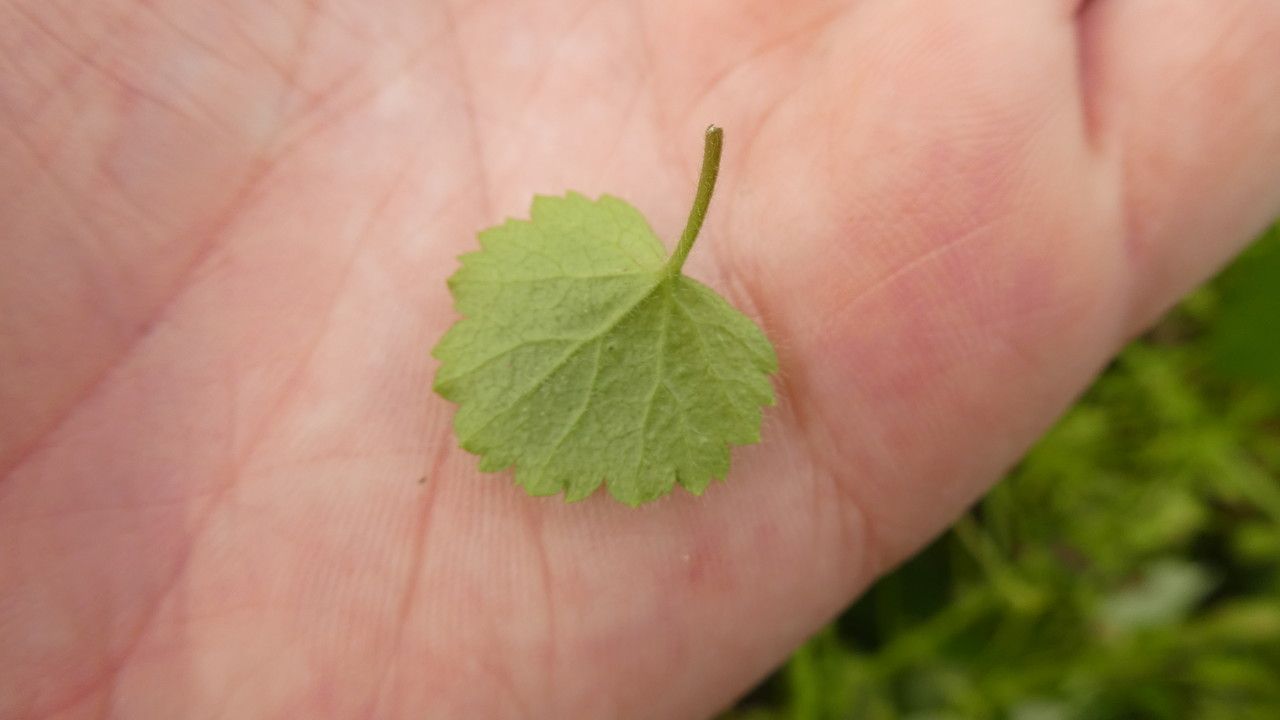
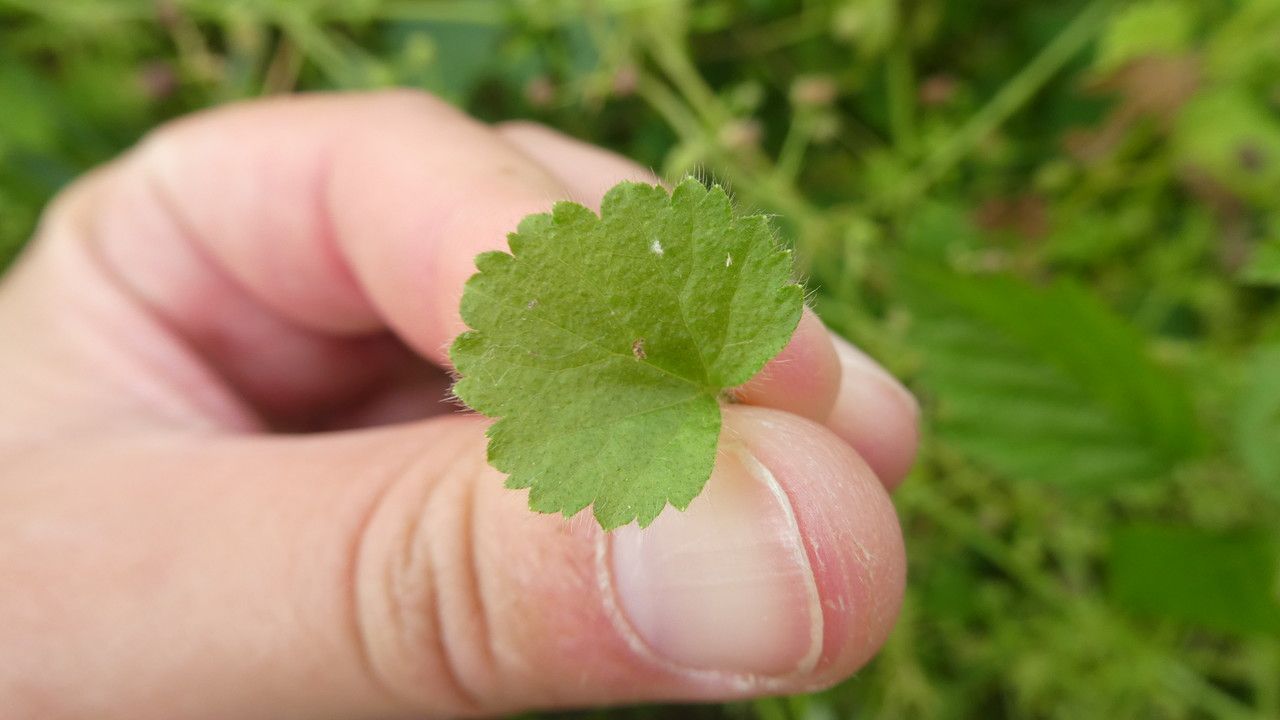
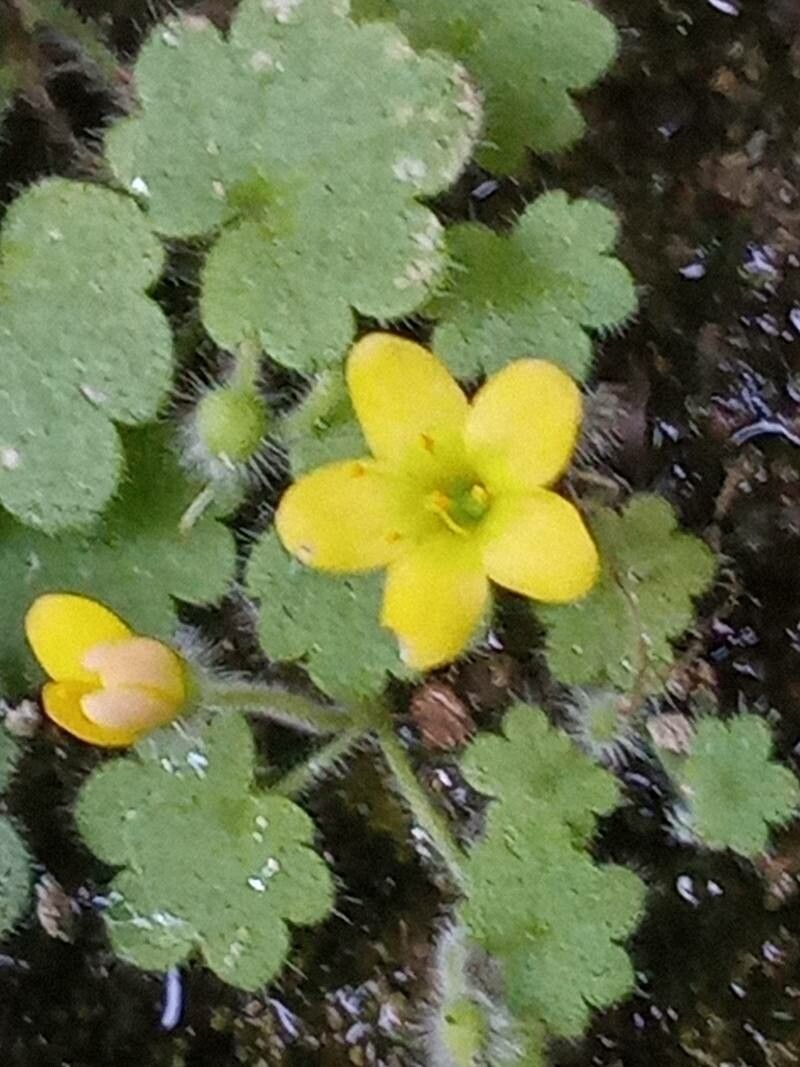
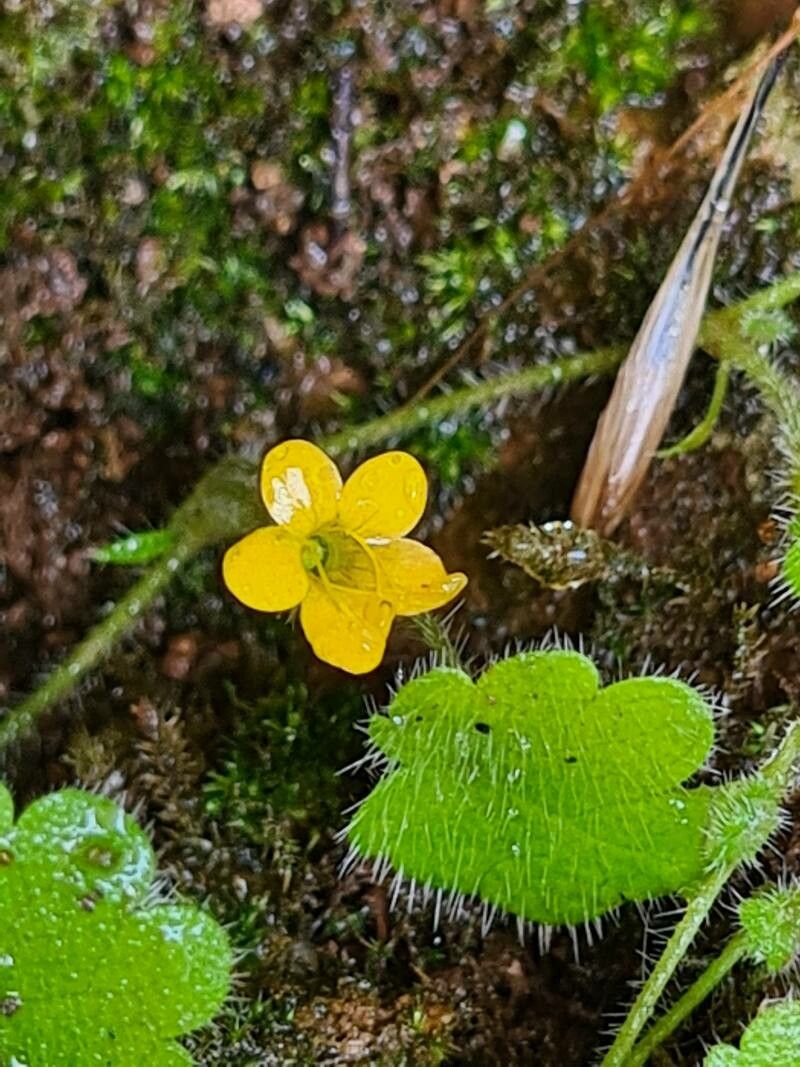
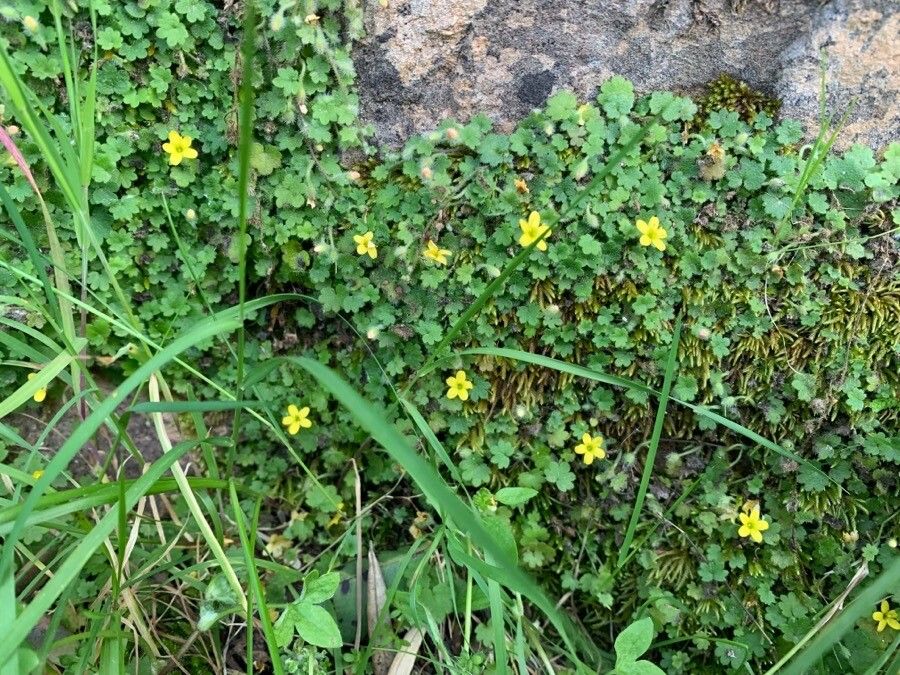
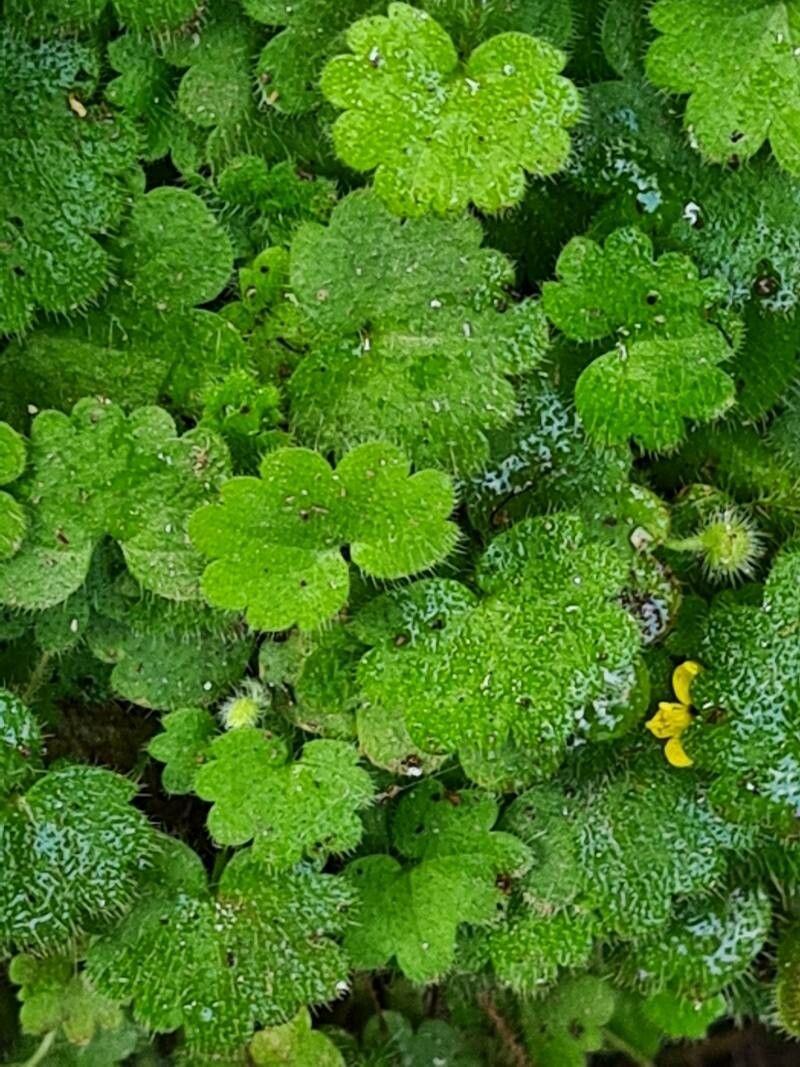
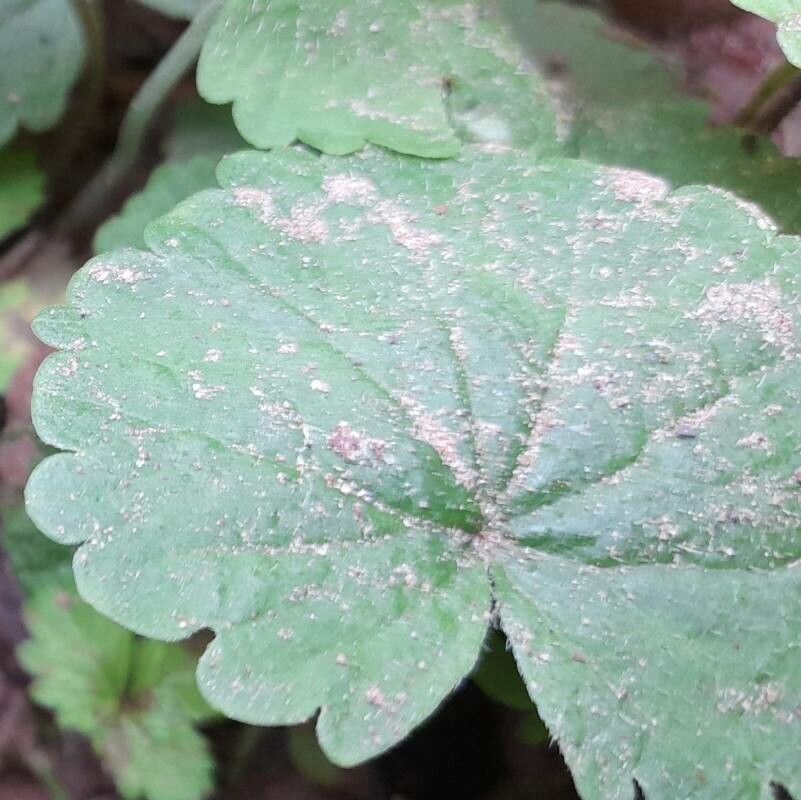
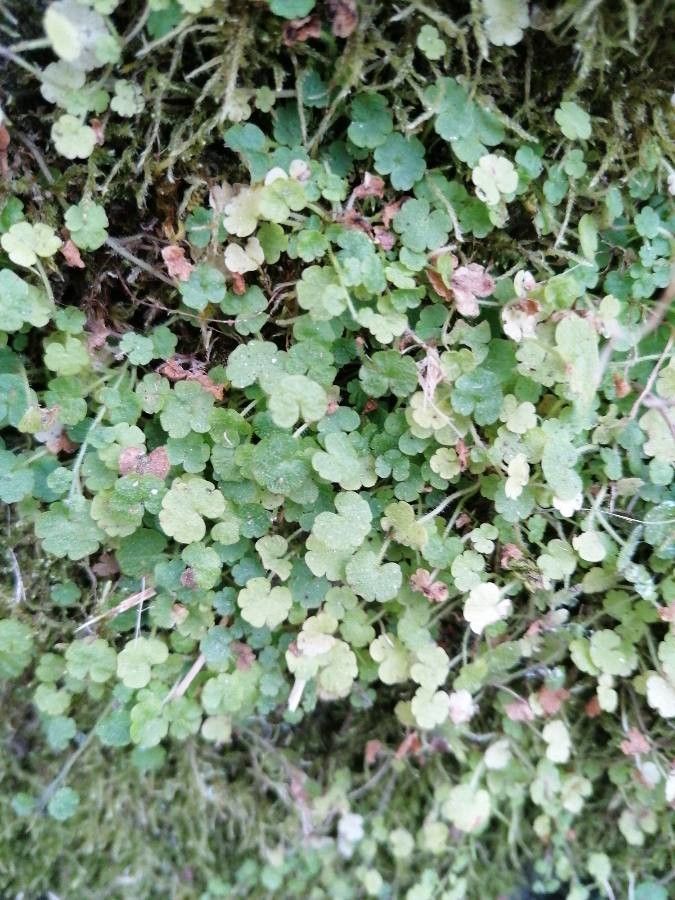
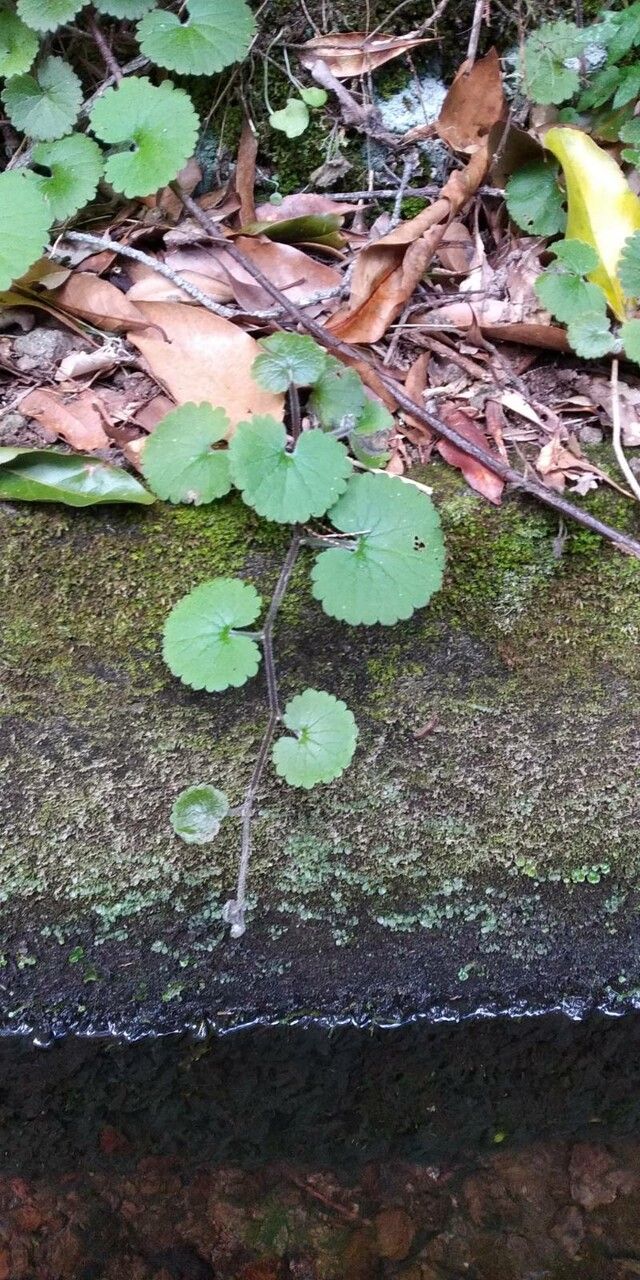
Sibthorpia africana has strong resistance to disease and is generally not prone to illnesses. However, it can be affected by pests and diseases present in its surroundings. These problems are typically not serious. For care, this plant requires moderate maintenance. It should be pruned regularly to keep a good appearance and encourage healthy growth. Fertilizing can also help boost flowering. Sibthorpia africana is suitable for anyone with an outdoor area, such as a garden or patio, and does not need extensive gardening experience. It may demand more attention when grown indoors.
How to keep Sibthorpia Africana.
Light
Sibthorpia africana is native to habitats such as forest understories and rocky areas, where it occurs in naturally shaded conditions. It prefers partial sun but can tolerate full sun or full shade, reflecting its adaptable and hardy nature.
Water
Sibthorpia africana, native to moist environments, needs regular watering about once a week to stay healthy. It thrives in temperate zones, where its growth aligns with seasonal rainfall patterns, and requires less attention during wet seasons. Its water requirements are moderate, as it is neither drought-tolerant nor excessively needy for hydration.
Fertilizer
Usually one spring application of fertilizer is enough for Sibthorpia africana, though repeated feedings can boost growth. Fertilize once every month to a month and a half. Feeding improves the leaves' appearance and function, helping maintain even color and a healthy texture. It also promotes root development and nutrient uptake, supporting the plant's long-term health.
Pruning
To improve the growth and shape of Sibthorpia africana, prune it from early to late spring. Use clean shears to remove dead stems and trim any long vines. Regular pruning promotes healthy foliage and flowering. It's best to avoid pruning in late fall or winter to minimize stress on the plant.
Botanical profile.
- Plant Type
- Herb
- Life Cycle
- Perennial
- Genus
- Sibthorpia
- Family
- Plantaginaceae
- Leaf Type
- Deciduous