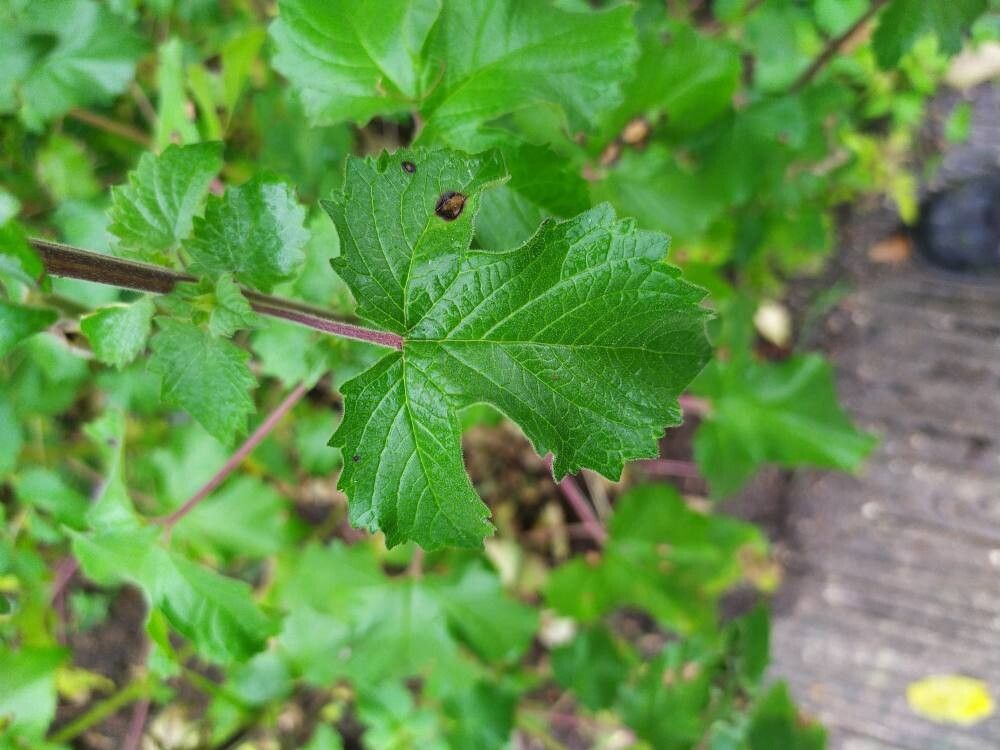
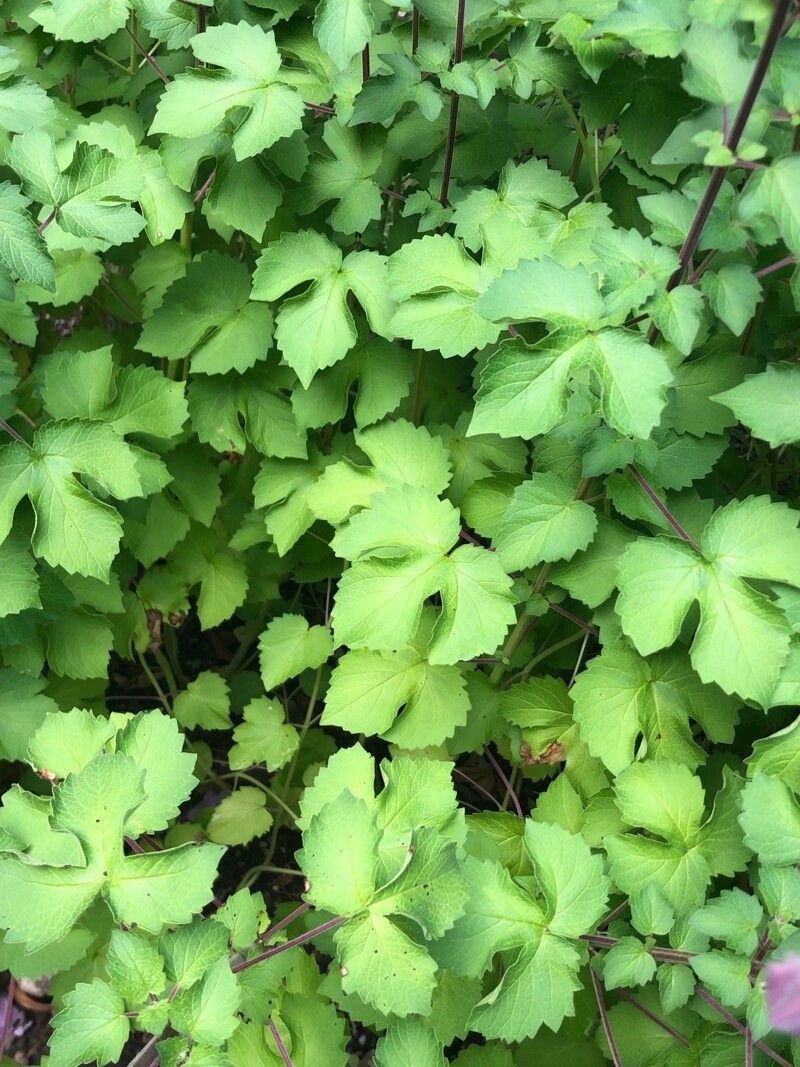
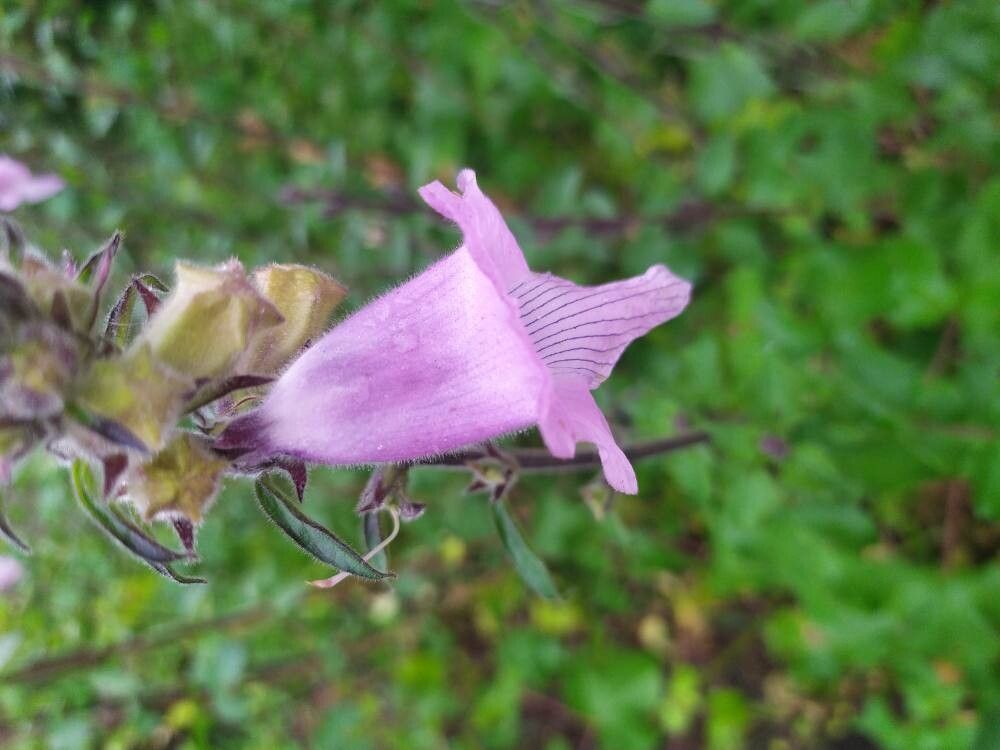
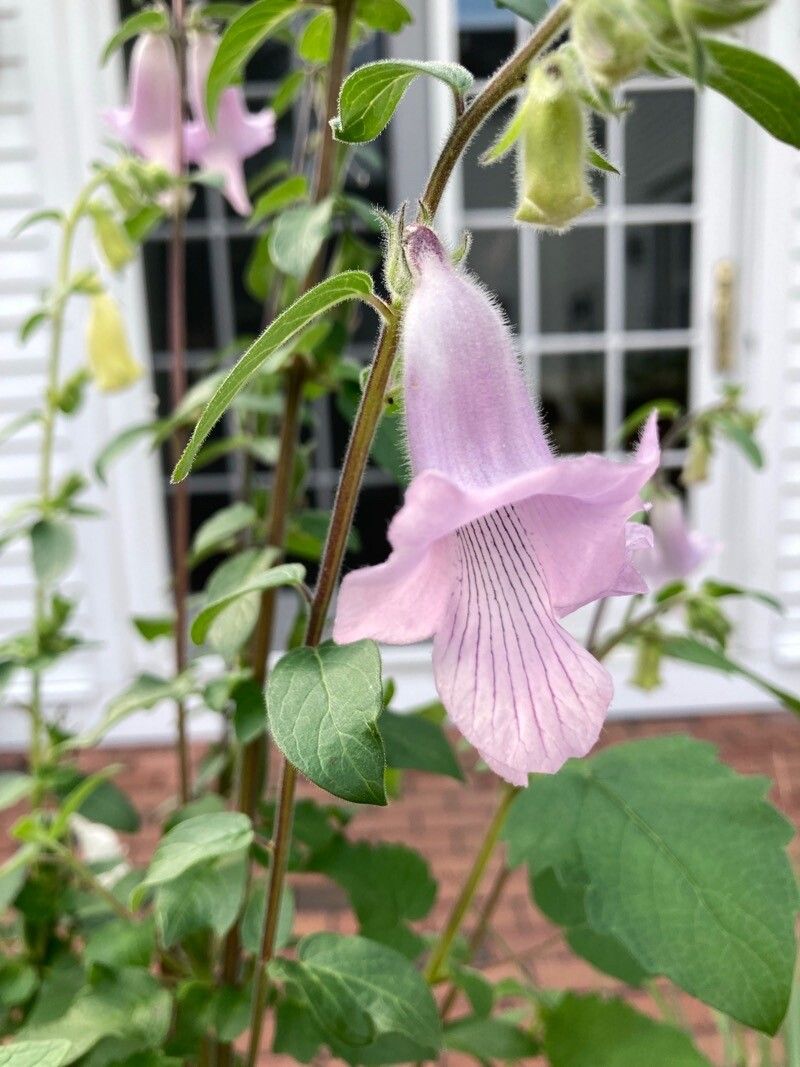
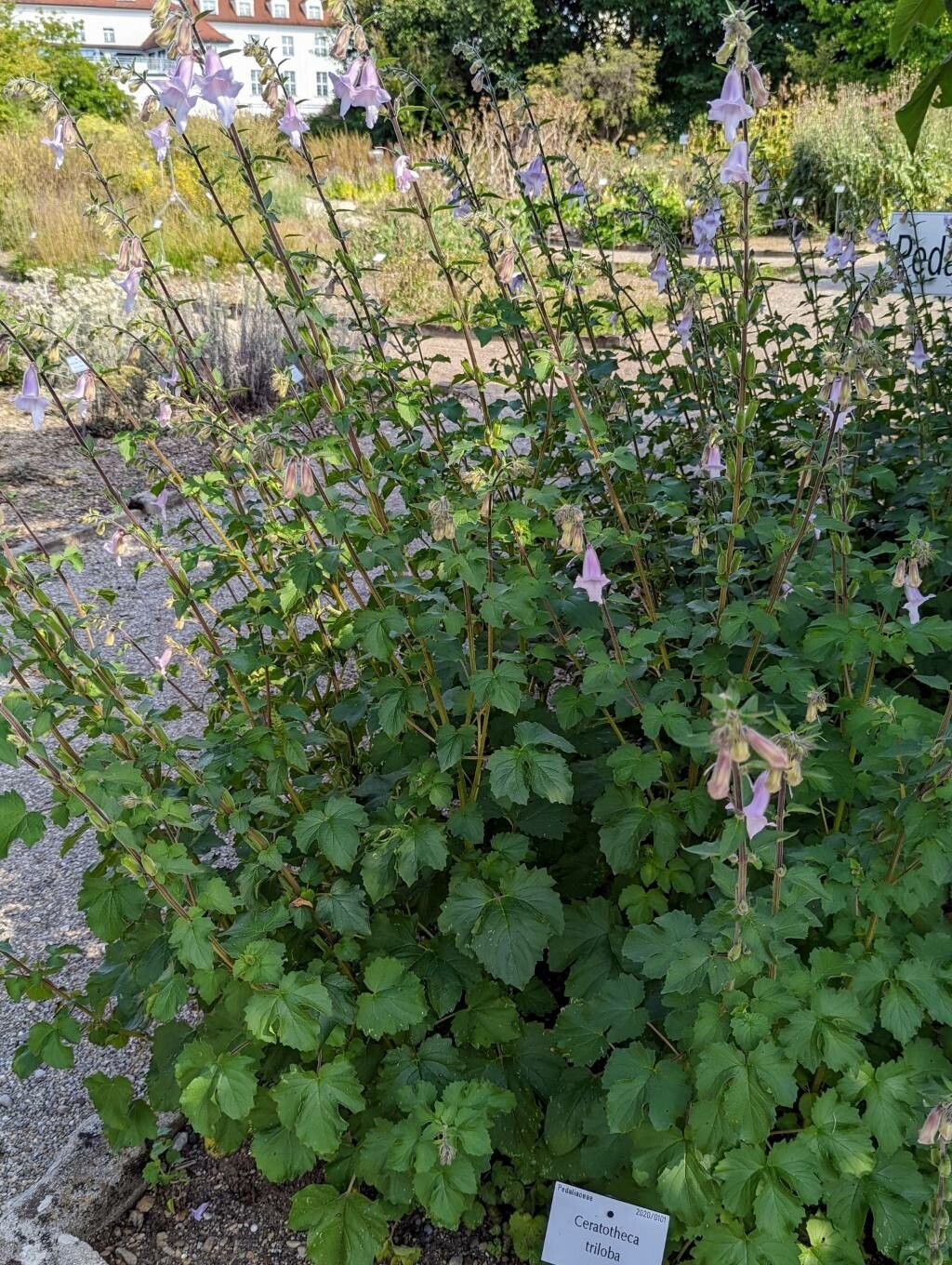
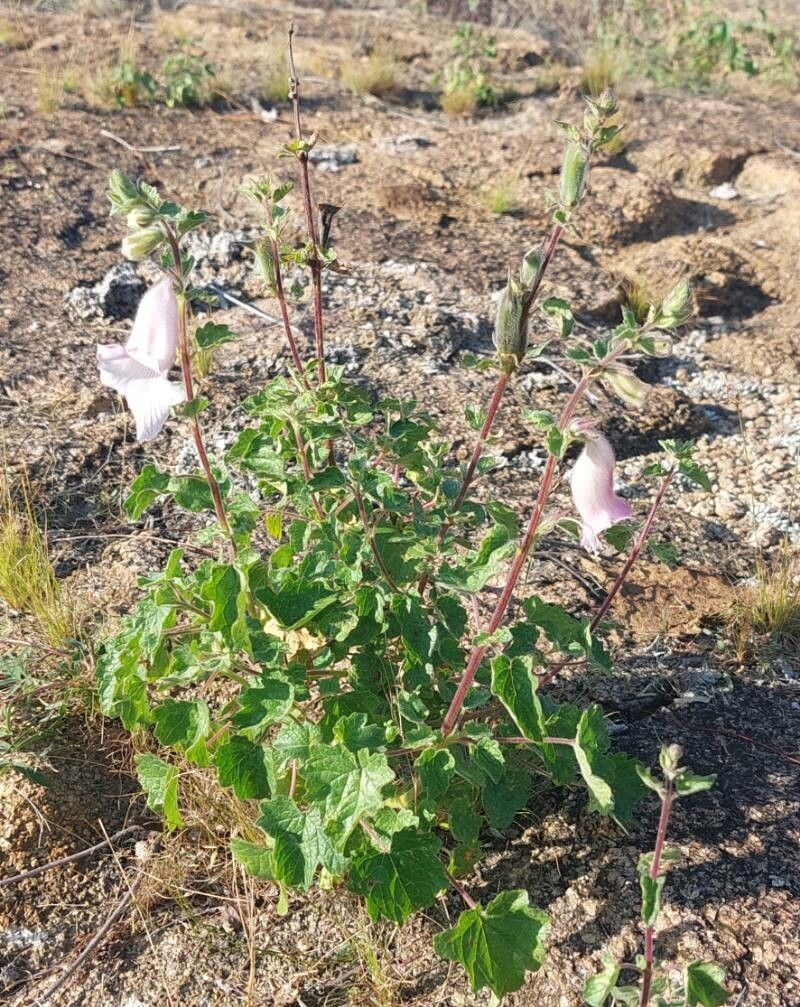
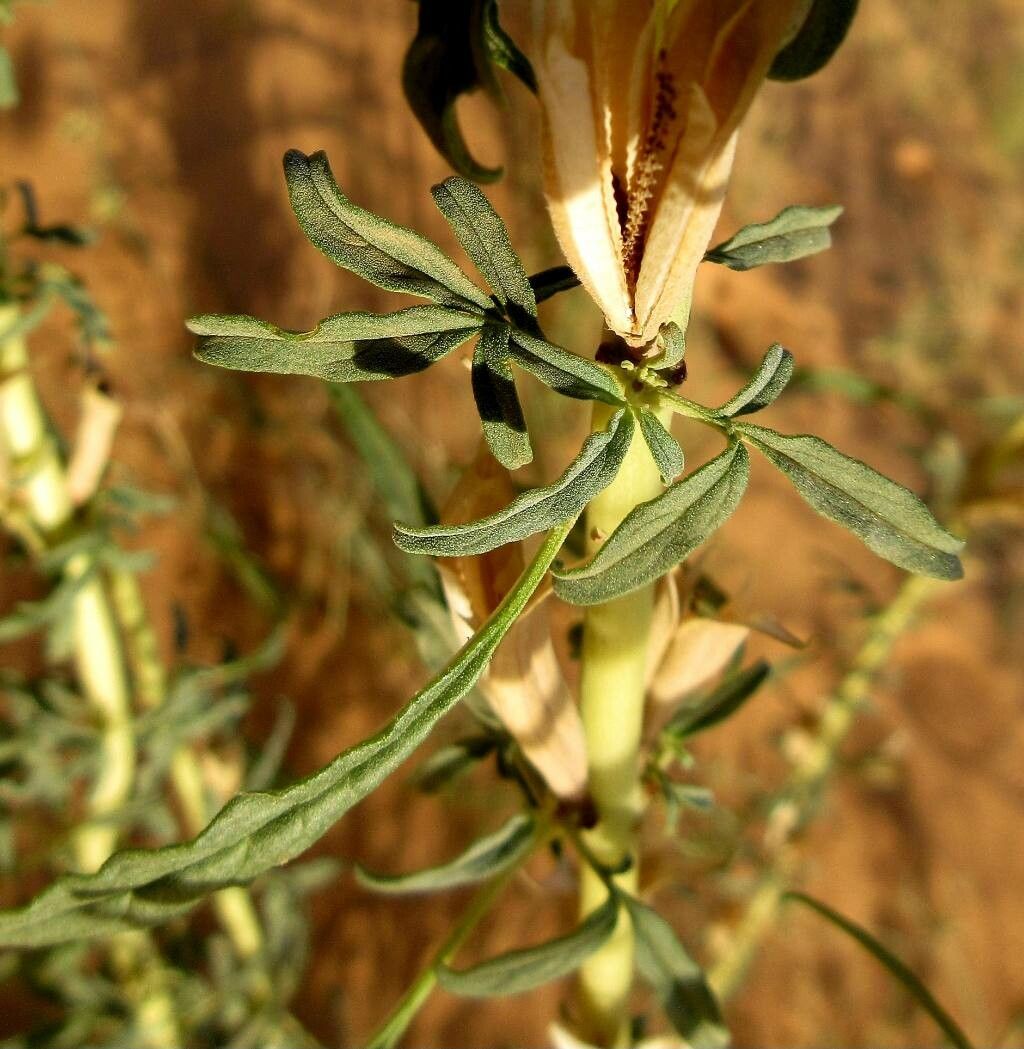
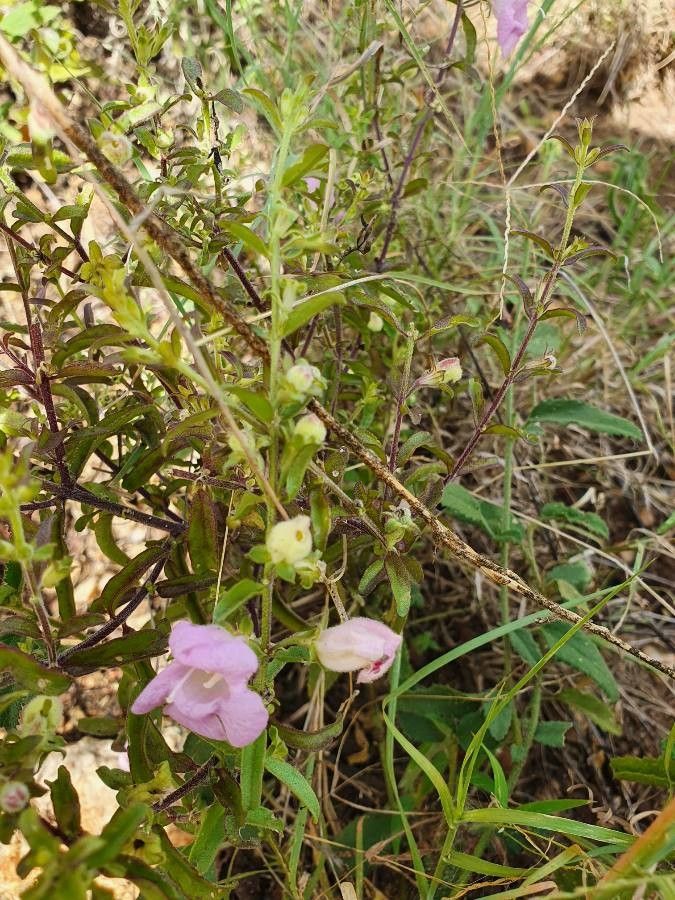
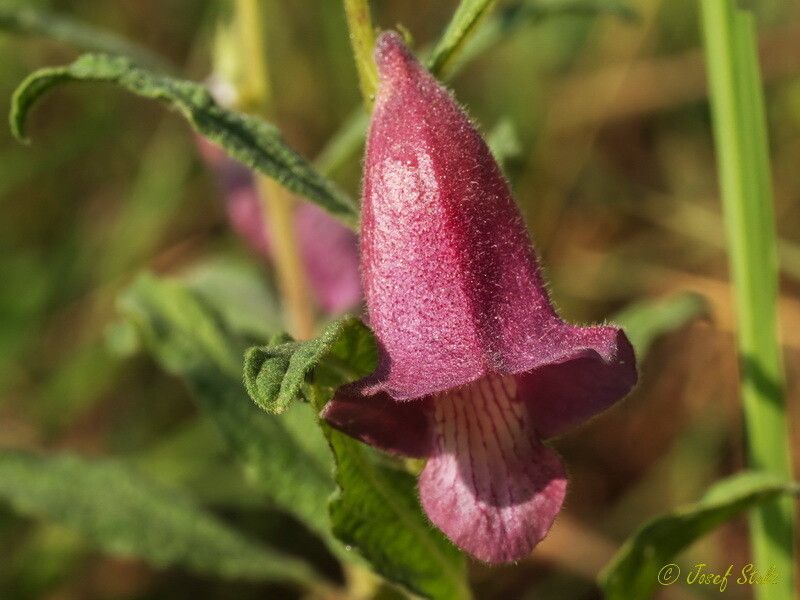
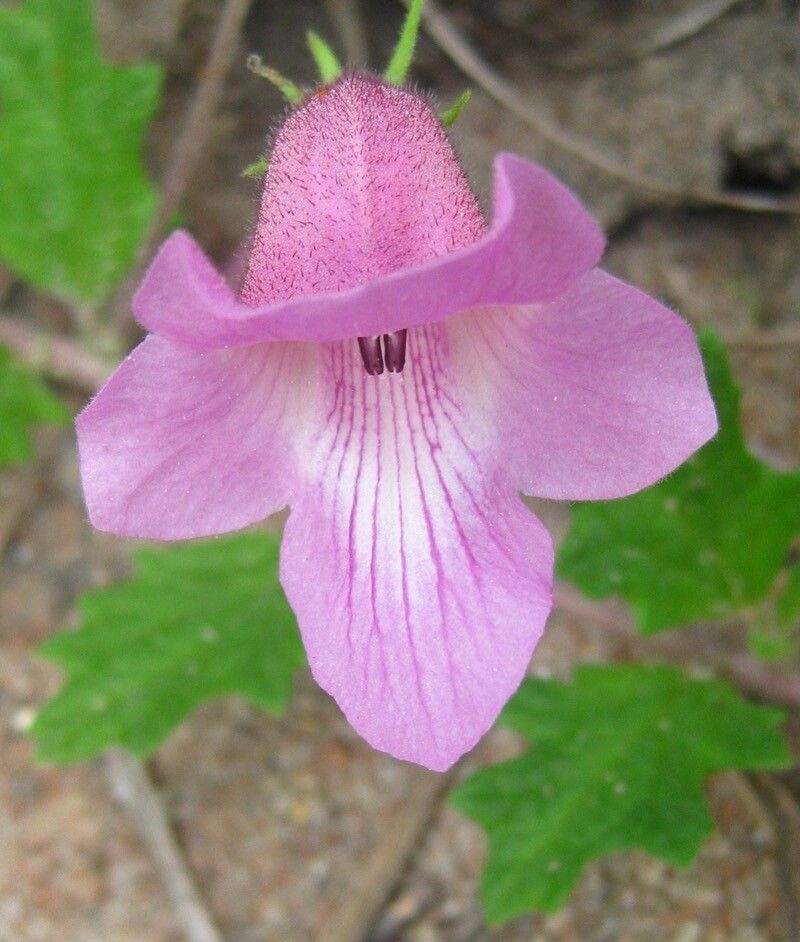
Wild foxglove is fairly disease-resistant and usually not prone to illness. Nonetheless, it can be affected by pests and diseases present in its environment. Such infections are generally mild. Care-wise, the plant needs moderate attention. Regular pruning is necessary to preserve a neat appearance and support healthy growth. Fertilizing can also help encourage flowering. Wild foxglove is appropriate for anyone with outdoor space, like a garden or patio, and does not require extensive care experience. It may need more attention when cultivated indoors.
How to keep Sesamum Trilobum.
Light
Wild foxglove needs a substantial amount of sunlight to grow well. In its native environment it thrives beneath open skies where sunlight is plentiful. Insufficient light can cause poor growth, while excessive exposure does not harm it.
Temperature
Wild foxglove is a plant that prospers in its native habitat when temperatures range from 68 to 100°F (20 to 38℃). When seasons change, modify the climate accordingly, making sure it corresponds to its natural growth temperature.
Fertilizer
Once Wild foxglove has opened most of its blooms to full size, it's time to resume fertilizing. Around the time the blooms are at peak production, begin fertilizing again every three to four weeks, weather permitting. Then, after Wild foxglove starts producing fewer new blooms, stop fertilizing; there is no need to feed the plant when it can no longer produce more blooms.
Botanical profile.
- Plant Type
- Herb
- Life Cycle
- Annual, Biennial, Perennial
- Genus
- Sesamum
- Family
- Pedaliaceae
- Hardiness Zone
- 9-11
- Mature Height
- 1.37 m
- Mature Spread
- 61 cm
- Leaf Color
- Green
- Leaf Type
- Semi-evergreen
- Flower Color
- Pink, White
- Flower Size
- 5.08 cm
- Bloom Time
- Summer, Early fall, Mid fall
- Planting Time
- Spring
- Harvest Time
- Late summer, Fall, Early winter