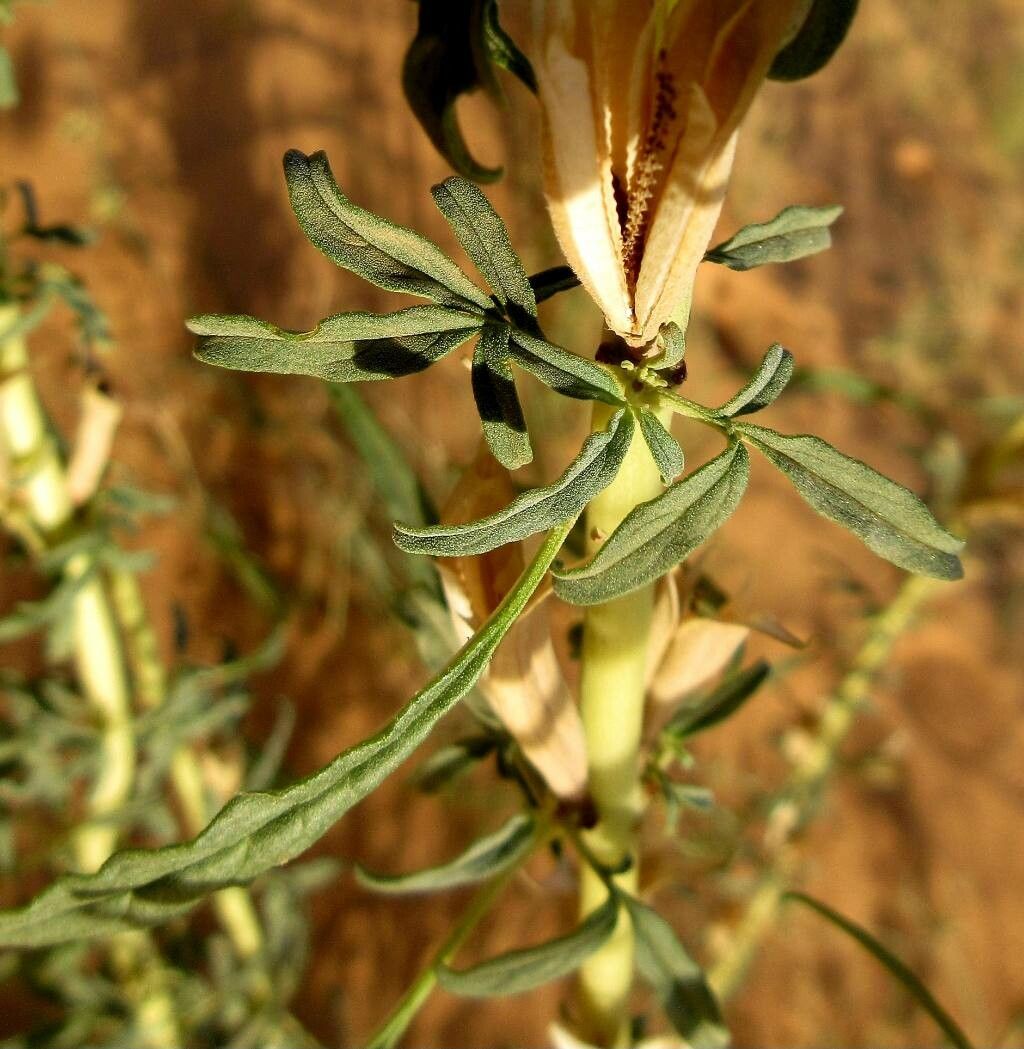
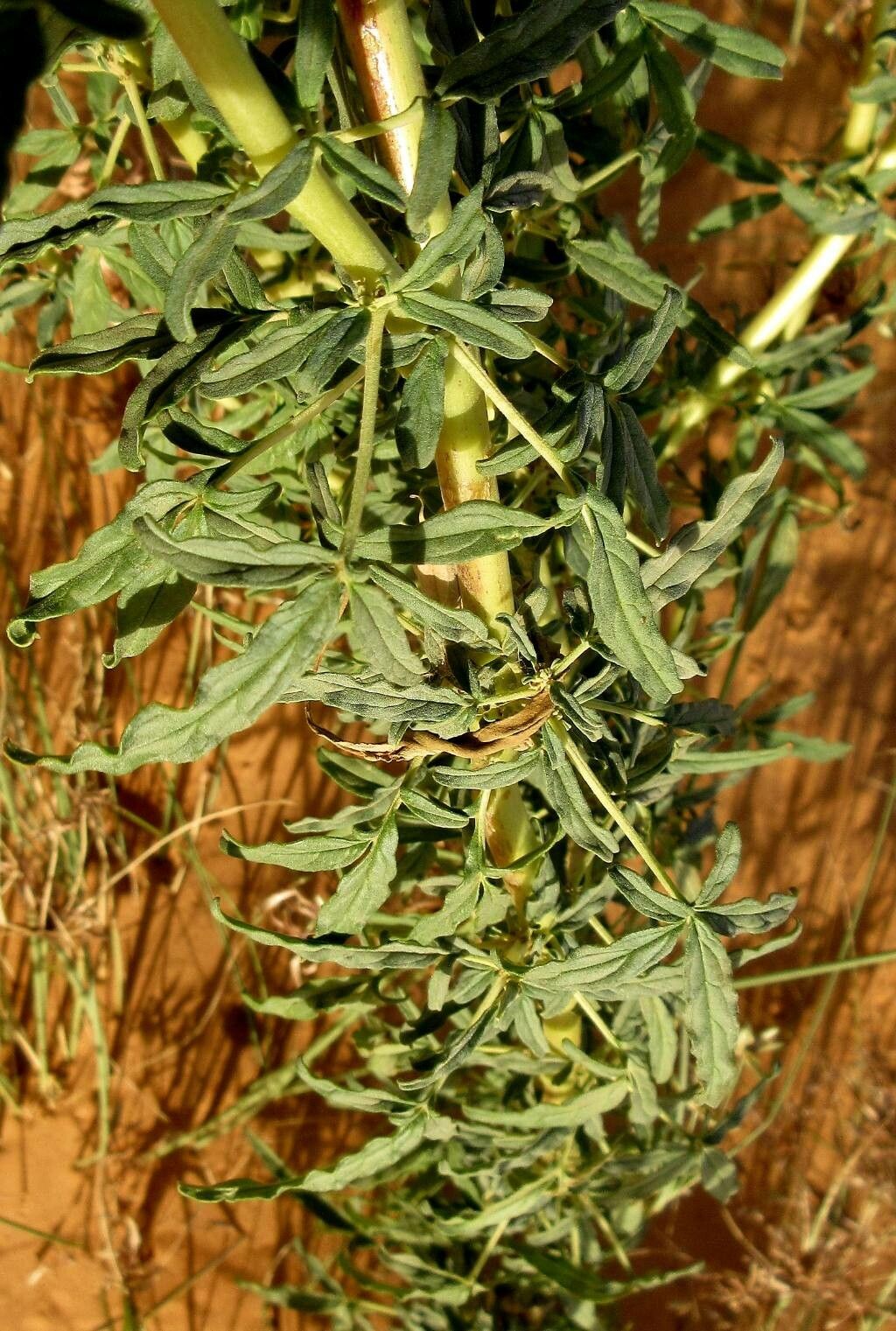
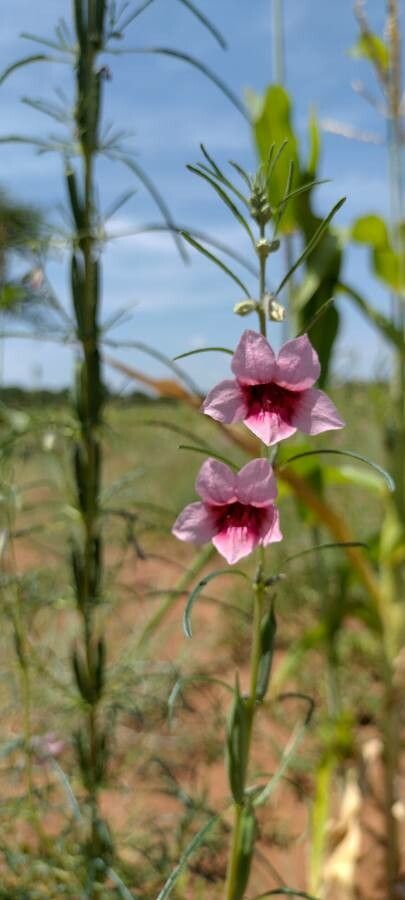
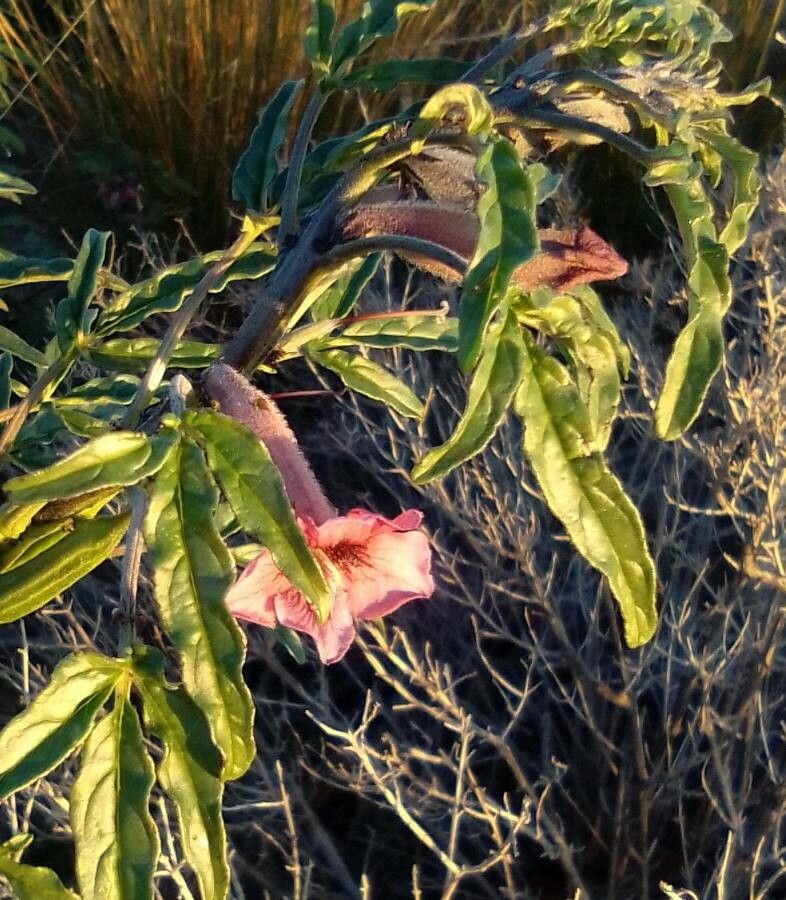
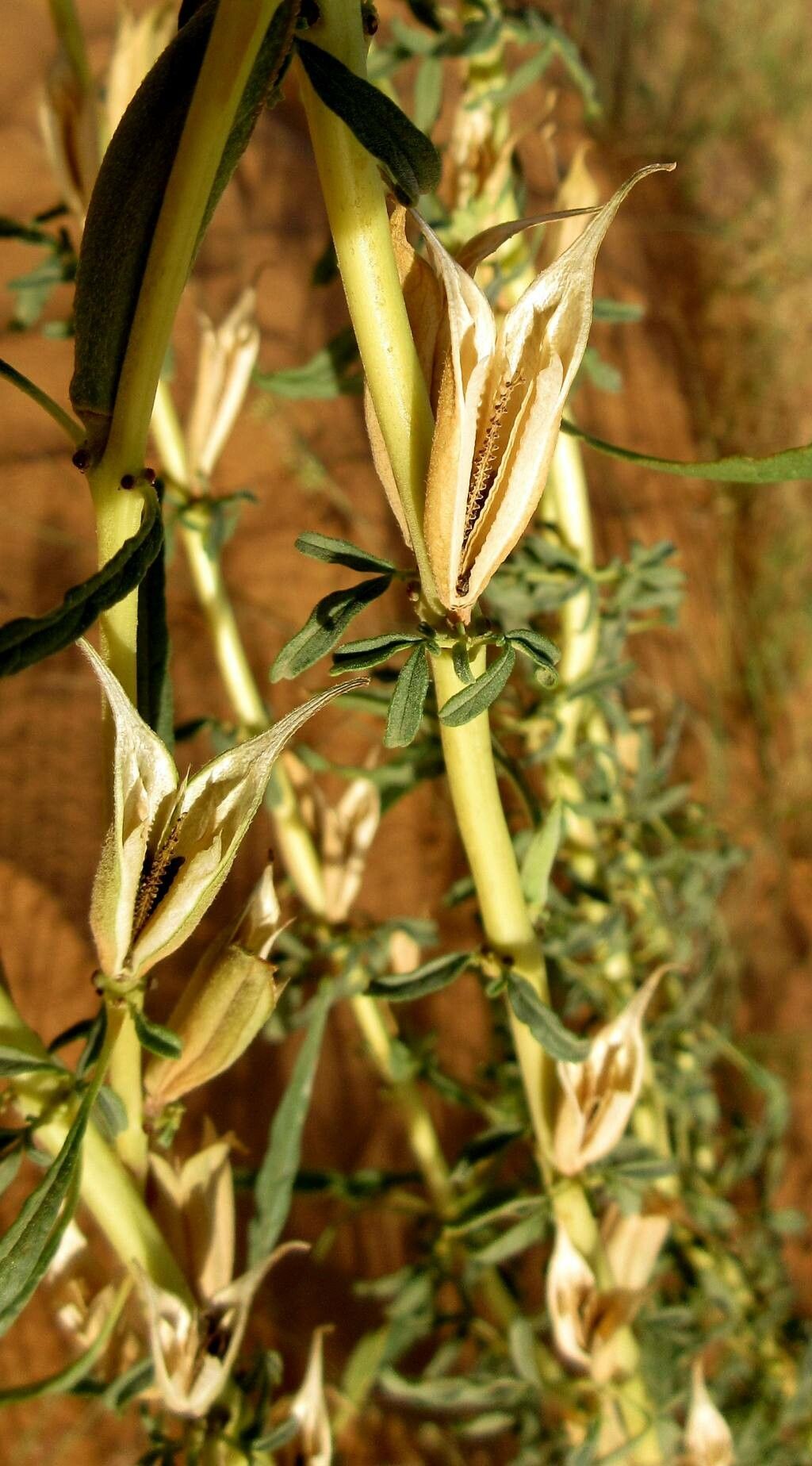
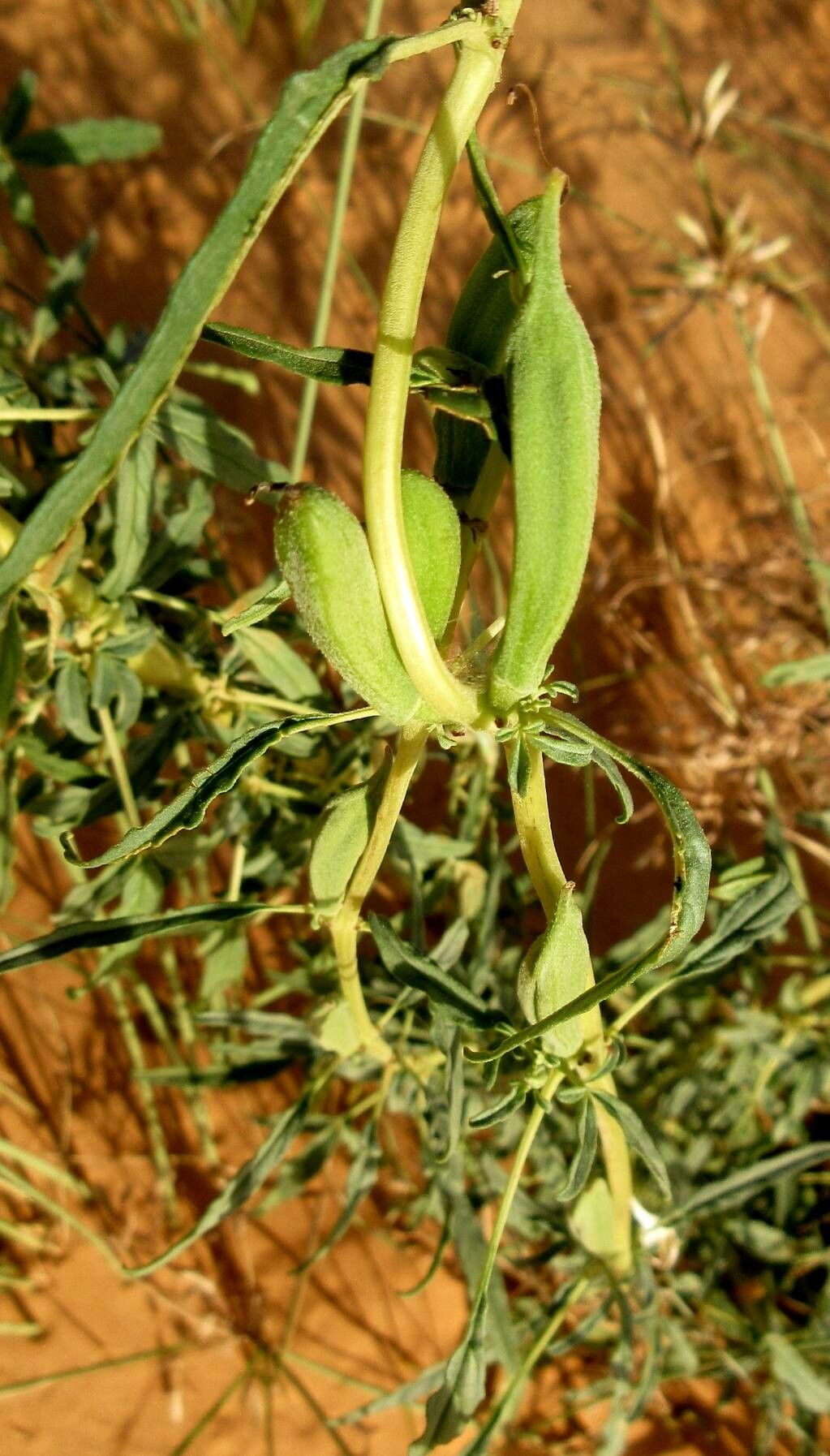
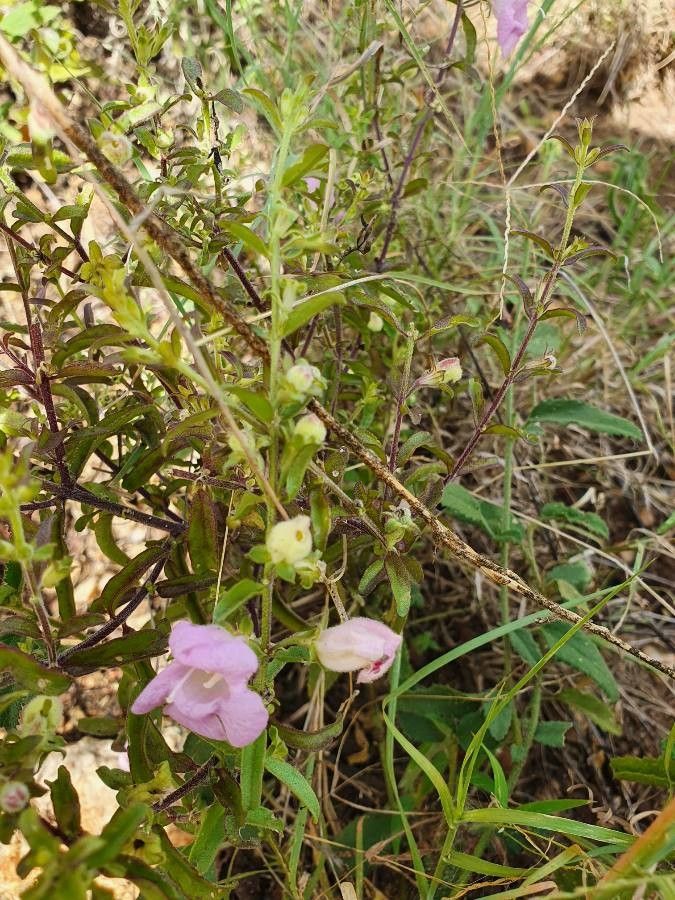
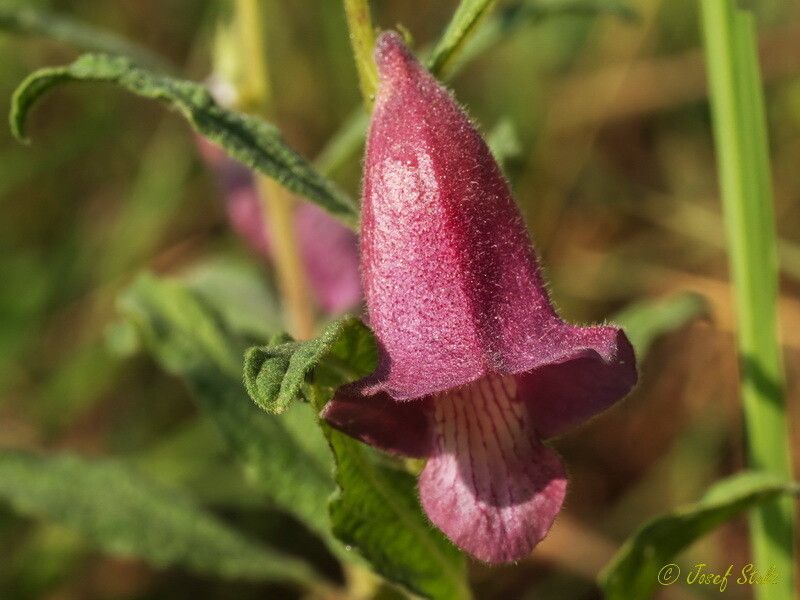
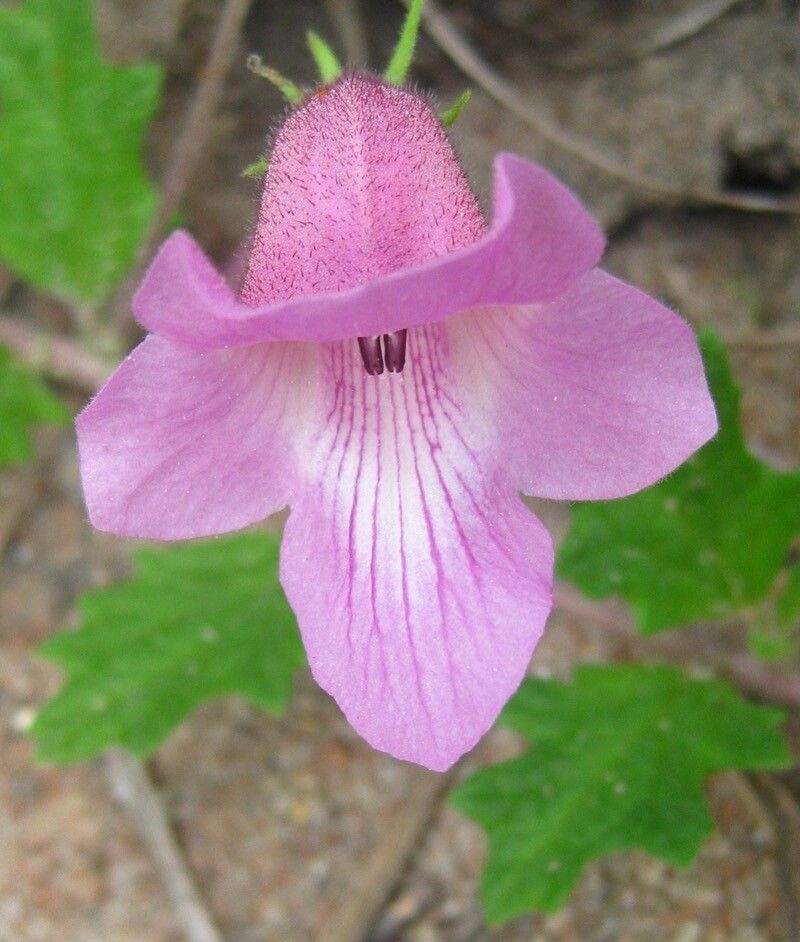
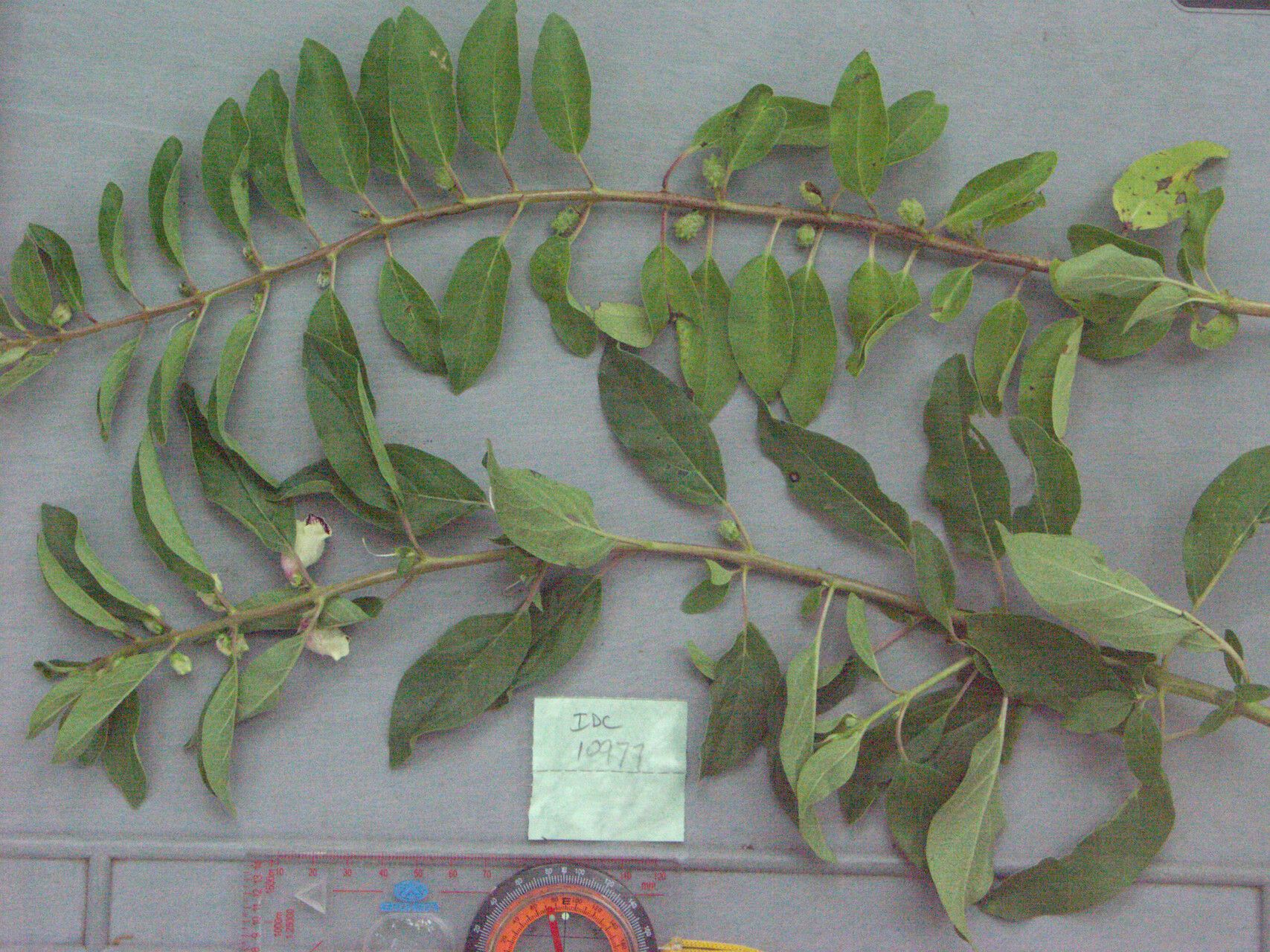
Sesamum alatum, commonly known as wild sesame or African sesame, is a flowering plant species within the Pedaliaceae family. Native to Africa, it is found in regions such as Ethiopia, Sudan, and Tanzania. The plant can grow up to 1 meter tall, featuring a woody stem with branches that bear leaves with serrated edges.
The flowers of Sesamum alatum are small and range in color from white to pink. They bloom during the summer months and are followed by elongated seed pods that contain numerous small seeds. These seeds are edible and have been used for centuries in traditional African cuisine due to their rich, nutty flavor.
Sesamum alatum is also known for its medicinal properties. The leaves of the plant have been utilized to treat various ailments, including fever, coughs, diarrhea, dysentery, and skin infections. The seeds contain high levels of antioxidants, which help protect against oxidative stress.
The wild sesame plant thrives in hot climates with well-drained soil but can also tolerate drought conditions once established. Due to its high oil content, which is extracted from its seeds, it has become an important crop for farmers.
Overall, Sesamum alatum is a significant species both culturally and economically. Its culinary uses and medicinal properties make it a valuable addition not only within Africa but globally as well.
Sesamum shows good resistance to disease and is generally not very susceptible to illnesses. Nevertheless, it can be affected by pests and diseases present in its environment; such infections are typically mild. Regarding care, the plant needs a moderate amount of maintenance. It should be pruned regularly to preserve a neat appearance and healthy growth. Applying fertilizer can also encourage flowering. Sesamum is well suited to anyone with outdoor space, like a garden or patio, and does not require extensive prior care experience. It may need more attention if grown indoors.
How to keep Sesamum Alatum.
Light
Sesamum comes from bright, open habitats where it performs best in full sun. It can tolerate partial sun but favors direct sunlight for optimal growth. This plant, which may be annual or biennial, is known for its sun-loving character.
Temperature
Sesamum comes from tropical areas where the climate is generally warm and humid. Therefore it is well suited to high heat and moisture. It does not tolerate sudden temperature changes and prefers a stable thermal environment, so avoiding indoor temperature fluctuations is important. It usually cannot withstand cold conditions and needs higher temperatures to grow. If the surrounding temperature falls too low, the plant may stop growing or even die.
Fertilizer
Sesamum benefits from frequent, weak doses of fertilizer to encourage healthy leaf growth. You should fertilize Sesamum about once a month during the summer months. Nitrogen is essential for foliage, and supplementing with nitrogen-rich sources helps Sesamum thrive.
Pruning
Sesamum plants have distinctive foliage and seed pods. To maintain a healthy plant, prune it from early to late spring by removing any dead branches and thinning out areas that are too crowded to improve air circulation. Pinching back new growth encourages the plant to become fuller, which enhances its overall health, promotes flowering, and reduces the risk of disease, ensuring a thriving sesamum.
Botanical profile.
- Plant Type
- Herb
- Life Cycle
- Annual
- Genus
- Sesamum
- Family
- Pedaliaceae
- Hardiness Zone
- 9-11
- Mature Height
- 49 cm to 91 cm
- Mature Spread
- 30 cm to 49 cm
- Leaf Color
- Green
- Leaf Type
- Deciduous
- Flower Color
- White
- Flower Size
- 2.03 cm to 3.05 cm
- Bloom Time
- Summer, Early fall, Mid fall
- Planting Time
- Spring, Summer
- Harvest Time
- Late summer, Fall, Early winter
- Native Area
- Burkina Faso, Egypt, Angola, Namibia, South Africa, Zambia, Sudan, Mauritania, Nigeria, Guinea, Kenya, Zimbabwe, Benin, Mali, Chad, Cameroon, Mozambique, Ghana, Senegal, Ethiopia, Eswatini, Botswana
Other names.