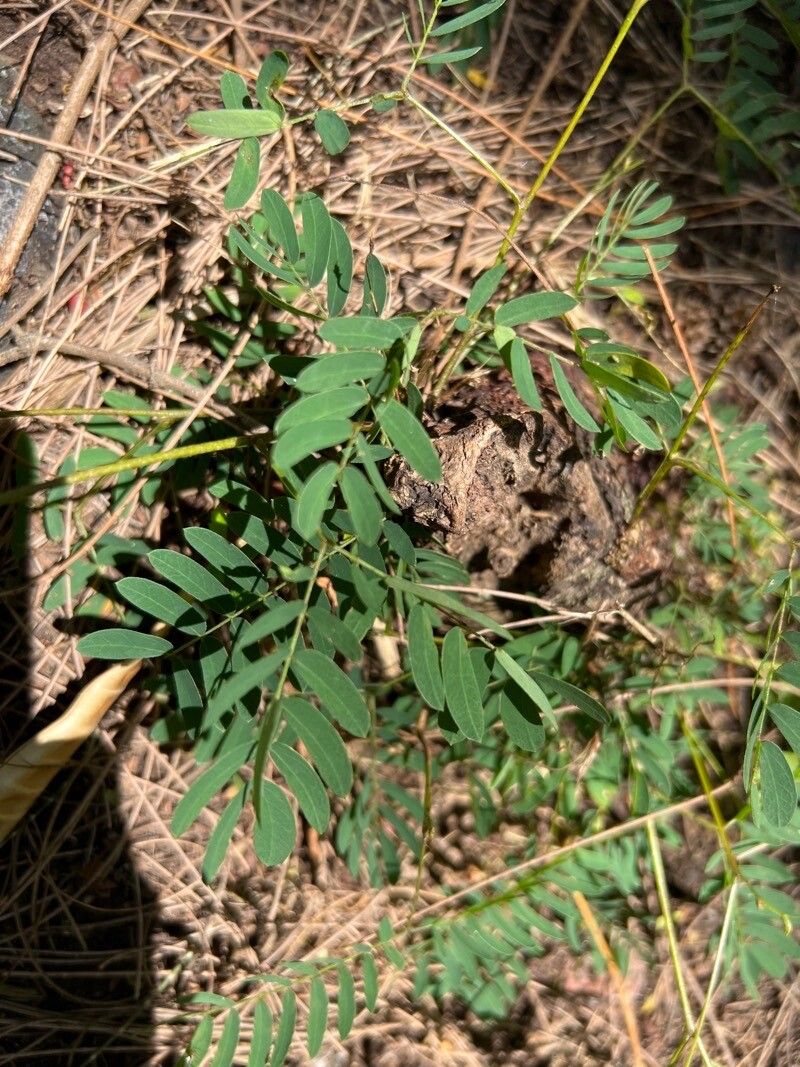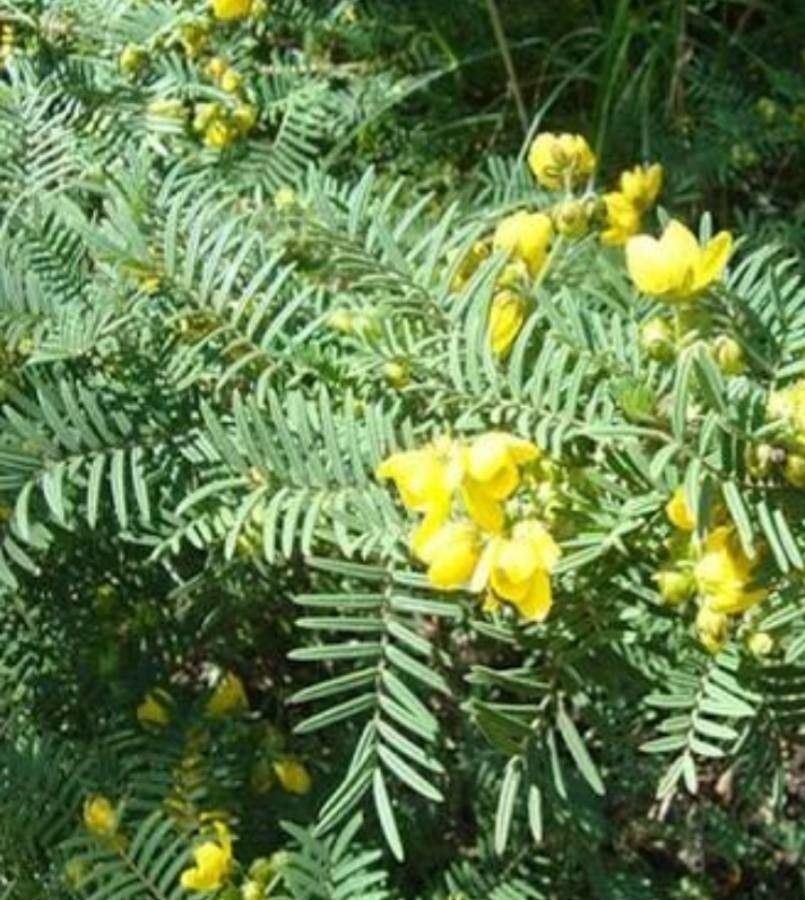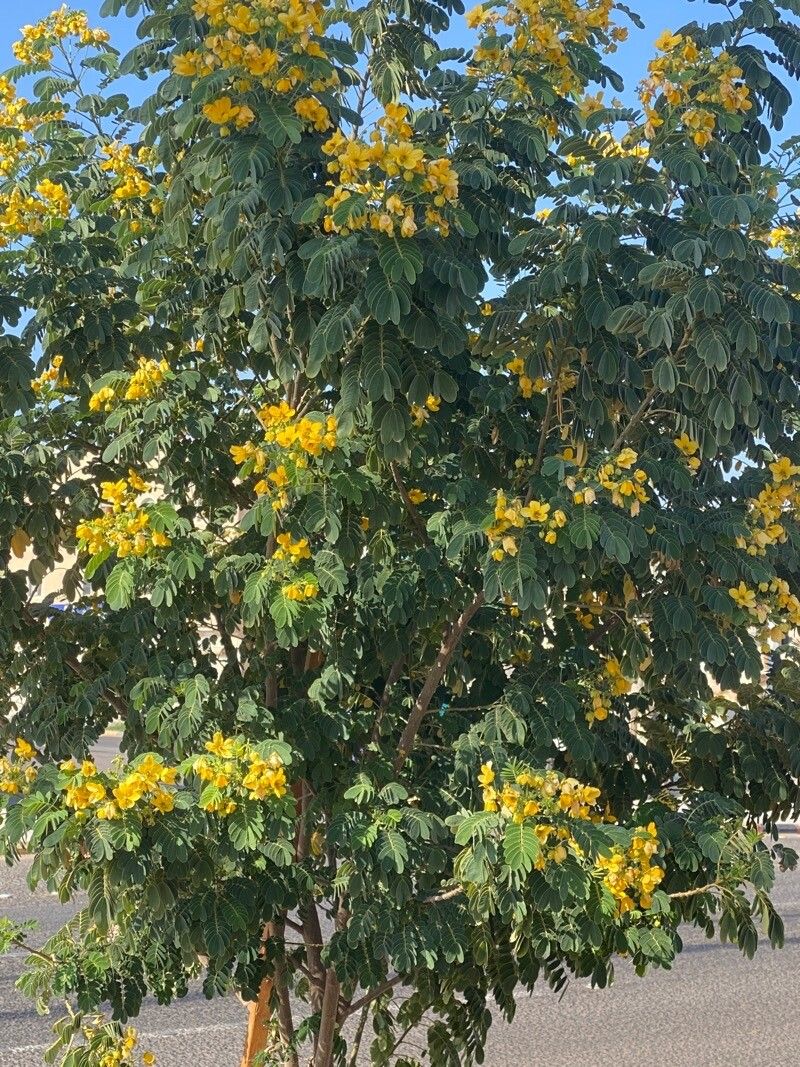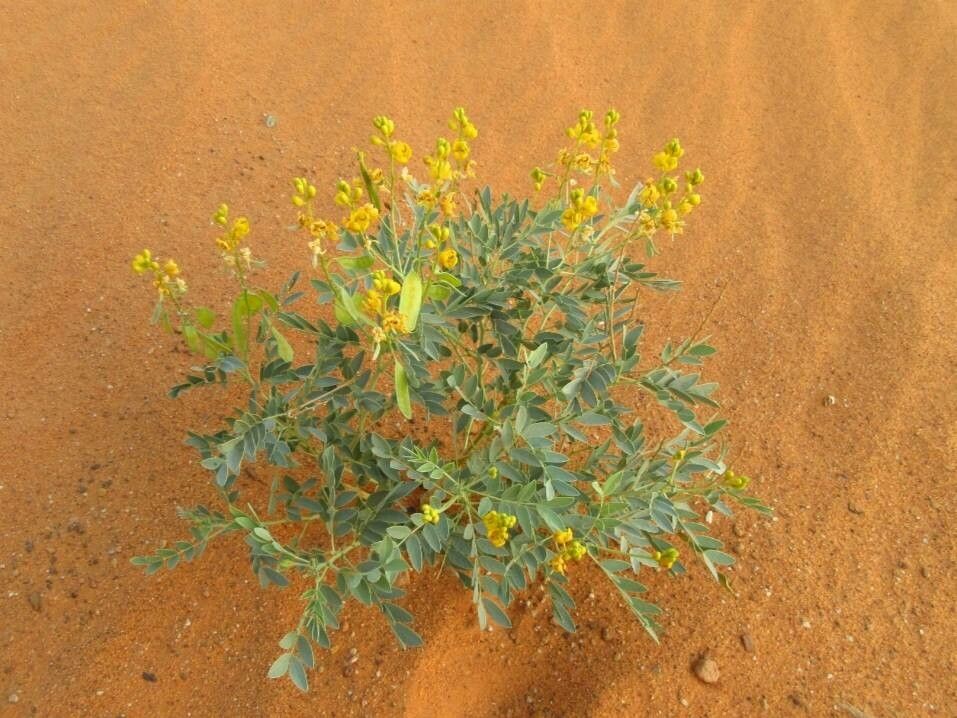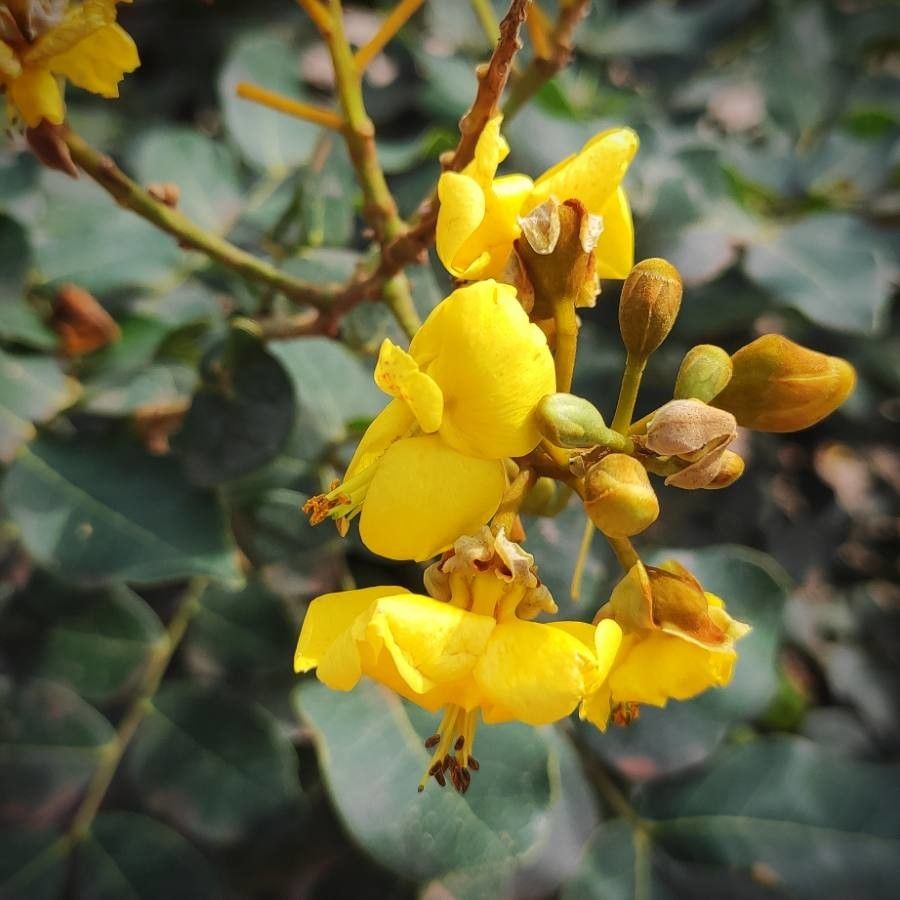
Senna uniflora, the oneleaf senna, is a species of flowering plant in the family Fabaceae. It is native to Mexico, Central America, the Caribbean, Colombia, Venezuela, and most of Brazil, and has been introduced to India, Mauritius, and Réunion. Although it is somewhat weedy and invasive, it is used to out-compete the pernicious weed Parthenium hysterophorus.
Oneleaf senna has strong disease resistance and is generally not prone to illnesses. Still, it can be vulnerable to pests and diseases present in its environment. These outbreaks are usually not serious. Regarding care, this plant needs a moderate amount of maintenance. It requires regular pruning to keep a neat appearance and support healthy growth. Fertilizing can also help encourage flowering. Oneleaf senna is suitable for anyone with outdoor space, such as a garden or patio, and does not demand extensive care experience. It may need more attention when grown indoors.
How to keep Senna Uniflora.
Light
Oneleaf senna is a perennial herbaceous plant that prefers sunny locations and originates from open habitats, commonly growing in meadows and grasslands. It favors full sun but can also tolerate partial sun.
Temperature
Oneleaf senna comes from tropical areas where the climate is generally warm and humid. Consequently, it is adapted to high heat and humidity. It does not tolerate sudden temperature changes and prefers a steady thermal environment, so indoor temperature swings should be avoided. It generally cannot withstand cold and needs relatively high temperatures to grow. If the surrounding temperature falls too low, growth may stop or the plant may die.
Fertilizer
Oneleaf senna needs the most fertilizer during its active growth period, which occurs mainly in spring, summer, and early fall. Fertilization supplies essential nutrients that the soil may lack, supporting healthy root and stem growth and producing attractive foliage, a key characteristic of this plant.
Pruning
Oneleaf senna is a shrubby perennial that features bright yellow flowers. To promote growth, prune it in early spring. Begin by removing any dead branches, and then thin out crowded areas to improve air circulation. Regular pruning enhances the plant's vigor and flowering, and using clean tools helps prevent infections. Pruning after the flowers have bloomed also encourages future blossoms.
Botanical profile.
- Plant Type
- Herb
- Life Cycle
- Perennial
- Genus
- Senna
- Family
- Fabaceae
- Hardiness Zone
- 9-11
- Mature Height
- 30 cm to 61 cm
- Mature Spread
- 30 cm to 49 cm
- Leaf Color
- Green, Dark Green
- Leaf Type
- Deciduous
- Flower Color
- Yellow
- Flower Size
- 1.02 cm
- Bloom Time
- Summer, Early fall, Mid fall
- Planting Time
- Summer, Autumn
- Harvest Time
- Late summer, Fall, Early winter
- Native Area
- Colombia, Bahamas, Belize, Cuba, Honduras, Mexico, Venezuela, Brazil, Nicaragua, Ecuador, Costa Rica, Jamaica
Other names.
Reader questions.
What are the sunlight requirements for Oneleaf Senna (Senna uniflora)?
Oneleaf Senna (Senna uniflora) thrives in conditions ranging from full sun to partial sun. Specifically, it requires more than 6 hours of sunlight daily for full sun exposure. For partial sun, it needs about 3-6 hours of sunlight. It's crucial to observe how sunlight moves through your garden to ensure that you find the perfect balance of light and shade for your plants. This attention to detail will significantly contribute to the happiness and health of your Oneleaf Senna.