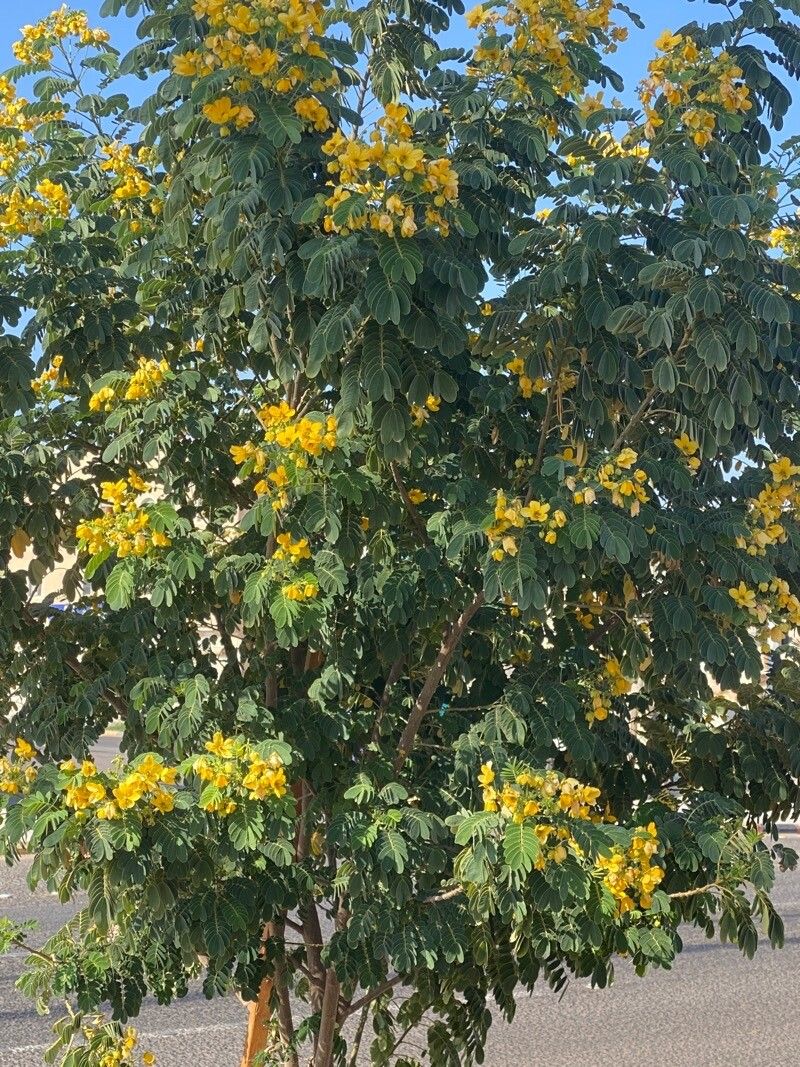
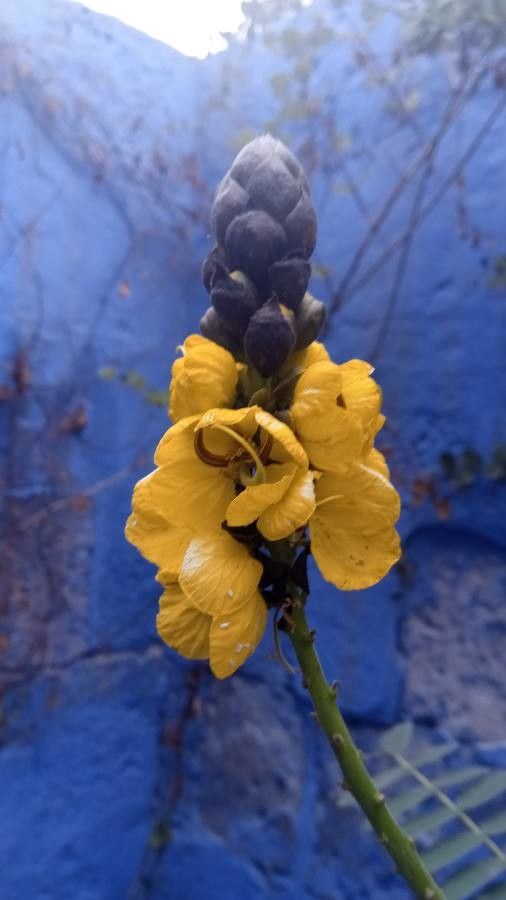
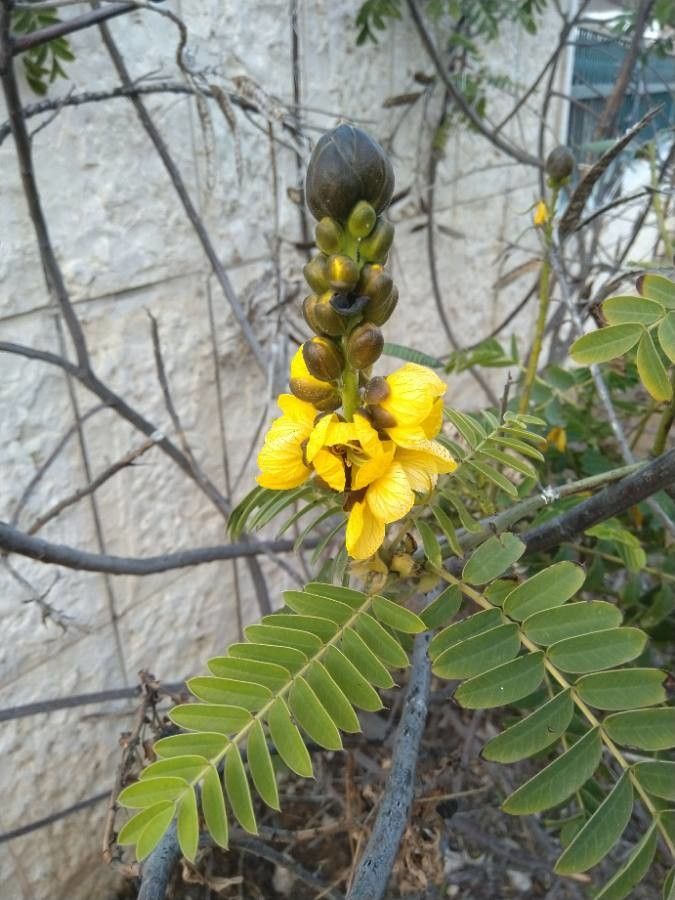
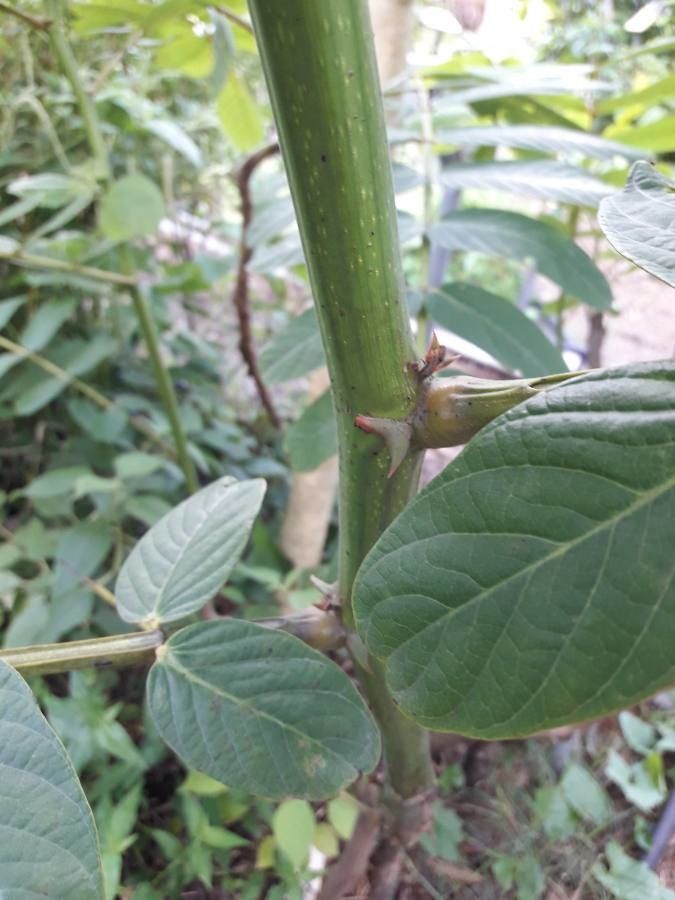
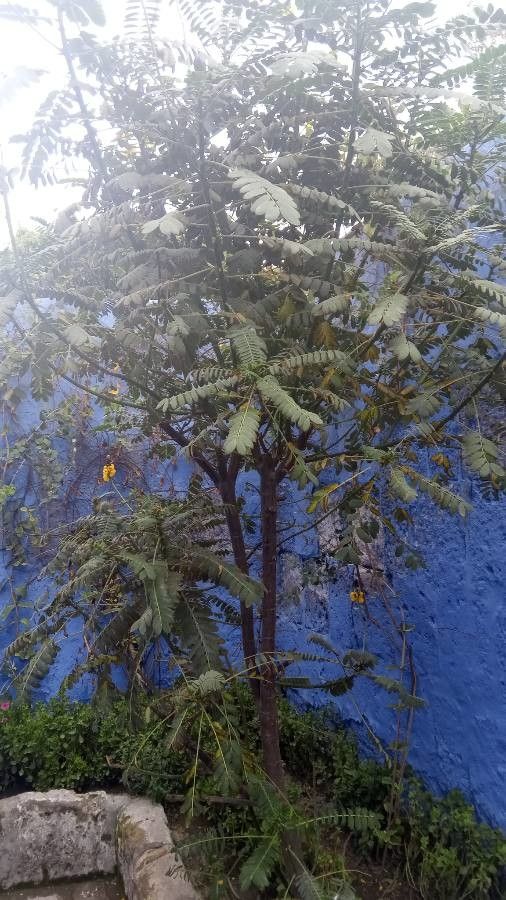
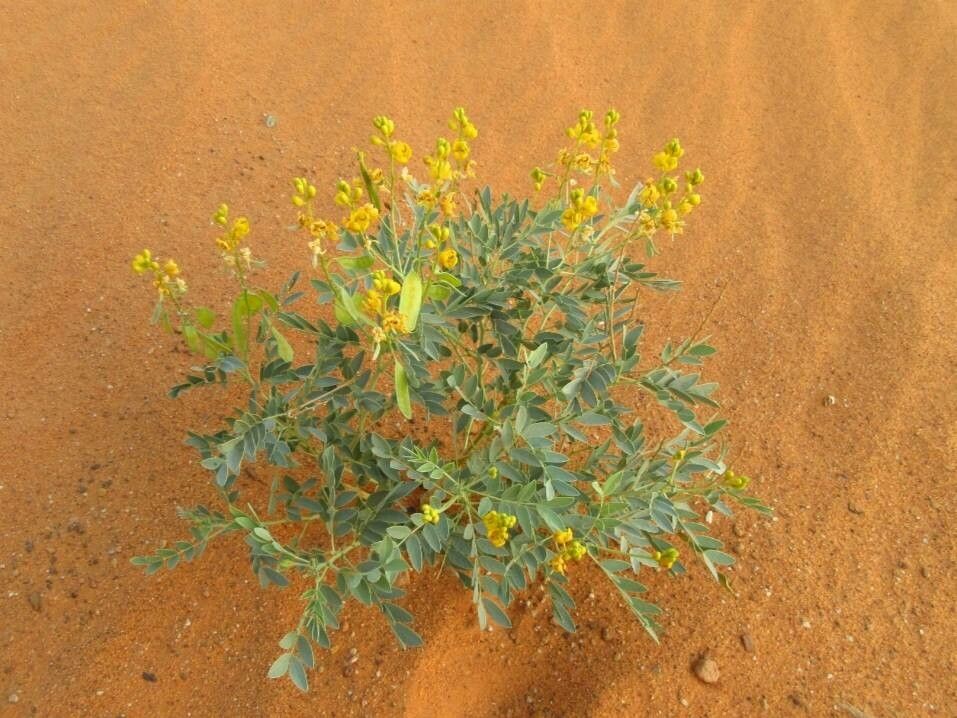
Senna alata, commonly known as the candlestick plant or ringworm bush, is a tropical shrub in the Fabaceae family. Native to South and Central America, it has spread to other parts of the world due to its medicinal properties and ornamental appeal.
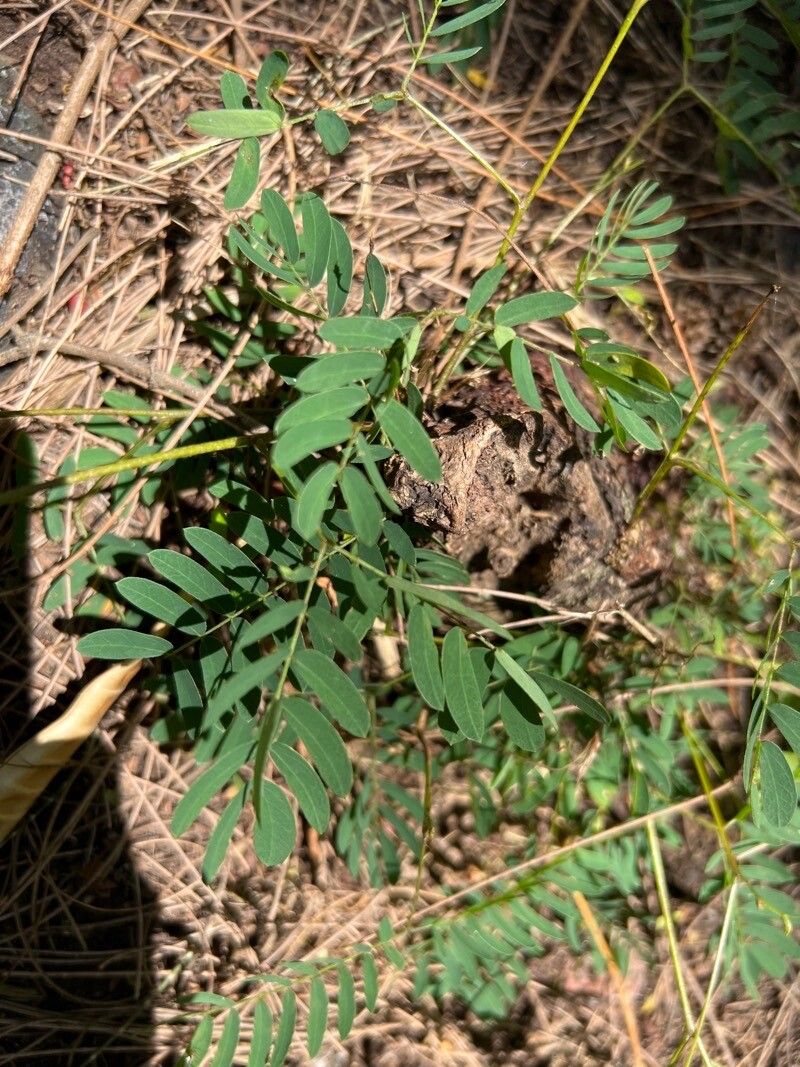
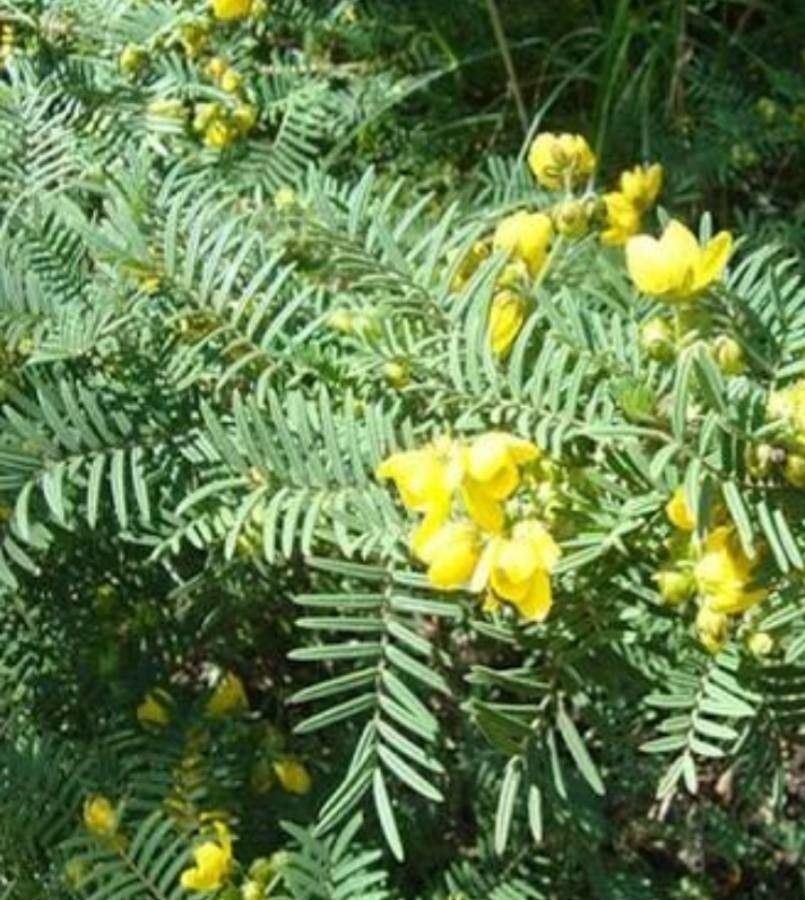
This plant can grow up to 3 meters tall and features large, bright yellow flowers that bloom in clusters at the ends of its branches. Its compound leaves consist of 4-6 pairs of ovate leaflets.
For centuries, Senna alata has been used in traditional medicine to treat ailments such as skin infections, constipation, fever, and inflammation. Its leaves contain anthraquinones, which have antibacterial properties effective against ringworm.
Beyond its medicinal uses, Senna alata is also valued as an ornamental plant for its striking flowers, which attract butterflies and other pollinators.
Overall, Senna alata is a versatile plant with both medicinal benefits and aesthetic appeal, making it a popular choice among gardeners worldwide.
Emperor's candlesticks has good resistance to disease and is generally not prone to illness. Regarding care, this plant is fairly low-maintenance. When grown outdoors it needs minimal watering, and larger specimens typically do not require pruning. Smaller plants, however, should be pruned after they have bloomed. Emperor's candlesticks is suitable for anyone with outdoor space, such as a garden or deck, and does not require much experience in plant care.
How to keep Senna Alata.
Light
Emperor's candlesticks thrives when it gets plenty of direct sunlight. In its native habitat it receives abundant sunlight. The plant's condition can decline if it is deprived of sunlight. Conversely, excessive sunlight may not seriously damage the plant.
Water
The Emperor's Candlesticks plant thrives in tropical environments with high humidity and regular rainfall. It prefers consistent moisture and should ideally be watered every two weeks. Although it is often grown outdoors for its impressive size and beauty, it is important to keep the soil evenly moist during its active growing season to ensure vibrant flowering.
Humidity
This plant will thrive in moderate humidity, which is probably the level in your home. However, misting it a few times a week can be very beneficial. Make sure the room has good ventilation.
Temperature
Emperor's candlesticks do best at temperatures between 68 and 100 ℉ (20 and 38 ℃). They come from warm, tropical regions and flourish in hot, humid conditions. When winter brings cooler temperatures, it is recommended to provide plenty of sunlight and protect them from frost.
Fertilizer
The best time to fertilize an Emperor's candlesticks is in early spring, as it comes out of dormancy. This stimulates overall growth and flower development. Feeding the plant improves its foliage, stems, and branches, while encouraging large, vibrant, and long-lasting blooms. It helps move nutrients from the roots to the flowers and enhances the plant's health and resistance to disease.
Pruning
The Emperor's Candlesticks plant is known for its bright yellow flowers and large, feather-like leaves. To maintain its health and appearance, it's beneficial to prune the plant annually in late spring after it has finished flowering. This promotes better air circulation and sunlight penetration, leading to more vibrant blooms. When pruning, use clean, sharp tools to make precise cuts. Regular maintenance helps preserve the plant's shape and encourages lush foliage, contributing to its overall health.
Pot & Repot
When repotting Emperor's candlesticks, select a pot 1-2 inches (2.5–5.1 cm) larger with ample drainage. Use a well-draining potting mix. Repot in spring or fall, making sure the root ball sits slightly below the rim of the flower pot. Water thoroughly after repotting and place it in a warm spot with indirect sunlight.
Botanical profile.
- Plant Type
- Shrub
- Life Cycle
- Perennial
- Genus
- Senna
- Family
- Fabaceae
- Hardiness Zone
- 9-11
- Mature Height
- 3.05 m to 3.96 m
- Mature Spread
- 3.05 m to 4.57 m
- Leaf Color
- Green
- Leaf Type
- Evergreen
- Flower Color
- Yellow
- Flower Size
- 2.54 cm
- Bloom Time
- Late spring, Summer
- Planting Time
- Spring, Autumn
- Harvest Time
- Mid summer, Late summer, Early fall
- Native Area
- Colombia, Belize, Cuba, Honduras, Mexico, Bolivia, Venezuela, Peru, Guyana, Brazil, Nicaragua, Suriname, Costa Rica, Panama, Jamaica
Other names.
Reader questions.
How should I water my Emperor's candlesticks effectively?
You can water your Emperor's candlesticks using various common tools such as watering cans, hoses, or even cups. It doesn't matter which tool you use, just make sure to apply the water directly to the soil. It's important to ensure that you moisten all areas of the soil equally so that the whole root system receives enough water. Using filtered water is recommended since tap water can contain harmful particles. Additionally, using water at or slightly above room temperature is beneficial as very cold or hot water can shock the plant. However, the Emperor's candlesticks generally respond well to any type of water.
Why should I put fertilizer on my Emperor's candlesticks?
Fertilization plays a crucial role in maintaining the overall health and well-being of Emperor's candlesticks. It ensures that these plants grow vibrant foliage, sturdy stems, and branches. Additionally, gardeners highly value the flowers produced by these plants. Thankfully, fertilization also contributes to the growth of large, vibrant, and long-lasting flowers. This is because the right fertilizer facilitates the transfer of nutrients from the roots to the flowers through the stems. Adequate fertilization is also important for the plant's overall health, as it enables the plant to resist diseases more effectively.
What are the sunlight requirements for Emperor's candlesticks?
Emperor's candlesticks require full sun to thrive, needing over 6 hours of sunlight daily. They can also tolerate partial sun, with about 3-6 hours of sunlight. It's crucial to observe the movement of sunlight in your garden and select locations that offer a balance of light and shade, ensuring the plants' well-being.
What are the ideal temperature conditions for Emperor's candlesticks?
Emperor's candlesticks, also known by its botanical name Senna alata, thrive in temperatures ranging from 68 to 100°F (20 to 38°C), typical of their native warm, tropical regions. They love hot and humid weather but require protection from frost and cooler temperatures, especially in winter. When temperatures drop, it is important to ensure they receive plenty of sunlight and are protected from the cold. During autumn, it's advisable to move them indoors, near a bright window but away from direct heat sources, maintaining an ambient temperature above 20°C to support their growth. Exposing them to temperatures near or below 0°C can be harmful and should be avoided.
What do I do if I give my Emperor's candlesticks too much or too little water?
Outdoor plants, especially newly planted ones, are prone to lack of watering. It is important to water them regularly for a few months until the roots are established. Once the roots are established, they can rely on rain for the most part. When Emperor's candlesticks are planted in pots, overwatering is often more likely. If you accidentally overwater your Emperor's candlesticks, you should stop watering it immediately to minimize the effect. Take the plant out of its pot and inspect the roots. If there is no root rot, you can return the plant to its container. If there is root rot, trim away the affected roots and apply a fungicide. Then, repot the plant in well-draining soil. In the case of underwatering, simply water the Emperor's candlesticks more frequently. If the leaves droop, dry out, and fall off, this is a sign of underwatering. Once you water it sufficiently, the leaves will quickly return to fullness. Correct your watering frequency as soon as you notice underwatering.
When is the right time to put fertilizer on my Emperor's candlesticks?
The best time to fertilize Emperor's candlesticks is in early spring when the plant is coming out of its dormant phase and preparing to bloom. Fertilizing at this time will provide the plant with the necessary energy for growth and flower development. However, it is not the only time you can fertilize this plant. Another feeding during the fall months can also be beneficial, although it doesn't need to be as large as the first one. Some gardeners also choose to fertilize when planting, but it is not always necessary.
How important is sunlight for the growth of Emperor's candlesticks?
Sunlight is vital for the growth of Emperor's candlesticks, as they flourish best under conditions of unobstructed sunlight. Originating from environments that provide ample sunlight, these plants can suffer if deprived of adequate light. However, excessive sunlight does not typically cause severe damage. For indoor plants not getting enough natural light, especially in winter or in less sunny spaces, artificial lighting, such as LED lights, can provide the necessary wavelengths for optimal growth. Proper lighting setups involve choosing the right type of light, determining the appropriate distance from the plant (12-36 inches), and setting the duration to mimic natural daylight hours (8-12 hours per day).
How do you care for Emperor's candlesticks in low temperatures?
In low temperatures, Emperor's candlesticks display a preference for warmth, suffering in conditions below 20°C and especially under 0°C. Exposure to temperatures below -5°C may cause the leaves to lighten in color, eventually turning brown or black as frost damage sets in, accompanied by wilting and drooping. To care for Emperor's candlesticks in such conditions, trim away the frost-damaged parts and immediately move the plant to a warmer indoor setting. Positioning the plant near a south-facing window can ensure it receives sufficient sunlight while keeping it at a safe distance from dry heat sources like heaters or air conditioners.
How often should I give water to my Emperor's candlesticks?
Most outdoor plants can grow normally with rainfall, but if rainfall is lacking in your area, you should water them every 2 weeks during the spring and fall. In the summer, you will need to water them more frequently. In the winter, when growth slows down, water them less often, and you may not need to water them at all. However, if your Emperor's candlesticks plant is young or newly planted, it's important to water it more frequently to help it establish and grow into a drought-tolerant plant. For potted plants, there are two ways to determine how often to water your Emperor's candlesticks. The first is to follow a set watering schedule, such as once every week or once every other week. However, this approach may not account for the specific growing conditions of your plant. Another option is to base your watering frequency on the moisture of the soil. Wait until the top two to four inches of soil, about ⅓ to ½ depth of the pots, have dried out completely before watering again. Keep in mind that during the summer, you may need to water more frequently than the predetermined schedule suggests, as this is when the plant's water needs are highest.
When is the best time to not fertilize my Emperor's candlesticks?
During the winter, you don't need to fertilize your Emperor's candlesticks because they are in a dormant phase and don't require much energy from the soil for new growth. Fertilizing during this time increases the risk of overfertilization. The best times to feed your Emperor's candlesticks are in early spring and fall. Therefore, during most of spring and summer, fertilization is not necessary. It's also a good idea to avoid feeding if the plant is in excessively hot or dry conditions.
What are the symptoms of inadequate sunlight for Emperor's candlesticks?
When Emperor's candlesticks don't receive sufficient sunlight, particularly indoors during winter, they may exhibit several symptoms. These include the development of smaller leaves, leggy or sparse growth, accelerated leaf drop, delayed or ceased growth, and pale or discolored new leaves. Conditions like chlorosis and sunscald can manifest due to excessive sunlight, leading to leaf damage and reduced plant health. Other symptoms of extreme sunlight exposure include leaf curling, wilting, and leaf scorching. Addressing these symptoms involves gradually increasing sunlight exposure or using artificial lights to ensure the plant receives enough light for healthy growth.
What should you do if Emperor's candlesticks experience high temperatures?
Emperor's candlesticks should ideally be kept in conditions below 38°C (100°F) during summer. Temperatures exceeding 43°C (109°F) can lead to lighter leaf colors and increase the risk of sunburn. In such cases, sunburned and dried parts should be trimmed away, and the plant should be moved to a spot with shade from the intense midday and afternoon sun. Ensuring the soil remains moist by watering in the morning and evening will help the plant to cope with high temperatures.