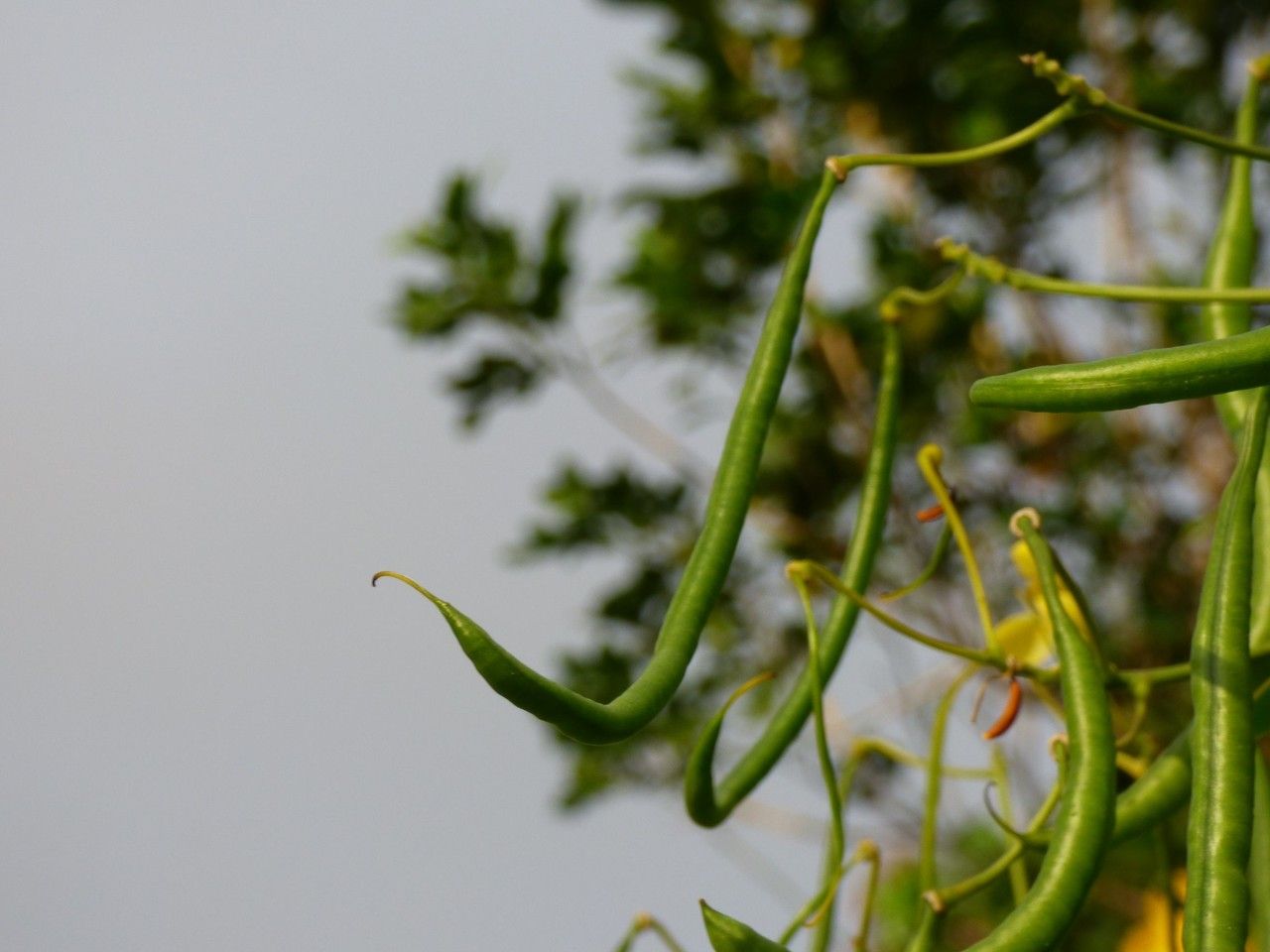
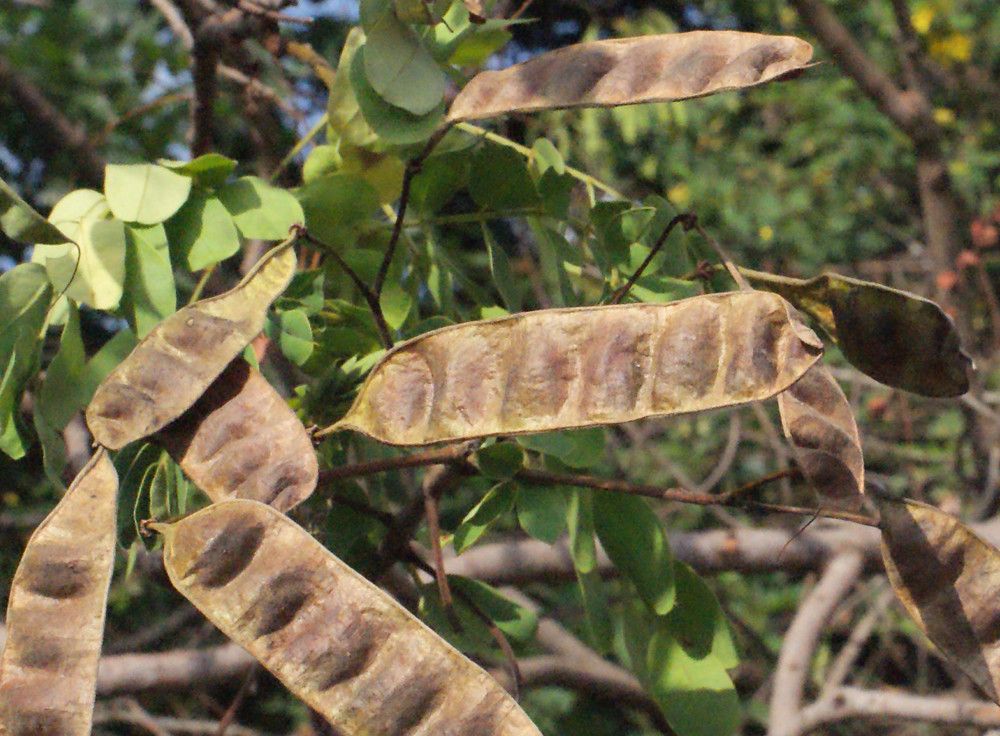
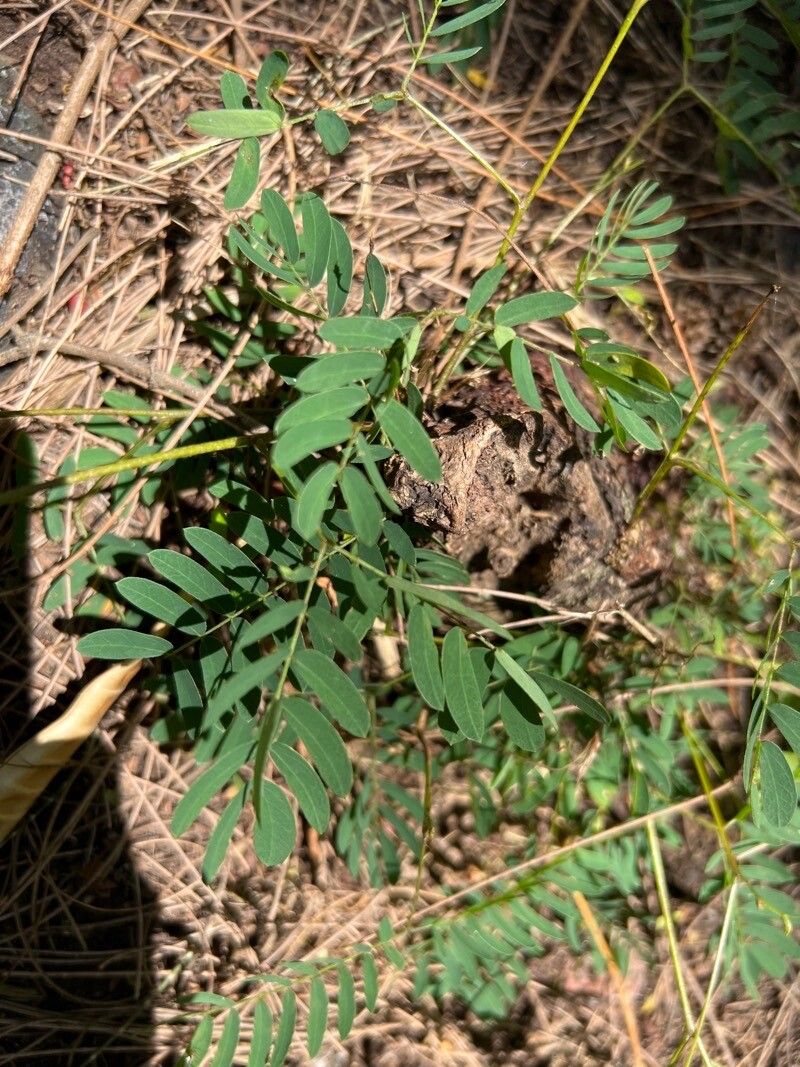
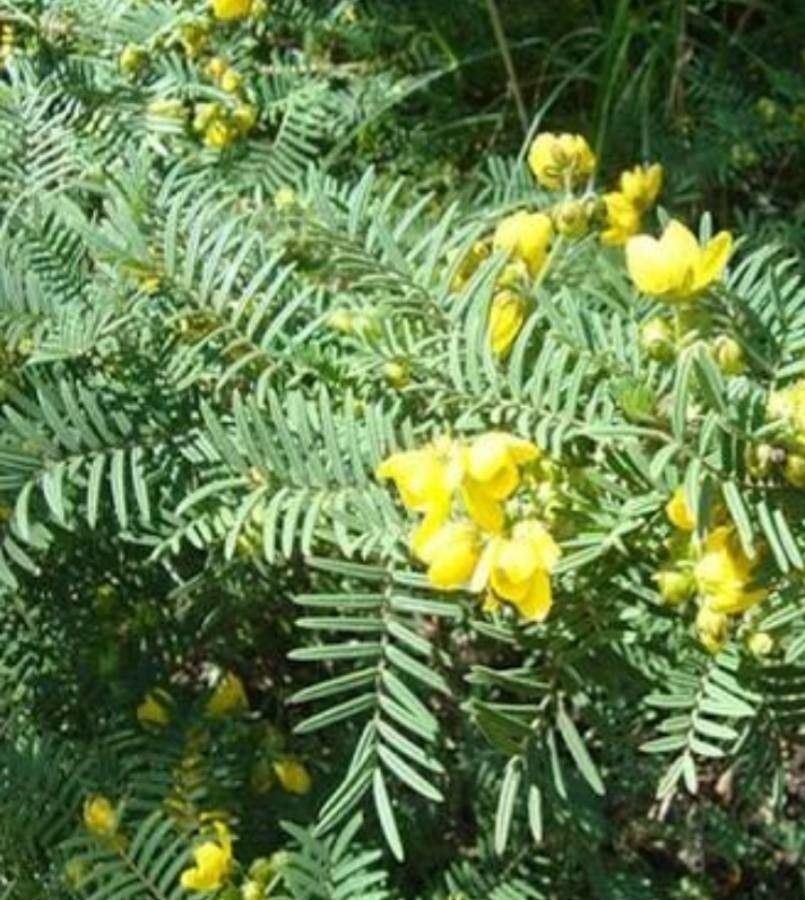
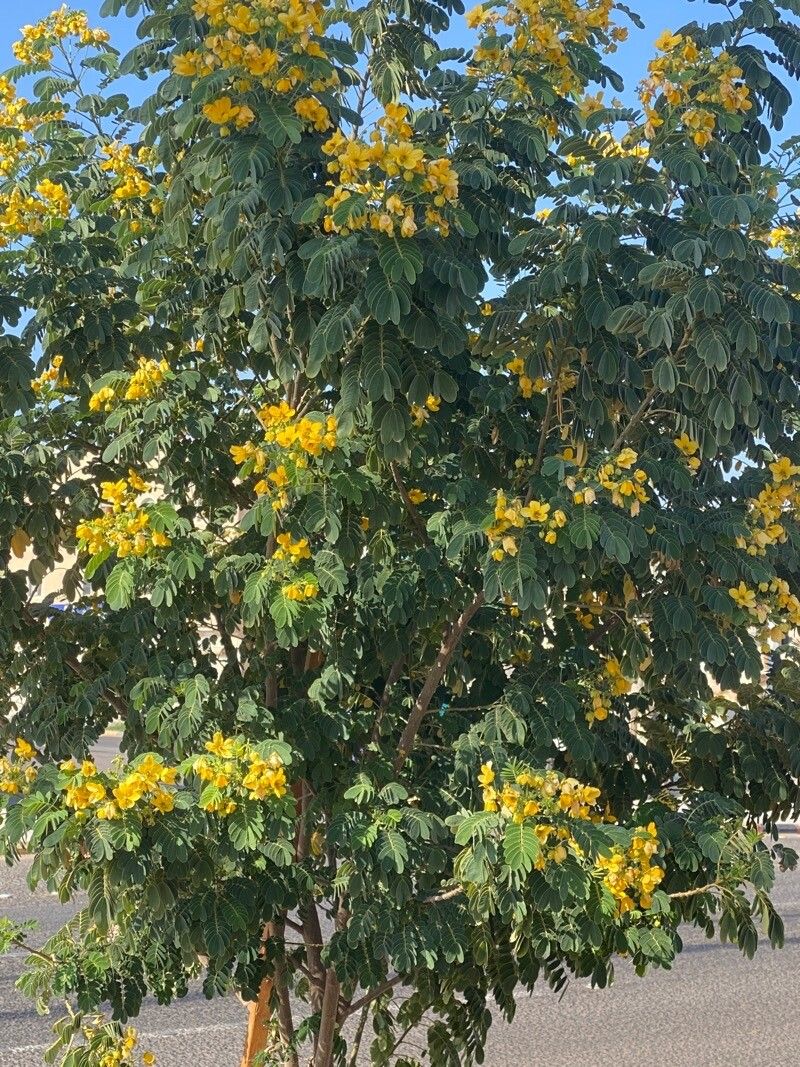
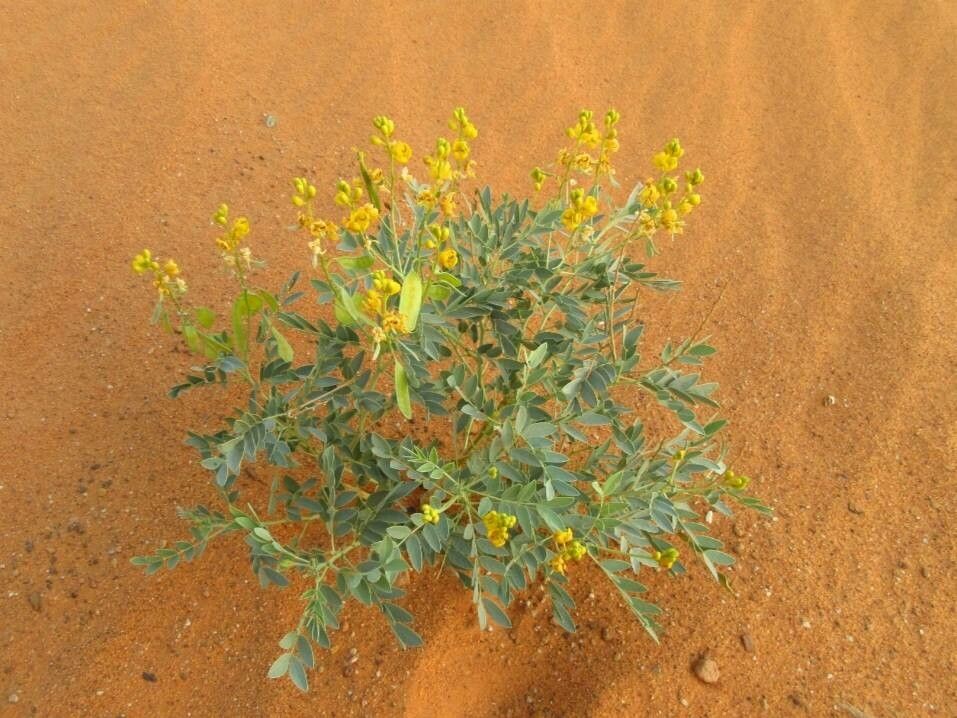
Senna surattensis, commonly known as the Surat Senna or Bombay Senna, is a flowering plant in the Fabaceae family. Native to South Asia, it is found in countries such as India, Sri Lanka, and Bangladesh.
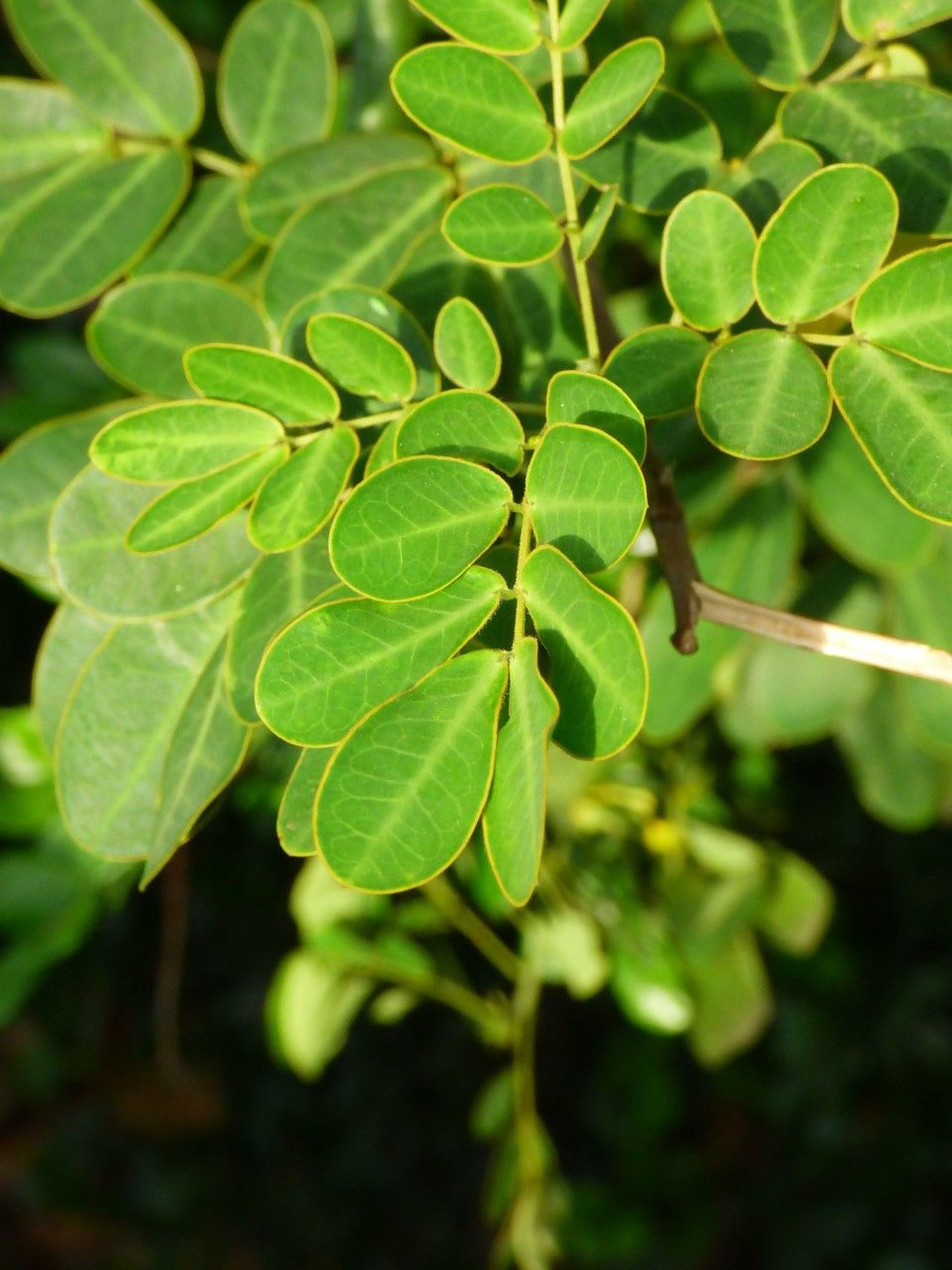
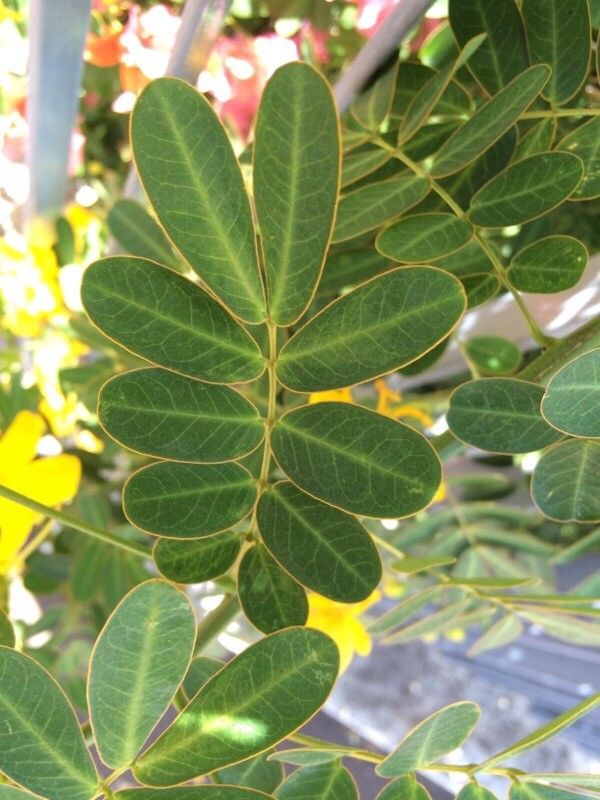
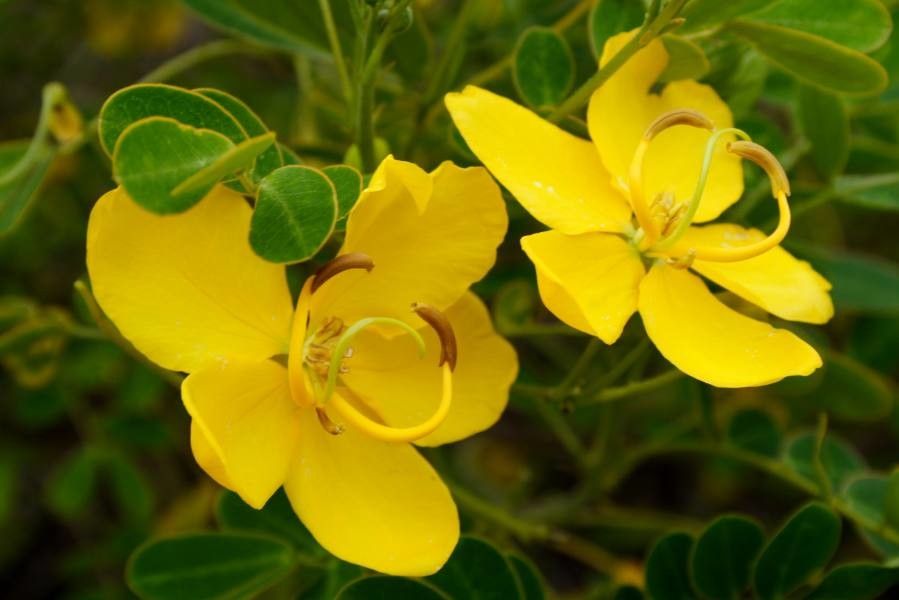
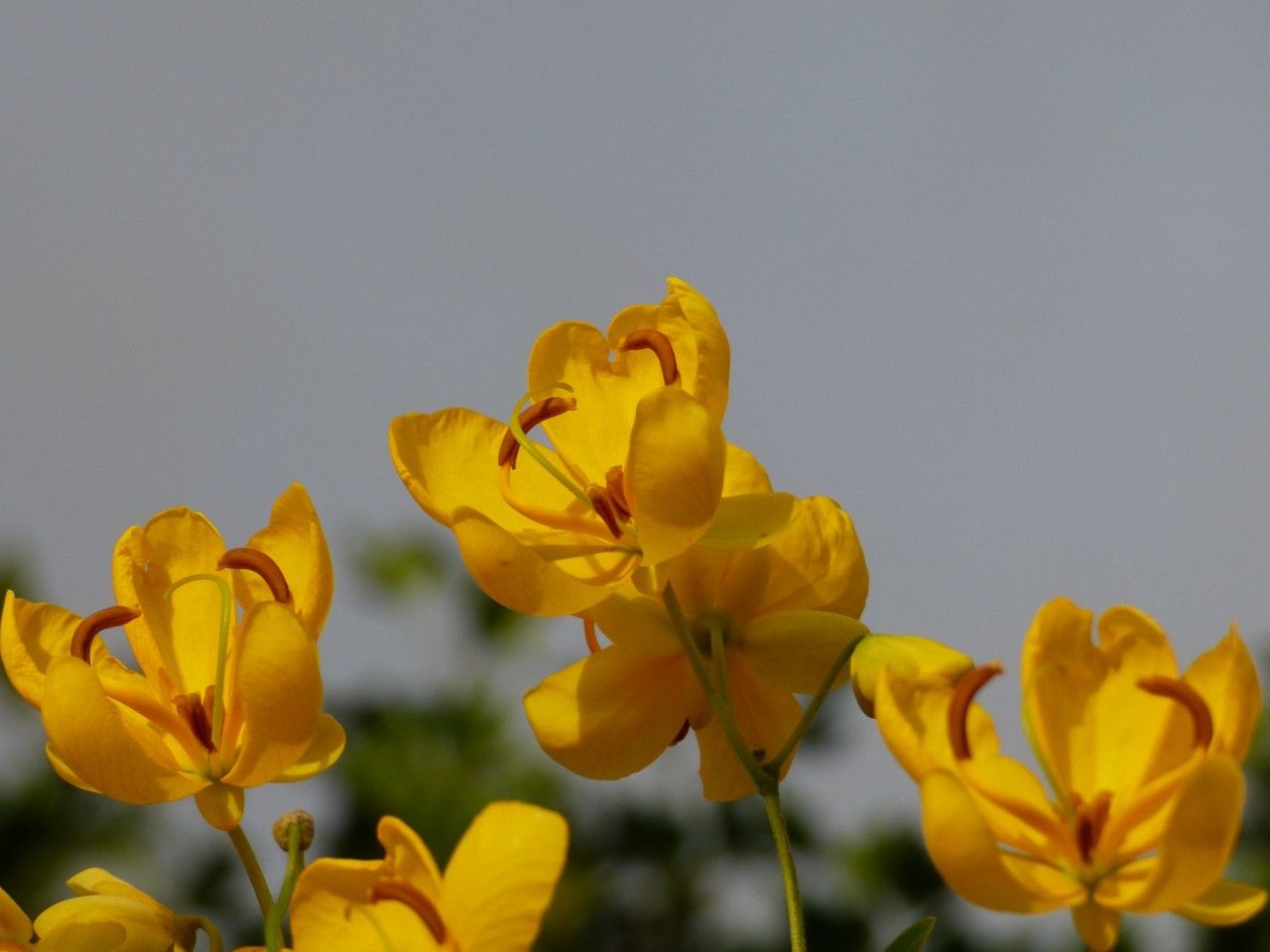
This plant typically grows up to 3 meters (approximately 10 feet) in height and features a straight trunk with smooth bark. Its pinnate leaves consist of 6 to 8 pairs of oblong or elliptic leaflets. The yellow flowers of Senna surattensis bloom in clusters at the ends of branches.
For centuries, Surat Senna has been used for medicinal purposes due to its laxative properties. The leaves and pods contain anthraquinone glycosides, which stimulate bowel movements when consumed orally.
Beyond its medicinal uses, this plant holds cultural significance in South Asia, where it is often used during religious ceremonies as an offering or decoration.
In summary, Senna surattensis is an important plant species valued for both its medicinal and cultural significance across communities in South Asia.
Glossy shower is resistant to disease and generally not susceptible to illnesses. As for care, this plant is fairly low-maintenance. When grown outdoors it needs only minimal watering, and larger plants typically do not require pruning. Smaller plants, however, should be pruned after they have finished blooming. Glossy shower is appropriate for anyone with an outdoor area, like a garden or deck, and does not demand extensive care experience.
How to keep Senna Surattensis.
Light
Glossy shower does best when exposed to abundant light during the day, which supports vigorous health and growth. Having been originally acclimated to an environment with plentiful daily sunshine, its development can be compromised if light is too limited or excessively intense. This plant fares best with a moderate, well-balanced amount of light.
Water
The Glossy Shower plant, native to tropical climates, flourishes in high humidity and consistent moisture. It thrives best in evenly moist soil and should be watered every two weeks. When grown outdoors, applying mulch during the active growing season can help retain necessary moisture.
Humidity
This plant prefers dry conditions, so don't mist it. However, watering it less often can also thrive in higher humidity.
Temperature
Glossy shower is native to temperate climates and grows best at temperatures between 68 and 100.4 °F (20 to 38 ℃). To keep this plant comfortable in colder seasons, consider using indoor heating to imitate its natural habitat.
Fertilizer
The best time to fertilize a Glossy shower is in early spring as it breaks dormancy. This stimulates overall growth and flower development. Fertilization improves foliage, stems, and branches, while encouraging large, vibrant, and long-lasting flowers. It helps move nutrients from the roots to the flowers and enhances the plant’s health and resistance to disease.
Pruning
The glossy shower plant is known for its vibrant yellow flowers and lush foliage. To keep it healthy and encourage blooming, prune it from early to late winter. Remove any dead branches and shape the plant to improve air circulation. Be sure to use clean, sharp tools for efficient pruning, which helps maintain the plant's aesthetic appeal and prevents overgrowth.
Pot & Repot
Re-pot the glossy shower plant every 2-3 years in the spring, using a slightly larger pot. After re-potting, place the plant in a location with indirect light and keep the soil consistently moist, being careful not to overwater. With consistent and gentle care, the glossy shower plant will develop vibrant foliage and remain healthy, ensuring it thrives.
Botanical profile.
- Plant Type
- Tree, Shrub
- Life Cycle
- Perennial
- Genus
- Senna
- Family
- Fabaceae
- Hardiness Zone
- 9-11
- Mature Height
- 4.88 m to 7.01 m
- Mature Spread
- 3.35 m
- Leaf Color
- Green, Blue
- Leaf Type
- Evergreen
- Flower Color
- Yellow, Gold
- Flower Size
- 2.54 cm to 5.08 cm
- Bloom Time
- Late spring, Summer
- Planting Time
- Spring, Autumn
- Harvest Time
- Summer, Early fall
- Native Area
- India, Malaysia, Indonesia, Vietnam, Myanmar, Papua New Guinea, Philippines, Bangladesh, Laos, Thailand, China
Other names.
Reader questions.
How should I water my Glossy shower?
Your Glossy shower is not particular about the method you use to water it. You can use common tools like watering cans, hoses, or even cups. It is important to water directly on the soil, making sure to evenly moisten all areas to provide water to the entire root system. Filtered water is preferable over tap water, as tap water may contain harmful particles. It is also helpful to use water that is at or slightly above room temperature to avoid shocking the Glossy shower. However, the plant generally responds well to any type of water.
Why should I put fertilizer on my Glossy shower plant?
Fertilization plays a crucial role in the overall health and well-being of a Glossy shower. By providing the right amount of energy and nutrients, you can ensure that your Glossy shower develops a healthy foliage and strong stems and branches. One of the main benefits of fertilization is the production of beautiful and long-lasting flowers. This is because the right fertilizer helps the plant efficiently transfer fuel from the roots to the flowers through the stems. Moreover, proper fertilization improves the overall health of the Glossy shower, making it more resilient against diseases.
What are the sunlight requirements for Glossy shower plants?
Glossy shower plants require different amounts of sunlight based on their placement and stage of growth. They thrive in full sun, which means they need above 6 hours of sunlight daily. However, they can also grow well in partial sun, with about 3-6 hours of sunlight. It's important to observe the movement of sunlight through your garden to find the perfect balance of light and shade for these plants, ensuring their happiness and robust growth.
What is the ideal temperature range for the growth of Glossy shower?
Glossy shower, also known by its botanic name Senna surattensis, thrives in temperate climates and prefers a temperature range between 68 to 100.4°F (20 to 38 °C). To support its growth during colder seasons, it's advisable to provide indoor heating to mimic its native environment. Since it's a heat-loving plant, cold temperatures can harm it. During autumn, it's recommended to bring outdoor Glossy shower plants indoors, placing them near a bright window but at a safe distance from heaters to avoid damage. Keeping the temperature above 20°C during winter supports its growth, as temperatures nearing 0°C can be detrimental to the plant.
What do I do if I give my Glossy shower too much water or not enough water?
Outdoor plants, especially newly planted ones or seedlings, are prone to not getting enough water. It's important to keep watering them adequately for a few months until their roots are established. Once that happens, they can rely on rain most of the time. When Glossy shower plants are in pots, overwatering is more likely to happen. If you accidentally overwater your Glossy shower, there are steps you can take to fix it. First, stop watering the plant immediately to minimize the effects. Then, take the Glossy shower out of its pot and check its roots. If there is no root rot present, you can return the plant to its container. But if you do find root rot, trim away the affected roots and consider applying a fungicide to prevent further damage. Lastly, repot the Glossy shower in well-draining soil. In the case of underwatering, simply water the Glossy shower more frequently. It's usually an easy fix, as the plant's leaves will droop, dry out, and fall off when underwatered, but they will quickly regain their fullness with sufficient watering. Adjust your watering frequency as soon as you notice signs of underwatering.
When should I put fertilizer on my Glossy shower plant?
The best time to fertilize a Glossy shower is in early spring when it is coming out of dormancy and about to bloom. This will give the plant the energy it needs for growth and flower development. However, it is not the only time to fertilize this plant. Another feeding in the fall can also be beneficial, although it doesn't need to be as big as the first one. Some gardeners also fertilize their Glossy shower during planting, but this is optional.
What are the essential conditions for the healthy growth of Glossy shower plants?
Glossy shower plants, with their preference for ample light throughout the day, grow best when exposed to conditions that mimic their natural, sun-rich habitats. They benefit from a balance between direct sunlight and moderated light exposure to prevent any potential harm from overly harsh conditions. During periods of insufficient natural sunlight, such as winter or in less sunny indoor spaces, artificial lighting becomes essential. LED lights, in particular, can be tailored to provide the necessary wavelengths of light, ensuring optimal growth. For full sun plants, 30-50W/sq ft of artificial light is recommended, while partial sun plants require 20-30W/sq ft, and full shade plants need 10-20W/sq ft. The proper distance (12-36 inches above the plant) and duration (8-12 hours per day) of artificial light exposure are crucial for mimicking the natural sunlight conditions and supporting the plant's health.
How does low temperature affect Glossy shower, and what are the solutions?
Glossy shower prefers warm temperatures and is sensitive to low temperatures, thriving best above 20°C and requiring maintenance above 0°C during winter. Exposure to temperatures below -5°C may lead to lighter leaf colors. Frost damage manifests as leaves turning brown or black, accompanied by wilting and drooping. To address frost damage, trim the affected parts and move the plant to a warm indoor environment immediately for protection. Positioning the plant near a south-facing window ensures it gets enough sunlight, but it should not be placed near heaters or air conditioning vents to avoid air dryness.
How frequently should I water my Glossy shower?
Most outdoor plants can grow well with natural rainfall. However, if your area has limited rainfall, you should water your plants adequately every 2 weeks in the spring and fall. During the summer, you may need to water them more frequently. In the winter, when plants require less water due to slower growth, it is best to water them sparingly or not at all. If you have a young or newly planted Glossy shower plant, you should water it more often to help it establish and grow into a drought-tolerant plant. For potted plants, there are two main approaches to determine how often to water your Glossy shower. The first is to follow a predetermined watering schedule, such as once every week or every other week. However, this method may not consider the specific conditions of your growing environment. Another approach is to water based on soil moisture. It is recommended to wait until the top 2 to 4 inches of soil (about ⅓ to ½ the depth of the pots) have completely dried out before watering again. This method allows you to adjust the watering frequency depending on the season, as the water needs of the plant may be higher in the summer.
When shouldn't I put fertilizer on my Glossy shower?
During the winter, Glossy shower plants go into a dormant phase and do not require fertilization. This is because they do not need much energy from the soil to grow during this time. Fertilizing them in the winter greatly increases the chances of overfertilization, which can have negative effects. The best times to feed Glossy shower plants are in early spring and fall. Therefore, for most of the spring and summer, fertilization is not necessary. It is also important to refrain from fertilizing if the plant is experiencing excessive heat or dryness.
What are the common symptoms of light deficiency in Glossy shower plants, and how can they be treated?
Glossy shower plants show various symptoms when they suffer from light deficiency, including small new leaves, leggy or sparse growth, faster leaf drop, slower or halted new growth, and pale or yellowing leaves due to chlorosis or sunscald. Additionally, leaf curling, wilting, and leaf scorching can occur under extreme sunlight conditions. To address these symptoms, indoor plants should be gradually moved to sunnier spots to receive at least 6 hours of direct sunlight daily, or use artificial light for at least 8 hours daily if moving the plant is not feasible. Outdoors, plants should be gradually acclimated to sunlight to avoid sunburn. Obstructions to sunlight should be minimized by pruning or transplanting the plants to sunnier locations. While parts of the plant that suffered from insufficient light might not recover, new growth will be healthy following improved light exposure.
What happens when Glossy shower is exposed to high temperatures, and how can it be managed?
In the summer, it's vital to ensure that Glossy shower is kept in conditions below 38°C, as temperatures exceeding 43°C can lead to lighter leaf colors and increase susceptibility to sunburn. Managing heat stress involves trimming away sunburned and dried parts of the plant and relocating it to a shaded area during the harshest midday and afternoon sun. Morning and evening watering is recommended to maintain soil moisture, offering protection from extreme heat.