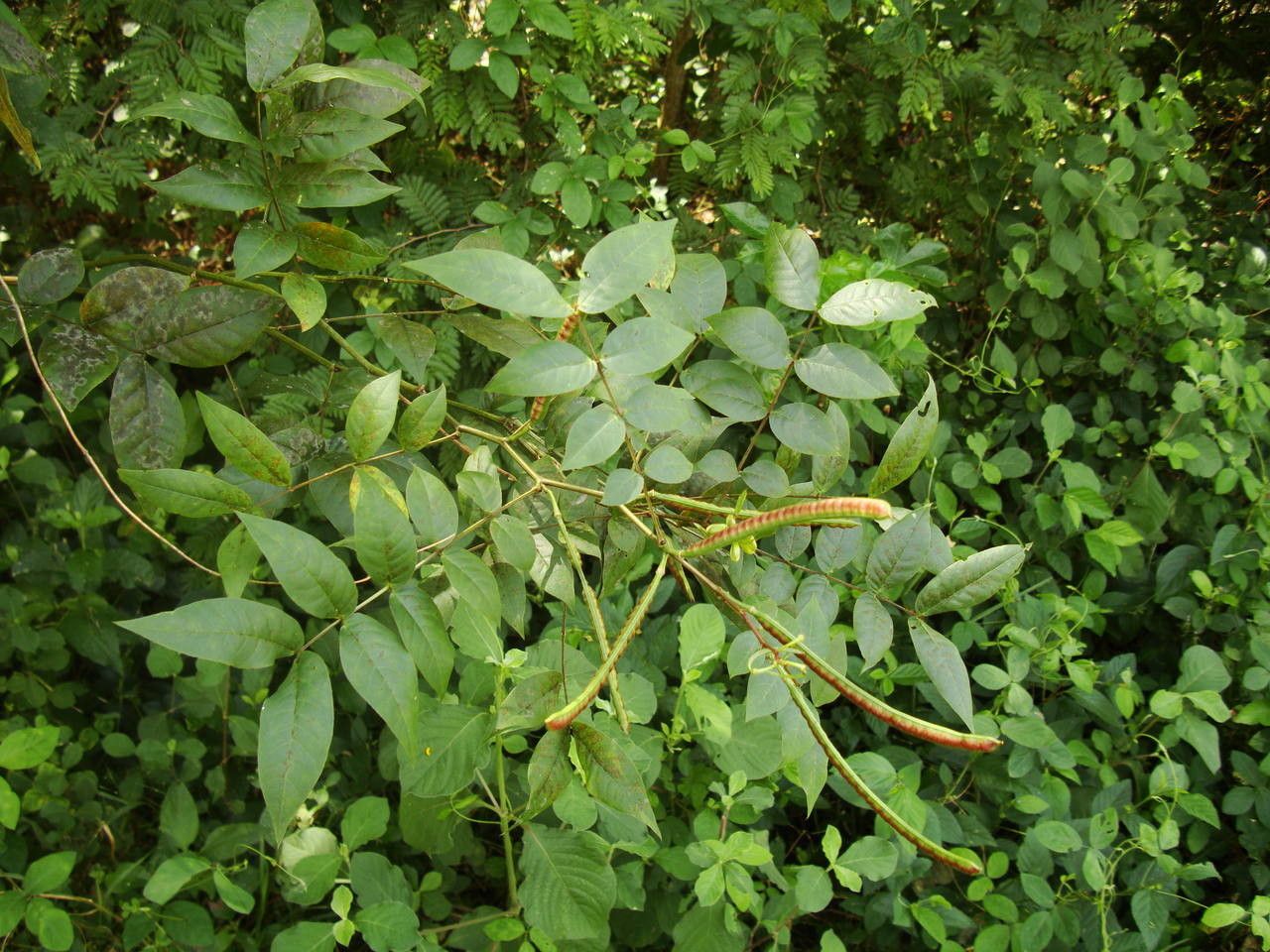
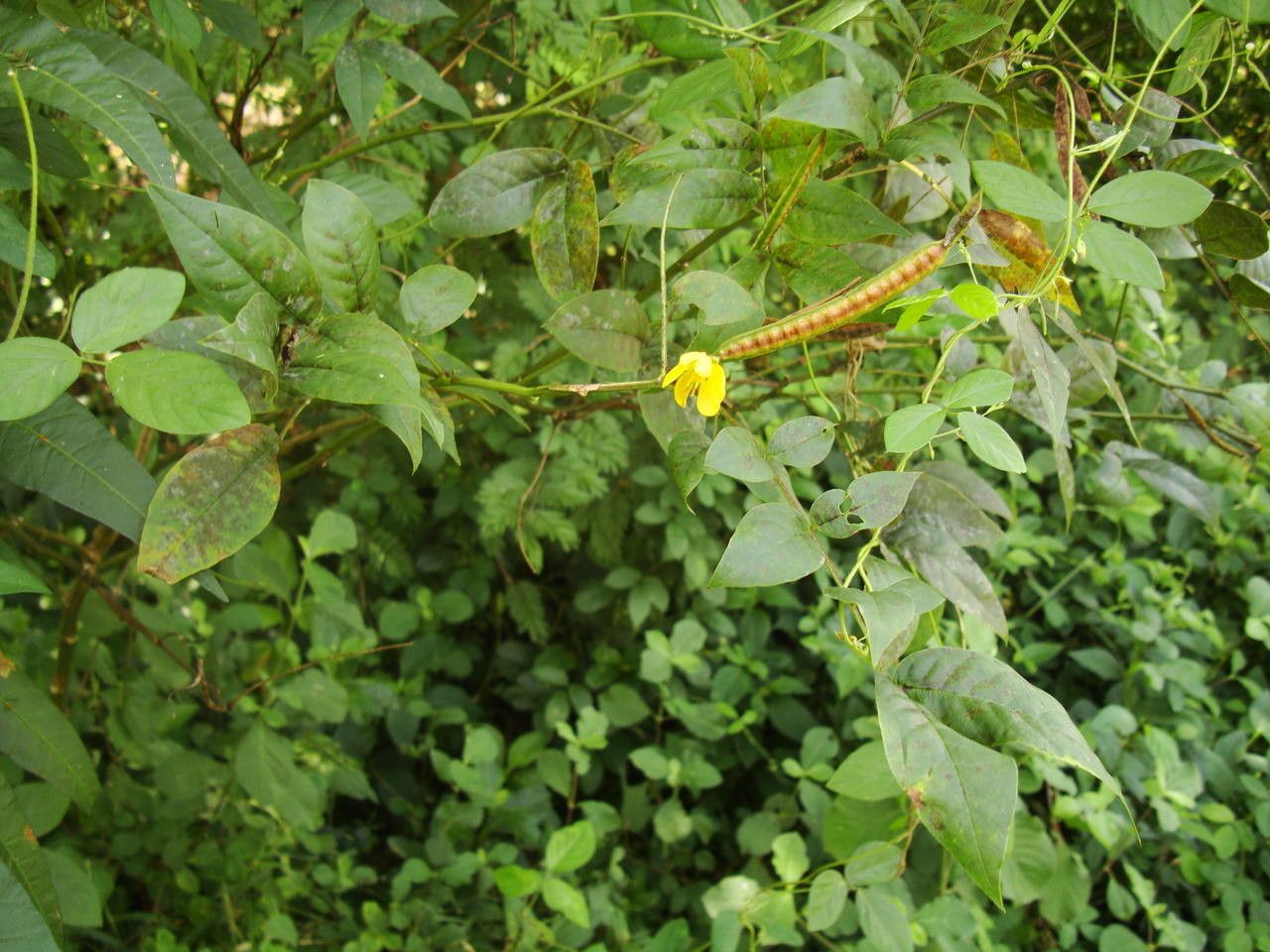
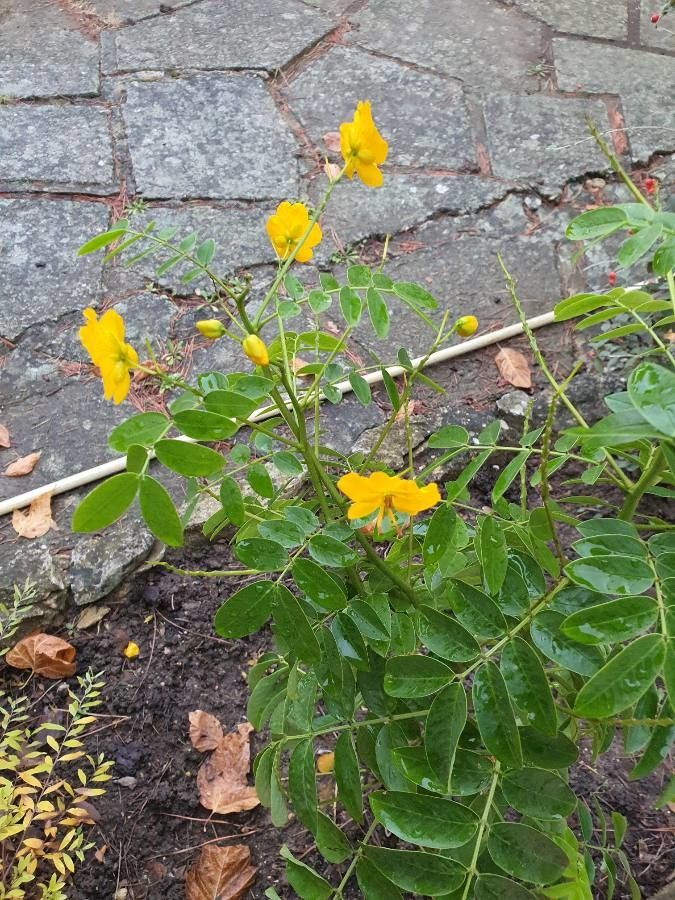
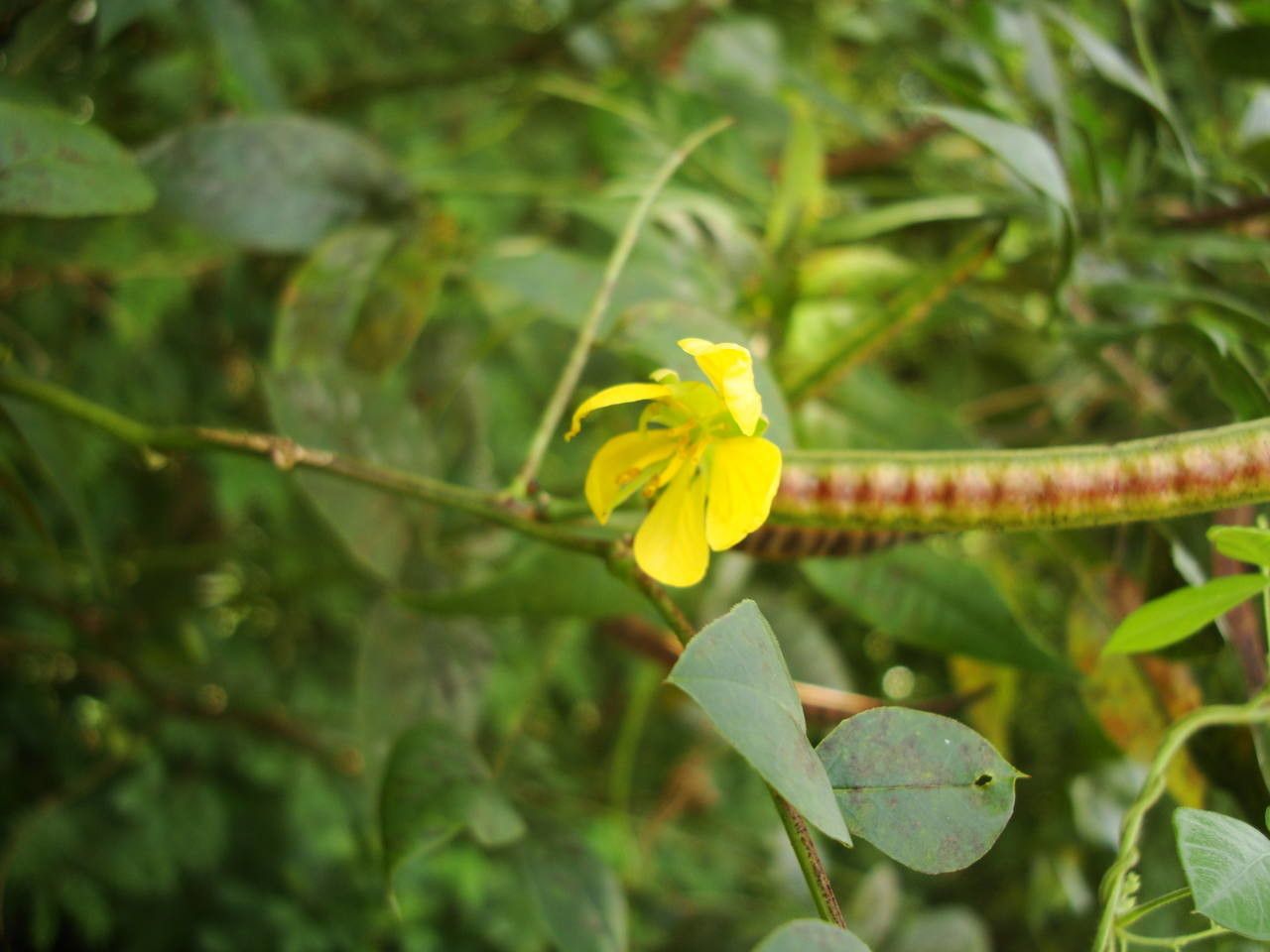
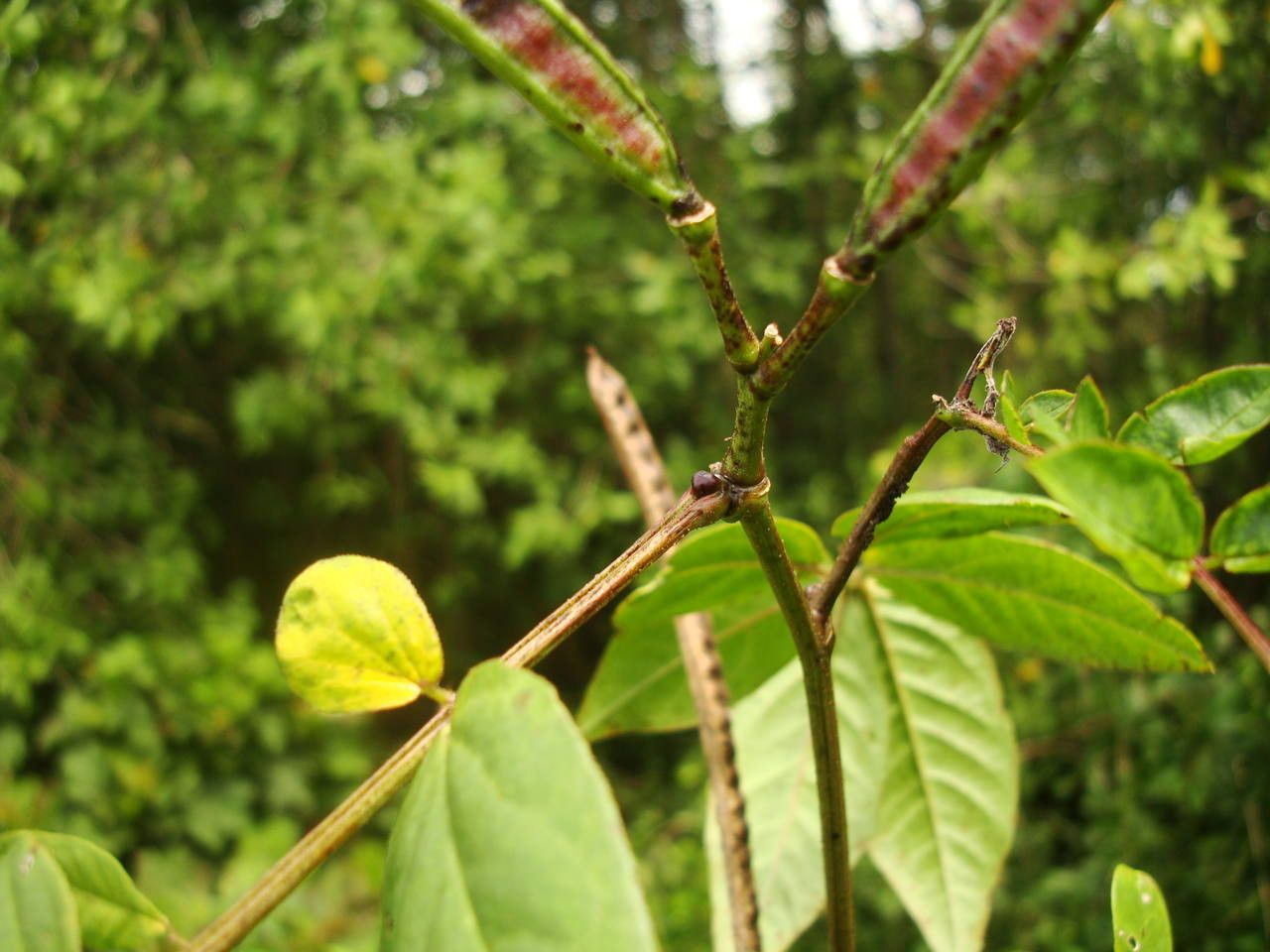
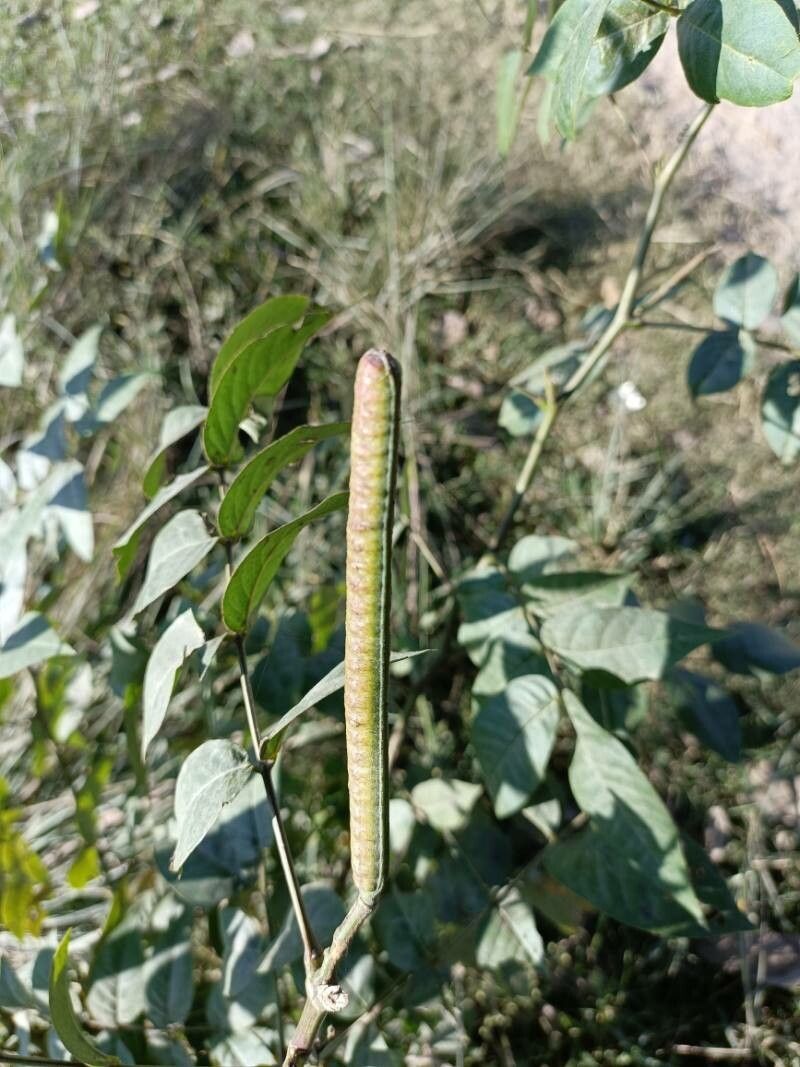
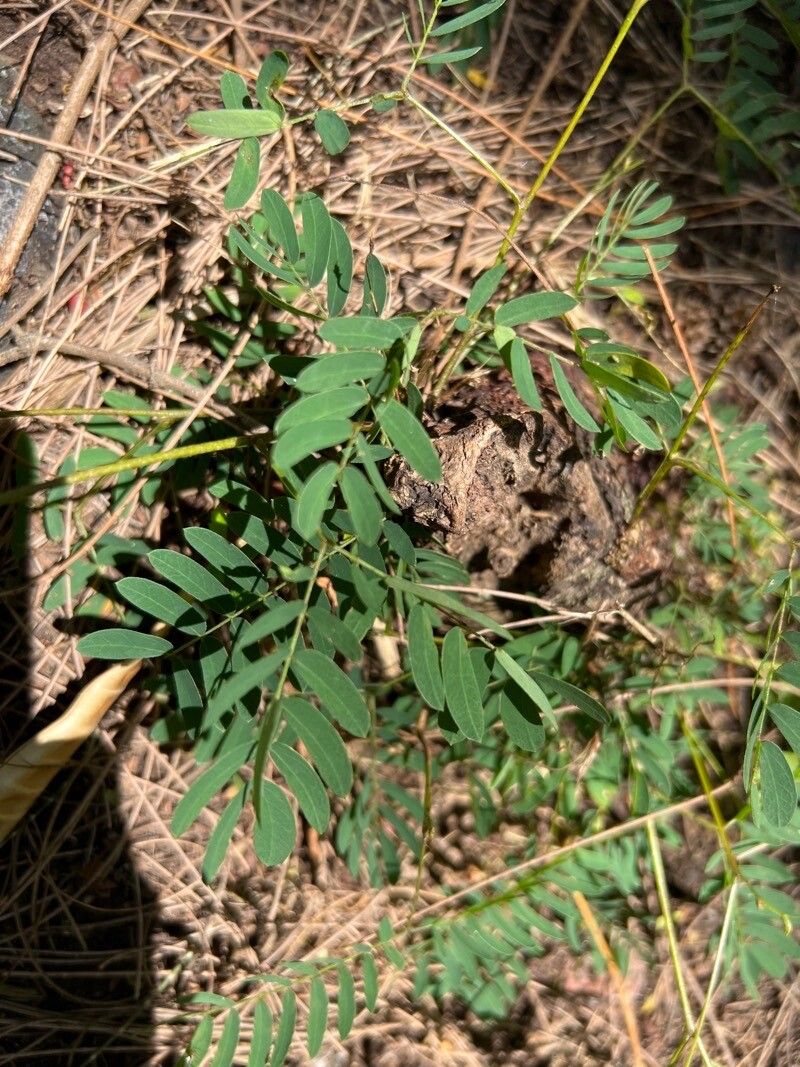
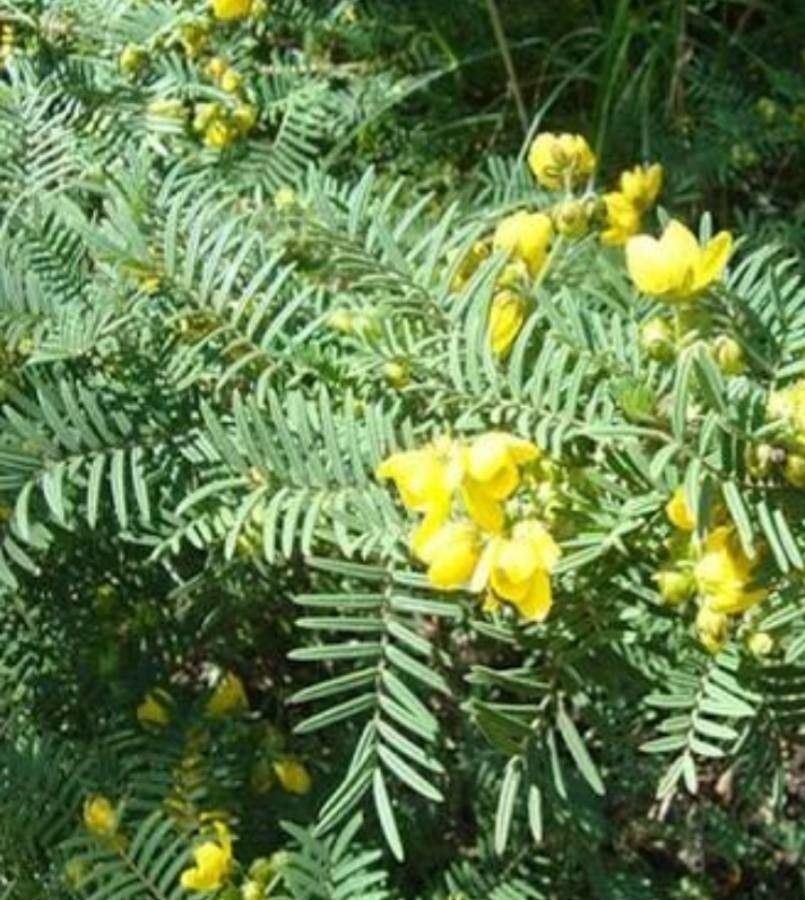
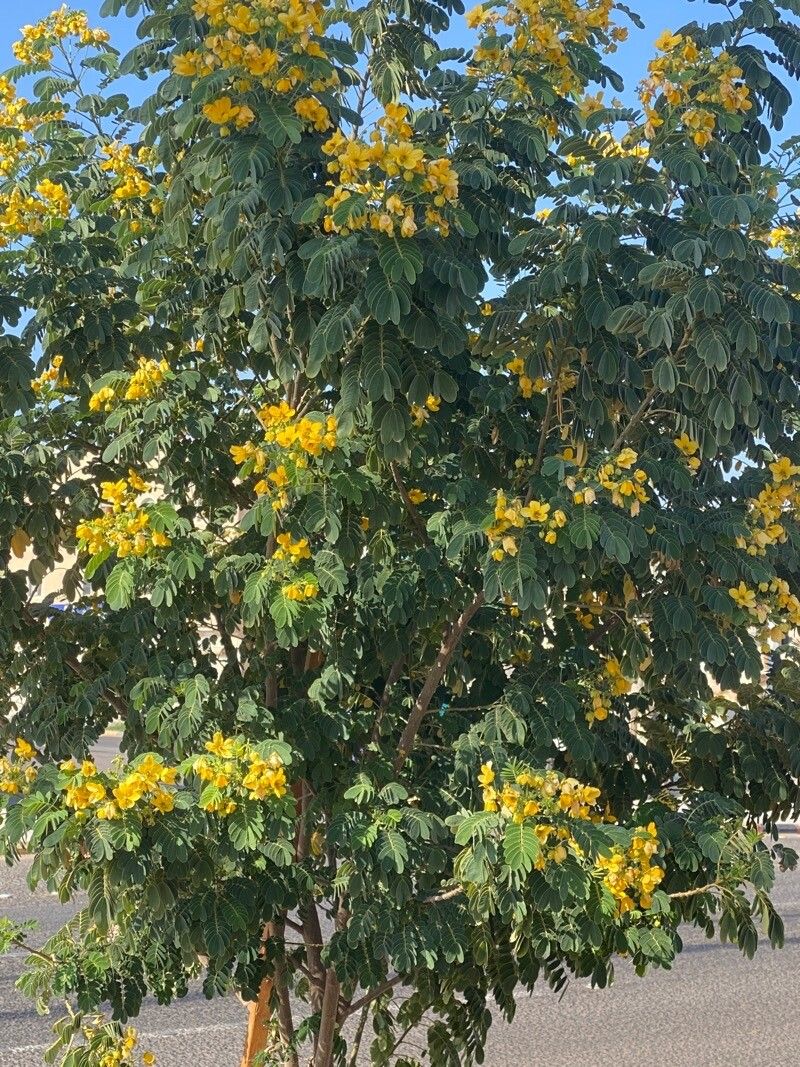
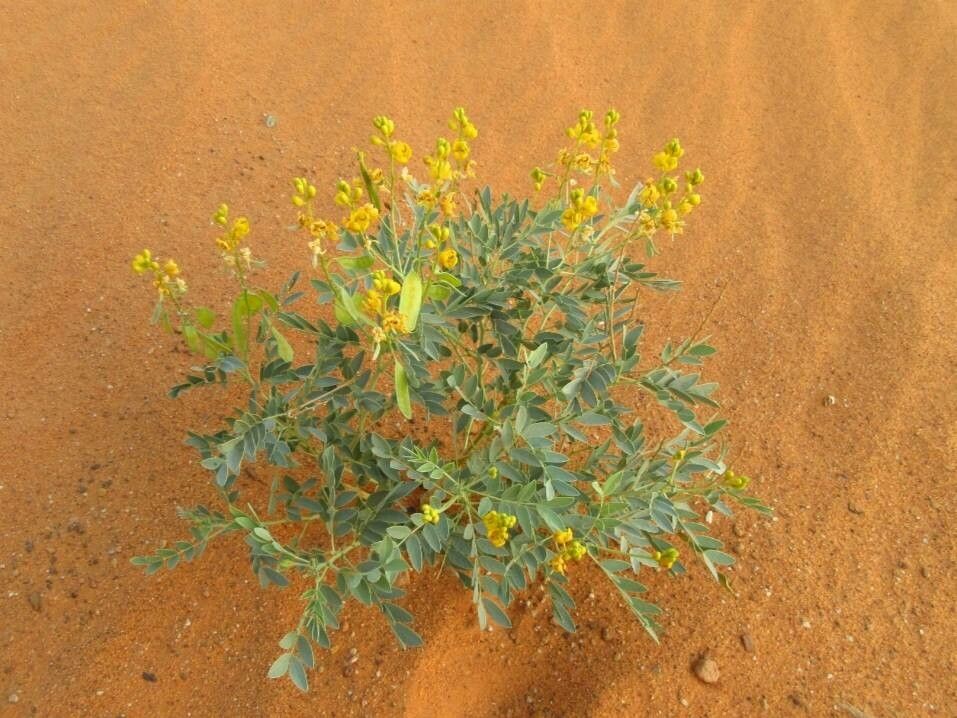
Senna occidentalis, commonly known as coffee senna or Negro coffee, is a flowering plant in the Fabaceae family. It is native to the tropical regions of the Americas and Africa but has been introduced as an ornamental plant in various parts of the world.
The plant can grow up to 2 meters tall and features pinnate leaves with 3 to 6 pairs of leaflets. Its yellow flowers bloom in clusters at the ends of branches, and the plant produces long pods containing multiple seeds.
Traditionally, Senna occidentalis has been used in medicine for its laxative properties and for treating skin conditions, fever, and respiratory issues. However, it contains toxic compounds such as anthraquinones, which can cause liver damage if ingested in large quantities.
Agriculturally, the plant is valued for green manure or intercropping with other crops due to its nitrogen-fixing abilities in soil.
In summary, Senna occidentalis is an intriguing plant with both medicinal and agricultural applications. However, caution is advised due to its potential toxicity when not used properly.
Coffee senna has strong disease resistance and is generally not prone to illnesses. However, it can be vulnerable to pests and diseases present in its environment. Such infections are usually mild. Regarding care, this plant is medium maintenance. It needs regular pruning to keep a neat appearance and support healthy growth. Fertilizing can also encourage flowering. Coffee senna is well suited for anyone with an outdoor area, like a garden or patio, and does not demand extensive care experience. It may need more attention when grown indoors.
How to keep Senna Occidentalis.
Light
Coffee senna does best with ample sunlight for optimal growth. In its native habitat it typically receives plentiful light, which helps sustain its health. A severe lack of sun can impede vigorous growth, while excessive sunlight has not been observed to cause harm.
Water
Coffee senna thrives in tropical environments. It requires consistently moist, but well-drained soil to prevent root rot. While it is moderately drought-tolerant, it should be watered every two weeks. Generally grown outdoors, coffee senna benefits from rainfall during its growing season.
Temperature
Coffee senna comes from areas where temperatures range between 68 and 95 °F (20 to 35 ℃). It prefers moderate warmth and can be harmed by very cold conditions. In colder regions, consider bringing it indoors seasonally to imitate its natural temperature environment.
Fertilizer
When most of the Coffee senna blooms have opened to full size, resume fertilizing. At the peak flowering period, apply fertilizer every three to four weeks, as weather allows. Once the plant begins producing fewer new blooms, discontinue fertilizing; there’s no need to feed it when it cannot set more flowers.
Pruning
To keep Coffee Senna healthy and attractive, it's important to prune it in early to mid-spring. This helps to shape the plant and remove any dead branches, encouraging new growth. To prevent diseases, ensure the plant has good air circulation and receives plenty of sunlight. Regular pruning not only improves the plant's appearance but also increases its density. When maintaining your Coffee Senna, always use clean, sharp tools, following trusted horticultural guidelines.
Botanical profile.
- Plant Type
- Herb, Shrub
- Life Cycle
- Annual, Perennial
- Genus
- Senna
- Family
- Fabaceae
- Hardiness Zone
- 6-9
- Mature Height
- 0.61 m to 1.22 m
- Mature Spread
- 0.61 m to 1.22 m
- Leaf Color
- Green
- Leaf Type
- Deciduous
- Flower Color
- Yellow
- Flower Size
- 2.54 cm to 5.08 cm
- Bloom Time
- Early summer, Mid summer
- Planting Time
- Spring, Summer
- Harvest Time
- Mid summer, Late summer, Early fall
- Native Area
- Sri Lanka, Burkina Faso, Belize, Mexico, Guatemala, Madagascar, Pakistan, Dominican Republic, Nigeria, Benin, Paraguay, Sierra Leone, Indonesia, Haiti, Cameroon, Mozambique, Suriname, Central African Republic, Saudi Arabia, Honduras, Peru, Philippines, Bangladesh, Laos, Panama, Chad, Colombia, Togo, El Salvador, Senegal, Eswatini, Côte d'Ivoire, Ecuador, Costa Rica, Congo (DRC), Egypt, Angola, Malaysia, Namibia, Yemen, Niger, Jamaica, Brunei, Russia, Uruguay, Mali, Iraq, Cuba, Argentina, Cambodia, Equatorial Guinea, Liberia, Venezuela, Brazil, Ghana, South Korea, Qatar, Congo, Nepal, Sudan, Guinea, Bahamas, Bolivia, Vietnam, Myanmar, Guyana, Bhutan, Nicaragua, Thailand, Gabon
Other names.
Reader questions.
How should I water my Coffee senna plant?
To water Coffee senna, you have a few options. You can use a garden hose with a spray nozzle, a watering can, or any other common watering tool. Coffee senna isn't too particular about the type of water it receives, so rainwater, tap water, or filtered water will all work. It's best to avoid watering this plant from above because it can harm the leaves and flowers and may cause disease. A drip irrigation system is often the most effective method for watering Coffee senna because it delivers water evenly and directly to the soil. If you have a Coffee senna growing in a container, you can use a similar watering approach but change the tools you use. Simply use a cup, watering can, or your tap to apply water directly to the soil in the container.
Why should I add fertilizer to my Coffee senna plant?
Plants, including Coffee senna, require nutrients to survive. This is a well-known fact among gardeners, regardless of their experience level. Without proper nutrition, Coffee senna will quickly die after its first pollination. To ensure its longevity and the production of large, beautiful flowers, it is important to supply the right nutrients in the correct quantities. Fertilizer is especially beneficial for Coffee senna, as it helps develop a robust and healthy root system. This is essential because the plant naturally has thin roots that are prone to damage. By fertilizing during planting, a strong foundation is established, providing stability and paving the way for an impressive display of blooms. Timing fertilizer application properly can significantly lengthen the flowering period of Coffee senna.
What are the sunlight requirements for Coffee senna?
Coffee senna thrives in environments that offer abundant sunlight, as this mimics its natural habitat conditions and supports its health and robust growth. It requires full sun, which means it should receive over 6 hours of sunlight daily. However, it can also grow in partial sun, benefiting from about 3-6 hours of sunlight. Lack of sufficient sunlight may hinder the plant's growth, although it has shown resilience against excessive sun exposure without suffering detrimental effects. It's important to observe the movement of sunlight through your garden to ensure you plant Coffee senna in a spot that achieves the right balance of light and shade to make the plant happy.
What is the native environment of Coffee Senna?
Coffee senna, or Senna occidentalis, thrives best in temperatures that range from 68 to 95 °F (20 to 35 °C). It prefers environments with moderate warmth and may experience difficulties in extremely cold conditions. To accommodate its preference for warmer climates, it may be necessary to move the plant indoors during colder seasons to mimic its natural habitat.
What should I do if I give too much water or too little water to my Coffee senna plant?
To remedy underwatering for Coffee senna, it's important to water the plant regularly once you notice it lacking moisture. On the other hand, overwatering can be more serious, potentially leading to diseases and the plant's decline or death if not detected early. To prevent this, choose a growing spot with ample sunlight to dry the soil and good drainage to avoid waterlogging. If you accidentally overwater a potted Coffee senna, it may be necessary to transfer it to a new pot with better drainage. When repotting, use loose soil and a pot that drains efficiently.
When should I put fertilizer on my Coffee senna plant?
Coffee senna experiences rapid growth in the early part of the growing season, after the threat of frost has passed. It is best to fertilize Coffee senna during planting, when it is first placed in the ground or in planters. This initial dose of fertilizer will be sufficient until later in the year, when the plant is in full bloom. Once the season is in full swing and the majority of the blooms have opened, it is time to resume fertilizing. This should be done every three to four weeks, as long as weather conditions allow. When the plant starts producing fewer new blooms, the fertilizer should be stopped as there is no need to continue fertilizing.
How do artificial lights support Coffee senna's growth indoors?
Indoor Coffee senna plants require adequate lighting to ensure optimal growth, especially in conditions where natural sunlight is insufficient, like during winter or in less sunny indoor spaces. Artificial lighting becomes essential in these situations to promote healthier and faster plant growth. When choosing artificial lights, LED lights are recommended due to their ability to be customized to provide specific wavelengths needed by plants. Full sun plants like the Coffee senna should receive 30-50W/sq ft of artificial light. To mimic natural sunlight conditions, the light source should be placed 12-36 inches above the plant, and the plants should be exposed to artificial light for 8-12 hours per day.
Does Coffee Senna need special frost protection measures during winter?
Coffee senna has a strong resistance to cold, and special frost protection measures are generally not needed. However, if temperatures are anticipated to fall below -25°C, it's important to offer protection against the cold. This can be done by covering the plant with soil or straw. Additionally, before the first freeze of autumn, the plant should be watered abundantly to ensure the soil is moist and enters a frozen state. This approach aids in preventing drought and water scarcity during the winter and early spring.
How often do I need to give water to my Coffee senna plant?
Coffee senna plants need regular watering throughout the growing season. In the beginning, you should water them once a week in spring. As the season progresses and it gets warmer, you may need to increase watering to two or three times per week. However, exceeding this rate can harm the plant. It's important to keep the soil moist but not wet, regardless of how often you water. When it comes to Coffee senna in pots, you will generally need to water more frequently. The soil in pots can heat up and dry out faster than ground soil. So, for container-grown Coffee senna, plan to water a few times per week compared to just once per week for plants in the ground.
When is it a bad idea to put fertilizer on my Coffee senna plant?
Regular fertilizing is important for Coffee senna, but it's crucial to apply it at the right time. In certain situations, it may be necessary to withhold fertilizer. These situations are often related to the climate, but they can also be influenced by various controllable factors. If there are severe or unexpected changes in the weather, it's best to wait until conditions improve before fertilizing. For example, if a sudden cold snap occurs during summer, it's advisable to wait until it warms up before applying fertilizer. Similarly, if the soil becomes too dry or compacted, it's better to hold off on fertilizing as the roots won't be able to absorb it properly. High temperatures, particularly during the hottest parts of the day, should also be avoided when fertilizing. This is because fertilizer can break down too quickly in hot temperatures, which can negatively affect the plant. Additionally, if there are any pests or diseases present, they should be addressed and cleared up before applying fertilizer again.
What are the symptoms of insufficient or excessive light exposure in Coffee senna?
When Coffee senna is grown indoors with inadequate light, it may show symptoms such as smaller new leaves, leggy or sparse growth, faster leaf drop, slower or ceased growth, and lighter-colored or chlorotic new leaves, indicating a deficiency in sunlight and essential nutrients. Conversely, excessive sunlight can cause symptoms like sunscald, presenting as pale or necrotic spots on plant tissue; leaf curling, as a defense against water loss; wilting from high transpiration rates; and leaf scorching, seen as brown, dry edges on leaves. These issues highlight the importance of balancing light exposure to maintain Coffee senna's health.
How does Coffee Senna respond to low temperatures?
Coffee senna is capable of tolerating cold temperatures and performs best when the temperature is above 20°C. During winter, the temperature should be maintained above 0°C. If temperatures drop below -25°C, the plant may not show noticeable changes during the winter, but there could be a reduction in sprouting or a complete lack of sprouting in spring. In spring, it is recommended to remove any parts of the plant that have failed to sprout.