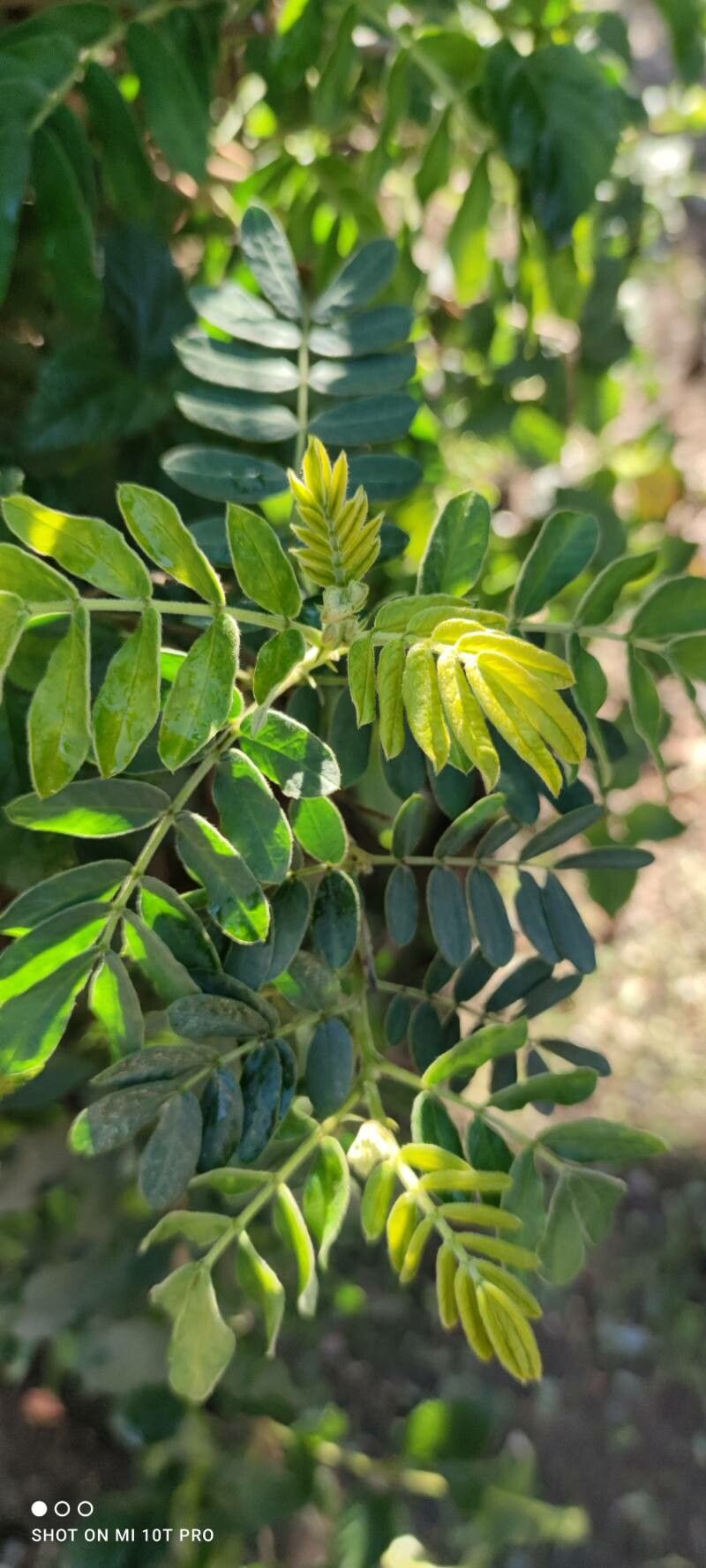
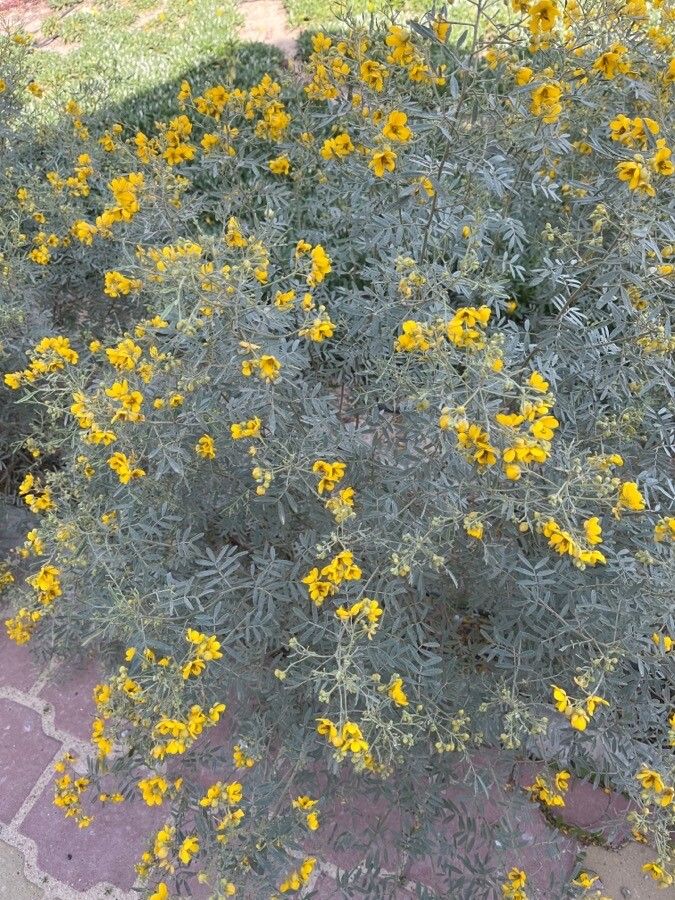
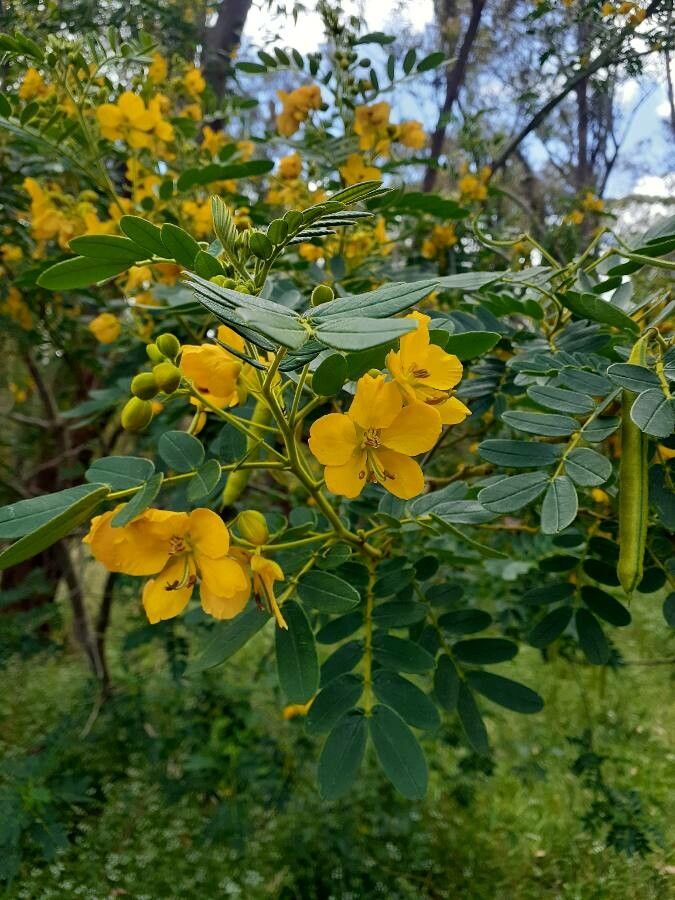
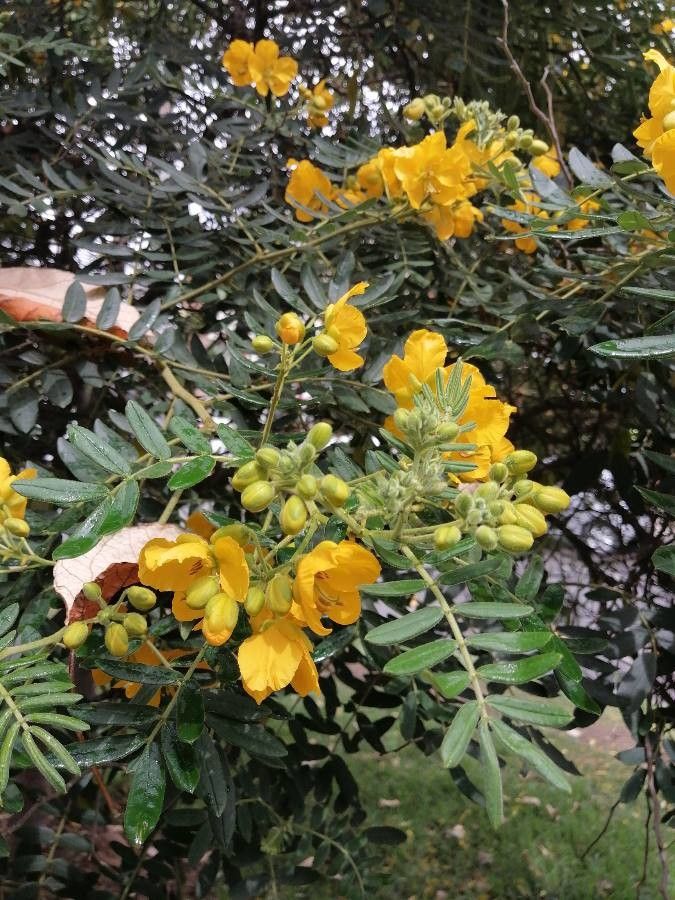
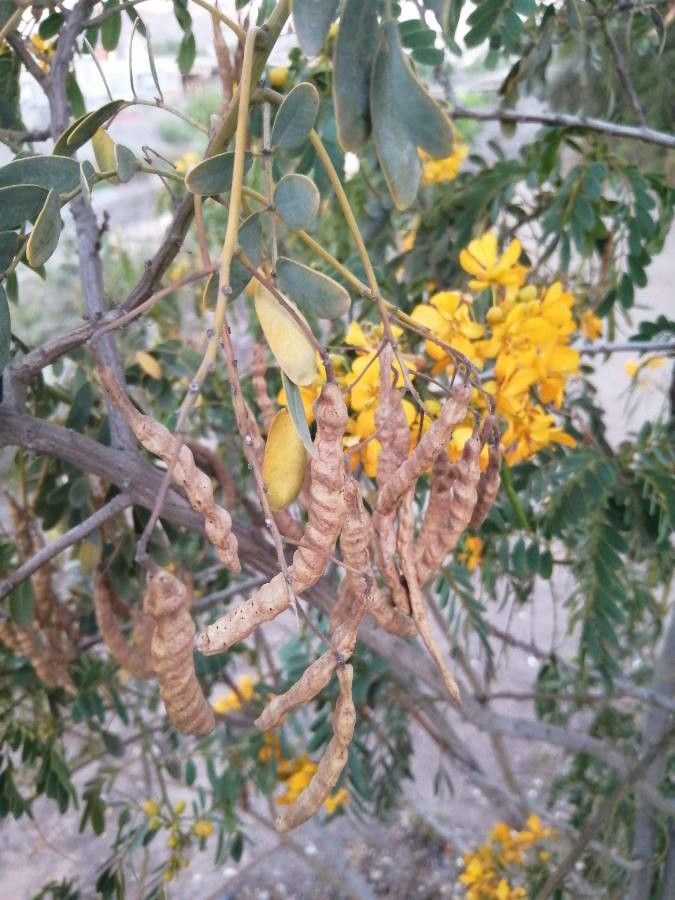
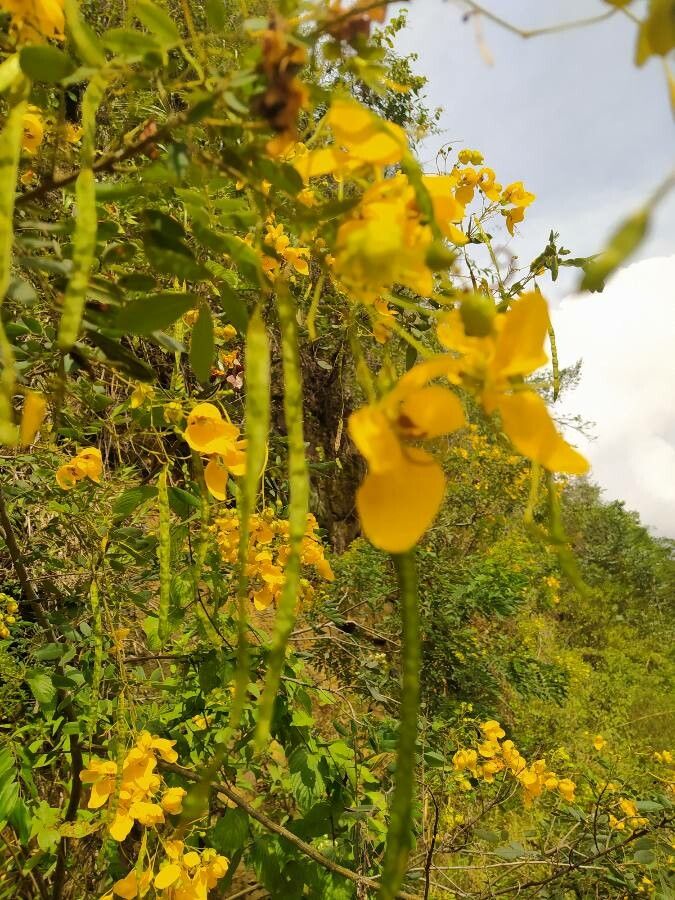
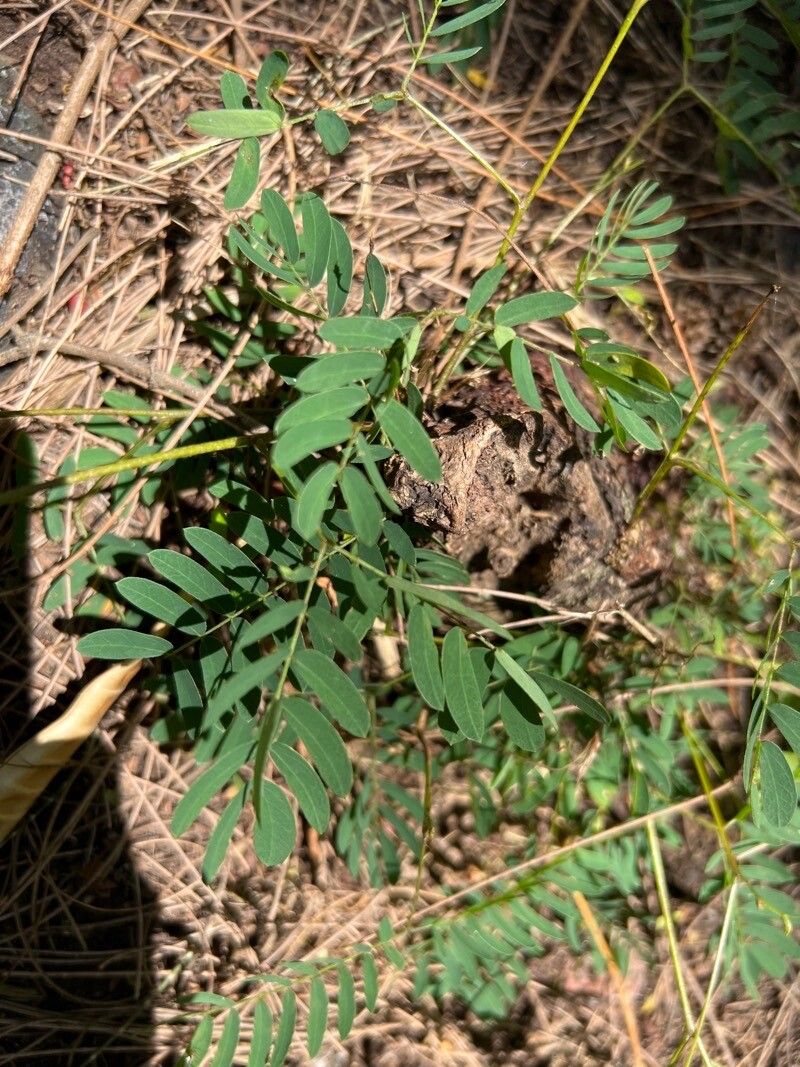
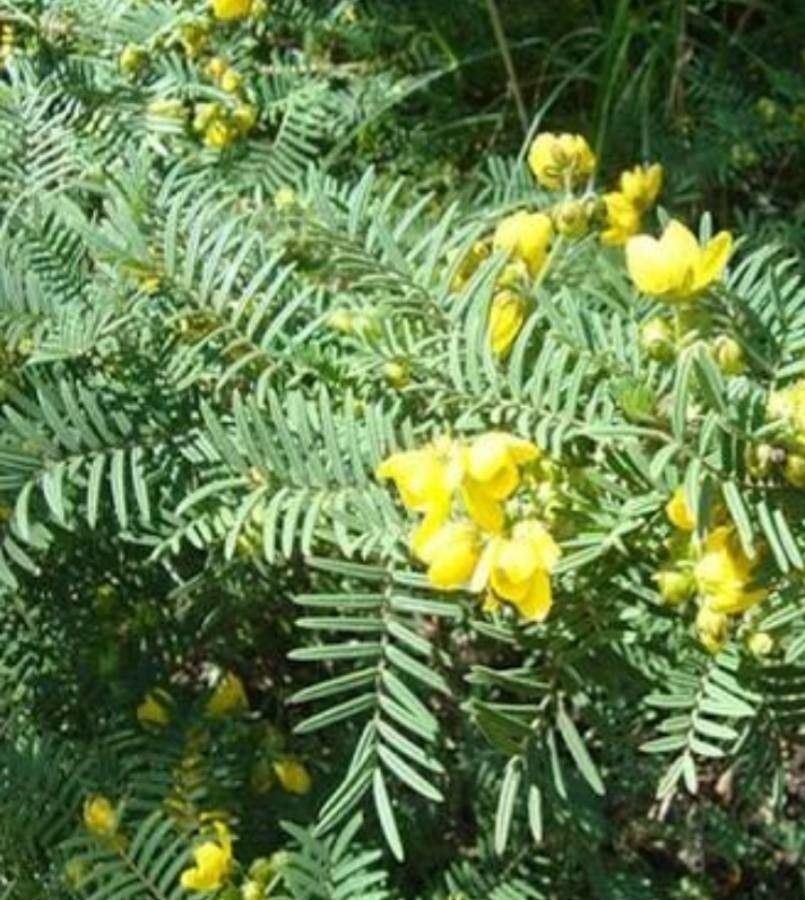
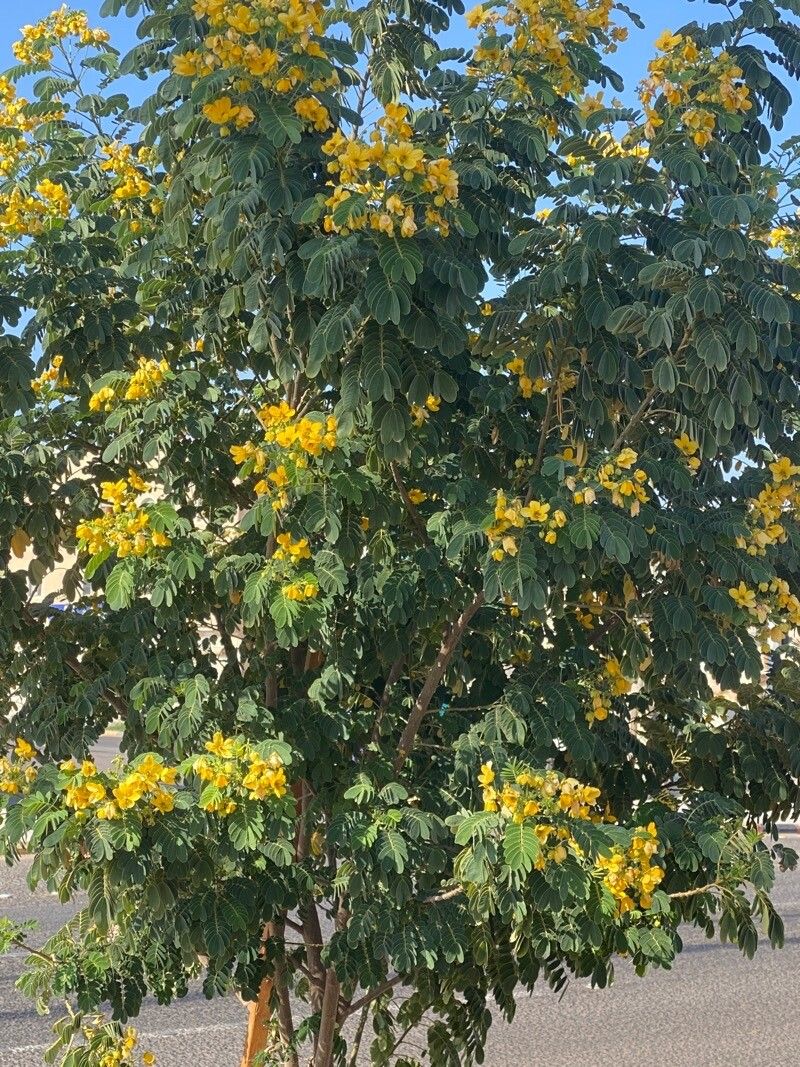
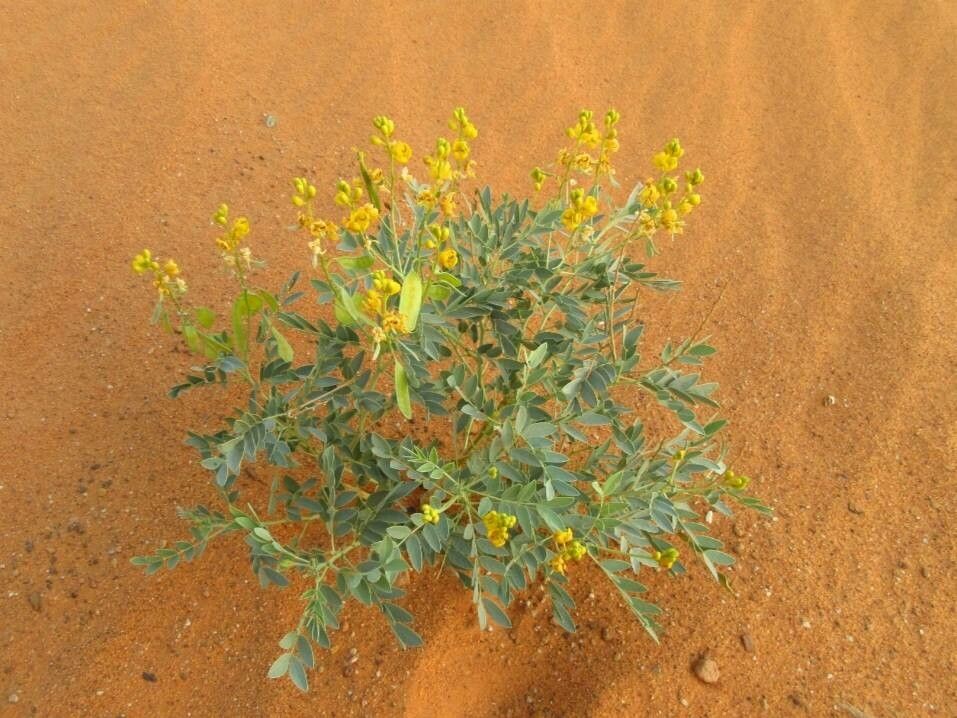
Senna multiglandulosa, commonly known as the glandular senna or glandular wild sensitive plant, is a species of flowering plant in the Fabaceae family. It is native to South America, particularly Brazil and Argentina. The plant typically reaches a height of 1 to 2 meters and has a woody stem with compound leaves featuring 3 to 5 pairs of leaflets. Its yellow flowers bloom in clusters from late spring to early summer.
Traditionally, the glandular senna has been used for its medicinal properties, particularly as a laxative due to its high content of anthraquinones. Additionally, it is favored as an ornamental plant because of its attractive flowers and foliage.
This species thrives in well-drained soils and can be grown in either full sun or partial shade, making it suitable for use as an ornamental garden shrub or small tree. However, it has the potential to become invasive if not properly managed.
Overall, Senna multiglandulosa is a versatile species that offers both medicinal benefits and aesthetic appeal when cultivated under appropriate conditions.
Glandular senna is resistant to disease and generally not prone to infections. Regarding care, this plant is relatively low maintenance. When grown outdoors it needs minimal watering, and larger plants typically do not require pruning. However, smaller plants should be pruned after they have finished blooming. Glandular sennat is suitable for anyone with outdoor space, such as a garden or deck, and does not require much gardening experience.
How to keep Senna Multiglandulosa.
Light
Glandular senna is native to open habitats, like sunny meadows and forest edges, which offer abundant light. It does best in Full Sun but can also tolerate Partial Sun, adjusting well to various sunlight conditions.
Temperature
Glandular senna adapts well to heat, tolerating higher temperatures and wider temperature fluctuations. During hot periods, attention should be paid to watering and provision of suitable shade to avoid sunburn. Conversely, glandular senna is less tolerant of low temperatures; it can endure some cold, but overly cold conditions may cause frost damage.
Fertilizer
The timing of fertilizing Glandular senna is important. Apply fertilizer in early spring and then monthly until early summer. Fertilizer encourages attractive blooms and supplies energy during both dormant and active growth phases.
Pruning
Glandular senna flourishes when it is pruned correctly, which is best done in early spring. Essential pruning techniques include removing dead wood, thinning branches to improve air circulation, and shaping the plant to enhance its structure. Regular pruning encourages healthier growth and more abundant blooms. Be sure to use clean, sharp tools to prevent infections.
Botanical profile.
- Plant Type
- Shrub
- Life Cycle
- Perennial
- Genus
- Senna
- Family
- Fabaceae
- Hardiness Zone
- 9-11
- Mature Height
- 2.13 m to 3.96 m
- Mature Spread
- 2.13 m to 3.05 m
- Leaf Color
- Green, Dark Green
- Leaf Type
- Evergreen
- Flower Color
- Yellow
- Flower Size
- 2.03 cm to 3.05 cm
- Bloom Time
- Summer, Early fall, Mid fall
- Planting Time
- Spring, Summer
- Harvest Time
- Late summer, Fall, Early winter
- Native Area
- Colombia, Mexico, Guatemala, Bolivia, Peru, Nicaragua, Ecuador
Other names.
Reader questions.
What are the sunlight requirements for Glandular senna (Senna multiglandulosa)?
Glandular senna (Senna multiglandulosa) thrives in conditions that meet specific sunlight requirements. For optimal growth, it requires full sun, which means the plant should receive more than 6 hours of sunlight each day. There is also the option for partial sun, suitable for those areas receiving about 3-6 hours of sunlight daily. It's essential to observe the movement of sunlight through your garden to identify the best spots that offer a harmonious balance of light and shade, ensuring your Glandular senna plants are happy and healthy.
What is the botanical name of Glandular senna?
The botanical name of Glandular senna is Senna multiglandulosa.