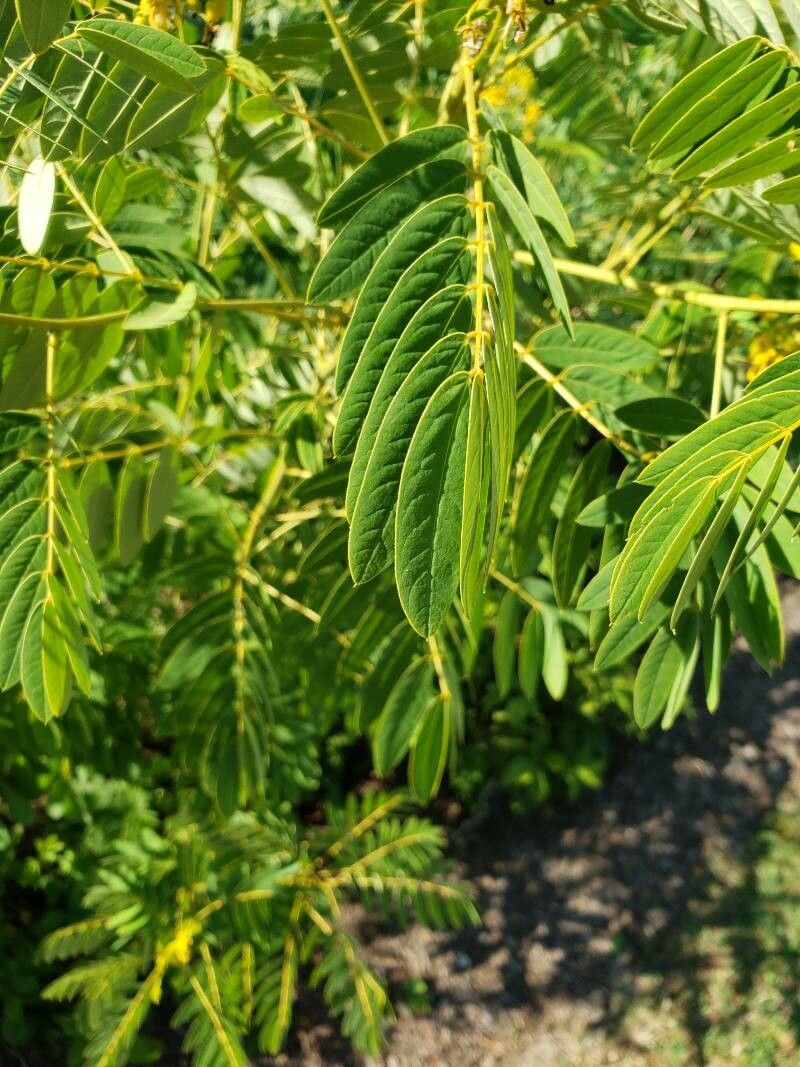
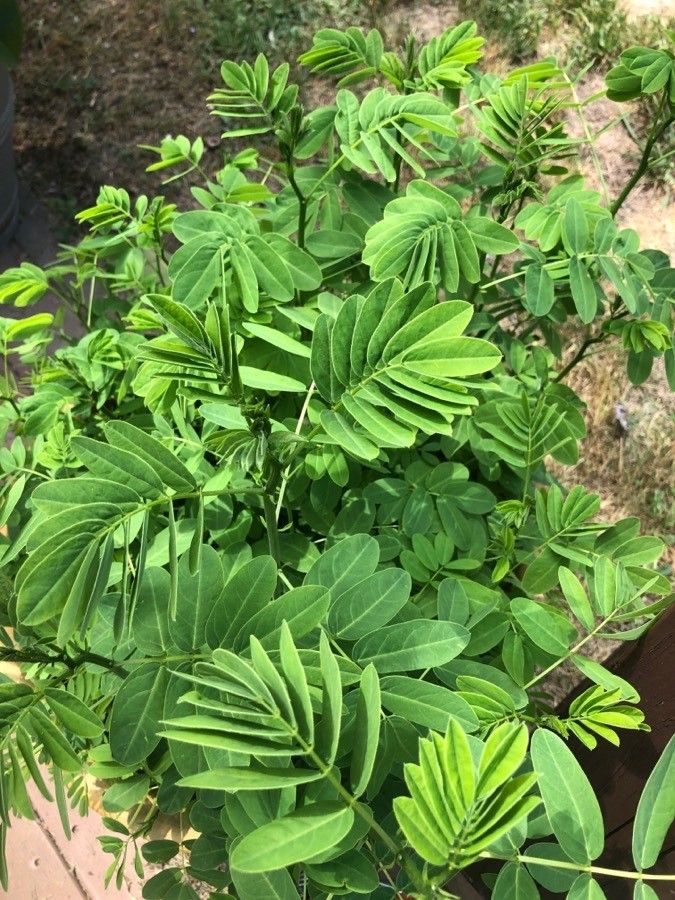
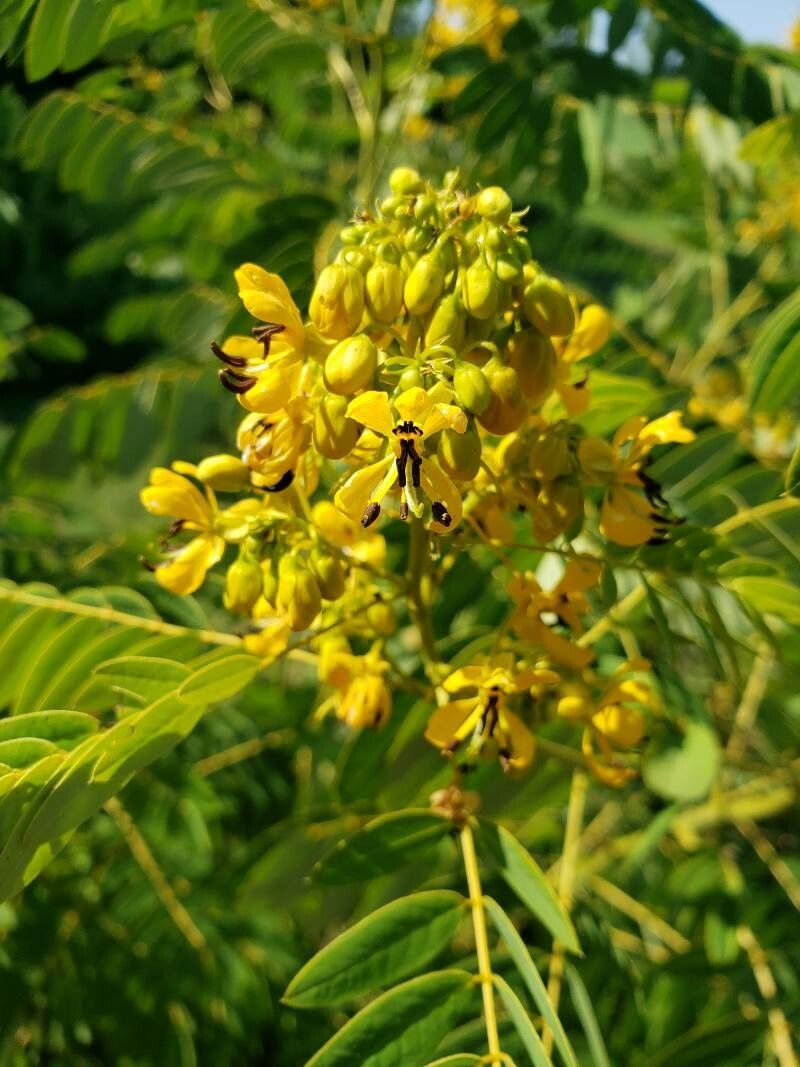
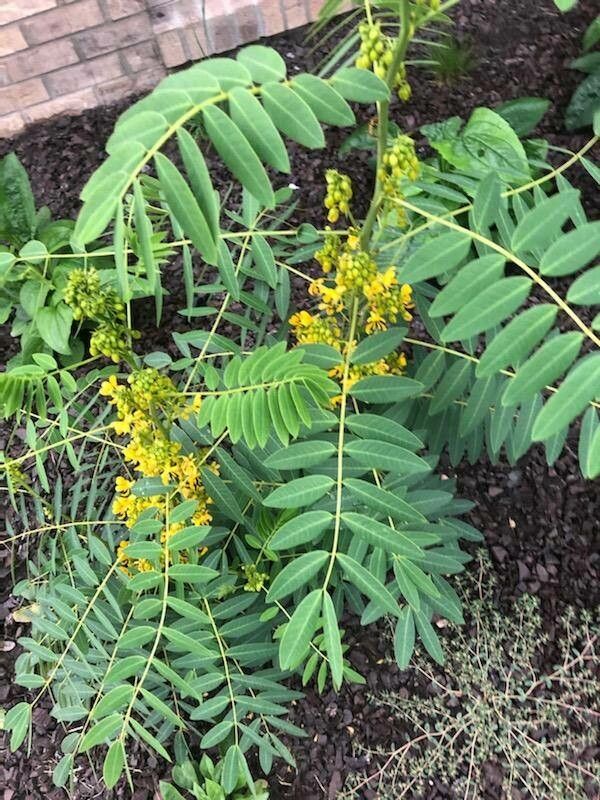
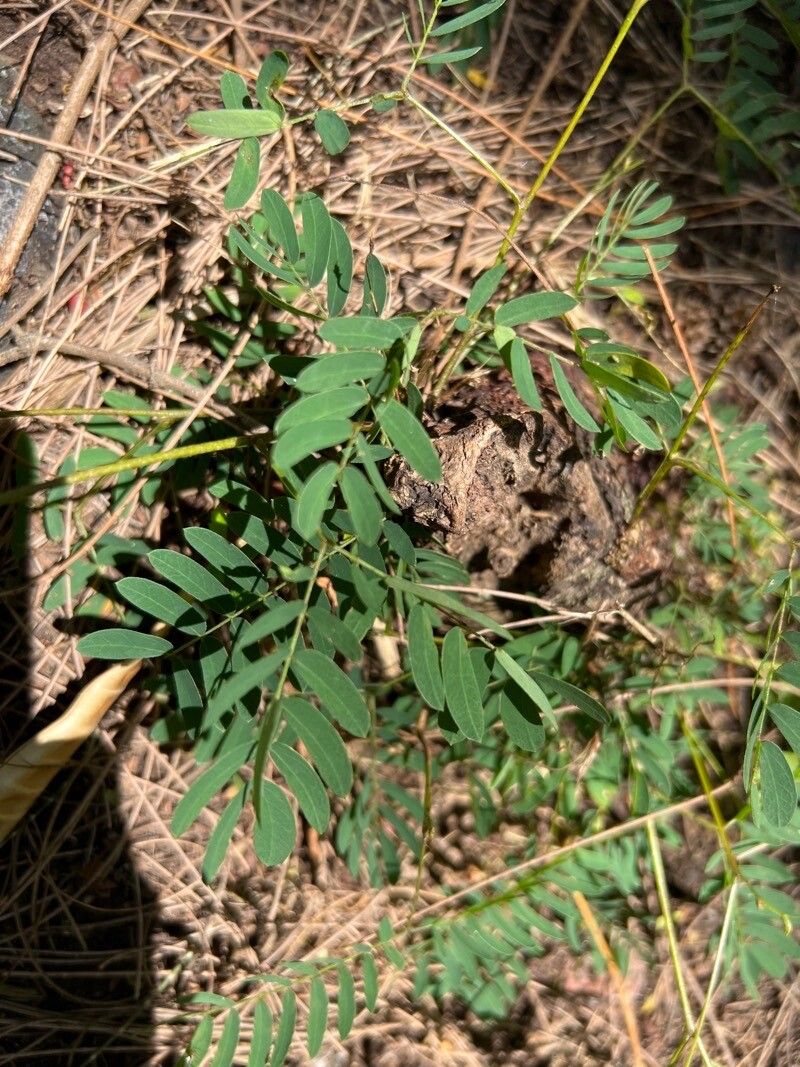
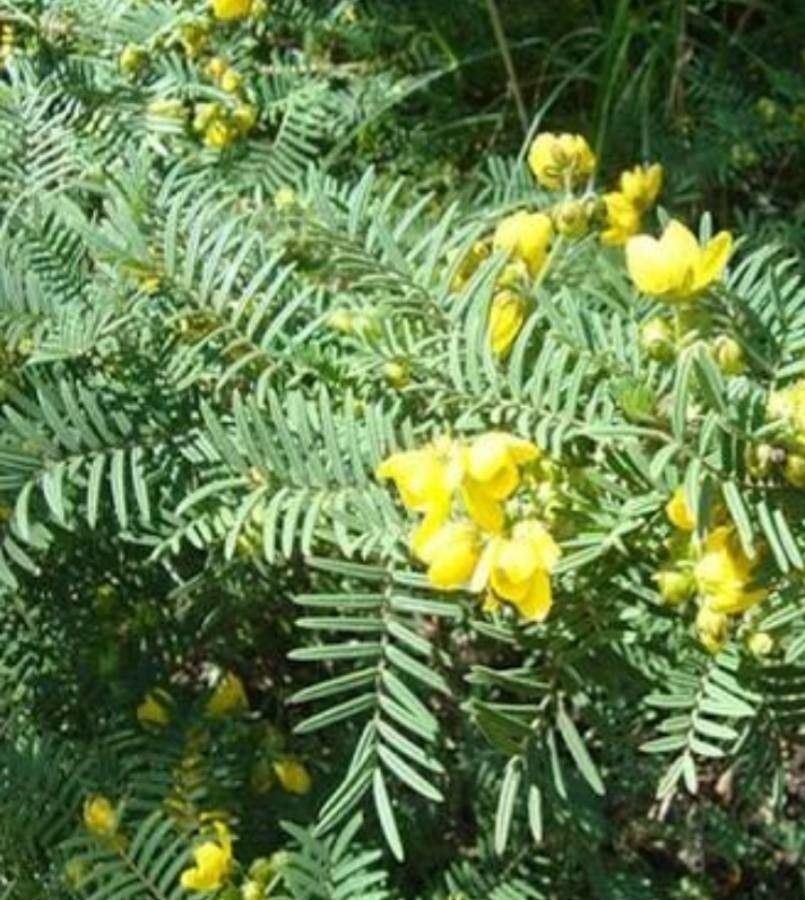
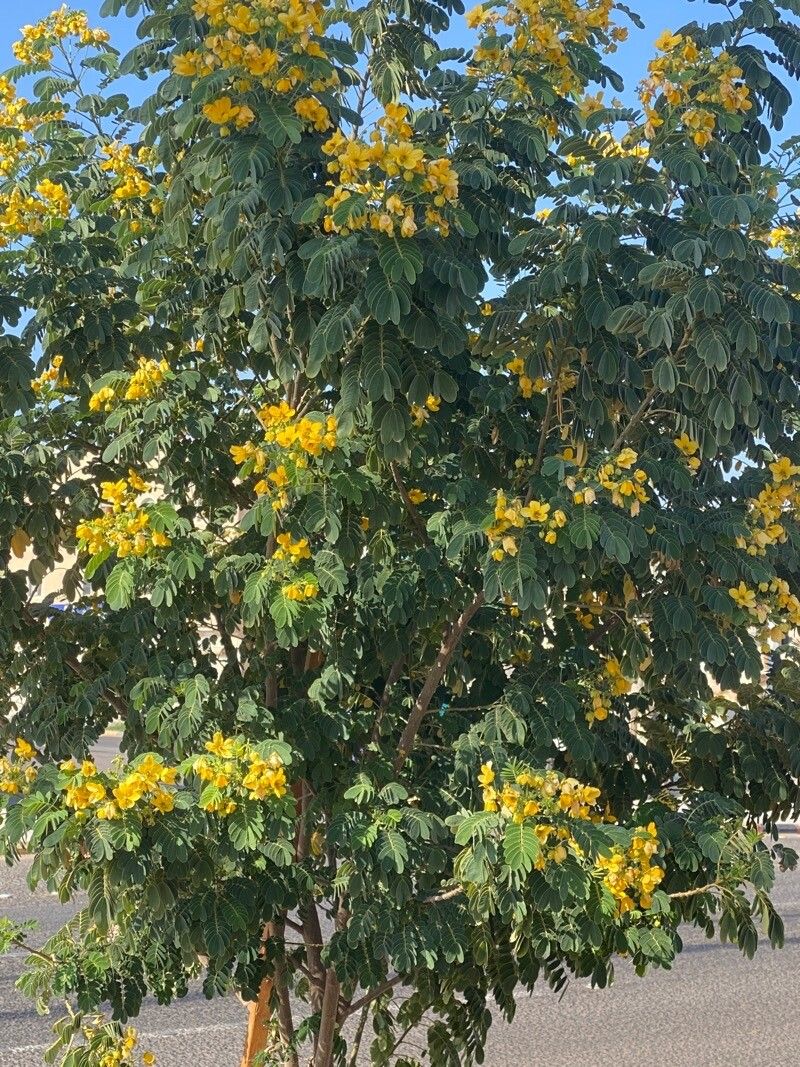
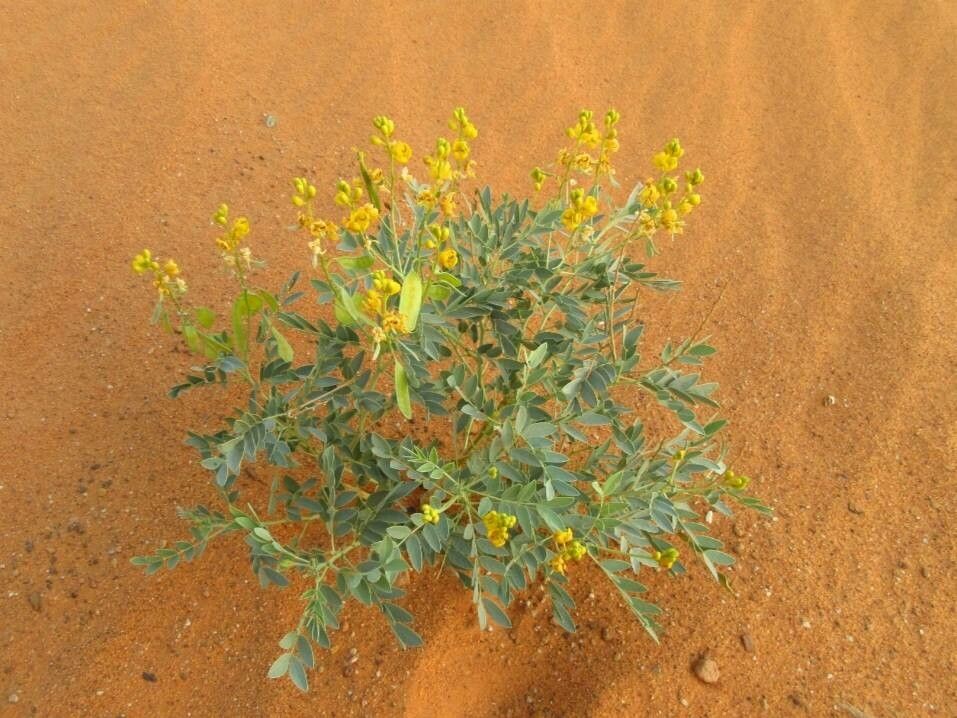
Senna hebecarpa, commonly known as American senna or wild senna, is a perennial herbaceous plant belonging to the Fabaceae family. Native to North America, it thrives in various habitats such as prairies, meadows, and open woods. The plant can grow to a height of 1 to 2 meters and features a woody stem with green, pinnate leaves. Its bright yellow flowers, each with five petals, bloom from June to August. The fruit is a long pod that houses several seeds.
For centuries, Native Americans have harnessed the medicinal properties of Senna hebecarpa, particularly for its laxative effects. The plant contains compounds called anthraquinones, which stimulate bowel movements and alleviate constipation. It has also been utilized as an herbal remedy for a variety of ailments, including fever, coughs, colds, and arthritis pain.
Beyond its medicinal uses, Senna hebecarpa plays a vital role in ecological systems by providing food for pollinators such as bees and butterflies.
Overall, Senna hebecarpa is a valuable herbaceous perennial, offering both medicinal benefits and ecological significance. This makes it an excellent addition to gardens and natural habitat restoration projects.
Wild senna has strong disease resistance and is usually not prone to illnesses. However, it can be vulnerable to pests and diseases found in its surroundings. These infections are typically not severe. In terms of care, this plant requires moderate maintenance. It should be pruned regularly to maintain a good appearance and encourage healthy growth. Fertilizing can also help to increase flowering. Wild senna is suitable for anyone with outdoor space, such as a garden or patio, and does not demand extensive care experience. It may need more attention when grown indoors.
How to keep Senna Hebecarpa.
Light
Wild senna grows best in full sun but can tolerate moderate shade. Native to very sunny habitats, it has adapted to use ample light for optimal growth. Still, too much shade or excessively strong sunlight can harm its health.
Water
Wild senna thrives in well-drained soils with moderate moisture levels and is also tolerant of drought. To keep it properly hydrated, watering every two weeks is recommended. As an herbaceous perennial, wild senna needs consistent soil moisture during its growing season to encourage lush foliage and vibrant blooms.
Temperature
Wild senna is native to regions where temperatures range from 59 to 95 °F (15 to 35 ℃). It can tolerate different seasons but may need extra care during extreme heat or cold. Optimal growth occurs within that temperature range.
Fertilizer
Early spring, when Wild senna is coming out of dormancy and starting active growth, is the best time to apply fertilizer. Fertilizing supplies essential nutrients needed for healthy development. While Wild senna has fairly low fertilizer requirements, an annual application can improve its survival and encourage better, longer-lasting blooms.
Pruning
Wild senna is known for its bright yellow flowers and feathery foliage. To maintain its health, prune the plant from early to late spring. Start by removing any dead branches and thinning out crowded areas to improve air circulation. Regular pruning not only encourages a bushier growth but also helps prevent disease. Always use clean, sharp tools to minimize stress on the plant and reduce the risk of infection.
Botanical profile.
- Plant Type
- Herb
- Life Cycle
- Perennial
- Genus
- Senna
- Family
- Fabaceae
- Hardiness Zone
- 7-10
- Mature Height
- 1.22 m to 1.83 m
- Mature Spread
- 61 cm to 91 cm
- Leaf Color
- Green
- Leaf Type
- Deciduous
- Flower Color
- Yellow
- Flower Size
- 2.54 cm
- Bloom Time
- Early summer, Mid summer
- Planting Time
- Spring, Summer, Autumn
- Harvest Time
- Mid summer
Other names.
Reader questions.
What are the sunlight requirements for Wild Senna?
Wild Senna, or Senna hebecarpa, flourishes best in full sunlight, requiring above 6 hours of sunlight daily. However, it can also tolerate partial sun, meaning about 3-6 hours of sunlight. Observing how sunlight moves through your garden is crucial for choosing the correct spots that provide the ideal balance of light and shade, ensuring the plants' wellness.
What is the native temperature range for Wild Senna?
Wild Senna, scientifically known as Senna hebecarpa, is native to environments where temperatures range from 59 to 95 °F (15 to 35 °C). It is capable of adapting to different seasons, although it may require additional care under extreme heat or cold conditions. The plant exhibits its best growth within this temperature spectrum and exhibits strong resistance to cold, making special frost protection measures generally unnecessary.
How do artificial lights support plant growth indoors?
Indoor Wild Senna plants require adequate lighting for optimal growth, especially when natural sunlight is insufficient, like in winter or less sunny spaces. Artificial lights, such as LED lights, are beneficial as they can be customized to provide specific wavelengths needed by your plants. For full sun plants, 30-50W/sq ft of artificial light is recommended; partial sun plants need 20-30W/sq ft, and full shade plants require 10-20W/sq ft. The light source should be placed 12-36 inches above the plant, mimicking natural sunlight, and plants most commonly need 8-12 hours of light per day.
How can Wild Senna be protected during very cold winters?
Although Wild Senna has good cold resistance, in the event that winter temperatures are anticipated to drop below -15°C, it is crucial to provide the plant with protection against the cold. This can be effectively done by covering the plant with insulating materials such as soil or straw. Additionally, it is recommended to water the plant abundantly before the first freeze of autumn. Keeping the soil moist allows it to enter a frozen state, which helps prevent drought and water scarcity for the plant during the winter and early spring months.
What are the signs of insufficient light in Wild Senna?
Inadequate lighting can lead to several symptoms in Wild Senna, including smaller new leaves than the previous ones, leggy or sparse growth, faster leaf drop, slower or stopped growth, and pale or irregularly colored new leaves. Insufficient sunlight indicates a lack of chlorophyll and essential nutrients, which can lead to chlorosis (leaves turning yellow due to chlorophyll breakdown) and negatively affects the plant's ability to photosynthesize.
What are the symptoms and solutions for Wild Senna in low temperatures?
Wild Senna thrives best when temperatures remain above 15°C, showing a strong tolerance for the cold. However, during the winter, it is advised to maintain temperatures above -10°C. If temperatures fall below -15°C, there might not be noticeable changes during winter, but such conditions could lead to decreased sprouting or a lack of sprouting in the spring. Should this occur, the recommended solution is to remove any parts of the plant that have failed to sprout come spring.
What are the symptoms of excessive sunlight on Wild Senna?
Excessive sunlight can harm Wild Senna, leading to symptoms such as sunscald, which appears as pale, bleached, or necrotic areas on plant tissue. Leaf curling is another symptom where leaves twist to reduce their surface area exposed to sunlight. Other signs include wilting due to increased water loss, and leaf scorching, characterized by brown, dry, and crispy leaf edges. These conditions can significantly reduce the plant's photosynthetic capacity and overall health.
How does high temperature affect Wild Senna, and what are the solutions?
In the summer months, it's important to ensure that Wild Senna is kept in conditions below 35°C. Exceeding 41°C can cause the plant's leaves to lighten in color, become prone to curling, suffer from sunburn, and, in severe cases, the whole plant may wilt and dry out. To mitigate these issues, it is advisable to trim away any sunburned and dried-up parts of the plant. Relocating the plant to a spot that provides shade during the midday and afternoon sun, or using a shade cloth, can offer much-needed relief. Additionally, watering the plant in the morning and in the evening will help keep the soil adequately moist.
How can I address lighting issues for Wild Senna?
To address lighting issues, consider gradually relocating your plants to get at least 6 hours of direct sunlight daily if they are not receiving enough light. For indoor plants, using artificial lighting, like a desk or ceiling lamp for at least 8 hours daily, can supplement light. If plants receive too much light, gradually adapt them to the optimal conditions by moving them to a slightly shadier location each week. It's also important to reduce obstructions like pruning trees or branches that block sunlight. Remember, parts of the plant affected by insufficient sunlight may not recover, but new growth will be healthy with improved light exposure.